Tummy Tuck Surgery in India: Cost, Recovery, Techniques, and Results

11/6/2026, 7:02:43 AM 9 min read Medical Tourism
Tummy Tuck Surgery in India: Cost, Recovery, Techniques, and Results
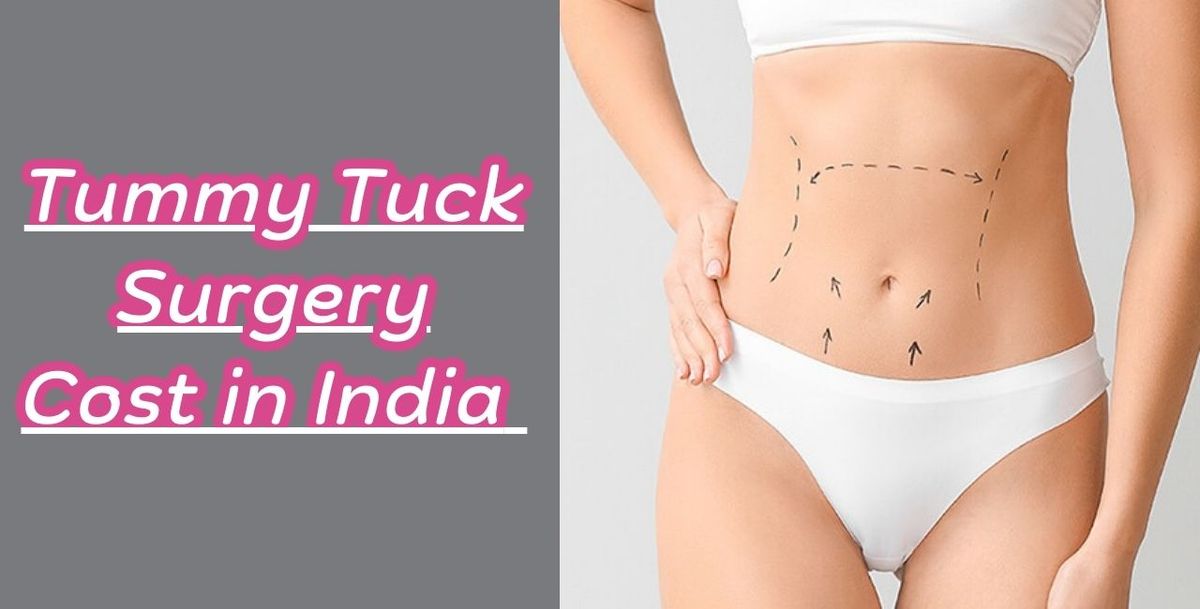
There is a specific kind of frustration that brings people to a tummy tuck consultation. They have done the work. The weight is gone, or the pregnancies are over, or both. But the abdomen that remains does not reflect any of that. Loose skin, separated muscles, and a stubborn lower pouch that responds to nothing are not problems that diet or exercise can solve. They are structural issues, and surgery is the only intervention that addresses them.


Abdominoplasty is consistently among the most commonly performed cosmetic procedures globally. In India, it is one of the fastest-growing procedures among international patients, with costs ranging from USD 2,000 to USD 4,500 at accredited centres, compared to USD 8,000 to USD 12,000 in the United States and GBP 6,000 to GBP 10,000 in the United Kingdom. 


The saving is real. So is the surgery. This article explains what that means in clinical terms, what the different types of abdominoplasty involve, who is a good candidate, and what recovery actually looks like.


What Does a Tummy Tuck Actually Do?

Abdominoplasty removes excess abdominal skin and fat, and tightens the underlying abdominal wall musculature. It is often mistaken for a weight-loss procedure. It is not. It is a body-contouring procedure for patients whose weight is already at or near their target but whose abdominal anatomy has changed in ways that no amount of training can reverse.


The three main problems abdominoplasty corrects are:


  • Excess skin in the lower abdomen, typically from pregnancy or significant weight loss, that hangs or folds regardless of body weight.
  • Diastasis recti, the separation of the paired rectus abdominis muscles along the linea alba that causes the characteristic post-pregnancy abdominal bulge.
  • Localised fat deposits in the lower abdomen that resist diet and exercise.

A 2025 randomised clinical trial found that abdominoplasty with diastasis recti repair significantly improved low back disability and health-related quality of life at one-year follow-up in postpartum women with symptomatic rectus diastasis. This matters because it positions the procedure not purely as cosmetic but as a genuine functional intervention for patients with structural abdominal wall weakness.


Who Is the Right Candidate for Tummy Tuck?

A tummy tuck is most appropriate for patients who meet the following criteria:


  • BMI under 30 at the time of surgery (ideal), or under 35 with careful risk assessment.
  • Stable weight for at least six months before surgery.
  • Non-smoker, or prepared to stop smoking a minimum of six weeks before and after the procedure.
  • No planned future pregnancies, as subsequent pregnancies undo the muscular repair.
  • Realistic expectations about what surgery delivers and what it does not.


What Are the Different Types of Tummy Tuck Available in India?

Not all abdominoplasties are the same procedure. The type performed depends on the location and degree of skin excess, whether diastasis recti is present, and the patient's body shape.


Full Abdominoplasty

The most commonly performed type. A horizontal incision runs from hip to hip, low enough to sit within swimwear. The surgeon separates and elevates the abdominal skin, repairs the rectus muscles if diastasis recti is present, removes the excess skin, and repositions the umbilicus through a new opening in the tightened skin.


Full abdominoplasty is suitable for patients with skin laxity above and below the navel and significant diastasis recti. It produces the most complete transformation but requires the longest recovery.


Mini Abdominoplasty

A shorter incision and more limited dissection, addressing excess skin and fat only below the navel. The umbilicus is not repositioned. Mini abdominoplasty is suitable for patients with localised lower abdominal laxity and no significant muscle separation above the navel. It produces a shorter scar and faster recovery but is only appropriate for a specific anatomical profile.


Extended and Fleur-de-Lis Abdominoplasty

  • Extended abdominoplasty extends the hip-to-hip incision toward the flanks to address excess skin on the sides. It is commonly performed on patients who have lost significant weight and carry excess skin circumferentially.
  • Fleur-de-lis abdominoplasty adds a vertical midline incision to the horizontal one, creating a T-shaped scar. It removes excess skin in both directions and is suitable for post-bariatric patients with significant vertical skin excess. Research confirms complication rates similar to those of standard abdominoplasty in well-selected patients.


Lipoabdominoplasty

Combines liposuction with abdominoplasty in a single procedure, contouring the flanks, hips, and upper abdomen, along with the standard resection and muscle repair. A 2024 JPRAS Open study documented complete resolution of abdominal convexity at the 18-month follow-up in a patient who underwent a 360-degree lipoabdominoplasty and had a 6 cm diastasis recti.


What Does Tummy Tuck Surgery Cost in India?

A traditional tummy tuck in India costs between USD 2,000 and USD 4,500, with an average around USD 2,990 in 2026, making it one of the most affordable options globally. It compares with an average of USD 8,000 to USD 12,000 in the United States before facility fees, anaesthesia, and pre-operative tests.


What Affects the Price?

Several factors move the cost within the India range:


  • Procedure type: Mini abdominoplasty costs less than a full abdominoplasty; fleur-de-lis and circumferential procedures cost more.
  • Liposuction add-on: Adding lipoabdominoplasty increases the cost by USD 500-1,500, depending on the zones treated.
  • Surgeon seniority: Surgeons with subspecialty expertise in body contouring charge 20 to 40 percent more.
  • Facility tier: JCI-accredited multi-speciality hospitals cost more than standalone clinics, and both charge less than equivalent facilities in the West.


  • Cities such as Delhi, Mumbai, and Bangalore have slightly higher costs than Tier-2 cities.


What Is Typically Included?

Most international patient packages at accredited Indian hospitals include:


  • Surgeon's fee and anaesthesia
  • Operating theatre and one to two nights' inpatient stay
  • Pre-operative blood work and ECG
  • Compression garment
  • Post-operative follow-up appointments during the India stay

Medications, drain management visits, and travel costs are usually additional. Patients should request a fully itemised quote before comparing clinics.


What Are the Risks and How Are They Managed?

Abdominoplasty has a well-defined complication profile. Patients considering surgery abroad should understand the common risks and how the treating team manages them.


Most frequently occurring complications are: 


  • Seroma (fluid accumulation under the skin) is the most common complication, occurring in approximately 10-15% of cases. Surgical drains are placed at the time of surgery and removed once output drops to 30-40 mL/day. Some surgeons use progressive-tension sutures to reduce the dead space where a seroma can form.
  • Wound healing delays, particularly at the T-junction in fleur-de-lis procedures, are more common in smokers, diabetic patients, and patients with BMI above 35.
  • Scar hypertrophy occurs in a proportion of patients and is managed with silicone sheeting, massage, and occasionally laser treatment at three to six months.


What is the Most Serious Risk of Tummy Tuck?

Venous thromboembolism (VTE), including deep vein thrombosis and pulmonary embolism, represents the most serious systemic complication. Risk is higher in longer procedures, in patients with elevated BMI, and in those with other VTE risk factors. 


Standard prophylaxis includes early same-day ambulation (walking in a flexed posture on the day of surgery), compression stockings, and low-molecular-weight heparin in higher-risk patients. Patients should confirm that the centre follows a formal VTE risk assessment and prophylaxis protocol before booking.


What Does Recovery Look Like for International Patients?

Recovery from a full abdominoplasty follows a predictable sequence, though individual variation exists.


  • Days 1 to 3: Inpatient recovery. Patients are encouraged to walk (in a slightly flexed posture to reduce tension on the closure) on the day of surgery.
  • Days 4 to 10: Hotel or recovery accommodation near the clinic. Daily or every-other-day wound checks. Compression garment worn continuously.
  • Day 10 to 14: Drain removal (if still in place). Most patients are comfortable flying home by days 12 to 14, subject to surgeon clearance.
  • Weeks 2 to 6: Light activity only. No lifting, no strenuous exercise. A compression garment is typically worn for 4 to 6 weeks.
  • Month 3 to 12: Swelling gradually resolves. Scar continues fading. The final abdominal contour fully settles at around twelve months.

International patients travelling to India typically plan a stay of 10 to 14 nights to cover the inpatient period, drain removal, and a final clearance appointment before flying.


How Should International Patients Choose a Surgeon in India?

The result of an abdominoplasty depends almost entirely on the operating surgeon. Hospital accreditation confirms that the facility meets safety standards. It says nothing about the surgeon's specific skill with body contouring.


What to Look For

  • Certification from the Association of Plastic Surgeons of India (APSI), confirming standard plastic surgery training and examination
  • Subspecialty focus on body contouring: a surgeon whose practice centres on abdominoplasty, post-bariatric body contouring, and lipoabdominoplasty will consistently outperform a generalist who performs occasional tummy tucks
  • Volume: surgeons performing 300 or more abdominoplasties annually carry clinical depth that lower-volume colleagues do not
  • Before-and-after photograph portfolio showing results on patients with similar body type, skin quality, and degree of laxity to the prospective patient
  • Clear complication management protocol for seroma, wound breakdown, and VTE for patients who return home after surgery


What to Ask in the Consultation

  1. Which abdominoplasty type is recommended for this specific anatomy, and why?
  2. Will liposuction be included, and which zones will it target?
  3. What is the surgeon's approach to diastasis recti repair, and what suture technique is used?
  4. How many drains will be placed, and what is the protocol for drain removal?
  5. Is VTE prophylaxis included, and what does it involve?
  6. What is the protocol if a complication develops after the patient returns home?


Key Takeaways

A tummy tuck performed at the right stage by a surgeon with genuine body-contouring expertise produces changes that no other intervention can achieve. The structural problems it addresses (separated muscles, excess skin, and a lower abdominal wall that no longer responds to effort) do not improve without surgery.


India offers that surgery at a cost that makes it accessible to patients from the GCC, the UK, Australia, Africa, and Southeast Asia who would otherwise delay or forgo a procedure their anatomy clearly needs. The savings are not a sign of compromised care. At JCI- and NABH-accredited centres with high-volume abdominoplasty surgeons, clinical quality is directly comparable to what you would pay multiple times over in the West.


The decision worth making carefully is not whether to travel. It is which surgeon to travel for.


Take the Next Step

Most specialist body-contouring surgeons in India offer remote pre-operative consultations, allowing photographs and medical histories to be reviewed before any travel is booked. That consultation establishes which procedure is appropriate, what the realistic outcome looks like, and what the full cost will be. It costs nothing to have that conversation. It costs considerably more to book surgery without it. 


If you are considering abdominoplasty (tummy tuck) surgery in India, our team can help you connect with experienced body contouring surgeons, compare accredited hospitals, and arrange specialist consultations tailored to your goals.


Fill out the consultation form to receive a personalised treatment assessment and explore your surgical options with leading tummy tuck specialists in India.


Disclaimer: This article provides general information about abdominoplasty and tummy tuck surgery in India. It does not constitute medical advice and must not replace a consultation with a qualified abdominoplasty surgeon. Individual outcomes depend on anatomy, BMI, skin quality, surgical technique, and post-operative care. Patients should consult a qualified surgeon before making any surgical decisions.

Related Hospitals

Discover hospitals and medical centers related to this topic for quality healthcare services.
Medical Park Bahcelievler Hospital
Platinum
View Details

Medical Park Bahcelievler Hospital

Istanbul, Turkey

Medical Park Bahcelievler Hospital is a 242-bed JCI-accredited hospital in Istanbul, established in 2007. Spread across 33,000 square meters and 19 fl...

Multi-specialty
Established 2007
242 beds
Accreditations
Joint Commission International (JCI)
Facilities
+13
BLK-Max Super Speciality Hospital, New Delhi
Platinum
View Details

BLK-Max Super Speciality Hospital, New Delhi

New Delhi, India

BLK-Max Super Speciality Hospital in New Delhi is one of India's premier healthcare institutions, offering 650 beds, 22 advanced operation theatres, a...

Multi-specialty
Established 1959
650 beds
Accreditations
Joint Commission International (JCI)
National Accreditation Board for Hospitals & Healthcare Providers (NABH)
Facilities
+13
Fortis Memorial Research Institute (FMRI), Gurgaon
Platinum
View Details

Fortis Memorial Research Institute (FMRI), Gurgaon

Gurgaon, India

Fortis Memorial Research Institute (FMRI), Gurgaon, is a world-class multi-specialty hospital established in 2013. The hospital offers 330 beds, 15 op...

Multi-specialty
Established 2013
330 beds
Accreditations
Joint Commission International (JCI)
National Accreditation Board for Hospitals & Healthcare Providers (NABH)
Facilities
+13
Artemis Hospital, Gurgaon
Platinum
View Details

Artemis Hospital, Gurgaon

Gurgaon, India

Artemis Hospital, Gurgaon, is a JCI accredited multispecialty hospital that was established in 2007. It offers 750+ beds and world -class infrastructu...

Multi-specialty
Established 2007
750 beds
Accreditations
Joint Commission International (JCI)
National Accreditation Board for Hospitals & Healthcare Providers (NABH)
International Organization for Standardization (ISO)
Facilities
+13
Kokilaben Dhirubhai Ambani Hospital, Mumbai
Platinum
View Details

Kokilaben Dhirubhai Ambani Hospital, Mumbai

Mumbai, India

Kokilaben Dhirubhai Ambani Hospital, Mumbai, is a JCI, NABH, NABL, and CAP-accredited quaternary care hospital established in 2009. With 750 beds, 180...

Multi-specialty
Established 2009
750 beds
Accreditations
Joint Commission International (JCI)
National Accreditation Board for Hospitals & Healthcare Providers (NABH)
International Organization for Standardization (ISO)
Facilities
+13
Medicover Hospitals, Hitech City, Hyderabad
Platinum
View Details

Medicover Hospitals, Hitech City, Hyderabad

Hyderabad, India

Medicover Hospitals, Hitech City, Hyderabad, is a 400-bed NABH-accredited super-specialty hospital established in 2011. It is part of Medicover, a glo...

Multi-specialty
Established 2011
400 beds
Accreditations
National Accreditation Board for Hospitals & Healthcare Providers (NABH)
Joint Commission International (JCI)
Facilities
+13

Related Doctors

Connect with experienced doctors and medical specialists in this field.

Dr. Chatpong Sastarasadhit

Dr. Chatpong Sastarasadhit

Consultant
30 years of experience
View Details
Dr. Mandeep Singh

Dr. Mandeep Singh

Head of Department (HOD)

20 years of experience
View Details

Related Articles

Explore more articles and insights on similar health topics.
Breast Reconstruction After Breast Cancer Surgery
Medical Tourism

Breast Reconstruction After Breast Cancer Surgery

11/6/2026, 6:14:49 AM
11 min read
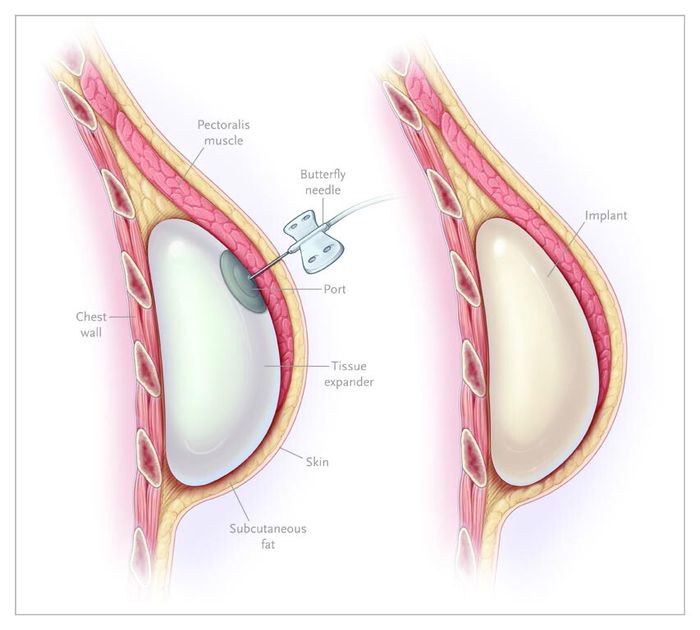
The conversation about breast reconstruction usually happens at the worst possible moment. A woman has just been told she needs a mastectomy. She is p...
Rhinoplasty in India: Cost, New Techniques, and Recovery

Medical Tourism

Rhinoplasty in India: Cost, New Techniques, and Recovery

11/6/2026, 5:58:34 AM
10 min read
Of all the cosmetic procedures patients travel abroad for, rhinoplasty is the one with the highest stakes and the smallest margin for error. The nose ...
Why IVF Fails: Common Causes and What to Do Next
Medical Tourism

Why IVF Fails: Common Causes and What to Do Next

10/6/2026, 8:51:09 PM
13 min read
A failed IVF cycle is a particular kind of grief. Unlike other fertility losses, it arrives after weeks of injections, monitoring appointments, early ...
IVF vs IUI: Differences, Success Rates, Costs, and Which Treatment Is Right for You

Medical Tourism

IVF vs IUI: Differences, Success Rates, Costs, and Which Treatment Is Right for You

10/6/2026, 8:35:36 PM
10 min read
Nobody arrives at a fertility clinic hoping to need IVF. Most couples start with the quieter hope that something simpler will work. IUI feels more app...
Egg Freezing Abroad: Best Countries, Costs, and What to Expect
Medical Tourism

Egg Freezing Abroad: Best Countries, Costs, and What to Expect

10/6/2026, 8:23:16 PM
10 min read
The question most women arrive with is simple enough: is it too late? They are usually 33, or 36, or 38. They have a demanding job, or the right perso...
IVF Success Rates in India: What Couples Should Know in 2026

Medical Tourism

IVF Success Rates in India: What Couples Should Know in 2026

10/6/2026, 8:08:36 PM
10 min read
Somewhere between the third failed cycle and the fifth specialist appointment, most couples stop asking whether IVF will work and start asking where t...
Nadeem Malik

Medical Writer

Medical Representative Shield Healthcare Pvt. Ltd
B-Pharm

Nadeem Malik is a dedicated medical writer with a strong academic background in pharmacy. He holds a Bachelor of Pharmacy (B.Pharm) degree from Teerthanker Mahaveer University, Moradabad, and has over... Read More

Our website uses cookies. By clicking on accept you give your consent to the use of cookies as per our Privacy Policy.