
Facelift Surgery in Turkey: Types, Recovery, Risks, and Expected Results
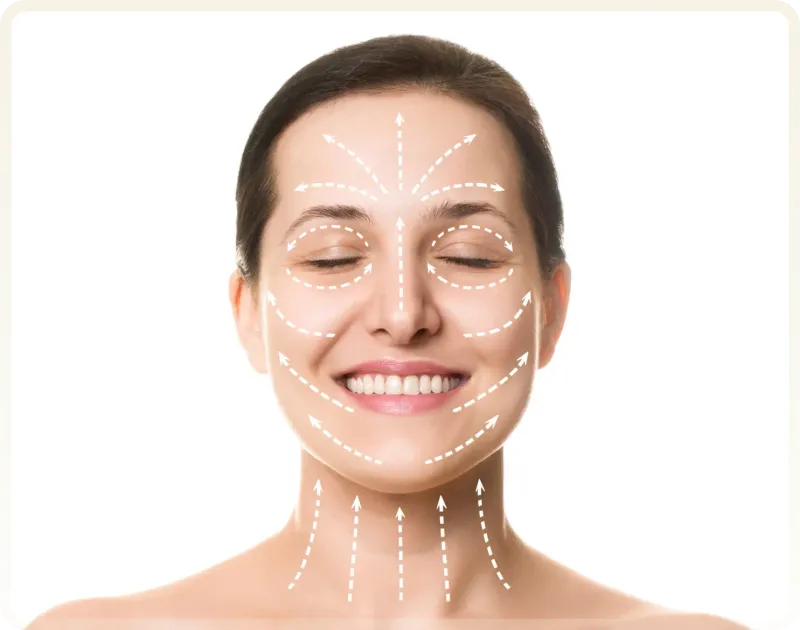
Turkey has become the most visited country in the world for cosmetic surgery among international patients. In 2022 alone, Turkish clinics performed over 470,000 cosmetic procedures and welcomed more than 1.2 million medical
tourists seeking various treatments. Facelift surgery sits near the top of that list, driven by a combination of factors that are genuinely difficult to replicate elsewhere: high-volume surgeons with extensive international case experience, all-inclusive packages that remove the logistical complexity of travelling for surgery, and prices that run 60 to 70 percent below Western European and North American equivalents.
For patients from the United Kingdom, Germany, Australia, and Scandinavia considering a facelift, Turkey is usually the first destination on the shortlist. What separates those who have a good experience from those who do not is rarely the country. It is the quality of the pre-operative research.
Why Has Turkey Become a Facelift Destination of This Scale?
The answer is not a single factor. It is several operating at once.
Turkey has become one of the world's leading destinations for facelift surgery due to a combination of experienced surgeons, high volume of procedures, competitive pricing, and streamlined medical tourism services.
For many international patients, Turkey offers easier access to advanced facial rejuvenation procedures at significantly lower costs than in private clinics in Western countries.
High Surgical Volume Creates Clinical Experience
Istanbul's concentration of facial plastic surgeons, each performing several hundred facelift procedures annually, means the city has accumulated a level of case experience that most Western cities do not reach.
A surgeon performing 300 facelifts a year develops anatomical pattern recognition across skin types, age groups, and degrees of facial laxity that a surgeon performing 30 does not. This volume is one of Turkey's most underappreciated clinical advantages.
All-Inclusive Packages Reduce Friction
Most Turkish facelift clinics targeting international patients offer packages covering:
- Surgeon's fee and anaesthesia
- Hospital stay of one to two nights
- Seven to ten nights of hotel accommodation near the clinic
- Post-operative nursing care and wound checks
- Airport transfers and local transport
This removes the administrative complexity of coordinating accommodation, transport, and post-operative care in an unfamiliar country. For patients travelling from the UK or northern Europe, Istanbul is typically a three to four-hour flight, adding to the logistical convenience.
Cost Difference
Cost remains one of the main reasons patients consider facelift surgery in Turkey. Full facelift packages in Turkey are commonly quoted between GBP 4,900 and GBP 5,800. Some all-inclusive packages that include accommodation and local support services may start from approximately GBP 4,200.
By comparison, similar facelift procedures at private clinics in the UK may range from GBP 15,000 to GBP 25,000 depending on the surgeon, facility, and surgical technique used.
The saving is not marginal. For many patients, it is the difference between being able to access the procedure or not.
What Is the SMAS Facelift and Is It Right for Every Patient?
The full range of modern rhytidectomy techniques is available at Istanbul's leading facial surgery centres.
The SMAS (Superficial Musculoaponeurotic System) facelift addresses the fibromuscular layer beneath the skin and subcutaneous fat. SMAS plication folds and tightens the layer. SMASectomy removes a strip to reduce tissue volume. SMAS flap elevation lifts a portion on a pedicle.
SMAS techniques are appropriate for most patients with mild to moderate facial laxity. Published meta-analysis data reports a complication rate of approximately 10.3 percent for SMAS procedures and an 87.8 percent patient satisfaction rate. These are solid outcomes across a well-characterised surgical population.
What Is the Deep Plane Facelift and When Do Turkish Surgeons Recommend It?
The deep plane facelift releases the major retaining ligaments that anchor the facial soft tissues to the skeleton, then moves the skin, fat, and SMAS together as a composite unit. It allows fuller correction of midface descent and nasolabial fold depth than SMAS techniques achieve, because the tissue is repositioned rather than tightened.
Deep plane facelifts achieve 94.4 percent patient satisfaction in the same 2024 systematic review, versus 87.8 percent for SMAS techniques, but carry a higher complication rate of 17.2 percent. The elevated complication figure reflects the greater dissection depth and the proximity of the facial nerve branches in the deeper operative field.
Turkish cosmetic surgeons at leading Istanbul clinics routinely perform deep-plane facelifts. The question is not whether the technique is available but whether the specific surgeon the patient has chosen carries the case volume to perform it safely. Volume and surgical quality are not automatically correlated with clinic marketing.
Mini Facelift
The mini facelift uses a shorter incision and more limited dissection, typically performed under local anaesthesia with sedation. It suits patients in their early to mid-40s with early jowling and mild skin laxity who want a meaningful improvement without the recovery demands of a full procedure. Results last approximately 5 years, compared with 8 to 12 years achieved with deep-plane techniques in well-selected patients.
Neck Lift as a Combined Procedure
Most patients who benefit from a facelift also benefit from neck lift as part of the same operation. The platysma, the flat muscle running from the chest up through the neck, develops bands and laxity that are directly visible as neck definition softens with age. Platysma plication or platysmaplasty through a small submental incision addresses this. Turkish clinics frequently package a face and neck lift as a single procedure under a single combined fee.
What Does Facelift Surgery Cost in Turkey?
Turkey has become one of the most competitive destinations for facelift surgery due to its combination of experienced cosmetic surgeons, internationally focused private hospitals, and lower operating costs compared with the UK, Europe, and North America.
Facelift surgery in Turkey usually costs between GBP 4,900 and GBP 5,800.
The final cost of facelift in Turkey depends on several factors, including the surgical technique used, the surgeon's experience, hospital standards, and whether additional facial procedures are combined with the facelift.
Facelift Surgery Cost in Turkey: Price Overview
Procedure | Turkey (GBP) | UK Comparison (GBP) |
| Mini Facelift | 2,500 to 4,000 | 7,000 to 12,000 |
| SMAS Facelift | 4,000 to 6,500 | 12,000 to 20,000 |
| Deep Plane Facelift | 5,500 to 9,000 | 18,000 to 30,000 |
| Facelift with Neck Lift | 5,000 to 8,500 | 15,000 to 25,000 |
| Facelift with Fat Grafting | 5,500 to 9,500 | 18,000 to 28,000 |
Note: Estimated pricing based on published rates from private cosmetic surgery clinics and hospitals in Turkey as of 2026. Final quotes vary depending on the surgeon, clinic location, facility standards, and treatment complexity.
What Do Facelift Packages in Turkey Actually Cover?
Understanding exactly what is and is not included in a quoted price prevents the most common source of unhappiness with medical tourism experiences.
Typically Included
- Surgeon's fee
- Anaesthesia and anaesthetist
- Hospital operating theatre and overnight stay
- Post-operative nursing care and dressing changes during the Turkey stay
- Hotel accommodation for seven to ten nights (in all-inclusive packages)
- Airport pick-up and drop-off
- Local transport between hotel and clinic for follow-up appointments
Typically Excluded
- Pre-operative blood work and investigations (sometimes included, often not)
- Medications (pain relief, antibiotics, anti-swelling drugs)
- Compression garments
- Any additional procedures added on the day of surgery
- Travel costs from the patient's home country to Istanbul
- Travel insurance
Patients should request a fully itemised quote and ask specifically whether each of the above items is included before accepting any package price. The variation between all-inclusive and procedure-only quotes can be significant.
What Are the Risks and How Does Turkey's Surgical Environment Manage Them?
Like any surgical procedure performed under general anaesthesia, facelift surgery carries potential risks and complications. These risks are not unique to Turkey and can occur anywhere. However, the quality of the surgical facility, surgeon experience, and post-operative monitoring play an important role in patient safety and recovery outcomes.
Common Complications
The facelift complication profile is consistent regardless of country:
- Hematoma: 1 to 2 percent incidence, higher in patients with hypertension. Most resolve with drainage.
- Temporary motor nerve weakness: transient nerve injuries in 1 to 5 percent of deep plane cases, usually resolving within weeks to months
- Skin necrosis: risk elevated significantly in smokers. Six weeks of cessation before surgery is a firm clinical requirement, not a suggestion.
- Scarring: incisions run in front of and behind the ear. Visible scars at twelve months reflect either poor technique or poor healing biology rather than the normal outcome.
Specific Concern for Turkey
Turkey's cosmetic surgery market includes both standalone clinics and accredited hospitals. The distinction matters for facelift surgery because general anaesthesia is required, and the capacity to manage an intraoperative complication depends on the setting.
Patients should confirm that surgery will take place in a hospital staffed with a licensed anaesthesiologist and with full emergency support, not in a clinic that transfers patients to a hospital only if something goes wrong. JCI accreditation of the facility is the clearest external verification of these standards.
What Does Recovery Look Like for International Patients in Turkey?
- Days 1 to 3: Hospital or clinic recovery. Swelling and bruising are most pronounced. Drains are removed at day two in most cases.
- Days 4 to 10: Hotel recovery. Most all-inclusive packages cover this period with daily nursing checks. Patients are uncomfortable but mobile.
- Day 10 to 14: Suture removal. Most patients are cleared to fly home by days 12-14, with the surgeon's approval.
- Weeks 2 to 6: The social recovery phase. Swelling reduces week by week. Most patients feel comfortable in public by week four.
- Month 3 to 12: Final result settles. Scars fade significantly. The refreshed appearance that motivated surgery becomes consistently visible.
Most Turkish all-inclusive packages are designed around a ten- to fourteen-night stay, which provides adequate time for post-operative monitoring, suture removal, and a final clearance appointment before the return flight.
How Should International Patients Choose a Facelift Surgeon in Turkey?
Turkey's cosmetic surgery market is large, and the variation in surgeon quality is as wide as in any high-volume market. High clinic turnover, heavy marketing investment, and aggressive package pricing do not reliably correlate with surgical quality.
- Board certification from the Turkish Society of Plastic, Reconstructive and Aesthetic Surgeons (TSPRAS), or ISAPS membership, as verifiable credentials
- The specific technique the surgeon performs and how many times the surgeon performs it annually. Any surgeon who recommends the same technique for every patient, regardless of anatomy, has not individualised the assessment.
- Before-and-after photographs of patients with similar age, skin quality, and degree of facial laxity. Generic portfolio photographs from the clinic's website are not a substitute for results on the surgeon's own patients.
- A video consultation with the surgeon directly before travelling. Assessment of the proposed technique, incision placement, and realistic outcome expectation should come from the operating surgeon, not from a patient coordinator.
Questions Worth Asking
- Which technique does the surgeon recommend for this specific anatomy, and why: mini, SMAS, or deep plane?
- Will the facelift be combined with a neck lift, and does the package price include it?
- In which facility does surgery take place, and is it JCI-accredited?
- How does the clinic manage complications that emerge after the patient returns home?
- Is fat grafting recommended alongside the lift, and is it included in the quoted price?
- Does the clinic offer virtual follow-up consultations for the three to six months after the patient returns home?
Conclusion
Turkey's facelift market is large enough to include both exceptional and poor surgeons. The volume of international patients it handles annually means the infrastructure for managing international cosmetic surgery patients is genuinely well-developed. The pricing means that a procedure that most patients in the UK or Australia cannot afford at home becomes affordable.
None of that removes the responsibility to carefully research the specific surgeon. A facelift produces results that last for 10 years. The price savings from choosing the lowest-cost option in a competitive market are recovered only once. The result of a procedure done by the wrong surgeon stays significantly longer.
Turkey is a strong destination for facelift surgery when surgeon quality comes first and package price second. Getting that order right changes the outcome.
Disclaimer: This article provides general educational information about facelift surgery options in Turkey. It does not constitute medical advice and must not replace a consultation with a qualified plastic surgeon or facial plastic surgeon. Individual outcomes depend on facial anatomy, skin quality, age, surgical technique, and post-operative care. Patients should consult a board-certified surgeon before making any surgical decisions.
Related Hospitals
Discover hospitals and medical centers related to this topic for quality healthcare services.
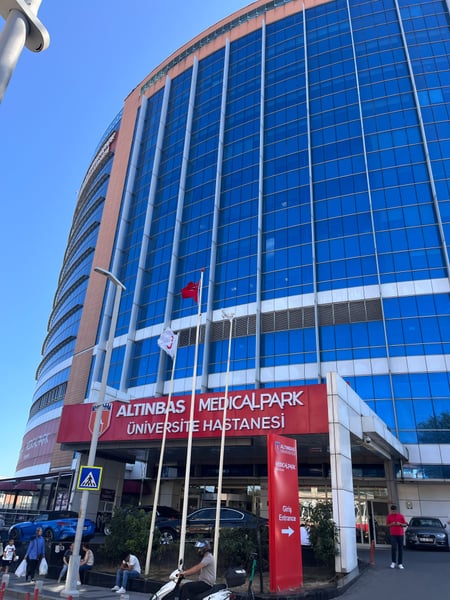
Medical Park Bahcelievler Hospital
Medical Park Bahcelievler Hospital is a 242-bed JCI-accredited hospital in Istanbul, established in 2007. Spread across 33,000 square meters and 19 fl...
Accreditations
Facilities
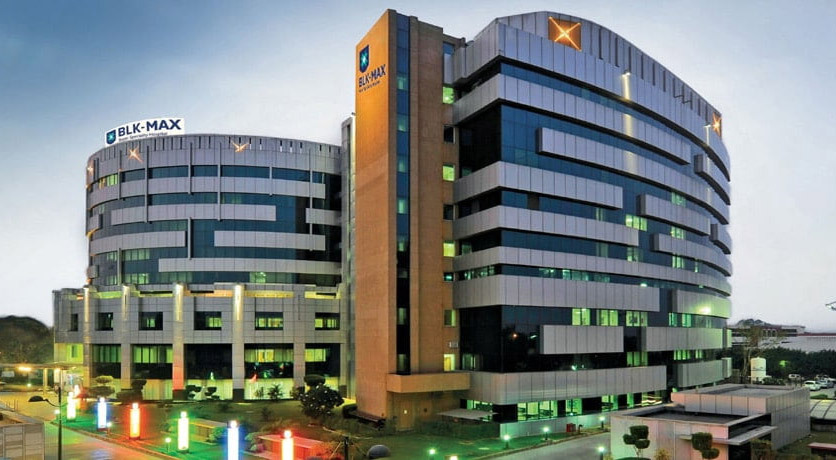
BLK-Max Super Speciality Hospital, New Delhi
BLK-Max Super Speciality Hospital in New Delhi is one of India's premier healthcare institutions, offering 650 beds, 22 advanced operation theatres, a...
Accreditations

Facilities
Fortis Memorial Research Institute (FMRI), Gurgaon
Fortis Memorial Research Institute (FMRI), Gurgaon, is a world-class multi-specialty hospital established in 2013. The hospital offers 330 beds, 15 op...
Accreditations


Facilities
Artemis Hospital, Gurgaon
Artemis Hospital, Gurgaon, is a JCI accredited multispecialty hospital that was established in 2007. It offers 750+ beds and world -class infrastructu...
Accreditations


Facilities
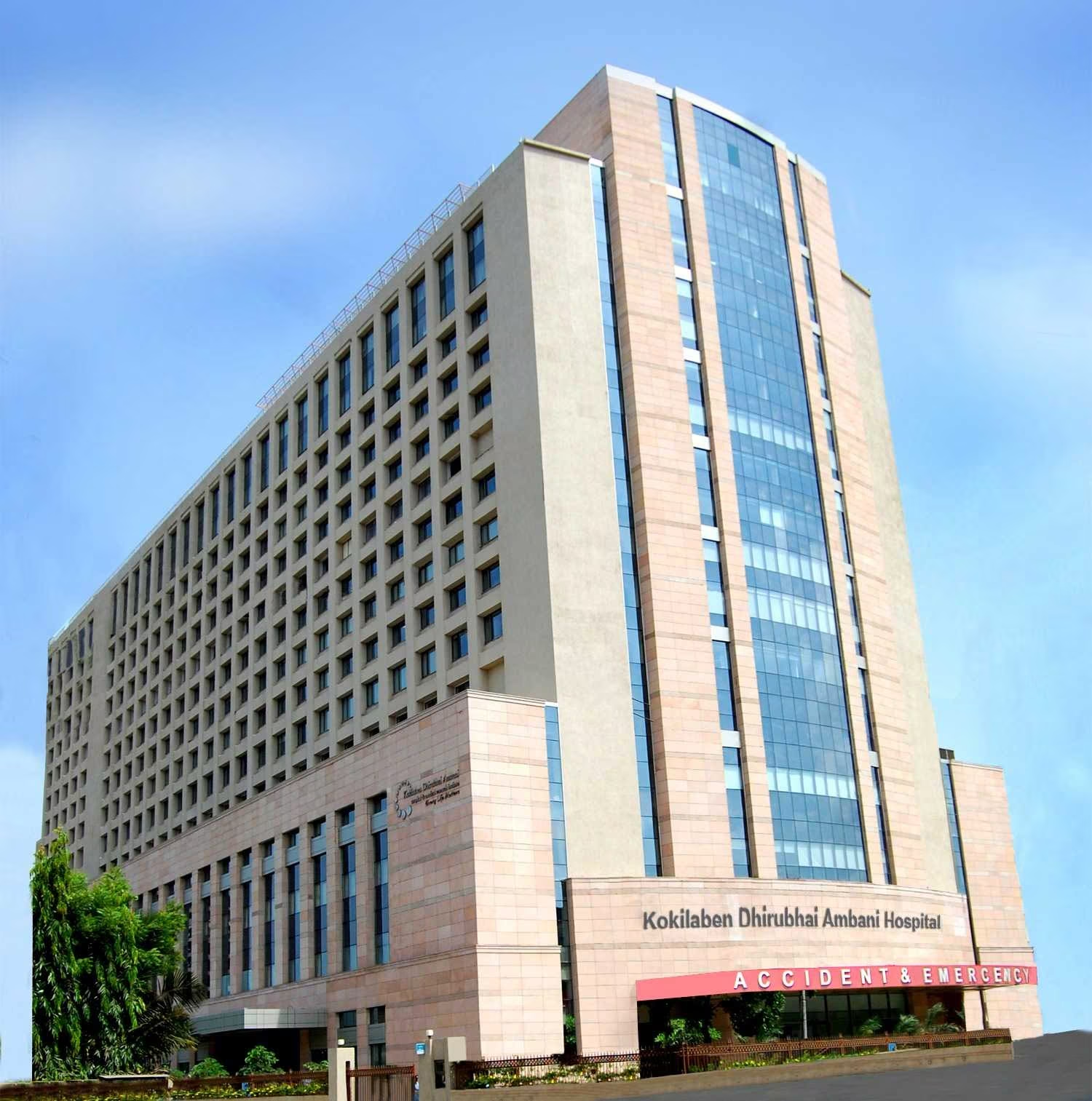
Kokilaben Dhirubhai Ambani Hospital, Mumbai
Kokilaben Dhirubhai Ambani Hospital, Mumbai, is a JCI, NABH, NABL, and CAP-accredited quaternary care hospital established in 2009. With 750 beds, 180...
Accreditations


Facilities
Medicover Hospitals, Hitech City, Hyderabad
Medicover Hospitals, Hitech City, Hyderabad, is a 400-bed NABH-accredited super-specialty hospital established in 2011. It is part of Medicover, a glo...
Accreditations


Facilities
Related Doctors
Connect with experienced doctors and medical specialists in this field.
Dr. Chatpong Sastarasadhit
Consultant
Dr. Mandeep Singh
Head of Department (HOD)
Related Articles
Explore more articles and insights on similar health topics.
India vs Thailand: Which is the Best Medical Tourism Destination in 2026?
Liposuction in India: Techniques, Costs, and Recovery Timeline
Facelift Surgery in India: Procedure, Recovery, and Choosing the Best Surgeons
Male Infertility Treatment: Causes, Diagnosis, and What Options Are Available Today
Tummy Tuck Surgery in India: Cost, Recovery, Techniques, and Results
Breast Reconstruction After Breast Cancer Surgery
Author
View AllHead - International Patient Services
Dr. Riya Shree is a clinical physiotherapist who completed her internship at Mata Chanan Devi Hospital, New Delhi, gaining hands-on experience in patient care and rehabilitation. She served on the fr... Read More
Our website uses cookies. By clicking on accept you give your consent to the use of cookies as per our Privacy Policy.
