
Transurethral Resection of Bladder Tumor (TURBT) Cost in India
About Transurethral Resection of Bladder Tumor (TURBT)
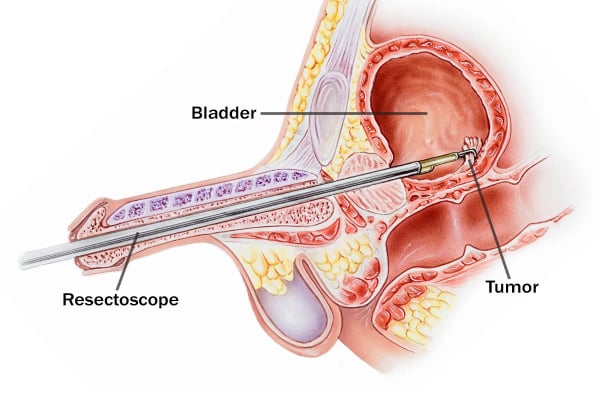
Transurethral Resection of Bladder Tumor (TURBT) is a minimally invasive surgical procedure that doctors use to remove tumors from the bladder wall. The surgery is performed through the urethra using a thin, lighted instrument called a cystoscope, eliminating the need for external cuts. TURBT plays a key role in both diagnosing and treating bladder cancer at an early stage. It helps control tumor growth, prevents recurrence, and allows doctors to assess how deep the cancer has spread within the bladder lining.
What Is a Bladder Tumor and How Does It Develop?
A bladder tumor forms when the cells lining the bladder begin to grow uncontrollably. These cells can form a lump or growth, which may be non-cancerous (benign) or cancerous (malignant). Most bladder cancers start in the urothelial cells, the same cells that line the inside of the bladder and come into contact with urine.
What Causes Bladder Tumors?
Several factors can lead to the development of bladder tumors:
- Smoking: Chemicals from tobacco collect in urine and irritate the bladder lining.
- Chemical Exposure: People working with paints, rubber, or dyes may face a higher risk.
- Chronic Bladder Infections: Long-term irritation can cause abnormal cell changes.
- Family History and Age: Older adults and those with genetic mutations have a greater risk.
What Are the Common Symptoms of a Bladder Tumor?
Early symptoms are usually mild and can be mistaken for urinary infections.
Patients should consult a doctor if they experience:
- Blood in urine (hematuria) is the most common sign.
- Pain or burning while urinating.
- Frequent or urgent urination without infection.
- Pelvic or lower back discomfort, especially in later stages.
Why Is Early Detection Important?
Detecting bladder tumors at an early stage allows for less invasive treatment and better long-term outcomes. When caught early, tumors are usually limited to the inner bladder wall and can be removed entirely using TURBT. Delays in diagnosis can lead to deeper invasion of the cancer into the bladder muscle, requiring more extensive treatment later.
How Is Transurethral Resection of Bladder Tumor Performed?
The TURBT procedure is a minimally invasive surgical procedure that removes abnormal growths from the bladder wall. It is both a diagnostic and therapeutic procedure, helping doctors confirm the tumor type while safely removing it.
What Happens Before the Surgery?
Before the procedure, patients undergo a detailed evaluation to ensure they are fit for surgery. It includes:
- Blood and urine tests to check organ function.
- Imaging studies, such as an ultrasound or CT scan, are used to locate the tumor.
- Cystoscopy, where a small camera examines the inside of the bladder.
Doctors advise patients to avoid food or drink for several hours before surgery. The procedure is usually performed under spinal or general anesthesia. The patient feels no pain during the TURBT operation.
How Is the TURBT Procedure Done?
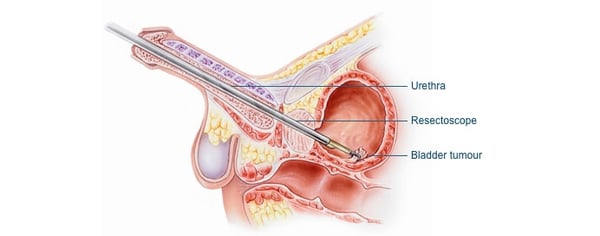
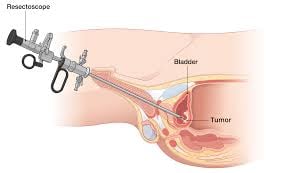
During TURBT, the surgeon inserts a cystoscope (a thin, flexible tube with a camera and surgical loop) through the urethra into the bladder. There are no external cuts or stitches.
The tumor is located visually, and a resection loop powered by electric current is used to carefully remove the cancer from the bladder wall. Small tissue samples are then sent to the laboratory for biopsy to determine if the tumor is cancerous and to identify its grade and stage.
The area where the tumor was removed is cauterized to prevent bleeding and reduce the risk of recurrence.
How Long Does the Surgery Take?
The TURBT procedure usually lasts between 30 and 60 minutes, depending on the number, size, and location of tumors. In most cases, patients stay in the hospital for two to three days for observation and recovery.
What Happens After the Surgery?
After the procedure, doctors temporarily place a urinary catheter to help drain urine and allow the bladder to heal. Patients may notice mild burning or blood in the urine for a few days. It is normal and usually resolves with rest and medication. A follow-up cystoscopy is often recommended after a few weeks to ensure complete tumor removal and to monitor for any recurrence.
Is TURBT a Safe Procedure?
Yes, TURBT is considered a safe and well-tolerated procedure when performed by experienced surgeons. It carries minimal risk of complications and is often the first-line treatment for early-stage bladder cancer. Because it is minimally invasive, recovery is quick, and patients return to everyday activities within a short time.
Get a Free Treatment Plan
About Transurethral Resection of Bladder Tumor (TURBT) in India
What Is the Cost of TURBT in India?
The cost of Transurethral Resection of Bladder Tumor (TURBT) in India ranges between USD 1,500 and USD 3,500. It includes hospitalization, anesthesia, surgeon’s fee, operation theatre charges, and post-surgery care. The final cost may vary depending on the patient’s medical condition, tumor complexity, and duration of hospital stay.
Cost Variation Across India
TURBT procedures are available across major Indian cities, including Delhi, Mumbai, Chennai, Bangalore, and Hyderabad. Prices may differ slightly due to the regional cost of living, medical infrastructure, and hospital category. However, even the highest cost in India remains 70–80% lower than prices in Western countries.
Average Cost Breakdown
Expense Category | Estimated Cost (USD) |
| Pre-surgery tests and consultation | 150 – 250 |
| Surgeon and anesthesia charges | 600 – 1,000 |
| Operation theatre and equipment use | 400 – 700 |
| Hospital stay (2–3 days) | 300 – 600 |
| Post-surgery medicines and care | 100 – 200 |
| Total Estimated Cost | 1,500 – 3,500 |
(These are average figures, and the exact price may vary depending on clinical factors)
Why Is TURBT More Affordable in India?
India’s healthcare system offers international-quality treatment at lower operational costs. Key reasons include lower medical expenses, efficient hospital management, and favorable currency exchange rates for foreign patients. Despite lower costs, Indian hospitals maintain high standards of safety, hygiene, and technology.
What Does the TURBT Cost in India Include and Exclude?
Understanding what is covered within the TURBT package cost helps international patients plan their medical journey with confidence. In India, hospitals usually offer transparent pricing that covers all significant aspects of the surgery and stay. However, some expenses may fall outside the base package depending on individual requirements.
Inclusions: What’s Covered in the Cost
The standard cost of Transurethral Resection of Bladder Tumor (TURBT) in India generally includes:
- Preoperative investigations: Routine blood tests, urine analysis, and imaging studies.
- Surgeon’s fee and anesthesia charges: The professional charges of the surgical and anesthesia team.
- Operation theatre usage: Sterile equipment, cystoscope, and resection loop utilization.
- Hospital stay: Standard room accommodation for 2–3 days with nursing care.
- Medications during hospitalization: Antibiotics, pain relievers, and fluids that are administered during recovery.
- Post-surgery follow-up at the hospital: Medical assessment before discharge.
These components are part of the comprehensive hospital package unless the patient’s condition requires additional interventions.
Exclusions: What’s Not Included in the Cost
Certain expenses are typically not part of the base TURBT cost and may vary by patient needs:
- International and domestic travel costs.
- Accommodation outside the hospital for the patient or accompanying family members.
- An additional hospital stay beyond the standard duration due to complications or recovery delays.
- Special diagnostic procedures, such as MRI or PET scans, if advised separately.
- Post-discharge medications for home use.
International patients are encouraged to request a detailed cost breakdown before traveling to ensure complete clarity on all inclusions and exclusions.
How Does the Cost of TURBT in India Compare with Other Countries?
India offers some of the most affordable TURBT packages worldwide, while maintaining strong treatment outcomes and modern surgical standards. This cost advantage helps international patients access high-quality bladder tumor surgery without financial strain.
Country | Average Cost (USD) | Estimated Savings (%) |
| India | 1,500 – 3,500 | — |
| United States | 12,000 – 18,000 | 75–80% |
| United Kingdom | 9,000 – 14,000 | 70–75% |
| Thailand | 3,000 – 5,000 | 40–50% |
| Singapore | 6,000 – 8,500 | 55–65% |
Patients choosing India for TURBT can undergo the same minimally invasive surgery performed with endoscopic and cauterization technology used globally. Even after including travel and accommodation, total expenditure in India remains significantly lower than in Western nations. It enables access to reliable, timely, and effective cancer treatment without compromising safety or comfort.
What Factors Affect the Cost of TURBT in India?
The cost of TURBT in India depends on several medical and non-medical factors. Each patient’s case is unique, and tumor characteristics, patient health, and hospital-related factors influence the final price. Below are the key factors that determine overall cost.
- Tumor Size and Complexity: Larger or multiple bladder tumors require more time for removal and may increase the total procedure cost. Complex cases involving deeper bladder wall invasion often need a longer surgical duration and additional cauterization steps.
- Type of Anesthesia Used: TURBT can be performed under spinal or general anesthesia. The choice depends on patient preference, tumor location, and medical condition. General anesthesia usually adds a slight increase in cost due to extended monitoring and medication use.
- Duration of Hospital Stay: Most patients stay in the hospital for two to three days. However, extended stays for observation, catheter care, or complications may increase expenses related to accommodation, nursing, and medication.
- Diagnostic and Pathology Tests: Pre-surgery evaluations such as ultrasound, cystoscopy, and blood work are necessary for surgical planning. After the procedure, the removed tissue is analyzed in the laboratory to determine tumor type and grade. These pathology tests add to the total cost but are essential for accurate treatment planning.
- Technology and Equipment Used: Advanced endoscopic systems, high-definition cystoscopes, and precision cautery loops improve safety and visibility during surgery. Hospitals equipped with the latest technology can charge slightly more but provide greater accuracy and reduced risk of recurrence.
- Patient’s Overall Health Condition: Patients with existing conditions such as diabetes, hypertension, or kidney disease may require additional monitoring and medications, which can slightly increase costs. Personalized care, ICU observation, or specialist consultations can also affect the final billing.
- Postoperative Care and Follow-Up: Follow-up cystoscopy and medication prescribed after discharge are essential to prevent recurrence. Although these costs are generally minimal, they vary depending on the patient’s recovery rate and the treating physician’s advice.
What Is the Recovery and Hospital Stay Like After TURBT?
Recovery after TURBT is usually quick, as the procedure does not involve any external cuts or stitches. Most patients resume light activities within a few days, and complete recovery typically occurs within 1 to 2 weeks.
Hospital Stay Duration
- Patients are generally kept in the hospital for two to three days after surgery.
- This short stay allows doctors to monitor urine output, manage pain, and ensure there are no signs of infection or bleeding.
- A urinary catheter is placed temporarily to help the bladder drain and heal properly.
- Once urine flow is clear and stable, the catheter is removed, and patients are discharged.
Immediate Post-Surgery Phase
- Mild discomfort, burning during urination, or slight blood in the urine may occur for a few days.
- These symptoms are temporary and managed with oral medications and increased fluid intake.
- Patients are encouraged to rest and drink plenty of water to flush the bladder.
At-Home Recovery
At home, recovery continues under simple precautions. Patients should:
- Avoid strenuous exercise or lifting heavy objects for at least 2 weeks.
- Take all prescribed medications regularly.
- Monitor for fever, clot formation, or persistent pain, and contact the doctor if needed.
- Attend all scheduled follow-up appointments.
Most individuals can return to regular work routines within 10 to 14 days, depending on overall health and the body’s healing rate.
Follow-Up and Monitoring
A follow-up cystoscopy is often recommended a few weeks after the surgery. It helps doctors monitor healing progress and ensure that no new tumor growth has occurred. For some patients, additional preventive therapies such as intravesical chemotherapy may be suggested to reduce recurrence risk.
What Is the Success Rate of TURBT in India?
The success rate of Transurethral Resection of Bladder Tumor (TURBT) in India is generally 90% to 95% for early-stage, non-muscle-invasive bladder cancers. This high success rate reflects India’s use of advanced endoscopic technology, precise surgical techniques, and standardized postoperative follow-up protocols.
- Clinical Effectiveness: TURBT effectively removes visible bladder tumors in the majority of patients, enabling accurate diagnosis and staging via tissue biopsy. When performed in early-stage cases, the procedure often eliminates the tumor, minimizing the need for more invasive surgery. For superficial or low-grade bladder cancers, TURBT alone is sufficient as the primary treatment.
- Recurrence and Long-Term Control: While TURBT successfully removes tumors, bladder cancer tends to recur in some cases. To reduce recurrence, doctors often recommend regular cystoscopic monitoring and, if necessary, intravesical chemotherapy or immunotherapy after surgery. With consistent follow-up and early detection of new lesions, recurrence control rates can reach 85–90%.
- Patient Outcomes: Most patients regain normal bladder function shortly after recovery and lead active, healthy lives. Regular follow-up appointments are critical for early detection of recurrent tumors. With continued surveillance, the long-term prognosis after TURBT in India remains highly favorable.
Factors Influencing Success
Several factors impact long-term success after TURBT:
- Stage and grade of the tumor: Early, low-grade tumors have the best outcomes.
- Complete tumor removal: Precision during surgery reduces the risk of recurrence.
- Postoperative therapy adherence: Timely intravesical treatments help prevent regrowth.
- Lifestyle factors: Quitting smoking and maintaining hydration support bladder health.
Why Should You Choose India for TURBT?
India has become one of the world’s most trusted destinations for Transurethral Resection of Bladder Tumor (TURBT) and other urological treatments. International patients choose India for its combination of advanced medical infrastructure, efficient healthcare delivery, and patient-centered services.
- Advanced Surgical Technology: Hospitals in India use modern endoscopic and cautery systems that ensure precision, minimal blood loss, and faster recovery. Many facilities have integrated high-definition imaging and digital visualization, improving the surgeon’s accuracy during tumor resection.
- Comprehensive Patient Support: International patients receive end-to-end assistance, including treatment coordination, visa support, and post-surgery care guidance. Dedicated patient care teams help manage every step of the journey from airport pickup to follow-up consultation.
- High Treatment Standards: Indian healthcare institutions follow international medical protocols and maintain stringent safety and hygiene standards. Many Indian hospitals are accredited by organizations such as JCI and NABH, ensuring that patients receive care matching global benchmarks.
- Short Waiting Times: Unlike many Western countries, where patients may wait weeks for surgical appointments, TURBT procedures in India are scheduled quickly. It helps patients receive timely diagnosis, treatment, and recovery without unnecessary delays.
- Cultural Comfort and Communication: English is widely spoken across medical facilities, making communication effortless for international patients. Cultural sensitivity, dietary accommodations, and personalized care plans create a comfortable environment throughout the stay.
- Global Reputation for Medical Excellence: India is globally recognized for its skilled surgeons, strong medical education system, and world-class facilities. Combined with affordable care, this reputation attracts thousands of patients annually from the Middle East, Africa, Europe, and Asia for urological treatments like TURBT.
Transurethral Resection of Bladder Tumor (TURBT) Cost Comparison by Country
Compare Transurethral Resection of Bladder Tumor (TURBT) costs across different countries to make an informed decision about your medical treatment.
| Country | Cost Range (USD) | Potential Savings | Action |
|---|---|---|---|
IndiaCurrentBest Value | $1,500 - $3,500 | — | Get Quote |
Note: Costs may vary based on hospital choice, room type, additional services, and individual medical requirements. Contact us for a personalized quote.
Leading Hospitals for Transurethral Resection of Bladder Tumor (TURBT) in India
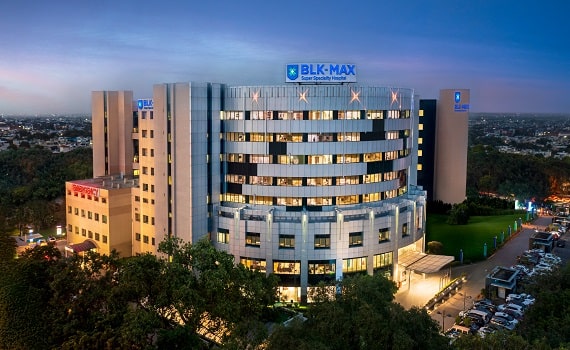
BLK-Max Super Speciality Hospital, New Delhi
BLK-Max Super Speciality Hospital in New Delhi is one of India's premier healthcare institutions, offering 650 beds, 22 advanced operation theatres, a...
Accreditations


Facilities

Max Smart Super Speciality Hospital, Saket, New Delhi
Max Smart Super Speciality Hospital, Saket, is a 250-bed tertiary care hospital in South Delhi. It offers advanced medical and surgical care across 22...
Accreditations
Facilities
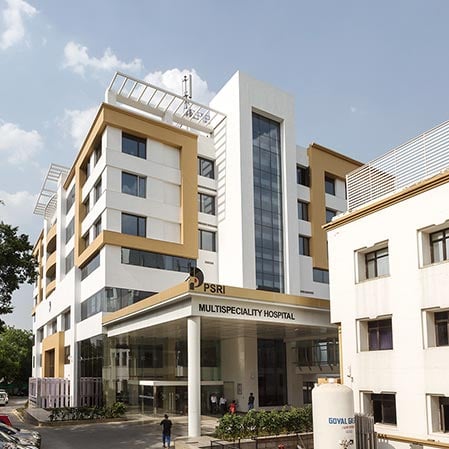
PSRI Hospital, Delhi
Pushpawati Singhania Research Institute (PSRI Hospital), New Delhi, is a leading multi-specialty tertiary care hospital established in 1996 by the JK ...
Accreditations
Facilities
Similar Procedures
Gallery
FAQ


Our website uses cookies. By clicking on accept you give your consent to the use of cookies as per our Privacy Policy.