Norwood Procedure Cost in India
About Norwood Procedure
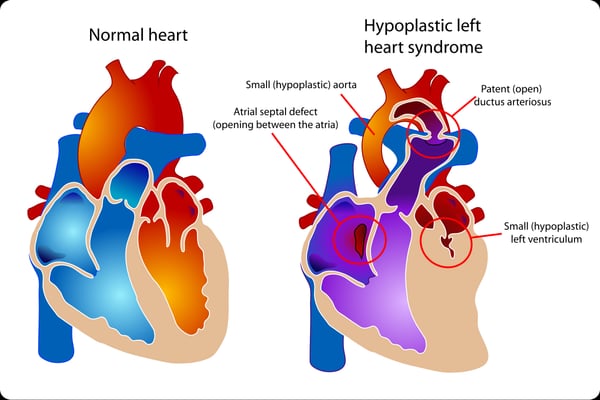
The Norwood procedure is one of the most critical surgeries in congenital heart care. Doctors perform this operation on newborns born with Hypoplastic Left Heart Syndrome (HLHS), a condition where the left side of the heart is too small to pump blood. Without surgery, the baby cannot survive because the heart cannot supply enough oxygenated blood to the body.
HLHS is rare but serious. It affects about 2 to 3 out of every 10,000 live births worldwide. The Norwood procedure forms the first stage of a three-part surgical journey that includes the Glenn and Fontan procedures. This staged approach helps the baby's single functioning ventricle support blood flow until the heart completes all three surgeries.
Over the last two decades, global survival rates have improved significantly because of advancements in neonatal care, pediatric cardiac surgery, and postoperative monitoring. Early diagnosis through fetal echocardiography and timely surgical planning have also helped babies with HLHS get better outcomes and a chance at long-term survival.
What Is the Norwood Procedure?
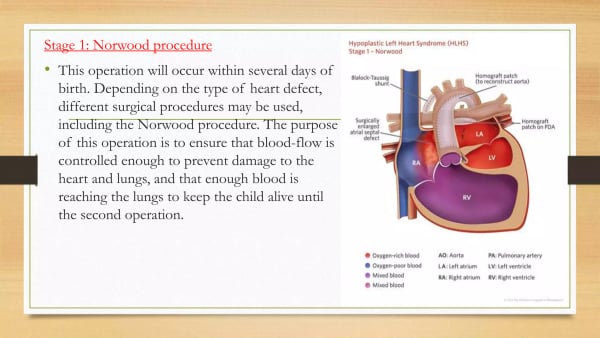
The Norwood procedure is the first of three surgeries performed on newborns with Hypoplastic Left Heart Syndrome (HLHS). In this condition, the left side of the heart, including the left ventricle, mitral valve, aortic valve, and part of the aorta, is too small to pump blood to the body. Because the left side cannot support life, surgeons use the Norwood procedure to create a new pathway that allows the right ventricle to take over this job.
During the surgery, doctors reconstruct the aorta, connect it to the right ventricle, and create a controlled passage for blood to reach the lungs. This setup allows the baby's heart to deliver oxygen-rich blood to the body and maintain stable circulation until the next stages of surgery, the Glenn and Fontan procedures.
The Norwood procedure is typically done in the first few days of life. It helps stabilize heart function and gives the baby a chance to grow strong enough for later stages of treatment. Although it is a complex surgery, it remains the most effective way to support newborns with HLHS during early infancy.
When Do Doctors Recommend the Norwood Procedure?
Doctors recommend the Norwood procedure when a newborn has a heart structure that cannot support blood flow through the body. The surgery becomes necessary in the first few days of life because the heart's left side is underdeveloped and cannot pump effectively.
- Hypoplastic Left Heart Syndrome (HLHS): The most common reason for the Norwood procedure is HLHS. In this condition, the left ventricle, mitral valve, aortic valve, and part of the aorta remain too small to pump blood.
- Single Ventricle Physiology: Doctors recommend the procedure when the baby has only one functional ventricle capable of supporting circulation.
- Severe Aortic or Mitral Valve Underdevelopment: If the valves on the left side of the heart are severely underdeveloped or nonfunctional, the heart cannot pump blood properly, making surgery essential.
- Underdeveloped or Narrow Aorta: When the aorta is too small to carry blood to the body, surgeons must reconstruct it through the Norwood procedure.
- Critical Obstruction to Blood Flow: If blood cannot reach the body due to severe narrowing or blockage, immediate surgery becomes necessary to stabilize the newborn.
- Emergency Treatment After Birth: Babies diagnosed after delivery often require urgent surgery because the ductus arteriosus closes shortly after birth, and circulation becomes life-threatening.
Get a Free Treatment Plan
About Norwood Procedure in India
What Is the Cost of the Norwood Procedure in India?
The cost of the Norwood procedure in India typically ranges from $15,000 to $28,000 (approximately ₹12.3 lakh to ₹23 lakh). The final price depends on the baby's condition, the duration of neonatal ICU care, the type of shunt used, and the hospital's pediatric cardiac setup.
The Norwood procedure is one of the most complex neonatal heart surgeries. It requires an experienced pediatric cardiac surgeon, advanced neonatal ICU support, a heart-lung machine, and round-the-clock monitoring. Despite its complexity, India provides this life-saving surgery at a significantly lower cost compared to other developed countries.
Below is a detailed cost breakdown to help parents understand the complete expense.
Component | Average Cost (USD) | Approx. Cost (INR) |
| Surgery + Surgeon Fee | $6,000 – $10,000 | ₹4.9 – ₹8.2 lakh |
| Heart-Lung Machine Usage | $1,000 – $2,000 | ₹82,000 – ₹1.6 lakh |
| Neonatal ICU Stay (10–20 days) | $4,000 – $8,000 | ₹3.3 – ₹6.6 lakh |
| Hospital Stay After ICU (5–10 days) | $1,000 – $2,000 | ₹82,000 – ₹1.6 lakh |
| Medications, Ventilator Support & Consumables | $1,500 – $3,000 | ₹1.2 – ₹2.5 lakh |
| Pre-surgery Tests & Imaging | $500 – $1,000 | ₹41,000 – ₹82,000 |
- Costs increase if the baby needs prolonged ICU care or ventilator support.
- Complications such as infections, unstable oxygen levels, or the need for organ support can increase expenses.
- Post-surgery follow-ups, medicines, and the next stages (Glenn and Fontan) are not included in this cost.
- India remains one of the most affordable MVT destinations for complex neonatal cardiac surgeries worldwide.
What the Cost Includes
- Pediatric cardiac surgeon fees
- Operation theatre charges
- Use of the heart-lung machine
- General anesthesia and anesthesia team support
- Neonatal ICU stay (standard duration)
- Ventilator support during and after surgery
- Routine blood tests and monitoring during hospital stay
- Medications and consumables used during hospitalization
- Post-surgery stabilization before discharge
These components form the core of most Norwood surgery packages.
What the Cost Excludes
- Extended ICU stay beyond the standard package
- Extra ventilator days, if the baby requires prolonged respiratory support
- Advanced imaging, such as CT, MRI, or repeat echocardiograms
- Additional surgeries or interventions if complications arise
- Long-term medicines after discharge
- Expenses for Glenn or Fontan surgeries
- Genetic tests or specialized investigations
- Travel, visa, meals, and accommodation for parents
- Follow-up visits after the baby returns home
Because every infant's condition is unique, getting a written cost estimate helps parents understand the expected range more clearly.
What Is the Cost of the Norwood Procedure in Different Indian Cities?
The cost of the Norwood procedure varies across Indian cities based on hospital facilities, neonatal ICU standards, pediatric cardiac expertise, and overall treatment infrastructure. Cities with high-end pediatric cardiac centers may have slightly higher pricing due to advanced equipment and specialized care teams.
Below is a city-wise cost comparison for Stage 1 (Norwood) surgery.
City | Average Cost (USD) | Approx. Cost (INR) |
| New Delhi | $16,000 – $28,000 | ₹13 – ₹23 lakh |
| Mumbai | $17,000 – $28,000 | ₹14 – ₹23 lakh |
| Bangalore | $15,000 – $26,000 | ₹12.3 – ₹21.3 lakh |
| Chennai | $15,000 – $25,000 | ₹12.3 – ₹20.5 lakh |
| Hyderabad | $15,000 – $25,000 | ₹12.3 – ₹20.5 lakh |
- Delhi and Mumbai host some of India's most advanced pediatric cardiac programs and neonatal ICUs.
- Chennai and Bangalore are known for strong pediatric cardiac expertise and competitive pricing.
- Hyderabad offers modern facilities with well-trained pediatric cardiac teams.
What Factors Affect the Cost of the Norwood Procedure in India?
The cost of the Norwood procedure varies because each newborn's condition is different. The surgery requires specialized pediatric cardiac care, and several medical and non-medical factors influence the final expense.
- Severity of the Heart Defect: Babies with more complex anatomical variations may require longer surgery or additional interventions, which can increase costs.
- Duration of Neonatal ICU Stay: Newborns typically stay in the ICU for many days after surgery. Extended ICU care, ventilator support, or additional monitoring significantly increases the total cost.
- Type of Shunt Used: The choice between a BT shunt and a Sano shunt may affect cost, as each requires different techniques and materials.
- Baby's Condition at the Time of Surgery: Prematurity, low birth weight, infections, or unstable oxygen levels may require additional care, increasing costs.
- Hospital Category and Infrastructure: Hospitals with advanced neonatal ICUs, ECMO support, and specialized pediatric cardiac units may charge higher fees.
- Surgeon and Cardiac Team Expertise: Highly experienced pediatric cardiac surgeons and multidisciplinary teams may have higher professional charges, reflecting their skill and outcomes.
- Need for Additional Procedures: Sometimes, babies require additional interventions, such as correcting associated heart defects, managing arrhythmias, or treating complications. These add to the overall cost.
- Medications and Consumables: Neonatal heart surgery requires specialized drugs, blood products, and consumables, whose costs can vary depending on the baby's condition.
How Does the Cost in India Compare With Other Countries?
The Norwood procedure is costly in most parts of the world due to the need for advanced pediatric cardiac care, extended ICU stays, and specialized surgical expertise. India offers the same high-quality treatment at a much lower cost, making it an accessible option for many families.
Below is a comparison of Norwood procedure costs across major global healthcare destinations:
Country | Average Cost (USD) |
| United States | $1,50,000 – $3,50,000 |
| United Kingdom | $90,000 – $1,50,000 |
| Singapore | $80,000 – $1,30,000 |
| UAE | $70,000 – $1,20,000 |
| India | $15,000 – $28,000 |
Choosing India for the Norwood procedure can reduce treatment costs by 60% to 85% compared to Western and Middle Eastern countries, without compromising surgical expertise or neonatal ICU standards.
India has become a trusted global hub for complex pediatric cardiac surgeries because of its advanced facilities, skilled surgeons, and highly cost-effective care.
How Is the Norwood Procedure Performed?
The Norwood procedure follows a carefully planned sequence of steps because newborns with HLHS depend entirely on this surgery to support blood flow. Surgeons work with a specialized neonatal and cardiac team to stabilize the baby and reconstruct the heart's circulation system.
- Pre-Surgery Evaluation: Doctors begin by assessing the newborn's heart function, oxygen levels, organ health, and overall stability. Tests such as echocardiography, blood work, and X-rays help the team prepare a safe surgical plan.
- General Anesthesia and Surgical Preparation: The baby receives general anesthesia to stay fully asleep and pain-free. The surgical team prepares the chest area in a sterile environment to prevent infection.
- Opening the Chest and Using the Heart-Lung Machine: The surgeon opens the chest through a midline incision. A heart-lung machine takes over the baby's circulation and oxygen supply so the heart can remain still during the operation.
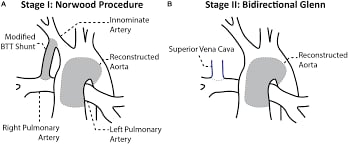
- Reconstruction of the Aorta: The surgeon creates a large new aorta by connecting the tiny native aorta with the pulmonary artery. The reconstruction allows the right ventricle to pump blood to the body, since the left ventricle cannot perform this function.
- Creating a Pathway for Lung Blood Flow: Doctors create a controlled route for blood to reach the lungs.
- Ensuring Balanced Circulation: The goal of the surgery is to balance blood flow between the lungs and body. Surgeons check pressures and oxygen levels to confirm stable circulation before finishing.
- Closing the Chest and Post-Surgery Care: After completing the reconstruction, surgeons close the chest and transfer the baby to the neonatal ICU. The baby receives ventilator support, medications to stabilize heart function, and round-the-clock monitoring.
What Are the Types of Shunts Used in the Norwood Procedure?
Shunts play a vital role in the Norwood procedure by controlling the amount of blood that flows to the lungs. Since the baby has only one functioning ventricle, surgeons use a shunt to create a safe and stable passage for lung circulation. The choice of shunt depends on the baby's anatomy and the surgeon's clinical judgment.
- Blalock–Taussig (BT) Shunt: The BT shunt connects the subclavian artery to the pulmonary artery. It sends a controlled amount of blood to the lungs and is commonly used in many centers. This shunt provides reliable oxygenation, especially in newborns who need a stable route for lung blood flow.
- Sano Shunt: The Sano shunt connects the right ventricle directly to the pulmonary artery. It delivers blood more efficiently and reduces pressure on the heart. Many surgeons prefer this option because it often provides better early outcomes and improves the baby's stability after surgery.
Both shunts serve the same purpose, ensuring the newborn receives enough oxygen, but each works differently. The surgical team selects the shunt that offers the safest and most effective circulation for the baby.
What Are the Benefits of the Norwood Procedure?
The Norwood procedure gives newborns with Hypoplastic Left Heart Syndrome a chance to survive and grow. Without this surgery, the baby's heart cannot supply enough blood to the body. By reconstructing the heart's circulation, the Norwood procedure becomes the first essential step in long-term treatment.
- Allows the Baby to Survive After Birth: HLHS is life-threatening because the left side of the heart cannot pump blood. The Norwood procedure creates a new pathway so the right ventricle can support the entire circulation.
- Restores Blood Flow to the Body: The surgery constructs a functioning aorta, ensuring the baby's organs receive enough oxygen-rich blood.
- Ensures Controlled Blood Flow to the Lungs: By placing a BT or Sano shunt, surgeons maintain stable, balanced lung circulation, which is critical for maintaining oxygen levels.
- Prepares the Heart for Stage 2 and Stage 3 Surgeries: The Norwood procedure sets the foundation for the Glenn and Fontan procedures that follow. These later surgeries complete the single-ventricle circulation system.
- Improves Survival Rates in Newborns With HLHS: Advances in surgical techniques, neonatal ICU care, and postoperative support have significantly improved outcomes for babies undergoing this procedure.
- Supports Healthy Growth Until the Next Surgery: By stabilizing circulation, the Norwood procedure allows newborns to grow, gain weight, and develop until they are ready for the next stage of treatment.
Who Is Eligible for the Norwood Procedure?
Doctors determine eligibility for the Norwood procedure by assessing the newborn's heart anatomy, overall health, and tolerance for major surgery. Although the procedure is necessary for babies with HLHS, surgeons must confirm that the infant is medically stable enough for the operation.
- Babies Who Are Medically Stable for Surgery: The newborn must be stable, with proper oxygen levels, blood pressure, and organ function, before surgery begins.
- Infants With Adequate Weight and Strength: While surgery is typically performed within days of birth, babies still need a minimum level of strength and weight to tolerate anesthesia and postoperative care.
- Newborns Without Severe Organ Failure: Doctors assess kidney, liver, and lung function. Significant organ failure may delay or alter the surgical plan.
- Babies Responding to Initial Stabilization: Medications such as prostaglandins help keep the ductus arteriosus open. Babies who respond well to stabilization measures become suitable for surgery.
- Infants Without Major Genetic or Chromosomal Conditions: Some genetic syndromes increase the risk of surgery. Doctors evaluate these factors during pre-surgery planning.
Eligibility depends on a detailed evaluation from a pediatric cardiac team that ensures the baby has the best chance of a safe surgery and successful recovery.
Why Should You Choose India for the Norwood Procedure?
India has become a trusted destination for complex neonatal heart surgeries, such as the Norwood procedure. Families choose India because they receive high-quality medical care, advanced neonatal support, and experienced pediatric cardiac teams at far lower costs than in many Western countries.
- Highly Experienced Pediatric Cardiac Surgeons: India has surgeons who specialize in neonatal heart surgeries and routinely perform the Norwood, Glenn, and Fontan procedures.
- Advanced Neonatal Intensive Care Units (NICU): Hospitals in India offer modern NICUs equipped with ventilators, infusion pumps, ECMO support, and continuous monitoring systems.
- Strong Multidisciplinary Cardiac Teams: Cardiologists, intensivists, neonatologists, anesthetists, and cardiac nurses work together to manage the baby before, during, and after surgery. This team approach improves safety and outcomes.
- Comprehensive Care for International Families: Hospitals assist with medical visas, airport transfers, accommodation, interpreter services, and long-term follow-ups, making medical travel easier for families.
- Growing Success Rates for HLHS Treatment: With improvements in surgical techniques and postoperative support, India has seen a significant rise in Norwood survival rates over the past decade.
What Is the Recovery and Success Rate After the Norwood Procedure?
Recovery after the Norwood procedure happens in carefully monitored stages. Because the surgery is performed on newborns, the baby stays under specialized neonatal care to ensure stable blood flow, proper oxygen levels, and steady growth.
- Immediate Recovery in the NICU: After surgery, the baby moves to the neonatal ICU for close monitoring. Doctors track heart function, oxygen levels, breathing, and blood pressure. Most newborns need ventilator support for several days and medicines to help the heart pump effectively.
- Stabilization Over the First Few Weeks: Once the baby becomes stable, doctors gradually reduce ventilator support, adjust medications, and encourage feeding. Stabilization may take several days to a few weeks, depending on the baby's condition.
- Monitoring Growth and Oxygen Levels: Weight gain and feeding are major parts of recovery. Parents receive training in monitoring breathing patterns, oxygen saturation, and signs requiring medical attention.
- Discharge and Home Care: Most babies go home after two to three weeks, depending on their progress. Parents receive clear instructions on medications, feeding, and follow-up visits. Regular monitoring ensures the baby stays stable until the Glenn procedure.
Success Rate of the Norwood Procedure
Survival and long-term outcomes of the Norwood procedure have improved significantly over the years, driven by advancements in surgical techniques and neonatal care.
- Early survival rates: Typically 70% to 85%, depending on the baby's anatomy and overall health.
- Stable growth until Stage 2 (Glenn): Most children who recover well after the Norwood move safely to the subsequent surgery.
- Improved outcomes in experienced centers: Pediatric cardiac centers with dedicated NICUs consistently report stronger survival and long-term results.
Norwood Procedure Cost Comparison by Country
Compare Norwood Procedure costs across different countries to make an informed decision about your medical treatment.
| Country | Cost Range (USD) | Potential Savings | Action |
|---|---|---|---|
IndiaCurrentBest Value | $15,000 - $28,000 | — | Get Quote |
Note: Costs may vary based on hospital choice, room type, additional services, and individual medical requirements. Contact us for a personalized quote.
Leading Hospitals for Norwood Procedure in India

BLK-Max Super Speciality Hospital, New Delhi
BLK-Max Super Speciality Hospital in New Delhi is one of India's premier healthcare institutions, offering 650 beds, 22 advanced operation theatres, a...
Accreditations
Facilities

Max Smart Super Speciality Hospital, Saket, New Delhi
Max Smart Super Speciality Hospital, Saket, is a 250-bed tertiary care hospital in South Delhi. It offers advanced medical and surgical care across 22...
Accreditations
Facilities
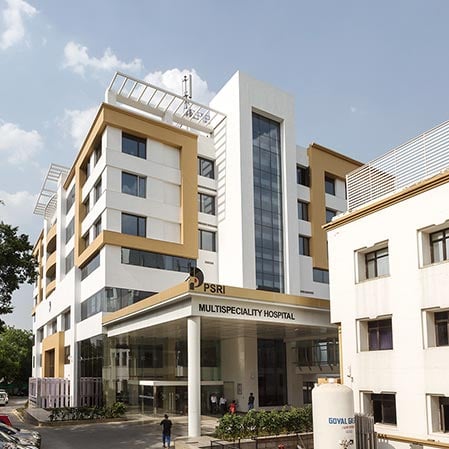
PSRI Hospital, Delhi
Pushpawati Singhania Research Institute (PSRI Hospital), New Delhi, is a leading multi-specialty tertiary care hospital established in 1996 by the JK ...
Accreditations
Facilities
Similar Procedures
Gallery
FAQ


Our website uses cookies. By clicking on accept you give your consent to the use of cookies as per our Privacy Policy.