
Thyroidectomy Cost in India
About Thyroidectomy
Thyroidectomy is a common surgery that removes part or all of the thyroid gland. Doctors perform this procedure to treat thyroid cancer, large nodules, goiter, or thyroid conditions that do not improve with medicines. Thyroid disorders affect people across the world, and millions undergo thyroid surgery every year to restore normal health.
Thyroid-related problems continue to rise globally. Around 5% of the world's population has thyroid nodules, and most people discover them through routine scans. Although many nodules remain harmless, some grow large, cause discomfort, or turn cancerous. Thyroid cancer accounts for ~3% of all cancers worldwide and often requires timely surgery for the best outcomes.
Modern surgical techniques, safe anesthesia, and improved diagnostic tools have made thyroidectomy a straightforward and effective procedure. When doctors diagnose thyroid problems early, patients recover quickly and return to everyday life with minimal difficulty.
What Is Thyroidectomy?
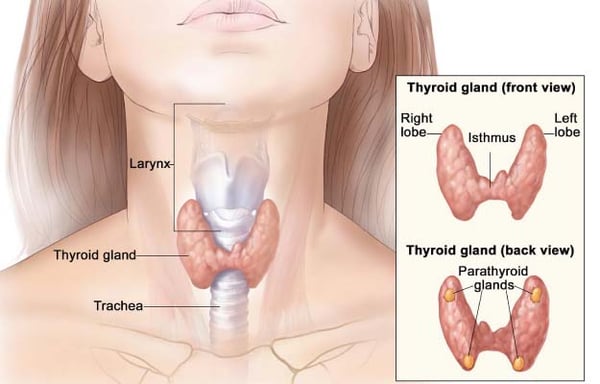
Thyroidectomy is a surgery in which the surgeon removes part or all of the thyroid gland. The thyroid sits at the front of the neck and controls many essential body functions through hormone production. When the gland develops nodules, grows too large, or shows signs of cancer, doctors use thyroidectomy to restore safety and normal function.
Thyroidectomy can take different forms depending on the patient's condition. Some people need only one lobe removed, while others need the entire gland removed. Doctors choose the most suitable option after evaluating the thyroid's size, structure, and test results.
Thyroidectomy has a strong safety record and gives excellent long-term outcomes when performed by trained specialists.
When Do Doctors Recommend Thyroidectomy?
Doctors recommend thyroidectomy when the thyroid gland becomes unhealthy, grows abnormally, or creates symptoms that affect daily life. The decision depends on test results, ultrasound findings, biopsy reports, and the patient's overall health.
- Thyroid Cancer: Doctors advise thyroidectomy when they detect thyroid cancer or when a biopsy shows a strong chance of cancer. Surgery helps remove the tumor completely and prevents it from spreading.
- Suspicious Thyroid Nodules: Some nodules look abnormal on ultrasound or biopsy. When doctors cannot rule out cancer, they recommend surgery to remove the affected part of the gland.
- Large Goiter: A goiter can grow big enough to cause breathing or swallowing problems. In such cases, surgery removes the enlarged portion of the thyroid gland, reducing pressure on the airway.
- Overactive Thyroid (Hyperthyroidism): Some people develop overactive thyroid conditions that do not respond to medicines or radioactive iodine. Doctors use thyroidectomy when the thyroid produces too many hormones and causes long-term health risks.
- Recurrent Thyroid Disease: If the thyroid develops nodules or cancer again after previous treatment, doctors recommend surgery to remove the remaining tissues and prevent future problems.
What Are the Types of Thyroidectomy?
Doctors choose the type of thyroidectomy based on the patient's diagnosis, the size of the thyroid, and whether cancer is present. Each type removes a different portion of the gland and serves a specific purpose.
- Total Thyroidectomy: The surgeon removes the entire thyroid gland. Doctors recommend this procedure for thyroid cancer, large goiters, or severe thyroid disorders. Patients usually start lifelong thyroid hormone replacement after this surgery.
- Partial Thyroidectomy: The surgeon removes only a part of the gland. It helps preserve some natural hormone production. Doctors choose this option when only a portion of the thyroid gland is affected.
- Hemithyroidectomy: The surgeon removes one thyroid lobe and the connecting tissue. Doctors use this method when a nodule or tumor affects only one side of the thyroid.
- Thyroid Lobectomy: This surgery removes only one lobe of the thyroid gland, leaving the remaining gland intact. Doctors recommend this procedure for small nodules, benign lumps, or suspicious lesions that require removal.
- Completion Thyroidectomy: If a patient has previously undergone partial removal and later requires removal of the remaining portion, a completion thyroidectomy is performed. This approach helps manage recurrent disease or unexpected cancer findings.
How Is Thyroidectomy Performed?
Thyroidectomy follows a clear and safe surgical process. Surgeons prepare the patient, remove the required part of the gland, and ensure a smooth recovery. Most patients spend only a short time in the hospital and return to regular activity soon after.
- Pre-Surgery Evaluation: Doctors check thyroid hormone levels, perform ultrasound scans, and review biopsy results. They also assess heart and lung function to make sure the patient can safely undergo anesthesia.
- Anesthesia and Preparation: The surgery takes place under general anesthesia. The patient sleeps comfortably throughout the procedure. The surgical team positions the patient with the neck slightly extended to give the surgeon a clear view of the thyroid.
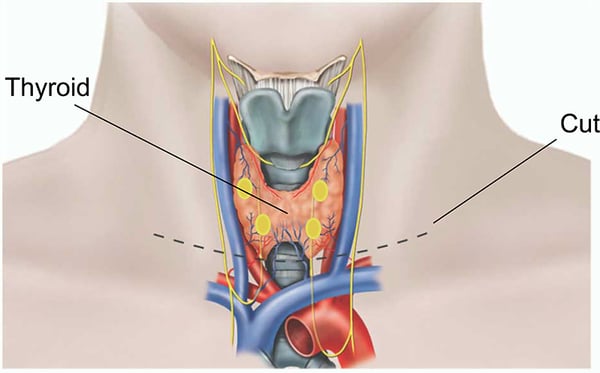
- Surgical Incision: The surgeon makes a small, clean incision at the front of the neck, usually along a natural skin crease. It helps the scar blend well over time.
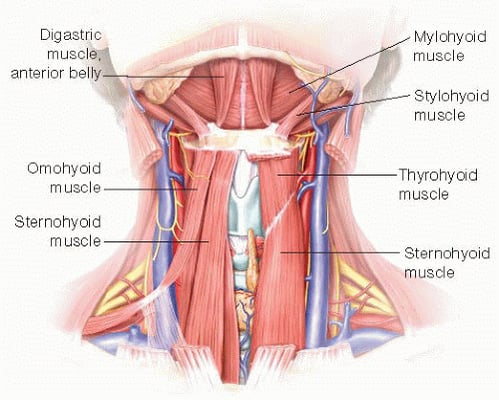
- Removal of Thyroid Tissue: The surgeon identifies and protects essential structures, such as nerves and parathyroid glands. They remove the portion of the thyroid that needs treatment, either one lobe or the entire gland, depending on the disease.
- Closure and Observation: After removing the thyroid tissue, the surgeon closes the incision with sutures. The patient moves to the recovery area for monitoring. Most patients eat, walk, and speak normally a few hours after surgery.
Get a Free Treatment Plan
About Thyroidectomy in India
What Is the Average Cost of Thyroidectomy in India?
The cost of thyroidectomy in India usually ranges between $2,000 and $4,500 (approximately ₹1.6 lakh to ₹3.7 lakh). The final price depends on the type of thyroidectomy, the surgeon's experience, the hospital category, and the patient's medical condition.
India offers affordable surgical care in modern operating rooms, with safe anesthesia practices and advanced monitoring systems. In most hospitals, patients receive complete treatment from evaluation to post-surgery observation within a single package.
Here is a general cost breakdown:
Type of Treatment | Average Cost (USD) | Approx. Cost (INR) |
| Hemithyroidectomy | $2,000 – $3,000 | ₹1.6 – ₹2.5 lakh |
| Total Thyroidectomy | $2,500 – $4,000 | ₹2.1 – ₹3.3 lakh |
| Completion Thyroidectomy | $2,200 – $3,200 | ₹1.8 – ₹2.6 lakh |
| Pre-surgery investigations | $150 – $300 | ₹12,000 – ₹25,000 |
- Costs increase for cancer-related thyroidectomy because doctors may need extra tests or monitoring.
- Robotic or minimally invasive thyroidectomy may cost more depending on the hospital facilities.
Most hospitals include surgeon fees, anesthesia, and OT charges in the final package.
What Does the Thyroidectomy Cost Include and Exclude?
Thyroidectomy involves several medical steps, and hospitals structure their packages differently. Knowing what the package covers helps patients plan their budget and avoid unexpected expenses.
What the Cost Includes
- Surgeon's fee and surgical team charges
- Anesthesia fee and operating room usage
- One to two days of hospital stay
- Nursing care and monitoring
- Routine blood tests during admission
- Basic medications and consumables
- Post-surgery evaluation before discharge
What the Cost Excludes
- Pre-surgery investigations such as ultrasound, thyroid function tests, and biopsy
- Advanced imaging, like CT or MRI
- Extra hospital stay due to complications
- Travel, visa, meals, and accommodation for the patient and companion
- Thyroid hormone replacement medicines after surgery
- Follow-up visits after the patient returns home
Helpful Tip: Patients should request a detailed written estimate before confirming treatment. It provides clear visibility into what is included in the package and helps hospitals compare easily.
What Is the Cost of Thyroidectomy in Different Indian Cities?
Thyroidectomy costs vary by city, depending on hospital reputation, surgical technology, and overall healthcare costs. Major metropolitan cities may charge slightly higher rates due to advanced infrastructure and specialist availability.
Below is a general city-wise cost range:
City | Average Cost (USD) | Approx. Cost (INR) |
| New Delhi | $2,200 – $4,200 | ₹1.8 – ₹3.5 lakh |
| Mumbai | $2,300 – $4,500 | ₹1.9 – ₹3.7 lakh |
| Bangalore | $2,100 – $4,000 | ₹1.7 – ₹3.3 lakh |
| Chennai | $2,000 – $3,800 | ₹1.6 – ₹3.1 lakh |
| Hyderabad | $2,000 – $3,900 | ₹1.6 – ₹3.2 lakh |
- Delhi and Mumbai offer strong endocrine surgery departments with modern OT setups.
- Chennai and Hyderabad provide experienced thyroid surgeons at competitive pricing.
- Bangalore attracts many international patients for its advanced medical services and efficient care.
What Factors Affect the Cost of Thyroidectomy in India?
Several medical and logistical factors influence the total cost of thyroidectomy in India. Each patient receives a personalized plan, so the exact price depends on the thyroid condition, the type of surgery, and the hospital's resources.
- Type of Surgery: The cost varies depending on whether the patient needs a hemithyroidectomy, a total thyroidectomy, or a completion thyroidectomy. Complex cancer-related surgeries usually cost more.
- Surgeon's Experience: Highly experienced endocrine surgeons may charge more because they handle delicate thyroid tissues and preserve vital structures with greater precision.
- Hospital Category: Premium hospitals with advanced operating rooms, modern monitoring equipment, and international accreditation often have higher charges than mid-range centers.
- Diagnostic Requirements: Tests such as ultrasound, thyroid function tests, FNAC or biopsy, CT scans, and other imaging add to the total cost, especially for cancer cases.
- Technology Used in Surgery: Minimally invasive, endoscopic, or robotic thyroidectomy costs more than standard open surgery because these techniques require specialized equipment.
- Length of Hospital Stay: Most patients stay for 1 or 2 days. Longer stays due to bleeding, calcium imbalance, or other complications increase the total cost.
- Need for ICU Care: Some patients may require short-term ICU monitoring after surgery. This requirement raises the overall expense.
- Post-Surgery Medications and Follow-Up: Thyroid hormone replacement, calcium supplements, and follow-up tests also contribute to the total budget.
These factors shape the final cost, and each patient's treatment plan depends on their individual medical needs.
How Does the Cost in India Compare With Other Countries?
India offers thyroidectomy at a much lower cost than many Western and Middle Eastern countries. Despite the lower price, patients receive treatment in modern hospitals with trained endocrine surgeons and advanced surgical facilities.
Below is a simple comparison of average thyroidectomy costs across major countries:
Country | Average Cost (USD) |
| United States | $12,000 – $20,000 |
| United Kingdom | $8,000 – $15,000 |
| UAE | $6,000 – $10,000 |
| Singapore | $7,000 – $12,000 |
| India | $2,000 – $4,500 |
Patients save 60% to 80% when they choose India, while still receiving high-quality surgical care and personalized attention.
Why Should You Choose India for Thyroidectomy?
India offers a strong combination of skilled surgeons, modern hospitals, and affordable surgical care. Patients from many countries choose India because they receive reliable treatment without long waiting periods or high medical expenses.
- Experienced Endocrine Surgeons: India has highly trained surgeons who specialize in thyroid and neck procedures. They perform thyroidectomies regularly and follow global surgical standards to protect the nerves and parathyroid glands.
- Advanced Surgical Infrastructure: Hospitals use modern operating rooms, safe anesthesia systems, and high-quality monitoring equipment. Many centers also offer minimally invasive or endoscopic thyroidectomy techniques.
- Affordable and Transparent Pricing: India provides thyroid surgery at a fraction of the cost charged in Western countries. Patients receive precise estimates and comprehensive packages that cover most treatment expenses.
- Accredited Hospitals: Many Indian hospitals hold NABH or JCI accreditation. These institutions follow strict safety protocols and maintain international standards in patient care.
- Comprehensive Pre- and Post-Operative Care: Hospitals offer thorough diagnostic evaluations, skilled nursing support, dietary advice, and long-term follow-up plans. It helps patients recover confidently and comfortably.
- Easy Medical Travel Process: International patients receive support with medical visas, airport transfers, local accommodation, and interpreter services. This assistance makes the entire treatment journey smooth.
What Is the Recovery and Success Rate After Thyroidectomy?
Recovery after thyroidectomy is usually smooth because the surgery involves a small incision and careful handling of nearby structures. Most patients regain regular activity quickly and experience steady improvement within days.
Recovery After Thyroidectomy
Most patients leave the hospital within one or two days. The incision heals well, especially when the surgeon places it along a natural neck crease. Patients eat, walk, and speak normally soon after surgery.
- First Few Days: Patients may feel mild neck discomfort or tightness. Pain medicines help ease this soreness, and most people resume light activities within a few days.
- First Week: Energy levels improve steadily. Many patients return to office work within a week, depending on comfort and the doctor's advice.
- Long-Term Recovery: Complete healing inside the neck takes a few weeks. If the surgeon removes the entire thyroid gland, the patient starts taking thyroid hormone tablets to maintain normal body function.
Most people lead a completely everyday life after recovery.
Success Rate After Thyroidectomy
Thyroidectomy gives excellent outcomes when doctors perform it for thyroid nodules, benign disease, and thyroid cancer.
- Benign Thyroid Conditions: Success rates remain very high, often above 95%, because the surgery fully treats the nodule or goiter and removes the cause of symptoms.
- Thyroid Cancer: Early-stage thyroid cancer responds exceptionally well to surgery. Success rates often reach 85% to 95%, and many patients achieve long-term cure with surgery combined with follow-up treatments like radioactive iodine when needed.
Thyroidectomy Cost Comparison by Country
Compare Thyroidectomy costs across different countries to make an informed decision about your medical treatment.
| Country | Cost Range (USD) | Potential Savings | Action |
|---|---|---|---|
IndiaCurrentBest Value | $2,000 - $4,500 | — | Get Quote |
Note: Costs may vary based on hospital choice, room type, additional services, and individual medical requirements. Contact us for a personalized quote.
Leading Hospitals for Thyroidectomy in India

Medical Park Bahcelievler Hospital
Medical Park Bahcelievler Hospital is a 242-bed JCI-accredited hospital in Istanbul, established in 2007. Spread across 33,000 square meters and 19 fl...
Accreditations
Facilities

Hisar Intercontinental Hospital, Istanbul
Hisar Intercontinental Hospital in Istanbul is a JCI-accredited, 212-bed multispecialty hospital spanning 35,000 square meters and featuring 53 medica...
Accreditations
Facilities

Medipol Bahçelievler Hospital
Medipol Bahçelievler Hospital is a 441-bed private hospital in Istanbul that began operations in May 2022. Covering 60,000 square meters across 15 flo...
Accreditations
Facilities
Similar Procedures
Gallery
FAQ


Our website uses cookies. By clicking on accept you give your consent to the use of cookies as per our Privacy Policy.