Warum suchen Patienten im Oman eine Behandlung im Ausland?

30/9/2025, 7:33:33 AM 13 min read Medical Tourism
Warum suchen Patienten im Oman eine Behandlung im Ausland?

Over the past decade, Oman has made significant strides in developing a robust public healthcare system. Yet, despite these efforts, many Omanis still travel abroad each year for advanced medical care. According to the World Health Organization,non-communicable diseases account for over 70% of deaths in Oman, with conditions such as cardiovascular disease, diabetes, kidney failure, and cancer leading the way. These complex illnesses often require specialized treatments that are either limited or available only in select centers within the country.


TheMinistry of Health in Oman frequently refers patients overseasfor advanced interventions such as organ transplants, pediatric cardiac surgery, and cancer care. While Europe, the US, and Singapore have traditionally been destinations of choice, India has steadily emerged as the most practical and trusted option. Shorter travel times, significantly lower costs, modern hospitals with global accreditations, and cultural familiarity have made India a natural healthcare partner for Omani families seeking world-class treatment without the burden of excessive expenses.


What Are the Rising Healthcare Needs in Oman?

Oman, like many Gulf nations, faces a growing burden of chronic and lifestyle-related diseases. Diabetes, obesity, and hypertension are widespread, leading to a higher incidence of heart disease, kidney failure, and stroke. Studies suggest that nearlyone in seven adults in Oman has diabetes, while obesity rates are also on the rise, particularly among younger age groups. These conditions increase the demand for advanced treatments such as bariatric surgery, cardiac procedures, and kidney transplants.


In addition,liver diseases are more prevalent across the GCC, including Oman, making liver transplants one of the most sought-after procedures abroad. The country has limited specialized transplant centers, and patients often require referral to international hospitals for timely care.


Cancer is another area of concern. While Oman has oncology services, many patients look overseas for bone marrow transplants, radiation therapies like proton beam treatment, and advanced chemotherapy protocols that are not always accessible locally.


This growing healthcare demand, combined with the limited number of super-specialty hospitals and advanced ICUs in Oman, drives many families to explore India as a reliable destination. In India, patients find not only the technology and expertise they need but also quicker access to treatment and culturally familiar support systems.


How the Indian Embassy in Muscat is Making Medical Travel Easier

India and Oman share not only cultural and historical links but also a growing partnership in healthcare. In recent years, the Embassy of India in Muscat has taken several steps to make medical travel from Oman to India smoother and more reliable. A significant milestone was the Business-to-Business (B2B) healthcare meeting held in Muscat in September 2024, where 26 leading hospitals from India met with Dr. Waleed Khalid Zadjali, President of the Oman Medical Association. The event focused on building collaborations that would directly benefit Omani patients seeking advanced treatment in India.


To support this vision, the Indian Embassy has rolled out multiple initiatives:


  • Faster and Affordable Medical Visa:Omani patients applying for treatment in India now enjoy priority visa processing, with a separate counter at the BLS Visa Centre in Muscat. Visa charges have also been reduced, making long-term medical stays more affordable. Patients can choose between a six-month and a one-year visa, both of which allow for multiple entries.
  • Convenient e-Medical Visa:For those who prefer online applications, the e-Medical Visa is now available. It costs about $80, permits up to three entries, and allows a stay of 60 days. If the treatment requires a longer recovery period, extensions of up to six months can be arranged with the hospital's recommendations.
  • Simplified Arrival in India:Dedicated medical helpdesks have been set up at six major Indian airports (Delhi, Mumbai, Chennai, Bengaluru, Hyderabad, and Kolkata). These counters guide international patients through immigration quickly. To make the process easier for Omanis, Arabic-speaking staff and translators are also available.
  • Sehat Oman Digital Portal:The Embassy has launched a bilingual website, Sehat Oman, available in both Arabic and English. This portal acts as a one-stop information hub, offering details about treatments, Indian hospitals, and travel guidance. It helps patients and families make better decisions before flying out.

These efforts demonstrate that India is not only providing advanced medical care but also collaborating closely with Oman to make the entire journey, from visa application to hospital admission, as hassle-free and patient-friendly as possible.


Why Do Oman Patients Choose India for Treatment?

For patients in Oman, India has steadily become a trusted destination for advanced healthcare. The reasons go beyond affordability; it's about access to the right specialists, advanced technology, and timely treatment, all delivered in an environment that feels culturally familiar.


  • Access to World-Class Hospitals:India is home to hospitals certified by global bodies like the Joint Commission International (JCI) and NABH. These accreditations ensure adherence to strict international standards in safety, infection control, and patient care, providing Omani families with confidence that they are choosing a safe and reliable system.
  • Specialist Doctors with Global Expertise:Many Indian doctors have studied or worked in top medical institutions in the UK, the US, or Europe. Combined with their experience of treating large numbers of patients in India, this expertise ensures that Omani patients benefit from both global best practices and practical, outcome-driven care.
  • Cutting-Edge Medical Technology:India has become a leader in adopting advanced technologies such as robotic-assisted surgeries, minimally invasive transplants, proton therapy for cancer, AI-powered diagnostics, and advanced pediatric ICUs. Omani patients gain access to these innovations without the long travel distances associated with Western countries.
  • Faster Access to Care:In many parts of the world, patients face long waiting lists for major surgeries or transplants. In India, the process is quicker and streamlined, with hospitals able to schedule consultations and surgeries soon after arrival. For Omani patients dealing with urgent conditions like organ failure or complex heart disease, this speed can make all the difference.
  • Cultural Familiarity and Comfort:From Arabic-speaking coordinators to halal food options, Indian hospitals understand the needs of patients from Oman. This cultural sensitivity ensures that families feel supported and comfortable throughout their medical journey.


What Treatments Do Oman Patients Commonly Choose in India?

Omani patients travel to India for a wide range of medical needs, but certain specialties stand out due to their high demand, advanced facilities, and proven success rates. Alongside these treatments, Indian hospitals also offer access to the latest medical technologies, ensuring safer procedures and better outcomes.


  • Liver and Kidney Transplants:Diseases of theliverandkidneysare more common in the GCC, making transplants one of the top reasons Oman patients travel abroad. Indian hospitals have dedicated transplant units equipped with Da Vinci robotic systems for minimally invasive surgery, advanced plasmapheresis machines, and modern ICUs with ECMO (Extracorporeal Membrane Oxygenation) support to manage complex cases.
  • Pediatric Cardiology and Heart Surgery:Children with congenital heart defects are often referred to India for corrective procedures. Indian hospitals use 3D printing technology for surgical planning, intraoperative echocardiography, and hybrid cath labs to ensure precision in pediatric cardiac surgeries.
  • Cancer Care (Oncology):For oncology, India offers comprehensive treatment options ranging from chemotherapy to bone marrow transplants. The introduction of proton beam therapy (PBT) for precise radiation,CyberKnife radiosurgery, andCAR-T cell therapyin select hospitals is providing Omani patients with access to some of the most state-of-the-art oncology treatments available worldwide.
  • Orthopedics and Joint Replacements: Knee,hip, andspine surgeriesremain popular among Omani patients. Surgeons in India are increasingly relying on robot-assisted joint replacement systems, such as MAKOplasty, and advanced navigation-guided orthopedic systems to improve accuracy and reduce recovery times.
  • Fertility and IVF Treatments:Many couples from Oman seek reproductive treatments in India due to advanced protocols and higher success rates. IndianIVFcenters use time-lapse embryo imaging, next-generation sequencing (NGS) for embryo screening, andICSI (Intracytoplasmic Sperm Injection)to maximize outcomes.
  • Bariatric Surgery (Weight-Loss Surgery):With obesity on the rise in Oman, many patients turn to India for safe and effective bariatric procedures. Hospitals use laparoscopic and robotic-assisted techniques forgastric bypass,sleeve gastrectomy, and other weight-loss surgeries, ensuring quicker recovery and minimal scarring.


How Does India Support Oman Patients with Patient-Friendly Services?

Traveling to another country for treatment can be overwhelming, but India has established a robust support system that helps Omani patients and their families feel at ease. From the moment they apply for a medical visa until they return home after recovery, dedicated services are in place to ensure a smooth journey.


  • Arabic-Speaking Interpreters and Coordinators:Many Indian hospitals employ interpreters and coordinators fluent in Arabic, ensuring clear communication between doctors and Omani patients. It eliminates language barriers and helps families fully understand treatment plans and progress.
  • International Patient Care Departments:Hospitals in India have dedicated international patient desks to guide Omanis at every step (airport pickup, appointment scheduling, admissions, discharge, and follow-up). Having a single point of contact simplifies the entire medical journey.
  • Visa, Travel, and Accommodation Assistance:Recognizing that paperwork and logistics can be stressful, hospitals often provide Omani patients with visa invitation letters, assistance in booking flights, and arrangements for nearby accommodation for family members. Many even offer airport transfers and guesthouse accommodations for extended stays.
  • Halal Food and Prayer Facilities:Omani patients can feel culturally at home in India. Most hospitals offer halal food options and provide prayer rooms, thereby respecting the religious and cultural needs of Muslim families. It creates a sense of familiarity and comfort during what can otherwise be a difficult time.
  • 24/7 Support Services:From emergency care to assistance with local transportation, many hospitals offer round-the-clock services for international patients. Omani families can feel reassured knowing that help is always available when needed.


How Strong Is the Growth of Medical Tourism Between Oman and India?

Medical tourism between Oman and India has experienced rapid growth in recent years, reflecting both trust and increased accessibility. According to official records,over 27,500 patients from Omantraveled to India for treatment in 2018 alone, making Oman one of the leading sources of international patients for Indian hospitals.


The reasons behind this steady rise are clear. Treatments in India areup to 60% more affordablecompared to what patients might spend in Oman or neighboring GCC countries. This cost advantage, combined with advanced medical technology and specialist doctors, makes India a preferred option.


A wide variety of treatments draws Oman patients. In 2018, about15% of Omani patients visited India for orthopedic procedures, while many others came for cardiac surgeries, cancer care, organ transplants, and even cosmetic treatments. The demand continues to grow as more Omani families share their positive experiences back home.


India's reputation is further strengthened by its quality standards. The country currently has55 JCI-accredited hospitals, equipped with advanced technology such as robotic surgery, proton therapy, and state-of-the-art transplant units. Patient satisfaction levels are remarkably high. Surveys indicate thatover 90% of Omanis treated in India were satisfied with their care and outcomes.


These numbers highlight not just a trend, but a deepening relationship. As healthcare ties between India and Oman strengthen, supported by embassy initiatives and hospital collaborations, the flow of Omani patients to India is expected to continue growing in the years ahead.


How Much Can Patients in Oman Save by Choosing India?

One of the biggest advantages for Omani families traveling to India is the vast difference in healthcare expenses. Indian hospitals offer international-quality care at significantly lower costs compared to those in Oman, the wider GCC, or Western countries. On average, patients from Oman save60–70%on major procedures by choosing India as their destination.


  • For example, thecost of a liver transplant in Indiaranges from$30,000 to $35,000, whereas the same procedure in the GCC or Western countries can easily exceed $120,000 to $150,000.
  • Similarly, thecost of a kidney transplant in Indiaranges from$12,000 to $15,000, which is significantly more affordable compared to the $40,000 to $45,000 that patients might pay in Oman or neighboring regions.
  • When it comes to cardiac care, thecost of coronary artery bypass grafting (CABG)in India is approximately $4,000 to $6,000, whereas in Oman, the same surgery often costs $18,000 to $20,000.
  • Orthopedic procedures are also significantly more economical; thecost of knee replacement surgery in Indiatypically ranges from$5,000 to $6,500 per knee, whereas in GCC countries, it may reach $18,000 to $20,000. The cost of hip replacement surgery in India averages$5,500 to $7,000, compared to $20,000 or more in the Middle East.
  • Cancer treatment is another area where patients experience huge savings. Thecost of chemotherapy in Indiastarts from$700 per cycle, and advanced therapies such as proton beam therapy in India are available for about $30,000 to $35,000. In comparison, the same advanced cancer treatments abroad can cost between $70,000 and $100,000.
  • For couples seeking fertility care, thecost of IVF in Indiais around$3,000 to $4,000 per cycle, while in GCC and Western countries it is often between $8,000 and $12,000.
  • Likewise, thecost of bariatric surgery in Indiaranges from$6,000 to $8,000, nearly half of what patients would spend in Oman or other Middle Eastern countries.

These cost advantages explain whytens of thousands of Omanis travel to India each year. They gain access to advanced medical care, world-class doctors, and modern technology while keeping expenses within reach.


What Are the Success Rates of Various Treatments in India?

For Omani families, choosing a country for treatment is not only about affordability. It is equally about trust in outcomes. India has established a global reputation for achieving high success rates in complex and life-saving procedures, often matching or even exceeding the standards of leading hospitals in Europe and North America.


  • Liver and Kidney Transplants:The success rate of liver transplant in India is around85–90%, while the success rate of kidney transplant in India ranges between90–95%, matching global standards.
  • Heart Surgery:The success rate of coronary artery bypass surgery (CABG) in India is more than98%in top hospitals. Pediatric cardiac surgeries also have some of the highest success rates in Asia.
  • Cancer Treatments:With technologies like proton beam therapy and CyberKnife radiosurgery, the success rate of cancer treatment in India continues to rise, especially in early-diagnosed cases.
  • Orthopedic Surgeries:The success rate of knee replacement surgery in India exceeds95%, with patients typically regaining mobility within a short period. Hip replacements and spine surgeries show similar positive results.


Indian Medical Visa for Omani Patients

Traveling to India for treatment is easier than ever for Omani patients, thanks to a streamlined visa process supported by the Embassy of India in Muscat.


  • Medical Visa Process:Omani citizens can apply for a medical visa at the BLS India Visa Application Centre in Muscat or submit their application online through the e-Medical Visa portal. Applications usually require a valid passport, recent photographs, and a treatment letter from the chosen Indian hospital.
  • Visa Fees and Duration:The standard medical visa fee is approximatelyOMR 30.90for six months andOMR 46.30for one year, with options for double or multiple entries. This flexibility is beneficial for patients who may need follow-up visits.
  • e-Medical Visa Option:For faster processing, Omani patients can apply online for an e-Medical Visa, which costs about$80. It allows up to three visits and a stay of 60 days, with extensions of up to six months possible if recommended by the hospital and approved by Indian authorities.
  • Support at Indian Airports:Dedicated medical facilitation counters have been established at major airports, including Delhi, Mumbai, Chennai, Hyderabad, Bengaluru, and Kolkata. Arabic-speaking staff are available to assist Omani patients with immigration and entry procedures.


Conclusion

For patients from Oman, India has become more than just a medical travel option; it is a trusted healthcare partner. With internationally accredited hospitals, globally trained doctors, and advanced technologies such as robotic surgery, proton beam therapy, and state-of-the-art transplant ICUs, India delivers world-class care that matches the best in the world.


Equally important, the cost of treatment in India is far lower than in Oman, other GCC nations, or Western countries. Whether it is the cost of a liver transplant, kidney transplant, CABG, or knee replacement surgery, Omani families save up to 70% while still receiving excellent outcomes.


Cultural familiarity also plays a major role. From Arabic-speaking coordinators and halal food to embassy support with medical visas, India ensures that Omani patients feel comfortable and supported at every stage of their journey.


With proven success rates in complex surgical procedures, India has established itself as the preferred destination for Omani patients seeking advanced treatment, delivered with compassion and affordability.

Verwandte Krankenhäuser

Entdecken Sie Krankenhäuser und medizinische Zentren mit Bezug zu diesem Thema für hochwertige Gesundheitsdienstleistungen.
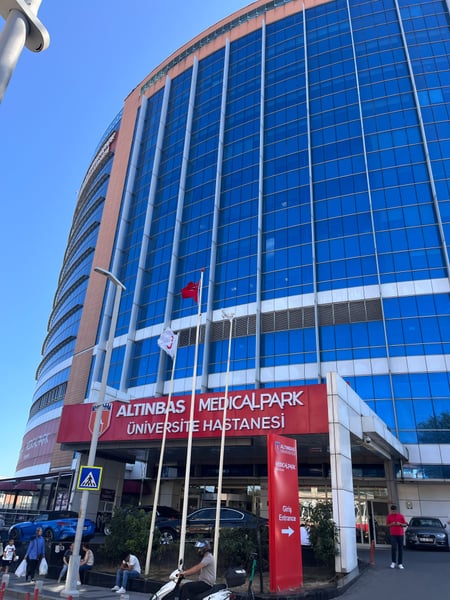
Medical Park Bahcelievler Krankenhaus
PLATINUM
Details anzeigen

Medical Park Bahcelievler Krankenhaus

Istanbul, Truthahn

Das Medical Park Bahcelievler Hospital ist ein JCI-akkreditiertes Krankenhaus mit 242 Betten in Istanbul, das 2007 gegründet wurde. Auf 33.000 Quadrat...

Multi-specialty
Gegründet 2007
242 Betten
Akkreditierungen
Joint Commission International (JCI)
Einrichtungen
+13
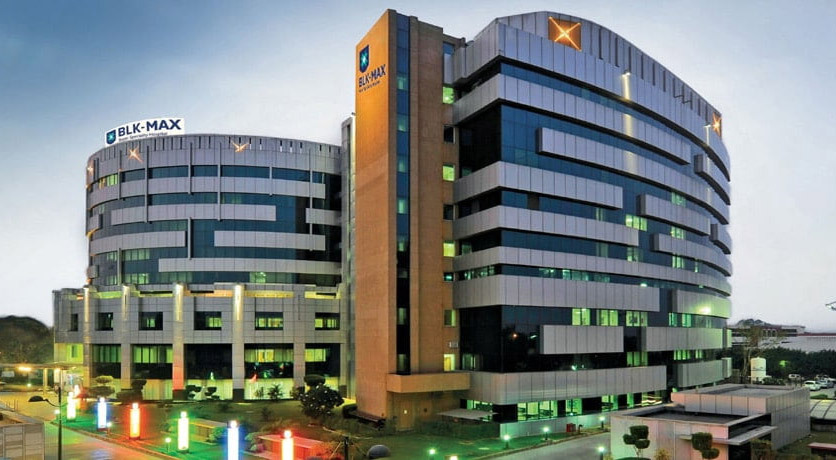
BLK-Max Super Specialty Hospital, Neu-Delhi
PLATINUM
Details anzeigen

BLK-Max Super Specialty Hospital, Neu-Delhi

Neu-Delhi, Indien

BLK-Max Super Speciality Hospital in New Delhi is one of India's premier healthcare institutions, offering 650 beds, 22 advanced operation theatres, a...

Multi-specialty
Gegründet 1959
650 Betten
Akkreditierungen
Joint Commission International (JCI)
National Accreditation Board for Hospitals & Healthcare Providers (NABH)
Einrichtungen
+13
Fortis Memorial Research Institute (FMRI), Gurgaon
PLATINUM
Details anzeigen

Fortis Memorial Research Institute (FMRI), Gurgaon

Gurgaon, Indien

Das Fortis Memorial Research Institute (FMRI) in Gurgaon ist ein erstklassiges Krankenhaus mit mehreren Spezialgebieten, das 2013 gegründet wurde. Das...

Multi-specialty
Gegründet 2013
330 Betten
Akkreditierungen
Joint Commission International (JCI)
National Accreditation Board for Hospitals & Healthcare Providers (NABH)
Einrichtungen
+13
Artemis Hospital, Gurgaon
PLATINUM
Details anzeigen

Artemis Hospital, Gurgaon

Gurgaon, Indien

Das Artemis Hospital in Gurgaon ist ein JCI-akkreditiertes Spezialkrankenhaus, das 2007 gegründet wurde. Es bietet mehr als 750 Betten und eine erstkl...

Multi-specialty
Gegründet 2007
750 Betten
Akkreditierungen
Joint Commission International (JCI)
National Accreditation Board for Hospitals & Healthcare Providers (NABH)
International Organization for Standardization (ISO)
Einrichtungen
+13
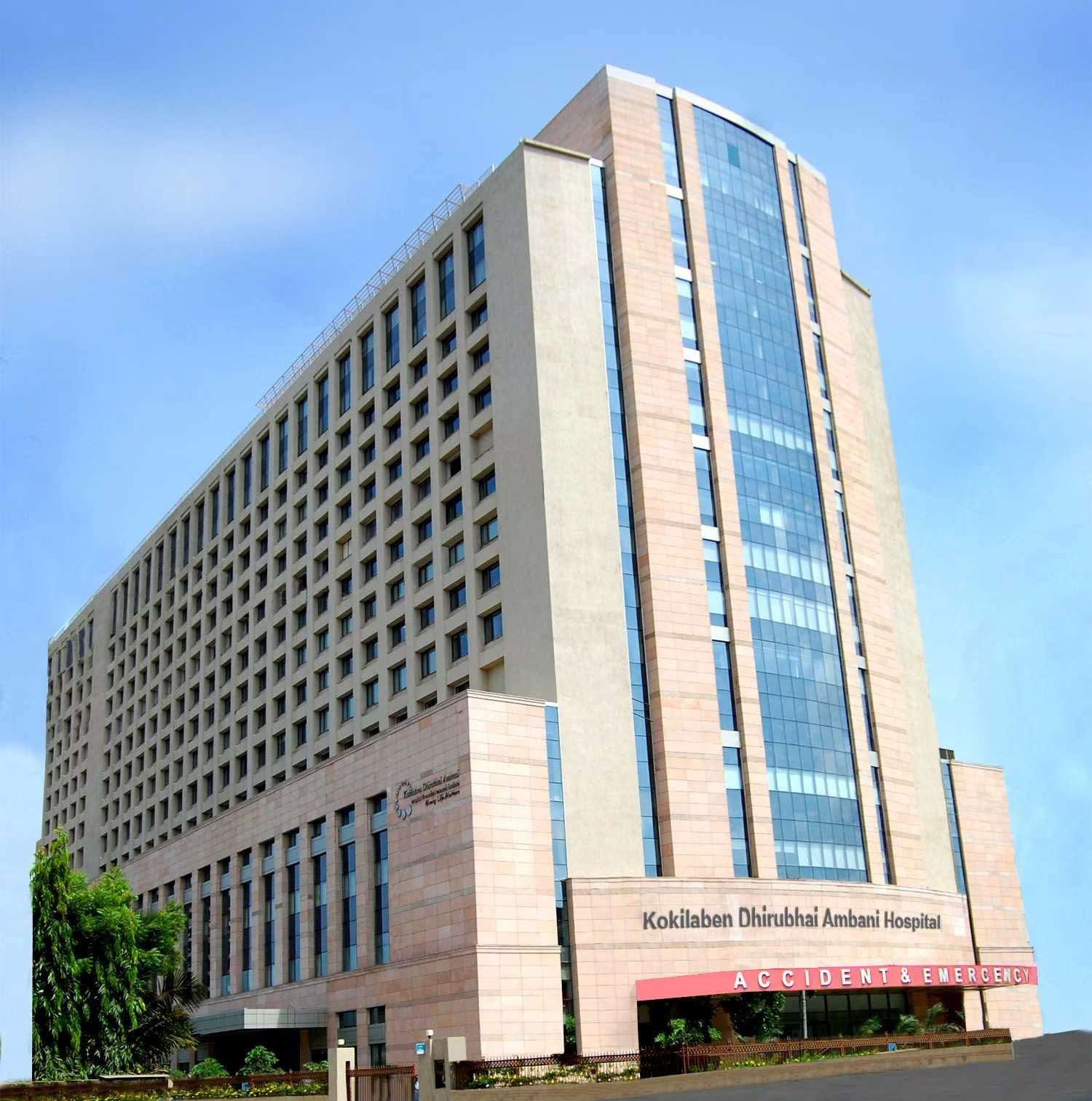
Kokilaben Dhirubhai Ambani Krankenhaus, Mumbai
PLATINUM
Details anzeigen

Kokilaben Dhirubhai Ambani Krankenhaus, Mumbai

Mumbai, Indien

Das Kokilaben Dhirubhai Ambani Hospital in Mumbai ist ein von JCI, NABH, NABL und CAP akkreditiertes Quartärpflegekrankenhaus, das 2009 gegründet wurd...

Multi-specialty
Gegründet 2009
750 Betten
Akkreditierungen
Joint Commission International (JCI)
National Accreditation Board for Hospitals & Healthcare Providers (NABH)
International Organization for Standardization (ISO)
Einrichtungen
+13
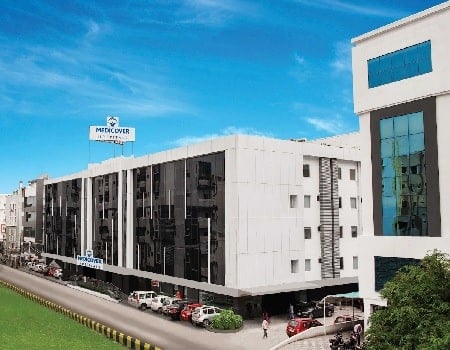
Medicover-Krankenhäuser, Hitech City, Hyderabad
PLATINUM
Details anzeigen

Medicover-Krankenhäuser, Hitech City, Hyderabad

Hyderabad, Indien

Medicover Hospitals, Hitech City, Hyderabad, ist ein NABH-akkreditiertes Spezialkrankenhaus mit 400 Betten, das 2011 gegründet wurde. Es ist Teil von ...

Multi-specialty
Gegründet 2011
400 Betten
Akkreditierungen
National Accreditation Board for Hospitals & Healthcare Providers (NABH)
Joint Commission International (JCI)
Einrichtungen
+13

Verwandte Ärzte

Nehmen Sie Kontakt zu erfahrenen Ärzten und medizinischen Spezialisten auf diesem Gebiet auf.

Dr. Ananda Mandal

Dr. Ananda Mandal

Consultant

27 jahrelange Erfahrung
Details anzeigen
Dr. Indranil Khan

Dr. Indranil Khan

Consultant

8 jahrelange Erfahrung
Details anzeigen
Dr. Pradip Chakrabarti

Dr. Pradip Chakrabarti

Head of Department (HOD)
45 jahrelange Erfahrung
Details anzeigen
Dr. Rakesh Rajput

Dr. Rakesh Rajput

Head of Department (HOD)
30 jahrelange Erfahrung
Details anzeigen
Dr. Praveen G L

Dr. Praveen G L

Consultant

10 jahrelange Erfahrung
Details anzeigen
Chandramohan K

Chandramohan K

Senior Consultant

27 jahrelange Erfahrung
Details anzeigen

Verwandte Artikel

Entdecken Sie weitere Artikel und Erkenntnisse zu ähnlichen Gesundheitsthemen.
Ist eine Wirbelsäulenoperation im Ausland sicher?
Medical Tourism

Ist eine Wirbelsäulenoperation im Ausland sicher?

2/4/2026, 1:32:33 PM
8 min read
Wirbelsäulenerkrankungen betreffen weltweit Millionen von Patienten. Erkrankungen wie Bandscheibenvorfall, Wirbelsäulenstenose und degenerative Wirbel...
So bereiten Sie sich auf eine Organtransplantation im Ausland vor: Checkliste für Medizin, Recht und Reisen
Medical Tourism

So bereiten Sie sich auf eine Organtransplantation im Ausland vor: Checkliste für Medizin, Recht und Reisen

2/4/2026, 1:03:37 PM
7 min read
Organtransplantationerfordert in jeder Phase eine sorgfältige Planung. Wenn Patienten für eine Transplantationsoperation ins Ausland reisen, wird die ...
Beste Länder für Organtransplantationen: Ein Leitfaden für 2026 zu Kosten, Wartezeiten und rechtlichen Anforderungen
Medical Tourism

Beste Länder für Organtransplantationen: Ein Leitfaden für 2026 zu Kosten, Wartezeiten und rechtlichen Anforderungen

2/4/2026, 9:05:33 AM
7 min read
Die weltweite Nachfrage nachOrgantransplantationschirurgiesteigt jedes Jahr weiter an. Millionen von Patienten leben mit Organversagen im Endstadium, ...
Back Pain or Something More? When Does a Spine Tumor Require Surgery?

Medical Tourism

Back Pain or Something More? When Does a Spine Tumor Require Surgery?

1/3/2026, 12:51:20 PM
9 min read
Wenn eine Diagnose die Wirbelsäule betrifft, lautet die erste Frage fast immer:„Werde ich noch laufen können?“Im Jahr 2026 hat sich die Behandlung von...
Wie lange kann man nach einer Organtransplantation leben?
Medical Tourism

Wie lange kann man nach einer Organtransplantation leben?

1/3/2026, 12:19:15 PM
7 min read
Wenn Ihnen gesagt wird, dass Sie eine benötigenTransplantation, die erste Frage, die einem in den Sinn kommt, ist oft die, die am schwersten zu stelle...
Wer kann in Indien eine Organtransplantation erhalten? Teilnahmebedingungen erklärt

Medical Tourism

Wer kann in Indien eine Organtransplantation erhalten? Teilnahmebedingungen erklärt

1/3/2026, 12:00:36 PM
7 min read
Organversagen bleibt eine wachsende globale Gesundheitsherausforderung. Weltweit sind Millionen Menschen von einer chronischen Nierenerkrankung betrof...
Dr. Deepanshu Siwach

Leitender medizinischer Autor

Sr. Medical Content Writer Qonaq Health and Wellness
Doctor of Pharmacy

Dr. Deepanshu Siwach ist ein erfahrener klinischer Apotheker mit einem Doktortitel in Pharmazie. Er verfügt über mehr als 4 Jahre Erfahrung und hat mit Tausenden von Patienten gearbeitet. Er war mit... Mehr lesen

Unsere Website verwendet Cookies. Datenschutzrichtlinie.