Por qué los pacientes cameruneses eligen la India para recibir tratamiento

30/9/2025, 7:13:38 AM 11 min read Medical Tourism
Por qué los pacientes cameruneses eligen la India para recibir tratamiento

In recent years, more patients from Cameroon have been traveling abroad to seek advanced medical treatment. The reasons are clear: limited access to specialized care at home, long waiting times in public hospitals, and the high cost of private healthcare. For these patients, India has emerged as one of the most trusted destinations for affordable and high-quality healthcare.


India welcomes approximately10,000 Cameroonian patientseach year seeking medical treatment, a number that has grown by25%over the past five years. Families travel for treatments such askidney transplants,heart surgeries,cancer therapies, andorthopedic operations; areas where India is recognized globally for its expertise. What makes India stand out is its ability to combine world-class medical technology, highly qualified doctors, and reasonable costs, all in a setting where international patients feel supported and cared for.


For many Cameroonian families, choosing India is not just about saving money. It is about finding a place where advanced treatments are available without delay, communication is smooth in English and French, and hospitals have long experience in treating African patients. India has become a symbol of hope and healing for patients traveling from Cameroon.


What Healthcare Challenges Do Patients Face in Cameroon?

Cameroon’s healthcare system faces a number of difficulties that push many families to seek medical care outside their borders. While the country has made progress in expanding public hospitals and training local doctors, there are still gaps in advanced and specialized care.


For example, the country hasvery few centers for cancer treatment, with limited radiotherapy machines to serve a population of over 27 million. Patients diagnosed with complex cancers often wait months before they can even start therapy. Similarly, there areno large-scale organ transplant facilitiesin Cameroon, which means people with kidney or liver failure have little choice but to seek treatment abroad.


Public hospitals in cities like Yaoundé and Douala are oftenovercrowded and under-resourced, making it difficult to provide timely care. On the other hand, private hospitals charge high fees. Still, even then, they may lack the advanced technology needed for procedures such ascardiac bypass surgery,neurosurgery, orbone marrow transplants.


This situation has created a trend: Cameroonians who can afford it look abroad for healthcare, and India has quickly become one of the most reliable and cost-effective options.


Why Do Cameroonian Patients Prefer India for Treatment?

One of the main reasons patients from Cameroon travel to India is the balance of affordability and advanced care. Treatments that are either unavailable or unaffordable in Cameroon (such as kidney transplants, heart bypass surgeries, and advanced cancer therapies) are widely available in Indian hospitals at muchlower costscompared to Europe or the US.


Another advantage islanguage support. While Cameroon is a bilingual country (French and English), patients often worry about communication abroad. In India, English is the primary medium of medical practice, and many hospitals also provideFrench translatorsfor African patients. It makes consultations smooth and helps families feel understood.


India also attracts Cameroonian patients because of itshighly qualified doctors, many of whom trained in the US, UK, or Europe before returning to practice in India. These specialists perform thousands of complex surgeries every year, building trust among international patients.


Equally important is thespeed of care. In Cameroon, patients often wait weeks or even months before receiving surgery. In India, treatments are typically scheduled within days of arrival, which can make a life-saving difference for critical illnesses.


For Cameroonian families, this combination ofworld-class expertise, modern hospitals, cost savings, and supportive patient servicesmakes India a natural choice for medical treatment abroad.


What Advanced Medical Technologies in India Benefit Cameroonian Patients?

Cameroonian patients often travel to India for treatments that require cutting-edge technology not yet available in their home country. Indian hospitals have invested heavily in the latest medical innovations, giving patients access to world-class care at an affordable cost. Some of the most relevant technologies include:


Cancer Diagnosis and Treatment

  • PET-CT Scan (Siemens Biograph mCT, GE Discovery IQ)– provides highly detailed imaging to detect cancers early and track response to therapy.
  • Proton Beam Therapy (IBA Proteus®ONE, Varian ProBeam)– available in select Indian cancer centers, offering precise radiation for complex tumors with fewer side effects.
  • Zap-X Radiosurgery System– a next-generation, self-shielded radiosurgery unit for treating brain tumors without the need for invasive surgery.
  • NexCAR19 CAR-T Cell Therapy– India’s first indigenously developed CAR-T therapy, offering hope for patients with relapsed leukemia and lymphoma at a fraction of global costs.


Cardiology and Heart Surgery

  • Da Vinci Xi Robotic Surgical System (Intuitive Surgical)– used for minimally invasive cardiac and thoracic surgeries, reducing recovery time.
  • Intra-aortic Balloon Pump (IABP) and ECMO Machines– critical for advanced cardiac and lung support during high-risk surgeries.
  • 3D Echocardiography (Philips EPIQ 7, GE Vivid E95)– helps cardiologists in India diagnose complex heart conditions with great accuracy.


Kidney and Organ Transplants

  • High-end Dialysis Machines (Fresenius 5008S, Baxter AK 200)– widely used for patients with kidney failure.
  • HLA Typing and Next-Gen Sequencing Labs– ensure precise donor-recipient matching for kidney and liver transplants.
  • Intraoperative Ultrasound (BK Medical, Hitachi Aloka)– helps surgeons perform safer and more precise transplant surgeries.


Neurology and Neurosurgery

  • Gamma Knife Icon (Elekta)– non-invasive radiosurgery for brain tumors and vascular malformations.
  • Neuro-navigation Systems (Brainlab Curve, Medtronic StealthStation S8)– guide neurosurgeons with real-time 3D brain mapping during surgery.
  • Intraoperative MRI (Siemens Magnetom)– allows surgeons to check progress mid-surgery for maximum precision.


Orthopedics and Spine

  • MAKO Robotic-Arm Assisted Surgery (Stryker)– used for hip and knee replacements with higher accuracy and faster recovery.
  • 3D Printing Technology– custom-made implants for trauma patients and spinal deformities.
  • O-arm Imaging System (Medtronic)– provides real-time 3D images during spine surgery for safer outcomes.

For Cameroonian patients, access to these technologies means receiving the same level of treatment available in Europe or the US, but at costs that are far more affordable.


What Are the Success Rates of Major Procedures in India for Cameroonian Patients?

Cameroonian families often choose India not only because of affordability but also because of the proven success rates achieved across complex treatments. With advanced technology and highly trained doctors, Indian hospitals match the standards of Europe and the US while remaining cost-effective.


  • Kidney Transplants:Kidney disease is a growing health challenge in Cameroon, yet there are almost no transplant facilities locally. In India, kidney transplants have a first-year success rate of85–90%, supported by advanced donor matching systems and specialized transplant ICUs. Many patients from Central Africa travel specifically for this procedure.
  • Cardiac Surgeries (CABGandValve Replacements):Hypertension-related heart disease is one of the top health issues in Cameroon. In India, CABG surgery (heart bypass) has a success rate of97–98%, with many hospitals performing thousands of procedures annually. Complex valve replacements, pediatric heart surgeries, and minimally invasive robotic cardiac surgeries are also routinely carried out.
  • HipandKnee Replacements:Injuries from road accidents and arthritis are common reasons Cameroonian patients seek orthopedic care abroad. In India, hip and knee replacements achieve long-term success rates above95%, with advanced systems like the MAKO robotic-arm assisted technology ensuring precision and faster recovery.
  • Cancer TreatmentandBone Marrow Transplants:With limited cancer care facilities in Cameroon, many patients turn to India for therapies like proton beam therapy, targeted therapy, and bone marrow transplants. The five-year survival rates for early-stage cancers in India are comparable to Western nations, while bone marrow transplants record success rates of70–80%, depending on the case.
  • Neurosurgery and Spine Operations:Cameroon lacks advanced neurosurgical infrastructure for brain tumors, epilepsy surgery, or spinal deformities. In India, technologies such as the Gamma Knife, intraoperative MRI, and Brainlab neuro-navigation systems allow surgeons to perform highly complex procedures with accuracy. Hospitals regularly carry out surgeries that would otherwise require referral to Europe or the US.

By combining high success rates with the ability to perform rare and complex surgeries, India has positioned itself as a reliable healthcare hub for Cameroonian patients who cannot find such services locally.


How Much Does Treatment in India Cost for Cameroonian Patients?

For many families in Cameroon, one of the most significant barriers to advanced care is the price of treatment. Private hospitals at home can be costly yet still lack the technology needed for complex procedures. In contrast, Indian hospitals provide world-class care at prices far lower than in Europe, the United States, or the Middle East.


  • Akidney transplant in India costs around $13,000–15,000, including surgery, hospital stay, and initial medicines. In the United States, the same procedure can cost over $200,000, an amount completely out of reach for most Cameroonian families.
  • Similarly, patients suffering from heart disease due to hypertension often need bypass surgery. TheCABG surgery cost in India is about $6,000–8,000, while in the US, the price ranges from $70,000 to $90,000. Even when including travel and accommodation, patients from Cameroon save more than 70%.
  • Orthopedic care is another area where India makes treatment accessible. Thehip replacement surgery cost in India is $6,000–7,000, compared to nearly $30,000 in Western countries. With robotic-assisted systems like MAKO, patients also enjoy faster recovery and long-lasting results.
  • For liver disease patients, thecost of a liver transplant in Indiais usually between $35,000 and $45,000. It is less than one-third of what hospitals in Europe or the US charge.
  • Cancer care also shows a huge price gap. In India,cancer treatment costs $8,000–12,000for a complete cycle of chemotherapy and radiation, while in Western nations it can exceed $50,000–100,000. Importantly, Indian centers offer advanced options like proton therapy and CAR-T cell therapy (NexCAR19) at rates much lower than anywhere else globally.

For Cameroonian patients, these cost savings mean that what would have been financially impossible at home or abroad becomes achievable in India, without compromising on technology or success rates.


How Do Affordable Medicines and Post-Treatment Care in India Benefit Cameroonian Patients?

For many patients from Cameroon, the cost of medicines after surgery or treatment is almost as worrying as the hospital bill itself. In countries like the US or Europe, even basic post-operative drugs can cost thousands of dollars. India, however, is home to one of theworld’s largest pharmaceutical industries, producing high-qualitygeneric medicinesat a fraction of global prices.


It means that after major procedures like akidney transplant in India, patients do not just save on the surgery cost. They also spend far less on lifelong immunosuppressant drugs. Similarly, those recovering fromCABG surgery or hip replacementbenefit from affordable medicines and rehabilitation support that would otherwise be very expensive abroad.


Another advantage for Cameroonian patients is thecontinuity of care. Many Indian hospitals now offerteleconsultation services, allowing patients to stay in touch with their treating surgeons or oncologists even after returning home. Prescriptions can be renewed online, and follow-up guidance is given without the need to travel again.


Hospitals also provide detaileddischarge summaries and care plansthat local doctors in Cameroon can follow, ensuring that patients continue to recover smoothly. Combined with lower drug prices, this makes India a practical option not only for treatment but also for long-term management of chronic conditions.


For families in Cameroon, it reduces the overall burden, making advanced care both affordable and sustainable in the long run.


How Can Cameroonian Patients Apply for an Indian Medical Visa?

For patients from Cameroon, traveling to India for treatment is made possible through aspecial Medical Visa (MED Visa). This visa is designed specifically for people seeking advanced medical care and allows enough time to complete both treatment and recovery.


  • Visa Fees:The Indian medical visa fee for Cameroonian citizens is usually around$80–100, depending on duration and number of entries. This fee is separate from flight and treatment expenses.
  • Validity and Entries:The medical visa is typically valid for up to 1 year and usually allows triple entry. It means patients can travel to India, return home, and go back again if follow-up treatment is needed within the same validity period. Extensions may be granted for long-term treatments such as cancer therapy or organ transplant recovery.
  • Processing Time:Applications are submitted at the High Commission of India in Yaoundé. The process usually takes 5–7 working days, though urgent cases may be fast-tracked if a hospital provides an emergency medical letter.
  • Medical Attendant Visa:Cameroonian patients can also apply for Medical Attendant Visas for up to two relatives or caregivers. It allows family members to accompany the patient during treatment, giving emotional and practical support.


Documents Required

To apply for a medical visa from Cameroon, patients generally need:


  • A valid passport (with at least 6 months’ validity)
  • A medical invitation letter from a recognized Indian hospital
  • Two recent passport-size photos
  • Completed visa application form
  • Medical reports or diagnosis from a Cameroonian doctor
  • Proof of financial ability to cover expenses (bank statements or sponsor letter)


To Conclude

For families in Cameroon, accessing advanced healthcare has long been a challenge. Many have faced the frustration of long waiting times, limited facilities, and high treatment costs at home or abroad. India has changed that reality by offering affordable, world-class medical care that is accessible without unnecessary delays.


From kidney transplants and heart surgeries to cancer therapies and orthopedic procedures, Indian hospitals deliver results that rival the best in the world. What makes the difference for Cameroonian patients is not just the price, but the combination of advanced technology, trusted doctors, and patient-friendly care that ensures a smoother healing journey.


With bilingual support for French and English speakers, international patient services, and a track record of high success rates, India has become more than a medical tourism hub. It has become a healthcare lifeline for patients from Cameroon. For those searching for hope, healing, and a healthier future, India continues to stand as a destination where both care and compassion meet.

Hospitales relacionados

Descubra hospitales y centros médicos relacionados con este tema para los servicios de salud de calidad.
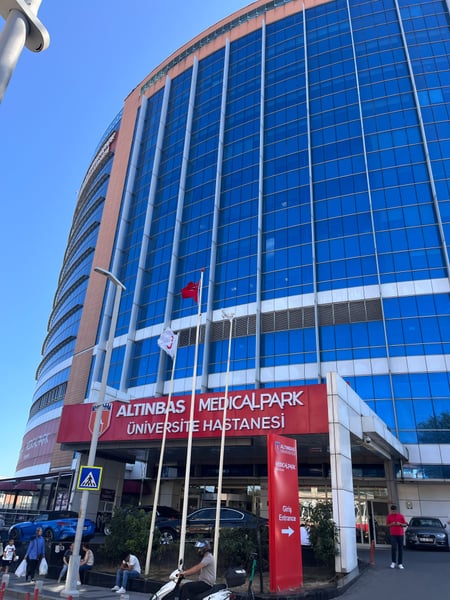
Parque médico del hospital Bahcelievler
PLATINUM
Ver detalles

Parque médico del hospital Bahcelievler

Estanbul, Pavo

El Hospital Medical Park Bahcelievler es un hospital de 242 camas acreditado por la JCI en Estambul, establecido en 2007. Distribuido en 33.000 metros...

Multi-specialty
Establecido 2007
242 camas
Acreditaciones
Joint Commission International (JCI)
Instalaciones
+13
Hospital de súper especialidades BLK-Max, Nueva Delhi
PLATINUM
Ver detalles

Hospital de súper especialidades BLK-Max, Nueva Delhi

Nueva Delhi, India

El BLK-Max Super Specialty Hospital de Nueva Delhi es una de las principales instituciones sanitarias de la India y ofrece 650 camas, 22 quirófanos av...

Multi-specialty
Establecido 1959
650 camas
Acreditaciones
Joint Commission International (JCI)
National Accreditation Board for Hospitals & Healthcare Providers (NABH)
Instalaciones
+13
Instituto de Investigación Fortis Memorial (FMRI), Gurgaon
PLATINUM
Ver detalles

Instituto de Investigación Fortis Memorial (FMRI), Gurgaon

Gurgaon, India

Fortis Memorial Research Institute (FMRI), Gurgaon, es un hospital de múltiples especialidades de clase mundial establecido en 2013. El hospital ofrec...

Multi-specialty
Establecido 2013
330 camas
Acreditaciones
Joint Commission International (JCI)
National Accreditation Board for Hospitals & Healthcare Providers (NABH)
Instalaciones
+13
Hospital Artemisa, Gurgaon
PLATINUM
Ver detalles

Hospital Artemisa, Gurgaon

Gurgaon, India

Artemis Hospital, Gurgaon, es un hospital multiespecializado acreditado por la JCI que se estableció en 2007. Ofrece más de 750 camas e infraestructur...

Multi-specialty
Establecido 2007
750 camas
Acreditaciones
Joint Commission International (JCI)
National Accreditation Board for Hospitals & Healthcare Providers (NABH)
International Organization for Standardization (ISO)
Instalaciones
+13
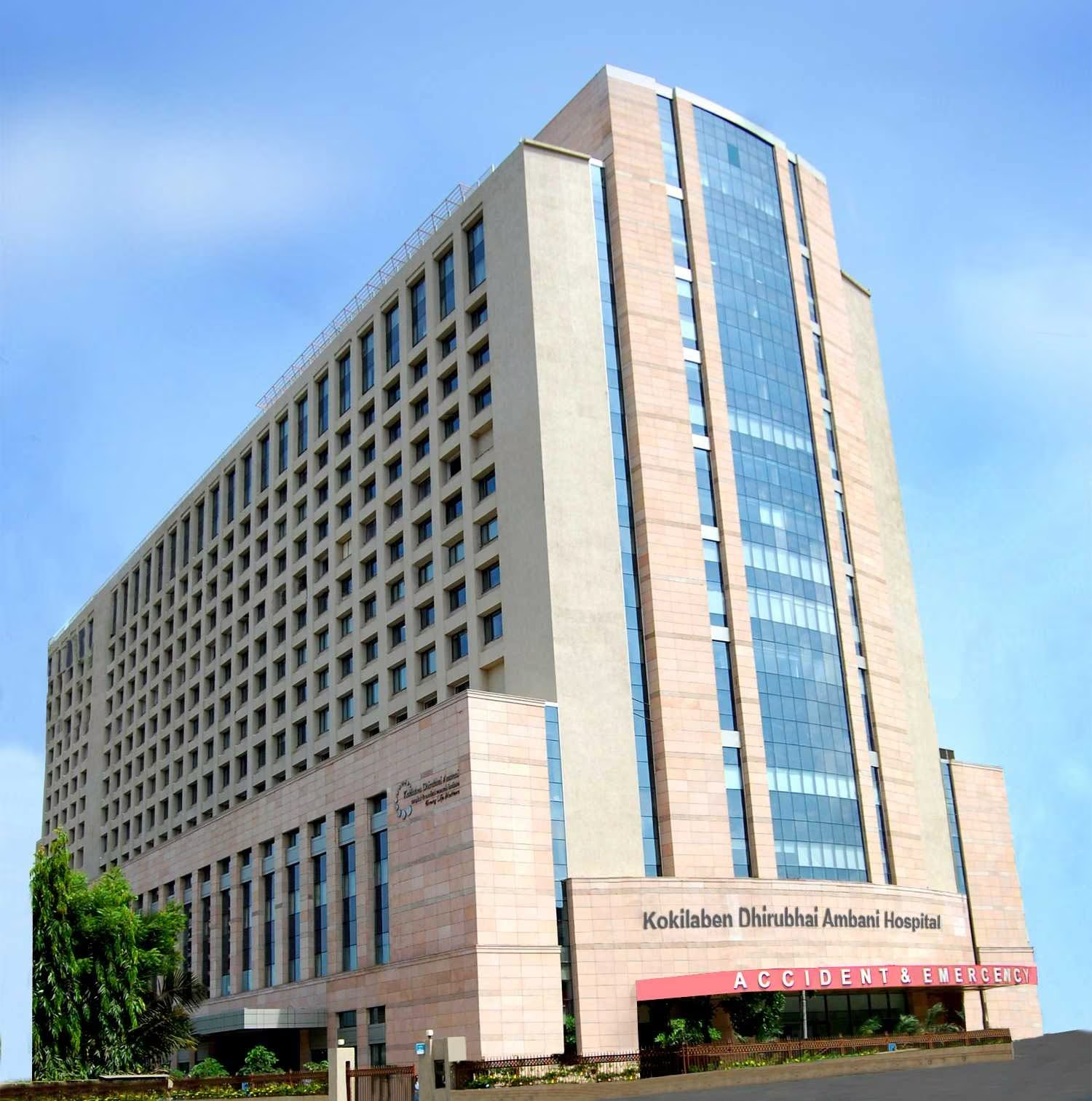
Hospital Kokilaben Dhirubhai Ambani, Bombay
PLATINUM
Ver detalles

Hospital Kokilaben Dhirubhai Ambani, Bombay

Bombay, India

El Hospital Kokilaben Dhirubhai Ambani, Mumbai, es un hospital de atención cuaternaria acreditado por JCI, NABH, NABL y CAP establecido en 2009. Con 7...

Multi-specialty
Establecido 2009
750 camas
Acreditaciones
Joint Commission International (JCI)
National Accreditation Board for Hospitals & Healthcare Providers (NABH)
International Organization for Standardization (ISO)
Instalaciones
+13
Hospitales Medicover, ciudad de Hitech, Hyderabad
PLATINUM
Ver detalles

Hospitales Medicover, ciudad de Hitech, Hyderabad

Hyderabad, India

Medicover Hospitals, Hitech City, Hyderabad, es un hospital de súper especialidades acreditado por NABH con 400 camas y establecido en 2011. Es parte ...

Multi-specialty
Establecido 2011
400 camas
Acreditaciones
National Accreditation Board for Hospitals & Healthcare Providers (NABH)
Joint Commission International (JCI)
Instalaciones
+13

Doctores relacionados

Conéctese con médicos y especialistas médicos experimentados en este campo.

Dr. Dilek Benk Sifeler

Dr. Dilek Benk Sifeler

Consultant

23 Años de experiencia
Ver detalles
Dr. A.S. Esin Corkut

Dr. A.S. Esin Corkut

Consultant

28 Años de experiencia
Ver detalles
Dr. Mehmet Fatih Akbulut

Dr. Mehmet Fatih Akbulut

Consultant

20 Años de experiencia
Ver detalles
Dr. Ziyaettin Durakoğlu

Dr. Ziyaettin Durakoğlu

Consultant

24 Años de experiencia
Ver detalles
Dr. Ananda Mandal

Dr. Ananda Mandal

Consultant

27 Años de experiencia
Ver detalles
Dr. Debashish Mukherjee

Dr. Debashish Mukherjee

Senior Consultant

32 Años de experiencia
Ver detalles

Artículos relacionados

Explore más artículos e ideas sobre temas de salud similares.
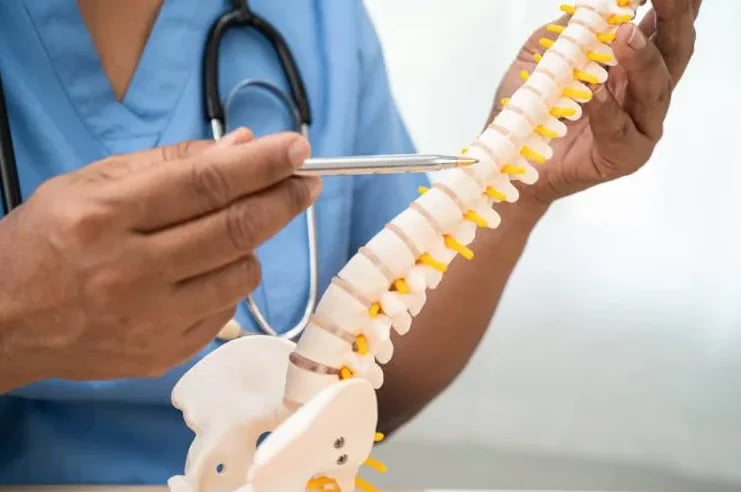
¿Es segura la cirugía de columna en el extranjero?
Medical Tourism

¿Es segura la cirugía de columna en el extranjero?

2/4/2026, 1:32:33 PM
8 min read
Los trastornos de la columna afectan a millones de pacientes en todo el mundo. Condiciones como hernia discal, estenosis espinal y enfermedad degenera...
Leer más
Cómo prepararse para un trasplante de órganos en el extranjero: lista de verificación médica, legal y de viaje
Medical Tourism

Cómo prepararse para un trasplante de órganos en el extranjero: lista de verificación médica, legal y de viaje

2/4/2026, 1:03:37 PM
7 min read
Trasplante de órganosrequiere una planificación cuidadosa en cada etapa. Cuando los pacientes viajan al extranjero para someterse a una cirugía de tra...
Leer más
Los mejores países para el trasplante de órganos: una guía para 2026 sobre costos, tiempos de espera y requisitos legales
Medical Tourism

Los mejores países para el trasplante de órganos: una guía para 2026 sobre costos, tiempos de espera y requisitos legales

2/4/2026, 9:05:33 AM
7 min read
La demanda mundial decirugia de trasplante de organossigue aumentando cada año. Millones de pacientes viven con insuficiencia orgánica terminal, pero ...
Leer más
Back Pain or Something More? When Does a Spine Tumor Require Surgery?

Medical Tourism

Back Pain or Something More? When Does a Spine Tumor Require Surgery?

1/3/2026, 12:51:20 PM
9 min read
Cuando un diagnóstico afecta a la columna, la primera pregunta casi siempre es:'¿Todavía podré caminar?'En 2026, la atención de los tumores de columna...
Leer más
¿Cuánto tiempo se puede vivir después de un trasplante de órganos?
Medical Tourism

¿Cuánto tiempo se puede vivir después de un trasplante de órganos?

1/3/2026, 12:19:15 PM
7 min read
Cuando te dicen que necesitas untrasplante, la primera pregunta que te surge suele ser la más difícil de formular:¿Cuánto tiempo me dará esto?   Las...
Leer más
¿Quién puede recibir un trasplante de órganos en la India? Reglas de elegibilidad explicadas

Medical Tourism

¿Quién puede recibir un trasplante de órganos en la India? Reglas de elegibilidad explicadas

1/3/2026, 12:00:36 PM
7 min read
La insuficiencia orgánica sigue siendo un desafío de salud mundial creciente. La enfermedad renal crónica afecta a millones de personas en todo el mun...
Leer más
Dr. Deepanshu Siwach

Redactor médico sénior

Sr. Medical Content Writer Qonaq Health and Wellness
Doctor of Pharmacy

El Dr. Deepanshu Siwach es un farmacéutico clínico experimentado con un título de Doctor en Farmacia. Tiene más de 4 años de experiencia y ha trabajado con miles de pacientes. Ha estado asociado con... Leer más

Nuestro sitio web usa cookies. política de privacidad.