
អត្រាជោគជ័យ IVF នៅប្រទេសឥណ្ឌា៖ អ្វីដែលគូស្វាមីភរិយាគួរដឹងនៅឆ្នាំ 2026
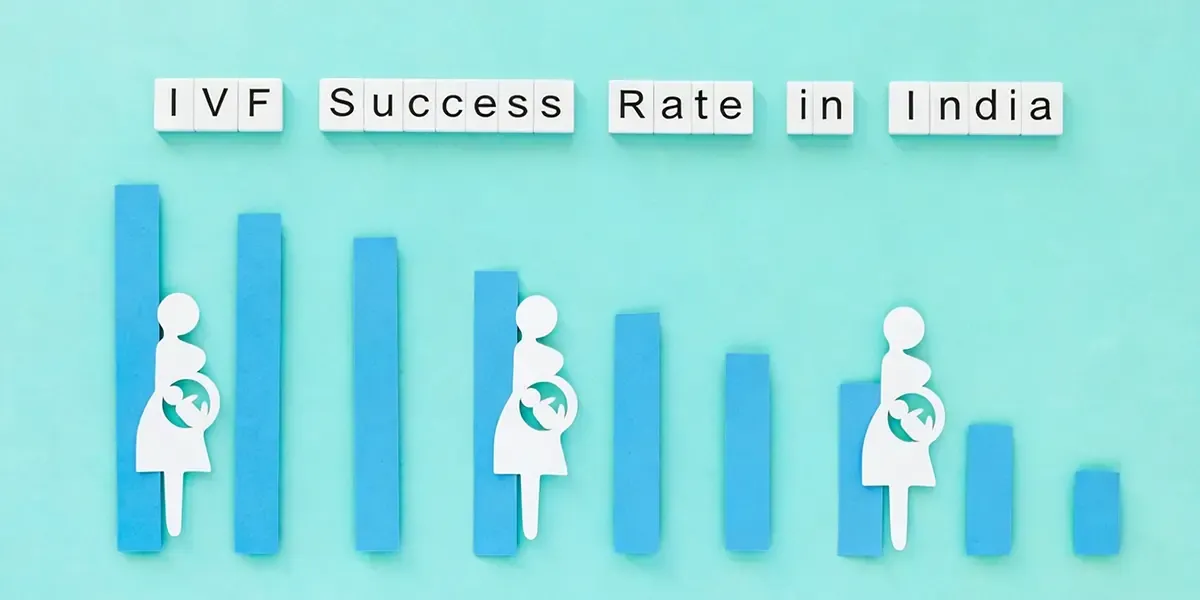
Somewhere between the third failed cycle and the fifth specialist appointment, most couples stop asking whether IVF will work and start asking where they can actually afford to find out. The World Health Organisation estimates that around 1 in 6 adults worldwide experience infertility at some point in their lives. That is roughly 17.5% of the global adult population. In India alone, an estimated 28 million couples face the same question.
For international couples, the cost barrier is often what ends the conversation before treatment even begins. A single IVF cycle in the United States typically runs between USD 15,000 and USD 30,000. In India, the same cycle at an accredited fertility centre costs between USD 2,500 and USD 4,500. India now performs an estimated 250,000 to 300,000 IVF cycles annually, and the country's leading fertility centres report success rates that sit comfortably alongside global benchmarks.
But there is a version of this story that matters more than the headline number. IVF success rates depend heavily on what is being measured, which technologies the clinic actually uses, and the patient's age. Getting that context right before choosing a destination changes everything.
Why Do IVF Success Rate Figures Vary So Much Between Clinics?
Walk into any fertility clinic in India and ask about success rates. Chances are, one clinic says 65%, another says 40%, and a third says 80%. All three could be telling the truth. They are just measuring different things.
Some clinics report a clinical pregnancy rate, which counts any confirmed heartbeat on ultrasound. Others report the implantation rate per embryo transferred. The most honest and clinically useful figure is the live birth rate per cycle started, meaning how often a complete IVF cycle results in a baby being born. This is always the lowest of the three numbers, and it is the only one that actually answers the question couples are asking.
The gap between a clinical pregnancy rate and a live birth rate at the same clinic can be anywhere from 10 to 20 percentage points. A clinic reporting 65% success may be counting confirmed pregnancies. Their live birth rate per cycle could be closer to 45%. Neither is dishonest, but only one answers the right question.
Before accepting any figure, couples should ask directly: is this number based on live births or confirmed pregnancies, and is it measured per cycle started or per embryo transferred? Any reputable clinic will answer without hesitation.
How Much Does Age Actually Change the Odds?
More than most patients expect. Egg quality and chromosomal integrity decline with age in ways that no stimulation protocol or laboratory technique can fully reverse. It is a biological reality that applies everywhere.
- For women under 35, live birth rates per cycle at India's leading centres sit between 40 and 55%.
- Women under 30 with healthy ovarian reserve and no significant underlying conditions represent the strongest candidates for success in a single cycle.
- Women under 35 who have never conceived before have around a 32% chance of conceiving in one IVF cycle, rising to 37% for those who have had a child before. With advanced technologies, this can reach up to 55.6% in a single egg-retrieval cycle.
- Between 35 and 37, the per-cycle rate drops to roughly 30-40%. The decline accelerates after 38.
- For women in the 38 to 40 age group, the success rate ranges between 20.2 and 26.8% depending on the underlying infertility factors.
- By 41 to 42, own-egg IVF produces live births in 12 to 18% of cycles.
Donor egg IVF is different. Because donor eggs come from women aged 21 to 34, live birth rates per cycle range from 50% to 65% regardless of the recipient's age. For women over 40 who are no longer achieving success with their own eggs, donor egg IVF is not a consolation option. It is often the most evidence-backed path forward.
Single-cycle statistics hide a bigger truth. A 35-year-old woman with a 40% per-cycle success rate may achieve a cumulative success rate of 70-80% over 3 cycles. Planning across multiple attempts, rather than treating each one as a standalone event, leads to better decisions and fewer premature conclusions.
What Technologies Separate a Good IVF Lab from an Average One?
This is the question most couples forget to ask, and it matters more than almost any other factor they can control.
The basic science of IVF has not changed dramatically in decades: retrieve eggs, fertilise them in a lab, culture the resulting embryos, and transfer the best one to the uterus. What has changed is how precisely each of those steps can be executed. The difference between a well-equipped Indian fertility centre and a basic one is evident in outcomes.
ICSI, intracytoplasmic sperm injection, involves injecting a single selected sperm directly into each egg rather than placing sperm and eggs together and hoping for fertilisation. It was developed for male-factor infertility including low sperm count, poor motility, and high DNA fragmentation. At India's leading centres, ICSI is standard and costs approximately INR 20,000 to INR 80,000 in addition to the base cycle fee. For couples where male factor is contributing to failed fertilisation, the difference between conventional IVF and ICSI is not marginal.
PGT-A (preimplantation genetic testing for aneuploidies) screens embryos for chromosomal abnormalities before any transfer decision is made. Instead of choosing an embryo based on its appearance under a microscope, the team selects only chromosomally normal embryos for transfer. This matters most for women over 35 and for couples with recurrent miscarriage. PGT-A testing costs approximately INR 50,000 to INR 1,50,000 per cycle at accredited Indian centres, with analysis by certified external genetics laboratories.
What Are the Technologies That Address Failed Implantation?
Time-lapse monitoring systems, including the EmbryoScope, keep embryos inside a stable incubator while a built-in camera photographs them every few minutes. In a standard lab, embryos are removed each morning for observation, briefly exposing them to temperature and gas fluctuations. Time-lapse eliminates that disruption and generates a continuous developmental record that helps embryologists identify which embryos have the strongest implantation potential.
Endometrial Receptivity Analysis (ERA) addresses a specific, often overlooked cause of recurrent implantation failure. The standard frozen embryo transfer protocol assumes all women have their peak implantation window at the same point in a prepared cycle. ERA tests an endometrial biopsy to identify exactly when an individual patient's window opens, which can differ by 12 to 48 hours from the assumed average. For couples who have had multiple failed transfers with good-quality embryos and a normal uterine cavity, ERA changes the transfer timing and often changes the outcome. The test costs approximately INR 35,000 to INR 60,000 at Indian centres.
Vitrification, the rapid-freeze technology used for embryo and egg storage, has changed what frozen embryo transfer can achieve. Older, slow-freezing methods caused ice-crystal damage, reducing embryo survival and post-thaw quality. Vitrification achieves embryo survival rates of 95% or higher, and frozen embryo transfer cycles at India's leading centres now produce live birth rates equal to or better than fresh transfers in many patient groups.
The practical implication is that couples who produce multiple good-quality embryos in a single retrieval cycle can use them across multiple transfer attempts without the cost or physical demands of repeated stimulation.
What Does a Full IVF Treatment Cost in India?
IVF in India costs USD 2,500 to 4,500 and covers ovarian stimulation monitoring, egg retrieval under anaesthesia, embryo culture, and one fresh embryo transfer. It rarely includes everything.
Stimulation medications, which are prescribed based on the patient's AMH levels and antral follicle count, typically add INR 50,000 to INR 1,50,000 to the total. These are often excluded from headline package prices. Anaesthesia charges are sometimes billed separately. Any add-on procedures including ICSI, PGT-A, ERA, or assisted hatching carry their own fees.
A frozen embryo transfer cycle, where a vitrified embryo from a previous retrieval is thawed and transferred, costs INR 50,000 to INR 90,000 in addition to the base cycle. Embryo storage fees range from INR 10,000 to INR 20,000 per year.
Donor egg cycles add INR 70,000 to INR 1,50,000 to the base treatment cost for donor compensation and screening.
Quoted prices vary widely across clinics, and package inclusions differ from one centre to another. The most useful thing a couple can do before comparing clinics is request a fully itemised estimate that includes medications, anaesthesia, and all anticipated add-on procedures, not just the headline IVF package price.
How Is IVF Regulated in India?
India's IVF sector is governed by the Assisted Reproductive Technology (Regulation) Act, 2021, and its rules enacted in 2022. The legislation requires all ART clinics to register with a National Registry, sets donor eligibility criteria, defines storage protocols, and mandates clinical record-keeping standards.
The National ART Registry of India (NARI), administered by the Indian Council of Medical Research (ICMR), registers clinics and compiles national outcome data. Clinics holding NABH accreditation operate under defined laboratory and clinical quality standards. The ART Act 2025 guidelines have already led to the closure of several unregistered clinics in North India, narrowing the gap between regulated and unregulated practice.
India's connection to IVF dates back further than most patients realise. The world's second IVF baby and India's first, Kanupriya, was born on October 3, 1978, through the work of Dr Subhas Mukherjee and his colleagues in Kolkata. Mukherjee was also the first in the world to use gonadotropins for ovarian stimulation in IVF and to freeze and thaw human embryos before transfer. The institutional depth that India's fertility sector carries today did not arrive recently.
What Else Affects the Outcome Beyond Age?
- Ovarian reserve is the most practically useful additional predictor. AMH testing and antral follicle count via transvaginal ultrasound tell the fertility team how many eggs a stimulation cycle is likely to produce. Low AMH does not rule out IVF, but it does change the stimulation approach and the expectations for how many embryos will be available for selection or freezing.
- Male factor infertility now accounts for 40 to 50% of cases in India, according to published clinical data. Standard semen analysis measures count and motility, but sperm DNA fragmentation testing goes further. A sperm DNA fragmentation index (DFI) above 25 to 30% reduces fertilisation rates and embryo quality even when standard semen parameters look normal. At leading Indian centres, DFI testing guides whether ICSI with selected high-integrity sperm is warranted.
- Uterine anatomy matters more than many patients are told. Fibroids that distort the uterine cavity, endometrial polyps, and uterine septum can all impair implantation regardless of embryo quality. A hysteroscopy before the first transfer cycle, or before any cycle in a patient with unexplained failure, confirms the uterine environment is anatomically ready.
- PCOS affects up to 10% of women of reproductive age and requires modified stimulation protocols to avoid ovarian hyperstimulation syndrome (OHSS). At accredited Indian centres, PCOS patients following adjusted protocols consistently achieve outcomes that match those of age-matched non-PCOS patients.
What Questions Should International Couples Ask Before Choosing a Centre?
- Does the centre report live birth rates per cycle started, broken down by age group? Ask for this figure specifically, not the clinical pregnancy rate.
- Is the embryology laboratory NABH-accredited or ICMR-registered, and does it use time-lapse incubation as standard?
- Does the centre offer PGT-A testing with analysis by a certified external genetics laboratory, and in which cases does the team recommend it?
- How does the centre handle low-responders and PCOS patients, and what stimulation protocol does it use based on the patient's AMH and AFC?
- Does the centre have experience treating international patients, and does it have a coordinator who manages pre-arrival investigation review and discharge planning for overseas follow-up?
- What does the fully itemised cost estimate include, and which items are billed separately from the base IVF package?
To Conclude
IVF success rates are not fixed properties of a clinic. They are outcomes resulting from the interaction among a patient's biology, a laboratory's capabilities, a doctor's protocol decisions, and the timing of treatment.
A couple who arrives at a well-equipped Indian fertility centre with their AMH and AFC already measured, their stimulation protocol individualised, PGT-A applied to their embryo selection, and a vitrification-supported freeze-all strategy in place is not in the same statistical position as the couple who arrives with none of that groundwork done and a vague number from a website as their only frame of reference.
Disclaimer: This article provides general educational information about IVF treatment and success rates in India. It does not constitute medical advice and must not replace a consultation with a qualified fertility specialist or reproductive medicine physician. Individual outcomes vary based on age, ovarian reserve, sperm parameters, uterine anatomy, embryo quality, and clinic-specific protocols. Couples should consult a reproductive medicine specialist before making any treatment decisions.
មន្ទីរពេទ្យពាក់ព័ន្ធ
ស្វែងរកមន្ទីរពេទ្យនិងមណ្ឌលសុខភាពទាក់ទងនឹងប្រធានបទនេះសម្រាប់សេវាកម្មថែទាំសុខភាពដែលមានគុណភាព។
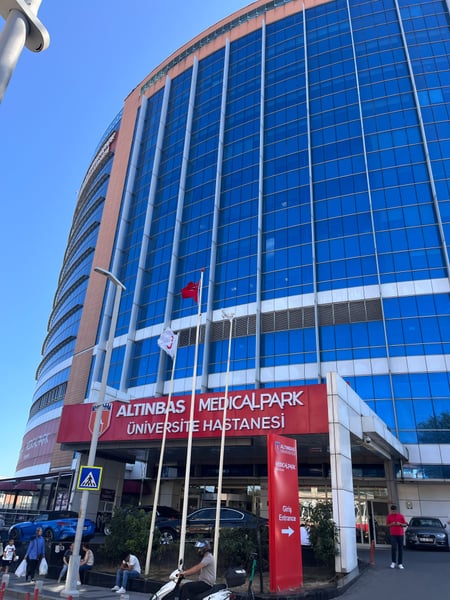
ឧទ្យានវេជ្ជសាស្ត្រ Bahcelievler មន្ទីរពេទ្យ
Medical Park Bahcelievler Hospital គឺជាមន្ទីរពេទ្យដែលមានការទទួលស្គាល់ពី JCI ដែលមានគ្រែ 242 នៅទីក្រុងអ៊ីស្តង់ប៊ុល ដែលបានបង្កើតឡើងក្នុងឆ្នាំ 2007។ លាតសន...
ការទទួលស្គាល់

មធ្យោបាយបរិក្ខារ
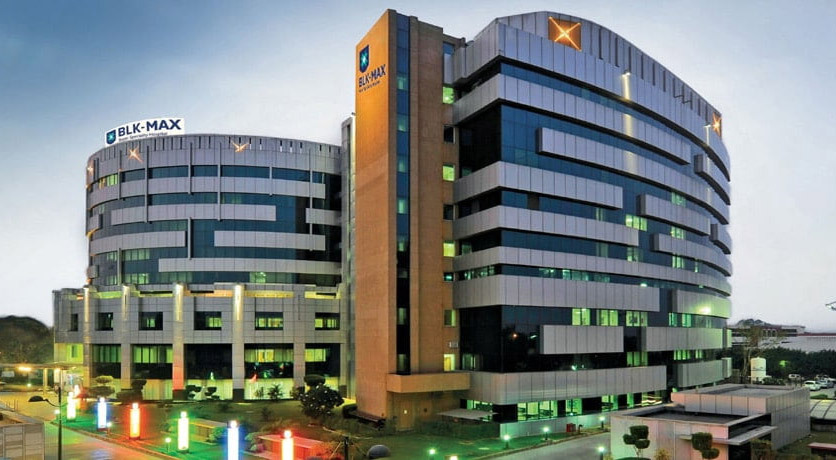
មន្ទីរពេទ្យឯកទេស BLK-Max ទីក្រុងញូវដេលី
មន្ទីរពេទ្យ BLK-Max Super Specialty Hospital នៅទីក្រុងញូវដេលី គឺជាស្ថាប័នថែទាំសុខភាពលំដាប់កំពូលមួយរបស់ប្រទេសឥណ្ឌា ដែលផ្តល់ជូននូវគ្រែចំនួន 650 រោងមហោស្...
ការទទួលស្គាល់


មធ្យោបាយបរិក្ខារ
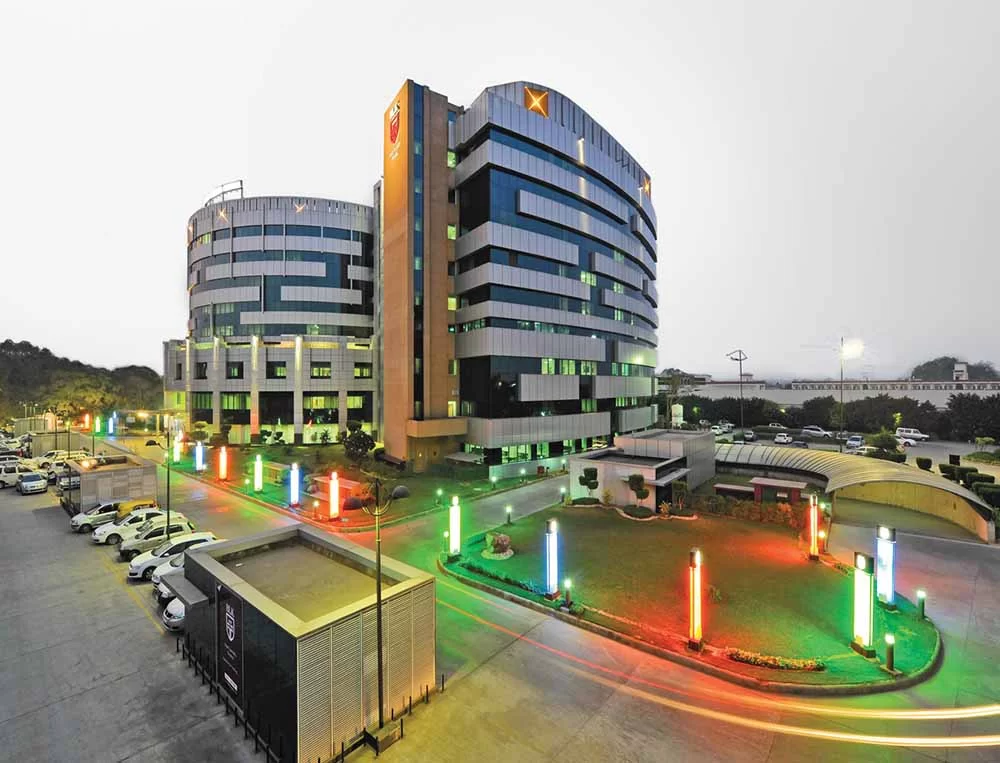
វិទ្យាស្ថានស្រាវជ្រាវ Fortis Memorial (FMRI), Gurgaon
វិទ្យាស្ថានស្រាវជ្រាវ Fortis Memorial (FMRI) Gurgaon គឺជាមន្ទីរពេទ្យពហុឯកទេសលំដាប់ពិភពលោកដែលត្រូវបានបង្កើតឡើងក្នុងឆ្នាំ 2013។ មន្ទីរពេទ្យផ្តល់ជូនគ្រែច...
ការទទួលស្គាល់


មធ្យោបាយបរិក្ខារ

មន្ទីរពេទ្យ Artemis, Gurgaon
មន្ទីរពេទ្យ Artemis, Gurgaon គឺជាមន្ទីរពេទ្យពហុឯកទេសដែលត្រូវបានទទួលស្គាល់ដោយ JCI ដែលត្រូវបានបង្កើតឡើងក្នុងឆ្នាំ 2007 ។ វាផ្តល់ជូននូវគ្រែចំនួន 750+ និង...
ការទទួលស្គាល់



មធ្យោបាយបរិក្ខារ
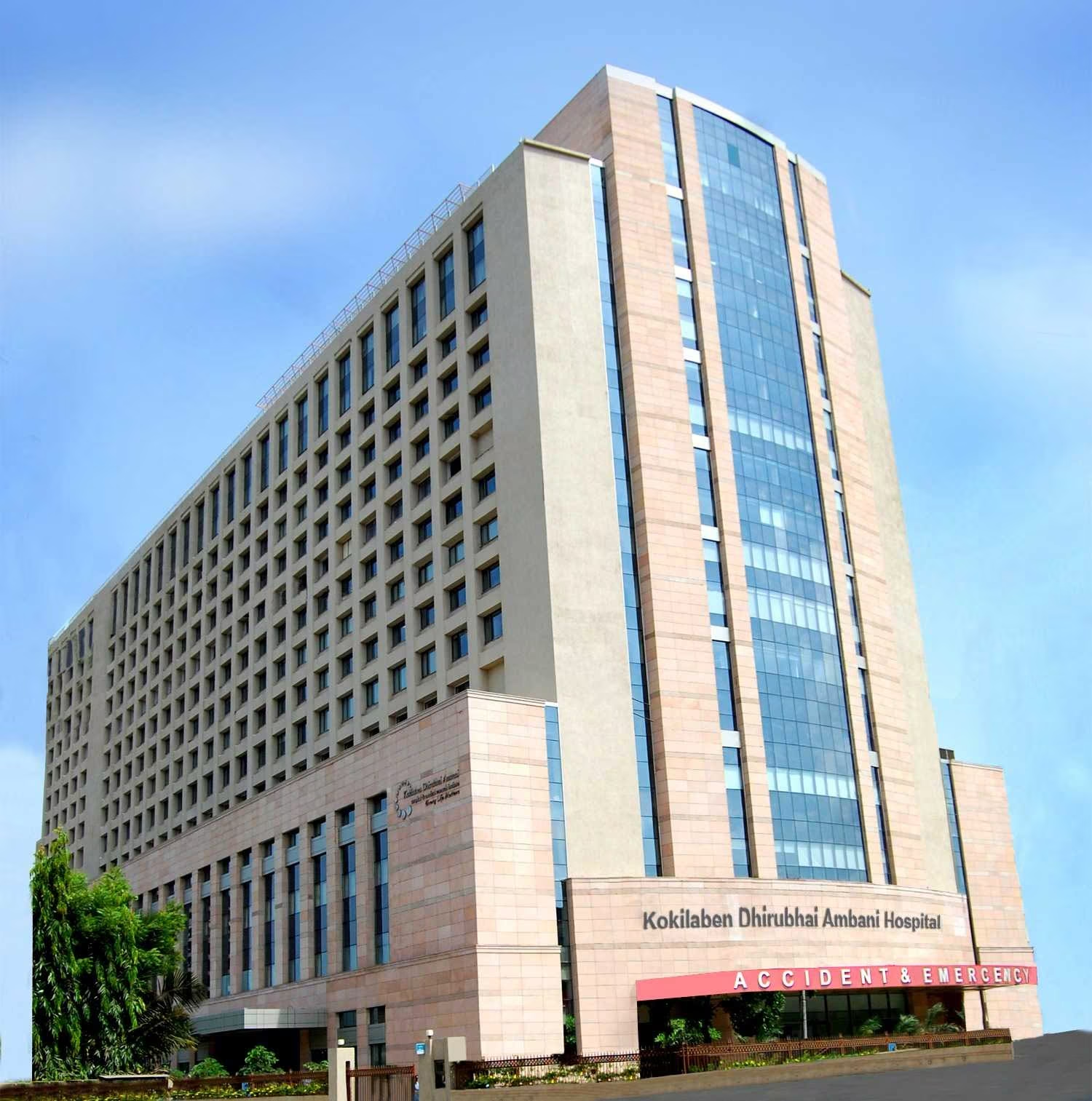
មន្ទីរពេទ្យ Kokilaben Dhirubhai Ambani ទីក្រុងបុមបៃ
មន្ទីរពេទ្យ Kokilaben Dhirubhai Ambani ក្រុង Mumbai គឺជាមន្ទីរពេទ្យថែទាំសុខភាពប្រចាំត្រីមាសដែលត្រូវបានទទួលស្គាល់ដោយ JCI, NABH, NABL និង CAP ដែលបានបង្ក...
ការទទួលស្គាល់


មធ្យោបាយបរិក្ខារ
មន្ទីរពេទ្យ Medicover, Hitech City, Hyderabad
មន្ទីរពេទ្យ Medicover, Hitech City, Hyderabad គឺជាមន្ទីរពេទ្យទំនើបពិសេសដែលទទួលស្គាល់ដោយ NABH ដែលមានគ្រែចំនួន 400 ដែលបានបង្កើតឡើងក្នុងឆ្នាំ 2011។ វាគឺជ...
ការទទួលស្គាល់


មធ្យោបាយបរិក្ខារ
គ្រូពេទ្យដែលពាក់ព័ន្ធ
ភ្ជាប់ទំនាក់ទំនងជាមួយវេជ្ជបណ្ឌិតដែលមានបទពិសោធន៍និងអ្នកឯកទេសខាងវេជ្ជសាស្ត្រក្នុងវិស័យនេះ។

បណ្ឌិត រ៉ាដាមនី ឌី
ទីប្រឹក្សាជាន់ខ្ពស់
បណ្ឌិត Sushma Prasad Sinha
ទីប្រឹក្សាជាន់ខ្ពស់
វេជ្ជបណ្ឌិត Suresh Kumar Rawat
ទីប្រឹក្សាជាន់ខ្ពស់
វេជ្ជបណ្ឌិត Rupali Goyal
ទីប្រឹក្សាជាន់ខ្ពស់
វេជ្ជបណ្ឌិត Sohani Verma
ទីប្រឹក្សាជាន់ខ្ពស់
អត្ថបទពាក់ព័ន្ធ
ស្វែងរកអត្ថបទនិងការយល់ដឹងបន្ថែមលើប្រធានបទសុខភាពប្រហាក់ប្រហែល។
ការវះកាត់ដុំសាច់នៅឥណ្ឌា៖ ការចំណាយ ការស្តារឡើងវិញ បច្ចេកទេស និងលទ្ធផល
ការបង្កើតសុដន់ឡើងវិញក្រោយការវះកាត់មហារីកសុដន់
Rhinoplasty នៅប្រទេសឥណ្ឌា៖ ការចំណាយ បច្ចេកទេសថ្មី និងការស្តារឡើងវិញ
ហេតុអ្វីបានជា IVF បរាជ័យ: មូលហេតុទូទៅ និងអ្វីដែលត្រូវធ្វើបន្ទាប់
IVF ទល់នឹង IUI៖ ភាពខុសគ្នា អត្រាជោគជ័យ ការចំណាយ និងការព្យាបាលណាដែលត្រឹមត្រូវសម្រាប់អ្នក

ការបង្កកស៊ុតនៅបរទេស៖ ប្រទេសល្អបំផុត ការចំណាយ និងអ្វីដែលត្រូវរំពឹងទុក

អ្នកនិបន្ធ
មើលទាំងអស់វេជ្ជបណ្ឌិត Deepanshu Siwach គឺជាឱសថការីគ្លីនិកដែលមានបទពិសោធន៍ដែលមានសញ្ញាបត្របណ្ឌិតផ្នែកឱសថសាស្រ្ត។ គាត់មានបទពិសោធន៍ជាង 4 ឆ្នាំ និងបានធ្វើការជាមួយអ្នកជំងឺរាប់ពាន់នាក់។ គាត់ត្រូវបានផ្សារភ្ជាប់ជាមួយនឹ... អានបន្ថែម
គេហទំព័ររបស់យើងប្រើខូឃីស៍។ គោលការណ៍ភាពឯកជន.
