
Upandikizaji wa Uboho - BMT Gharama katika India
Kuhusu Upandikizaji wa Uboho - BMT
Upandikizaji wa Uboho ni Nini?
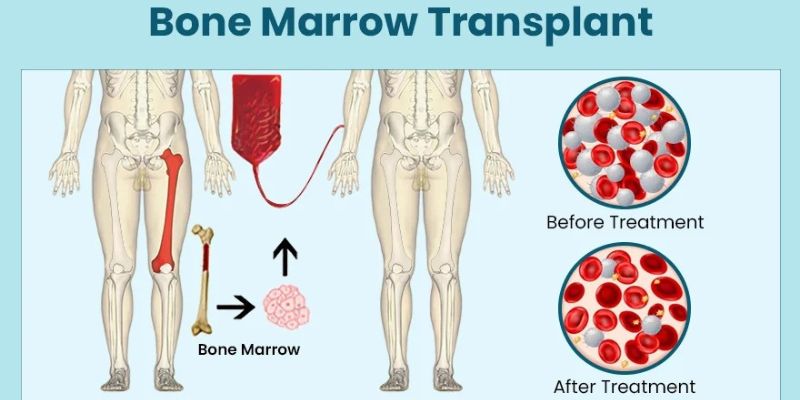
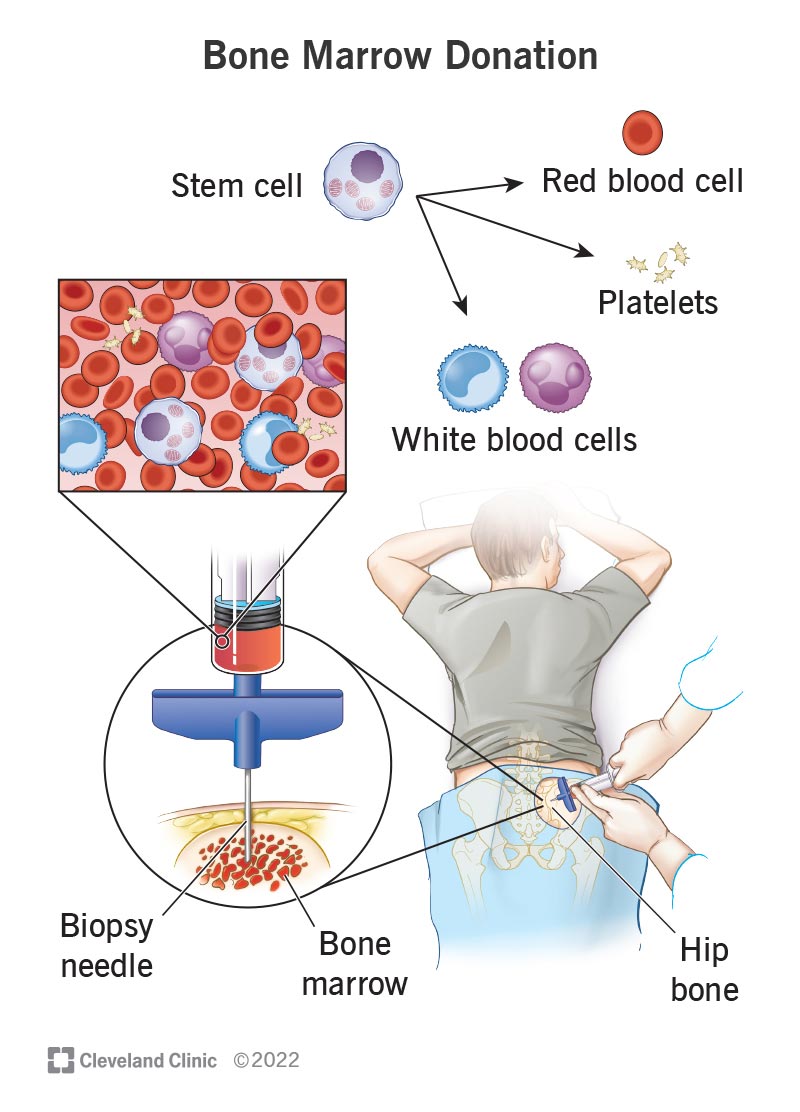
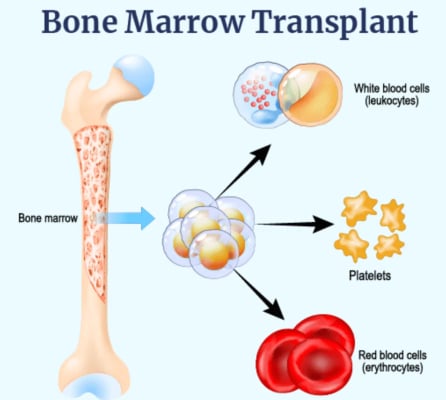
Upandikizaji wa uboho, kwa kifupi kama BMT, ni matibabu ambayo huchukua nafasiuboho usio na afya au kuharibiwana seli za shina zenye afya zinazotengeneza damu. Uboho ni tishu laini, zenye sponji zinazopatikana ndani ya mifupa yetu. Inafanya kazi kama kiwanda, huzalisha seli nyekundu za damu, seli nyeupe za damu, na sahani (sehemu muhimu za damu).
Uboho unapoacha kufanya kazi vizuri (ama kutokana na magonjwa kama vile saratani ya damu, hali ya kijeni, au maambukizo fulani), hauwezi tena kutengeneza chembe za damu zenye afya. Hapo ndipo upandikizaji wa uboho inakuwa muhimu.
Je, Inafanyaje Kazi?
Mchakato wa kupandikiza unahusishakwanza kuondoa seli zisizo na afya au saratanikwenye uboho kwa kutumia chemotherapy au mionzi. Wakati mwili uko tayari,seli za shina zenye afya zinaingizwakwenye mkondo wa damu. Seli hizi mpya husafiri hadi kwenye nafasi za uboho na kuanza kuunda chembe mpya za damu zenye afya (mchakato unaoitwauandishi).
Fikiria kamakuanzisha upya mfumo wa kutengeneza damu wa mwili wako, sawa na kuweka upya kompyuta ili kurekebisha hitilafu ya kina.
Kwa Nini Seli Shina Ni Muhimu Sana?
Seli za shina ni seli maalum ambazo zinaweza kukuza kuwa seli yoyote ya damu ambayo mwili wako unahitaji. Katika BMT, tunatumia seli shina kujenga upya damu yenye afya na mfumo wa kinga. Bila seli za shina zinazofanya kazi za kutosha, mwili hauwezi kupambana na maambukizi, kubeba oksijeni, au kuacha damu.
Je, Hizi Stem Cells Hutoka Wapi?
Seli za shina zinazotumiwa katika upandikizaji wa uboho zinaweza kutoka kwa vyanzo tofauti:
- Mwili wako mwenyewe (kupandikiza otomatiki):Katika baadhi ya matukio, seli shina hukusanywa kutoka kwa damu yako mwenyewe kabla ya chemotherapy na kurudishwa baada ya matibabu.
- Mfadhili (upandikizaji wa alojeni):Kwa magonjwa fulani, chaguo bora ni kutumia seli za shina kutoka kwa wafadhili wenye afya. Inaweza kuwa ndugu, mtoaji anayelingana na asiyehusiana, au hata mwanafamilia aliyelingana nusu.
- Damu ya kitovu:Katika hali za kipekee, seli shina zinaweza kutoka kwa damu ya kamba iliyotolewa iliyokusanywa wakati wa kuzaliwa.
Ni Nini Hufanya Kulinganisha Kuwa Muhimu?
Katika upandikizaji unaotegemea wafadhili (allogeneic BMT),Kulinganisha kwa HLAni muhimu. HLA, au Antijeni ya Human Leukocyte, ni kiashirio cha kijeni kinachotumika kulinganisha wafadhili na wapokeaji kwa madhumuni ya upandikizaji. Mechi ya karibu ina maana matatizo machache na nafasi nzuri ya mafanikio.
Kwa Nini Kupandikiza Uboho Kunahitajika?
Upandikizaji wa uboho sio kitu ambacho watu wanahitaji kila siku. Ni matibabu kuu ambayo kawaida hupendekezwa wakati uboho wa mtu hauwezi tena kutengeneza seli za damu zenye afya au wakati chembe za damu zenyewe si za kawaida. Inaweza kutokea kwa sababu fulanisaratani ya damu, magonjwa ya kijeni, au uboho kushindwa kufanya kazi.
Zifuatazo ni hali za kawaida ambapo BMT inaweza kuokoa maisha au kubadilisha maisha.
- Leukemiani aina ya saratani ya damu ambapo uboho hutoa chembechembe nyeupe za damu zisizo za kawaida ambazo hukua bila kudhibitiwa na kuziba seli zenye afya. Upandikizaji wa uboho unaweza kuchukua nafasi ya uboho uliojaa saratani na chembe mpya za shina zenye afya, kusaidia mgonjwa kupona na kukaa bila saratani.
- Lymphomahuathiri mfumo wa lymphatic, sehemu ya mfumo wa kinga. Katika visa vikali au vilivyorudi tena vya lymphoma, haswa lymphoma ya Hodgkin na isiyo ya Hodgkin, BMT hutumiwa kujenga upya mfumo wa kinga baada ya matibabu ya kina.
- Myeloma nyingini aina ya saratani inayoathiri seli za plasma. Kwa wagonjwa wengi, upandikizaji wa autologous (kwa kutumia seli shina za mgonjwa) husaidia kudhibiti ugonjwa na kupanua maisha.
- Anemia ya plastikini hali ambayo uboho huacha kabisa kutoa seli za kutosha za damu. Inaweza kusababishwa na mfumo wa kinga ya mwili kushambulia uboho, dawa fulani, au sababu zisizojulikana. Upandikizaji wa wafadhili (allojeneki BMT) unaweza kuchukua nafasi ya uboho usiofanya kazi na seli za shina zenye afya.
- Thalassemiani ugonjwa wa damu wa maumbile ambapo mwili hauwezi kuzalisha hemoglobin ya kawaida, na kusababisha anemia kali. Watoto walio na thalassemia mara nyingi wanahitaji kuongezewa damu mara kwa mara. BMT ndio tiba pekee inayojulikana ya hali hii, haswa kwa wagonjwa wachanga.
- Ugonjwa wa seli munduni hali ya kurithi ambayo husababisha chembe chembe nyekundu za damu kuwa na umbo potofu (umbo la mundu), na kusababisha kuziba, maumivu, na uharibifu wa kiungo. BMT yenye mafanikio inaweza kutibu ugonjwa wa seli mundu kwa kumpa mgonjwa seli shina mpya zinazozalisha chembe nyekundu za damu zenye umbo la kawaida.
- Hali nadra za kurithi(kama vile anemia ya Fanconi, SCID (Upungufu Mkali wa Kinga Mwilini), na matatizo fulani ya kimetaboliki au mfumo wa kinga) yanaweza pia kutibiwa au kuponywa kupitia upandikizaji wa uboho, hasa ikiwa unafanywa mapema maishani.
Je! ni aina gani tofauti za kupandikiza uboho?
Madaktari huchagua aina ya upandikizaji wa uboho kulingana na ugonjwa wa mgonjwa, umri, afya kwa ujumla, na upatikanaji wa wafadhili wanaofaa. Kila aina hutumia seli za shina zenye afya, lakini chanzo chao kinaweza kutofautiana.
Upandikizaji wa Uboho wa Mifupa
Katika upandikizaji wa kiotomatiki, madaktari hukusanya na kuhifadhi seli shina za mgonjwa kabla ya kuanza matibabu ya kiwango cha juu cha chemotherapy au mionzi. Mara baada ya matibabu kumalizika, hurejesha seli za shina ili kusaidia mwili kupona. Autologous BMT hutumiwa kwa saratani kama vile lymphoma na myeloma nyingi, ambapo uboho wa mgonjwa hubakia kuwa na afya na uwezo.
- Faida muhimu:Mwili wa mgonjwa una uwezekano mdogo wa kukataa seli shina kwa vile zinatoka kwa mtu mmoja.
- Kikomo:Ikiwa seli zozote za saratani zitabaki kwenye seli zilizokusanywa, zinaweza kusababisha kurudi tena.
Upandikizaji wa Uboho wa Alojeni
Upandikizaji wa alojeneki hutumia seli shina kutoka kwa mtu mwingine, kwa kawaida ndugu, jamaa, au wafadhili wanaolingana. Allogeneic BMT ni muhimu kwa ajili ya kutibu matatizo ya kijeni, leukemia, na syndromes ya kushindwa kwa uboho. Seli shina mpya huunda mfumo wa damu wenye afya na pia zinaweza kushambulia seli za saratani zilizosalia (mchakato unaoitwa graft-versus-tumor effect).
- Faida muhimu:Seli za shina za wafadhili zinaweza kuchukua nafasi ya mfumo wa kinga ulioharibiwa na kuondoa saratani kwa ufanisi zaidi.
- Kikomo:Mwili unaweza kukataa seli mpya au kuendeleza ugonjwa wa pandikizi dhidi ya mwenyeji (GVHD), ambapo seli wafadhili hushambulia tishu za mpokeaji.
Upandikizaji wa Uboho wa Haploidentical
Wakati wafadhili wanaolingana kikamilifu haipatikani, madaktari huzingatia upandikizaji wa haploidentical. Katika BMT inayofanana, mtoaji hushiriki nusu tu ya alama za urithi (kawaida ni mzazi, ndugu, au mtoto). Mbinu na dawa mpya zaidi sasa hufanya chaguo hili kuwa salama na ufanisi zaidi.
- Faida muhimu:Mfadhili anayefaa ni rahisi kupata ndani ya familia, hata kama anayelingana si kamili.
- Kikomo:Hatari ya matatizo kama vile GVHD inaweza kuwa kubwa zaidi, ingawa matibabu ya kisasa yanaweza kupunguza hali hii.
Upandikizaji Damu wa Kitovu
Madaktari wanaweza pia kutumia seli shina zilizokusanywa kutoka kwa kitovu cha mtoto mchanga na kondo la nyuma. Seli hizi shina huhifadhiwa katika hifadhi za damu za kamba na hazihitaji uwiano kamili kwa sababu zinaweza kubadilika sana.
- Faida muhimu:Upandikizaji wa damu wa kamba hutoa kubadilika zaidi kwa kulinganisha wafadhili.
- Kikomo:Idadi ya seli shina katika kitengo cha damu ya kamba moja inaweza isitoshee watu wazima, na hivyo kusababisha muda mrefu wa kupona.
Utaratibu wa Kupandikiza Uboho wa Hatua kwa Hatua
Kuelewa kila hatua ya mchakato wa kupandikiza uboho husaidia wagonjwa na familia zao kujiandaa vyema, kihisia na kimwili. Hapa kuna muhtasari wazi wa kile kinachotokea kutoka kwa mashauriano ya kwanza hadi awamu ya uokoaji.
Tathmini na Mipango ya Kabla ya Kupandikiza
Madaktari huanza na tathmini kamili ya matibabu. Inajumuisha vipimo vya damu, uchunguzi wa picha, vipimo vya utendaji wa moyo na mapafu, na uchunguzi wa uboho. Wanatathmini ikiwa mgonjwa anafaa kwa kupandikizwa na kuamua aina inayofaa zaidi. Wagonjwa pia hukutana na waratibu wa kupandikiza, wataalamu wa lishe, na wanasaikolojia ili kuelewa utaratibu, madhara yanayoweza kutokea, na athari za kihisia za matibabu.
Ukusanyaji wa Seli Shina
Iwapo upandikizaji ni wa kiotomatiki, madaktari hukusanya seli za shina za mgonjwa kwa kutumia mchakato unaoitwa apheresis. Mgonjwa hupokea sindano kwa siku chache ili kuchochea uzalishaji wa seli za shina. Madaktari huchota damu, huipitisha kupitia mashine inayotenganisha seli za shina, na kuirudisha mwilini. Kwa BMT ya alojeneki, seli shina hukusanywa kutoka kwa wafadhili wanaolingana kwa kutumia njia sawa. Vinginevyo, uboho unaweza kutolewa moja kwa moja kutoka kwa mfupa wa nyonga ya mtoaji chini ya ganzi.
Matibabu ya Kuweka (Chemotherapy/Radiation)
Mara seli shina zinapokusanywa, mgonjwa hupokea chemotherapy ya kiwango cha juu, wakati mwingine pamoja na mionzi. Awamu ya urekebishaji huondoa seli za saratani na kukandamiza mfumo wa kinga, na kuruhusu seli shina mpya kukaa ndani. Ingawa hatua hii ni ya fujo, inachukua jukumu muhimu katika kuondoa seli zilizoharibiwa au zilizo na ugonjwa.
Siku ya Kupandikiza (Kuingizwa kwa seli za shina)
Baada ya kurekebisha, madaktari huingiza seli za shina zenye afya kupitia mstari wa mishipa (IV). Utaratibu huo ni sawa na uingizwaji wa damu. Hii inajulikana kama "Siku 0." Ni mchakato rahisi, usio na uchungu ambao kwa kawaida huchukua saa chache. Seli shina mpya husafiri kupitia mkondo wa damu hadi kwenye uboho, ambapo seli hizi huanza kutoa seli za damu zenye afya.
Utunzaji na Ufuatiliaji
Engraftment ni mchakato ambao seli shina zilizopandikizwa huanza kutoa seli mpya za damu. Kwa kawaida huchukua siku 10 hadi 28. Katika kipindi hiki, mgonjwa hukaa katika kitengo cha kupandikiza tasa ili kupunguza hatari ya kuambukizwa. Hesabu za damu hufuatiliwa kila siku, na utunzaji wa kuunga mkono (viua vijasumu, antifungal, maji, lishe) hutolewa ili kudhibiti athari.
Urejeshaji na Ufuatiliaji
Baada ya kuingizwa kwa mafanikio, wagonjwa hutolewa hatua kwa hatua. Hata hivyo, ziara za kufuatilia bado ni muhimu kwa miezi 6 hadi 12 ijayo. Madaktari hufuatilia utendakazi wa kiungo, hesabu za damu, kupona kinga, na matatizo yanayoweza kutokea, kama vile maambukizi au ugonjwa wa pandikizi dhidi ya mwenyeji (GVHD). Wagonjwa hupokea chanjo na dawa kusaidia kujenga upya kinga.
Pata mpango wa matibabu ya bure
Kuhusu Upandikizaji wa Uboho - BMT katika India
What is the Cost of a Bone Marrow Transplant in India?
The bone marrow transplant cost in India ranges from ₹18,00,000 to ₹35,00,000 (approximately $21,600 to $42,000). The pricing depends on the type of transplant (autologous or allogeneic), the hospital's location, the patient's medical condition, and whether a donor is involved.
India offers a complete transplant package at an affordable rate without compromising on quality or safety. Many top-tier hospitals in India are internationally accredited and led by highly experienced hematologists and transplant surgeons. These centers utilize cutting-edge technology and adhere to global treatment protocols, making India a preferred destination for patients worldwide.
What's Included in the Cost?
The quoted bone marrow transplant cost in India usually includes:
- Doctor's consultation and surgeon's fee
- Hospital stay and nursing charges
- ICU and isolation room charges
- Pre-transplant investigations and diagnostics
- Cost of chemotherapy or radiation (conditioning therapy)
- Donor screening and matching (for allogeneic transplant)
- Bone marrow harvesting procedure
- Stem cell infusion procedure
- Medications during hospitalization
- Post-transplant monitoring during stay
- Short-term follow-up consultations
However, extended hospital stays, additional infections, or unexpected complications may increase the total cost. Long-term follow-up medications and outpatient visits after discharge are typically billed separately, unless they are part of a bundled package.
Cost Breakdown of Bone Marrow Transplant in India
The cost of a bone marrow transplant procedure in India depends on several critical components, including the type of transplant, pre-transplant evaluation, donor matching, ICU care, hospital stay, medications, and follow-up treatment.
- Pre-Transplant Evaluation Cost: Before the transplant is scheduled, doctors conduct several tests, including complete blood counts, bone marrow biopsies, imaging (such as CT/PET scans), cardiac evaluations, and specialist consultations. The pre-transplant diagnostic workup costs between ₹75,000 and ₹1,50,000 ($900 to $1,800).
- Donor Matching and HLA Typing Cost: For allogeneic and haploidentical transplants, finding a compatible donor is crucial. It involves high-resolution HLA typing. The cost of HLA typing and donor screening ranges from ₹60,000 to ₹1,20,000 ($720 to $1,450).
- Bone Marrow Transplant Surgery Cost: The transplant procedure itself involves the conditioning regimen (chemotherapy or radiation), stem cell infusion, and several weeks of intensive care. It is the most expensive part of the treatment. The surgery cost varies by type:
- Autologous transplant (using patient's own stem cells): ₹12 lakhs to ₹15 lakhs ($14,500 to $18,000)
- Allogeneic transplant (matched donor): ₹18 lakhs to ₹25 lakhs ($21,600 to $30,000)
- Haploidentical transplant (half-matched donor): ₹28 lakhs to ₹40 lakhs ($35,000 to $48,000)
- ICU Charges and Hospital Stay: Patients undergoing bone marrow transplant typically require a sterile, high-grade isolation unit, and many spend time in the ICU if complications arise. ICU care and hospital stay combined usually cost between ₹2,00,000 and ₹4,00,000 ($2,400 to $4,800).
- Immunosuppressive Medications and Supportive Drugs: After the transplant, patients need immunosuppressants to prevent graft-versus-host disease (GVHD). Antifungal, antiviral, and antibiotic medications are also necessary. Initial medication costs range between ₹1,00,000 and ₹2,50,000 ($1,200 to $3,000).
- Follow-up Consultations and Monitoring: Following discharge, patients undergo routine blood tests, imaging, and clinical reviews to monitor their recovery and progress. The cost of follow-up care in the first three months is usually between ₹50,000 and ₹1,00,000 ($600 to $1,200).
Expense Component | Cost in INR | Cost in USD |
| Pre-Transplant Diagnostics | ₹75,000 – ₹1,50,000 | $900 – $1,800 |
| HLA Typing and Donor Matching | ₹60,000 – ₹1,20,000 | $720 – $1,450 |
| Autologous BMT | ₹12,00,000 – ₹15,00,000 | $14,500 – $18,000 |
| Allogeneic BMT | ₹18,00,000 – ₹25,00,000 | $21,600 – $30,000 |
| ICU & Isolation Ward | ₹2,00,000 – ₹4,00,000 | $2,400 – $4,800 |
| Post-Transplant Medications | ₹1,00,000 – ₹2,50,000 | $1,200 – $3,000 |
| Follow-up Care | ₹50,000 – ₹1,00,000 | $600 – $1,200 |
- Total Estimated Cost of Autologous BMT in India: ₹18,00,000 – ₹25,00,000 ($21,600 – $30,000)
- Total Estimated Cost of Allogeneic BMT in India: ₹25,00,000 – ₹35,00,000 ($30,000 – $42,000)
Cost Comparison: Bone Marrow Transplant in India vs Other Countries
Bone marrow transplant in India offers world-class care at lower costs compared to countries such as the United Kingdom, Canada, Australia, and Singapore. Overseas patients often choose India because they receive expert treatment at one-third or even one-fifth of the price charged elsewhere, without compromising on quality or safety.
Below is a detailed comparison of BMT costs by type and country.
Autologous Bone Marrow Transplant Cost Comparison:
Country | Cost (in USD) |
| India | $21,600 – $30,000 |
| USA | $100,000 – $150,000 |
| UK | $80,000 – $120,000 |
| Canada | $90,000 – $130,000 |
| Australia | $85,000 – $120,000 |
| Singapore | $60,000 – $90,000 |
| Turkey | $35,000 – $50,000 |
| Thailand | $25,000 – $35,000 |
Allogeneic Bone Marrow Transplant Cost Comparison:
Country | Cost (in USD) |
| India | $30,000 – $42,000 |
| USA | $200,000 – $350,000 |
| UK | $150,000 – $250,000 |
| Canada | $180,000 – $300,000 |
| Australia | $160,000 – $280,000 |
| Singapore | $100,000 – $180,000 |
| Turkey | $60,000 – $90,000 |
| Thailand | $40,000 – $60,000 |
Why India Is a More Affordable Option
India significantly reduces the financial burden of bone marrow transplant through:
- Lower medical costs without compromising international standards.
- Efficient use of local donor registries reduces delays and expenses in donor matching.
- Inclusive transplant packages that cover diagnostics, isolation wards, ICU charges, medications, and post-discharge care.
- Availability of experienced specialists at top hospitals, such as Fortis Memorial Research Institute, which provides care comparable to that in Western countries.
Patients not only save over 60–80% of the total treatment cost but also benefit from faster scheduling, shorter waiting times, and personalized care.
What Factors Affect Bone Marrow Transplant Cost in India?
While India offers some of the most affordable bone marrow transplant packages globally, several key elements can influence the final treatment cost.
- Type of Bone Marrow Transplant Performed: Autologous transplants (using the patient's own stem cells) are generally less expensive than allogeneic transplants, which require a donor and complex matching procedures. Haploidentical and unrelated donor transplants cost even more due to added testing and logistics.
- Donor Availability and HLA Matching: If a matched sibling donor is available, the cost reduces significantly. However, finding unrelated or haploidentical donors may involve registries, HLA typing, and couriering of stem cells, which adds to the total cost.
- Hospital Infrastructure and Location: Premium hospitals in metropolitan cities, such as Delhi, Mumbai, or Bangalore, often charge more than smaller hospitals. Costs may vary based on room category, ICU setup, and the availability of dedicated BMT units with HEPA filtration.
- Diagnostic and Pre-Transplant Evaluations: Patients undergo extensive testing before transplant, including imaging, cardiac screening, viral markers, and organ function tests. These evaluations can increase the upfront cost.
- Complications and ICU Stay Duration: Some patients may require extended ICU support due to infections, graft-versus-host disease (GVHD), or organ failure. Longer stays and intensive care can significantly increase treatment costs.
- Length of Hospitalization and Isolation Care: Bone marrow transplant patients usually remain in protective isolation for 3–4 weeks. If complications arise, the hospitalization period may extend, resulting in increased room, nursing, and supportive care charges.
- Post-Transplant Medications and Supportive Care: Patients often require immunosuppressants, antibiotics, antivirals, and nutritional supplements after discharge from the hospital. The duration and type of medication have a significant impact on the overall cost, especially in allogeneic BMT.
- Follow-up Consultations and Remote Monitoring: Ongoing follow-ups for 3 to 6 months post-discharge are crucial for monitoring recovery and managing complications. These include doctor visits, blood tests, and teleconsultations, which add to the overall budget.
Why Choose India for Bone Marrow Transplant?
India is a global hub for bone marrow transplants due to its blend of advanced medical infrastructure, experienced specialists, and cost-effective care. For international patients seeking high success rates and compassionate treatment without the financial burden, India offers an unmatched combination of quality and affordability.
- World-Class Hospitals with International Accreditation: India is home to globally recognized hospitals, including Fortis Memorial Research Institute, Amrita Hospital, and Max Super Specialty Hospital, which are JCI and NABH accredited. These facilities offer advanced isolation units, HEPA filters, and the latest transplant technologies.
- Expert Hematologists and Transplant Specialists: India boasts some of the world's top BMT doctors, renowned for their expertise in complex cases. These specialists have been trained in the US, UK, and Europe and follow globally accepted protocols.
- Affordable Treatment Packages: Bone marrow transplant in India costs up to 80% less than in Western countries. Hospitals offer transparent, all-inclusive packages that cover everything from diagnosis to post-discharge care.
- Shorter Waiting Times: Unlike the long queues seen in the US or Canada, Indian hospitals are known for faster transplant scheduling. It helps patients receive timely care and increases the chances of recovery.
- Comprehensive Donor Support: India has a growing network of donor registries and advanced HLA-matching labs. These facilities streamline donor identification for allogeneic transplants, reducing delays and costs.
- Seamless Medical Tourism Support: From visa assistance to airport pickup, international help desks at top hospitals ensure a stress-free experience. Multilingual staff and patient coordinators ensure a smooth and culturally sensitive process.
- Excellent Post-Transplant Care and Follow-ups: India offers robust follow-up systems with outpatient support, remote consultations, and easy access to medications. It ensures continuity of care even after patients return home.
What is the Success Rate of Bone Marrow Transplant in India?
India has made significant advancements in hematology and transplant medicine, achieving success rates comparable to top global centers. The outcome depends on factors such as the type of disease, patient age, type of transplant, and the hospital's expertise.
- Autologous Transplant Success Rate: Autologous bone marrow transplants have a higher success rate because there's no risk of graft rejection or GVHD. In India, the success rate typically ranges between 85% and 90%, especially for multiple myeloma and certain types of lymphoma.
- Allogeneic Transplant Success Rate: Allogeneic transplants carry more risks but offer a potential cure for conditions like leukemia, aplastic anemia, and thalassemia. Success rates in India average 65% to 80%, depending on HLA matching, donor type, and the presence of pre-existing infections.
- Matched Sibling Transplant Outcomes: Matched sibling donor transplants exhibit excellent outcomes, with success rates reaching up to 85%, particularly when performed in early disease stages and at specialized centers equipped with isolation facilities.
- Haploidentical and Unrelated Donor Transplants: Due to their increased complexity and higher complication risk, the success rates for haploidentical and unrelated donor transplants range from 50% to 70%. However, Indian hospitals are steadily improving these numbers with the introduction of newer protocols.
Recovery Timeline After Bone Marrow Transplant in India
Recovery from BMT is gradual and varies for each patient. However, most international patients complete the critical phases within a few months under close medical supervision.
- Initial Recovery (First 30 Days): The first month is crucial. Patients remain in isolation to prevent infections while their new marrow begins producing healthy cells. Blood counts are closely monitored, and doctors manage side effects like mucositis or neutropenia.
- Days 30 to 100: Immune Rebuilding Phase: By day 100, most patients exhibit improved blood counts. However, immunity remains weak. Doctors schedule weekly or bi-weekly visits, and patients continue taking immunosuppressants and antifungal/antiviral drugs.
- 3 to 6 Months Post-Transplant: Gradual Strength Gain: Energy levels begin to improve. Most patients return to their basic routines. Children may return to school, and adults can resume non-strenuous work. Regular check-ups ensure early detection of GVHD or infections.
- 6 to 12 Months Post-Transplant: The immune system recovers significantly by the end of the first year. Vaccinations are reintroduced, and long-term medications are tapered. Most patients return to their everyday lives with only minor restrictions.
- Beyond 1 Year: Long-Term Monitoring: Doctors continue to monitor for late complications like chronic GVHD or relapse. Annual reviews, lifestyle adjustments, and periodic bone marrow biopsies are essential for ensuring long-term success and stability.
Upandikizaji wa Uboho - BMT kulinganisha gharama na nchi
Linganisha Upandikizaji wa Uboho - BMT gharama katika nchi tofauti kufanya uamuzi sahihi juu ya matibabu yako.
| Nchi | Anuwai ya gharama (USD) | Akiba inayowezekana | Hatua |
|---|---|---|---|
IndiaSasaThamani bora | $21,600 - $42,000 | — | Pata nukuu |
Kumbuka: Gharama zinaweza kutofautiana kulingana na uchaguzi wa hospitali, aina ya chumba, huduma za ziada, na mahitaji ya matibabu ya mtu binafsi.
Hospitali zinazoongoza kwa Upandikizaji wa Uboho - BMT katika India
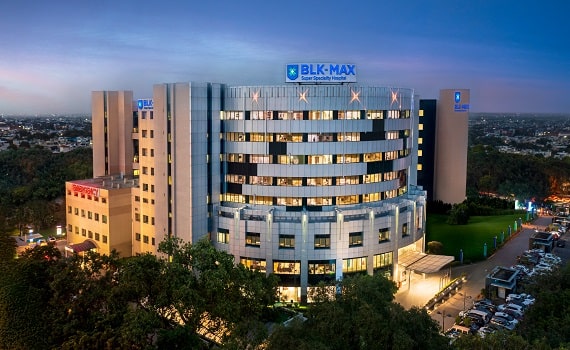
BLK-Max Super Specialty Hospital, New Delhi
BLK-Max Super Specialty Hospital huko New Delhi ni mojawapo ya taasisi kuu za afya ya India, inayotoa vitanda 650, kumbi 22 za upasuaji za hali ya juu...
Vibali


Vifaa
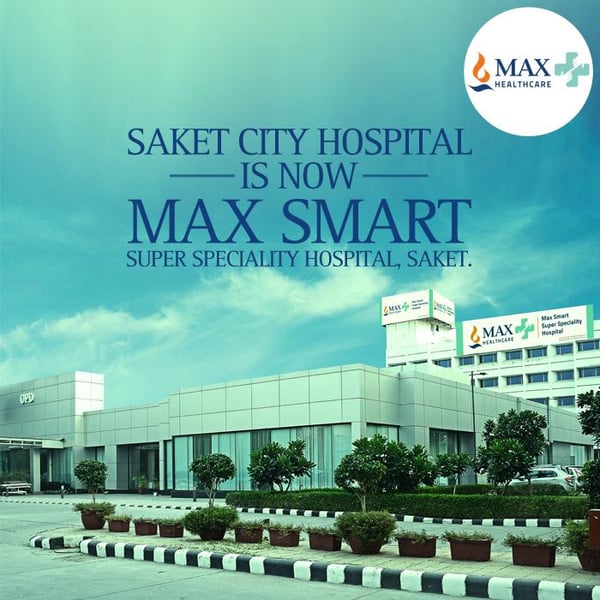
Hospitali ya Maalum ya Max Smart Super, Saket, New Delhi
Max Smart Super Specialty Hospital, Saket, ni hospitali ya huduma ya juu ya vitanda 250 huko Delhi Kusini. Inatoa huduma ya juu ya matibabu na upasuaj...
Vibali
Vifaa
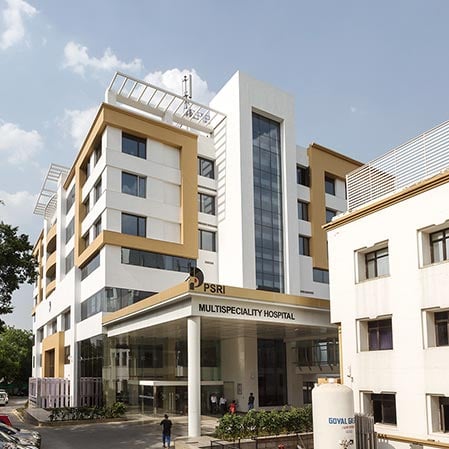
Hospitali ya PSRI, Delhi
Taasisi ya Utafiti ya Pushpawati Singhania (Hospitali ya PSRI), New Delhi, ni hospitali inayoongoza ya huduma ya juu ya elimu ya juu iliyoanzishwa mwa...
Vibali
Vifaa
Taratibu zinazofanana
Matunzio
Maswali
Mhakiki
Tazama Zote
Mwenyekiti & Mshauri Mwandamizi - Upandikizaji wa Ini
Dr. Vivek Vij ni daktari bingwa wa upasuaji wa kupandikiza ini na uzoefu wa zaidi ya miaka 15 katika uwanja huo. Kama Mwenyekiti wa Upandikizaji wa Ini na Sayansi ya Hepatobiliary katika Hospitali za ... Soma zaidi

Tovuti yetu hutumia kuki. Sera ya faragha.