
Kupandikiza Seli Shina Gharama katika India
Kuhusu Kupandikiza Seli Shina
Upandikizaji wa Seli Shina ni Nini?
Upandikizaji wa seli shina ni utaratibu unaorejesha uboho wenye afya kwa wagonjwa ambao uboho wao umeharibiwa na ugonjwa, chemotherapy, au shida fulani za damu. Lengo la tiba hii ni kusaidia mwili kuzalisha chembechembe za kawaida za damu tena kwa kuanzisha seli shina zenye afya, ambazo ni "seli mama" zinazohusika na kuunda chembechembe nyekundu za damu, chembechembe nyeupe za damu na chembe chembe za damu.
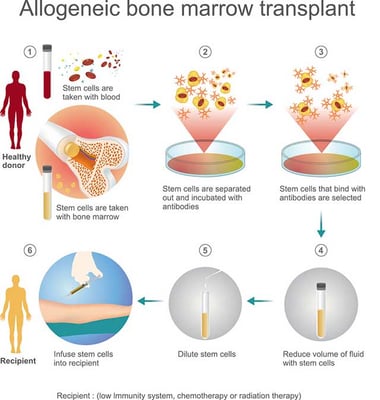
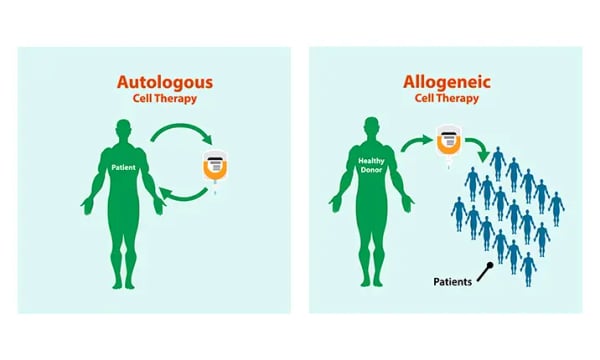
Seli hizi shina zinaweza kupatikana kutoka kwa mwili wa mgonjwa mwenyewe (inayojulikana kama ankupandikiza otomatiki) au kutoka kwa wafadhili (inayorejelewa kamakupandikiza alojeni) Katika baadhi ya matukio, mechi ya sehemu kutoka kwa mwanafamilia inaweza kutumika, inayojulikana kama akupandikiza haploidentical.
Kupandikiza seli za shina mara nyingi hupendekezwa kwa watu wanaougua hali kama vile:
- Leukemia
- Lymphoma
- Myeloma nyingi
- Anemia ya Aplastiki
- Thalassemia
- Matatizo fulani ya upungufu wa kinga
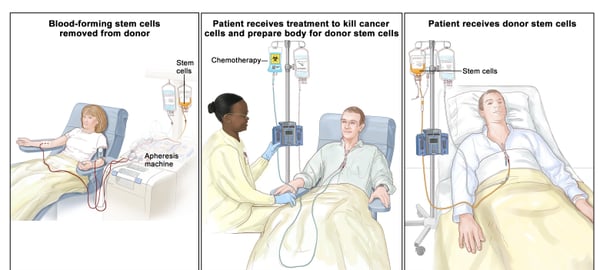
Utaratibu huo unahusisha awamu kadhaa, kuanzia na tathmini za kabla ya kupandikiza, ikifuatiwa na chemotherapy ya kiwango cha juu au mionzi (kuondoa seli zilizo na ugonjwa), kisha infusion halisi ya seli ya shina, na hatimaye kipindi cha uokoaji wa makini baada ya kupandikiza.
Ingawa upandikizaji wa seli shina ni changamano, hutoa tumaini jipya kwa wagonjwa walio na hali zinazohatarisha maisha.
Je! ni aina gani tofauti za upandikizaji wa seli za shina?
Uhamisho wa seli za shina huwekwa kulingana na chanzo cha seli za shina. Kuchagua aina sahihi inategemea ugonjwa unaotibiwa, upatikanaji wa wafadhili, hali ya afya ya mgonjwa, na mapendekezo ya daktari.
Upandikizaji wa Seli Shina Inayojitokeza (Inayojitolea)
Katika upandikizaji wa autologous, seli za shina za mgonjwa hutumiwa kwa matibabu. Seli hizi hukusanywa kutoka kwa damu au ubohokabla yamgonjwa anayepata chemotherapy ya kiwango cha juu au mionzi. Mara tu saratani au seli zenye ugonjwa zinapoharibiwa, seli za shina huingizwa tena ndani ya mwili ili kusaidia kuzaliwa upya kwa uboho wenye afya.
Njia hii hutumiwa hasa katika:
- Myeloma nyingi
- Ugonjwa wa Hodgkin's au Non-Hodgkin's lymphoma uliorudi tena
- Tumors fulani imara kwa watoto
Manufaa:
- Hakuna hatari ya ugonjwa wa pandikizi dhidi ya mwenyeji (GVHD), kwani seli hutoka kwa mgonjwa.
- Hatari ya chini ya kukataliwa kwa kinga.
- Kukaa hospitalini kwa muda mfupi na ahueni ya awali ya haraka.
Hata hivyo, kuna hatari kwamba baadhi ya seli shina zilizokusanywa bado zinaweza kubeba athari za saratani, ndiyo sababu aina hii haifai kwa aina fulani za leukemia.
Upandikizaji wa Seli Shina ya Alojene (Inayotolewa na Mfadhili)
Upandikizaji wa alojeneki hutumia seli shina kutoka kwa mtu mwingine - kwa kawaida zinazolingana na vinasabandugu,jamaa, auwafadhili wasiohusiana. Kabla ya kupandikiza, mtihani uliitwaKuandika kwa HLAinafanywa ili kuhakikisha utangamano kati ya wafadhili na mgonjwa. Njia hii hutumiwa sana kutibu:
- Leukemia ya papo hapo na sugu
- Anemia ya plastiki
- Matatizo ya damu ya kurithi kama vile thalassemia
- Ugonjwa wa Myelodysplastic (MDS)
Manufaa:
- Seli za shina za wafadhili zinaweza pia kushambulia seli za saratani zilizobaki - athari ya faida inayojulikana kamapandikizi dhidi ya leukemiaathari.
- Seli za shina za wafadhili zenye afya huunda mfumo mpya wa kinga katika mwili wa mgonjwa.
Hatari:
- Uwezekano waGVHD, ambapo seli za kinga za wafadhili hushambulia mwili wa mpokeaji.
- Inahitaji ufuatiliaji makini zaidi, hasa katika siku 100 za kwanza.
Upandikizaji wa alojeneki ni ngumu zaidi na ni wa gharama zaidi kuliko ule unaojitegemea lakini unaweza kutibu katika hali nyingi zenye hatari kubwa.
Kupandikiza Seli Shina Yenye Haploidentical (Mfadhili Anayelingana Nusu)
Upandikizaji wa seli ya shina ya haploidentical ni aina ya upandikizaji wa alojeneki ambapo wafadhili ni a50% genetic match. Chaguo hili ni bora kwa wagonjwa ambao hawawezi kupata wafadhili wanaolingana kikamilifu. Wanafamilia (kama vile wazazi, watoto, au ndugu) mara nyingi hutumiwa kama wafadhili.
Maendeleo ya hivi majuzi katika tiba ya kukandamiza kinga yameifanya aina hii ya upandikizaji kuwa salama na yenye mafanikio zaidi, hata katika mipangilio isiyo na rasilimali. Kawaida kutumika kwa:
- Leukemia
- Lymphoma
- Anemia ya plastiki
- Thalassemia wakati hakuna ndugu inayolingana inapatikana
Faida:
- Karibu kila mgonjwa anaweza kupata wafadhili wa familia wanaolingana nusu.
- Upatikanaji wa haraka wa wafadhili huharakisha mchakato wa kupandikiza.
Hasara:
- Hatari kubwa ya matatizo ya kinga ikilinganishwa na upandikizaji unaolingana na ndugu.
- Inahitaji utunzaji wa wataalamu na ufuatiliaji wa karibu.
Upandikizaji Damu wa Kitovu
Upandikizaji wa seli shina za kitovu hutumia seli shina zilizokusanywa kutoka kwa damu ya kitovu wakati wa kuzaliwa. Seli hizi zimehifadhiwa katika benki za damu za kamba na zinaweza kutumika kwa upandikizaji, hasa kwa watoto. Ingawa seli hizi zinaweza kubadilika zaidi kwa ulinganifu wa HLA, ni chache kwa idadi, ambayo huzuia matumizi yao kwa watu wazima.
Nani Anayehitaji Kupandikizwa Seli Shina?
Upandikizaji wa seli shina mara nyingi ni amatibabu ya kuokoa maishakwa watu ambao uboho wao haufanyi kazi tena ipasavyo. Inaweza kuwa kutokana nasaratani, augonjwa wa maumbile, au akushindwa kali kwa mfumo wa kinga. Katika hali kama hizi, kubadilisha uboho ulioharibika au kuharibiwa na seli za shina zenye afya husaidia mwili kuanza kutoa chembechembe za kawaida za damu tena.
Masharti ya msingi ambapo upandikizaji wa seli ya shina unapendekezwa kwa kawaida ni:
Saratani za Damu
Wagonjwa wengi wanaopatikana na saratani ya damu huhitaji upandikizaji kama sehemu ya mpango wao wa matibabu wa muda mrefu. Hizi ni pamoja na:
- Leukemia: Hasa acute lymphoblastic leukemia (ALL) na acute myeloid leukemia (AML). Kupandikiza husaidia kuondoa seli za saratani na kujenga uboho wenye afya.
- Lymphoma: Hodgkin's na Non-Hodgkin's lymphoma, hasa katika aina zilizorudiwa au fujo.
- Myeloma nyingi: Upandikizaji wa seli shina unaojiendesha hutumiwa mara nyingi baada ya tiba ya awali ili kuongeza muda wa msamaha.
Matatizo ya Kushindwa kwa Uboho
Wakati uboho unashindwa kutoa seli za kutosha za damu zenye afya, upandikizaji inakuwa muhimu:
- Anemia ya Aplastiki: Ugonjwa ambapo mwili huacha kuzalisha chembe mpya za damu za kutosha.
- Ugonjwa wa Myelodysplastic (MDS): Kundi la matatizo ambapo seli za damu hazijaundwa vizuri au zinafanya kazi vibaya.
- Paroxysmal Nocturnal Hemoglobinuria (PNH): Ugonjwa wa nadra ambao huharibu seli nyekundu za damu na huongeza hatari ya kuganda.
Matatizo ya Damu ya Kurithi
Watoto na vijana walio na hali fulani za kijeni wanaweza kupata tiba kupitia upandikizaji wa seli za shina:
- Thalassemia Meja: Hasa kwa wagonjwa wachanga walio na wafadhili wanaolingana, upandikizaji wa seli shina unaweza kuondoa hitaji la kutiwa damu mishipani maishani.
- Ugonjwa wa Sickle Cell: Katika hali mbaya au za mara kwa mara, upandikizaji unaweza kutolewa wakati matibabu ya kawaida hayatafaulu.
- Anemia ya Fanconi: Hali ya nadra ya kurithi ambayo huathiri uboho na kusababisha anemia ya aplastic au saratani.
Ugonjwa wa Upungufu wa Kinga ya Kinga na Saratani zilizorudiwa au sugu
Watu wengine huzaliwa na mfumo dhaifu wa kinga, na hivyo kuwafanya wawe rahisi kuambukizwa mara kwa mara. Kupandikiza seli shina kunaweza kujenga upya kinga yao. Mifano ni pamoja na:
- Upungufu Mkali wa Kinga Mwilini (SCID)
- Ugonjwa wa Wiskott-Aldrich
- Ugonjwa wa Granulomatous sugu
Ikiwa tiba ya kawaida ya kidini au mionzi itashindwa, au ugonjwa kurudi baada ya msamaha, madaktari wanaweza kushauri upandikizaji wa seli shina kama chaguo la mwisho lakini lenye nguvu.
Je, ni Utaratibu gani wa Kupandikiza Seli Shina?
Kupandikizwa kwa seli shina ni matibabu yaliyopangwa kwa uangalifu, ya awamu nyingi ambayo hufanyika kwa wiki kadhaa. Mchakato huo unahusisha kuandaa mgonjwa, kukusanya na kuingiza seli shina, na kisha kusimamia majibu ya mwili wakati wa kipindi cha kupona. Kila hatua ni muhimu ili kuhakikisha seli za shina zilizopandikizwa zinashikilia na kuanza kutoa seli za damu zenye afya.
Tathmini ya Kabla ya Kupandikiza
Kabla ya kupandikiza, tathmini kamili ya afya inafanywa ili kuangalia ikiwa mgonjwa yuko fiti vya kutosha kufanyiwa upasuaji. Inajumuisha:
- Vipimo vya damu
- Vipimo vya kupiga picha (kama vile X-ray ya kifua au CT scans)
- Vipimo vya kazi ya moyo na mapafu
- Biopsy ya uboho (katika hali zingine)
- Kuandika HLA kwa ulinganishaji wa wafadhili (katika upandikizaji wa alojeneki au wa haploidentiki)
Madaktari pia huchunguza maambukizo, kutathmini utendaji wa chombo, na kutambua mambo mengine hatari ambayo yanaweza kuathiri matokeo ya upandikizaji.
Tiba ya Viyoyozi
Mara baada ya tathmini kukamilika, mgonjwa hupokeamatibabu ya hali, ambayo kwa kawaida inahusishachemotherapy ya kiwango cha juu,tiba ya mionzi, au mchanganyiko wa zote mbili. Awamu hii ni muhimu kwa sababu:
- Huharibu seli za saratani au magonjwa kwenye uboho
- Inakandamiza mfumo wa kinga na husaidia kupunguza hatari ya kukataliwa kwa kupandikiza
- Hutengeneza nafasi kwa seli shina mpya kukua
Hali inaweza kudumu kutoka siku chache hadi zaidi ya wiki, kulingana na ugonjwa wa mgonjwa na aina ya kupandikiza.
Ukusanyaji wa Seli Shina
Seli za shina hukusanywa kabla ya kupandikiza. Inaweza kufanywa kwa njia tofauti:
- Kutoka kwa damu ya mgonjwa(kwa vipandikizi vya autologous)
- Kutoka kwa damu ya wafadhili au uboho(kwa upandikizaji wa alojeni)
- Kutoka kwa damu ya kitovu, ikiwa imehifadhiwa hapo awali na kulinganishwa
Mchakato wa kukusanya kwa kawaida hauna maumivu na hufanyika chini ya hali zilizodhibitiwa.
Uingizaji wa seli ya shina
Baada ya kuweka hali, seli shina zilizokusanywa huyeyushwa (ikiwa zimegandishwa) na kuingizwa kwenye mkondo wa damu wa mgonjwa, kama vile utiaji damu mishipani. Sehemu hii ya kupandikiza ni moja kwa moja na kwa kawaida huchukua saa chache.
Mara baada ya kuingizwa, seli za shina huhamia kwenye uboho na kuanzisha mchakato wauandikishaji,wakati ambapo huanza kutoa seli mpya za damu zenye afya.
Ufuatiliaji wa Urejeshaji na Uingizaji
Siku zifuatazo za infusion ni muhimu zaidi. Mgonjwa anafuatiliwa kwa karibu kwa:
- Maambukizi (kwani kinga ni ndogo sana)
- Utendaji wa chombo
- Ugonjwa wa pandikizi dhidi ya mwenyeji (katika upandikizaji unaotegemea wafadhili)
- Mahitaji ya kutokwa na damu au kuongezewa damu
Ufungaji kawaida huanza karibuSiku 10 hadi 20baada ya infusion. Wakati huu, huduma ya kuunga mkono, ikiwa ni pamoja na antibiotics, kupunguza maumivu, msaada wa lishe, na bidhaa za damu, inaweza kuwa muhimu.
Pata mpango wa matibabu ya bure
Kuhusu Kupandikiza Seli Shina katika India
What Is the Cost of Stem Cell Transplant in India?
The cost of a stem cell transplant in India typically ranges between ₹15,00,000 and ₹35,00,000 (approximately $18,000 to $42,000), depending on several factors, including the type of transplant, the hospital, and the patient's clinical condition. The cost usually covers the full course of treatment, from evaluation to post-transplant care.
A standard stem cell transplant package at Indian hospitals includes:
- Pre-transplant evaluations such as HLA typing, imaging, blood tests, and infection screening.
- Hospital admission and inpatient care in specialized isolation rooms with HEPA filters.
- High-dose chemotherapy or radiation therapy for conditioning.
- Stem cell collection, processing, and storage (for autologous or donor-based procedures).
- Transplantation procedure including stem cell infusion and infusion-related care.
- Post-transplant monitoring such as infection control, blood transfusions, and supportive medications.
- Initial follow-up care for around 30–60 days after discharge (varies by center).
In some cases, additional expenses may arise for donor identification (for unrelated transplants), treatment of complications like graft-versus-host disease (GVHD), or extended ICU stay. International patients may also need to account for travel, visa, food, and accommodation costs separately.
Detailed Cost Breakdown of Stem Cell Transplant in India
The overall cost of a stem cell transplantation in India, which ranges between $18,000 and $42,000, can be better understood when broken down into individual components. Each phase of the transplant journey involves specific medical and logistical expenses.
- The initial phase includes pre-transplant evaluations, which typically cost between ₹1,00,000 and ₹2,00,000. These evaluations involve blood tests, imaging, heart and lung assessments, and donor matching (HLA typing), which are essential before proceeding with the transplant.
- The hospital stay accounts for a significant portion of the cost. For most patients, inpatient care in a high-efficiency isolation unit can cost anywhere between ₹4,00,000 and ₹7,00,000, depending on the duration of admission, which usually ranges from two to four weeks. Isolation rooms equipped with HEPA filters are essential for reducing the risk of infection during periods of immune suppression.
- The stem cell collection and processing charges vary depending on whether the transplant is autologous or allogeneic. For autologous transplants, the cost ranges from ₹2,00,000 to ₹4,00,000, while allogeneic transplants can cost ₹3,00,000 to ₹6,00,000, particularly if donor stem cells need to be mobilized and stored.
- Chemotherapy or conditioning therapy, which is administered before the transplant to destroy cancerous or damaged cells, adds around ₹1,50,000 to ₹3,00,000 to the total bill. Some cases may require additional radiation sessions, which are charged separately.
- The actual transplantation procedure, which includes stem cell infusion, medication, transfusions, and close monitoring, typically ranges between ₹3,00,000 and ₹5,00,000.
- Post-transplant care, including infection control, immunosuppressive drugs, supportive injections, and routine blood monitoring for the first 30–60 days, can cost another ₹2,00,000 to ₹4,00,000. This phase may also include the treatment of complications, such as graft-versus-host disease (GVHD), which can increase the cost if additional hospitalization is required.
Cost Component | Estimated Cost (INR) | Estimated Cost (USD) |
| Pre-Transplant Evaluation | ₹1,00,000 – ₹2,00,000 | $1,200 – $2,400 |
| Hospital Stay (Isolation & ICU) | ₹4,00,000 – ₹7,00,000 | $4,800 – $8,400 |
| Stem Cell Collection & Processing | ₹2,00,000 – ₹6,00,000 | $2,400 – $7,200 |
| Chemotherapy / Conditioning Therapy | ₹1,50,000 – ₹3,00,000 | $1,800 – $3,600 |
| Transplant Procedure & Infusion | ₹3,00,000 – ₹5,00,000 | $3,600 – $6,000 |
| Post-Transplant Medications & Monitoring | ₹2,00,000 – ₹4,00,000 | $2,400 – $4,800 |
| Total Estimated Cost | ₹15,00,000 – ₹35,00,000 | $18,000 – $42,000 |
Note: Prices may vary based on the type of transplant (autologous vs. allogeneic), complications, duration of stay, and the hospital chosen.
Cost Comparison: Stem Cell Transplant in India vs Other Countries
One of the biggest reasons overseas patients from more than 120 nations choose India for stem cell transplant is the significant cost advantage. While hospitals in India offer internationally accredited care with top-notch medical technology, the total expense remains a fraction of what it would cost in many Western countries.
Country | Average Cost (USD) | Inclusions |
| India | $18,000 – $42,000 | Complete transplant package including hospitalization, chemo, transplant, follow-up |
| United States | $120,000 – $250,000 | Usually excludes post-op stay and long-term care |
| United Kingdom | $100,000 – $200,000 | NHS may cover UK residents; private hospitals are costly |
| Canada | $110,000 – $210,000 | Public system covers locals; private costs for foreigners are high |
| Singapore | $60,000 – $120,000 | Excellent care, but overall expensive |
| UAE / Middle East | $80,000 – $150,000 | High-quality services, but at a premium price |
| Thailand | $30,000 – $50,000 | Competitive pricing, though still more than India |
Despite the lower pricing, the quality of care in India remains on par with global standards — making it an ideal destination for patients who need timely, affordable, and effective stem cell transplant care.
What Factors Affect Stem Cell Transplant Cost in India?
The cost of a stem cell transplant in India can vary widely between patients. While the average range falls between ₹15,00,000 and ₹35,00,000, several key factors influence where a patient falls within this spectrum.
- Type of Transplant: The most significant cost variation arises from the kind of stem cell transplant being performed. An autologous transplant is less expensive than an allogeneic transplant. Haploidentical and unrelated donor transplants further increase costs due to added testing, stem cell procurement, and immune-suppressive care.
- Donor Availability and Matching: If a matched sibling donor is available, the process is more straightforward and more cost-effective. However, when a matched unrelated donor or cord blood unit must be sourced from a registry, the cost rises.
- Choice of Hospital and City: Renowned multispecialty centers in metropolitan areas like Delhi, Mumbai, or Bangalore may charge more due to their premium infrastructure and advanced infection control systems.
- Length of Hospital Stay: If complications arise (such as infections or delayed engraftment), the hospital stay can extend, thereby increasing the overall bill.
- Post-Transplant Complications: Some patients may experience graft-versus-host disease (GVHD), serious infections, or organ dysfunction, especially after allogeneic transplants. Managing these complications requires additional medications, supportive care, or even re-hospitalization, all of which increase the total expenditure.
- Medications and Supportive Therapy: Costs for growth factors, antifungals, antivirals, and immunosuppressants can accumulate over the first few months of treatment.
- Follow-up and Recovery Needs: After discharge, the patient may require frequent follow-up tests, blood transfusions, or extended nutritional and physical rehabilitation services.
Why Choose India for Stem Cell Transplant?
India has become one of the world's leading destinations for stem cell transplant due to a rare combination of world-class treatment, experienced doctors, and affordable pricing. For patients facing complex blood disorders and life-threatening conditions, India offers not only clinical excellence but also personalized, compassionate care at a fraction of the global cost.
- Internationally Accredited Hospitals: India offers top-tier hospitals with JCI and NABH accreditations. These centers are equipped with HEPA-filtered transplant units and advanced laboratories that adhere to global standards.
- Expert Transplant Specialists: India boasts highly experienced doctors who have successfully handled hundreds of transplants. Many have received training in Europe or the US, ensuring access to world-class care.
- Cost-Effective Treatment: The cost of stem cell transplant in India is just a fraction of what it costs in the West, starting from ₹15 lakh. Yet, the quality of care remains uncompromised.
- High Success Rates: Indian hospitals report strong success rates, with over 80% for autologous transplants and up to 75% for matched donor transplants. These outcomes align with global benchmarks.
- Fast Treatment Without Waitlists: Unlike Western countries, where waiting for a transplant can take months, Indian hospitals can begin treatment quickly after evaluation and donor confirmation.
- Dedicated International Patient Support: From visa letters and airport pickups to translators and hotel booking, Indian hospitals offer full logistical support to patients traveling from abroad.
- Donor Flexibility: India has a strong track record in performing haploidentical and unrelated donor transplants. It benefits patients who don't have a fully matched sibling donor.
What Services Are Available for International Patients Undergoing Stem Cell Transplant in India?
India is a global hub for medical tourism, and top hospitals ensure that international patients receive not only excellent medical care but also comprehensive logistical and emotional support throughout their treatment journey.
- Medical Visa Assistance: Hospitals provide official invitation letters to help patients and donors secure a fast-track medical visa from Indian embassies. Many also guide families through the visa application process.
- Airport Pickup and Transfers: On arrival, patients are offered airport pickup services with a hospital representative to ensure safe and direct transport to the medical facility or hotel.
- Dedicated International Patient Coordinator: A multilingual coordinator is assigned to manage appointments, hospital admissions, discharge planning, and communication with doctors throughout the treatment.
- Affordable Accommodation Options: Hospitals either have in-house guest rooms or tie-ups with nearby hotels and serviced apartments for long-term stays. These are comfortable, hygienic, and budget-friendly for patient families.
- Language Interpretation Services: For non-English speakers, interpretation support is available in Arabic, French, Swahili, Bengali, and other major languages, facilitating easy communication with doctors and staff.
- Donor and Family Support: In allogeneic transplants, donors often accompany the patient. Hospitals assist in arranging donor evaluations, accommodations, and documentation for both parties.
- Food and Cultural Considerations: Hospitals often provide customized food options that take into account cultural and dietary needs, including halal, vegetarian, and African cuisine upon request.
- Post-Treatment Follow-up Coordination: Once the patient returns home, hospitals maintain ongoing communication through email, video consultations, and WhatsApp support to track recovery and manage medications.
These services are designed to make the process smooth and stress-free, allowing patients to focus entirely on their healing while the hospital handles the rest.
What Is the Success Rate and Recovery Timeline of Stem Cell Transplant in India?
Stem cell transplant is a complex and high-stakes treatment, but with the right medical team and supportive care, it offers excellent long-term outcomes. In India, the success rate of stem cell transplants is comparable to that of top international centers, while the recovery journey is carefully managed through structured protocols.
Success Rate of Stem Cell Transplant in India
The success of a stem cell transplant depends on multiple factors, including the patient's age, disease type, donor match, and the timing of the transplant. That said, India has built a strong track record of high success rates across various transplant types.
- Autologous Stem Cell Transplant: In cases like multiple myeloma or relapsed lymphoma, where the patient's own stem cells are used, India reports success rates of 80–90%. Since there is no risk of rejection, these procedures are generally safer and have quicker recovery times.
- Allogeneic Stem Cell Transplant: For patients receiving donor stem cells — especially those with leukemia, thalassemia, or aplastic anemia — success rates range from 60% to 75%, provided there is a suitable donor match and a timely transplant.
- Haploidentical Transplants (Half-Matched Donors): With improvements in immunosuppressive therapy and GVHD management, India has achieved survival rates of 50–70% even in high-risk haploidentical transplants.
- Pediatric Thalassemia and Immune Disorders: Children with matched sibling donors often see success rates above 90%, particularly when transplanted early in the disease course.
Success is typically measured by engraftment (the acceptance of new stem cells), the absence of severe graft-versus-host disease (GVHD), and long-term disease-free survival. Indian hospitals adhere to global protocols for transplant eligibility, infection control, and complication management, resulting in consistently positive outcomes.
Recovery Timeline After Stem Cell Transplant in India
Recovery after a stem cell transplant is gradual and closely supervised. While the hospital stay is just a few weeks, complete recovery can take several months.
- Hospital Stay (2-4 Weeks): Patients remain hospitalized during the transplant and engraftment phases. During this time, they are kept in protective isolation to reduce the risk of infection. Daily blood tests are performed to track the recovery of WBCs, RBCs, and platelets.
- Engraftment Period (10 to 20 Days Post-Infusion): This is the period when the transplanted stem cells begin producing new blood cells. Signs of engraftment include rising white cell counts and improved immunity. Fever, rashes, or gastrointestinal symptoms may occur and are treated promptly.
- Initial Home Recovery (1 to 3 Months): After discharge, patients continue recovering at home or in hotel apartments near the hospital. They must follow strict hygiene practices, avoid crowds, and attend frequent follow-ups. During this phase, they may require supportive medications, such as antivirals, antifungals, and immune boosters.
- Immune System Rebuilding (3 to 12 Months): It can take up to one year for the immune system to recover fully, especially in allogeneic or haploidentical transplants. Patients are gradually re-vaccinated during this time and closely monitored for late complications.
- Return to Normal Life (6 to 12 Months): Most patients resume work, school, or everyday activities within 6 to 12 months, depending on their overall condition. Physical strength, mental well-being, and quality of life steadily improve during this time with good nutrition, rest, and rehabilitation.
Kupandikiza Seli Shina kulinganisha gharama na nchi
Linganisha Kupandikiza Seli Shina gharama katika nchi tofauti kufanya uamuzi sahihi juu ya matibabu yako.
| Nchi | Anuwai ya gharama (USD) | Akiba inayowezekana | Hatua |
|---|---|---|---|
IndiaSasaThamani bora | $18,000 - $42,000 | — | Pata nukuu |
Kumbuka: Gharama zinaweza kutofautiana kulingana na uchaguzi wa hospitali, aina ya chumba, huduma za ziada, na mahitaji ya matibabu ya mtu binafsi.
Hospitali zinazoongoza kwa Kupandikiza Seli Shina katika India
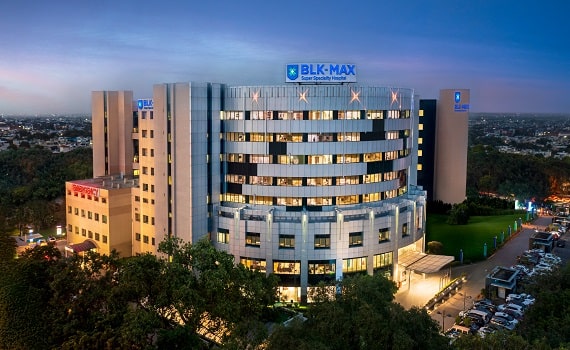
BLK-Max Super Specialty Hospital, New Delhi
BLK-Max Super Specialty Hospital huko New Delhi ni mojawapo ya taasisi kuu za afya ya India, inayotoa vitanda 650, kumbi 22 za upasuaji za hali ya juu...
Vibali
Vifaa
Hospitali ya Maalum ya Max Smart Super, Saket, New Delhi
Max Smart Super Specialty Hospital, Saket, ni hospitali ya huduma ya juu ya vitanda 250 huko Delhi Kusini. Inatoa huduma ya juu ya matibabu na upasuaj...
Vibali
Vifaa
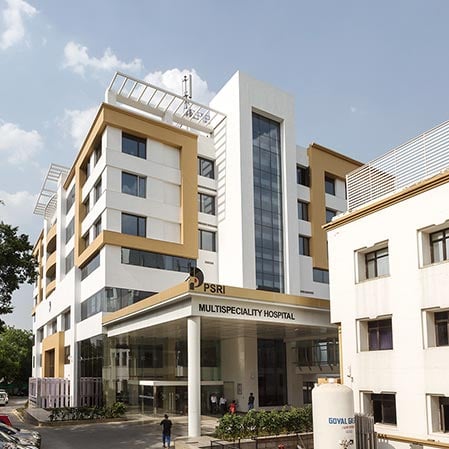
Hospitali ya PSRI, Delhi
Taasisi ya Utafiti ya Pushpawati Singhania (Hospitali ya PSRI), New Delhi, ni hospitali inayoongoza ya huduma ya juu ya elimu ya juu iliyoanzishwa mwa...
Vibali
Vifaa
Taratibu zinazofanana
Matunzio
Maswali
Mhakiki
Tazama Zote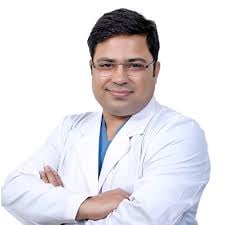
Mwenyekiti & Mshauri Mwandamizi - Upandikizaji wa Ini
Dr. Vivek Vij ni daktari bingwa wa upasuaji wa kupandikiza ini na uzoefu wa zaidi ya miaka 15 katika uwanja huo. Kama Mwenyekiti wa Upandikizaji wa Ini na Sayansi ya Hepatobiliary katika Hospitali za ... Soma zaidi

Tovuti yetu hutumia kuki. Sera ya faragha.