
Kupandikiza kwa Mikono Gharama katika India
Kuhusu Kupandikiza kwa Mikono
Kupandikiza Mikono Ni Nini?
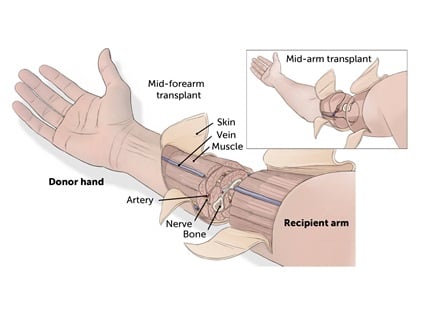
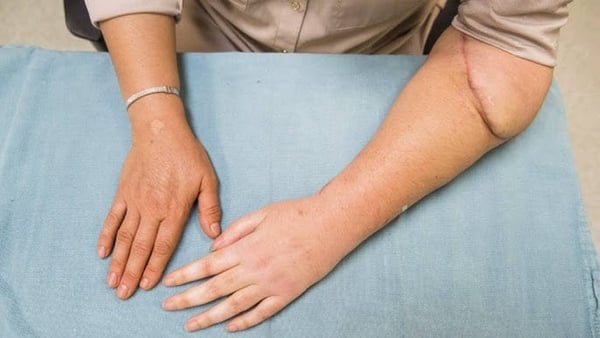
Akupandikiza mkononi utaratibu maalumu wa upasuaji ambapo amkono au mkono wa wafadhilihuunganishwa kwa upasuaji kwa mtu ambaye amepoteza mkono wake kwa sababu ya kiwewe, kuungua, maambukizi, au ulemavu wa kuzaliwa. Tofauti na prosthetics, utaratibu huu hutoa uwezekano wa kurejesha viungo halisi, vya kazi na hisia, uhamaji, na kuonekana karibu na mkono wa asili.
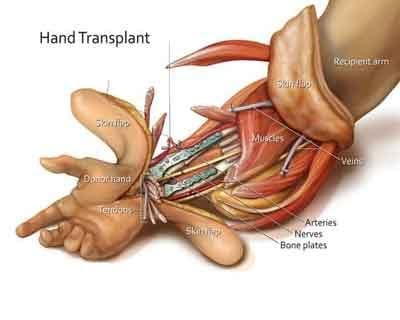
Upasuaji unahusishauunganisho sahihi wa mifupa, mishipa, mishipa, tendons, misuli, na mishipakutumia mbinu za microsurgical. Baada ya muda, kwa ukarabati sahihi, wagonjwa wanaweza kurejesha kazi muhimu-kama vile kushika, hisia, na harakati.
Walakini, ni muhimu kutambua kwamba hii sio tu njia ya upasuaji. Kupandikiza mkono ni ahadi ya maisha yote. Wagonjwa wa kupandikiza huchukuadawa za kukandamiza kingaili kuepuka kukataa mkono mpya na kupitia physiotherapy ya muda mrefu na msaada wa kisaikolojia ili kuhakikisha ushirikiano wa kazi katika maisha ya kila siku.
Nani Anaweza Kuwa Mfadhili wa Kupandikiza Mikono?
Upandikizaji wa mkono unahitaji mtoaji ambaye ametangazwa kuwa amekufa kwa ubongo na ambaye familia yake imetoa kibali cha kufadhiliwa kwa msaada wa kiungo. Tofauti na viungo vya ndani, mikono ni ya nje na inayoonekana, ambayo inafanya mchakato wa mchango kuwa maridadi zaidi. Inahitaji kuzingatia kwa makini utangamano wa matibabu na vipodozi.
Uteuzi wa wafadhili unategemea vigezo vikali ili kuhakikisha uwiano bora zaidi. Hizi ni pamoja na:
- Utangamano wa kundi la damu
- Ulinganishaji wa tishu (kuandika HLA)
- Toni ya ngozi inayofanana, saizi ya kiungo na muundo
- Uwiano wa umri na jinsia, ikiwezekana
Mara tu mtoaji anayefaa anapotambuliwa, mkono au mkono hutolewa kwa upasuaji kwa usahihi ili kuhifadhi miundo muhimu kama vile.mishipa, mishipa, mishipa, misuli, tendons, na mifupa. Muda ni muhimu. Kiungo kilichorejeshwa lazima kipandikizwe ndani ya dirisha dogo ili kuhakikisha uhai wa tishu na kupunguza hatari ya matatizo.
Mchakato huo unaratibiwa kupitia mitandao rasmi ya uchangiaji wa vyombo, na itifaki za kimaadili hufuatwa kikamilifu. Kutokujulikana kwa wafadhili kwa ujumla hudumishwa. Katika baadhi ya matukio, familia zote mbili zinaweza kuchagua kushiriki maelezo machache baada ya upasuaji.
Upandikizaji wa Mkono Unafanywaje?
Kupandikiza mkono ni mojawapo ya upasuaji changamano zaidi wa kujenga upya, unaohitaji ushirikiano wa wataalamu mbalimbali ikiwa ni pamoja na upasuaji wa plastiki, upasuaji wa mifupa, upasuaji wa mishipa na anesthesiolojia. Utaratibu huchukua kawaidaSaa 12 hadi 20na inahusishausahihi wa microsurgicalkuunganisha mifupa, mishipa ya damu, neva, misuli na ngozi.
Utaratibu kamili ni kama ifuatavyo:
- Maandalizi ya Mpokeaji: Kiungo cha mabaki cha mgonjwa kinachunguzwa kwa uangalifu. Madaktari wa upasuaji hupunguza mifupa na kuandaa mishipa, mishipa, na neva kwa ajili ya kushikamana.
- Maandalizi ya Viungo vya Wafadhili: Mkono au mkono wa wafadhili unalingana na kuhifadhiwa. Madaktari wa upasuaji wanahakikisha kwamba vipengele vyote vya mishipa na vya kimuundo viko sawa na tayari kwa kuunganishwa.
- Urekebishaji wa Mifupa: Mifupa ya mkono wa wafadhili hupangwa na kuwekwa kwenye mifupa ya mpokeaji kwa kutumia bati za titani na skrubu kwa uthabiti.
- Uunganisho wa Mishipa: Madaktari wa upasuaji hutumia zana za microsurgical kuunganisha mishipa na mishipa, kuruhusu mtiririko wa damu kuanza. Ni awamu muhimu ambayo hurejesha uhai kwa mkono uliopandikizwa.
- Tendon na Mshono wa Misuli: Kano za Flexor na extensor zimeunganishwa ili kuruhusu harakati za kidole na kifundo cha mkono.
- Ufungaji wa Mishipa: Madaktari wa upasuaji huunganisha neva kuu ili kuwezesha utendakazi wa hisia na magari.
- Kufunga Ngozi na Kuvaa: Safu ya nje imefungwa kwa uangalifu, na mkono haujaingizwa kwenye mshikamano.
Baada ya upasuaji, mgonjwa anafuatiliwa katika ICU, natiba ya immunosuppressiveinaanza mara moja ili kuzuia kukataliwa kwa chombo. Ukarabati wa muda mrefu huanza mara baada ya kurejesha nguvu, harakati, na hisia.
Ni Gharama Gani ya Kupandikiza Mkono nchini India na Inajumuisha Nini?
Gharama ya kupandikiza mkono nchini India kwa kawaida huanzia kati$35,000 na $55,000 kwa mkono. Bei inashughulikia wigo kamili wa utunzaji, kutoka kwa tathmini za kabla ya upasuaji hadi ukarabati wa baada ya upasuaji. Ikilinganishwa na nchi kama Marekani, ambapo upandikizaji wa mikono unaweza kuzidi $250,000, India inatoa matokeo ya upasuaji wa kiwango cha kimataifa kwa sehemu ndogo ya gharama.
Gharama kwa ujumla ni pamoja na:
- Uchunguzi wa kabla ya upasuaji: Kazi ya damu, taswira, ulinganifu, na tathmini ya kisaikolojia.
- Urejeshaji wa mkono wa wafadhili na usafiri: Huratibiwa kupitia mitandao ya viungo iliyoidhinishwa.
- Utaratibu wa upasuaji: Kuhusisha wataalam wengi wanaotumia vifaa vya hali ya juu vya upasuaji mdogo.
- Vipandikizi na vifaa vya kurekebisha: Kama vile sahani za titani, skrubu, na vifaa vya matumizi vya upasuaji.
- Kulazwa hospitalini na huduma ya ICU: Kwa takriban wiki 2-3, ikijumuisha ufuatiliaji na utunzaji wa majeraha.
- Dawa za Immunosuppressive: Kwa mwezi wa kwanza baada ya kupandikiza.
- Physiotherapy na tiba ya kazi: Vikao vya awali vinavyotolewa wakati wa kulazwa hospitalini.
- Ufuatiliaji na mashauriano baada ya uchunguzi: Pamoja na timu ya kupandikiza hadi siku 30.
Pata mpango wa matibabu ya bure
Kuhusu Kupandikiza kwa Mikono katika India
What Is the Cost of a Hand Transplant in India and What Does It Include?
The cost of a hand transplant in India typically ranges between $35,000 and $55,000 per hand. The pricing covers the full spectrum of care, from preoperative evaluations to postoperative rehabilitation. Compared to countries like the USA, where hand transplants can exceed $250,000, India offers world-class surgical outcomes at a fraction of the cost.
The cost generally includes:
- Pre-surgical investigations: Blood work, imaging, crossmatching, and psychological assessment.
- Donor hand retrieval and transport: Coordinated through certified organ networks.
- Surgical procedure: Involving multiple specialists using advanced microsurgical equipment.
- Implants and fixation devices: Such as titanium plates, screws, and surgical consumables.
- Hospital stay and ICU care: For around 2–3 weeks, including monitoring and wound care.
- Immunosuppressive medications: For the first month post-transplant.
- Physiotherapy and occupational therapy: Initial sessions provided during hospitalization.
- Post-op follow-up and consultations: With the transplant team for up to 30 days.
Breakdown of Hand Transplant Cost in India
The total cost of a hand transplant in India typically falls between ₹30,00,000 and ₹50,00,000 ($35,000 – $55,000), and this includes several crucial stages of treatment. To help international patients understand exactly where their money goes, here's a detailed cost breakdown of the components involved in a hand transplant in India.
- Preoperative investigations, such as blood tests, HLA typing, imaging scans (like CT or MRI), and psychological evaluations, generally cost between $1,000 and $2,000. These tests are essential for determining the patient's suitability for surgery and compatibility with the donor hand.
- The cost of procuring the donor hand, including transportation, surgical retrieval, and preservation, ranges from $3,000 to $5,000.
- The surgical procedure itself, which involves complex microsurgery by a team of highly specialized surgeons, is the most significant part of the expense and usually costs between $20,000 and $30,000. It includes the use of advanced operating theaters, specialized instruments, and surgical consumables, such as titanium plates and sutures.
- The ICU care and hospital stay after surgery (typically 14 to 21 days) costs approximately $4,000 to $7,000, depending on the type of room selected and any complications that may arise during recovery.
- Immunosuppressive medications, which are crucial to prevent rejection of the donor hand, can cost $2,000 to $4,000 during the initial post-surgery period.
- Postoperative physiotherapy and occupational therapy, which are needed to regain movement and function, can add $2,000 to $3,000 to the overall cost. Intensive rehabilitation usually begins during the hospital stay and may continue as an outpatient service.
- Finally, follow-up consultations and wound care management during the first month may cost around $500 to $1,000.
Treatment Component | Estimated Cost (USD) |
| Pre-operative Investigations | $1,000 – $2,000 |
| Donor Hand Procurement & Transport | $3,000 – $5,000 |
| Transplant Surgery (Single Hand) | $20,000 – $30,000 |
| ICU & Hospital Stay (2–3 weeks) | $4,000 – $7,000 |
| Immunosuppressive Medication (1 month) | $2,000 – $4,000 |
| Post-operative Physiotherapy | $2,000 – $3,000 |
| Follow-up Consultations (30 days) | $500 – $1,000 |
| Total Estimated Cost | $35,000 – $55,000 |
Important: This cost is for a single hand transplant. A double hand transplant could cost 1.8x to 2x more, depending on the complexity and duration of surgery.
Cost Comparison: Hand Transplant in India vs Other Countries
Choosing where to undergo a hand transplant is a vital decision with cost being one of the biggest factors for international patients. Compared to Western countries, India offers the same surgical quality and postoperative care at dramatically lower prices.
Country | Average Cost (USD) | Inclusions & Notes |
| India | $35,000 – $55,000 | Includes surgery, hospital stay, ICU, immunosuppressants, and rehab |
| United States | $250,000 – $400,000 | Surgery alone; post-op rehab and long-term medications billed separately |
| United Kingdom | $200,000+ (Private) | Limited transplant availability; not typically covered by NHS |
| Germany | $220,000 – $350,000 | High-end care with long waiting times and added cost for rehab |
| UAE / Middle East | $180,000 – $250,000 | Expensive due to imported specialists and limited centers |
| Thailand | $60,000 – $90,000 | Fewer transplant cases and less experience in complex microsurgery |
In India, patients receive complete transplant care (surgical, medical, and rehabilitative) for nearly 80% less than what they would spend in the US or Europe. The cost savings do not come at the expense of quality; leading hospitals in India match global standards and often exceed expectations in personalized care and recovery support.
What Factors Affect the Cost of Hand Transplant in India?
Several variables can direct the final cost of a hand transplant in India. Understanding these helps patients plan more accurately and avoid unexpected expenses:
- Single vs. Double Hand Transplant: A transplant involving both hands nearly doubles the surgical time, recovery effort, and resource use, increasing the overall cost significantly compared to a single-hand transplant.
- Donor Availability and Procurement Logistics: If a suitable donor is not locally available, additional costs may arise for transportation, coordination with organ registries, and surgical retrieval of the donor limb.
- Duration of ICU and Hospital Stay: Patients who need extended critical care, ventilator support, or have postoperative complications will incur higher hospitalization costs.
- Type and Brand of Immunosuppressive Drugs: The cost of anti-rejection medications varies widely based on brand, dosage, and duration. Imported or higher-end immunosuppressants may increase the budget.
- Rehabilitation and Physiotherapy Intensity: Longer or more aggressive physiotherapy protocols, including robotic-assisted rehabilitation or customized splints, may increase the cost.
- City and Choice of Hospital: Metro cities like Delhi, Mumbai, and Bangalore may have slightly higher pricing due to facility standards and specialist availability, while tier-2 towns can be more affordable.
- Surgeon's Expertise and Hospital Accreditation: Renowned transplant surgeons and JCI/NABH-accredited hospitals often charge more, but they offer better outcomes and provide assurance of safety.
India's Leadership in Hand Transplant: Latest Statistics and Landmark Cases
As of September 2024, India has completed 73 out of 179 hand transplants performed globally, accounting for over 40% of all such cases worldwide. The United States follows with 55 cases, while the United Kingdom has completed 17.
Mumbai alone accounts for nearly one-third of India's total hand transplants (around 24), showing strong regional leadership.
Recent and Notable Cases
- Amrita Hospital, Faridabad has completed multiple complex transplants:
- In December 2023, they performed North India's first transplant on a kidney transplant recipient (64-year-old) and a 19-year-old with above-elbow amputations.
- In February 2025, they conducted a rare double-hand transplant, followed by multi-organ transplants from the same donor—making them the first team in North India to do so.
- Sir Ganga Ram Hospital, Delhi, achieved the first successful bilateral hand transplant in Delhi in early 2024, giving both hands to a 45-year-old accident survivor from a brain-dead female donor.
- Sir Ganga Ram Hospital also led North India's inaugural bilateral hand transplant, performed on Meena Mehta, benefiting multiple organ recipients. Hands were transplanted to "Rahul" following a 12-hour procedure.
- In Gujarat, Kiran Hospital performed the state's first bilateral hand transplant in March 2025, granting renewed independence to a 35-year-old lineman.
Why Is Hand Transplant More Affordable in India?
India has emerged as a top destination for advanced surgeries, such as hand transplants—not just because of its medical expertise, but also due to its cost-effectiveness. Here's why India can offer high-quality care at significantly lower prices:
- Lower Surgical and Hospital Fees: The overall cost of healthcare services in India—including surgeons' fees, operating room charges, and nursing care—is substantially lower compared to the US or Europe. Yet, the quality of care meets international standards.
- Economic Infrastructure and Staffing: India's hospitals operate with optimized operational costs. Medical staff salaries, administrative expenses, and facility maintenance are cost-effective without compromising safety or hygiene.
- In-House Rehabilitation and Follow-Up Services: Many Indian hospitals offer physiotherapy, occupational therapy, and follow-up consultations as part of their package, thereby reducing the need for expensive third-party rehabilitation centers.
- Cost of Medications Is Significantly Lower: India is a global hub for generic pharmaceuticals. Life-long immunosuppressive drugs required after a hand transplant are available at 40–70% less than in most Western countries.
- Favorable Currency Exchange Rates: Patients coming from the US, UK, Middle East, or Australia benefit from favorable exchange rates, making even premium Indian hospitals highly affordable in dollar terms.
- Government-Supported Medical Tourism Ecosystem: With strong government backing for medical tourism, Indian hospitals provide bundled packages, visa support, and concierge services—all at competitive pricing for international patients.
Support Services for International Patients Undergoing Hand Transplant in India
India offers a well-developed medical tourism ecosystem that ensures international patients receive seamless, end-to-end support before, during, and after their treatment. These services are designed to make the journey smooth, comfortable, and medically successful.
- Visa Assistance and Medical Invitation Letters: Hospitals provide official visa invitation letters (VILs) that facilitate the quick issuance of a medical visa for patients and their attendants. Some centers even assist with visa extensions if the recovery period is longer than expected.
- Airport Pickup and Local Transfers: International patients are offered complimentary airport pickup and drop-off services. In-city transport for medical appointments and rehab sessions is also arranged to reduce logistical stress.
- Language Interpreters and Translation Services: Professional interpreters are available for Arabic, French, Russian, Swahili, and Spanish, ensuring there is no communication barrier between doctors and patients or their families.
- Dedicated International Patient Coordinator: A multilingual coordinator is assigned to each case to assist with managing daily schedules, billing, medical queries, follow-ups, and non-medical needs, including hotel bookings and local SIM card arrangements.
- Assistance with Accommodation and Meals: Affordable guesthouses, service apartments, or hotel stays near the hospital are offered at discounted rates. Customizable meal plans, including halal or vegan options, are also provided upon request.
- Virtual Consultation Before Travel: Patients can consult with surgeons online before flying to India, helping them make informed decisions and plan travel dates based on clinical recommendations.
- Post-Discharge Rehabilitation Planning: Hospitals assist in arranging ongoing physiotherapy sessions, training caregivers, and providing guidance on long-term medication use and follow-up care once the patient returns home.
What is the Success Rate and Recovery Timeline After Hand Transplant?
Hand transplantation is a technically demanding and life-altering surgery, and its success depends on a combination of surgical precision, long-term medication adherence, and patient dedication to rehabilitation. Over the last decade, India has consistently reported high success rates and functional outcomes, making it a preferred destination for this advanced procedure.
Success Rate of Hand Transplant in India
The success rate of hand transplants in India ranges between 80% and 85%, which is comparable to that of leading global centers. "Success" in hand transplants refers to:
- Graft survival (i.e., the transplanted hand remains viable and is not rejected),
- Functional restoration (i.e., the patient regains use of the hand),
- Patient compliance with rehabilitation and immunosuppressive medication.
Key factors contributing to India's high success rate include:
- Experienced microsurgery teams with global training.
- Advanced postoperative monitoring systems.
- Access to cost-effective, high-quality immunosuppressive medications.
- Structured physical therapy programs integrated into hospitals.
Indian hospitals also follow stringent donor-recipient matching criteria, which improves surgical compatibility and reduces the risk of chronic rejection.
Functional Recovery Timeline
Recovery after a hand transplant is a gradual and multi-phase process that spans several months to years.
- First 1–2 Weeks (Immediate Post-Op Phase): The patient remains in the ICU for close monitoring. Blood flow through the transplanted hand is carefully tracked. Immunosuppressive drugs are started immediately to prevent rejection. Passive physiotherapy (movement with assistance) begins in the first few days.
- Weeks 3–6: Patients are shifted to regular wards and continue medication. Dressings are changed frequently, and sutures are inspected for healing. Physiotherapy becomes more active, focusing on joint mobility and tendon glide. Early signs of sensory return may appear, especially in the fingertips.
- Months 2–6: Outpatient rehabilitation begins, with patients visiting therapy centers three to five times a week. Nerve regeneration begins (at approximately 1 mm per day), improving sensation and movement. Patients relearn basic functions, such as holding utensils, buttoning shirts, and typing. Psychological counseling is ongoing to address body image changes and medication side effects.
- Months 6–18: Fine motor control improves as nerves continue regenerating deeper into the hand and fingers. Muscle reeducation enables firmer grip, pinch, and rotational movements. Many patients regain up to 70–80% of hand function if rehab is consistent. Routine checkups help monitor for signs of chronic rejection or infection.
- After 2 Years: Most nerve pathways stabilize, and further improvements may plateau. Patients typically adapt well to daily life using the transplanted hand(s). Long-term immunosuppression continues but may be adjusted to lower doses. Functional independence is restored in many cases, allowing return to employment or school.
Psychological and Emotional Recovery
Alongside physical healing, patients undergo psychological adjustment to the "new" hand. Emotional acceptance, coping with appearance differences, and dealing with lifelong medication can be challenging. Many hospitals in India now provide dedicated mental health support to help patients transition successfully.
Kupandikiza kwa Mikono kulinganisha gharama na nchi
Linganisha Kupandikiza kwa Mikono gharama katika nchi tofauti kufanya uamuzi sahihi juu ya matibabu yako.
| Nchi | Anuwai ya gharama (USD) | Akiba inayowezekana | Hatua |
|---|---|---|---|
IndiaSasaThamani bora | $35,000 - $55,000 | — | Pata nukuu |
Kumbuka: Gharama zinaweza kutofautiana kulingana na uchaguzi wa hospitali, aina ya chumba, huduma za ziada, na mahitaji ya matibabu ya mtu binafsi.
Hospitali zinazoongoza kwa Kupandikiza kwa Mikono katika India

BLK-Max Super Specialty Hospital, New Delhi
BLK-Max Super Specialty Hospital huko New Delhi ni mojawapo ya taasisi kuu za afya ya India, inayotoa vitanda 650, kumbi 22 za upasuaji za hali ya juu...
Vibali


Vifaa

Hospitali ya Maalum ya Max Smart Super, Saket, New Delhi
Max Smart Super Specialty Hospital, Saket, ni hospitali ya huduma ya juu ya vitanda 250 huko Delhi Kusini. Inatoa huduma ya juu ya matibabu na upasuaj...
Vibali
Vifaa
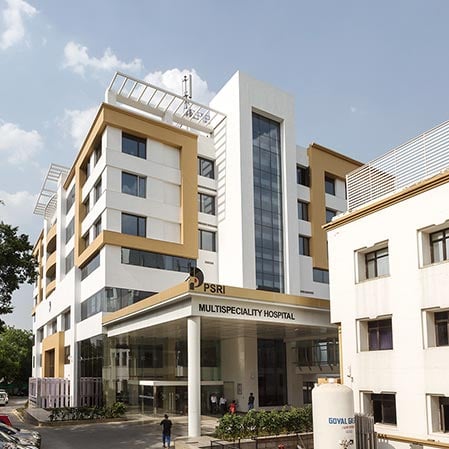
Hospitali ya PSRI, Delhi
Taasisi ya Utafiti ya Pushpawati Singhania (Hospitali ya PSRI), New Delhi, ni hospitali inayoongoza ya huduma ya juu ya elimu ya juu iliyoanzishwa mwa...
Vibali
Vifaa
Taratibu zinazofanana
Matunzio
Maswali
Mhakiki
Tazama Zote
Mwenyekiti & Mshauri Mwandamizi - Upandikizaji wa Ini
Dr. Vivek Vij ni daktari bingwa wa upasuaji wa kupandikiza ini na uzoefu wa zaidi ya miaka 15 katika uwanja huo. Kama Mwenyekiti wa Upandikizaji wa Ini na Sayansi ya Hepatobiliary katika Hospitali za ... Soma zaidi

Tovuti yetu hutumia kuki. Sera ya faragha.