
Upandikizaji wa Ini Gharama katika India
Kuhusu Upandikizaji wa Ini
Upandikizaji wa Ini ni Nini?
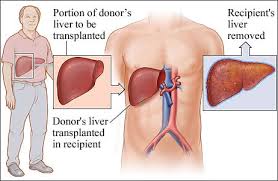
Upandikizaji wa ini ni utaratibu wa upasuaji wa kuokoa maisha ambapo ini lililo na ugonjwa/kuharibika hubadilishwa na ini lenye afya kutoka kwa mtu mwingine. Ini hili jipya linaweza kutoka kwa wafadhili aliye hai (ambaye hutoa sehemu ya ini yao) au mtoaji aliyekufa (ambaye hutoa ini yao baada ya kifo). Ini ni kiungo muhimu cha mwili ambacho kina jukumu muhimu katika usagaji chakula, kuondoa sumu kutoka kwa damu, na kuhifadhi virutubisho muhimu. Bila ini inayofanya kazi, mwili huanza kuzima.
Katika magonjwa mengi makubwa ya ini, dawa na matibabu mengine hayawezi kusaidia tena. Katika hatua hii, kupandikiza ini inakuwa nafasi pekee ya kuishi. Upasuaji huo huondoa ini lililoharibika na kulibadilisha na lile lenye afya ambalo linaweza kufanya kazi zote muhimu.
Nani Anayehitaji Kupandikizwa Ini?
Sio kila mtu aliye na ugonjwa wa ini anahitaji kupandikizwa. Lakini wakati ini inapoanza kushindwa na haiwezi tena kuweka mwili kuwa na afya, madaktari huanza kuzingatia upandikizaji wa ini. Upasuaji huu wa kuokoa maisha mara nyingi ndio chaguo bora zaidi kwa wagonjwa wa mwisho wa ugonjwa wa ini au wale walio na aina fulani za saratani ya ini.
Masharti ya Kawaida Yanayohitaji Kupandikiza Ini
Kushindwa kwa ini mara nyingi huendelea hatua kwa hatua kwa watu wengi, kwa kawaida baada ya miezi au miaka ya uharibifu wa kusanyiko umetokea. Sababu za kawaida ambazo mtu anaweza kuhitaji kupandikiza ni:
- Ugonjwa wa Cirrhosis: Hii ndiyo sababu ya mara kwa mara. Katika ugonjwa wa cirrhosis, tishu za ini huwa na kovu na ngumu, ambayo huacha mtiririko wa damu na kuharibu kazi ya ini yenye afya. Unywaji pombe kupita kiasi, homa ya ini, na magonjwa ya ini yenye mafuta mengi mara nyingi husababisha ugonjwa wa cirrhosis.
- Ugonjwa wa Ini usio na Pombe (NAFLD): Hii hutokea wakati mafuta yanapojilimbikiza kwenye ini, na kusababisha kuvimba kwa muda.
- Hepatitis B au C ya muda mrefu: Maambukizi ya virusi ya muda mrefu huharibu seli za ini na polepole kusababisha ini kushindwa kufanya kazi.
- Saratani ya Ini (Hepatocellular Carcinoma): Katika baadhi ya matukio, saratani inayoanzia kwenye ini bado inaweza kuponywa ikigunduliwa mapema na upandikizaji kufanywa.
- Kushindwa kwa Ini kwa Papo hapo: Huu ni upotezaji wa ghafla wa utendakazi wa ini, mara nyingi kutokana na kuzidisha kipimo cha dawa (kama paracetamol), maambukizi, au mfiduo wa sumu.
Madaktari Huamuaje Kustahiki?
Madaktari hawapendekezi kupandikiza mara moja. Kwanza, wanaendesha vipimo kadhaa ili kuangalia jinsi ini inavyofanya kazi vizuri. TheAlama ya MELD(Mfano wa Ugonjwa wa Ini wa Hatua ya Mwisho) husaidia madaktari kuamua wakati upandikizaji unahitajika. Alama ya juu, ndivyo uharaka unavyoongezeka.
Wagonjwa pia wanahitaji kukidhi masharti mengine. Kwa mfano, wanapaswa:
- Kuwa na afya ya kutosha kufanyiwa upasuaji mkubwa.
- Usiwe na maambukizi au saratani nje ya ini.
- Onyesha ishara watafuata maagizo ya utunzaji baada ya kupandikiza.
Madaktari pia hutathmini utayari wa kihisia na kiakili. Kwa kuwa urejeshaji wa upandikizaji wa ini unahitaji uangalizi wa maisha na dawa, wagonjwa lazima waonyeshe dhamira thabiti ya kuwa na afya njema.
Je! ni aina gani tofauti za vipandikizi vya ini?
Upasuaji wa upandikizaji wa ini unapatikana kwa njia mbalimbali, kulingana na hali ya kiafya ya mgonjwa, upatikanaji wa wafadhili, na uharaka wa upasuaji. Kila aina ya upandikizaji wa ini ina seti yake ya faida na huchaguliwa baada ya tathmini ya kina ya matibabu na timu ya upandikizaji.
Upandikizaji wa Ini wa Mfadhili Hai
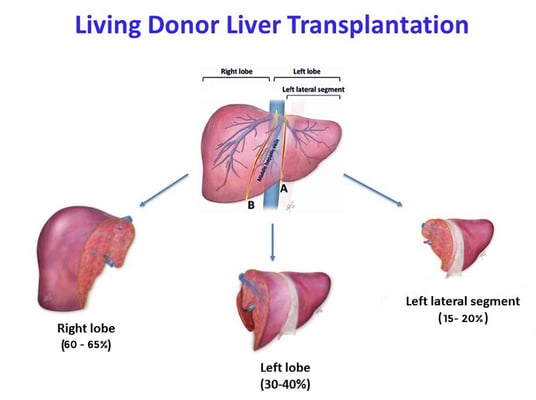
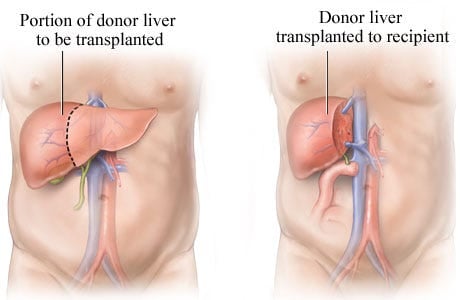
Utaratibu wa upandikizaji wa ini wa wafadhili hai unahusisha kuchukua sehemu ya ini (kawaida lobe ya kulia au ya kushoto) kutoka kwa mtu aliye hai mwenye afya na kuipandikiza ndani ya mpokeaji. Aina hii ya upandikizaji inawezekana kwa sababu ini lina uwezo wa kipekee wa kuzaliwa upya hadi ukubwa wake kamili kwa mtoaji na mpokeaji ndani ya wiki chache baada ya upasuaji.
Upandikizaji wa ini wa wafadhili hai hufaa zaidi kwa watoto au watu wazima ambao wana mwanafamilia au rafiki aliye tayari na anayefaa kiafya kama wafadhili. Faida kuu za aina hii ni pamoja na muda mfupi wa kusubiri, uwezo wa kupanga upasuaji mapema, na kiwango cha juu cha mafanikio kutokana na ubora bora wa chombo na muda.
Marehemu Mfadhili wa Kupandikizwa Ini
Mpandikizaji wa ini aliyekufa hutumia ini kamili kutoka kwa mtu ambaye amekufa hivi karibuni na ametoa viungo vyake. Ini huhifadhiwa kwa uangalifu na kupandikizwa ndani ya mgonjwa ndani ya dirisha la wakati muhimu baada ya kuondolewa.
Upandikizaji wa ini wa wafadhili aliyekufa unapendekezwa kwa wagonjwa ambao hawana wafadhili anayestahiki. Hata hivyo, inaweza kuhusisha muda mrefu zaidi wa kusubiri kutokana na upatikanaji mdogo wa viungo vya wafadhili waliokufa vinavyofaa. Inafanywa kwa kawaida kwa wagonjwa wenye ugonjwa wa ini wa mwisho au kushindwa kwa ini kali.
Kupasuliwa Ini
Upasuaji wa kupandikiza ini huhusisha kugawa ini la marehemu katika sehemu mbili, ambazo hupandikizwa katika wapokeaji wawili tofauti, kwa kawaida mtu mzima mmoja na mtoto mmoja. Ni utaratibu maalumu sana na unahitaji usahihi bora wa upasuaji na miundombinu ya hospitali.
Upandikizaji wa ini uliogawanyika ni wa manufaa kwa sababu huruhusu maisha mawili kuokolewa kwa ini moja iliyotolewa. Mbinu hiyo mara nyingi hutumiwa katika kesi za kupandikiza ini kwa watoto ambapo mpokeaji anahitaji kipandikizi kidogo.
Upandikizaji wa Ini Msaidizi
Upandikizaji wa ini msaidizi unahusisha kupandikiza sehemu ya ini ya wafadhili pamoja na ini la mgonjwa mwenyewe, badala ya kulibadilisha kabisa. Njia hii inazingatiwa wakati kuna uwezekano kwamba ini la asili linaweza kupona baada ya muda, kama vile hali ya kushindwa kwa ini kwa papo hapo kwa sababu ya sumu au hepatitis ya virusi.
Kupandikiza ini ya msaidizi hutumiwa hasa kwa wagonjwa wadogo au katika hali ambapo madaktari wanataka kuhifadhi kazi ya awali ya ini. Ini la mgonjwa likipona, kipandikizi cha wafadhili kinaweza kupungua au hata kuondolewa katika utaratibu wa baadaye.
Upandikizaji wa Ini Hufanywaje?
Mchakato wa kupandikiza ini hufuata itifaki iliyopangwa kwa uangalifu ili kuhakikisha matokeo bora. Safari nzima inajumuisha tathmini, uteuzi wa wafadhili, utaratibu wa upasuaji, na kupona baada ya upasuaji. Kuelewa kila hatua huwasaidia wagonjwa na familia zao kujiandaa kiakili, kimwili, na kifedha.
Tathmini ya Kabla ya Kupandikiza
Madaktari wa upasuaji huanza mchakato huo kwa kufanya tathmini ya kina ya matibabu ili kudhibitisha kuwa upasuaji wa upandikizaji wa ini ndio njia bora ya matibabu. Tathmini hiyo inajumuisha vipimo vya damu, uchunguzi wa picha, tathmini ya utendaji wa moyo na mapafu, na ushauri wa kisaikolojia.
Timu ya upandikizaji pia hukagua ukiukaji wowote, kama vile maambukizo yasiyodhibitiwa au ugonjwa mbaya wa moyo. Ni wale tu wanaokidhi vigezo vya kustahiki wanaosonga mbele katika mchakato wa kupandikiza.
Ulinganisho na Maandalizi ya Wafadhili
Ikiwa mgonjwa ana wafadhili aliye hai, madaktari hufanya vipimo vya utangamano ili kuhakikisha mechi salama. Kwa upandikizaji wa wafadhili aliyekufa, jina la mgonjwa huongezwa kwenye orodha ya kusubiri ya kupandikiza. Kulinganisha kunahusisha kuangalia aina ya damu, saizi ya ini, na afya kwa ujumla.
Mara tu mtoaji anayefaa anapothibitishwa, wafadhili na mpokeaji hupitia uchunguzi wa mwisho wa matibabu na kupanga kabla ya upasuaji. Katika kesi ya wafadhili aliye hai, tarehe ya kupandikiza imepangwa mapema.
Upasuaji wa Kupandikiza Ini
Upasuaji huo unafanyika katika chumba cha upasuaji chenye teknolojia ya hali ya juu ya kupandikiza ini. Madaktari wa kupandikiza huondoa ini iliyo na ugonjwa na kuibadilisha na ini yenye afya au sehemu ya ini kutoka kwa wafadhili.
Operesheni kawaida huchukua masaa 8 hadi 12. Madaktari wa upasuaji wa upandikizaji wa ini wenye uzoefu hufanya kazi pamoja na madaktari wa anesthesi na wafanyakazi wa usaidizi ili kupunguza hatari na kuhakikisha usahihi.
Huduma ya ICU ya Mara Moja Baada ya Upasuaji
Baada ya upasuaji, mgonjwa huhamishiwa chumba cha wagonjwa mahututi (ICU) kwa uangalizi wa karibu. Madaktari huangalia mara kwa mara ishara muhimu, kazi ya ini, na majibu ya mwili kwa chombo kipya.
Wakati wa kukaa ICU, wagonjwa hupokea dawa za kuzuia kinga ili kuzuia kukataliwa kwa chombo na antibiotics ili kuzuia maambukizi.
Kukaa Hospitalini na Kupona
Kukaa hospitalini baada ya kupandikizwa ini nchini India ni kati ya wiki 2 hadi 3. Wagonjwa polepole huanza kutembea, kula, na kuendelea na shughuli za kimsingi chini ya uangalizi wa matibabu.
Timu ya upandikizaji huelimisha mgonjwa na walezi juu ya usafi, lishe, utunzaji wa jeraha, na ratiba za dawa kabla ya kutolewa.
Ufuatiliaji na Ufuatiliaji wa Muda Mrefu
Baada ya kutokwa, wagonjwa huhudhuria ziara za kufuatilia mara kwa mara kwa miezi michache ya kwanza. Ziara hizi ni pamoja na vipimo vya damu, uchunguzi wa ultrasound, na marekebisho ya kipimo cha dawa.
Madaktari hufuatilia kwa ishara za kukataa kwa chombo, maambukizi, na matatizo mengine. Utunzaji wa muda mrefu husaidia kuhakikisha ini hufanya kazi vizuri na mgonjwa anaendelea kuwa na afya.
Pata mpango wa matibabu ya bure
Kuhusu Upandikizaji wa Ini katika India
What is the Cost of a Liver Transplant in India?
The liver transplant cost in India ranges between ₹20 lakhs to ₹30 lakhs, which is approximately $23,000 to $36,000. It includes most of the essential services required for a successful transplant and postoperative recovery. Compared to countries like the United States or the United Kingdom, India offers world-class liver transplant services at a significantly lower price.
What's Included in the Liver Transplant Package in India?
Most liver transplant packages in India cover a comprehensive list of medical and surgical services, which include:
- Pre-transplant evaluation: This includes blood tests, imaging scans (such as MRI or CT), liver function tests, and cardiopulmonary assessments. These tests help determine whether the patient is fit for transplant.
- Surgical procedure charges: The actual cost of liver transplant surgery includes operating theater charges, surgeon's fees, anesthetist fees, and the cost of medical equipment used during the procedure.
- Donor surgery expenses: In the case of a living donor liver transplant, the cost also includes evaluation, hospitalization, and surgery for the donor.
- Intensive Care Unit (ICU) stay: The transplant recipient requires ICU support for several days post-surgery to monitor vital signs and manage complications.
- Hospital stay for both donor and recipient: Typically, recipients remain in the hospital for 2 to 3 weeks while donors stay for about a week.
- Immunosuppressive medications: These are critical drugs that prevent the immune system from rejecting the transplanted liver. The initial cost of these medications is included in the package.
- Nursing and ward care: High-quality postoperative care is provided by trained nurses and medical staff to ensure proper recovery.
- Follow-up consultations (initial period): Some hospitals include a few months of follow-up visits, blood tests, and follow-up monitoring in the overall transplant cost.
India's liver transplant centers also offer value-added services, such as dietary planning, physiotherapy, and counseling, particularly for international patients, as part of a comprehensive care plan.
Cost Breakdown of Liver Transplant in India
The complete cost structure of liver transplant in India includes various stages such as medical evaluations, surgery, hospital stay, medications, and donor care. Below is a detailed cost breakdown of what you can expect.
- Pre-Transplant Evaluation Cost: Doctors perform several diagnostic tests before scheduling the surgery. These include blood tests, imaging scans, cardiac evaluations, and consultations with specialists. The cost for liver transplant pre-evaluation ranges between ₹1,50,000 and ₹2,50,000 (approximately $1,800 to $3,000).
- Liver Transplant Surgery Cost: The surgical cost of liver transplant covers the operation theater, surgeon's fee, anesthetist, surgical team, and equipment. It is the most considerable portion of the expense, ranging from ₹10 lakhs to ₹15 lakhs ($12,000 to $18,000).
- Donor Surgery and Care Cost: In living donor transplants, the donor also undergoes surgery. It includes hospital admission, donor evaluation, and surgical fees. The donor surgery cost in India ranges from ₹3 lakhs to ₹5 lakhs ($3,500 to $6,000).
- Postoperative ICU and Hospital Stay: Patients typically spend several days in the ICU, followed by recovery in a general ward or private room. The ICU and hospitalization cost ranges between ₹3 lakhs and ₹4 lakhs ($3,500 to $4,800).
- Immunosuppressive Medication Cost: After transplant, patients need lifelong medications to prevent organ rejection. The initial cost of the immunosuppressive drug is approximately ₹1 lakh to ₹1.5 lakh ($1,200 to $1,800), which may increase depending on the patient's response to treatment.
- Follow-up Tests and Consultation Charges: After discharge, doctors continue to monitor the patient's progress through regular blood tests and check-ups. The first few months of follow-up care can cost between ₹50,000 and ₹1,00,000 ($600 to $1,200).
Expense Component | Cost in INR | Cost in USD |
| Pre-transplant Evaluation | ₹1,50,000 – ₹2,50,000 | $1,800 – $3,000 |
| Liver Transplant Surgery | ₹10,00,000 – ₹15,00,000 | $12,000 – $18,000 |
| Donor Surgery and Care | ₹3,00,000 – ₹5,00,000 | $3,500 – $6,000 |
| ICU & Hospital Stay | ₹3,00,000 – ₹4,00,000 | $3,500 – $4,800 |
| Immunosuppressive Medications | ₹1,00,000 – ₹1,50,000 | $1,200 – $1,800 |
| Follow-up Care | ₹50,000 – ₹1,00,000 | $600 – $1,200 |
| Total Estimated Cost | ₹20,00,000 – ₹30,00,000 | $23,000 – $36,000 |
Liver Transplant Cost Comparison: India vs Other Countries
India is a preferred destination for liver transplant surgery because of its cost-effectiveness without compromising on quality. When comparing liver transplant costs globally, India consistently offers some of the most affordable options while maintaining excellent outcomes.
In countries such as the United States or the United Kingdom, the total cost of a liver transplant can be overwhelming. Patients often face long waiting times and high out-of-pocket expenses due to insurance deductibles. On the other hand, Indian hospitals provide world-class liver transplant procedures at a fraction of the international cost.
Country | Average Liver Transplant Cost (USD) | Key Highlights |
| India | $23,000 – $36,000 | Affordable, shorter wait time, skilled surgeons |
| United States | $5,00,000 – $8,00,000 | Very high cost, long waiting period |
| United Kingdom | $3,00,000 – $4,50,000 | High cost, availability mostly through the NHS |
| UAE | $1,20,000 – $2,00,000 | Expensive, limited number of transplant centers |
| Turkey | $70,000 – $1,00,000 | Growing medical hub, still costlier than India |
| Singapore | $2,50,000 – $3,50,000 | High-tech facilities but high cost |
India stands out as a country that provides advanced liver transplant surgeries at economical rates. Even after including travel, accommodation, and postoperative recovery costs, the total expense in India remains significantly lower than in most developed nations.
Additionally, Indian hospitals provide comprehensive support to international patients, ensuring a smooth and stress-free process. Choosing India for a liver transplant not only saves money but also reduces waiting time, improves access to skilled doctors, and ensures personalized care.
What are the Factors Affecting Liver Transplant Cost in India?
The liver transplant cost in India can vary widely based on several critical elements related to both the patient and the healthcare facility. These factors influence overall medical expenses, and understanding them provides patients with better clarity on what to expect financially.
- Type of Liver Transplant: Living donor liver transplant usually costs more because it includes two surgeries, one for the donor and one for the patient. Deceased donor transplant may involve costs for coordination and organ matching.
- Hospital and City: The cost of a liver transplant varies depending on the hospital's reputation and location. Premium hospitals in metro cities like Delhi or Mumbai may charge more due to advanced facilities and expert teams.
- Surgeon's Experience: Surgeons with years of transplant experience may charge higher fees. However, their skills often lead to better outcomes and fewer complications.
- Patient's Health Condition: If the patient has advanced liver failure or multiple health issues, they may require additional tests, a more extended ICU stay, and more medications, which can increase the overall cost.
- Donor-Related Expenses: A living donor transplant includes donor screening, surgery, and postoperative care. These services are billed along with the recipient's transplant package.
- Length of Hospital Stay: Patients who recover slowly or need ICU care for longer periods will incur higher hospital bills. The length of hospital stay directly impacts total expenses.
- Post-Transplant Medicines: Immunosuppressants and follow-up tests are essential after surgery. These long-term medications can increase the overall cost by several lakhs.
Why Choose India for Liver Transplant?
India has become one of the top destinations for liver transplants due to its blend of affordability and high medical standards. Patients from across the globe travel here to receive expert care without compromising on quality.
- World-Class Surgeons with Global Training: India boasts some of the most experienced liver transplant surgeons, who have received training at leading institutions worldwide. Their expertise ensures safe procedures and excellent outcomes.
- Advanced Hospitals with Modern Infrastructure: Top hospitals in India offer cutting-edge technology, advanced ICUs, and dedicated transplant units. These facilities follow strict international protocols for safety, hygiene, and postoperative care.
- Affordable Liver Transplant Packages: Liver transplants in India are significantly less expensive than those in countries like the US or the UK. Despite the lower cost, patients receive comprehensive care, including donor surgery and intensive aftercare.
- High Donor Availability and Efficient Coordination: India has a growing living donor program and is steadily improving deceased donor networks. Hospitals here are adept at managing the complex logistics of transplant coordination.
- Minimal Waiting Time and Faster Procedures: Compared to the long waiting lists in many Western countries, India offers quicker evaluation, faster matching, and prompt surgery scheduling, which is critical for patients with urgent liver conditions.
- Holistic Care for International Patients: From visa assistance and travel planning to local language support and post-discharge guidance, Indian hospitals offer a smooth experience for foreign patients seeking liver transplant treatment.
What Services are Provided to Overseas Patients?
India offers a comprehensive range of support services to ensure that overseas patients feel safe, comfortable, and well cared for throughout their liver transplant journey. These services make the entire process, from planning to recovery, stress-free and efficient.
- Dedicated Case Managers for Personalized Care: Each patient is assigned a case manager who acts as the single point of contact. The manager helps coordinate appointments, doctor consultations, surgery schedules, and follow-ups, ensuring seamless communication throughout the treatment.
- Visa Assistance and Medical Invitations: Hospitals in India provide official visa invitation letters (VILs) and help patients and their caregivers with visa applications. Many institutions have tie-ups with embassies to expedite the process.
- Airport Pick-up and Local Travel Support: Many medical travel packages include complimentary airport pick-up and drop-off services. Additionally, hospital teams assist in arranging safe transportation between the hotel, hospital, and recovery accommodations.
- Multilingual Translators and Cultural Support: Most top hospitals have in-house interpreters for Arabic, French, Spanish, Russian, Swahili, and other widely spoken languages. They also assist with local cultural needs and dietary preferences.
- Affordable Guest House and Recovery Stay Options: Hospitals partner with nearby guest houses, serviced apartments, and budget hotels that offer safe and hygienic stays for patients and families. These are often within walking distance of the hospital.
- Currency Exchange and Payment Assistance: The hospital's support teams assist with currency exchange, international payment options, and guidance on utilizing health insurance (if applicable). Some hospitals even allow advance deposits through bank transfers.
- Post-Discharge Care and Follow-Up Support: Even after discharge, hospitals in India offer teleconsultation services and ongoing follow-up with the transplant team. Patients can stay connected with their doctors even after returning home.
What is the Success Rate and Survival After Liver Transplant in India?
Liver transplant outcomes in India have improved significantly, thanks to advancements in surgical techniques, experienced transplant teams, and comprehensive postoperative care. India now offers survival rates that match many leading global transplant centers, while keeping the treatment affordable.
- 1-Year Survival Rate After Liver Transplant: The average 1-year survival rate for liver transplant patients in India is between 85% and 90%. It means that the vast majority of patients recover well after the procedure, especially when the transplant is done at a reputed center with skilled specialists.
- 5-Year Survival Rate After Liver Transplant: The 5-year survival rate ranges from 70% to 75%, depending on the patient's underlying condition, age, and adherence to medications and follow-up protocols. Long-term success also depends on early detection of complications and regular monitoring.
Factors That Improve Liver Transplant Outcomes in India
Liver transplant success is higher when the procedure is performed at transplant centers with a high volume of patients and multidisciplinary teams. Early referral, optimal patient health before surgery, a compatible donor match, and consistent postoperative care also play key roles in improving survival rates.
India's Strength in Delivering High-Quality Transplants
Many Indian hospitals follow international protocols, such as those established by the AASLD (American Association for the Study of Liver Diseases) and the EASL (European Association for the Study of the Liver). The adherence to global standards, combined with state-of-the-art ICUs and access to affordable medications, helps ensure strong outcomes.
Recovery Timeline After Liver Transplant in India
Recovering from a liver transplant is a gradual process that happens in several stages. Each phase is essential for building strength, preventing complications, and adjusting to life with a new liver.
- Hospital Stay (2–3 Weeks): Most patients stay in the hospital for around 2 to 3 weeks after the transplant. The first 7–10 days are usually spent in the ICU, where doctors closely monitor the patient's condition, check liver function, and manage any signs of infection or rejection.
- Initial Home Recovery (First 3 Months): After discharge, patients need to follow strict rest and hygiene routines at home. During the first 3 months, they attend regular follow-up visits, undergo blood tests, and take medications to suppress the immune system (immunosuppressants). It is important to avoid crowded places and eat a well-balanced, low-salt diet during this time.
- Gradual Return to Routine (3–6 Months): Between 3 to 6 months, many patients begin to feel stronger and return to light activities. Doctors may reduce the dosage of certain medications, and the body starts adapting to the new liver. It's vital to closely monitor blood pressure, weight, and blood sugar levels.
- Long-Term Recovery and Lifestyle (6 Months–1 Year): By 6 to 12 months, most patients can resume work or school and return to an everyday daily life. However, long-term medication is essential, along with periodic liver function tests and check-ups. Maintaining a healthy lifestyle, avoiding alcohol, eating nutritious food, and staying active, is crucial for lifelong success after transplant.
Upandikizaji wa Ini kulinganisha gharama na nchi
Linganisha Upandikizaji wa Ini gharama katika nchi tofauti kufanya uamuzi sahihi juu ya matibabu yako.
| Nchi | Anuwai ya gharama (USD) | Akiba inayowezekana | Hatua |
|---|---|---|---|
IndiaSasaThamani bora | $23,000 - $36,000 | — | Pata nukuu |
Kumbuka: Gharama zinaweza kutofautiana kulingana na uchaguzi wa hospitali, aina ya chumba, huduma za ziada, na mahitaji ya matibabu ya mtu binafsi.
Hospitali zinazoongoza kwa Upandikizaji wa Ini katika India

BLK-Max Super Specialty Hospital, New Delhi
BLK-Max Super Specialty Hospital huko New Delhi ni mojawapo ya taasisi kuu za afya ya India, inayotoa vitanda 650, kumbi 22 za upasuaji za hali ya juu...
Vibali


Vifaa

Hospitali ya Maalum ya Max Smart Super, Saket, New Delhi
Max Smart Super Specialty Hospital, Saket, ni hospitali ya huduma ya juu ya vitanda 250 huko Delhi Kusini. Inatoa huduma ya juu ya matibabu na upasuaj...
Vibali
Vifaa
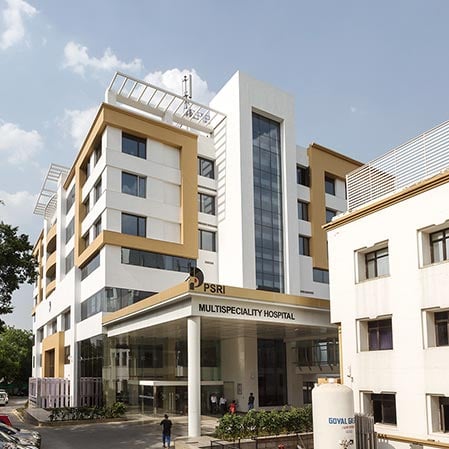
Hospitali ya PSRI, Delhi
Taasisi ya Utafiti ya Pushpawati Singhania (Hospitali ya PSRI), New Delhi, ni hospitali inayoongoza ya huduma ya juu ya elimu ya juu iliyoanzishwa mwa...
Vibali
Vifaa
Taratibu zinazofanana
Matunzio
Maswali
Mhakiki
Tazama Zote
Mwenyekiti & Mshauri Mwandamizi - Upandikizaji wa Ini
Dr. Vivek Vij ni daktari bingwa wa upasuaji wa kupandikiza ini na uzoefu wa zaidi ya miaka 15 katika uwanja huo. Kama Mwenyekiti wa Upandikizaji wa Ini na Sayansi ya Hepatobiliary katika Hospitali za ... Soma zaidi

Tovuti yetu hutumia kuki. Sera ya faragha.