
Kupandikiza Figo Gharama katika India
Kuhusu Kupandikiza Figo
Upandikizaji wa Figo ni Nini?
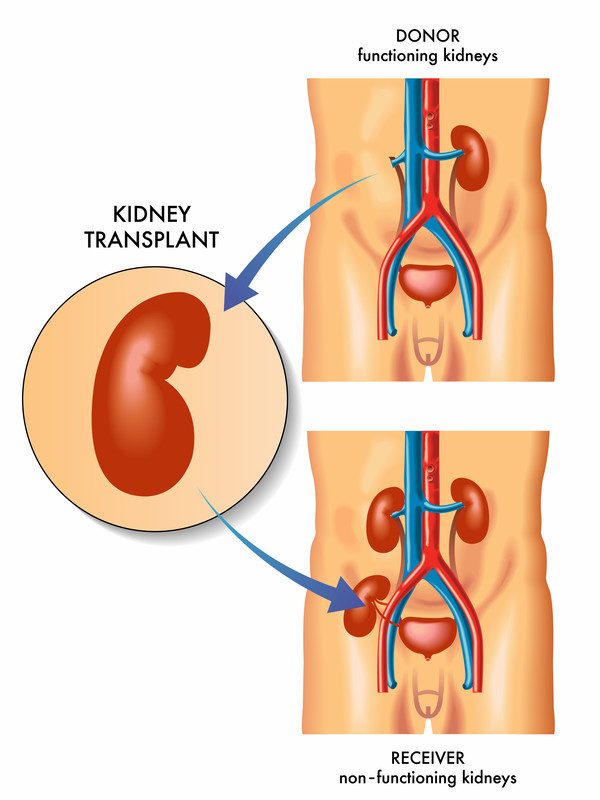
Upandikizaji wa figo ni utaratibu wa upasuaji wa kuokoa maisha unaotumiwa kutibu wagonjwa wenye kushindwa kwa figo au mwishoweugonjwa wa figo suguwakati figo zao haziwezi kuchuja taka na maji kutoka kwa damu kwa ufanisi. Badala ya kutegemea dialysis ya muda mrefu, mgonjwa hupokea afigo yenye afya kutoka kwa wafadhili, ambayo hupandikizwa kwa upasuaji ndani ya mwili wao ili kuchukua kazi za figo iliyo na ugonjwa.
Figo ya wafadhili inaweza kutoka kwa ahai wafadhili(mwanafamilia au jamaa wa karibu) au amfadhili aliyekufa(mtu ambaye amekubali kuchangia chombo baada ya kifo). Figo moja tu inayofanya kazi kwa ujumla inatosha kwa maisha yenye afya, hivyo kufanya utoaji wa figo kuwa chaguo zuri bila kudhuru afya ya muda mrefu ya mtoaji.
Kupandikiza Figo Kunahitajika Wakati Gani?
Kupandikizwa kwa figo kunapendekezwa wakati figo zote mbili zimepoteazaidi ya 85% hadi 90% ya kazi zao, na mtu huyo ameingiaugonjwa wa figo wa hatua ya mwisho (ESRD)- hatua ya mwisho ya ugonjwa sugu wa figo (CKD). Katika hatua hii, figo haziwezi tena kuchuja damu kwa ufanisi, kuondoa taka, au kudhibiti usawa wa maji na electrolyte, na kusababisha mkusanyiko wa sumu katika mwili.
Wagonjwa wengi katika hatua hii huwekwa hapo awalidialysis, ambayo hufanya kama figo ya bandia. Hata hivyo, dialysis inachukua muda, mara nyingi huhitaji kutembelea hospitali au kliniki mara kadhaa kwa wiki, na baada ya muda, inaweza kuathiri afya na ubora wa maisha ya mgonjwa.
Kupandikiza figo ni muhimu katika hali zifuatazo:
- Mgonjwa anapata uzoefumatatizo ya mara kwa mara kutoka kwa dialysis, kama vile maambukizo, kuyumba kwa shinikizo la damu, au kushindwa kupata mishipa.
- Vipimo vya damu vinaonyeshakuzorota kwa kasi kwa kazi ya figo(kawaida GFR chini ya 15 ml / min).
- Kuna dalili zamaji kupita kiasi, upungufu wa damu, ugonjwa wa mifupa, au dalili nyingine zinazohusiana na utendaji mbaya wa figo ambazo nihaidhibitiwikwa dialysis au dawa.
- Mgonjwa anataka kuepuka amaisha ya dialysisna inachukuliwa kuwa tayari kimwili na kihisia kwa upandikizaji.
Katika baadhi ya matukio,upandikizaji wa mapemainazingatiwa, pale mgonjwa anapopandikizwa kabla ya kuanza dayalisisi, mradi mtoaji anayefaa anapatikana. Chaguo hili mara nyingi hutoa matokeo bora, ikiwa ni pamoja na kuishi kwa muda mrefu na kuboresha ubora wa maisha.
Magonjwa ya kawaida ambayo yanaweza kusababisha kushindwa kwa figo ni pamoja na:
- Aina ya 1 na Aina ya 2 ya Kisukari (nephropathy ya kisukari)
- Shinikizo la damu (shinikizo la damu)
- Ugonjwa wa figo wa polycystic (hali ya maumbile)
- Glomerulonephritis ya muda mrefu
- Maambukizi ya figo ya mara kwa mara au vikwazo
Kwa Nini Kupandikiza Ni Bora Kuliko Dialysis ya Muda Mrefu
Ingawa dayalisisi inaweza kumuweka mgonjwa hai kwa kuondoa uchafu kutoka kwa damu, inakuja na mapungufu makubwa ya maisha na hatari za kiafya za muda mrefu. Uhamisho wa figo uliofanikiwa:
- Inaboresha umri wa kuishi
- Huongeza ubora wa maisha
- Hutoa uhuru kutoka kwa vikao vya kawaida vya dialysis
- Huruhusu wagonjwa kurudi kazini au shughuli za kawaida za kila siku
Wagonjwa wengi wanaopandikizwa figo hufurahia maisha ya karibu ya kawaida na figo mpya inayofanya kazi ambayo inaweza kudumu miaka 10-20 au zaidi, hasa kwa utunzaji sahihi wa matibabu na ufuatiliaji.
Ni Nani Anayestahiki Kupandikizwa Figo?
Sio wagonjwa wote wenye kushindwa kwa figo wanaostahili kupandikizwa. Ustahiki wa upandikizaji wa figo unategemea anuwai ya mambo ya matibabu, kisaikolojia, na vifaa. Lengo ni kuhakikisha kwamba mpokeaji na wafadhili (ikiwa wanaishi) wana afya ya kutosha kwa ajili ya upasuaji na kwamba upandikizaji una nafasi nzuri zaidi ya kufaulu kwa muda mrefu.
Vigezo Muhimu vya Kustahiki kwa Mpokeaji:
- Utambuzi uliothibitishwa wa ESRD: Mgonjwa lazima awe na ugonjwa wa mwisho wa figo (ESRD), kwa kawaida hufafanuliwa kama kiwango cha uchujaji wa glomerular cha chini ya 15 mL/min.
- Umri na Usawa wa Kimwili: Ingawa hakuna kikomo cha umri kilichowekwa, vituo vingi vya upandikizaji vinapendelea wagonjwa walio chini ya miaka 70 ambao vinginevyo wako katika afya nzuri ya kimwili. Wagonjwa wazee bado wanaweza kustahiki ikiwa wako sawa kimwili na hawana sababu kubwa za hatari.
- Kutokuwepo kwa Maambukizi yasiyodhibitiwa au Saratani Inayotumika: Wagonjwa wanapaswa kuwa huru kutokana na kifua kikuu, homa ya ini, au saratani. Ikiwa hapo awali walitibiwa kwa saratani, kipindi kisicho na ugonjwa kinaweza kuhitajika.
- Afya ya Moyo na Mapafu: Mfumo thabiti wa moyo na mishipa ni muhimu kwa kuwa upasuaji unahusisha ganzi na unaweza kusisitiza moyo na mapafu.
- Kujitolea kwa Utunzaji Baada ya Kupandikiza: Wagonjwa lazima wawe na akili timamu na kujitolea kutumia dawa za kila siku za kupunguza kinga, na lazima wahudhurie ziara za mara kwa mara za ufuatiliaji.
- Hakuna Matumizi Mabaya ya Dawa: Utumiaji kikamilifu wa pombe, dawa za kulevya, au tumbaku unaweza kuchelewesha au kutostahiki kupandikiza kwa sababu ya hatari zinazowezekana kwa utunzaji wa baada ya upasuaji.
Kwa Vipandikizi vya Wafadhili Hai:
- Mfadhili lazima awe katiUmri wa miaka 18 na 65, mwenye uwezo wa kiakili, na yuko tayari kuchangia kwa hiari.
- Wafadhili lazima wapitie tathmini za kina ili kuhakikisha kuwa wamewezafigo mbili zenye afyanahakuna hali ya matibabukama vile kisukari, shinikizo la damu, au ugonjwa wa figo wenyewe.
- Nchini India, wafadhili wanaoishi lazima wawe ajamaa wa karibu(wazazi, ndugu, mwenzi, au watoto) kulingana na Sheria ya Upandikizaji wa Viungo vya Binadamu (THOA). Wafadhili wasiohusiana wanahitaji vibali maalum vya kimaadili na kisheria.
Je! ni aina gani tofauti za Taratibu za Kupandikiza Figo?
Kupandikiza figo si upasuaji wa ukubwa mmoja. Aina ya utaratibu wa kupandikiza inategemea hasa chanzo cha figo ya wafadhili, uharaka wa kupandikiza, na hali ya matibabu ya mpokeaji.
Upandikizaji wa Figo wa Wafadhili Hai
Ni aina ya kawaida na inayopendekezwa zaidi ya kupandikiza, haswa katika nchi kama India. Katika utaratibu huu, mtu mwenye afya (kawaida mwanachama wa familia) hutoa moja ya figo zao kwa mgonjwa. Kwa kuwa figo moja tu yenye afya inahitajika kwa ajili ya kuishi, uchangiaji hai ni salama na unafaa sana.
Kuna aina mbili ndogo:
- Upandikizaji wa Wafadhili Wanaoishi: Mfadhili ni ndugu wa karibu wa damu, kama vile mzazi au mtoto. Kawaida husababisha utangamano bora na uwezekano mdogo wa kukataliwa.
- Upandikizaji wa Wafadhili Hai Isiyohusiana: Mfadhili hana uhusiano wa kibayolojia lakini anaweza kuwa ameunganishwa kihisia (k.m., mke au mume au rafiki). Uidhinishaji wa kisheria na kimaadili ni wa lazima katika kesi kama hizo chini ya sheria za India.
Faida:
- Muda mfupi wa kusubiri
- Mchanganyiko bora wa viungo
- Kiwango cha juu cha mafanikio ya muda mrefu
Aliyekufa Mfadhili (Cadaveric) Kupandikizwa Figo
Katika upandikizaji wa figo wa wafadhili aliyekufa, figo hutolewa kutoka kwa mtoaji aliyekufa kwenye ubongo ambaye hapo awali alikubali kuchangia kiungo au ambaye familia yake iliidhinisha mchango huo. Upandikizaji wa wafadhili waliokufa si wa kawaida nchini India kutokana na viwango vya chini vya uchangiaji wa viungo, lakini ufahamu unaboreka.
Mpokeaji kwa kawaida huwekwa kwenye orodha ya kusubiri, na upandikizaji unafanywa wakati chombo kinachoendana kinapatikana.
Faida:
- Inafaa kwa wagonjwa ambao hawana wafadhili hai
- Hupanua ufikiaji wa upandikizaji kwa watu wengi zaidi
Hasara:
- Muda mrefu zaidi wa kusubiri
- Viwango vya chini vya kuishi ikilinganishwa na figo za wafadhili hai
Upandikizaji wa Figo Usiopatana na ABO
Kijadi, upandikizaji wa figo ulihitaji mtoaji na mpokeaji kuwa na makundi ya damu yanayolingana. Hata hivyo, pamoja na maendeleo katika tiba ya kukandamiza kinga na plasmapheresis (mchakato unaoondoa kingamwili kutoka kwa damu), sasa inawezekana kufanya upandikizaji usiopatana na ABO.
Inafaida wakati mtoaji aliye hai aliye tayari hawiani na kundi la damu. Mgonjwa hupata matibabu maalum kabla ya kupandikiza ili kupunguza hatari ya kukataliwa.
Mazingatio:
- Gharama ya juu kidogo kutokana na matibabu ya ziada kabla ya kupandikiza
- Kuongezeka kwa hatari ya matatizo, ingawa viwango vya mafanikio vimeongezeka kwa kiasi kikubwa
Upandikizaji wa Figo Kabla
Ni upandikizaji makini unaofanywa kabla ya mgonjwa kuanza dayalisisi. Ni bora kwa watu walio na ugonjwa sugu wa figo na wafadhili walio tayari. Utafiti unaonyesha kuwa upandikizaji wa mapema husababisha:
- Utendaji bora wa figo wa muda mrefu
- Viwango vya chini vya matatizo
- Kuboresha ubora wa maisha
Sio wagonjwa wote wanaohitimu, lakini kwa wale wanaostahili, inachukuliwa kuwa kiwango cha dhahabu cha huduma.
Pata mpango wa matibabu ya bure
Kuhusu Kupandikiza Figo katika India
How Is a Kidney Transplant Done in India?
India has become a global destination for kidney transplant surgery, thanks to its advanced medical infrastructure, skilled transplant teams, and personalized care. Below is a clear step-by-step overview of how a kidney transplant is typically performed in Indian hospitals.
Step 1: Pre-Transplant Evaluation
Before undergoing a transplant, both the recipient and donor (if living) undergo comprehensive medical evaluations. These include:
- Blood tests (ABO and HLA typing)
- Imaging studies (ultrasound, CT scan, chest X-ray)
- Cardiac and respiratory assessments
- Psychological and counseling sessions
It ensures both are medically fit and that the recipient's immune system will accept the donor organ.
Step 2: Donor Matching and Legal Clearance
If a living donor is involved, blood group and tissue compatibility are checked. For unrelated donors, special approvals are required through an Authorization Committee under Indian transplant laws.
For deceased donor transplants, the patient must register with a government-regulated waiting list, and matching is done based on urgency and compatibility.
Step 3: Admission and Pre-Surgery Preparation
Once the transplant is cleared, both donor and recipient are admitted to the hospital 1–2 days prior. Medical staff prepare the recipient's body by adjusting medications and conducting final checks. Consent forms are reviewed, and immunosuppressive therapy may be initiated before surgery.
Step 4: Transplant Surgery
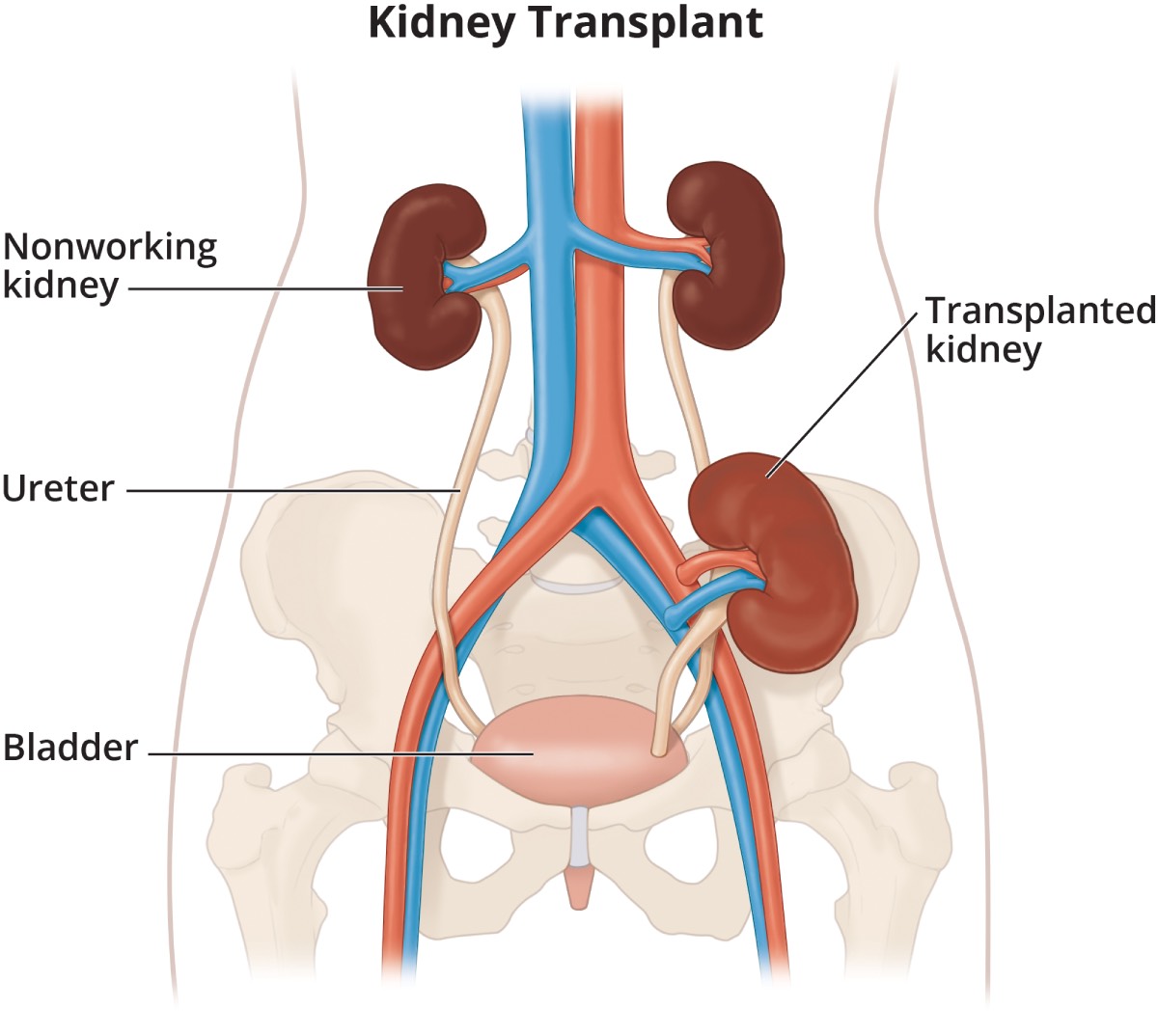
The surgery is a little bit long and takes 3 to 4 hours. It is typically performed under general anesthesia. The donated kidney is placed in the lower abdomen (not the original kidney location), and the blood vessels and ureter are connected to allow proper blood flow and urine output.
- In living donor transplants, the donor kidney is removed laparoscopically or via a small incision.
- The old kidneys are usually not removed unless there is chronic infection or complications.
Step 5: Post-Operative Recovery
After surgery, the recipient is moved to a high-dependency unit or ICU for monitoring. Most KT patients stay in the hospital for 7 to 10 days. The donor is discharged in 3 to 5 days, depending on their recovery.
Immunosuppressive medications begin immediately to prevent organ rejection. Patients receive:
- Infection control treatment
- Pain management
- Nutritional guidance
- Fluid and electrolyte monitoring
Use of Advanced Immunosuppressants and Techniques in India
Indian transplant hospitals use the latest-generation immunosuppressants such as tacrolimus, mycophenolate mofetil, and biologics (like basiliximab or thymoglobulin) that reduce rejection risks without weakening the immune system too much.
Additionally, many Indian centers adopt:
- Minimally invasive laparoscopic donor nephrectomy to reduce donor recovery time
- Plasmapheresis and desensitization for ABO-incompatible transplants
- Real-time ultrasound and Doppler guidance for accurate vascular anastomosis
- Electronic medication monitoring systems for post-transplant adherence
What is the Cost of a Kidney Transplant in India?
The cost of a kidney transplant in India is more affordable compared to many Western and Middle Eastern countries, making it a preferred destination for overseas patients. On average, the cost of a kidney transplant in India ranges from ₹6,00,000 to ₹10,00,000, which is approximately $7,000 to $12,000.
Kidney Transplant Cost Breakdown in India
Component | Estimated Cost (INR) | Estimated Cost (USD) | Description |
| Initial Consultation and Evaluation | ₹50,000 – ₹1,00,000 | $600 – $1,200 | Includes nephrologist and transplant surgeon consultation, blood tests, and imaging. |
| Donor Compatibility and Testing | ₹70,000 – ₹1,20,000 | $850 – $1,400 | Covers HLA typing, cross-matching, and full donor workup. |
| Surgical Procedure | ₹2,00,000 – ₹3,50,000 | $2,400 – $4,200 | Includes surgery fees, anesthesia, OT charges, and donor operation if applicable. |
| Hospital Stay (10–14 days) | ₹1,00,000 – ₹2,00,000 | $1,200 – $2,400 | Covers standard ward or private room, ICU if required, and nursing care. |
| Post-Operative Medications | ₹50,000 – ₹1,50,000 | $600 – $1,800 | Includes immunosuppressants and infection-prevention drugs. |
| Follow-Up Visits and Monitoring | ₹30,000 – ₹80,000 | $350 – $950 | Includes regular check-ups, bloodwork, and drug-level monitoring. |
| Miscellaneous and Admin Costs | ₹20,000 – ₹50,000 | $240 – $600 | Legal documentation, diet planning, physiotherapy, and local logistics. |
It is an all-inclusive estimate for both the recipient and donor, making India one of the most affordable and transparent destinations for kidney transplant surgery worldwide.
What's Included in the Cost of a Kidney Transplant in India?
Most hospitals offer comprehensive transplant packages that typically include:
- Donor and recipient evaluation: Blood group matching, HLA typing, cross-matching, cardiac and kidney function tests, and imaging
- Legal documentation and authorization processing: Especially for unrelated or foreign donors
- Surgical procedures: Kidney harvesting (for living donors), transplant surgery, anesthesia, and surgical team charges
- Hospital stay: 7–10 days for the recipient and 3–5 days for the donor, including ICU and ward charges
- Post-surgery medications: Including immunosuppressants during the initial hospital stay
- Follow-up consultations: Post-discharge recovery supervision and lab monitoring during the first few weeks
Please note: Additional expenses may apply if there are complications, need for plasmapheresis, or long-term follow-up beyond the included stay.
Kidney Transplant Cost Comparison: India vs Other Countries
India provides world-class kidney transplant services at the most affordable rates globally. For patients from Africa, the Middle East, South Asia, and even developed nations, choosing India means accessing quality care, expert surgeons, and comprehensive treatment packages, all at one-fifth or less of the cost in other countries.
Country | Kidney Transplant Cost (Approx.) |
| India | $7,000 – $12,000 (₹6 – ₹10 lakh) |
| USA | $300,000 – $400,000 |
| UK | $70,000 – $100,000 |
| UAE | $40,000 – $70,000 |
| Thailand | $18,000 – $25,000 |
Why Is Kidney Transplant in India So Affordable?
There are several reasons why India can offer kidney transplant procedures at a fraction of the cost charged in countries like the USA, UK, or UAE, without compromising the standard of care:
- Lower operating and infrastructure costs in Indian hospitals
- Highly skilled surgeons are available at much lower fees than their Western counterparts
- Economic cost of medications, including immunosuppressants, produced locally
- Government-regulated healthcare pricing in many states and private hospitals
Kidney Transplant Costs Based on Patient Condition
The actual cost of a kidney transplant in India can vary based on several real-life clinical situations. These variations depend on the complexity of the case, the donor type, the need for desensitization, and the post-operative recovery duration. Below are some practical cost scenarios to help international patients understand what to expect.
- Standard Kidney Transplant with Living Related Donor: For patients undergoing a planned kidney transplant with a healthy, HLA-matched living donor (such as a sibling or parent), the total cost typically ranges from ₹6,00,000 to ₹7,00,000 (approximately $7,000 to $8,500). It includes evaluation, surgery, hospital stay, and essential medications.
- ABO-Incompatible Kidney Transplant: If the donor has an incompatible blood group, special procedures like plasmapheresis and immunoadsorption are required before transplant. It increases the overall cost from ₹8,00,000 to ₹10,00,000 (around $9,500 to $12,000). These transplants are becoming increasingly common in India due to advancements in immunosuppressive protocols.
- Kidney Transplant from a Deceased Donor: In case of a deceased donor (cadaveric transplant), additional registration, waiting period, and ICU monitoring may be needed. The cost usually falls within ₹6,50,000 to ₹8,50,000 ($7,500 to $10,000), depending on how long the recipient needs pre-transplant hospitalization.
- Pediatric Kidney Transplant: For children needing kidney transplantation, the cost can rise slightly due to the need for pediatric ICU care, specialized surgeons, and tailored drug regimens. On average, the price ranges from ₹7,00,000 to ₹9,00,000 (roughly $8,000 to $11,000).
- Complex Cases with Comorbidities: Patients with pre-existing conditions like diabetes, hypertension, or cardiac issues may need extra diagnostics and longer recovery time. In such cases, the total transplant cost may range from ₹10,00,000 to slightly higher ($12,000 or more), depending on the complexity.
What are the Factors Affecting Kidney Transplant Cost in India?
While India offers some of the most affordable kidney transplant packages in the world, the final cost can still vary from patient to patient. Several medical and logistical factors come into play, such as donor compatibility, hospital selection, recovery duration, and post-transplant care.
- Type of Donor (Living or Deceased): Transplants from living, related donors are generally more affordable and can be planned. Deceased donor transplants may require longer ICU stays and emergency logistics, raising overall costs.
- Donor-Recipient Compatibility: If the donor has an incompatible blood group or tissue mismatch, additional treatments like plasmapheresis or desensitization are needed. These procedures significantly increase the cost of the transplant.
- Hospital and City of Treatment: Top-tier transplant hospitals in metro cities like Hyderabad or Bangalore may charge more due to advanced infrastructure and higher service standards. However, they also offer better surgical outcomes and post-op care.
- Room Type and Length of Hospital Stay: Choosing a private deluxe room over a shared ward results in higher accommodation charges. Additionally, any complications that necessitate an extended stay in the ICU or inpatient care will be factored into the final bill.
- Medication and Immunosuppressant Costs: Initial post-transplant drugs are potent and expensive. The cost of lifelong immunosuppressive medication, particularly during the first 6–12 months, significantly contributes to the total expenditure.
- Patient's Overall Health and Comorbidities: Patients with diabetes, hypertension, or heart conditions may require additional tests, consultations, and a longer recovery time. These add to the diagnostic and monitoring costs.
- Legal and Regulatory Documentation: Foreign patients often require additional documentation and legal clearances for ethical donor evaluation and transplant approval, which can increase administrative expenses.
- Post-Transplant Monitoring and Complication Management: Unexpected complications, such as rejection or infection, may require ICU care, dialysis, or re-admission. It results in higher out-of-pocket costs beyond the standard package.
International Patient Services for Kidney Transplant in India
India is renowned not only for its affordable treatment but also for offering world-class support services specifically designed for international patients. These value-added services ensure that your kidney transplant journey is safe, smooth, and stress-free.
- Dedicated International Patient Coordinators: Most top hospitals in India have specialized teams that handle everything from visa letters to airport pickups. These coordinators act as your point of contact throughout the treatment process.
- Assistance with Medical Visa and Travel Arrangements: Hospitals often help in issuing medical invitation letters, scheduling embassy appointments, and guiding patients through the medical visa process. They also assist with booking affordable flights and local transfers.
- Language Translation Support: Professional interpreters are available in many Indian hospitals to assist patients from Arabic, French, Russian, Swahili, Bengali, and Spanish-speaking countries.
- Affordable Accommodation for Family Members: Hospitals often provide on-campus or nearby guest houses and partner hotels at discounted rates, making it easier for family members or attendants to stay comfortably during the recovery period.
- Pre-Arrival Medical Opinion: You can share your reports before traveling and receive a free treatment plan and cost estimate from a senior nephrologist.
- Post-Treatment Follow-up via Telemedicine: After discharge, many Indian hospitals offer online video consultations, prescription support, and ongoing monitoring through telehealth platforms.
Concierge Services for Local Support: Some hospitals provide services such as currency exchange, SIM card arrangement, medical interpreters, and city tours for family members, making the experience more patient-friendly.
Kupandikiza Figo kulinganisha gharama na nchi
Linganisha Kupandikiza Figo gharama katika nchi tofauti kufanya uamuzi sahihi juu ya matibabu yako.
| Nchi | Anuwai ya gharama (USD) | Akiba inayowezekana | Hatua |
|---|---|---|---|
IndiaSasaThamani bora | $7,000 - $12,000 | — | Pata nukuu |
Kumbuka: Gharama zinaweza kutofautiana kulingana na uchaguzi wa hospitali, aina ya chumba, huduma za ziada, na mahitaji ya matibabu ya mtu binafsi.
Hospitali zinazoongoza kwa Kupandikiza Figo katika India

BLK-Max Super Specialty Hospital, New Delhi
BLK-Max Super Specialty Hospital huko New Delhi ni mojawapo ya taasisi kuu za afya ya India, inayotoa vitanda 650, kumbi 22 za upasuaji za hali ya juu...
Vibali


Vifaa

Hospitali ya Maalum ya Max Smart Super, Saket, New Delhi
Max Smart Super Specialty Hospital, Saket, ni hospitali ya huduma ya juu ya vitanda 250 huko Delhi Kusini. Inatoa huduma ya juu ya matibabu na upasuaj...
Vibali
Vifaa
Hospitali ya PSRI, Delhi
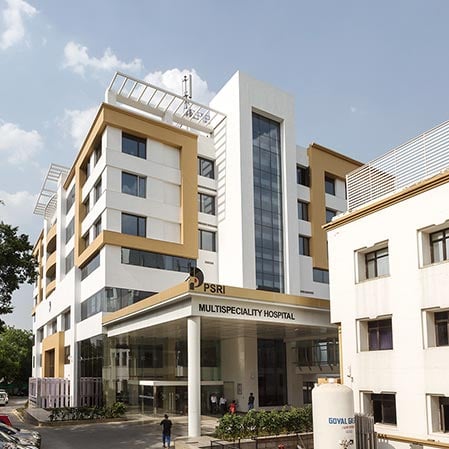
Taasisi ya Utafiti ya Pushpawati Singhania (Hospitali ya PSRI), New Delhi, ni hospitali inayoongoza ya huduma ya juu ya elimu ya juu iliyoanzishwa mwa...
Vibali
Vifaa
Taratibu zinazofanana
Matunzio
Maswali
Mhakiki
Tazama Zote
Mwenyekiti & Mshauri Mwandamizi - Upandikizaji wa Ini
Dr. Vivek Vij ni daktari bingwa wa upasuaji wa kupandikiza ini na uzoefu wa zaidi ya miaka 15 katika uwanja huo. Kama Mwenyekiti wa Upandikizaji wa Ini na Sayansi ya Hepatobiliary katika Hospitali za ... Soma zaidi

Tovuti yetu hutumia kuki. Sera ya faragha.