Chemotherapy vs Targeted Therapy: Which Is Better for Cancer Treatment in 2026?

25/2/2026, 1:17:01 PM 11 min read Medical Tourism
Chemotherapy vs Targeted Therapy: Which Is Better for Cancer Treatment in 2026?
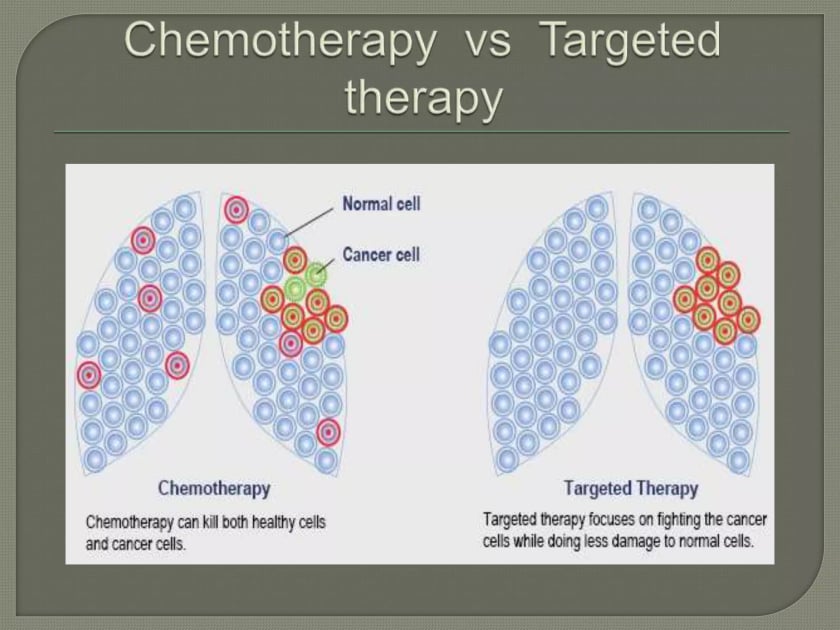
Hearing the word chemotherapy often brings fear. Many people imagine harsh side effects and long, exhausting months. That reaction feels natural. Cancer treatment has carried that image for decades.

Today, cancer care looks different. Treatment has moved from a flood approach to a precision approach. Chemotherapy works like a flood. It attacks rapidly dividing cells everywhere, including cancer cells. Targeted therapy works more like a guided missile. It targets specific weaknesses within cancer cells while sparing much of the healthy tissue.


That shift raises an important question. Is targeted therapy better than chemotherapy? Or does chemotherapy still play an important role?


The honest answer depends on your canceryour test results, and your treatment goals. Some cancers respond best to chemotherapy. Others benefit more from targeted therapy. In many cases, doctors use both together.


Understanding how these treatments differ helps you participate in decision-making rather than feel overwhelmed. The goal here is clarity, not comparison for the sake of choosing sides.


What Is Chemotherapy?

Chemotherapy uses powerful medicines to attack cancer cells. These medicines target rapidly dividing cells, a key feature of many cancers.


  • Because chemotherapy focuses on cell growth speed rather than cell type, it also affects some healthy cells. Hair follicles, the digestive lining, and bone marrow contain fast-growing cells, which explains common side effects such as hair loss, fatigue, and low blood counts.
  • Doctors still rely on chemotherapy because it works across many cancer types. For aggressive or widespread cancers, chemotherapy helps reduce tumor burden quickly. In many cases, it creates a strong foundation for further treatment.

Cancer care in 2026 looks very different from what it was in the past. Modern anti-nausea medicines, better infection control, and improved dosing strategies have made chemotherapy more manageable for most patients.


Many people complete treatment with better comfort and support than earlier generations experienced.


What Is Targeted Therapy?

Targeted therapy treats cancer more selectively. Instead of attacking all fast-growing cells, it targets specific features that enable cancer cells to survive and multiply.


  • Doctors usually begin with biomarker or genetic testing. These tests examine the tumor's DNA to identify abnormal signals that drive cancer growth. If a matching target exists, doctors choose a drug that blocks that signal.
  • Targeted therapies often act on proteins such as HER2 or EGFR. By blocking these pathways, the treatment slows or stops cancer growth while sparing many healthy cells.
  • Many targeted therapies come as pills or injections rather than infusions. It allows some patients to continue daily routines with fewer disruptions. However, targeted therapy only works when the tumor carries the right genetic change, which means not every patient qualifies.


How Does Chemotherapy Work Against Cancer Cells?

Chemotherapy works by attacking cancer cells based on how quickly they grow and divide.


  • Targets Rapid Cell Division: Chemotherapy drugs target fast-growing cells. Cancer cells divide more rapidly than most normal cells. This difference makes them vulnerable to chemotherapy.
  • Circulates Throughout the Body: Chemotherapy enters the bloodstream and travels to many parts of the body. This wide reach helps treat cancer cells that may have spread. Doctors use chemotherapy when cancer affects more than one location.
  • Affects Some Healthy Cells: Hair follicles, the digestive lining, and bone marrow also grow quickly. Chemotherapy may affect these cells during treatment. These effects explain hair loss, fatigue, and changes in appetite.
  • Reduces Cancer Burden Quickly: Chemotherapy reduces the number of cancer cells quickly. Rapid reduction helps control aggressive cancers. Doctors often use chemotherapy when rapid action is needed.

Chemotherapy may prepare the body for surgery, radiation, or targeted therapy. Reducing tumor size improves the effectiveness of later treatments.


How Does Targeted Therapy Work Against Cancer?

Targeted therapy works by blocking specific weaknesses inside cancer cells.


  • Acts on Specific Cancer Signals: Targeted therapy focuses on abnormal signals that drive cancer growth. These signals come from genetic changes inside tumor cells. Blocking them slows or stops cancer progression.
  • Requires Biomarker or Genetic Testing: Doctors test the tumor before choosing targeted therapy. Testing identifies whether the cancer has a treatable target. Without a target, the therapy cannot work.
  • Limits Damage to Healthy Cells: Targeted therapy primarily targets cancer-specific pathways. Most healthy cells remain unaffected. This selectivity often leads to fewer whole-body side effects.
  • Works as Long as the Target Remains Active: Targeted therapy controls cancer as long as the target signal remains active. Some tumors may change over time. Doctors monitor the response and adjust treatment if needed.
  • Allows More Flexible Daily Routines: Many targeted therapies come as pills or injections. Some patients continue working and daily activities. Treatment experience often feels less disruptive.


Chemotherapy vs Targeted Therapy: Key Differences

Both treatments fight cancer, but they do it in very different ways. Looking at them side by side helps the differences feel clearer and less overwhelming.


  • How the Treatment Works: Chemotherapy attacks all rapidly dividing cells. Targeted therapy focuses only on specific cancer-driving signals. One works broadly, the other works selectively.
  • Effect on Healthy Cells: Chemotherapy can affect hair, skin, and the digestive system. Targeted therapy usually spares most healthy cells. This difference explains why side effects feel different.
  • How Treatment Is Given: Chemotherapy often requires IV infusions in a clinic or hospital. Targeted therapy may come as pills or injections. The method of treatment affects daily routine.
  • Need for Special Testing: Chemotherapy does not require genetic testing to start. Targeted therapy depends on biomarker or genomic test results. Without a matching target, the drug cannot work.
  • Treatment Experience Over Time: Chemotherapy follows cycles with rest periods in between. Targeted therapy often continues as long as it controls the cancer. Duration depends on response and tolerance.
  • Who Can Receive the Treatment: Most cancer patients can receive chemotherapy if needed. Only selected patients qualify for targeted therapy. Eligibility depends on tumor biology, not preference.

No option works better for everyone. Doctors choose based on how the cancer behaves, not on which treatment sounds newer.


When Do Doctors Recommend Chemotherapy?

Doctors recommend chemotherapy when cancer needs strong and immediate control. Despite newer treatments, chemotherapy still plays a central role in cancer care.


  • Aggressive or Fast-Growing Cancers: Some cancers grow and spread quickly. Chemotherapy helps reduce cancer cells rapidly. Speed matters in these situations.
  • Cancers Without Targetable Mutations: Not all tumors carry genetic targets. When testing shows no actionable mutation, chemotherapy remains the most effective option.
  • Widespread or Advanced Disease: Chemotherapy travels throughout the body. This reach helps treat cancer that has spread beyond one location.
  • Preparing for Other Treatments: Doctors sometimes use chemotherapy before surgery or radiation. Shrinking the tumor can improve later treatment results.
  • Combination Treatment Plans: Chemotherapy may work alongside targeted therapy or immunotherapy. Doctors combine treatments when they improve control and long-term outcomes.


When Is Targeted Therapy Preferred?

Doctors prefer targeted therapy when cancer shows a clear weakness that treatment can exploit. The decision depends on biology, not on how modern the drug sounds.


  • Presence of a Targetable Mutation: Targeted therapy works only when the tumor carries a specific genetic change. Doctors confirm this through biomarker or genomic testing. Without a matching target, the treatment offers no benefit.
  • Cancers Driven by Specific Growth Signals: Some cancers rely heavily on one abnormal signal to survive. Blocking that signal can effectively slow or stop cancer growth. In such cases, targeted therapy makes strong sense.
  • Patients Needing a More Selective Approach: Targeted therapy may suit patients who cannot tolerate broad treatments well. The selective action often causes fewer whole-body effects.
  • Long-Term Disease Control: Doctors often use targeted therapy when cancer needs ongoing control rather than rapid shrinkage. Many patients stay on treatment as long as it continues to work.
  • Clear Monitoring Strategy: Targeted therapy enables doctors to monitor response closely. If the cancer adapts or stops responding, doctors adjust the plan. Flexibility plays an important role here.

Targeted therapy does not replace chemotherapy for everyone. It works best when cancer biology supports it.


Can Chemotherapy and Targeted Therapy Be Used Together?

In many cases, doctors do not choose between chemotherapy and targeted therapy. They use both together as part of a planned strategy.


  • Combination Treatment Is Common: Chemotherapy may reduce tumor size quickly. Targeted therapy may then control remaining cancer cells. Using both can improve overall effectiveness.
  • Sequential Treatment Planning: Doctors sometimes start with chemotherapy and add targeted therapy later. In other cases, targeted therapy begins first. The sequence depends on cancer behaviour and response.
  • Antibody-Drug Conjugates (ADCs): The most exciting development in 2026 is 'Smart Chemo.' Formally known as Antibody-Drug Conjugates (ADCs), these treatments combine the raw power of chemotherapy with the precision of targeted therapy. The 'targeter' finds the cancer cell, and then drops the 'chemo' directly inside it. It's the best of both worlds: high impact on the tumor, low impact on you.
  • Reduced Impact on Healthy Cells: Because ADCs deliver chemotherapy directly to cancer cells, they limit exposure to healthy tissue. This approach aims to improve effectiveness while reducing side effects.

A Major Direction in 2026 Cancer Care: Combination strategies define modern oncology. Doctors focus on precision without losing the strength of traditional treatments. Using both treatments together does not necessarily mean stronger side effects. Careful planning keeps balance at the center of treatment decisions.


Why is Genetic Testing the Gatekeeper?

Targeted therapy is life-changing, but it's only an option if you have the right 'biological key.' Many patients come to our partner centers specifically for Next-Generation Sequencing (NGS). This high-level testing scans hundreds of genes simultaneously to determine whether a targeted drug or a clinical trial is a viable path for you.


How Do Side Effects Compare Between Chemotherapy and Targeted Therapy?

Side effects often shape how people feel about treatment. Understanding the differences helps set realistic expectations instead of unnecessary fear.


  • Chemotherapy Side Effects: Chemotherapy affects fast-growing cells, which explains many of its side effects. Hair loss, fatigue, low blood counts, and appetite changes remain common. Modern supportive medicines now control nausea and infection risk far better than in the past.
  • Targeted Therapy Side Effects: Targeted therapy causes fewer whole-body effects for many patients. Side effects often relate to the specific drug, such as skin rashes, blood pressure changes, or fatigue. These effects usually feel different rather than easier or harder.
  • Timing of Side Effects: Chemotherapy side effects often appear soon after each cycle. Targeted therapy side effects may develop gradually over time. Doctors monitor patterns closely for both treatments.
  • Severity and Management: Not everyone experiences severe side effects. Doctors adjust doses, add supportive care, or pause treatment when needed. Good management makes a big difference in daily comfort.

Side effects vary from person to person. Doctors focus on keeping treatment effective while protecting the quality of life.


How Do Recovery and Quality of Life Compare?

Recovery experience differs between chemotherapy and targeted therapy, and daily life often looks different during each treatment.


  • Daily Routine During Treatment: Chemotherapy usually requires planned clinic visits and rest days. Targeted therapy may allow more flexibility, especially when taken at home. Routine disruption varies by treatment type.
  • Energy Levels Over Time: Fatigue often peaks during chemotherapy cycles. Energy may fluctuate more gradually with targeted therapy. Both improve with time and proper support.
  • Ability to Work and Stay Active: Some patients continue work during treatment, especially with targeted therapy. Others need rest periods during chemotherapy. Doctors help patients adjust expectations safely.
  • Long-Term Tolerance: Chemotherapy often follows a defined number of cycles. Targeted therapy may continue longer if it controls the cancer well. Long-term tolerance depends on response and side effect control.

Quality of life remains a key factor in treatment planning. Doctors balance effectiveness with how treatment fits into daily living.


How Do Doctors Decide Which Treatment Is Better for You?

Doctors do not choose chemotherapy or targeted therapy based on trends. They choose based on how your cancer behaves and how your body may respond.


  • Type and Stage of Cancer: Some cancers respond strongly to chemotherapy, especially in advanced or aggressive stages. Other cancers depend on specific genetic signals and respond better to targeted therapy.
  • Results of Genetic or Biomarker Testing: Targeted therapy only works when testing finds a matching mutation. If testing shows no actionable target, chemotherapy often becomes the main option. Biology leads to the decision.
  • Speed of Cancer Growth: Fast-growing cancers may require immediate, broad control. Chemotherapy often provides a faster initial response. Slower-growing cancers may benefit from precision treatment.
  • Overall Health and Treatment Tolerance: Doctors consider age, organ function, and existing health conditions. Some patients tolerate chemotherapy well. Others benefit from a more selective approach.
  • Treatment Goals: Some treatments aim to shrink cancer quickly. Others focus on long-term control. Doctors align treatment choice with these goals.

The final decision is made by balancing effectiveness and safety. Clear discussion helps you understand why a specific option fits your situation.


What Should You Ask Your Doctor Before Choosing Chemotherapy or Targeted Therapy?

Asking the right questions helps you feel more confident and involved in treatment decisions. Some of the questions you should ask your doctor before choosing chemotherapy or targeted therapy are:


Has My Tumor Been Tested for Genetic Mutations?


Testing determines whether targeted therapy is even an option. Without this information, treatment choice remains incomplete.


Do I Qualify for Targeted Therapy?


Not every patient qualifies, even with the same cancer type. Eligibility depends on tumor biology, not treatment preference.


Would Chemotherapy Still Be Necessary?


Some patients need chemotherapy before or along with targeted therapy. Understanding sequencing helps set expectations.


What Side Effects Should I Expect Realistically?


Side effects vary widely. Knowing what is common and what is rare helps reduce anxiety.


How Will Treatment Affect Daily Life?


Work, travel, and routine matter. Asking about lifestyle impact helps with planning.


Takeaway

The choice between chemotherapy and targeted therapy does not come down to which option is "better" overall. It depends on what works best for your specific tumor biology. Cancer treatment in 2026 focuses on precision oncology, in which doctors match treatment to a tumor's genetic profile rather than a one-size-fits-all approach.


Chemotherapy continues to play an essential role, especially for aggressive or fast-growing cancers that need rapid control. Targeted therapy offers a more selective option when a tumor carries a specific genetic change that modern medicine can treat directly. In many cases, doctors combine both approaches to improve effectiveness while minimizing unnecessary harm to healthy cells.


One of the most important steps in treatment planning is understanding the cancer's genetic makeup. Tests such as Next-Generation Sequencing (NGS) help doctors identify the signals driving tumor growth. This information allows care teams to move away from generalized treatment plans and toward strategies that balance recovery with long-term quality of life.


At Qonaq, every patient deserves access to these precision breakthroughs, as they represent the most promising path toward long-term health and stability.

Related Hospitals

Discover hospitals and medical centers related to this topic for quality healthcare services.

MGM Healthcare, Chennai
PLATINUM
View Details

MGM Healthcare, Chennai

Chennai, India

MGM Healthcare, Chennai, is a 400-bed quaternary-care super-specialty hospital accredited by JCI, NABH, and NABL. The hospital features 100 ICU beds, ...

Multi-specialty
Established 2019
400 beds
Accreditations
National Accreditation Board for Hospitals & Healthcare Providers (NABH)
Joint Commission International (JCI)
Facilities
+13
Paras Hospital, Gurgaon
PLATINUM
View Details

Paras Hospital, Gurgaon

Gurgaon, India

Paras Hospital, Gurgaon, established in 2006, is a 300-bed NABH- and NABL-accredited tertiary care hospital offering over 36 super specialties. The ho...

Multi-specialty
Established 2006
300 beds
Accreditations
National Accreditation Board for Hospitals & Healthcare Providers (NABH)
Facilities
+13
Medanta - The Medicity Hospital, Gurgaon
PLATINUM
View Details

Medanta - The Medicity Hospital, Gurgaon

Gurgaon, India

Medanta – The Medicity in Gurgaon is one of India's largest and most advanced multi-speciality hospitals, founded in 2009 by world-renowned cardiac su...

Multi-specialty
Established 2009
1391 beds
Accreditations
Joint Commission International (JCI)
National Accreditation Board for Hospitals & Healthcare Providers (NABH)
Facilities
+13
BLK-Max Super Speciality Hospital, New Delhi
PLATINUM
View Details

BLK-Max Super Speciality Hospital, New Delhi

New Delhi, India

BLK-Max Super Speciality Hospital in New Delhi is one of India's premier healthcare institutions, offering 650 beds, 22 advanced operation theatres, a...

Multi-specialty
Established 1959
650 beds
Accreditations
Joint Commission International (JCI)
National Accreditation Board for Hospitals & Healthcare Providers (NABH)
Facilities
+13
Max Super Speciality Hospital, Saket, Delhi
PLATINUM
View Details

Max Super Speciality Hospital, Saket, Delhi

New Delhi, India

Max Super Speciality Hospital, Saket, New Delhi, is a leading JCI- and NABH-accredited hospital offering advanced medical care across 38+ specialities...

Multi-specialty
Established 2006
539 beds
Accreditations
Joint Commission International (JCI)
National Accreditation Board for Hospitals & Healthcare Providers (NABH)
International Organization for Standardization (ISO)
Facilities
+13
Fortis Memorial Research Institute (FMRI), Gurgaon
PLATINUM
View Details

Fortis Memorial Research Institute (FMRI), Gurgaon

Gurgaon, India

Fortis Memorial Research Institute (FMRI), Gurgaon, is a world-class multi-specialty hospital established in 2013. The hospital offers 330 beds, 15 op...

Multi-specialty
Established 2013
330 beds
Accreditations
Joint Commission International (JCI)
National Accreditation Board for Hospitals & Healthcare Providers (NABH)
Facilities
+13

Related Doctors

Connect with experienced doctors and medical specialists in this field.

Dr. Shishir Shetty

Dr. Shishir Shetty

Head of Department (HOD)

14 years of experience
View Details
Dr. Gopal Ramakrishnan

Dr. Gopal Ramakrishnan

Senior Consultant

40 years of experience
View Details
Dr. C N Patil

Dr. C N Patil

Head of Department (HOD)

20 years of experience
View Details
Dr. Aditya Murali

Dr. Aditya Murali

Consultant

15 years of experience
View Details
Dr. Vijay K Ahuja

Dr. Vijay K Ahuja

Senior Consultant

40 years of experience
View Details
Dr. M S Belliappa

Dr. M S Belliappa

Head of Department (HOD)

30 years of experience
View Details

Related Articles

Explore more articles and insights on similar health topics.
Back Pain or Something More? When Does a Spine Tumor Require Surgery?

Medical Tourism

Back Pain or Something More? When Does a Spine Tumor Require Surgery?

1/3/2026, 12:51:20 PM
9 min read
When a diagnosis involves the spine, the first question is almost always: 'Will I still be able to walk?' In 2026, spine tumor care has shifted from '...
How Long Can You Live After an Organ Transplant?
Medical Tourism

How Long Can You Live After an Organ Transplant?

1/3/2026, 12:19:15 PM
7 min read
When you are told you need a transplant, the first question that hits you is often the hardest to ask: How much time will this buy me?   Internet se...
Who Can Get an Organ Transplant in India? Eligibility Rules Explained
Medical Tourism

Who Can Get an Organ Transplant in India? Eligibility Rules Explained

1/3/2026, 12:00:36 PM
7 min read
Organ failure remains a growing global health challenge. Chronic kidney disease affects millions worldwide, and thousands of patients develop end-stag...
Bone Marrow Transplant vs CAR-T Cell Therapy: Which Is Better for Blood Cancer?
Medical Tourism

Bone Marrow Transplant vs CAR-T Cell Therapy: Which Is Better for Blood Cancer?

28/2/2026, 1:48:01 PM
9 min read
If you are fighting a blood cancer like leukemia or lymphoma, you have likely reached a crossroad. On one side is the Bone Marrow Transplant (BMT), a ...
Can You Survive Leukemia Without a Bone Marrow Transplant?
Medical Tourism

Can You Survive Leukemia Without a Bone Marrow Transplant?

28/2/2026, 1:27:24 PM
7 min read
Leukemia treatment often brings one major question. Is a bone marrow transplant always necessary for a cure? Many patients fear transplant because it ...
Is Bone Marrow Transplant Worth the Cost? A Financial and Medical Guide for International Patients in India

Medical Tourism

Is Bone Marrow Transplant Worth the Cost? A Financial and Medical Guide for International Patients in India

28/2/2026, 12:53:16 PM
7 min read
A bone marrow transplant can change the course of serious blood cancers and disorders. It can also demand a major financial and emotional commitment. ...
Dr. Deepanshu Siwach

Sr. Medical Writer

Sr. Medical Content Writer Qonaq Health and Wellness
Doctor of Pharmacy

Dr. Deepanshu Siwach is an experienced clinical pharmacist with a Doctor of Pharmacy degree. He has over 4 years of experience and has worked with thousands of patients. He has been associated with ... Read More

Our website uses cookies. By clicking on accept you give your consent to the use of cookies as per our Privacy Policy.