Epilepsy Surgery Explained: LITT, SEEG, RNS, VNS & DBS

10/6/2026, 8:20:55 AM 9 min read Medical Tourism
Epilepsy Surgery Explained: LITT, SEEG, RNS, VNS & DBS
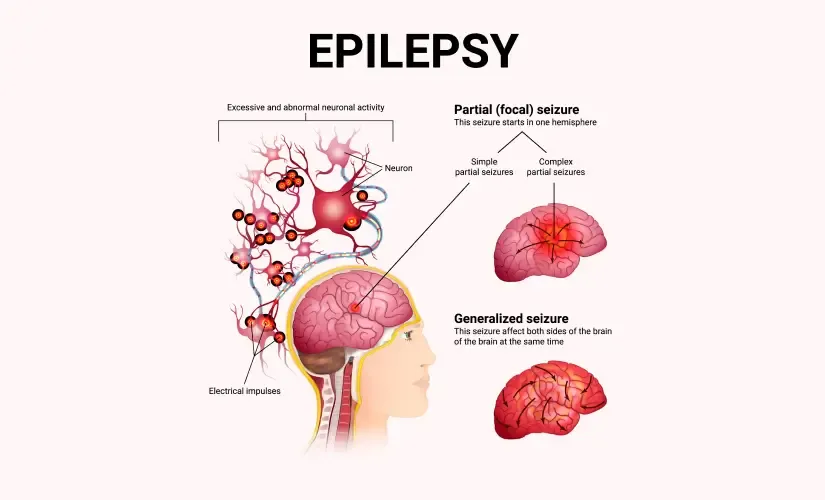
Around 50 million people worldwide live with epilepsy, according to the World Health Organisation. For most, antiseizure medications control the condition well enough to allow them to live a normal life. But for nearly one in three patients, the seizures keep coming regardless of how many drugs are tried.


This is called drug-resistant epilepsy (DRE), and the number of people living with it is larger than most patients realise. In the United States alone, an estimated 1.2 million adults have epilepsy that no medication adequately controls. Despite surgery being a well-established and effective treatment option for many of them, research shows that most eligible patients wait an average of more than 20 years before receiving a surgical evaluation.


That delay has consequences. A longer duration of epilepsy before surgery predicts less favourable outcomes. Every year of uncontrolled seizures carries risk of injury, cognitive decline, and sudden unexpected death in epilepsy (SUDEP).


What Is Drug-Resistant Epilepsy and Who Qualifies for Surgical Evaluation?

Drug-resistant epilepsy is defined as the failure of two appropriate, well-tolerated antiseizure medication trials, whether as monotherapy or in combination. Research shows that once two drugs have failed, the probability of achieving seizure freedom with a third medication falls to around 4%.


Any patient who meets this definition should be referred for surgical evaluation at a specialist epilepsy programme.


The evaluation does not mean surgery will follow. It means a specialist team will determine whether surgery is possible and, if so, which type offers the best chance of seizure freedom for that specific patient.


The pre-surgical evaluation team typically includes an epileptologist, neurosurgeon, neuropsychologist, neuroradiologist, and neurophysiologist. Together, they use a combination of tools to map the epileptogenic zone (the precise brain area generating seizures) and assess whether it can be safely treated.


Key evaluation tools include:


  • Long-term video EEG monitoring in an epilepsy monitoring unit (EMU) to record seizures and correlate them with brain electrical activity
  • High-resolution MRI with epilepsy-specific sequences to identify structural abnormalities such as hippocampal sclerosis, focal cortical dysplasia, or cavernous malformations
  • FDG-PET scan to identify areas of reduced glucose metabolism corresponding to the seizure focus
  • Neuropsychological testing to map cognitive functions and identify which hemisphere is dominant for language and memory


What Types of Epilepsy Surgery Are Available Today?

Epilepsy surgery now covers a wider range of procedures than most patients expect. The choice depends on the location of the seizure focus, its proximity to eloquent brain areas, and whether the goal is full seizure freedom or meaningful seizure reduction.


Resective Surgery: What Does It Involve and Who Is It For?

Resective surgery removes the brain tissue where seizures originate. It remains the most common type of epilepsy surgery and produces the highest rates of complete seizure freedom when the epileptogenic zone is clearly defined and safely accessible.


Temporal lobe resection, including selective amygdalohippocampectomy and anterior temporal lobectomy, is the most frequently performed resection. A research study published in Frontiers in Neurology involving 621 patients with hippocampal sclerosis found that 65% remained seizure-free after more than 20 years of follow-up. Temporal lobe resections in patients with hippocampal sclerosis achieve a success rate of at least 77% in specialist centres.

For frontal lobe and other extratemporal epilepsies, success rates are lower and more variable, but have improved significantly as surgical techniques and pre-surgical imaging have advanced.


What Is Laser Interstitial Thermal Therapy (LITT)?

Laser interstitial thermal therapy (LITT), also called laser ablation, delivers heat energy through a thin laser probe inserted through a small incision approximately the width of a pencil eraser. The laser ablates the epileptogenic zone under real-time MRI guidance, destroying the seizure-generating tissue without open craniotomy.


LITT is particularly suited to deep-seated targets such as mesial temporal structures, hypothalamic hamartomas, and periventricular nodular heterotopias that carry significant risk with open surgery. Most patients go home within one day of the procedure. Early data show that more than half of patients treated with LITT for mesial temporal sclerosis achieve seizure freedom, and a multicentre clinical trial is ongoing to assess long-term outcomes further.


Robotic platforms, including the ROSA ONE Brain system (Zimmer Biomet) and the Stealth Autoguide system (Medtronic), are used at specialist centres to place the laser probe with sub-millimetre accuracy via automated stereotaxy.


When Is Stereo-EEG (SEEG) Needed Before Surgery?

Stereo-EEG (SEEG) is a diagnostic procedure, not a treatment. It is used when non-invasive testing cannot precisely localise the epileptogenic zone. A neurosurgeon implants multiple thin electrode leads into the brain through small drill holes, guided by robotic assistance. The electrodes record seizure activity directly from the brain across multiple regions simultaneously, providing a three-dimensional map of where seizures start and how they spread.


SEEG has largely replaced subdural grid placement at major epilepsy centres worldwide because it reaches deep brain structures, carries a lower complication rate (approximately 1%), and causes less patient discomfort. The risk of SEEG at specialist centres is low, though bleeding and infection remain possible as with any intracranial procedure.

Once SEEG confirms the epileptogenic zone, the neurosurgical team determines whether resection, LITT, or a neuromodulation device is the appropriate next step.


What Are the Neuromodulation Options for Patients Who Cannot Have Resection?

Not every patient with drug-resistant epilepsy can undergo resective surgery. Patients with multifocal epilepsy, seizures arising from eloquent cortex, or seizures from two distinct brain areas may not be candidates for resection. For these patients, three FDA-approved neuromodulation devices offer meaningful seizure reduction.


  • Responsive Neurostimulation (RNS), developed by NeuroPace, uses a closed-loop system. An implanted neurostimulator sits in the skull and delivers targeted electrical stimulation automatically as soon as it detects abnormal brain activity, before the seizure fully develops. It also continuously records interictal and ictal electrocorticography (ECoG) data, providing the treating neurologist with a detailed log of seizure patterns that supports ongoing programming adjustments. RNS is effective for patients with one or two seizure foci, including those in eloquent cortex where resection would cause neurological deficit.
  • Vagus Nerve Stimulation (VNS) implants a small generator under the skin near the collarbone and connects it via a lead to the vagus nerve in the neck. The generator sends electrical pulses to the brain on a set schedule. VNS reduces seizure frequency by half or more in approximately 40% of patients at one year, with continued improvement over time. It does not require localisation of the seizure focus and is indicated for patients who are not candidates for any other surgical intervention.
  • Deep Brain Stimulation (DBS) targeting the anterior nucleus of the thalamus reduces seizure frequency by 41% to 56% at 1 to 2 years after surgery, with continued improvement at longer follow-up. Like VNS, DBS does not require precise focus localisation and suits patients with multifocal or generalised drug-resistant epilepsy.


What Outcomes Can Patients Expect After Epilepsy Surgery?

A 2025 systematic review and individual patient data meta-analysis pooling 5,588 patients across 385 studies found an overall seizure freedom rate of 64% across all types of epilepsy surgery. Temporal lobe epilepsy achieved the highest rates. Outcomes for extratemporal and non-lesional epilepsy are lower but continue to improve as SEEG-guided planning and minimally invasive techniques advance.


According to University of Chicago Medicine specialists, 60% to 70% of patients with drug-resistant focal epilepsy who undergo open resection become seizure-free. For temporal lobe epilepsy with hippocampal sclerosis, some centres report cure rates approaching 70% to 90% depending on patient selection.


Outcomes are graded using the Engel Classification Scale, which runs from Class I (seizure-free or near seizure-free) through Class IV (no worthwhile improvement). The goal of evaluation is to identify epilepsy patients most likely to achieve Engel Class I outcomes while minimising risk.


Surgical outcomes are worst for patients who wait the longest. A longer duration of drug-resistant epilepsy before surgery predicts less favourable results. Referral as soon as possible after two drug failures produces measurably better long-term outcomes than waiting until the patient has tried five or six medications over many years.


How Do International Patients Access Epilepsy Surgery Abroad?

Epilepsy surgery requires a specialist multidisciplinary team, an epilepsy monitoring unit, advanced neuroimaging, and access to intraoperative technologies such as robotic SEEG and intraoperative MRI for LITT. Very few hospitals in any country provide all of these at the required level.


For patients in countries where these capabilities are unavailable, or waiting lists make early surgery impossible, accredited international centres offer a viable alternative. Pre-surgical costs in the United States typically run to USD 50,000 to USD 100,000 or more when imaging, monitoring, SEEG, and surgery are combined. Comparable programs at JCI-accredited centres in India, Thailand, and European countries cost significantly less.


International patients pursuing surgical evaluation abroad should confirm:


  • The centre operates a dedicated epilepsy monitoring unit with long-term video EEG capability
  • A fellowship-trained epileptologist leads the pre-surgical evaluation team
  • SEEG with robotic assistance is available for patients who need invasive monitoring
  • LITT is available as a minimally invasive alternative to open resection where appropriate
  • RNS, VNS, and DBS are available for patients who are not resection candidates
  • The centre provides a detailed written surgical and post-operative plan that the patient's local neurologist can continue managing after discharge


What Should Patients Ask Before Choosing an Epilepsy Surgery Centre?

Choosing the right centre matters as much as choosing the right country. Patients should ask the following questions before committing to any facility:


  1. How many epilepsy surgeries does the centre perform each year, and what proportion are resections versus neuromodulation procedures?
  2. Does the centre use the ILAE definition of drug-resistant epilepsy for referral decisions, or does it require patients to fail more than two medications before initiating evaluation?
  3. Which imaging modalities are included in the pre-surgical protocol: high-resolution MRI with epilepsy sequences, FDG-PET, ictal SPECT, and magnetoencephalography (MEG)?
  4. Is robotic SEEG available, and which platform does the centre use?
  5. Does the centre offer LITT for mesial temporal targets, and what is its volume and outcomes data for this procedure?
  6. How are post-surgical antiseizure medications managed, and does the centre provide a discharge plan for the patient's local neurologist to follow?


Conclusion

Drug-resistant epilepsy does not plateau. Every year of uncontrolled seizures adds to cumulative cognitive burden, increases the risk of SUDEP, and narrows the window for the best possible surgical outcome.


Epilepsy surgery is not experimental. It has been performed since the 1940s. The technology available today, from robotic SEEG to real-time MRI-guided laser ablation to closed-loop responsive neurostimulation, makes surgery accessible to patients who had no options a decade ago.


The evaluation itself carries no commitment to operate. But understanding whether surgery is possible, and what type, is information every drug-resistant epilepsy patient deserves to have as early as possible.


Take the Next Step

A surgical evaluation at a specialist epilepsy programme does not mean agreeing to surgery. It means getting a complete picture of what is possible.


For patients who have failed two antiseizure medications and are still having seizures, the question is not whether to seek evaluation. The question is only how soon. Fill this form to connect with our patient coordinator and get your reports reviewed at the earliest. 


Disclaimer: This article provides general educational information about epilepsy surgery options. It does not constitute medical advice and must not replace a consultation with a qualified epileptologist or neurosurgeon. Individual outcomes vary based on epilepsy type, seizure focus location, duration of drug resistance, age, and other clinical factors. Patients should consult their treating neurologist before making any decisions about surgical evaluation or treatment.

Related Hospitals

Discover hospitals and medical centers related to this topic for quality healthcare services.
Medical Park Bahcelievler Hospital
Platinum
View Details

Medical Park Bahcelievler Hospital

Istanbul, Turkey

Medical Park Bahcelievler Hospital is a 242-bed JCI-accredited hospital in Istanbul, established in 2007. Spread across 33,000 square meters and 19 fl...

Multi-specialty
Established 2007
242 beds
Accreditations
Joint Commission International (JCI)
Facilities
+13
BLK-Max Super Speciality Hospital, New Delhi
Platinum
View Details

BLK-Max Super Speciality Hospital, New Delhi

New Delhi, India

BLK-Max Super Speciality Hospital in New Delhi is one of India's premier healthcare institutions, offering 650 beds, 22 advanced operation theatres, a...

Multi-specialty
Established 1959
650 beds
Accreditations
Joint Commission International (JCI)
National Accreditation Board for Hospitals & Healthcare Providers (NABH)
Facilities
+13
Fortis Memorial Research Institute (FMRI), Gurgaon
Platinum
View Details

Fortis Memorial Research Institute (FMRI), Gurgaon

Gurgaon, India

Fortis Memorial Research Institute (FMRI), Gurgaon, is a world-class multi-specialty hospital established in 2013. The hospital offers 330 beds, 15 op...

Multi-specialty
Established 2013
330 beds
Accreditations
Joint Commission International (JCI)
National Accreditation Board for Hospitals & Healthcare Providers (NABH)
Facilities
+13
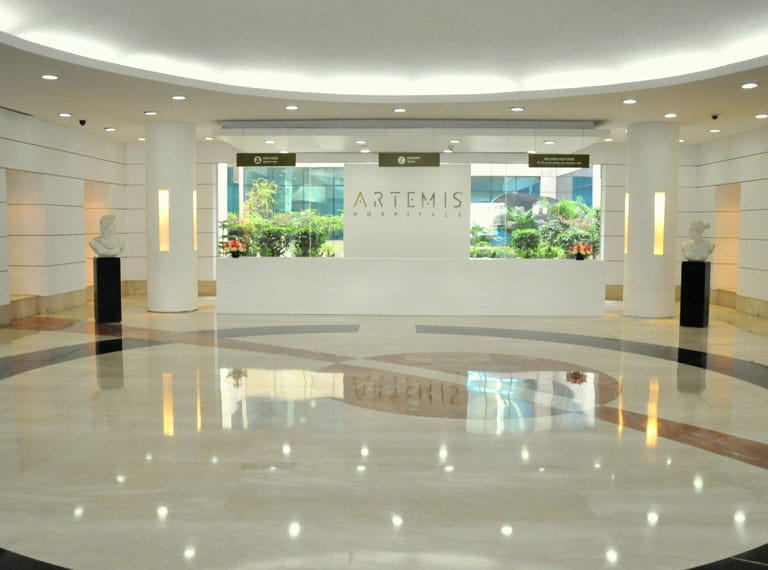
Artemis Hospital, Gurgaon
Platinum
View Details

Artemis Hospital, Gurgaon

Gurgaon, India

Artemis Hospital, Gurgaon, is a JCI accredited multispecialty hospital that was established in 2007. It offers 750+ beds and world -class infrastructu...

Multi-specialty
Established 2007
750 beds
Accreditations
Joint Commission International (JCI)
National Accreditation Board for Hospitals & Healthcare Providers (NABH)
International Organization for Standardization (ISO)
Facilities
+13
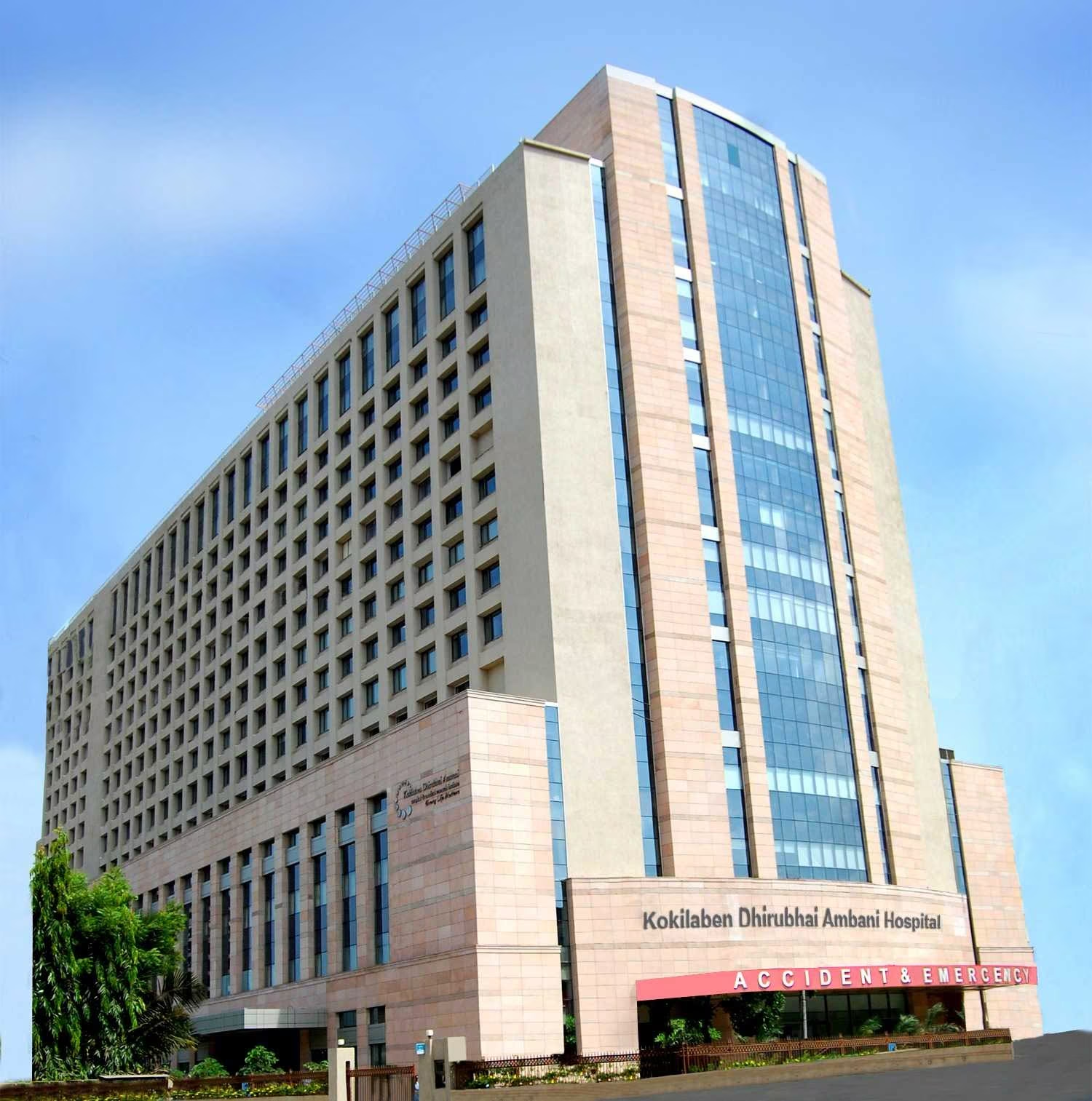
Kokilaben Dhirubhai Ambani Hospital, Mumbai
Platinum
View Details

Kokilaben Dhirubhai Ambani Hospital, Mumbai

Mumbai, India

Kokilaben Dhirubhai Ambani Hospital, Mumbai, is a JCI, NABH, NABL, and CAP-accredited quaternary care hospital established in 2009. With 750 beds, 180...

Multi-specialty
Established 2009
750 beds
Accreditations
Joint Commission International (JCI)
National Accreditation Board for Hospitals & Healthcare Providers (NABH)
International Organization for Standardization (ISO)
Facilities
+13
Medicover Hospitals, Hitech City, Hyderabad
Platinum
View Details

Medicover Hospitals, Hitech City, Hyderabad

Hyderabad, India

Medicover Hospitals, Hitech City, Hyderabad, is a 400-bed NABH-accredited super-specialty hospital established in 2011. It is part of Medicover, a glo...

Multi-specialty
Established 2011
400 beds
Accreditations
National Accreditation Board for Hospitals & Healthcare Providers (NABH)
Joint Commission International (JCI)
Facilities
+13

Related Doctors

Connect with experienced doctors and medical specialists in this field.
 Dr. Sandesh Nanisetty

Dr. Sandesh Nanisetty

Consultant

11 years of experience
View Details
Dr. Murthy JMK

Dr. Murthy JMK

Senior Consultant

52 years of experience
View Details
Dr. Prof. Umesh T

Dr. Prof. Umesh T

Director

36 years of experience
View Details
Dr. Dibendu Kr. Ray

Dr. Dibendu Kr. Ray

Consultant

20 years of experience
View Details
Dr. Sreejith M.D.

Dr. Sreejith M.D.

Consultant

7 years of experience
View Details
Dr. Sonu Kurian

Dr. Sonu Kurian

Consultant

8 years of experience
View Details

Related Articles

Explore more articles and insights on similar health topics.
Tummy Tuck Surgery in India: Cost, Recovery, Techniques, and Results
Medical Tourism

Tummy Tuck Surgery in India: Cost, Recovery, Techniques, and Results

11/6/2026, 7:02:43 AM
9 min read
There is a specific kind of frustration that brings people to a tummy tuck consultation. They have done the work. The weight is gone, or the pregnanci...
Breast Reconstruction After Breast Cancer Surgery
Medical Tourism

Breast Reconstruction After Breast Cancer Surgery

11/6/2026, 6:14:49 AM
11 min read
The conversation about breast reconstruction usually happens at the worst possible moment. A woman has just been told she needs a mastectomy. She is p...
Rhinoplasty in India: Cost, New Techniques, and Recovery

Medical Tourism

Rhinoplasty in India: Cost, New Techniques, and Recovery

11/6/2026, 5:58:34 AM
10 min read
Of all the cosmetic procedures patients travel abroad for, rhinoplasty is the one with the highest stakes and the smallest margin for error. The nose ...
Why IVF Fails: Common Causes and What to Do Next
Medical Tourism

Why IVF Fails: Common Causes and What to Do Next

10/6/2026, 8:51:09 PM
13 min read
A failed IVF cycle is a particular kind of grief. Unlike other fertility losses, it arrives after weeks of injections, monitoring appointments, early ...
IVF vs IUI: Differences, Success Rates, Costs, and Which Treatment Is Right for You

Medical Tourism

IVF vs IUI: Differences, Success Rates, Costs, and Which Treatment Is Right for You

10/6/2026, 8:35:36 PM
10 min read
Nobody arrives at a fertility clinic hoping to need IVF. Most couples start with the quieter hope that something simpler will work. IUI feels more app...
Egg Freezing Abroad: Best Countries, Costs, and What to Expect

Medical Tourism

Egg Freezing Abroad: Best Countries, Costs, and What to Expect

10/6/2026, 8:23:16 PM
10 min read
The question most women arrive with is simple enough: is it too late? They are usually 33, or 36, or 38. They have a demanding job, or the right perso...
Nadeem Malik

Medical Writer

Medical Representative Shield Healthcare Pvt. Ltd
B-Pharm

Nadeem Malik is a dedicated medical writer with a strong academic background in pharmacy. He holds a Bachelor of Pharmacy (B.Pharm) degree from Teerthanker Mahaveer University, Moradabad, and has over... Read More

Our website uses cookies. By clicking on accept you give your consent to the use of cookies as per our Privacy Policy.