
How Deep Brain Stimulation Helps Parkinson's Disease Patients
Parkinson's disease affects more than 10,000,000 people worldwide, according to the Parkinson's Foundation. For most of them, medication works well in the early years. Then, usually somewhere between five and ten years after diagnosis, the drugs start losing their edge. "Off" periods grow longer. Tremors return between doses. Dyskinesias, the involuntary movements caused by long-term levodopa use, become harder to manage.
Deep brain stimulation (DBS) was developed specifically for this stage of the disease. It does not stop Parkinson's from progressing. What it does is give patients meaningful control back over their daily lives, often for years, when medication alone can no longer do so.
A 2019 long-term follow-up study tracking approximately 200 patients over 10 years found that 75% reported that DBS helped them manage their symptoms effectively. A 2025 study published in JAMA Neurology, following 137 patients with subthalamic nucleus DBS over five years, reported sustained improvements in motor function, suppression of dyskinesia, and a measurable reduction in anti-Parkinson's medications throughout the entire follow-up period.
How Does Deep Brain Stimulation Actually Work?
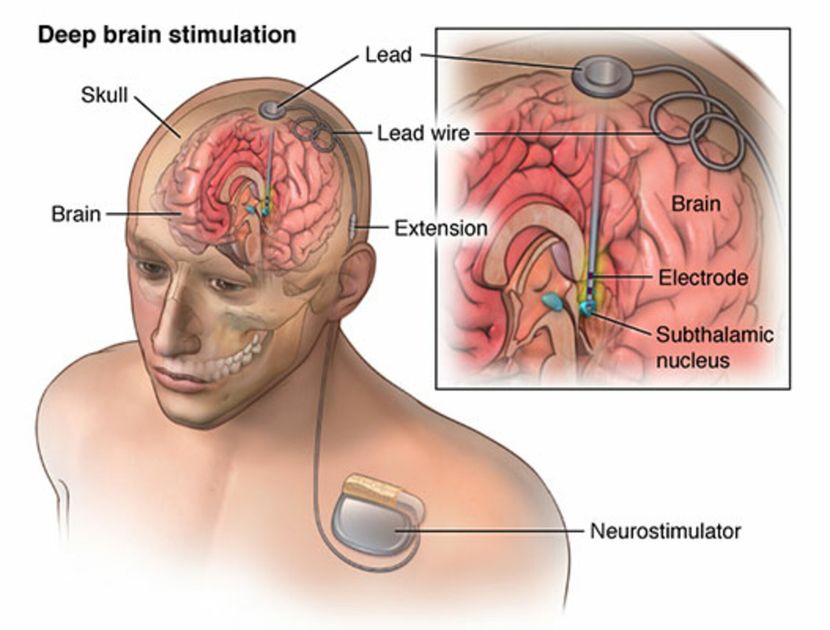
DBS operates on a principle similar to that of a cardiac pacemaker, but applied to the brain. A neurosurgeon implants thin electrode leads into specific brain regions responsible for motor control. These leads connect via an extension wire to a small neurostimulator, called an implantable pulse generator (IPG), placed under the skin near the collarbone. The IPG delivers continuous electrical impulses that disrupt the abnormal signalling patterns that cause Parkinson's motor symptoms.
The two most commonly targeted brain regions are the subthalamic nucleus (STN) and the globus pallidus internus (GPi). STN targeting tends to produce stronger overall motor improvement and a greater reduction in medication requirements. GPi targeting is often preferred for patients with significant dyskinesia or those at higher risk for cognitive and mood side effects from STN stimulation.
Neither target cures Parkinson's. Both work by modulating the brain's motor circuits rather than replacing lost dopamine-producing cells. The degree of benefit depends on which symptoms are present, how well those symptoms responded to levodopa before surgery, and the precision of electrode placement during surgery.
Which Patients Qualify for DBS Surgery?
Not every Parkinson's patient is a candidate. The internationally recognised CAPSIT-PD (Core Assessment Program for Surgical Interventional Therapies in Parkinson's Disease) criteria guide pre-surgical evaluation at specialist centres worldwide.
Candidates typically meet the following profile:
- Confirmed idiopathic Parkinson's disease diagnosis according to Movement Disorder Society (MDS) criteria
- Motor symptoms that respond clearly to levodopa, with a minimum 30% improvement on the Unified Parkinson's Disease Rating Scale (UPDRS-III) during a levodopa challenge test
- Disabling motor fluctuations, "off" periods, or dyskinesias that medication cannot adequately control
- No significant cognitive decline or active psychiatric conditions that would increase surgical risk
- Hoehn and Yahr disease stage 2.5 or above during "off" periods
An international panel of DBS experts, publishing consensus recommendations in npj Parkinson's Disease in January 2026, emphasised that DBS referrals should happen alongside ongoing medication adjustments, and not be delayed until symptoms become severe. Early referral for surgical evaluation, the panel noted, consistently produces better long-term outcomes than waiting.
What DBS Devices Are Available Today?
Three manufacturers produce FDA-approved DBS systems for Parkinson's: Medtronic, Abbott, and Boston Scientific. Each system works on the same fundamental principle, but they differ in technology, battery life, and programming capability.
- Medtronic Percept with BrainSense Adaptive DBS received FDA approval in February 2025, becoming the first adaptive DBS system cleared for Parkinson's. The system reads the patient's brain signals in real time and automatically adjusts stimulation in response to changing symptom levels throughout the day. The ADAPT-PD trial, which supported the FDA decision, demonstrated significantly greater programming precision and symptom control than conventional continuous stimulation. Medtronic now serves over 40,000 DBS patients worldwide through the Percept platform.
- Abbott Infinity uses directional lead technology to steer electrical stimulation toward beneficial brain targets while avoiding adjacent structures that could cause side effects. Abbott has also integrated telehealth-based remote programming, allowing neurologists to adjust device settings without the patient travelling to a clinic. This remote capability is of practical importance for international patients managing DBS follow-up from their home countries.
- Boston Scientific Vercise Genus features more stimulation contacts than earlier systems, improving targeting precision. The rechargeable Vercise Genus R16 offers up to 15 years of battery life, depending on stimulation settings, reducing the need for battery-replacement surgery.
What Happens During the DBS Procedure?
The surgical process takes place in two stages at most specialist centres.
- The first stage involves implanting the electrode leads into the target brain region under stereotactic guidance. Many centres perform this stage while the patient is awake and alert so the neurosurgical team can test stimulation in real time and confirm precise electrode placement based on the patient's live motor responses. Some centres use general anaesthesia throughout, relying on intraoperative MRI or CT to confirm placement.
- The second stage, usually performed within a few days of the first, involves implanting the neurostimulator under the skin near the collarbone and connecting it to the electrode leads. The device is then programmed and activated by a movement disorder neurologist, typically in the weeks following surgery.
The total hospital stay usually runs between five and seven days. DBS programming, which calibrates the electrical parameters to the patient's specific symptoms, continues as an outpatient process over the following months. Getting the stimulation settings right is an iterative process, not a one-time adjustment.
What Results Can Patients Realistically Expect?
DBS does not deliver the same benefit for every symptom. Tremor, rigidity, and bradykinesia that responded well to levodopa before surgery tend to respond well to DBS. Motor fluctuations and dyskinesias also improve significantly in most cases.
Clinical data show an average reduction of over 50% in motor symptoms on the UPDRS-III, along with approximately 60% reduction in medication-induced dyskinesias, according to published outcomes.
Gait, balance, and speech problems present before surgery, particularly those that do not respond to levodopa, are less likely to improve with DBS and may worsen over time as the underlying disease progresses.
DBS does not slow the progression of Parkinson's. Patients who undergo DBS at an appropriate stage of their disease typically maintain meaningful benefit for 5 to 10 years, with regular device reprogramming to account for disease progression.
How Do Patients Pursue DBS Surgery Abroad?
In the United States, the average cost of DBS surgery ranges from USD 35,000 to over USD 70,000. The same procedure at internationally accredited hospitals in Germany, India, Thailand, and Turkey typically costs 40% to 60% less.
Approximate DBS treatment ranges may include:
Internationally accredited neurosurgery programmes offering DBS maintain the same device options, surgical protocols, and post-operative programming standards as major Western centres. Accreditation from JCI or ISO ensures that surgical safety, clinical documentation, and infection control standards meet global benchmarks.
International patients pursuing DBS abroad should confirm the following before proceeding:
- The centre has a dedicated movement disorder neurologist who handles both pre-surgical evaluation and long-term DBS programming
- The surgical team has documented experience with STN and GPi targeting using the CAPSIT-PD assessment protocol
- A remote programming option is available after the patient returns home, either through Abbott's telehealth platform or an equivalent system
- The centre provides a full discharge report and device programming summary that any local neurologist can work from
What Questions Should Patients Ask Before Choosing a DBS Centre?
The quality of the pre-surgical evaluation predicts the quality of the outcome more reliably than any other factor. Patients should ask these questions directly before committing to any centre:
- Does the centre use the CAPSIT-PD protocol for pre-surgical assessment, and which tests does it include?
- Which DBS systems does the centre implant: Medtronic Percept with adaptive DBS, Abbott Infinity, or Boston Scientific Vercise?
- Does the neurosurgeon perform awake surgery with intraoperative testing, or rely solely on imaging-guided placement under general anaesthesia?
- How many DBS procedures does the centre perform per year, and what is its lead revision surgery rate?
- How is post-operative programming managed for international patients who return home after surgery?
- Does the centre have a movement disorder neurologist on the DBS team, or does it rely on a general neurologist for programming?
Conclusion
DBS works best when it is considered at the right point in the disease trajectory, not as a last resort after symptoms have become debilitating for years. The 2026 international expert consensus is clear on this: referral for surgical evaluation should occur early, alongside medication management, as soon as motor fluctuations begin to interfere with daily life.
For patients who qualify, DBS offers something that no medication at the advanced stages of Parkinson's can: consistent, hour-by-hour symptom control without the peaks and troughs of a drug schedule. With adaptive DBS technology now approved and available, that control is more precise than ever.
The difference between acting within the right window and waiting too long is not just clinical. It is measured in years of independence.
Disclaimer: This article provides general educational information about deep brain stimulation for Parkinson's disease. It does not constitute medical advice and must not replace a consultation with a qualified movement disorder neurologist or neurosurgeon. Individual outcomes vary based on disease stage, symptom profile, age, and candidacy factors. Patients should consult their treating neurologist before making any surgical decisions.
Related Hospitals
Discover hospitals and medical centers related to this topic for quality healthcare services.
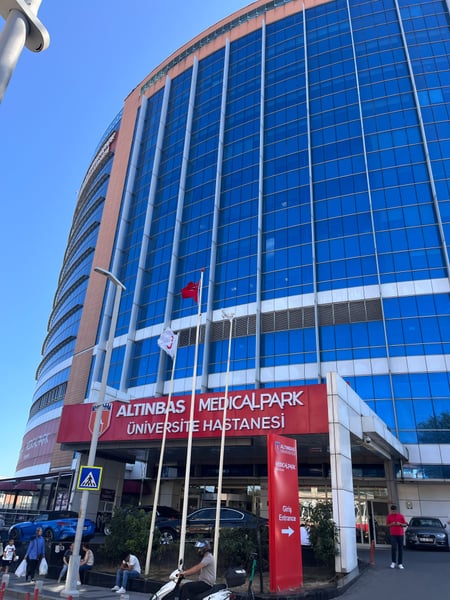
Medical Park Bahcelievler Hospital
Medical Park Bahcelievler Hospital is a 242-bed JCI-accredited hospital in Istanbul, established in 2007. Spread across 33,000 square meters and 19 fl...
Accreditations
Facilities
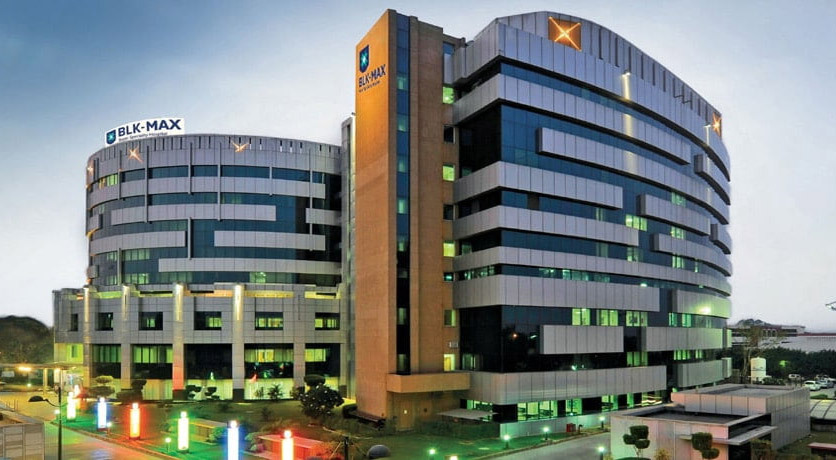
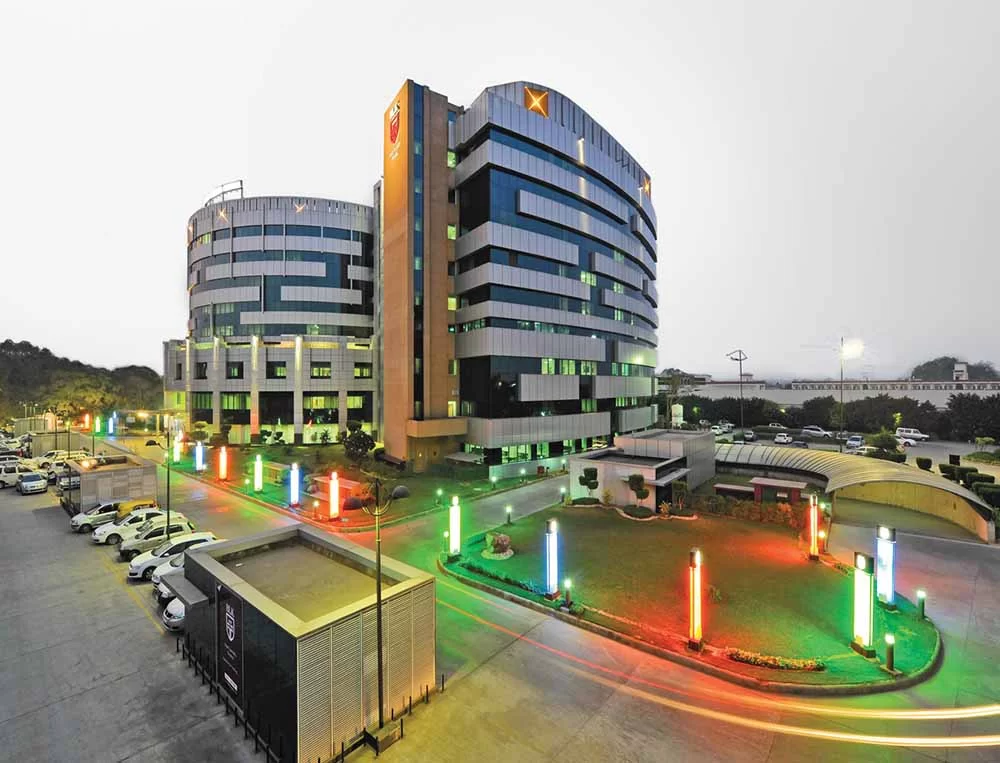
BLK-Max Super Speciality Hospital, New Delhi
BLK-Max Super Speciality Hospital in New Delhi is one of India's premier healthcare institutions, offering 650 beds, 22 advanced operation theatres, a...
Accreditations

Facilities
Fortis Memorial Research Institute (FMRI), Gurgaon
Fortis Memorial Research Institute (FMRI), Gurgaon, is a world-class multi-specialty hospital established in 2013. The hospital offers 330 beds, 15 op...
Accreditations


Facilities
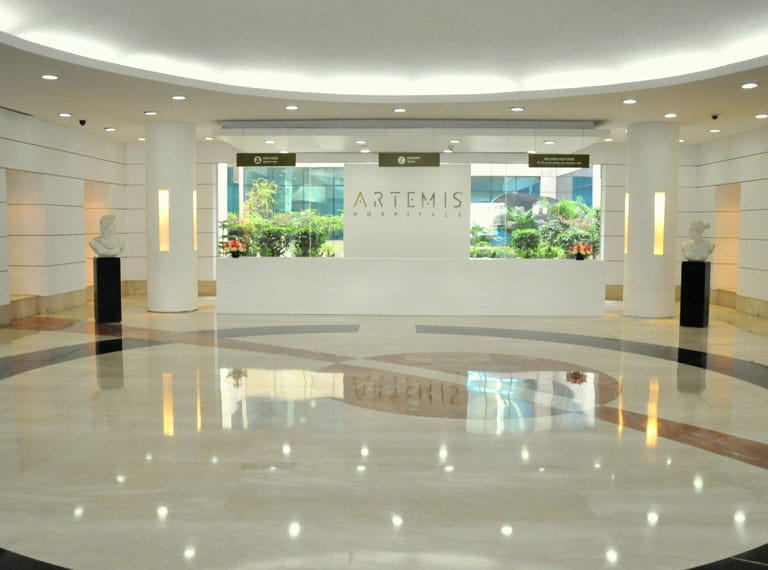
Artemis Hospital, Gurgaon
Artemis Hospital, Gurgaon, is a JCI accredited multispecialty hospital that was established in 2007. It offers 750+ beds and world -class infrastructu...
Accreditations



Facilities
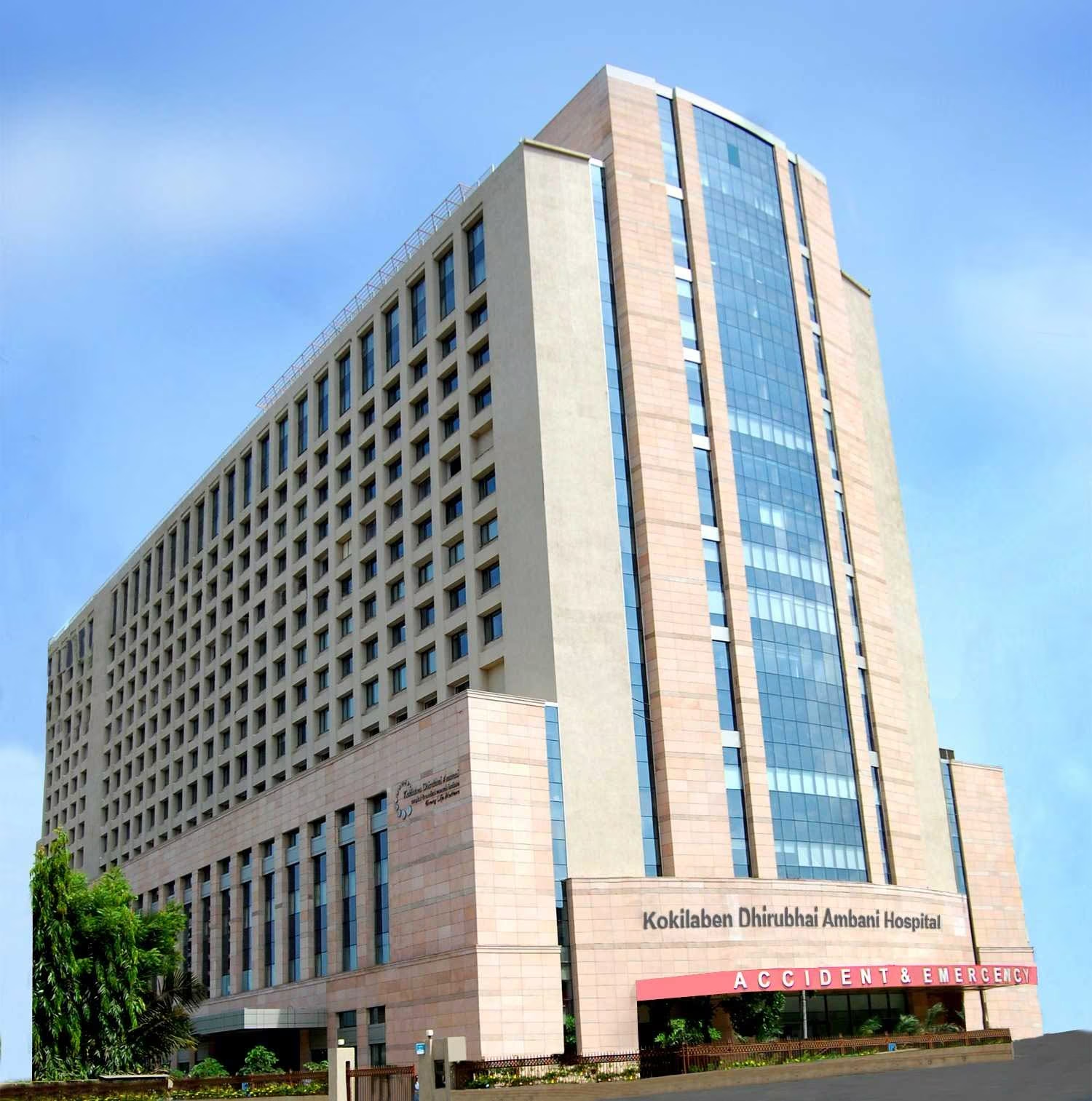
Kokilaben Dhirubhai Ambani Hospital, Mumbai
Kokilaben Dhirubhai Ambani Hospital, Mumbai, is a JCI, NABH, NABL, and CAP-accredited quaternary care hospital established in 2009. With 750 beds, 180...
Accreditations


Facilities
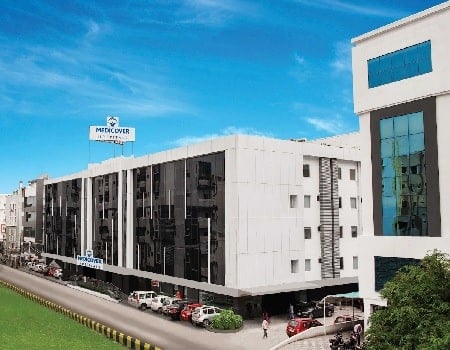
Medicover Hospitals, Hitech City, Hyderabad
Medicover Hospitals, Hitech City, Hyderabad, is a 400-bed NABH-accredited super-specialty hospital established in 2011. It is part of Medicover, a glo...
Accreditations


Facilities
Related Doctors
Connect with experienced doctors and medical specialists in this field.
Dr. Sandesh Nanisetty
Consultant
Dr. Murthy JMK
Senior Consultant

Dr. Prof. Umesh T
Director
Dr. Dibendu Kr. Ray
Consultant

Dr. Sreejith M.D.
Consultant

Dr. Sonu Kurian
Consultant
Related Articles
Explore more articles and insights on similar health topics.

Tummy Tuck Surgery in India: Cost, Recovery, Techniques, and Results
Breast Reconstruction After Breast Cancer Surgery
Rhinoplasty in India: Cost, New Techniques, and Recovery

Why IVF Fails: Common Causes and What to Do Next
IVF vs IUI: Differences, Success Rates, Costs, and Which Treatment Is Right for You

Egg Freezing Abroad: Best Countries, Costs, and What to Expect

Author
View AllHead - International Patient Services
Dr. Riya Shree is a clinical physiotherapist who completed her internship at Mata Chanan Devi Hospital, New Delhi, gaining hands-on experience in patient care and rehabilitation. She served on the fr... Read More
Our website uses cookies. By clicking on accept you give your consent to the use of cookies as per our Privacy Policy.
