
Multiple Sclerosis: Symptoms, Types, Treatments and Stem Cell Therapy in 2026
Multiple sclerosis takes a disproportionate toll on people at one of the most productive points of their lives. It affects over 2.8 million people worldwide, according to The Lancet Regional Health, and typically has an onset between ages 20 and 40. Women are two to three times more likely than men to receive the diagnosis. In a matter of months, a person who was working, raising a family, and planning a future finds themselves navigating a condition that has no cure and, without treatment, leads to significant physical disability in 50 to 60 per cent of patients within 15 to 30 years of onset.
The picture has changed significantly, though. The past decade has seen more than a dozen disease-modifying therapies (DMTs) enter clinical use, shifting MS management from basic symptom suppression to early, aggressive intervention that slows or halts disease activity in most patients who start treatment on time.
What Is Multiple Sclerosis and What Happens Inside the Brain?
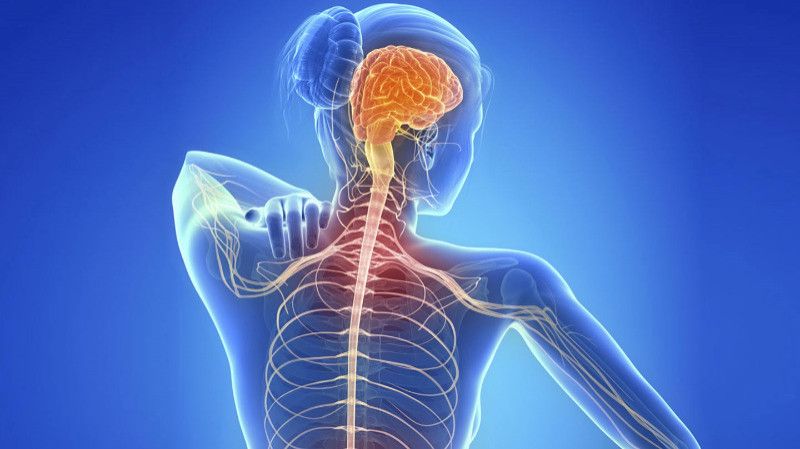
Multiple sclerosis is a chronic autoimmune disease of the central nervous system. The immune system mistakes the myelin sheath, the fatty protective coating around nerve fibres, for foreign tissue and attacks it. This process, called demyelination, disrupts the electrical signals that nerve fibres carry between the brain, spinal cord, and the rest of the body.
Over time, repeated episodes of inflammation cause scarring (sclerosis) at multiple sites across the brain and spinal cord. The term "multiple" refers to the many lesion sites visible on MRI as white matter plaques. The location of the lesions determines which symptoms the patient experiences, which is why MS presents so differently from person to person.
When myelin is damaged, signals slow down, misfire, or fail to reach their destination. This explains why MS symptoms span such a wide range: vision disturbances, fatigue, weakness, numbness, difficulty walking, bladder problems, and cognitive changes can all arise from damage at different points along the same network.
How Is Multiple Sclerosis Diagnosed?
MS diagnosis follows the 2024 Revised McDonald Criteria, updated by an international expert panel led by Xavier Montalban and presented at ECTRIMS 2024. The criteria require clinical and imaging evidence of dissemination in space (DIS) and dissemination in time (DIT), meaning lesions in multiple locations and evidence of their appearance at different time points.
The diagnostic workup typically includes:
- Brain and spinal cord MRI with gadolinium contrast to distinguish active (enhancing) lesions from older inactive ones
- Cerebrospinal fluid (CSF) analysis via lumbar puncture to detect oligoclonal bands, an immunological marker found in the CSF of approximately 90 per cent of MS patients
- Visually evoked potentials (VEPs) to identify subclinical optic nerve involvement when a patient has not reported visual symptoms
- Blood tests to rule out conditions that mimic MS, including neuromyelitis optica spectrum disorder (NMOSD), vitamin B12 deficiency, Lyme disease, and systemic lupus erythematosus
The Expanded Disability Status Scale (EDSS), ranging from 0 (no disability) to 10 (death from MS), is used at diagnosis and at every follow-up visit to track disease progression.
What Are the Four Types of Multiple Sclerosis?
MS does not behave the same way in every patient. The clinical course falls into four recognised subtypes, each with different treatment implications.
- Relapsing-Remitting MS (RRMS) is the most common form, accounting for approximately 85 per cent of initial diagnoses. Patients experience discrete episodes of neurological worsening (relapses), followed by periods of partial or complete recovery. Between relapses, the disease does not progress, though subclinical MRI activity may continue. Most approved DMTs target RRMS specifically, and the evidence base for treating this subtype is the most extensive.
- Secondary Progressive MS (SPMS) develops in a proportion of RRMS patients over time, typically 10 to 20 years after the initial diagnosis. The relapsing pattern gives way to a steady, gradual accumulation of neurological disability, with or without superimposed relapses. Siponimod (Mayzent), approved specifically for active SPMS, demonstrated in the EXPAND trial a meaningful reduction in disability progression in patients still experiencing relapses.
- Primary Progressive MS (PPMS) affects approximately 10 to 15 per cent of patients who never experience relapses. Disability accumulates steadily from onset. PPMS was previously untreatable until ocrelizumab (Ocrevus) became the first DMT approved specifically for PPMS, based on the ORATORIO trial showing reduced disability progression compared with placebo.
- Clinically Isolated Syndrome (CIS) refers to a first episode of neurological symptoms lasting at least 24 hours, suggesting demyelination, but not yet meeting the full criteria for MS diagnosis. Patients with a high lesion burden on their first MRI carry a significantly elevated risk of converting to clinically definite MS. Early initiation of DMT at the CIS stage delays conversion and reduces long-term disability accumulation.
What Are the First-Line and Oral Disease-Modifying Therapies?
The DMT landscape in MS spans more than 20 approved agents across injectable, oral, and infusion categories. The proportion of patients starting treatment with a high-efficacy DMT more than doubled between 2018 and 2025, according to a 2026 analysis by Truveta Research, reflecting a decisive shift in clinical practice toward earlier, more aggressive intervention.
The original MS therapies, interferon beta-1a (Avonex, Rebif), interferon beta-1b (Betaferon), and glatiramer acetate (Copaxone), reduce annualised relapse rates (ARR) by approximately 30 per cent compared with placebo and carry well-established long-term safety profiles across decades of clinical use.
Oral agents offer greater convenience and, for some, substantially higher efficacy. Fingolimod (Gilenya) was the first oral MS therapy, approved in 2010. Dimethyl fumarate (Tecfidera), teriflunomide (Aubagio), siponimod (Mayzent), ozanimod (Zeposia), and ponesimod (Ponvory) followed, each covering a different mechanism and efficacy level.
Cladribine tablets (Mavenclad) stand apart from daily oral therapies. Given in two short annual courses in years one and two, cladribine requires no daily medication for at least two years following the treatment cycle. Clinical evidence supports an approximately 50 per cent reduction in ARR and durable disease suppression for four to five years.
What Makes High-Efficacy Infusion Therapies Different?
The highest-efficacy DMTs are administered by intravenous infusion and act on specific immune cell populations rather than broadly suppressing immune activity.
- Natalizumab (Tysabri) targets the alpha-4 integrin molecule on immune cells, preventing them from crossing the blood-brain barrier into the central nervous system. The AFFIRM and SENTINEL trials demonstrated a 68 per cent reduction in ARR and a 42 per cent reduction in sustained disability progression. Natalizumab is given every 4 weeks (extended to 6 weeks in selected patients) and requires JC virus antibody monitoring due to the risk of progressive multifocal leukoencephalopathy (PML) in seropositive patients.
- Ocrelizumab (Ocrevus) targets CD20-positive B cells, depleting the immune population that drives both relapsing and progressive MS pathology. In the OPERA I and OPERA II trials for RRMS, ocrelizumab reduced ARR by approximately 46-47 per cent compared with interferon beta-1a, with superior reductions in new MRI lesions and disability worsening. In the ORATORIO trial for PPMS, ocrelizumab reduced disability progression by 24 per cent compared with placebo, making it the first treatment to demonstrate efficacy in PPMS. Ocrelizumab is given as a 600 mg intravenous infusion every six months.
- Ofatumumab (Kesimpta) also targets CD20-positive B cells but is administered as a monthly subcutaneous self-injection after an initial loading schedule. The ASCLEPIOS I and II trials showed that ofatumumab reduced ARR significantly compared with teriflunomide and achieved higher rates of no evidence of disease activity (NEDA).
- Alemtuzumab (Lemtrada) depletes T and B lymphocytes by targeting CD52, administered as infusion courses in years one and two. The CARE-MS I trial demonstrated reduced relapse rates, slower brain volume loss, and more patients free of clinical disease activity compared with interferon beta-1a. It requires intensive monitoring for secondary autoimmune complications and is reserved for highly active RRMS.
What Is HSCT and Why Are Patients Seeking It Abroad?
Autologous haematopoietic stem cell transplantation (AHSCT) occupies a different category from conventional DMTs. Rather than suppressing an overactive immune system, AHSCT attempts to reset it entirely. The patient's own stem cells are harvested, the immune system is ablated with high-dose chemotherapy, and the harvested stem cells are reinfused to rebuild the immune repertoire from scratch.
AHSCT is not a first-line treatment. It carries significant procedural risk and is generally considered for patients with highly active RRMS who have failed at least two high-efficacy DMTs. For this selected population, however, outcomes data are compelling. A global survey published in 2023 found that 85.5 per cent of AHSCT recipients reported that the treatment helped them manage their disease, with an average reduction of 1.2 points on the EDSS disability scale following transplantation.
From a cost perspective, a 2024 Italian health economic analysis found that AHSCT and high-efficacy DMTs carry similar costs over two years. Over five years, AHSCT (approximately EUR 46,600) costs significantly less than most high-efficacy DMTs (approximately EUR 93,800), because AHSCT is a one-off intervention rather than a lifelong treatment requiring continuous drug administration.
In many countries, AHSCT for MS remains available only through clinical trials or is not reimbursed by insurers. It drives international patients to seek treatment in countries such as Turkey and India, where AHSCT programs accept international patients for costs ranging from USD 30,000 to USD 50,000.
What Symptoms Does MS Cause and How Are They Managed?
DMTs address the underlying immune activity driving MS. They do not directly treat the symptoms that accumulate between and during relapses. Symptom management is a parallel and equally important part of MS care.
- Fatigue affects 75 to 90 per cent of MS patients and is frequently described as the most disabling symptom. It does not correlate reliably with physical disability or lesion burden. Amantadine and modafinil have the strongest evidence for pharmacological management of MS fatigue, alongside graded aerobic exercise programs, which have been shown in multiple trials to reduce fatigue severity.
- Spasticity responds to baclofen (oral or intrathecal via a baclofen pump for severe cases), tizanidine, and nabiximols (Sativex), the only cannabis-based medicine approved specifically for MS spasticity in several countries.
- Bladder dysfunction, affecting 50 to 90 per cent of patients, ranges from urgency and frequency to retention. Oxybutynin, solifenacin, and mirabegron are used to treat overactive bladder symptoms. Patients with incomplete emptying require intermittent self-catheterisation programs.
- Cognitive impairment affects approximately 65 per cent of patients. No DMT has been shown to reverse established cognitive damage, underscoring the importance of treating disease activity early before neurodegeneration accumulates.
- Relapse management uses high-dose intravenous methylprednisolone (typically 1,000 mg daily for three to five days) to shorten relapse duration. Steroids do not improve long-term outcome or disability accumulation from the relapse, but they accelerate recovery.
What Should International Patients Know About Accessing MS Treatment Abroad?
MS treatment abroad attracts two distinct patient groups: those seeking access to high-efficacy DMTs that are approved but unaffordable or unavailable in their home country, and those considering AHSCT who cannot access it through their national healthcare system.
For DMT access, key questions include whether the destination country's neurologist will conduct a full MS assessment including MRI review and EDSS scoring before prescribing, and whether ongoing monitoring (including JC virus testing for natalizumab patients and regular MRI surveillance) can be coordinated locally after the patient returns home.
For AHSCT candidates, the most important questions relate to patient selection criteria (the MIST trial and EBMT guidelines provide the evidence base), conditioning protocol (non-myeloablative BEAM-cyclophosphamide or cyclophosphamide-ATG protocols carry lower mortality risk than myeloablative approaches), transplant-related mortality rate at the specific centre, and the post-transplant monitoring protocol for the following two years.
Summary
Multiple sclerosis is no longer a condition that medicine manages from a distance. The evidence is consistent: early treatment with a high-efficacy therapy reduces lesion accumulation, slows brain volume loss, and delays the disability milestones that define the disease's long-term course.
The window that matters most is the earliest years after diagnosis. Subclinical damage accumulates even between relapses, and neurodegeneration that occurs before treatment starts does not reverse when treatment begins. Every month of undertreated active disease represents a cost that compounds over decades.
For patients who cannot access high-efficacy DMTs or AHSCT quickly through their home system, international treatment is not a last resort. For many, it is the fastest path to the standard of care their diagnosis demands.
Take the Next Step
An initial consultation with an MS neurologist at an international centre begins with a review of the patient's current MRI scans and treatment history. Fill out this form to connect with our patient advisor and let them ease your treatment journey.
The consultation costs nothing compared to what another year of undertreated disease may cost a patient in terms of long-term function.
Disclaimer: This article provides general educational information about multiple sclerosis and its treatment options. It does not constitute medical advice and must not replace a consultation with a qualified neurologist or MS specialist. Individual outcomes vary based on MS subtype, disease activity, duration, and treatment history. Patients should consult their treating neurologist before making any changes to their treatment plan or decisions about travelling abroad for care.
Related Hospitals
Discover hospitals and medical centers related to this topic for quality healthcare services.
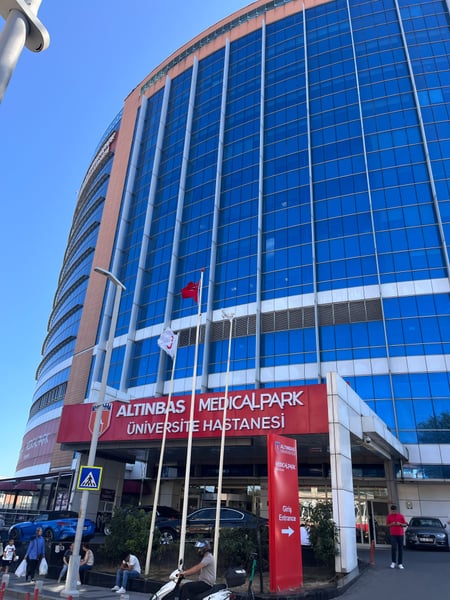
Medical Park Bahcelievler Hospital
Medical Park Bahcelievler Hospital is a 242-bed JCI-accredited hospital in Istanbul, established in 2007. Spread across 33,000 square meters and 19 fl...
Accreditations
Facilities
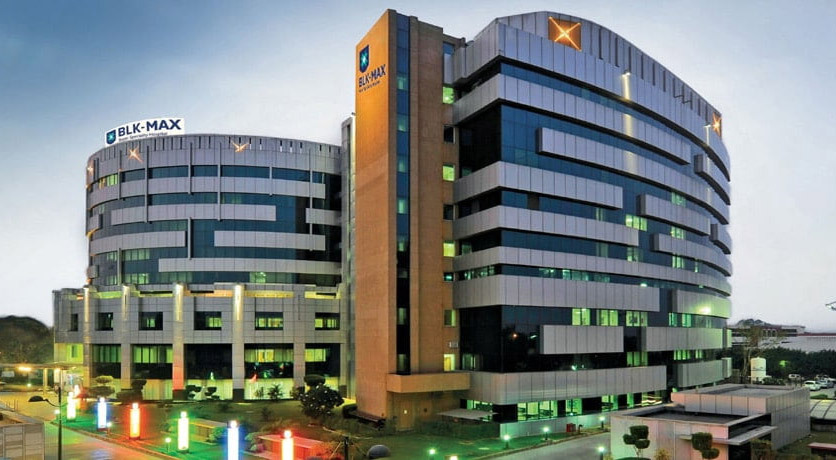
BLK-Max Super Speciality Hospital, New Delhi
BLK-Max Super Speciality Hospital in New Delhi is one of India's premier healthcare institutions, offering 650 beds, 22 advanced operation theatres, a...
Accreditations


Facilities

Fortis Memorial Research Institute (FMRI), Gurgaon
Fortis Memorial Research Institute (FMRI), Gurgaon, is a world-class multi-specialty hospital established in 2013. The hospital offers 330 beds, 15 op...
Accreditations


Facilities

Artemis Hospital, Gurgaon
Artemis Hospital, Gurgaon, is a JCI accredited multispecialty hospital that was established in 2007. It offers 750+ beds and world -class infrastructu...
Accreditations



Facilities
Kokilaben Dhirubhai Ambani Hospital, Mumbai
Kokilaben Dhirubhai Ambani Hospital, Mumbai, is a JCI, NABH, NABL, and CAP-accredited quaternary care hospital established in 2009. With 750 beds, 180...
Accreditations


Facilities

Medicover Hospitals, Hitech City, Hyderabad
Medicover Hospitals, Hitech City, Hyderabad, is a 400-bed NABH-accredited super-specialty hospital established in 2011. It is part of Medicover, a glo...
Accreditations


Facilities
Related Doctors
Connect with experienced doctors and medical specialists in this field.

Dr. Sandesh Nanisetty
Consultant

Dr. Murthy JMK
Senior Consultant

Dr. Prof. Umesh T
Director

Dr. Dibendu Kr. Ray
Consultant

Dr. Sreejith M.D.
Consultant

Dr. Sonu Kurian
Consultant
Related Articles
Explore more articles and insights on similar health topics.

Tummy Tuck Surgery in India: Cost, Recovery, Techniques, and Results
Breast Reconstruction After Breast Cancer Surgery

Rhinoplasty in India: Cost, New Techniques, and Recovery

Why IVF Fails: Common Causes and What to Do Next
IVF vs IUI: Differences, Success Rates, Costs, and Which Treatment Is Right for You

Egg Freezing Abroad: Best Countries, Costs, and What to Expect

Author
View AllHead - International Patient Services
Dr. Riya Shree is a clinical physiotherapist who completed her internship at Mata Chanan Devi Hospital, New Delhi, gaining hands-on experience in patient care and rehabilitation. She served on the fr... Read More
Our website uses cookies. By clicking on accept you give your consent to the use of cookies as per our Privacy Policy.
