Stroke Rehabilitation Abroad: India vs Thailand vs Germany

10/6/2026, 4:47:19 AM 12 min read Medical Tourism
Stroke Rehabilitation Abroad: India vs Thailand vs Germany
Most families start their search for stroke rehabilitation the same way. A loved one survives a stroke. The hospital manages the acute phase, stabilises the patient, and then discharges them. Then comes the question nobody prepared for: what happens next?


The National Stroke Association estimates that about 80% of stroke survivors experience some degree of physical or cognitive impairment after discharge. Yet in most countries, daily intensive rehabilitation therapy is either unavailable, delayed by weeks, or too expensive to sustain for the months that real recovery demands.


That is why more families are looking beyond their home countries. India, Thailand, and Germany each have a strong track record of treating international stroke patients. But they offer very different clinical systems, technologies, price points, and recovery environments.


What Does Stroke Rehabilitation Actually Involve?

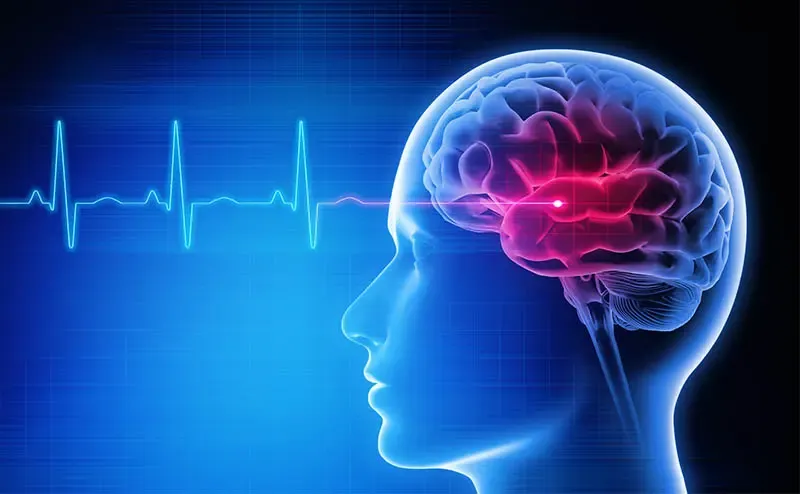
Stroke rehabilitation helps the brain rebuild pathways it lost during the event. The brain has a remarkable ability to rewire itself, particularly in the first three to six months after a stroke. Neurologists refer to this as the neuroplasticity window, and how intensively a patient works within it determines much of their long-term recovery.


A full rehabilitation program works across several areas simultaneously:


  • Physiotherapy - rebuilding muscle strength, walking ability, and balance
  • Occupational therapy - retraining the ability to dress, cook, and manage daily tasks independently
  • Speech and language therapy - addressing communication, reading, and swallowing difficulties
  • Cognitive rehabilitation - working on memory, attention, and executive function
  • Robotic-assisted therapy - technology-driven movement training using devices such as the Lokomat gait trainer and upper limb exoskeletons that help the brain relearn motor patterns through high-repetition, feedback-guided movement

The American Heart Association states that starting intensive rehabilitation within the first few weeks after a stroke leads to the best long-term functional outcomes. Every week of delay costs recovery potential. This is why the choice of destination carries as much weight as the choice of therapy.


Why Are Patients Choosing Rehabilitation Abroad?

Waiting times are one reason. Costs are another. For most international patients, it is both at once.

Research shows that every dollar invested in rehabilitation can save three to seven dollars in long-term ongoing care costs. Yet inpatient stroke rehabilitation in the United States or the United Kingdom routinely runs to USD 15,000 to USD 20,000 per month. For a patient who needs three to four months of intensive therapy, those numbers quickly become impossible for most families to sustain.


Travelling abroad for the same clinical quality at 50 to 80 per cent lower cost is not a compromise. In many cases, it means the patient can access more therapy hours per day and for longer than they could realistically afford at home.


India, Thailand, and Germany each sit at different points on the cost-and-clinical-depth spectrum. Each suits a different patient profile. The right choice depends on the severity of the stroke, the patient's specific deficits, budget, and how much time the family can commit to the recovery process.


India

Why Do International Patients Choose India for Stroke Recovery?

India has invested significantly in neurological care over the past decade. Leading hospital groups run dedicated neurorehabilitation units where physiotherapists, neurologists, occupational therapists, and speech therapists work as one coordinated team around each patient, rather than operating in separate departments.


What sets India apart is the availability of advanced robotic therapy at a cost that remains genuinely accessible. Apollo Hospitals, for example, operates robotic neurorehabilitation programs that use devices such as the Lokomat robotic gait trainer, upper-limb exoskeletons, and virtual-reality balance platforms. These systems compensate for a patient's reduced strength or motor control by calibrating speeds to their residual function. The practical result is that patients complete hundreds of controlled, feedback-guided movement repetitions per session - far more than manual physiotherapy alone can deliver in the same time.


The Lokomat, in particular, allows patients with significant lower-limb weakness to begin gait training early in recovery, which clinical research consistently links to better walking outcomes at six and twelve months post-stroke.

For international patients, the language situation is also straightforward. English is widely spoken among medical staff at accredited hospitals, and many senior rehabilitation physicians have trained in the United Kingdom, the United States, or Europe before returning to practise in India.


How Much Does Stroke Rehabilitation Cost in India?

Stroke rehabilitation in India costs between USD 450 and USD 900 per week at accredited private hospitals, depending on stroke severity and the facility chosen. A four-week inpatient program - covering nursing care, daily therapy sessions, access to robotic equipment, meals, and accommodation - typically costs between USD 1,800 and USD 3,600.


That is a full month of intensive, robotics-supported neurorehabilitation for roughly what two to three days of inpatient care costs in the United States.


Is the Medical Standard Reliable for International Patients?

India's leading neurorehabilitation hospitals hold accreditation from JCI (Joint Commission International) and NABH (National Accreditation Board for Hospitals) - the same international standards that benchmark top hospitals across the United States and Europe.


What Are the Travel Logistics Like?

India issues a dedicated medical visa for international patients, with processing times of three to five working days for most nationalities. Family members can apply for a medical attendant visa simultaneously. International airports in Delhi, Mumbai, Chennai, and Hyderabad connect directly to most major global hubs.


Thailand

What Has Made Thailand a Respected Stroke Rehabilitation Destination?

Thailand's private hospital sector has spent three decades building its international reputation. Bumrungrad International Hospital in Bangkok - ranked the number one hospital in Thailand by Newsweek for four consecutive years and listed among the top 130 hospitals globally in 2024 - offers rehabilitation programs including physical, occupational, and speech therapy. Each plan addresses the specific deficits caused by the stroke in that patient rather than following a generic template. With nearly all doctors fluent in English and over 200 interpreters on staff, communication barriers are minimal regardless of the patient's origin.


Samitivej Hospitals adds a clinical dimension that few other destinations outside Europe offer: a dedicated Stroke Telecare system that provides 24-hour remote supervision after hospital discharge. Doctors, nurses, and physiotherapists remain available by video at any hour. For an international patient flying home after completing an inpatient program but still needing months of supervised therapy, this continuity makes a measurable difference to long-term outcomes. The Stroke Telecare platform tracks patients with partial or total paralysis through home monitoring, removing the gap between inpatient discharge and independent recovery that causes so many patients to plateau.


Available clinical data from Thailand's rehabilitation programs show that 80% of patients undergoing stroke rehabilitation in Thai hospitals show measurable improvement in functional abilities over the course of treatment.


What Does Stroke Rehabilitation Cost in Thailand?

Inpatient stroke rehabilitation at Thailand's leading private hospitals starts from approximately USD 200 per day. A four-week intensive program typically ranges from USD 5,600 to USD 10,000, depending on the hospital tier and the level of nursing support required by the patient.


Unlike the United States, where therapy sessions, specialist consultations, and medications are billed separately and unpredictably, Thai hospitals package these services together with a known total. Families can plan a budget without unexpected additions.


Thailand sits between India and Germany in cost - more expensive than India, but 60 to 70 per cent less than equivalent programs in Western Europe.


Why Does Thailand Work Well for Longer Stays?

Thailand's climate, infrastructure, and medical tourism ecosystem make it one of the more manageable places to spend 2 to 3 months as a recovering patient or an accompanying family member. Dedicated international patient centres at major hospitals handle visa coordination, transport, accommodation, and interpreter services. Long-term visa options exist specifically for medical stays, and the general cost of living outside the hospital - food, accommodation, local transport - is low compared to European destinations.


Germany

What Makes Germany Different from Every Other Destination?

Germany is the only one of the three countries to operate a nationally mandated, phase-based neurorehabilitation system. This is not a marketing claim - it is a clinical framework built into how rehabilitation medicine is practised and funded across the country.


German neurorehabilitation follows a tiered progression from Phase B through Phase D, each with defined clinical criteria that determine when a patient advances. Phase B begins immediately after recovery of consciousness and targets patients with a Barthel index below 25 - those with the most severe functional limitations. Early rehabilitation at this phase starts in the intensive care or acute ward and focuses on preventing the irreversible loss of neurological function during the critical early period. Therapists work on fundamental functions first: changing body position, sitting upright, standing with support, and then progressing to assisted walking and cognitive tasks.


Phase C moves patients into active rehabilitation with greater independence, while Phase D focuses on reintegration into daily life and work. The sequence is evidence-based, individually paced, and medically supervised throughout.

German rehabilitation hospitals use digital gait analysis, 3D posture diagnostics, and isokinetic strength testing to establish each patient's precise baseline on arrival. Devices, including the Lokomat, the Vector Gate System, and the ERIGO tilt-table robot, for early mobilisation are available at specialist centres such as the Pforzheim Rehabilitation Center, which provides six to eight hours of therapy over five days per week. Treatment plans are adjusted continuously as the patient progresses. This level of clinical measurement matters most for patients with complex presentations - significant cognitive impairment, severe motor loss, or limited progress during initial treatment elsewhere.


Leading German neurological rehabilitation specialists hold certifications from the German Society for Neurorehabilitation, and many centres report clinicians who have managed over 10,000 stroke rehabilitation cases throughout their careers.


Note: Studies by the German Society for Neurorehabilitation report that 70% of stroke survivors in Phase B and C programs show significant improvement in mobility and speech within the first three months of therapy. The rate for regaining basic motor function exceeds 75% in many specialist centres. Germany's leading inpatient rehabilitation programmes report efficacy rates of up to 85% for overall stroke recovery outcomes.


How Much Does Stroke Rehabilitation Cost in Germany?

Inpatient stroke rehabilitation in Germany starts from approximately USD 500 per day, with some specialist centres billing from USD 1,800 per day for Phase B intensive programs. A four-week inpatient program, therefore, starts at around USD 14,000 and rises significantly with the complexity of the patient's condition.

For patients from the Middle East, North Africa, or Asia, Germany still costs considerably less than equivalent specialist neurological care in the United Kingdom or the United States, while delivering the most clinically precise neurorehabilitation available in Europe. The German authorities issue approximately 250,000 medical treatment visas annually - a figure that reflects genuine infrastructure for international patients, not just a policy on paper.


What Are the Practical Logistics for International Patients?

Most international visitors require a medical visa for Germany. Stays beyond 90 days require a residence permit, which major rehabilitation centres help coordinate through their international patient departments. English-language support is available at all major international-facing facilities. Centres treating large numbers of Middle Eastern and CIS patients also provide Arabic and Russian interpreter services.


India vs Thailand vs Germany

Factor

India

Thailand

Germany

Approx. Cost (4 weeks, inpatient)USD 1,800 to 3,600USD 5,600 to 10,000USD 14,000 to 25,000+
Robotic TechnologyLokomat, upper limb exoskeletons, VR balance platformsRobotic gait and upper limb devices at leading centresLokomat, Vector Gate System, ERIGO, digital gait analysis
Phase-Based Rehab SystemNoNoYes - Phase B through Phase D, nationally mandated
Named Leading FacilitiesApollo HospitalsBumrungrad International, Samitivej HospitalsPforzheim Rehabilitation Center, Godeshöhe Bonn
International AccreditationJCI / NABHJCIISO 9001 / DIN
English Language SupportWidely availableWidely available (200+ interpreters at Bumrungrad)Available at international-facing centres
Telerehabilitation After DischargeAvailable at select centresYes - Samitivej Stroke Telecare, 24-hour systemAvailable at select centres
Best ForBudget-conscious patients, longer stays, robotic-assisted programsMid-range budget, comfortable recovery, post-discharge follow-upComplex and severe cases, patients needing the highest clinical precision

Cost figures reflect published clinic data as of 2025. Individual costs vary by facility, stroke severity, and length of stay. Patients should contact the hospital directly for a personalised cost estimate.


Which Country Fits Which Patient?

India Works Best For:

Patients who need high-intensity, robotic-assisted rehabilitation and are working within a meaningful budget constraint. India suits families from the GCC, Africa, and South Asia who want access to Lokomat-supported gait training and upper-limb exoskeleton therapy to international clinical standards, without the cost of a European destination. It also suits patients who need longer stays of eight to twelve weeks, for whom costs at Western destinations become unsustainable.


Thailand Works Best For:

Patients who want quality rehabilitation alongside a comfortable long-term recovery environment, consistent English-language support, and genuine post-discharge continuity. Thailand suits families from Australia, the UK, and North America particularly well. Samitivej's 24-hour Stroke Telecare system is a practical advantage for patients returning home after an inpatient stay but needing months of continued supervised therapy.


Germany Works Best For:

Patients with severe or complex post-stroke presentations who need the deepest clinical precision. This includes patients who did not recover as expected during initial rehabilitation in their home country, and those whose deficit profile - such as significant cognitive impairment alongside motor loss - requires the Phase B through Phase D framework. Germany is also the natural choice for patients whose insurance covers treatment at internationally accredited European facilities.


What Should Families Ask Before Choosing a Centre?

Finding the right facility matters as much as finding the right country. Before committing, families should ask the following questions directly:


  1. How many international stroke patients has this facility treated, and does it have a dedicated international patient coordinator?
  2. How many hours of active therapy does the patient receive each day, and which disciplines are covered?
  3. Which robotic devices does the centre use - Lokomat, upper limb exoskeleton, ERIGO - and are they included in the package price or billed separately?
  4. Does the team provide a written neurological assessment and individual recovery plan within the first 48 hours of arrival?
  5. What happens if the patient's condition changes during the program? Is acute medical support available on site?
  6. What is the discharge plan, and does the facility provide a structured home exercise program or access to telerehabilitation afterwards?


Conclusion

A stroke changes everything in a matter of minutes. What happens in the weeks and months that follow determines how much of that life the patient gets back.


The first three months after a stroke are the most critical for neurological recovery. Waiting for an opening in an overloaded system at home or stepping back from intensive rehabilitation because of cost are decisions with consequences that cannot be reversed.


India, Thailand, and Germany each offer real, internationally accredited options that are within reach for families who plan and ask the right questions early. The best destination is the one where intensive, expert-guided therapy begins as soon as medically possible - and continues without interruption for as long as the patient's recovery requires.


Take the Next Step

Every stroke is different. Matching the right country, facility, and clinical team to a specific patient's deficits, budget, and travel situation is not a decision to be made based on a single comparison article.


An initial consultation with our medical travel coordinator, who specialises in neurological care, costs nothing. Waiting another month before starting intensive rehabilitation might cost far more than money.


Disclaimer: This article provides general educational information about stroke rehabilitation options abroad. It does not constitute medical advice and must not replace a consultation with a qualified neurologist or rehabilitation physician. Individual recovery outcomes vary based on stroke type, severity, age, overall health, and timing of rehabilitation. Patients should consult their treating medical team before making any travel or treatment decisions.

Related Hospitals

Discover hospitals and medical centers related to this topic for quality healthcare services.
Medical Park Bahcelievler Hospital
Platinum
View Details

Medical Park Bahcelievler Hospital

Istanbul, Turkey

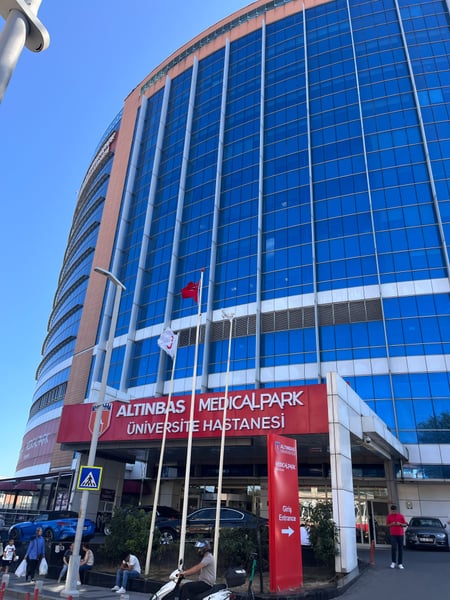
Medical Park Bahcelievler Hospital is a 242-bed JCI-accredited hospital in Istanbul, established in 2007. Spread across 33,000 square meters and 19 fl...

Multi-specialty
Established 2007
242 beds
Accreditations
Joint Commission International (JCI)
Facilities
+13
BLK-Max Super Speciality Hospital, New Delhi
Platinum
View Details

BLK-Max Super Speciality Hospital, New Delhi

New Delhi, India

BLK-Max Super Speciality Hospital in New Delhi is one of India's premier healthcare institutions, offering 650 beds, 22 advanced operation theatres, a...

Multi-specialty
Established 1959
650 beds
Accreditations
Joint Commission International (JCI)
National Accreditation Board for Hospitals & Healthcare Providers (NABH)
Facilities
+13
Fortis Memorial Research Institute (FMRI), Gurgaon
Platinum
View Details

Fortis Memorial Research Institute (FMRI), Gurgaon

Gurgaon, India

Fortis Memorial Research Institute (FMRI), Gurgaon, is a world-class multi-specialty hospital established in 2013. The hospital offers 330 beds, 15 op...

Multi-specialty
Established 2013
330 beds
Accreditations
Joint Commission International (JCI)
National Accreditation Board for Hospitals & Healthcare Providers (NABH)
Facilities
+13
Artemis Hospital, Gurgaon
Platinum
View Details

Artemis Hospital, Gurgaon

Gurgaon, India

Artemis Hospital, Gurgaon, is a JCI accredited multispecialty hospital that was established in 2007. It offers 750+ beds and world -class infrastructu...

Multi-specialty
Established 2007
750 beds
Accreditations
Joint Commission International (JCI)
National Accreditation Board for Hospitals & Healthcare Providers (NABH)
International Organization for Standardization (ISO)
Facilities
+13
Kokilaben Dhirubhai Ambani Hospital, Mumbai
Platinum
View Details

Kokilaben Dhirubhai Ambani Hospital, Mumbai

Mumbai, India

Kokilaben Dhirubhai Ambani Hospital, Mumbai, is a JCI, NABH, NABL, and CAP-accredited quaternary care hospital established in 2009. With 750 beds, 180...

Multi-specialty
Established 2009
750 beds
Accreditations
Joint Commission International (JCI)
National Accreditation Board for Hospitals & Healthcare Providers (NABH)
International Organization for Standardization (ISO)
Facilities
+13
Medicover Hospitals, Hitech City, Hyderabad
Platinum
View Details

Medicover Hospitals, Hitech City, Hyderabad

Hyderabad, India

Medicover Hospitals, Hitech City, Hyderabad, is a 400-bed NABH-accredited super-specialty hospital established in 2011. It is part of Medicover, a glo...

Multi-specialty
Established 2011
400 beds
Accreditations
National Accreditation Board for Hospitals & Healthcare Providers (NABH)
Joint Commission International (JCI)
Facilities
+13

Related Doctors

Connect with experienced doctors and medical specialists in this field.
 Dr. Sandesh Nanisetty

Dr. Sandesh Nanisetty

Consultant

11 years of experience
View Details
Dr. Murthy JMK

Dr. Murthy JMK

Senior Consultant

52 years of experience
View Details
Dr. Prof. Umesh T

Dr. Prof. Umesh T

Director

36 years of experience
View Details
Dr. Joydeep Chakrabartty

Dr. Joydeep Chakrabartty

Senior Consultant
20 years of experience
View Details
Dr. Dibendu Kr. Ray

Dr. Dibendu Kr. Ray

Consultant

20 years of experience
View Details
Dr. Sreejith M.D.

Dr. Sreejith M.D.

Consultant

7 years of experience
View Details

Related Articles

Explore more articles and insights on similar health topics.
Tummy Tuck Surgery in India: Cost, Recovery, Techniques, and Results
Medical Tourism

Tummy Tuck Surgery in India: Cost, Recovery, Techniques, and Results

11/6/2026, 7:02:43 AM
9 min read
There is a specific kind of frustration that brings people to a tummy tuck consultation. They have done the work. The weight is gone, or the pregnanci...
Breast Reconstruction After Breast Cancer Surgery
Medical Tourism

Breast Reconstruction After Breast Cancer Surgery

11/6/2026, 6:14:49 AM
11 min read
The conversation about breast reconstruction usually happens at the worst possible moment. A woman has just been told she needs a mastectomy. She is p...
Rhinoplasty in India: Cost, New Techniques, and Recovery

Medical Tourism

Rhinoplasty in India: Cost, New Techniques, and Recovery

11/6/2026, 5:58:34 AM
10 min read
Of all the cosmetic procedures patients travel abroad for, rhinoplasty is the one with the highest stakes and the smallest margin for error. The nose ...
Why IVF Fails: Common Causes and What to Do Next
Medical Tourism

Why IVF Fails: Common Causes and What to Do Next

10/6/2026, 8:51:09 PM
13 min read
A failed IVF cycle is a particular kind of grief. Unlike other fertility losses, it arrives after weeks of injections, monitoring appointments, early ...
IVF vs IUI: Differences, Success Rates, Costs, and Which Treatment Is Right for You

Medical Tourism

IVF vs IUI: Differences, Success Rates, Costs, and Which Treatment Is Right for You

10/6/2026, 8:35:36 PM
10 min read
Nobody arrives at a fertility clinic hoping to need IVF. Most couples start with the quieter hope that something simpler will work. IUI feels more app...
Egg Freezing Abroad: Best Countries, Costs, and What to Expect

Medical Tourism

Egg Freezing Abroad: Best Countries, Costs, and What to Expect

10/6/2026, 8:23:16 PM
10 min read
The question most women arrive with is simple enough: is it too late? They are usually 33, or 36, or 38. They have a demanding job, or the right perso...
Dr. Deepanshu Siwach

Sr. Medical Writer

Sr. Medical Content Writer Qonaq Health and Wellness
Doctor of Pharmacy

Dr. Deepanshu Siwach is an experienced clinical pharmacist with a Doctor of Pharmacy degree. He has over 4 years of experience and has worked with thousands of patients. He has been associated with ... Read More

Our website uses cookies. By clicking on accept you give your consent to the use of cookies as per our Privacy Policy.