
Heart Transplant Cost in India
About Heart Transplant
Heart transplants have become a powerful lifesaving option for people living with severe and irreversible heart failure. Worldwide, more than 26 million people struggle with advanced heart failure, and nearly 5,000 heart transplants take place each year across major transplant centers. Despite this growing need, donor availability remains limited, which makes timely evaluation and placement on a transplant waiting list extremely important.
Modern transplant programs now use refined surgical techniques, advanced organ-preservation systems, and improved medications that protect the new heart after surgery. These developments have increased survival rates and allowed many patients to return to active, fulfilling lives. As global awareness of organ donation grows, more individuals now receive a second chance through successful transplantation.
What Is a Heart Transplant?
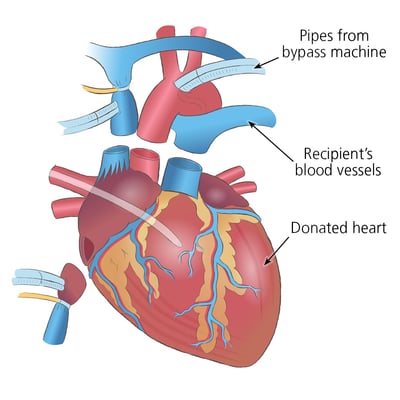
A heart transplant is a major surgery in which doctors replace a severely damaged or failing heart with a healthy donor heart. This operation becomes an option when the patient's own heart can no longer pump enough blood to support the body, even after using medicines or devices.
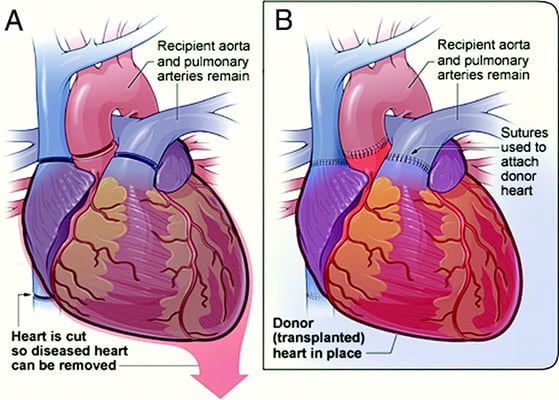
Doctors commonly perform an orthotopic heart transplant, where they remove the diseased heart and place the donor heart in the same position. In rare cases, they may use a heterotopic transplant, in which the new heart works alongside the existing one. The goal is to restore strong circulation, improve breathing, and improve the patient's quality of life.
When or Why Is a Heart Transplant Needed?
Doctors consider a heart transplant when the heart becomes too weak to support normal body functions, even after using advanced cardiac treatments. The procedure becomes a lifesaving option when no other therapy can stabilize the patient's condition.
- End-Stage Heart Failure: Patients reach this stage when the heart cannot pump enough blood despite maximum medical therapy. They often experience severe breathlessness, swelling, and fatigue during simple activities.
- Dilated or Restrictive Cardiomyopathy: These conditions weaken or stiffen the heart muscle. When the damage progresses and symptoms worsen, a transplant becomes the most effective solution.
- Severe Coronary Artery Disease: Some patients develop irreversible damage after repeated heart attacks. When bypass surgery or stents cannot restore adequate heart function, a transplant offers the best chance for survival.
- Life-Threatening Arrhythmias: Irregular heart rhythms can become dangerous and may not respond to medicines or device therapy. A transplant helps stabilize the heart when these episodes continue.
- Congenital Heart Defects: Some adults live with complex birth-related heart problems that multiple surgeries fail to correct. When the heart weakens over time, doctors consider transplantation.
- Failed Previous Surgeries or Mechanical Support: Patients who do not improve with ventricular assist devices (VADs) or other major cardiac surgeries may require a transplant for long-term recovery.
Get a Free Treatment Plan
About Heart Transplant in India
What Is the Cost of a Heart Transplant in India?
The average cost of a heart transplant in India ranges from $45,000 to $70,000, which is approximately ₹37 lakh to ₹58 lakh. Patients who require ECMO, a ventricular assist device (VAD), or extended ICU support may have slightly higher expenses.
Estimated Cost Breakdown
- Transplant Surgery: ₹20,00,000 – ₹28,00,000
- ICU Stay and Monitoring: ₹8,00,000 – ₹15,00,000
- Organ Retrieval and Donor Maintenance Charges: ₹4,00,000 – ₹7,00,000
- Pre-Transplant Tests and Evaluations: ₹2,00,000 – ₹4,00,000
- Medications During Hospital Stay: ₹1,00,000 – ₹2,50,000
- Hospital Stay After ICU: ₹1,50,000 – ₹3,00,000
Hospitals provide a detailed estimate before listing the patient for transplant, helping families plan their treatment journey with clarity.
What the Cost Includes
Most heart transplant packages in India cover the essential parts of surgery and immediate care:
- Consultations with cardiologists, transplant surgeons, and anesthesiologists
- Pre-surgery preparation, including operating room charges and anesthesia
- Transplant surgery fees, including the entire surgical team
- Organ retrieval and donor heart preservation
- ICU stay and continuous monitoring after surgery
- Hospital stay, typically spanning several days to weeks
- Medicines, injections, and fluids given during the hospital stay
- Early immunosuppressive therapy started in the ICU
- Post-operative wound care and physiotherapy until discharge
These elements cover the critical phases of the transplant and early stabilization.
What the Cost Excludes
Some expenses fall outside the base package because they vary from patient to patient:
- Advanced imaging and specialized lab tests, including PET scans or genetic tests
- Mechanical circulatory support, such as ECMO or VAD, if needed
- Long-term immunosuppressive medicines, which continue for life
- Treatment of complications, such as infections or rejection episodes
- Travel, accommodation, and visa costs for international patients
- Follow-up biopsies and consultations after discharge
- Repeat hospital admissions, if needed, during the first year
What Is the City-Wise Cost of a Heart Transplant in India?
Heart transplant costs vary across major Indian cities due to differences in hospital infrastructure, transplant program experience, donor availability, and post-transplant care standards. The comparison below helps patients understand how costs shift from one city to another.
City | Average Cost (USD) | Approx. Cost (INR) |
| New Delhi | $48,000 – $70,000 | ₹39,00,000 – ₹58,00,000 |
| Mumbai | $50,000 – $72,000 | ₹41,00,000 – ₹60,00,000 |
| Chennai | $45,000 – $68,000 | ₹37,00,000 – ₹55,00,000 |
| Bangalore | $48,000 – $70,000 | ₹39,00,000 – ₹58,00,000 |
| Hyderabad | $46,000 – $69,000 | ₹38,00,000 – ₹56,00,000 |
New Delhi and Mumbai: Both cities house high-volume transplant programs with advanced ICUs, ECMO support, and experienced surgical teams. Costs trend slightly higher due to extensive donor coordination and state-of-the-art cardiac units.
Chennai and Hyderabad: These cities offer strong cardiac transplant services at affordable prices. Their hospitals have experienced teams, modern equipment, and strong post-transplant support systems.
Bangalore: Bangalore stands out for its technologically advanced hospitals, skilled specialists, and smooth international patient processes. Many patients choose it for efficient care and shorter waiting times.
What Factors Affect the Cost of a Heart Transplant in India?
Several medical, surgical, and logistical factors influence the total cost of a heart transplant. Each patient's condition is unique, and the final amount depends on the level of care required before, during, and after the procedure.
- Donor Matching and Organ Allocation: The cost may increase when donor retrieval involves long-distance coordination or complex transportation. Additional matching tests also affect expenses.
- Pre-Transplant Evaluation: Patients undergo extensive cardiac, medical, and psychological assessments. The number and type of tests influence the total cost before surgery.
- Type and Severity of Heart Failure: Patients with advanced or unstable heart failure may require more extended hospital stays, multiple medications, or urgent transplant listing, which increases overall cost.
- Need for Mechanical Support (ECMO or VAD): Some patients require temporary circulatory support before the transplant. ECMO and ventricular assist devices significantly increase treatment costs.
- ICU and Hospital Stay Duration: Longer ICU monitoring or complications during recovery lead to increased hospital bills. Stable patients often have shorter stays and lower costs.
- Expertise of the Surgical and Transplant Team: Surgeons and hospitals with high transplant volumes often charge more due to advanced technology, skilled staff, and specialized post-operative care.
- Post-Transplant Complications: If infections, rejection episodes, or organ dysfunction occur, the patient may need additional tests and medications, which can increase the final cost.
- Need for Specialized Medicines: Certain immunosuppressive medicines or advanced anti-rejection drugs cost more and may increase total expenses depending on the patient's condition.
How Does the Cost of a Heart Transplant in India Compare With Other Countries?
Heart transplant surgery in India remains far more affordable than in most Western and Middle Eastern countries. Patients receive advanced surgical care, modern ICUs, skilled transplant teams, and internationally accepted protocols at a fraction of global prices.
Country | Average Cost (USD) |
| India | $45,000 – $70,000 |
| United States | $10,00,000 – $15,00,000 |
| United Kingdom | $2,50,000 – $4,00,000 |
| Thailand | $80,000 – $1,20,000 |
| UAE | $1,50,000 – $2,50,000 |
India offers heart transplant surgery at 70–90% lower cost than the US, UK, or UAE. Despite lower pricing, hospitals adhere to strict medical laws, advanced donor-matching protocols, and internationally recognized transplant standards. Patients benefit from high-quality care, modern technology, and experienced specialists without the financial burden seen in high-income countries.
What Legal Requirements Apply to Heart Transplants?
Heart transplants are governed by strict legal and ethical rules to ensure fairness, safety, and complete transparency. These legalisations protect both the donor and the recipient and guide hospitals through every step of the transplant process.
- Organ Donation Laws: Indian transplant laws allow only voluntary, consent-based organ donation. Doctors can use a heart for transplantation only after a certified team confirms brain death through legally approved tests.
- Brain-Death Certification: Doctors follow a structured protocol to declare brain death. Two different specialists perform neurological tests and complete official documentation before a donor heart becomes eligible for retrieval.
- Authorization for Transplant Surgery: Hospitals need approval from an authorized transplant committee. This committee reviews medical reports, donor consent, and transplant indications before it allows the surgery to proceed.
- Organ Allocation System: The national and state-level organ sharing networks (NOTTO, SOTTO, and ROTTO) manage the waiting list. These systems allocate hearts based on medical urgency, compatibility, and waiting time, ensuring fair distribution.
- Consent and Family Approval: Even with brain-death confirmation, doctors require formal permission from the donor's family. They explain every step clearly to help families make informed decisions.
These legal guidelines uphold ethical standards and ensure the transplant process remains transparent, accountable, and safe for every patient.
How Is a Donor Heart Selected?
Selecting a donor heart is a precise and time-sensitive process. Doctors evaluate several medical and logistical factors to ensure the donated heart matches the recipient's needs and functions safely after transplantation.
- Brain-Death Confirmation: A donor heart becomes eligible only after doctors confirm brain death using approved neurological tests. Two independent specialists document these findings to ensure legal and medical accuracy.
- Blood Group Compatibility: Doctors match the donor and recipient blood groups to reduce the risk of rejection. A compatible match helps the new heart function smoothly once transplanted.
- Size and Age Match: The donor heart should closely match the recipient's body size and age. A heart that is too small or too large may not provide safe and effective circulation.
- Tissue Matching and Crossmatch: Doctors perform specific laboratory tests to check immune compatibility. A negative crossmatch lowers the chance of rejection and improves long-term success.
- Heart Function Evaluation: The transplant team assesses the donor heart using physical examination, echocardiography, and blood tests. These checks confirm that the heart is healthy and strong enough for transplantation.
- Time Window for Retrieval: The team retrieves and transports the donor heart within a strict time limit to preserve its function. Coordination between hospitals ensures smooth and fast transfer.
What Evaluations Are Required Before a Heart Transplant?
Doctors perform thorough evaluations before adding a patient to the transplant waiting list. These assessments help confirm that the patient is medically fit, emotionally prepared, and ready for long-term post-transplant care.
- Medical Evaluation: Doctors check lung function, kidney performance, liver strength, and blood chemistry. Imaging studies such as echocardiography, CT scans, or MRI help them measure heart damage.
- Cardiac Tests: Patients undergo ECG, stress testing, heart catheterization, and advanced imaging when needed.
- Cancer and Infection Screening: Doctors screen for cancer, long-term infections, dental issues, and immune-related conditions. They treat any existing infections before the transplant to reduce risk after surgery.
- Psychological Evaluation: A successful transplant requires emotional readiness. Psychologists speak with patients to understand their mental strength, coping skills, and home support system.
- Lifestyle and Social Assessment: Doctors assess the patient's ability to follow lifelong medications, attend follow-up visits, and maintain a stable home environment. They also discuss essential lifestyle changes, including diet, exercise, and avoiding tobacco or alcohol.
- Financial Counseling: Transplant coordinators explain the complete cost, including surgery, ICU care, and long-term medicines. They guide patients on insurance coverage, expected expenses, and follow-up costs.
How Is a Heart Transplant Performed?
A heart transplant follows a carefully planned sequence of steps. The entire surgical team works together to ensure safety, precision, and a smooth transition from the failing heart to the donor heart.
- Anesthesia and Preparation: Doctors begin by giving general anesthesia so the patient sleeps comfortably throughout the surgery. The team then prepares the chest area and closely monitors vital signs.
- Opening the Chest: The surgeon makes an incision in the center of the chest and opens the breastbone to reach the heart. This approach provides a clear and safe view of all major structures.
- Connecting to a Heart-Lung Machine: Doctors use a heart-lung machine to keep blood flowing through the body while the surgeon removes the damaged heart. This machine supplies oxygen and maintains circulation during the operation.
- Removing the Diseased Heart: The surgeon detaches the failing heart from the major blood vessels, leaving portions that serve as anchors for the new heart. This step clears the path for the donor heart.
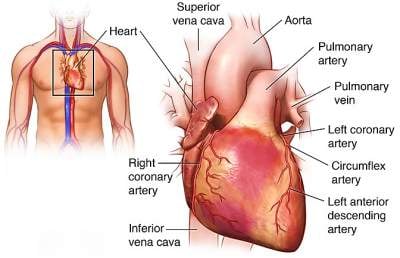
- Implanting the Donor Heart: The surgeon carefully positions the donor heart and connects it to the main vessels (the aorta, pulmonary artery, and veins). Each connection must be precise to ensure proper blood flow.
- Restarting and Adjusting the New Heart: Once attached, the surgeon restarts the donor heart. The team adjusts medications and monitors blood pressure, rhythm, and circulation closely to ensure stability.
What Is the Recovery and Success Rate After a Heart Transplant?
Recovery after a heart transplant happens in several stages. Each stage focuses on healing, rebuilding strength, and protecting the new heart. Doctors guide every step to ensure smooth progress and long-term stability.
Immediate Recovery After Surgery
Patients spend the first 7 to 14 days in the hospital. The initial period includes close ICU monitoring, breathing support, and careful medication adjustment. Once the new heart works steadily, doctors move the patient to a step-down unit for continued recovery.
Recovery at Home
Most patients return home within 3 to 4 weeks. During this time, they follow a structured plan that includes walking, light activity, and wound care. Regular follow-up visits help the team track the heart's performance and adjust medicines when needed.
Return to Normal Activities
Patients usually resume routine daily activities within 6 to 8 weeks. They return to work in 3 to 6 months, depending on their job and the physical demands of their role. Exercise programs and cardiac rehabilitation strengthen stamina and support long-term recovery.
Patients take lifelong immunosuppressive medicines to protect the new heart. Regular check-ups, heart biopsies, blood tests, and imaging help detect early changes and keep the heart functioning well.
Success Rates
Heart transplant outcomes continue to improve with better surgical methods, advanced ICU care, and modern anti-rejection medicines.
- 1-year survival rates now reach 85–90% in well-established transplant centers.
- 5-year survival rates remain around 70–75%, depending on age and underlying health.
Many patients live healthy, active lives for decades after transplantation.
Why Choose India for a Heart Transplant?
India has become a trusted destination for heart transplants because patients receive advanced medical care, highly skilled teams, and strong post-operative support at a fraction of global costs. Hospitals across the country combine expertise, modern technology, and well-structured transplant programs to ensure safe and reliable outcomes.
- Experienced Heart Transplant Surgeons: India's transplant surgeons handle complex cases regularly and bring decades of experience in managing end-stage heart failure.
- Advanced Cardiac ICUs and Technology: Hospitals use modern ICU setups, ECMO machines, ventricular assist devices, and high-end monitoring systems.
- Strong Organ Allocation and Coordination: India has nationally regulated organ-sharing networks that ensure fair allocation and systematic donor management.
- Affordable Treatment With International Standards: Transplant patients receive world-class care at significantly lower prices compared to the US, UK, or the Middle East.
- Accredited Transplant Centers: Many top cardiac hospitals hold NABH and JCI accreditations, ensuring high safety standards, infection control, and evidence-based medical practices.
- English-Speaking Teams: Doctors, nurses, and transplant coordinators communicate clearly in English, making the process easy and reassuring for international patients.
- Comprehensive Patient Support Services: Hospitals assist with medical visas, airport transfers, accommodation, financial counseling, and follow-up planning. This support ensures a smooth journey from evaluation to recovery.
Heart Transplant Cost Comparison by Country
Compare Heart Transplant costs across different countries to make an informed decision about your medical treatment.
| Country | Cost Range (USD) | Potential Savings | Action |
|---|---|---|---|
IndiaCurrentBest Value | $45,000 - $70,000 | — | Get Quote |
Note: Costs may vary based on hospital choice, room type, additional services, and individual medical requirements. Contact us for a personalized quote.
Leading Hospitals for Heart Transplant in India

Medical Park Bahcelievler Hospital
Medical Park Bahcelievler Hospital is a 242-bed JCI-accredited hospital in Istanbul, established in 2007. Spread across 33,000 square meters and 19 fl...
Accreditations
Facilities

Hisar Intercontinental Hospital, Istanbul
Hisar Intercontinental Hospital in Istanbul is a JCI-accredited, 212-bed multispecialty hospital spanning 35,000 square meters and featuring 53 medica...
Accreditations
Facilities

Medipol Bahçelievler Hospital
Medipol Bahçelievler Hospital is a 441-bed private hospital in Istanbul that began operations in May 2022. Covering 60,000 square meters across 15 flo...
Accreditations
Facilities
Similar Procedures
Gallery
FAQ


Our website uses cookies. By clicking on accept you give your consent to the use of cookies as per our Privacy Policy.