
Stem Cell Transplant Cost in India
About Stem Cell Transplant
What Is a Stem Cell Transplant?
A stem cell transplant is a procedure that restores healthy bone marrow in patients whose marrow has been damaged by disease, chemotherapy, or certain blood disorders. The goal of this treatment is to help the body produce normal blood cells again by introducing healthy stem cells, which are the "mother cells" responsible for creating red blood cells, white blood cells, and platelets.
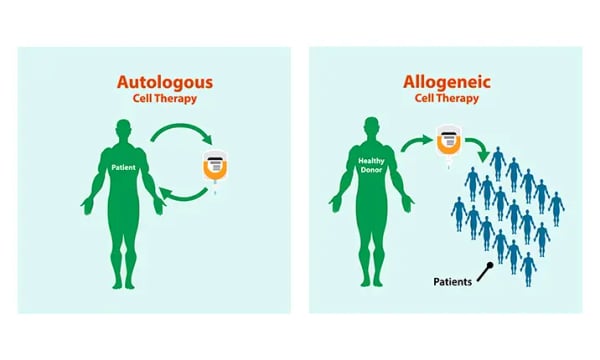
These stem cells can be obtained from the patient's own body (known as an autologous transplant) or from a donor (referred to as an allogeneic transplant). In some cases, a partial match from a family member may be used, referred to as a haploidentical transplant.
Stem cell transplant is often recommended for people suffering from conditions like:
- Leukemia
- Lymphoma
- Multiple Myeloma
- Aplastic Anemia
- Thalassemia
- Certain immune deficiency disorders
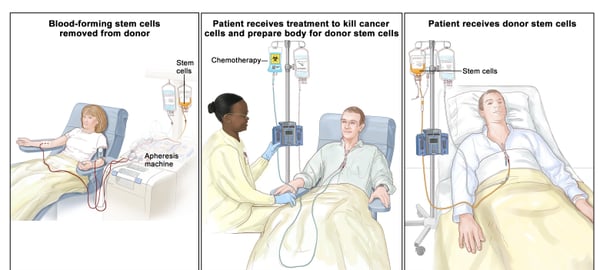
The procedure involves several phases, starting with pre-transplant evaluations, followed by high-dose chemotherapy or radiation (to eliminate diseased cells), then the actual stem cell infusion, and finally a careful post-transplant recovery period.
Although complex, stem cell transplant offers new hope to patients with otherwise life-threatening conditions.
What Are the Different Types of Stem Cell Transplants?
Stem cell transplants are classified based on the source of the stem cells. Choosing the right type depends on the disease being treated, the availability of a donor, the patient's health condition, and the doctor's recommendation.
Autologous Stem Cell Transplant (Self-Derived)
In an autologous transplant, the patient's own stem cells are used for the treatment. These cells are collected from the bloodstream or bone marrow prior to the patient undergoing high-dose chemotherapy or radiation. Once the cancer or diseased cells are destroyed, the stem cells are infused back into the body to help regenerate healthy marrow.
This method is mainly used in:
- Multiple myeloma
- Relapsed Hodgkin's or Non-Hodgkin's lymphoma
- Certain solid tumors in children
Advantages:
- No risk of graft-versus-host disease (GVHD), since the cells come from the patient.
- Lower risk of immune rejection.
- Shorter hospital stay and faster initial recovery.
However, there's a risk that some of the collected stem cells may still carry traces of cancer, which is why this type is not suitable for certain types of leukemia.
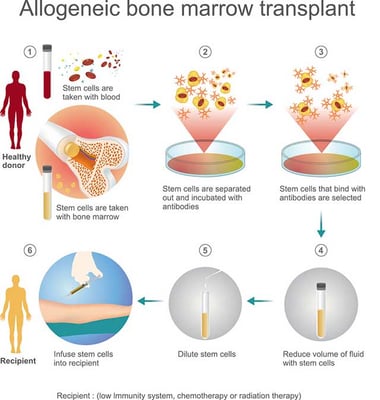
Allogeneic Stem Cell Transplant (Donor-Derived)
An allogeneic transplant uses stem cells from another person — usually a genetically matched sibling, relative, or unrelated donor. Before the transplant, a test called HLA typing is done to ensure compatibility between the donor and patient. This method is commonly used to treat:
- Acute and chronic leukemias
- Aplastic anemia
- Inherited blood disorders like thalassemia
- Myelodysplastic syndromes (MDS)
Advantages:
- The donor stem cells may also attack leftover cancer cells — a beneficial effect known as the graft-versus-leukemia effect.
- Healthy donor stem cells create a new immune system in the patient's body.
Risks:
- Possibility of GVHD, where the donor's immune cells attack the recipient's body.
- Requires more careful monitoring, especially in the first 100 days.
Allogeneic transplant is more complex and costlier than autologous but can be curative in many high-risk cases.
Haploidentical Stem Cell Transplant (Half-Matched Donor)
Haploidentical stem cell transplant is a form of allogeneic transplant where the donor is only a 50% genetic match. This option is ideal for patients who cannot find a fully matched donor. Family members (such as parents, children, or siblings) are often used as donors.
Recent advances in immunosuppressive therapy have made this type of transplant safer and more successful, even in resource-limited settings. Commonly used for:
- Leukemia
- Lymphoma
- Aplastic anemia
- Thalassemia when no matched sibling is available
Pros:
- Nearly every patient can find a half-matched family donor.
- Quick donor availability speeds up the transplant process.
Cons:
- Higher risk of immune complications compared to matched sibling transplants.
- Requires expert care and close monitoring.
Umbilical Cord Blood Transplant
Umbilical cord stem cell transplant uses stem cells collected from umbilical cord blood at birth. These cells are preserved in cord blood banks and can be used for transplants, especially in children. Although these cells are more adaptable to HLA mismatches, they are fewer in number, which limits their use in adults.
Who Needs a Stem Cell Transplant?
A stem cell transplant is often a life-saving treatment for people whose bone marrow is no longer functioning correctly. It could be due to cancer, a genetic disorder, or a severe immune system failure. In such cases, replacing the faulty or destroyed marrow with healthy stem cells helps the body start producing normal blood cells again.
The primary conditions where stem cell transplantation is commonly recommended are:
Blood Cancers
Many patients diagnosed with blood cancers require a transplant as part of their long-term treatment plan. These include:
- Leukemia: Especially acute lymphoblastic leukemia (ALL) and acute myeloid leukemia (AML). Transplants help eliminate cancerous cells and rebuild healthy marrow.
- Lymphoma: Both Hodgkin's and Non-Hodgkin's lymphoma, especially in relapsed or aggressive forms.
- Multiple Myeloma: Autologous stem cell transplant is often used after initial chemotherapy to prolong remission.
Bone Marrow Failure Disorders
When the marrow fails to produce enough healthy blood cells, a transplant becomes essential:
- Aplastic Anemia: A disease where the body stops producing sufficient new blood cells.
- Myelodysplastic Syndrome (MDS): A group of disorders where blood cells are poorly formed or dysfunctional.
- Paroxysmal Nocturnal Hemoglobinuria (PNH): A rare disorder that destroys red blood cells and increases the risk of clots.
Inherited Blood Disorders
Children and young adults with certain genetic conditions can achieve a cure through stem cell transplantation:
- Thalassemia Major: Especially in young patients with a matched donor, stem cell transplant can eliminate the need for lifelong blood transfusions.
- Sickle Cell Disease: In severe or recurrent cases, transplant may be offered when standard treatments fail.
- Fanconi Anemia: A rare inherited condition that affects bone marrow and leads to aplastic anemia or cancer.
Immune Deficiency Syndromes and Relapsed or Resistant Cancers
Some people are born with debilitate immune systems, making them prone to frequent infections. A stem cell transplant can rebuild their immunity. Examples include:
- Severe Combined Immunodeficiency (SCID)
- Wiskott-Aldrich Syndrome
- Chronic Granulomatous Disease
If standard chemotherapy or radiation fails, or the disease returns after remission, doctors may advise stem cell transplant as a last but powerful option.
What Is the Procedure for a Stem Cell Transplant?
A stem cell transplant is a carefully planned, multi-phase treatment that takes place over several weeks. The process involves preparing the patient, collecting and infusing stem cells, and then managing the body's response during the recovery period. Each step is crucial to ensure the transplanted stem cells take hold and begin producing healthy blood cells.
Pre-Transplant Evaluation
Before the transplant, a complete health assessment is done to check whether the patient is fit enough to undergo the procedure. It includes:
- Blood tests
- Imaging scans (like chest X-rays or CT scans)
- Heart and lung function tests
- Bone marrow biopsy (in some cases)
- HLA typing for donor matching (in allogeneic or haploidentical transplants)
Doctors also screen for infections, assess organ function, and identify other risk factors that may impact transplant outcomes.
Conditioning Therapy
Once the evaluation is complete, the patient receives conditioning treatment, which usually involves high-dose chemotherapy, radiation therapy, or a combination of both. This phase is essential because it:
- Destroys cancerous or diseased cells in the bone marrow
- Suppresses the immune system and helps reduce the risk of transplant rejection
- Makes space for the new stem cells to grow
Conditioning can last from a few days to over a week, depending on the patient's disease and the transplant type.
Stem Cell Collection
Stem cells are collected before the transplant. It can be done in different ways:
- From the patient's blood (for autologous transplants)
- From a donor's blood or bone marrow (for allogeneic transplants)
- From umbilical cord blood, if previously stored and matched
The collection process is usually painless and done under controlled conditions.
Stem Cell Infusion
After conditioning, the collected stem cells are thawed (if frozen) and infused into the patient's bloodstream, much like a blood transfusion. This part of the transplant is straightforward and usually takes a few hours.
Once infused, the stem cells move to the bone marrow and initiate the process of engraftment, during which they begin producing new, healthy blood cells.
Recovery and Engraftment Monitoring
The days following infusion are the most critical. The patient is closely monitored for:
- Infections (since immunity is very low)
- Organ function
- Graft-versus-host disease (in donor-based transplants)
- Bleeding or transfusion needs
Engraftment usually begins around 10 to 20 days after infusion. During this time, supportive care, including antibiotics, pain relief, nutritional support, and blood products, may be necessary.
Get a Free Treatment Plan
About Stem Cell Transplant in India
What Is the Cost of Stem Cell Transplant in India?
The cost of a stem cell transplant in India typically ranges between ₹15,00,000 and ₹35,00,000 (approximately $18,000 to $42,000), depending on several factors, including the type of transplant, the hospital, and the patient's clinical condition. The cost usually covers the full course of treatment, from evaluation to post-transplant care.
A standard stem cell transplant package at Indian hospitals includes:
- Pre-transplant evaluations such as HLA typing, imaging, blood tests, and infection screening.
- Hospital admission and inpatient care in specialized isolation rooms with HEPA filters.
- High-dose chemotherapy or radiation therapy for conditioning.
- Stem cell collection, processing, and storage (for autologous or donor-based procedures).
- Transplantation procedure including stem cell infusion and infusion-related care.
- Post-transplant monitoring such as infection control, blood transfusions, and supportive medications.
- Initial follow-up care for around 30–60 days after discharge (varies by center).
In some cases, additional expenses may arise for donor identification (for unrelated transplants), treatment of complications like graft-versus-host disease (GVHD), or extended ICU stay. International patients may also need to account for travel, visa, food, and accommodation costs separately.
Detailed Cost Breakdown of Stem Cell Transplant in India
The overall cost of a stem cell transplantation in India, which ranges between $18,000 and $42,000, can be better understood when broken down into individual components. Each phase of the transplant journey involves specific medical and logistical expenses.
- The initial phase includes pre-transplant evaluations, which typically cost between ₹1,00,000 and ₹2,00,000. These evaluations involve blood tests, imaging, heart and lung assessments, and donor matching (HLA typing), which are essential before proceeding with the transplant.
- The hospital stay accounts for a significant portion of the cost. For most patients, inpatient care in a high-efficiency isolation unit can cost anywhere between ₹4,00,000 and ₹7,00,000, depending on the duration of admission, which usually ranges from two to four weeks. Isolation rooms equipped with HEPA filters are essential for reducing the risk of infection during periods of immune suppression.
- The stem cell collection and processing charges vary depending on whether the transplant is autologous or allogeneic. For autologous transplants, the cost ranges from ₹2,00,000 to ₹4,00,000, while allogeneic transplants can cost ₹3,00,000 to ₹6,00,000, particularly if donor stem cells need to be mobilized and stored.
- Chemotherapy or conditioning therapy, which is administered before the transplant to destroy cancerous or damaged cells, adds around ₹1,50,000 to ₹3,00,000 to the total bill. Some cases may require additional radiation sessions, which are charged separately.
- The actual transplantation procedure, which includes stem cell infusion, medication, transfusions, and close monitoring, typically ranges between ₹3,00,000 and ₹5,00,000.
- Post-transplant care, including infection control, immunosuppressive drugs, supportive injections, and routine blood monitoring for the first 30–60 days, can cost another ₹2,00,000 to ₹4,00,000. This phase may also include the treatment of complications, such as graft-versus-host disease (GVHD), which can increase the cost if additional hospitalization is required.
Cost Component | Estimated Cost (INR) | Estimated Cost (USD) |
| Pre-Transplant Evaluation | ₹1,00,000 – ₹2,00,000 | $1,200 – $2,400 |
| Hospital Stay (Isolation & ICU) | ₹4,00,000 – ₹7,00,000 | $4,800 – $8,400 |
| Stem Cell Collection & Processing | ₹2,00,000 – ₹6,00,000 | $2,400 – $7,200 |
| Chemotherapy / Conditioning Therapy | ₹1,50,000 – ₹3,00,000 | $1,800 – $3,600 |
| Transplant Procedure & Infusion | ₹3,00,000 – ₹5,00,000 | $3,600 – $6,000 |
| Post-Transplant Medications & Monitoring | ₹2,00,000 – ₹4,00,000 | $2,400 – $4,800 |
| Total Estimated Cost | ₹15,00,000 – ₹35,00,000 | $18,000 – $42,000 |
Note: Prices may vary based on the type of transplant (autologous vs. allogeneic), complications, duration of stay, and the hospital chosen.
Cost Comparison: Stem Cell Transplant in India vs Other Countries
One of the biggest reasons overseas patients from more than 120 nations choose India for stem cell transplant is the significant cost advantage. While hospitals in India offer internationally accredited care with top-notch medical technology, the total expense remains a fraction of what it would cost in many Western countries.
Country | Average Cost (USD) | Inclusions |
| India | $18,000 – $42,000 | Complete transplant package including hospitalization, chemo, transplant, follow-up |
| United States | $120,000 – $250,000 | Usually excludes post-op stay and long-term care |
| United Kingdom | $100,000 – $200,000 | NHS may cover UK residents; private hospitals are costly |
| Canada | $110,000 – $210,000 | Public system covers locals; private costs for foreigners are high |
| Singapore | $60,000 – $120,000 | Excellent care, but overall expensive |
| UAE / Middle East | $80,000 – $150,000 | High-quality services, but at a premium price |
| Thailand | $30,000 – $50,000 | Competitive pricing, though still more than India |
Despite the lower pricing, the quality of care in India remains on par with global standards — making it an ideal destination for patients who need timely, affordable, and effective stem cell transplant care.
What Factors Affect Stem Cell Transplant Cost in India?
The cost of a stem cell transplant in India can vary widely between patients. While the average range falls between ₹15,00,000 and ₹35,00,000, several key factors influence where a patient falls within this spectrum.
- Type of Transplant: The most significant cost variation arises from the kind of stem cell transplant being performed. An autologous transplant is less expensive than an allogeneic transplant. Haploidentical and unrelated donor transplants further increase costs due to added testing, stem cell procurement, and immune-suppressive care.
- Donor Availability and Matching: If a matched sibling donor is available, the process is more straightforward and more cost-effective. However, when a matched unrelated donor or cord blood unit must be sourced from a registry, the cost rises.
- Choice of Hospital and City: Renowned multispecialty centers in metropolitan areas like Delhi, Mumbai, or Bangalore may charge more due to their premium infrastructure and advanced infection control systems.
- Length of Hospital Stay: If complications arise (such as infections or delayed engraftment), the hospital stay can extend, thereby increasing the overall bill.
- Post-Transplant Complications: Some patients may experience graft-versus-host disease (GVHD), serious infections, or organ dysfunction, especially after allogeneic transplants. Managing these complications requires additional medications, supportive care, or even re-hospitalization, all of which increase the total expenditure.
- Medications and Supportive Therapy: Costs for growth factors, antifungals, antivirals, and immunosuppressants can accumulate over the first few months of treatment.
- Follow-up and Recovery Needs: After discharge, the patient may require frequent follow-up tests, blood transfusions, or extended nutritional and physical rehabilitation services.
Why Choose India for Stem Cell Transplant?
India has become one of the world's leading destinations for stem cell transplant due to a rare combination of world-class treatment, experienced doctors, and affordable pricing. For patients facing complex blood disorders and life-threatening conditions, India offers not only clinical excellence but also personalized, compassionate care at a fraction of the global cost.
- Internationally Accredited Hospitals: India offers top-tier hospitals with JCI and NABH accreditations. These centers are equipped with HEPA-filtered transplant units and advanced laboratories that adhere to global standards.
- Expert Transplant Specialists: India boasts highly experienced doctors who have successfully handled hundreds of transplants. Many have received training in Europe or the US, ensuring access to world-class care.
- Cost-Effective Treatment: The cost of stem cell transplant in India is just a fraction of what it costs in the West, starting from ₹15 lakh. Yet, the quality of care remains uncompromised.
- High Success Rates: Indian hospitals report strong success rates, with over 80% for autologous transplants and up to 75% for matched donor transplants. These outcomes align with global benchmarks.
- Fast Treatment Without Waitlists: Unlike Western countries, where waiting for a transplant can take months, Indian hospitals can begin treatment quickly after evaluation and donor confirmation.
- Dedicated International Patient Support: From visa letters and airport pickups to translators and hotel booking, Indian hospitals offer full logistical support to patients traveling from abroad.
- Donor Flexibility: India has a strong track record in performing haploidentical and unrelated donor transplants. It benefits patients who don't have a fully matched sibling donor.
What Services Are Available for International Patients Undergoing Stem Cell Transplant in India?
India is a global hub for medical tourism, and top hospitals ensure that international patients receive not only excellent medical care but also comprehensive logistical and emotional support throughout their treatment journey.
- Medical Visa Assistance: Hospitals provide official invitation letters to help patients and donors secure a fast-track medical visa from Indian embassies. Many also guide families through the visa application process.
- Airport Pickup and Transfers: On arrival, patients are offered airport pickup services with a hospital representative to ensure safe and direct transport to the medical facility or hotel.
- Dedicated International Patient Coordinator: A multilingual coordinator is assigned to manage appointments, hospital admissions, discharge planning, and communication with doctors throughout the treatment.
- Affordable Accommodation Options: Hospitals either have in-house guest rooms or tie-ups with nearby hotels and serviced apartments for long-term stays. These are comfortable, hygienic, and budget-friendly for patient families.
- Language Interpretation Services: For non-English speakers, interpretation support is available in Arabic, French, Swahili, Bengali, and other major languages, facilitating easy communication with doctors and staff.
- Donor and Family Support: In allogeneic transplants, donors often accompany the patient. Hospitals assist in arranging donor evaluations, accommodations, and documentation for both parties.
- Food and Cultural Considerations: Hospitals often provide customized food options that take into account cultural and dietary needs, including halal, vegetarian, and African cuisine upon request.
- Post-Treatment Follow-up Coordination: Once the patient returns home, hospitals maintain ongoing communication through email, video consultations, and WhatsApp support to track recovery and manage medications.
These services are designed to make the process smooth and stress-free, allowing patients to focus entirely on their healing while the hospital handles the rest.
What Is the Success Rate and Recovery Timeline of Stem Cell Transplant in India?
Stem cell transplant is a complex and high-stakes treatment, but with the right medical team and supportive care, it offers excellent long-term outcomes. In India, the success rate of stem cell transplants is comparable to that of top international centers, while the recovery journey is carefully managed through structured protocols.
Success Rate of Stem Cell Transplant in India
The success of a stem cell transplant depends on multiple factors, including the patient's age, disease type, donor match, and the timing of the transplant. That said, India has built a strong track record of high success rates across various transplant types.
- Autologous Stem Cell Transplant: In cases like multiple myeloma or relapsed lymphoma, where the patient's own stem cells are used, India reports success rates of 80–90%. Since there is no risk of rejection, these procedures are generally safer and have quicker recovery times.
- Allogeneic Stem Cell Transplant: For patients receiving donor stem cells — especially those with leukemia, thalassemia, or aplastic anemia — success rates range from 60% to 75%, provided there is a suitable donor match and a timely transplant.
- Haploidentical Transplants (Half-Matched Donors): With improvements in immunosuppressive therapy and GVHD management, India has achieved survival rates of 50–70% even in high-risk haploidentical transplants.
- Pediatric Thalassemia and Immune Disorders: Children with matched sibling donors often see success rates above 90%, particularly when transplanted early in the disease course.
Success is typically measured by engraftment (the acceptance of new stem cells), the absence of severe graft-versus-host disease (GVHD), and long-term disease-free survival. Indian hospitals adhere to global protocols for transplant eligibility, infection control, and complication management, resulting in consistently positive outcomes.
Recovery Timeline After Stem Cell Transplant in India
Recovery after a stem cell transplant is gradual and closely supervised. While the hospital stay is just a few weeks, complete recovery can take several months.
- Hospital Stay (2-4 Weeks): Patients remain hospitalized during the transplant and engraftment phases. During this time, they are kept in protective isolation to reduce the risk of infection. Daily blood tests are performed to track the recovery of WBCs, RBCs, and platelets.
- Engraftment Period (10 to 20 Days Post-Infusion): This is the period when the transplanted stem cells begin producing new blood cells. Signs of engraftment include rising white cell counts and improved immunity. Fever, rashes, or gastrointestinal symptoms may occur and are treated promptly.
- Initial Home Recovery (1 to 3 Months): After discharge, patients continue recovering at home or in hotel apartments near the hospital. They must follow strict hygiene practices, avoid crowds, and attend frequent follow-ups. During this phase, they may require supportive medications, such as antivirals, antifungals, and immune boosters.
- Immune System Rebuilding (3 to 12 Months): It can take up to one year for the immune system to recover fully, especially in allogeneic or haploidentical transplants. Patients are gradually re-vaccinated during this time and closely monitored for late complications.
- Return to Normal Life (6 to 12 Months): Most patients resume work, school, or everyday activities within 6 to 12 months, depending on their overall condition. Physical strength, mental well-being, and quality of life steadily improve during this time with good nutrition, rest, and rehabilitation.
Stem Cell Transplant Cost Comparison by Country
Compare Stem Cell Transplant costs across different countries to make an informed decision about your medical treatment.
| Country | Cost Range (USD) | Potential Savings | Action |
|---|---|---|---|
IndiaCurrentBest Value | $18,000 - $42,000 | — | Get Quote |
Note: Costs may vary based on hospital choice, room type, additional services, and individual medical requirements. Contact us for a personalized quote.
Leading Hospitals for Stem Cell Transplant in India

BLK-Max Super Speciality Hospital, New Delhi
BLK-Max Super Speciality Hospital in New Delhi is one of India's premier healthcare institutions, offering 650 beds, 22 advanced operation theatres, a...
Accreditations

Facilities
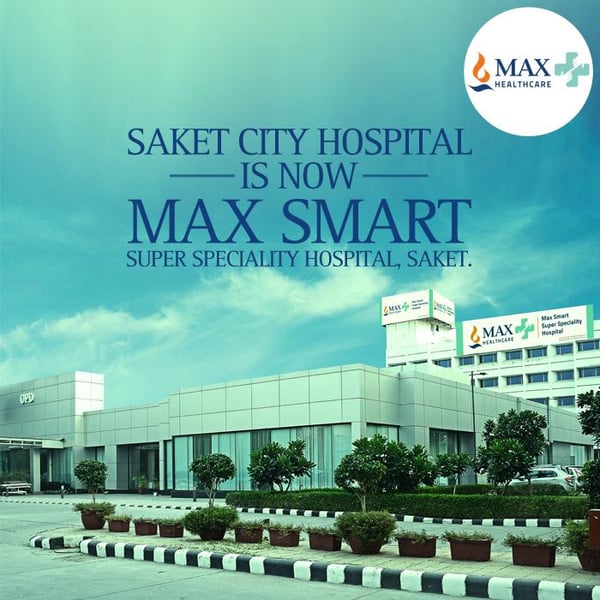
Max Smart Super Speciality Hospital, Saket, New Delhi
Max Smart Super Speciality Hospital, Saket, is a 250-bed tertiary care hospital in South Delhi. It offers advanced medical and surgical care across 22...
Accreditations
Facilities
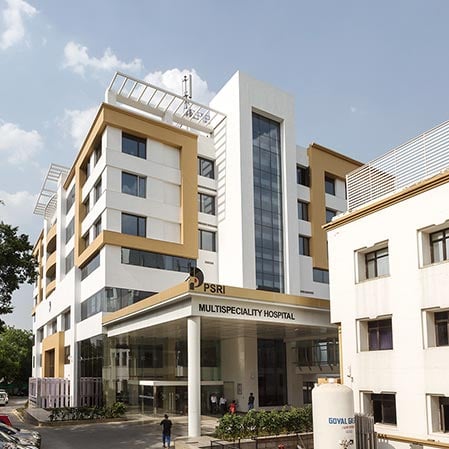
PSRI Hospital, Delhi
Pushpawati Singhania Research Institute (PSRI Hospital), New Delhi, is a leading multi-specialty tertiary care hospital established in 1996 by the JK ...
Accreditations
Facilities
Similar Procedures
Gallery
FAQ


Our website uses cookies. By clicking on accept you give your consent to the use of cookies as per our Privacy Policy.