
Hysterectomy Cost in India
About Hysterectomy
What Is a Hysterectomy?
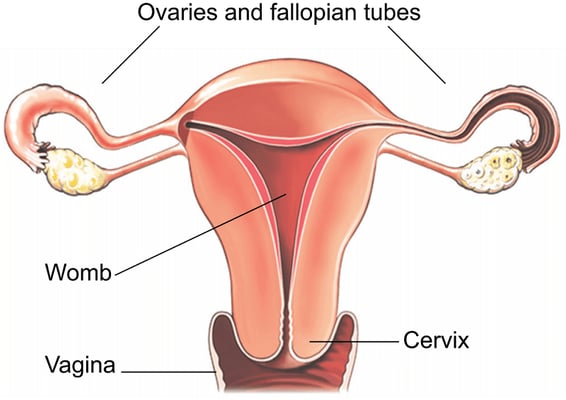
A hysterectomy, also known as uterus removal surgery, is a procedure that removes the uterus to treat various medical conditions affecting women's reproductive health. Doctors recommend it when other treatments fail to control symptoms such as heavy bleeding, severe pain, or the presence of tumors.
Once the uterus is removed, menstrual periods stop permanently, and the woman cannot become pregnant. However, the procedure often brings relief from long-term discomfort and improves quality of life.
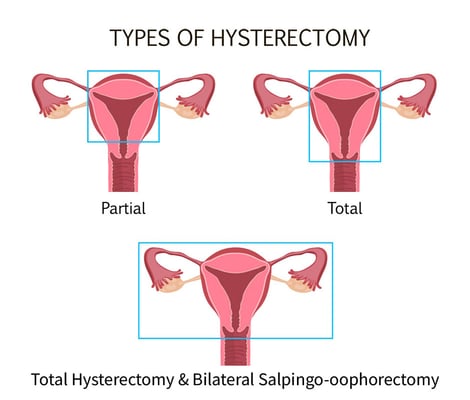
Surgeons in India perform different types of hysterectomy procedures depending on the condition:
- Total hysterectomy: Removes the uterus and cervix.
- Partial (subtotal) hysterectomy: Removes only the upper part of the uterus, leaving the cervix intact.
- Radical hysterectomy: Removes the cervix, uterus, and surrounding tissues, usually for cancer.
Modern hospitals now perform laparoscopic hysterectomy and robotic-assisted hysterectomy, which involve small incisions instead of open surgery. These techniques cause less pain, minimal blood loss, and faster recovery.
What Conditions Require a Hysterectomy?
Doctors recommend uterus removal surgery when a woman suffers from chronic pelvic pain, heavy bleeding, or diseases that affect the uterus and nearby organs. The surgery becomes necessary when medications or less invasive treatments fail to control symptoms or stop disease progression.
- Uterine Fibroids: Fibroids are noncancerous growths inside the uterus. These growths can cause heavy bleeding, pelvic pain, and swelling. When fibroids grow large or return after other treatments, a laparoscopic hysterectomy provides permanent relief and prevents recurrence.
- Endometriosis: The tissue lining the uterus grows outside the uterus, causing pain and irregular bleeding. In severe cases, removing the uterus helps eliminate the source of pain and restore comfort.
- Uterine Prolapse: Prolapse happens when weakened pelvic muscles cause the uterus to drop into the vaginal canal. A hysterectomy corrects the problem, relieves pressure, and restores pelvic structure.
- Chronic Uterine Bleeding: Some women experience uncontrolled menstrual bleeding that doesn't respond to medication or hormonal therapy. Removing the uterus permanently stops bleeding and improves overall well-being.
- Adenomyosis: In this condition, the inner lining of the uterus grows into the muscle layer, leading to painful, heavy periods. Uterus removal surgery becomes the most effective option when pain and bleeding interfere with daily life.
- Uterine, Cervical, or Ovarian Cancer: When cancer develops in or around the uterus, doctors perform a radical hysterectomy to remove all affected tissues. This surgery prevents the spread of cancer and improves survival chances.
- Severe Infections or Complications: In rare cases, infections, trauma, or complications from previous surgeries damage the uterus beyond repair. A hysterectomy then becomes necessary to protect the patient's health and prevent life-threatening conditions.
How Is a Hysterectomy Performed?
Surgeons perform a hysterectomy under general anesthesia, depending on the patient's condition. The goal of the procedure is to remove the uterus safely while protecting nearby organs such as the bladder and ovaries. The approach depends on the disease, the size of the uterus, and the patient's preference.
A uterus removal surgery usually takes two to three hours, depending on the method used and the complexity of the case. Most patients start walking the next day and gradually resume daily activities over the next few weeks.
Abdominal Hysterectomy
- In an abdominal hysterectomy, the surgeon makes an incision in the lower abdomen.
- This approach allows clear visibility of pelvic structures and is preferred when large fibroids or cancer are present.
- Patients usually stay in the hospital for four to five days after this surgery.
Vaginal Hysterectomy
- In a vaginal hysterectomy, surgeons remove the uterus through the vaginal canal, without any abdominal incision.
- Doctors recommend this method when the uterus is of normal size and the pelvic floor is stable.
- Recovery is quick, and hospital stay is generally shorter.
Laparoscopic Hysterectomy
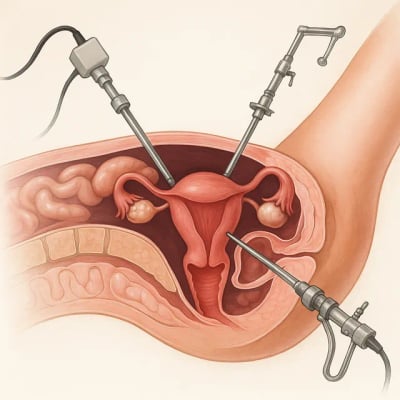
- In this minimally invasive surgery, the surgeon makes a few minor cuts in the abdomen.
- A thin tube with a camera (laparoscope) guides the surgery, while special instruments remove the uterus safely.
- This method causes less pain, minimal blood loss, and faster healing.
- Most patients go home within two to three days.
Robotic-Assisted Hysterectomy
- Robotic-assisted hysterectomy gives the surgeon enhanced precision and 3D vision.
- It allows controlled movements and better access to hard-to-reach areas.
- This technique is beneficial for complex or cancer-related hysterectomies and leads to excellent recovery outcomes.
Get a Free Treatment Plan
About Hysterectomy in India
What Is the Cost of a Hysterectomy in India?
The average cost of a hysterectomy in India ranges from USD 2,000 to 4,000, depending on the surgical method, the city, and the hospital facilities.
Expense Category | Estimated Cost (USD) |
| Pre-surgery tests and consultation | 150 – 300 |
| Surgeon and anesthesia charges | 800 – 1,200 |
| Operating theatre and equipment | 400 – 700 |
| Hospital stay (2–4 days) | 400 – 600 |
| Post-surgery medicines and care | 250 – 400 |
| Total Estimated Cost | 2,000 – 4,000 |
Cost Variation by Surgery Type
Type of Hysterectomy | Estimated Cost (USD) |
| Vaginal Hysterectomy | 2,000 – 2,500 |
| Abdominal Hysterectomy | 2,500 – 3,000 |
| Laparoscopic Hysterectomy | 3,000 – 3,500 |
| Robotic Hysterectomy | 3,500 – 4,000 |
Minimally invasive methods like laparoscopic and robotic hysterectomy cost slightly more but offer faster recovery, smaller scars, and less postoperative pain.
Value for International Patients
Patients from abroad benefit from transparent pricing and all-inclusive packages that cover the main medical expenses. Hospitals also provide complete assistance for travel, accommodation, and visa documentation, ensuring a smooth experience from arrival to recovery.
What Does the Cost of a Hysterectomy in India Include and Exclude?
Hospitals in India offer well-defined hysterectomy packages to simplify treatment planning and make it transparent. Knowing what is included in the cost helps patients prepare their budgets confidently and avoid surprises later.
Inclusions:
The standard hysterectomy package in India generally includes:
- Preoperative evaluation, including blood tests, imaging, and specialist consultations.
- Surgeon and anesthesia charges for the entire duration of the operation.
- Operation theatre expenses, including surgical instruments and disposables.
- Hospital stay for 2–4 days, including nursing and room facilities.
- Medications and intravenous fluids during the hospital stay.
- Post-surgery monitoring and follow-up check before discharge.
- Routine pain management and wound dressing until recovery is stable.
These inclusions ensure that most essential medical expenses are part of a single, transparent package.
Exclusions:
Some costs fall outside the main package and depend on each patient's unique needs.
- International and domestic travel expenses.
- Accommodation or meals outside the hospital for patients and attendants.
- An extended hospital stay beyond the standard recovery period.
- Special diagnostic tests, such as MRI, biopsy, or hormonal analysis, if advised separately.
- Post-discharge medications for continued care at home.
What Factors Affect the Cost of Hysterectomy in India?
The total cost of uterus removal surgery in India depends on several medical and non-medical factors. Each patient's case is unique, and the final estimate reflects the surgery type, condition severity, and overall treatment plan.
- Type of Surgery Performed: The cost varies depending on the surgical approach. A laparoscopic or robotic hysterectomy costs more than a vaginal or open procedure because of advanced equipment and specialized instruments.
- Underlying Condition: Hysterectomy for fibroids or prolapse costs less than surgery for cancer or complex endometriosis. Cancer-related cases require additional testing, longer surgery, and advanced reconstruction, which affect the total cost.
- Duration of Hospital Stay: Most patients stay for two to four days after surgery. Extended stays for observation, infection control, or slow recovery increase accommodation and medication expenses.
- Diagnostic and Preoperative Tests: Ultrasound, MRI, or biopsy may be necessary before surgery to confirm the diagnosis and plan the procedure. Each additional test adds to the total package cost but ensures precise surgical outcomes.
- Patient's Age and Health Condition: Older patients or those with conditions such as diabetes, hypertension, or obesity require extra monitoring and medication. These factors may increase the total cost.
- Technology and Hospital Infrastructure: Hospitals equipped with robotic systems, advanced ICUs, and digital monitoring charge higher fees, but they offer safer surgery and faster recovery.
- Postoperative Care and Follow-Up: Some patients need physiotherapy, hormone therapy, or dietary counseling after surgery. These services add to the total expense based on personal recovery requirements.
How Does the Cost of Hysterectomy in India Compare with Other Countries?
India offers high-quality hysterectomy surgery at a significantly lower cost than in most Western and Asian countries. Patients receive advanced care, modern surgical options, and personalized recovery support, all at a fraction of international prices.
Country | Average Cost (USD) | Savings Compared to India |
| India | 2,000 – 4,000 | — |
| United States | 10,000 – 18,000 | 75–85% |
| United Kingdom | 8,000 – 14,000 | 70–80% |
| Singapore | 6,000 – 8,500 | 50–60% |
| Thailand | 4,500 – 6,000 | 35–45% |
| UAE | 7,000 – 10,000 | 55–65% |
Even with travel and accommodation expenses, patients save up to 80% by choosing India for hysterectomy surgery. The combination of affordability, safety, and advanced technology makes India one of the most trusted destinations for women's health procedures worldwide.
What Is the Recovery and Hospital Stay Like After a Hysterectomy?
Recovery after a hysterectomy depends on the type of surgery performed and the patient's overall health. Most women recover steadily, regain strength within a few weeks, and experience noticeable relief from symptoms that affect their quality of life.
Hospital Stay
- The hospital stay usually lasts two to four days.
- Patients who undergo laparoscopic or vaginal hysterectomy often go home sooner than those who have open abdominal surgery.
- During this time, doctors monitor vital signs, control pain, and ensure the bladder and bowels function normally before discharge.
Immediate Recovery Phase
- In the first 24–48 hours, patients rest in bed and receive fluids and medication through an IV line.
- Doctors encourage gentle walking soon after surgery to improve circulation and prevent stiffness.
- A urinary catheter may stay in place for a day or two and is removed once normal function returns.
At-Home Recovery
Once discharged, patients continue recovery at home with the following guidelines:
- Eat light, nutritious meals and stay hydrated.
- Avoid lifting heavy weights for 4 to 6 weeks.
- Take prescribed medicines regularly.
- Keep the surgical site clean and dry.
- Attend follow-up visits for wound checks and progress review.
Light activities such as walking or desk work can usually begin after 2 weeks, while full recovery may take 6 to 8 weeks, depending on the surgical method.
What Is the Success Rate of Hysterectomy in India?
The success rate of hysterectomy in India ranges from 95% to 98%, depending on the type of surgery and the patient's overall health. This high success rate reflects India's advanced surgical technology, skilled specialists, and structured postoperative care.
For most women, a hysterectomy completely resolves symptoms such as heavy bleeding, chronic pelvic pain, or fibroid-related discomfort. Patients report significant improvement in energy levels, emotional balance, and daily comfort within weeks of recovery.
Complications are rare when experienced gynecologic surgeons perform surgery. Modern laparoscopic and robotic techniques reduce blood loss, infection risk, and recovery time, ensuring safer outcomes for all age groups.
International and local patients consistently report high satisfaction after hysterectomy in India. Relief from long-term symptoms and renewed physical comfort improve confidence, mobility, and overall well-being.
Why Should You Choose India for Hysterectomy?
India stands out as a leading MVT destination for hysterectomy, combining advanced care, skilled surgeons, and affordable pricing. International patients receive quality treatment with comfort, safety, and personalized attention.
- Expert Gynecologic Surgeons: India's surgeons perform thousands of hysterectomies every year. Their experience ensures precision, minimal complications, and excellent recovery outcomes.
- Advanced Medical Infrastructure: Hospitals use modern laparoscopic and robotic systems that reduce pain, accelerate healing, and lower infection risk.
- Affordable and Transparent Cost: Treatment costs in India are 70–80% lower than in Western countries. Hospitals provide clear, all-inclusive packages with no hidden charges.
- Comprehensive International Support: Dedicated teams assist with visa documentation, airport transfers, and accommodation, ensuring a seamless experience for international patients.
- Short Waiting Time: Patients can schedule surgery within days of sharing medical reports, allowing faster diagnosis and quicker recovery.
- Comfortable Communication: English-speaking staff and culturally sensitive care make communication simple and stress-free throughout the treatment journey.
- Proven Global Trust: India's consistently high success rates, modern facilities, and patient-focused approach attract women from more than 70 countries each year.
Hysterectomy Cost Comparison by Country
Compare Hysterectomy costs across different countries to make an informed decision about your medical treatment.
| Country | Cost Range (USD) | Potential Savings | Action |
|---|---|---|---|
IndiaCurrentBest Value | $2,000 - $4,000 | — | Get Quote |
Note: Costs may vary based on hospital choice, room type, additional services, and individual medical requirements. Contact us for a personalized quote.
Leading Hospitals for Hysterectomy in India

BLK-Max Super Speciality Hospital, New Delhi
BLK-Max Super Speciality Hospital in New Delhi is one of India's premier healthcare institutions, offering 650 beds, 22 advanced operation theatres, a...
Accreditations


Facilities

Max Smart Super Speciality Hospital, Saket, New Delhi
Max Smart Super Speciality Hospital, Saket, is a 250-bed tertiary care hospital in South Delhi. It offers advanced medical and surgical care across 22...
Accreditations
Facilities

PSRI Hospital, Delhi
Pushpawati Singhania Research Institute (PSRI Hospital), New Delhi, is a leading multi-specialty tertiary care hospital established in 1996 by the JK ...
Accreditations
Facilities
Similar Procedures
Gallery
FAQ


Our website uses cookies. By clicking on accept you give your consent to the use of cookies as per our Privacy Policy.