
Uterine Fibroid Removal Cost in India
About Uterine Fibroid Removal
Uterine fibroids are non-cancerous growths in the muscular wall of the uterus. They commonly affect women during their reproductive years. Many fibroids cause no symptoms, but some lead to heavy menstrual bleeding, pelvic pain, or fertility problems.
Doctors remove fibroids when they grow large, cause discomfort, or affect pregnancy. The procedure to remove them is called myomectomy, which eliminates fibroids while preserving the uterus. This treatment helps women regain comfort, restore fertility, and improve their quality of life.
What Are Uterine Fibroids and Their Types?
Uterine fibroids, aka leiomyomas or myomas, develop when muscle cells in the uterus start growing abnormally and form solid masses. These growths remain non-cancerous but can vary significantly in size, from small nodules that go unnoticed to large tumors that deform the shape of the uterus.
Hormonal factors play a major role in their development. Estrogen and progesterone (the hormones that regulate the menstrual cycle) stimulate fibroid growth. Genetics also influences their occurrence; women with a family history of fibroids are more likely to develop them. Other contributing factors include obesity, early onset of menstruation, and specific dietary patterns.
Many women with fibroids do not experience symptoms. However, when symptoms occur, they may include:
- Heavy or prolonged menstrual bleeding
- Pelvic pain or pressure
- Frequent urination
- Backache or leg pain
- Difficulty in conceiving or maintaining pregnancy
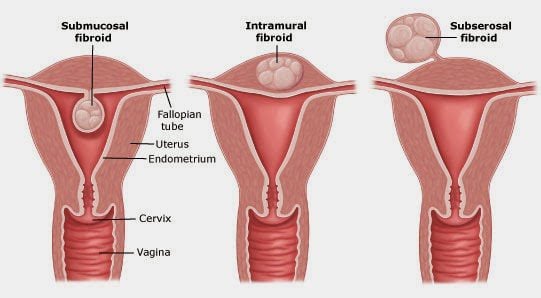
Doctors classify uterine fibroids based on their location in the uterus:
- Submucosal Fibroids: Develop into the uterine cavity and often cause heavy bleeding and fertility problems.
- Intramural Fibroids: Grow within the muscular wall of the uterus and may enlarge it, leading to pain or pressure.
- Subserosal Fibroids: Project outward from the uterus and may press on surrounding organs.
- Pedunculated Fibroids: Bind to the uterus by a thin stalk and can twist, causing sudden pain.
Understanding the type, size, and position of fibroids helps doctors choose the most effective treatment and surgical approach for each patient.
What Are the Various Treatment Options for Uterine Fibroids?
Doctors treat uterine fibroids based on their size, location, symptoms, and the patient's desire to maintain fertility. Treatment aims to relieve symptoms, control bleeding, and restore the standard shape of the uterus. In many cases, fibroids that cause no symptoms only require regular monitoring. However, when they affect daily life or fertility, treatment becomes essential.
Medication-Based Management
Doctors prescribe medications to shrink fibroids or manage their symptoms.
- Hormonal therapy controls the menstrual cycle and reduces bleeding.
- Gonadotropin-releasing hormone (GnRH) agonists temporarily reduce fibroid size by lowering hormone levels.
- Non-hormonal drugs, such as pain relievers, help manage discomfort but do not eliminate fibroids.
Medications offer temporary relief but do not provide a permanent solution, as fibroids tend to regrow once the treatment stops.
Non-Surgical Treatment Options
When medication is not enough, doctors may recommend minimally invasive procedures that preserve the uterus:
- Uterine Artery Embolization (UAE): This procedure blocks the blood supply to the fibroids and hence causes them to shrink over time.
- MRI-Guided Focused Ultrasound (MRgFUS): This technique uses high-intensity ultrasound waves to destroy fibroid tissue without surgery.
Both methods help reduce symptoms while avoiding large incisions, though they may not suit women planning future pregnancies.
Surgical Treatment Options
Surgery remains the most effective way to remove fibroids completely. The main surgical options include:
- Myomectomy: Removes fibroids while preserving the uterus. It is ideal for females who wish to conceive.
- Hysterectomy: Removes the uterus entirely and provides a permanent cure for fibroids. This option suits women who no longer wish to have children.
Myomectomy remains the most preferred surgical option for women seeking a balance between symptom relief and fertility preservation.
What Is Uterine Fibroid Removal (Myomectomy)?
Uterine fibroid removal, known medically as myomectomy, is a procedure that removes fibroids while preserving the uterus. Doctors perform this procedure to relieve symptoms such as heavy bleeding, pelvic pain, and pressure, while maintaining a woman's ability to conceive and carry a pregnancy.
During a myomectomy, the surgeon identifies and removes visible fibroids from the uterine wall. The surrounding tissue is then repaired to restore the uterus to its normal shape. The number, size, and position of the fibroids determine how the surgeon performs the procedure.
Doctors recommend myomectomy for women who:
- Want to preserve their uterus for future pregnancy
- Experience severe symptoms that do not improve with medication
- Have large or multiple fibroids affecting fertility or causing discomfort
Myomectomy provides effective symptom relief while avoiding the need for complete uterine removal. Modern surgical methods, such as laparoscopy and hysteroscopy, make this procedure less invasive, reduce hospital stays, and promote faster recovery than traditional open surgery.
In most cases, women experience a significant improvement in quality of life after fibroid removal, with restored reproductive potential and relief from pain and heavy bleeding.
What Are the Different Types of Myomectomy Procedures?
Doctors choose the type of myomectomy based on the size, number, and location of the fibroids, as well as the patient's fertility goals. Each method follows the same goal (to remove fibroids and restore the uterus) but differs in surgical approach and recovery time.
Laparoscopic Myomectomy (Minimally Invasive Surgery)
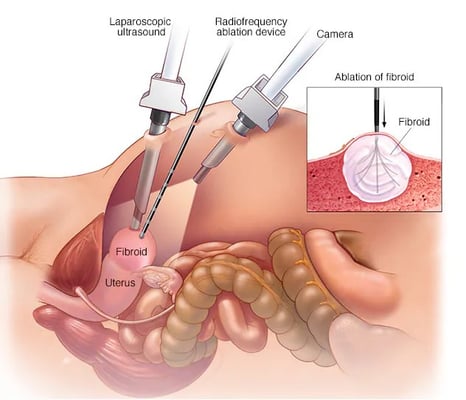
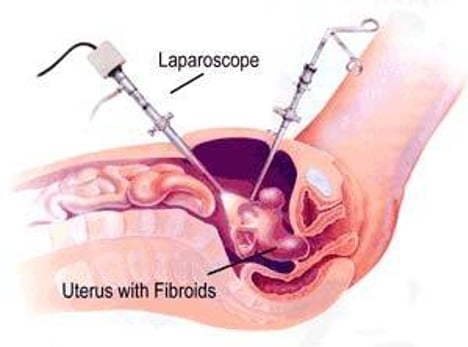
- In this procedure, the surgeon makes small incisions in the abdomen. They then insert a laparoscope (a thin tube with a camera) to view and remove fibroids.
- Laparoscopic myomectomy causes minimal scarring, involves less pain, and allows faster recovery.
- Most patients return home within 1–2 days and resume normal activities within two weeks.
- Doctors often recommend this approach for women with a few medium-sized fibroids.
Hysteroscopic Myomectomy (Through the Vagina)
- Hysteroscopic myomectomy treats fibroids located inside the uterine cavity.
- The surgeon inserts a hysteroscope through the vagina to access and remove the fibroids without any external incision.
- This method works best for submucosal fibroids and allows same-day discharge.
- It offers quick recovery and minimal postoperative discomfort, making it one of the least invasive options.
Abdominal Myomectomy (Open Surgery)
- Abdominal myomectomy, or open myomectomy, involves a larger incision in the lower abdomen to remove multiple or deeply embedded fibroids.
- Doctors recommend this method when fibroids are large, numerous, or extend into several layers of the uterine wall.
- Recovery takes longer (usually 4–6 weeks), but the procedure allows surgeons to remove even complex fibroids effectively.
Robotic-Assisted Myomectomy
- Some centers perform fibroid removal using robotic-assisted systems for greater precision.
- The surgeon controls robotic arms that replicate hand movements with enhanced accuracy and flexibility.
- This advanced technique offers high surgical precision, minimal blood loss, and quicker recovery, though it may not be available in all hospitals.
Get a Free Treatment Plan
About Uterine Fibroid Removal in India
What Is the Cost of Uterine Fibroid Removal in India?
The cost of uterine fibroid removal in India ranges from USD 2,500 to USD 5,000 (approximately ₹2,00,000–₹4,00,000). The total price depends on several factors, including the type of procedure, hospital category, city, number of fibroids, and patient condition.
India offers advanced surgical techniques such as laparoscopic, hysteroscopic, and robotic-assisted myomectomy at highly affordable rates compared to Western countries, while maintaining international standards of safety and care.
Type of Procedure | Estimated Cost (USD) | Estimated Cost (INR) |
| Hysteroscopic Myomectomy | $2,000 – $3,000 | ₹1,60,000 – ₹2,40,000 |
| Laparoscopic Myomectomy | $2,500 – $4,000 | ₹2,00,000 – ₹3,20,000 |
| Abdominal (Open) Myomectomy | $3,000 – $5,000 | ₹2,40,000 – ₹4,00,000 |
| Robotic-Assisted Myomectomy | $4,000 – $6,000 | ₹3,20,000 – ₹4,80,000 |
The final cost may vary depending on the number of fibroids, the duration of surgery, the room type, and the post-surgery care required.
Most treatment packages in India include:
- Pre-surgical investigations (ultrasound, MRI, blood tests)
- Surgeon's fee and anesthesia charges
- Operation theatre and medication costs
- Hospital stay and nursing care
- Post-surgery consultations and recovery guidance
Patients can also choose from single-room, twin-sharing, or deluxe accommodation, depending on their preferences and budget.
How Does the Cost of Uterine Fibroid Removal in India Compare to Other Countries?
The cost of uterine fibroid removal in India remains significantly lower than in most Western and Asian countries, even though patients receive the same level of advanced surgical care and medical expertise.
India's healthcare system offers modern minimally invasive techniques, high surgical success rates, and personalized patient support at a fraction of the price charged in the United States, the United Kingdom, or Singapore.
Country | Average Cost (USD) |
| India | $2,500 – $5,000 |
| United States | $10,000 – $20,000 |
| United Kingdom | $8,000 – $15,000 |
| Singapore | $7,000 – $12,000 |
| Thailand | $5,000 – $8,000 |
| Turkey | $4,500 – $7,000 |
Patients traveling to India can save up to 70% on medical costs while receiving treatment from internationally trained surgeons in JCI- and NABH-accredited hospitals.
This cost advantage extends beyond the surgery itself. Accommodation, travel, and aftercare services in India are also affordable, making it a complete and value-driven medical destination for uterine fibroid removal.
What Factors Affect the Cost of Uterine Fibroid Removal in India?
Several factors influence the total cost of uterine fibroid removal in India. Understanding these helps patients plan their treatment and budget more accurately. Doctors assess each fibroid case individually to determine the most effective and affordable surgical approach.
- Type of Surgical Procedure: The choice between laparoscopic, hysteroscopic, abdominal, or robotic-assisted myomectomy directly affects the cost. Minimally invasive procedures such as laparoscopic and hysteroscopic surgeries usually cost less overall due to shorter hospital stays and faster recovery.
- Number, Size, and Location of Fibroids: Larger or multiple fibroids increase the complexity of the surgery and operating time, which raises the cost. Fibroids located deep in the uterine wall also require more precision, specialized instruments, and more extended hospital care.
- Diagnostic and Pre-Surgery Tests: Doctors perform several diagnostic tests before surgery, including ultrasound, MRI, and blood work. These investigations help plan the surgical approach and may increase overall costs.
- Hospital Category and City: Hospitals in major cities such as Delhi, Mumbai, and Bangalore may charge slightly more due to advanced facilities and higher operational costs.
- Hospital Stay and Room Type: The total cost depends on how long the patient stays in the hospital and the type of room chosen, from shared wards to deluxe private rooms.
- Surgeon's Experience and Expertise: Highly experienced surgeons with international training may charge higher professional fees, but their expertise improves safety, reduces complications, and shortens recovery time.
Overall, India offers transparent, patient-friendly pricing that enables women to access world-class fibroid treatment at a reasonable cost without compromising quality or safety.
What Is the Recovery Time and Success Rate After Uterine Fibroid Removal?
Recovery after uterine fibroid removal depends on the surgical method used, the number of fibroids removed, and the patient's overall health. Doctors focus on ensuring a smooth recovery and long-term symptom improvement. Patients usually start walking within a day or two after surgery. Most can resume light activities soon, although complete recovery time varies by procedure.
Type of Procedure | Hospital Stay | Full Recovery Time |
| Hysteroscopic Myomectomy | Same day or 1 day | 7 – 10 days |
| Laparoscopic Myomectomy | 1 – 2 days | 2 – 4 weeks |
| Abdominal (Open) Myomectomy | 3 – 5 days | 4 – 6 weeks |
| Robotic-Assisted Myomectomy | 1 – 2 days | 2 – 3 weeks |
After surgery, doctors advise patients to:
- Avoid heavy lifting or strenuous activity for a couple of weeks.
- Take prescribed medications regularly to prevent infection and manage pain.
- Maintain good hydration and eat a balanced diet to promote healing.
- Attend scheduled follow-up appointments to monitor recovery.
Patients should report any abnormal bleeding, fever, or severe pain immediately, as early attention helps ensure a faster recovery and fewer complications.
What are the Success Rate and Long-Term Outcomes of Uterine Fibroid Removal Surgery?
Uterine fibroid removal through myomectomy has a success rate of 90–95% in relieving symptoms such as heavy bleeding and pelvic pain. Most women experience long-term improvement in comfort and quality of life.
For women planning pregnancy, myomectomy significantly improves fertility outcomes, especially when fibroids previously interfered with conception or pregnancy.
Fibroid recurrence is possible in a small percentage of cases, but regular monitoring and hormonal balance help prevent regrowth. Overall, the surgery offers safe and lasting relief with minimal risks when performed by experienced specialists.
Why Should You Choose India for Uterine Fibroid Removal?
India attracts thousands of women from around the world each year for uterine fibroid removal. Patients choose India because it combines affordable treatment, advanced medical technology, and personalized patient care that meets international standards.
Indian hospitals perform myomectomies using the latest laparoscopic, hysteroscopic, and robotic-assisted techniques, which ensure precise results, minimal pain, and quick recovery. Experienced surgeons specialize in complex fibroid surgeries while maintaining uterine health and fertility potential.
- Affordable Treatment Packages: India offers world-class treatment at a fraction of the cost charged in other countries. The cost advantage allows patients to access advanced care without financial strain.
- Experienced and Skilled Surgeons: Surgeons in India receive extensive training and perform a high volume of myomectomy procedures each year. Their expertise ensures excellent surgical outcomes and low complication rates.
- Advanced Minimally Invasive Techniques: Hospitals in India use the latest laparoscopic and robotic systems that reduce recovery time, hospital stay, and visible scarring.
- Comprehensive Patient Care: International patient departments in major hospitals assist with every aspect of the journey, from medical visa support and airport pickup to accommodation, translation, and follow-up care.
- High Success Rates: Uterine fibroid removal in India achieves a success rate of over 90%, with most women experiencing symptom relief and improved fertility outcomes.
- No Waiting Time: Patients can schedule surgery without long delays, making India a practical choice for those seeking timely treatment.
How Can You Get a Free Cost Estimate for Uterine Fibroid Removal in India?
Patients can easily request a personalized cost estimate before traveling to India for uterine fibroid removal. The process is simple, transparent, and designed to help patients make informed decisions.
You can share your medical reports, ultrasound or MRI results, and doctor's notes with our patient care team. Based on these details, the doctor evaluates your condition and provides an accurate treatment plan and cost estimate that matches your medical and financial needs.
What the Free Estimate Includes
- Approximate cost of surgery based on the type of procedure (laparoscopic, hysteroscopic, or open)
- Expected duration of hospital stay and recovery period
- Estimated cost of pre- and post-surgery investigations
- Accommodation options and travel assistance information
Support for International Patients
Dedicated international patient coordinators assist with:
- Medical visa invitation and document support
- Airport pickup and ground transfers
- Hotel or guesthouse arrangements for patients and companions
- Translation and interpreter services
- Follow-up consultations after discharge
To begin your treatment journey, you can request a free consultation and cost estimate today by filling out our form and submitting your reports and preferred travel dates.
Uterine Fibroid Removal Cost Comparison by Country
Compare Uterine Fibroid Removal costs across different countries to make an informed decision about your medical treatment.
| Country | Cost Range (USD) | Potential Savings | Action |
|---|---|---|---|
IndiaCurrentBest Value | $2,500 - $5,000 | — | Get Quote |
Note: Costs may vary based on hospital choice, room type, additional services, and individual medical requirements. Contact us for a personalized quote.
Leading Hospitals for Uterine Fibroid Removal in India

BLK-Max Super Speciality Hospital, New Delhi
BLK-Max Super Speciality Hospital in New Delhi is one of India's premier healthcare institutions, offering 650 beds, 22 advanced operation theatres, a...
Accreditations


Facilities

Max Smart Super Speciality Hospital, Saket, New Delhi
Max Smart Super Speciality Hospital, Saket, is a 250-bed tertiary care hospital in South Delhi. It offers advanced medical and surgical care across 22...
Accreditations
Facilities
PSRI Hospital, Delhi
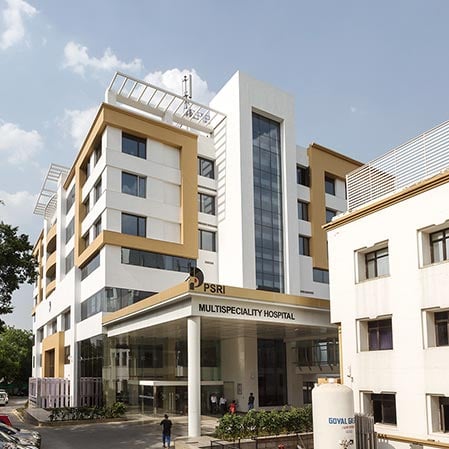
Pushpawati Singhania Research Institute (PSRI Hospital), New Delhi, is a leading multi-specialty tertiary care hospital established in 1996 by the JK ...
Accreditations
Facilities
Similar Procedures
Gallery
FAQ


Our website uses cookies. By clicking on accept you give your consent to the use of cookies as per our Privacy Policy.