
Laparoscopic Hernia Surgery Cost in India
About Laparoscopic Hernia Surgery
A hernia occurs when an internal organ or tissue pushes through a weak spot in the muscle wall, causing a visible bulge or discomfort. Laparoscopic hernia repair is a minimally invasive procedure that repairs this defect using small incisions, a camera, and specialized instruments. Because it causes less pain, leaves smaller scars, and allows for a quicker recovery, it has become the preferred method for many types of hernias worldwide.
Hernia repair is among the most common surgeries worldwide, with more than 20 million procedures performed each year. Laparoscopic repair continues to gain popularity because it minimizes hospital stays and reduces the risk of recurrence compared to traditional open surgery. As lifestyles change and abdominal pressure increases due to heavy lifting, obesity, and chronic coughing, hernias have become more frequent across all age groups.
What Is Laparoscopic Hernia Repair?
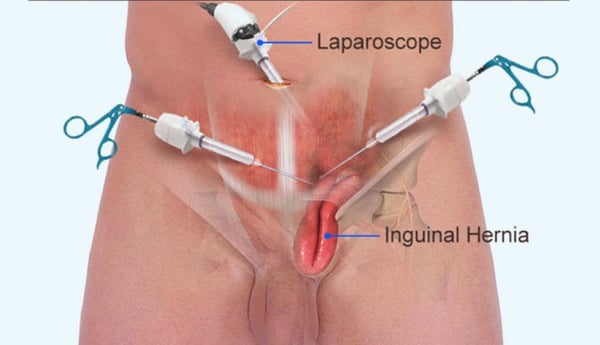
Laparoscopic hernia surgery is a minimally invasive procedure that repairs a hernia through small incisions. Instead of making a large cut on the abdomen, surgeons insert a tiny camera and slender surgical instruments to fix the weakened area from the inside. This approach reduces pain, speeds up healing, and leaves minimal scars.
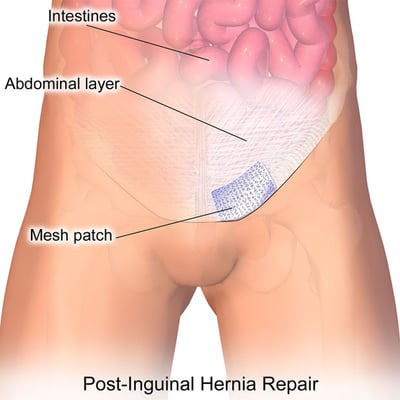
During the procedure, the laparoscopic surgeon gently moves the herniated tissue back into its correct position and strengthens the weak muscle wall by placing a mesh. The mesh helps avert the hernia from recurring and supports long-term stability. Because the surgery uses a camera, surgeons get a clear, magnified view of the internal structures, enabling precise, safe repair.
When Do Doctors Recommend Laparoscopic Hernia Surgery?
Doctors recommend laparoscopic hernia surgery when a hernia becomes uncomfortable, increases in size, or shows signs that it may cause complications if left untreated.
- Pain or Discomfort That Affects Daily Life: Patients who experience persistent pain, dragging sensations, or discomfort during standing, walking, or lifting often require surgical repair.
- A Visible or Enlarging Bulge: A hernia that becomes more noticeable over time or grows in size usually requires surgery to prevent further weakening of the muscle wall.
- Inguinal, Umbilical, Ventral, or Incisional Hernias: Laparoscopic repair is commonly recommended for these hernia types because it offers precise mesh placement and quicker healing.
- Recurrent Hernias After Previous Surgery: If a hernia recurs after open surgery, laparoscopic repair is often preferred because the surgeon can use a new pathway and avoid previously operated tissue.
- Strain or Pressure During Activities: Hernias that worsen during coughing, lifting, bending, or exercise often require surgical correction.
- Prevention of Serious Complications: Surgery helps prevent emergencies such as incarceration or strangulation, where tissue gets trapped and loses blood supply.
Doctors usually recommend laparoscopic repair when patients want faster recovery and long-term relief with minimal scarring.
How Is Laparoscopic Hernia Surgery Performed?
Laparoscopic hernia surgery follows a minimally invasive approach that uses small incisions, advanced instruments, and a high-definition camera. This technique allows the surgeon to repair the hernia with precision while reducing pain and recovery time.
- Anesthesia and Preparation: The procedure takes place under general anesthesia. The surgical team prepares the abdomen and positions the patient safely for the operation.
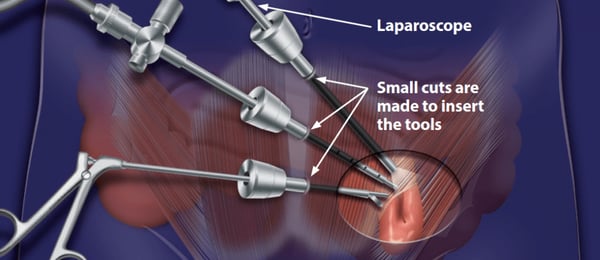
- Creating Small Incisions: The surgeon makes 2 or 3 tiny incisions in the abdomen. These openings are usually less than a centimeter long.
- Inserting the Camera and Instruments: A thin camera, called a laparoscope, is inserted through one of the incisions. It sends magnified images to a screen, giving the surgeon a clear view of the hernia from inside the abdomen.
- Repairing the Hernia: The surgeon gently moves the herniated tissue back to its correct position. Once the area is clear, a surgical mesh is placed over the weak spot in the abdominal wall. It strengthens the muscle and helps prevent recurrence.
- Fixing the Mesh: The mesh is secured using sutures, tacks, or glue, depending on the hernia type and the surgeon’s preference.
- Closing the Incisions: After the repair, the instruments are removed, and the incisions are closed with stitches or skin adhesive.
- Post-Surgery Observation: Patients spend a few hours in the recovery area and usually go home the same day or the next morning.
What Are the Different Types of Hernias Treated Laparoscopically?
Laparoscopic surgery can repair several types of hernias with precision and minimal discomfort. Surgeons prefer this method because it provides excellent intra-abdominal visibility and allows tension-free mesh placement.
- Inguinal Hernia: This is the most common hernia, occurring in the groin. Laparoscopic repair is ideal for both primary and recurrent cases because it reduces pain and speeds up recovery.
- Umbilical Hernia: This hernia appears near the belly button. Laparoscopic repair helps strengthen the weakened area and keeps the scar small.
- Ventral Hernia: It develops when abdominal muscles weaken, often due to previous surgeries or pressure on the abdominal wall. Laparoscopic repair allows wide mesh placement, reducing recurrence.
- Incisional Hernia: This develops at the site of a previous surgical incision. Laparoscopy helps avoid the old scar and offers a cleaner, less painful repair.
- Hiatal Hernia: When the upper part of the stomach presses into the chest through the diaphragm, laparoscopic surgery helps reposition it and repair the opening.
Get a Free Treatment Plan
About Laparoscopic Hernia Surgery in India
What Is the Cost of Laparoscopic Hernia Surgery in India?
The cost of laparoscopic hernia surgery in India usually ranges from $1,000 to $3,000 (approximately ₹85,000 to ₹2.5 lakh). The final price depends on the hernia type, mesh quality, surgeon’s experience, and hospital category.
India has become a preferred destination for laparoscopic hernia repair because it offers modern surgical facilities, experienced surgeons, and lower prices than many Western and Middle Eastern countries.
Below is a clear breakdown of costs by hernia type.
Type of Hernia | Average Cost (USD) | Approx. Cost (INR) |
| Inguinal Hernia | $1,000 – $2,000 | ₹85,000 – ₹1.6 lakh |
| Umbilical Hernia | $1,100 – $2,200 | ₹90,000 – ₹1.8 lakh |
| Ventral Hernia | $1,400 – $2,800 | ₹1.15 – ₹2.3 lakh |
| Incisional Hernia | $1,500 – $3,000 | ₹1.25 – ₹2.5 lakh |
| Hiatal Hernia | $2,000 – $3,000 | ₹1.65 – ₹2.5 lakh |
Cost Variation Based on Mesh Type
Mesh Type | Extra Cost (INR) |
| Standard Synthetic Mesh | Included in package |
| 3D Mesh | ₹15,000 – ₹35,000 |
| Biological Mesh | ₹40,000 – ₹1,20,000 |
- Biological mesh and premium 3D mesh options increase the total surgery cost because they offer better flexibility and lower rejection risk.
- Day-care procedures cost less than surgeries that require more extended hospital stays.
- Patients with large or complex hernias may need advanced fixation methods, which increase the price.
What Does the Cost Include and Exclude?
Hospitals offer laparoscopic hernia surgery as a package that covers most essential aspects of the procedure. However, some items fall outside the standard package and may add to the total expense. Understanding both helps patients plan accurately.
What the Cost Includes
- Surgeon’s fee for performing the laparoscopic repair
- Anesthesia charges (general anesthesia)
- Operation theatre charges and surgical equipment
- Hospital stay for 1–2 days (may vary by procedure)
- Standard mesh used for hernia reinforcement
- Nursing care and monitoring during recovery
- Routine medications during hospital stay
- Basic investigations done pre-surgery, if part of the package
- Follow-up visit after discharge for dressing and evaluation
These items form the core of most laparoscopic hernia surgery packages in India.
What the Cost Excludes
- High-end mesh (3D mesh, composite mesh, or biological mesh)
- Pre-operative blood tests, if billed separately
- Imaging scans, such as a USG or a CT scan
- Additional hospital stay due to complications or delayed recovery
- Follow-up consultations beyond the initial visit
- Revision surgery if the hernia recurs
- Compression garments or abdominal belts
- Travel, visa, meals, and accommodation for international patients
- Management of pre-existing conditions (diabetes, heart issues, etc.)
Hospitals often provide personalized estimates based on the patient’s hernia type, overall health, and expected recovery time.
What Is the Cost of Laparoscopic Hernia Surgery in Different Indian Cities?
The cost of laparoscopic hernia surgery varies across Indian cities depending on hospital standards, surgeon experience, mesh type, and available technology. Metro cities generally charge more due to advanced facilities, while tier-2 cities offer more economical options.
Below is a city-wise cost comparison for easier planning.
City | Average Cost (USD) | Approx. Cost (INR) |
| New Delhi | $1,200 – $2,500 | ₹1 – ₹2.1 lakh |
| Mumbai | $1,300 – $2,800 | ₹1.1 – ₹2.3 lakh |
| Bangalore | $1,100 – $2,400 | ₹90,000 – ₹2 lakh |
| Chennai | $1,000 – $2,200 | ₹85,000 – ₹1.8 lakh |
| Hyderabad | $1,100 – $2,300 | ₹90,000 – ₹1.9 lakh |
- Delhi and Mumbai have advanced laparoscopic units and experienced GI and general surgeons.
- Bangalore and Hyderabad combine modern technology with competitive pricing.
- Chennai is known for reliable care and cost-effective laparoscopic procedures.
What Factors Affect the Cost of Laparoscopic Hernia Surgery in India?
The cost of laparoscopic hernia surgery depends on several medical and operational factors. Each patient’s case is different, and these variations influence the final price.
- Type and Size of the Hernia: Larger hernias or those located in complex areas (ventral, incisional, or hiatal) require more surgical time and may cost more than smaller inguinal or umbilical hernias.
- Mesh Selection: Standard mesh is included in most packages, but 3D, composite, or biological mesh increases the total cost due to their advanced design and durability.
- Surgeon’s Experience: Highly experienced surgeons may charge higher professional fees, but their skill reduces the risk of recurrence and improves long-term outcomes.
- Hospital Category and Infrastructure: Premium hospitals with advanced laparoscopic systems, modern ICUs, and specialized GI units typically have higher charges.
- Need for Additional Procedures: Some patients may require abdominal wall strengthening, scar tissue removal, or repair of multiple hernia defects, which can increase costs.
- Duration of Hospital Stay: Most patients stay 1–2 days. Additional nights due to complications or slower recovery add to the expense.
- Pre-Existing Medical Conditions: Patients with diabetes, cardiac conditions, or respiratory conditions may need additional tests, consultations, or monitoring.
How Does the Cost in India Compare With Other Countries?
Laparoscopic hernia surgery is far more affordable in India than in many Western and Middle Eastern nations. Despite the lower cost, patients receive care from highly experienced surgeons using advanced laparoscopic systems and modern mesh materials.
Below is a comparison of average costs across popular medical destinations:
Country | Average Cost (USD) |
| United States | $5,000 – $12,000 |
| United Kingdom | $4,000 – $8,000 |
| Canada | $4,000 – $9,000 |
| UAE | $3,000 – $6,000 |
| Singapore | $4,500 – $10,000 |
| India | $1,000 – $3,000 |
Patients save 60% to 80% when they choose India for laparoscopic hernia repair, while still benefiting from modern equipment, strong surgical expertise, and safe outcomes. India offers the perfect balance of affordability, advanced care, and experienced surgeons, making it a preferred destination for minimally invasive hernia repair.
What Is the Recovery and Success Rate After Laparoscopic Hernia Surgery?
Laparoscopic hernia repair offers a smooth, predictable recovery. Most patients return to daily activities quickly because the procedure uses small incisions and causes minimal tissue trauma.
Recovery Timeline
- Day 1–2: Patients usually go home the same day or the next morning. Mild soreness around the incision sites is normal.
- Week 1: Most patients walk comfortably, resume light activities, and notice a steady decrease in pain.
- Week 2–3: Patients typically return to work, provided their job does not involve hefty physical activity.
- 4–6 Weeks: Most people return to complete exercise, lifting, and strenuous activity after medical clearance.
Success Rate of Laparoscopic Hernia Surgery
Laparoscopic repair has a strong track record of long-term success due to precise mesh placement and minimal tissue disruption.
- Overall success rate ranges between 90% to 95%.
- Low recurrence rate when the mesh is placed correctly
- Lower wound infection rate compared to open surgery
Most patients experience long-lasting relief and improved abdominal strength after recovery.
Who Is Eligible for Laparoscopic Hernia Surgery?
Doctors evaluate several factors to decide if a patient is a good candidate for laparoscopic hernia repair. The goal is to ensure safety, successful healing, and long-term relief.
- People With Reducible or Moderately Sized Hernias: Patients with hernias that can be gently pushed back into place are usually good candidates for laparoscopic repair.
- Adults in Stable Overall Health: Individuals without uncontrolled heart or lung problems generally qualify for the minimally invasive technique.
- Patients Without Severe Abdominal Scar Tissue: Excessive internal scarring from prior surgeries may make laparoscopy challenging, so surgeons assess this beforehand.
- People Who Want Faster Recovery and Less Pain: Laparoscopic repair is ideal for those who want minimal downtime and a quicker return to everyday activities.
- Patients With Bilateral or Recurrent Hernias: Laparoscopy is well-suited when hernias are bilateral or recur after prior open surgery.
- Non-smokers or Those Willing to Stop Temporarily: Smoking affects healing and increases complication risks, so quitting before surgery is essential.
- Not Suitable for Strangulated or Very Large Hernias: In emergency cases like strangulation or when the hernia is extremely large, open surgery may be safer.
What Are the Benefits of Laparoscopic Hernia Surgery?
Laparoscopic hernia repair offers several benefits over traditional open surgery. Because it uses small incisions and specialized instruments, patients experience less pain and recover faster.
- Minimal Pain After Surgery: Small incisions cause significantly less discomfort, helping patients move easily within a day.
- Smaller Scars: Tiny openings leave minimal scars, making the procedure more cosmetically appealing.
- Faster Recovery: Most patients undergoing laparoscopy return to normal activities within a week and resume work much sooner than with open surgery.
- Lower Risk of Infection: Smaller wounds reduce the chance of infection and other wound-related complications.
- Lower Recurrence Rate: Precise mesh placement strengthens the abdominal wall, minimizing the chances of hernia recurrence.
- Better Visibility for the Surgeon: The laparoscope provides a clear, magnified view of the internal structures, improving surgical accuracy.
- Ideal for Bilateral or Recurrent Hernias: Both sides can be repaired through the same small incisions, reducing the need for multiple surgeries.
Why Should You Choose India for Laparoscopic Hernia Surgery?
India is a favourable destination for laparoscopic hernia repair due to its strong surgical expertise, modern facilities, and highly affordable pricing. Patients receive high-quality care that matches global standards without long waiting times.
- Experienced Surgeons Specializing in Laparoscopy: India has skilled general and gastrointestinal surgeons who perform a high volume of laparoscopic hernia repairs every year. Their experience helps reduce recurrence rates and ensures safer outcomes.
- Advanced Laparoscopic Technology: Hospitals use high-definition imaging systems, minimally invasive tools, and the latest mesh options. These upgrades support precise repairs and faster patient recovery.
- Excellent Infection-Control and Safety Standards: Modern hospitals follow strict sterilization and safety protocols, ensuring a clean environment for surgery and recovery.
- Shorter Waiting Times: Patients can schedule surgery quickly without long delays, which is especially helpful for hernias that risk becoming painful or complicated.
- Comprehensive International Patient Support: Hospitals assist with treatment planning, airport transfers, accommodation guidance, and follow-up care. It makes the entire process smooth for patients travelling from other countries.
Laparoscopic Hernia Surgery Cost Comparison by Country
Compare Laparoscopic Hernia Surgery costs across different countries to make an informed decision about your medical treatment.
| Country | Cost Range (USD) | Potential Savings | Action |
|---|---|---|---|
IndiaCurrentBest Value | $1,000 - $3,000 | — | Get Quote |
Note: Costs may vary based on hospital choice, room type, additional services, and individual medical requirements. Contact us for a personalized quote.
Leading Hospitals for Laparoscopic Hernia Surgery in India
Medical Park Bahcelievler Hospital
Medical Park Bahcelievler Hospital is a 242-bed JCI-accredited hospital in Istanbul, established in 2007. Spread across 33,000 square meters and 19 fl...
Accreditations

Facilities

Hisar Intercontinental Hospital, Istanbul
Hisar Intercontinental Hospital in Istanbul is a JCI-accredited, 212-bed multispecialty hospital spanning 35,000 square meters and featuring 53 medica...
Accreditations
Facilities

Medipol Bahçelievler Hospital
Medipol Bahçelievler Hospital is a 441-bed private hospital in Istanbul that began operations in May 2022. Covering 60,000 square meters across 15 flo...
Accreditations
Facilities
Similar Procedures
Gallery
FAQ


Our website uses cookies. By clicking on accept you give your consent to the use of cookies as per our Privacy Policy.