
Stereotactic Radiotherapy (SRT) Cost in India
About Stereotactic Radiotherapy (SRT)
Stereotactic Radiotherapy (SRT) is a highly advanced form of radiation therapy that delivers precise, high-dose radiation to tumors with millimeter-level accuracy. Unlike traditional radiotherapy, which may require several weeks of treatment, SRT targets tumors with extreme precision, allowing treatment to be completed in just 1 to 5 sessions.
Globally, SRT has become one of the most trusted radiation techniques due to its combination of accuracy, minimal side effects, and quick recovery. According to international oncology reports, over 1 million patients have been treated with stereotactic radiotherapy in the past decade.
SRT offers over 90% local tumor control in many early-stage brain and lung tumors, making it one of the most effective non-surgical cancer treatments available today. Its precision reduces damage to surrounding healthy tissues by up to 70–80% compared to conventional radiotherapy.
With its ability to deliver powerful radiation safely and accurately, SRT has become a preferred treatment option for patients seeking effective, minimally invasive cancer care with shorter recovery times.
What Is Stereotactic Radiotherapy (SRT)?
Stereotactic Radiotherapy (SRT) is an advanced form of radiation treatment that delivers highly focused, high-dose radiation to tumors with exceptional accuracy. It uses detailed 3D imaging and computer-guided planning to target cancer cells while preserving the surrounding healthy tissues.
SRT differs from conventional radiation in three essential ways:
- It uses multiple narrow radiation beams that converge precisely on the tumor.
- It delivers higher radiation doses per session.
- It requires fewer treatment sessions, often completed within 1 to 5 sessions.
This technique is especially effective for small, well-defined tumors located in areas where surgery may be risky, such as the brain, spine, lungs, liver, and prostate.
Stereotactic Radiosurgery (SRS)
Despite its name, SRS is not a surgical procedure. It is a single-session, high-dose radiation treatment primarily used for:
- Brain tumors
- Arteriovenous malformations (AVMs)
- Certain functional disorders
Stereotactic Body Radiotherapy (SBRT)
SBRT delivers radiation in 3–5 sessions and is used for tumors outside the brain, such as:
- Lung nodules
- Liver tumors
- Spine and bone lesions
- Prostate cancer
Due to its precision, SRT minimizes side effects and enables patients to resume normal activities quickly, making it a preferred option for those seeking a non-invasive yet highly effective treatment for cancer.
When Is Stereotactic Radiotherapy Recommended?
Stereotactic Radiotherapy (SRT) is recommended for small, well-defined tumors located in areas where precision is critical or where surgery may not be possible. It is commonly used when doctors need to treat cancer with high accuracy while minimizing damage to nearby healthy tissues.
SRT may be advised in the following situations:
- Brain Tumors: SRT is used for conditions such as meningiomas, acoustic neuromas, pituitary tumors, and small metastatic or primary brain tumors. It is beneficial when the cancer is close to delicate brain structures.
- Early-Stage Lung Cancer: Patients with small lung nodules or early lung cancer who cannot undergo surgery (due to age, medical conditions, or reduced lung function) often benefit from SBRT.
- Liver Tumors: SRT is suitable for liver tumors or metastases that cannot be removed surgically, primarily when located near major blood vessels or sensitive tissues.
- Spine and Bone Lesions: SRT effectively treats spinal or vertebral tumors while minimizing the risk of damaging the spinal cord and surrounding nerves.
- Prostate Cancer: In selected cases, SRT (SBRT) is used as a short-course, high-precision radiation option for managing localized prostate cancer.
- Recurrent Tumors: SRT can be considered for tumors that return after previous treatments, providing a safe option when traditional radiation cannot be repeated.
SRT is typically chosen when patients need a non-invasive, targeted treatment that offers strong tumor control with minimal recovery time.
How Is Stereotactic Radiotherapy Performed?
Stereotactic Radiotherapy (SRT) is a non-invasive, highly precise treatment delivered in a few carefully planned sessions. The entire process is designed to target the tumor accurately. Treatment is typically completed on an outpatient basis, allowing patients to return home the same day.
- Initial Planning and Imaging: The process begins with detailed imaging such as CT, MRI, or PET-CT scans. These images help the radiation oncology team determine the size, shape, and position of the tumor.
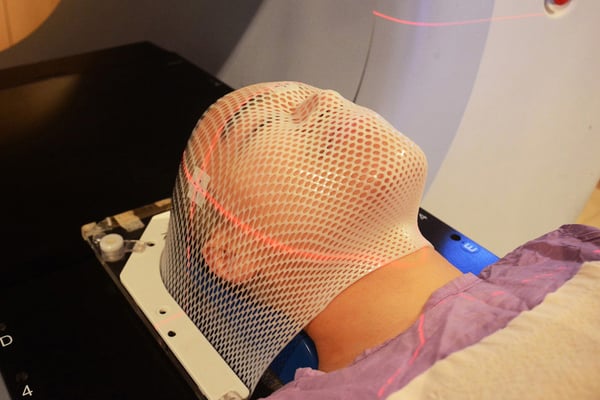
- Treatment Mapping and Positioning: A customized treatment plan is created using 3D computer-aided design (CAD) software. The patient is positioned comfortably using immobilization devices to ensure they remain still during treatment. This positioning is crucial for maintaining millimeter-level accuracy.
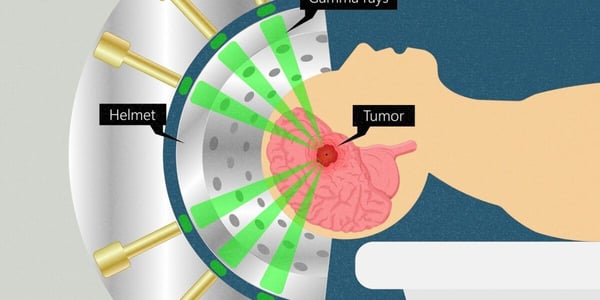
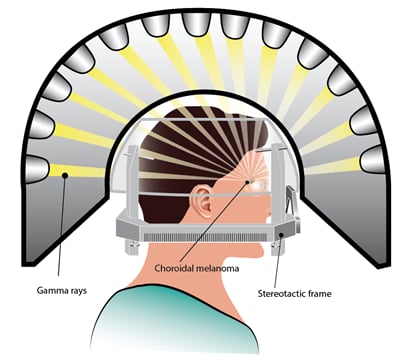
- Delivery of Radiation: During each session, multiple focused radiation beams are delivered at the tumor from different angles. The radiation machine (such as CyberKnife, TrueBeam, Gamma Knife, or LINAC) adjusts in real-time to follow the tumor’s position as it moves due to breathing or body shifts.
- Number of Sessions: SRT can be completed in one to five sessions, depending on the type and location of the tumor. Each session typically lasts between 20 and 60 minutes.
- After Treatment: Because it is non-surgical, SRT does not require hospital admission. Most patients receiving SRT can resume normal activities within a day, experiencing minimal side effects. Follow-up imaging is usually recommended after a few weeks or months to assess treatment response.
SRT is widely preferred because it offers strong tumor control, a short treatment schedule, and quick recovery without incisions or prolonged hospital stays.
Get a Free Treatment Plan
About Stereotactic Radiotherapy (SRT) in India
What Is the Cost of Stereotactic Radiotherapy in India?
The cost of Stereotactic Radiotherapy (SRT) in India typically ranges between $3,000 and $5,800 (approximately ₹2.5 lakh to ₹4.8 lakh). The exact cost depends on several factors, including the type of treatment technology used, the number of required sessions, the location of the tumor, and the hospital’s infrastructure.
Below is a general breakdown of SRT costs in India:
Component | Average Cost (USD) | Approx. Cost (INR) |
| Treatment planning & simulation | $500 – $900 | ₹40,000 – ₹75,000 |
| SRT session (per sitting) | $600 – $1,200 | ₹50,000 – ₹1,00,000 |
| Complete SRT package (1–5 sessions) | $3,000 – $5,800 | ₹2.5 – ₹4.8 lakh |
| Follow-up imaging (if required) | $200 – $400 | ₹17,000 – ₹33,000 |
Cost Inclusions
- Consultation and treatment planning by radiation oncologists
- Simulation imaging required for treatment mapping (CT or MRI)
- SRT delivery sessions using CyberKnife, Gamma Knife, or advanced LINAC technology
- Medical consumables and radiation equipment usage
- Nursing support and observation during each session
Cost Exclusions
- PET-CT, MRI, or specialized scans performed before treatment
- Biopsy or molecular tests required for diagnosis
- Hospital stay, if a patient requires monitoring beyond the treatment session
- Travel, visa, accommodation, and meals for the patient and companion
- Additional therapies, such as chemotherapy, immunotherapy, or hormonal treatment
- Follow-up scans done after leaving India
What Is the Cost of SRT in Different Indian Cities?
The cost of Stereotactic Radiotherapy (SRT) in India varies between cities, depending on the hospital infrastructure, available technology, and overall treatment expenses. Metropolitan cities with advanced radiation centers may have slightly higher pricing due to the availability of CyberKnife, Gamma Knife, or high-end LINAC systems.
Below is an approximate city-wise cost range:
City | Average Cost (USD) | Approx. Cost (INR) |
| New Delhi | $3,000 – $5,500 | ₹2.5 – ₹4.6 lakh |
| Mumbai | $3,200 – $5,800 | ₹2.6 – ₹4.8 lakh |
| Chennai | $2,800 – $5,000 | ₹2.3 – ₹4.1 lakh |
| Bangalore | $3,000 – $5,500 | ₹2.5 – ₹4.6 lakh |
| Hyderabad | $2,900 – $5,200 | ₹2.4 – ₹4.3 lakh |
- Delhi and Mumbai: Highly advanced oncology centers with the widest availability of CyberKnife technology.
- Chennai and Hyderabad: Competitive pricing with strong radiation oncology capabilities.
- Bangalore: Popular among overseas patients for modern hospitals and efficient patient-handling systems.
What Factors Affect the Cost of SRT in India?
The cost of Stereotactic Radiotherapy (SRT) in India can vary based on several medical and non-medical factors. Understanding these helps patients estimate their overall treatment expenses more accurately.
- Type of Technology Used: The machine used, whether CyberKnife, Gamma Knife, or an advanced LINAC system, significantly affects the cost. CyberKnife and Gamma Knife treatments generally fall on the higher end of the pricing range.
- Tumor Location and Complexity: Tumors located near critical organs or deep within the body require more detailed planning, which can increase the overall treatment cost.
- Number of Sessions Required: SRT may be delivered in one to five sessions. More sessions mean higher costs due to repeated imaging, planning checks, and machine usage.
- Hospital Category and Facilities: Premium hospitals, equipped with advanced infrastructure, international accreditation, and high-end technology, may charge more than mid-range centers.
- Radiation Oncologist’s Expertise: Senior radiation oncologists or specialists with extensive experience in SRT may have higher consultation and treatment planning fees.
- Need for Additional Therapies: Some patients may require chemotherapy, targeted therapy, or follow-up scans alongside SRT. These additional treatments increase the total cost.
- Patient’s Overall Health Condition: Patients who need special monitoring, additional medications, or extended observation after sessions may incur extra expenses.
How Does the Cost in India Compare With Other Countries?
Stereotactic Radiotherapy (SRT) is significantly more affordable in India compared to Western and Middle Eastern countries. Despite the lower cost, the technology used is the same as that used globally.
Below is a general comparison of average SRT costs across major medical destinations:
Country | Average Cost (USD) |
| United States | $20,000 – $35,000 |
| United Kingdom | $18,000 – $25,000 |
| UAE | $12,000 – $18,000 |
| Singapore | $15,000 – $20,000 |
| India | $3,000 – $5,800 |
Patients choosing India can save 70% to 80% on treatment costs while receiving care from advanced radiation centers equipped with globally recognized technologies.
Why Should You Choose India for Stereotactic Radiotherapy?
India has become a preferred destination for Stereotactic Radiotherapy (SRT) due to its combination of advanced technology, experienced specialists, and affordable pricing. Patients from around the world choose India for precise and effective radiation treatment with shorter waiting times.
- Access to Advanced Technology: Indian radiation centers are equipped with globally recognized systems. These technologies ensure precise targeting and safe delivery of high-dose radiation.
- Experienced Radiation Oncologists: Many oncologists in India have international training and extensive experience in SRT, SRS, and SBRT.
- Accredited Cancer Centers: Several hospitals offering SRT are accredited by NABH and JCI, ensuring adherence to strict quality and safety standards.
- Quick Appointments and Short Waiting Times: Patients can typically begin treatment soon after a medical evaluation, avoiding the long delays common in many Western healthcare systems.
- English-Speaking Medical Teams: Doctors, nurses, and patient coordinators communicate fluently in English, ensuring a clear and comfortable process for international patients.
- Support for International Patients: Hospitals assist with medical visas, airport transfers, accommodation arrangements, and follow-up planning, ensuring a seamless treatment experience.
What Is the Recovery and Success Rate After Stereotactic Radiotherapy?
Stereotactic Radiotherapy (SRT) is known for its quick recovery time and strong local tumor control. Because it is non-invasive and highly targeted, most patients experience minimal adverse effects and return to normal activities soon after treatment.
Recovery After SRT
Most patients recover quickly because SRT does not involve surgery or hospitalization.
- Immediate Recovery: Patients can usually go home the same day. Mild fatigue or headache may occur, but often subsides within 24–48 hours.
- Return to Routine: Most individuals resume normal activities within a day or two. There are usually no restrictions on movement, diet, or daily tasks unless advised by the doctor.
- Side Effects (If Any): Side effects vary based on tumor location but are generally mild. These may include temporary fatigue, slight skin irritation, or swelling in the treated area.
- Follow-up: A follow-up scan is typically recommended a few weeks or months after treatment to assess the response.
Success Rate of SRT
SRT is widely recognized for its high accuracy and strong tumor control, making it one of the most effective non-surgical cancer treatments available today.
- Brain Tumors: Local control rates are typically 90–95% for small benign and metastatic brain tumors.
- Early-Stage Lung Tumors: SBRT achieves local tumor control rates of 85–90%, which are often comparable to those of surgical outcomes.
- Spine and Vertebral Lesions: Success rates range from 80% to 90%, with notable pain relief and tumor stability.
- Liver and Prostate Lesions: Many tumors respond well, with control rates generally ranging from 80% to 90%, depending on their size and location.
Stereotactic Radiotherapy (SRT) Cost Comparison by Country
Compare Stereotactic Radiotherapy (SRT) costs across different countries to make an informed decision about your medical treatment.
| Country | Cost Range (USD) | Potential Savings | Action |
|---|---|---|---|
IndiaCurrentBest Value | $3,000 - $5,800 | — | Get Quote |
Note: Costs may vary based on hospital choice, room type, additional services, and individual medical requirements. Contact us for a personalized quote.
Similar Procedures
Gallery
FAQ

Our website uses cookies. By clicking on accept you give your consent to the use of cookies as per our Privacy Policy.