
¿Por qué los pacientes ugandeses confían en la atención sanitaria de la India?
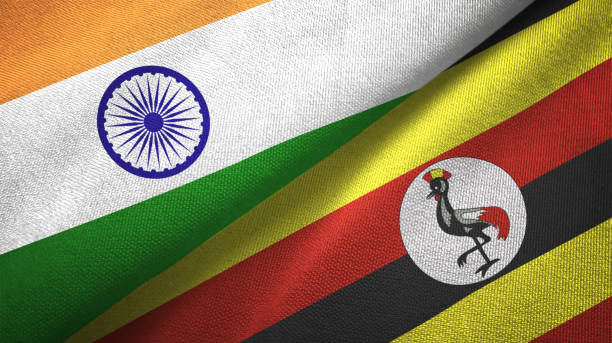
Every year, thousands of Ugandans look beyond their borders in search of better healthcare. According to reports,more than 10,000 Ugandan patients travel abroad annuallyfor medical treatment that is either unavailable, too costly, or delayed at home. In fact, Mulago National Referral Hospital in Kampala confirmed that it referred 225 patients to India between 2014 and 2018 for advanced procedures likeheart surgery,organ transplants, andcancer care.
This steady movement of patients tells a bigger story. For many Ugandans, getting proper treatment is not just about medicine. It is about hope, survival, and the chance to live a healthier life. India is a trusted partner in their healthcare journey. With its modern hospitals, skilled doctors, affordable treatment options, and compassionate approach, India offers something unique: world-class healthcare that feels accessible and welcoming.
For a Ugandan patient and their family, choosing India often means fewer delays, more advanced options, and a realistic path toward recovery. It is not just a medical trip. It is a journey toward renewed health and peace of mind.
What Healthcare Challenges Do Patients Face in Uganda?
For many Ugandans, accessing specialized treatment can feel like an uphill climb. While the country has dedicated doctors and hospitals, the system struggles to meet the needs of patients with complex illnesses. Advanced facilities for procedures such as organ transplants, cancer therapies, or robotic surgeries are limited.
Another common challenge iswaiting time. Patients often spend months waiting for a diagnosis or a surgical slot, which can worsen their condition. In addition, theshortage of specialists(especially inoncology,cardiology, andneurology) means that many cases cannot be handled locally.
Cost is also a barrier. While basic healthcare may be affordable, specialized treatments inside Uganda can be very expensive compared to what patients might spend abroad, especially when the care is not subsidized or widely available. For these reasons, families start looking at other countries where they can find both quality and affordability together.
Why Do Ugandan Patients Prefer India Over Other Countries?
When a family in Uganda decides to seek treatment abroad, they often compare different destinations such as South Africa, Kenya, Europe, or the Middle East. India stands out for several reasons that matter deeply to patients.
- Affordable Treatment:Medical procedures in India are far less expensive than in Western nations or even some African private hospitals. Families who may not be able to afford advanced surgery at home often find India’s prices within reach.
- High-Quality Healthcare:Indian hospitals are equipped with advanced technology, highly experienced doctors, and international accreditations. Patients receive world-class care that matches global standards.
- Shorter Waiting Times:Unlike in many places where patients wait months for surgery, Indian hospitals schedule treatments quickly, sometimes within just a few days. For conditions like cancer or heart disease, this speed can make a big difference.
- Easy Communication in English:With English widely spoken by doctors and hospital staff, Ugandan patients can communicate their health concerns clearly and feel understood without language barriers.
- Cultural Comfort:Hospitals in major Indian cities make efforts to ensure comfort for African patients, ranging from familiar food options to dedicated patient coordinators, so families feel supported throughout their stay.
What Treatments Do Ugandan Patients Commonly Seek in India?
Ugandan patients travel to India for various medical treatments. Some come for advanced surgeries, while others seek treatments that are not widely available back home. The most common areas include:
- Cancer Care:India has specialized cancer centers that offerchemotherapy, radiation therapy,bone marrow transplants, and even newer options like proton therapy. Patients benefit from modern technology and experienced oncologists.
- Kidney and Liver Transplants:Organ transplant programs in India are well-developed, with high success rates. Ugandan patients often choose India forkidneyandliver transplantsbecause of the availability of skilled surgeons and advanced facilities.
- Heart Surgery:Frombypass surgerytovalve replacement, Indian hospitals handle complex cardiac procedures every day. For families facing heart disease, India offers both expertise and affordability.
- Orthopedic Treatments:Procedures likejoint replacement,spine surgery, and correction of bone problems are commonly sought. Patients often regain mobility and return home with an improved quality of life.
- Neurosurgeries:Conditions affecting the brain and spinal cord are treated with advanced surgical techniques, including minimally invasive procedures.
- Urology Procedures:Kidney stones, prostate surgeries, and urinary tract treatments are other reasons why Ugandan patients travel to India.
In short, India provides a wide range of treatments under one roof. Patients find reassurance knowing that whatever their health need, there is likely an expert and a hospital ready to help.
What Modern Medical Technologies Are Available in India?
One of the biggest reasons Ugandan patients choose India is the access to advanced medical technology. Many of these treatments are either unavailable or too costly back home, but in India, they are widely used and more affordable.
- Robotic Surgery:Hospitals in India use robotic systems to perform delicate surgeries with high precision. It means smaller cuts, less pain, faster healing, and shorter hospital stays.
- Proton Therapy for Cancer:Proton therapy is one of the most advanced forms of radiation used in cancer treatment. It targets tumors more accurately, protecting healthy tissues and reducing side effects.
- Da Vinci Surgical System:This world-famous system allows surgeons to perform minimally invasive surgical procedures with greater accuracy. It is often used in urology, gynecology, and heart surgeries.
- Advanced Transplant Technology:India has made substantial progress in organ transplant programs. Techniques like better organ preservation and improved post-surgery care have raised success rates.
- Next-Generation Diagnostics:PET-CT scans, genetic testing, and molecular diagnostics help doctors detect diseases early and plan the best treatment. For patients, this means faster answers and more effective care.
- Artificial Intelligence and Digital Pathology:AI tools are now being used in top hospitals to analyze scans, blood reports, and pathology slides. It speeds up diagnosis and helps doctors make more accurate decisions.
For Ugandan patients, these technologies bring a considerable advantage. They can access world-class medical innovations at a cost that is still far lower than in Western countries.
How Does India Offer Healing Beyond Hospitals?
For many Ugandan patients, coming to India is not just about the treatment itself. It is about the overall healing experience. Hospitals here focus on both medical recovery and emotional well-being.
- A Blend of Medicine and Compassion:Doctors and nurses in India are known for their patient-friendly approach. Families often feel that they are treated not just as medical cases, but as people with emotions, fears, and hopes. This compassion helps patients feel more confident during their journey.
- Supportive Therapies for Recovery:Alongside advanced surgeries and treatments, patients also have access to supportive therapies such as yoga, meditation, and Ayurveda. These practices can reduce stress, improve sleep, and speed up healing after major procedures.
- A Comforting Environment:Many Indian hospitals offer quiet recovery spaces, counseling support, and patient coordinators who guide families through every step. For someone traveling far from Uganda, this care makes the experience much less stressful.
What Is the Patient Journey from Uganda to India Like?
For a Ugandan patient, the journey to India usually begins with a simple question:“Where can I get the treatment I need at a cost my family can manage?”From there, the process unfolds step by step.
Step 1: Finding the Right Hospital
Most families start by talking to friends, relatives, or community leaders who have already been treated in India. Word of mouth is powerful. Hearing success stories builds trust. Patients may also get referrals from Ugandan doctors who suggest specific hospitals in India for complex care.
Step 2: Contacting Indian Hospitals
Once a hospital is chosen, medical reports are shared online or through email. In many cases, Indian hospitals respond quickly with treatment plans, expected costs, and timelines. This clarity helps families make informed decisions before traveling.
Step 3: Medical Visa and Travel Arrangements
With the hospital invitation letter in hand, patients apply for a medical visa. The process is usually straightforward, and approvals come within days. Flights from Entebbe to major Indian cities like Delhi, Mumbai, or Chennai are common and affordable compared to long-haul destinations.
Step 4: Arrival and Hospital Admission
On arrival in India, many hospitals arrange airport pickup and direct transfer to the hospital or guest house. Dedicated international patient desks help with paperwork, accommodation, and interpretation, making the experience smooth.
Step 5: Treatment and Recovery
Expert doctors and caring staff manage the treatment itself. Patients often notice that procedures are completed much faster compared to the long waiting lists at home. Families feel reassured seeing quick progress and transparent updates.
Step 6: Returning Home
After recovery, patients return to Uganda with clear medical advice, follow-up plans, and sometimes even remote consultation options with their Indian doctors. It ensures continuity of care even after traveling back.
How Does the Medical Visa Process Work for Ugandans?
For Ugandan patients, getting a medical visa to India is often the most crucial step after choosing a hospital. Thankfully, India has made the process simple and patient-friendly. Here’s what you need to know:
What Is a Medical Visa?
An Indian medical visa is a special type of visa issued by the Government of India for patients who need medical treatment in India. It allows the patient and up totwo attendants (family members or caregivers)to travel together.
What Are the Fees?
The cost of an Indian medical visa for Ugandan citizens is80 USD or 290,000 UGX. It is affordable compared to visas for other countries. Fees vary slightly depending on the duration of the visa, but they are generally lower than those for a tourist visa to Western countries.
What Documents Are Required?
To apply for a medical visa, patients need:
- A valid passport with at least six months’ validity.
- Recent passport-sized photographs.
- A visa invitation letter (VIL) from the Indian hospital confirming that treatment has been planned.
- Medical reports and documents from Uganda explaining the patient’s diagnosis.
- Completed visa application form (submitted online or at the Indian mission in Uganda).
What Is the Step-by-Step Process?
- Select a hospital in Indiaand obtain an invitation letter from the hospital’s international patient department.
- Complete the online visa applicationon the Indian government’s official portal.
- Submit the applicationwith supporting documents to the Indian High Commission in Kampala.
- Pay the visa fees as instructed.
- Wait for processing and approval.
How Long Does It Take?
The medical visa process for Ugandan citizens is usually fast. In most cases, approval takes only3 to 5 working days, provided all documents are in order. In emergencies, it may even be expedited.
How Long Is the Visa Valid?
A medical visa is usually valid forup to 6 monthswith multiple entries allowed. For longer treatments, patients can request an extension while in India, and it is often granted with proper medical proof.
How Do Ugandan Patients Stay Connected After Returning Home?
One of the biggest worries for patients traveling abroad is what happens after they return home. India has addressed this by making aftercare and follow-up simple and accessible, even from thousands of kilometers away.
- Telemedicine and Online Consultations:Many Indian hospitals now offer telemedicine services. It means that Ugandan patients can book online appointments with their doctors through video calls. Follow-up discussions, checking progress, and even adjusting medications can all be done remotely.
- Sharing Medical Reports Online:Instead of waiting for another trip, patients can send their medical reports, test results, or scans through email or secure hospital portals. Doctors in India review these and send back advice, ensuring continuity of care.
- WhatsApp and Direct Communication:Many hospitals and doctors in India maintain direct WhatsApp communication with patients or their families. This quick and personal touch helps patients feel supported and reduces anxiety.
- Local Coordination in Uganda:Some Indian hospitals also collaborate with local doctors in Uganda. This way, basic follow-up care such as lab tests or physical check-ups can be done locally, while the specialist in India guides treatment decisions.
For Ugandan patients, knowing they don’t have to travel back to India for every small follow-up brings tremendous relief. Remote care saves time, money, and stress, while still keeping patients connected to their trusted Indian doctors.
What Are the Success Rates of Treatments in India?
When Ugandan families think about traveling abroad for medical care, one of the first questions they ask is:“Will the treatment really work?”The good news is that India has built a global reputation for strong success rates across many specialties.
- Heart Surgery:Indian hospitals perform thousands of heart surgeries every year, with success rates of over95%for standard procedures like bypass surgery and valve replacement. It is comparable to outcomes in the U.S. and Europe, but at far lower costs.
- Organ Transplants:Kidney and liver transplants in India have become highly reliable. Many centers report success rates of85–90%, supported by advanced surgical techniques and strong post-transplant care programs.
- Cancer Treatment:With advanced therapies like proton therapy, robotic surgery, and targeted medicines, the success rate of cancer treatment has improved significantly. Survival and recovery rates are steadily rising, especially for early-detected cases.
- Joint Replacement and Orthopedics:Hip and knee replacements in India boast success rates of95%and above. Patients often return home able to walk freely and enjoy a better quality of life.
- Fertility (IVF) Treatments:India is also a leading destination for IVF, with success rates that range between50–60%per cycle in top clinics. These figures are on par with international standards.
Beyond statistics, what stands out is the satisfaction of patients. Many Ugandans report not just improved health but also comfort, emotional support, and confidence in the care they receive. For patients and families, these success rates provide reassurance that choosing India is not only affordable but also safe and effective.
Conclusion
For many Ugandan families, the decision to travel abroad for treatment is not an easy one. It involves financial planning, leaving home for weeks or months, and facing the uncertainty of being in a new country. Yet, year after year, thousands of Ugandan patients choose India, and they return with stories of healing and hope.
India has become a trusted destination because it combines what patients need most: affordable treatment, advanced technology, experienced doctors, and compassionate care. From heart surgeries and organ transplants to cancer treatment and IVF, Indian hospitals provide solutions that match global standards, but at costs families can manage.
What makes the experience even more reassuring is the patient-centric approach. Smooth visa processes, cultural comfort, and ongoing follow-up care mean Ugandan patients never feel alone in their journey.
In the end, choosing India means a chance at a healthier, brighter future. For Ugandan patients and their families, India offers more than medicine; it provides trust, comfort, and hope.
Hospitales relacionados
Descubra hospitales y centros médicos relacionados con este tema para los servicios de salud de calidad.
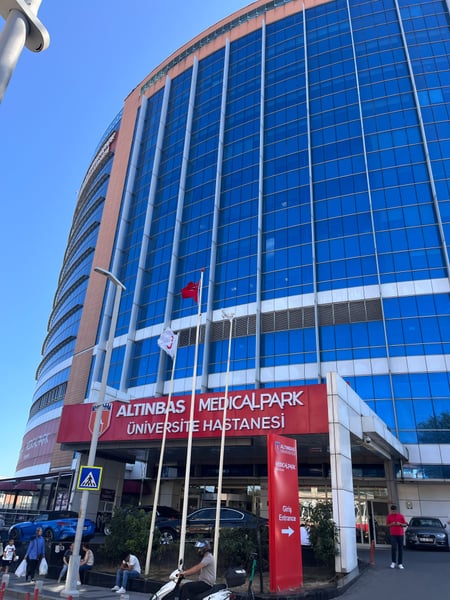
Parque médico del hospital Bahcelievler
El Hospital Medical Park Bahcelievler es un hospital de 242 camas acreditado por la JCI en Estambul, establecido en 2007. Distribuido en 33.000 metros...
Acreditaciones
Instalaciones
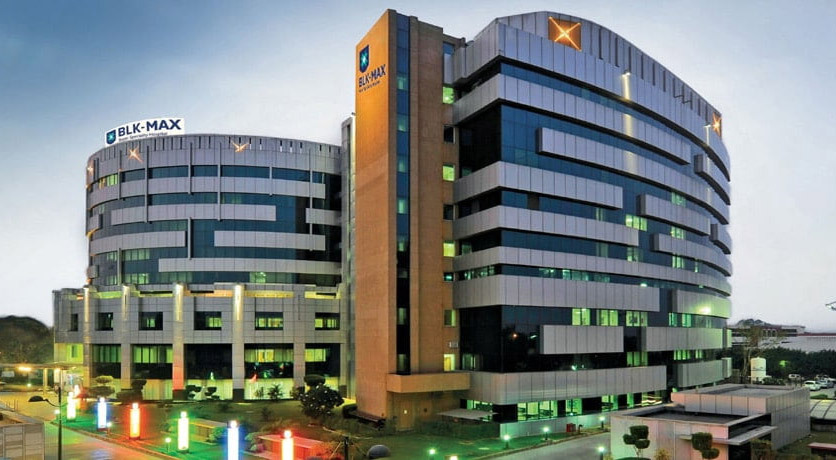
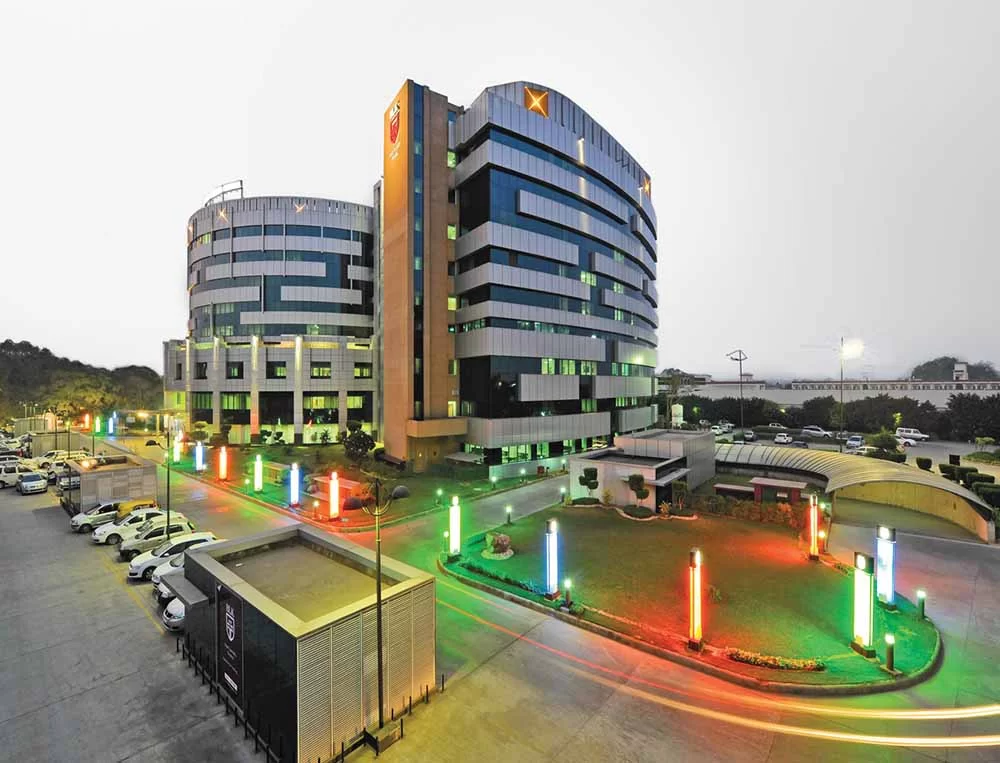
Hospital de súper especialidades BLK-Max, Nueva Delhi
El BLK-Max Super Specialty Hospital de Nueva Delhi es una de las principales instituciones sanitarias de la India y ofrece 650 camas, 22 quirófanos av...
Acreditaciones


Instalaciones
Instituto de Investigación Fortis Memorial (FMRI), Gurgaon
Fortis Memorial Research Institute (FMRI), Gurgaon, es un hospital de múltiples especialidades de clase mundial establecido en 2013. El hospital ofrec...
Acreditaciones


Instalaciones

Hospital Artemisa, Gurgaon
Artemis Hospital, Gurgaon, es un hospital multiespecializado acreditado por la JCI que se estableció en 2007. Ofrece más de 750 camas e infraestructur...
Acreditaciones



Instalaciones
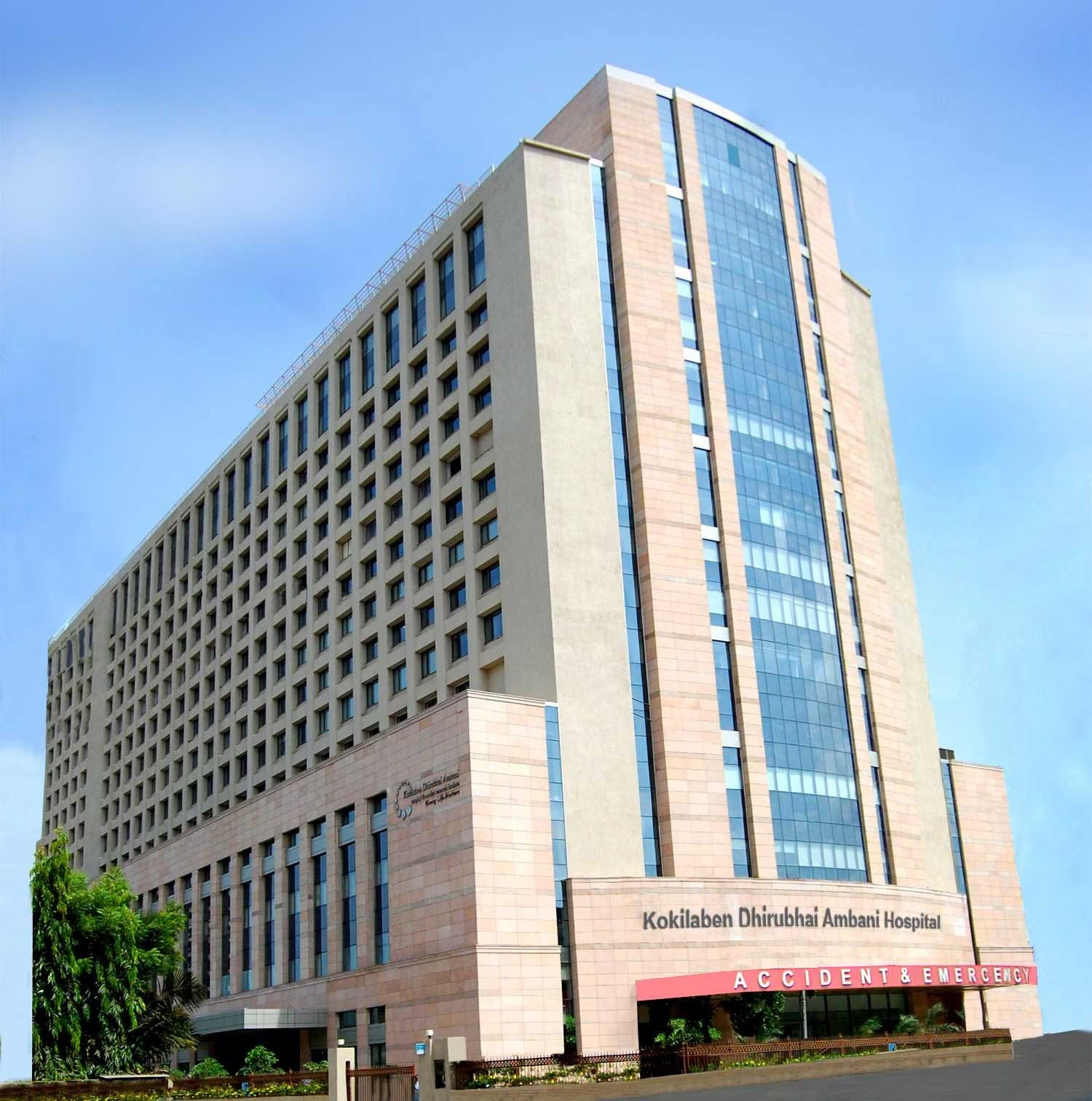
Hospital Kokilaben Dhirubhai Ambani, Bombay
El Hospital Kokilaben Dhirubhai Ambani, Mumbai, es un hospital de atención cuaternaria acreditado por JCI, NABH, NABL y CAP establecido en 2009. Con 7...
Acreditaciones


Instalaciones
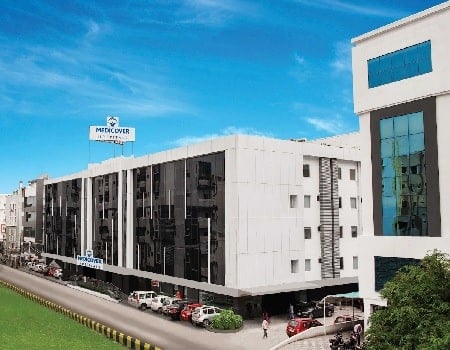
Hospitales Medicover, ciudad de Hitech, Hyderabad
Medicover Hospitals, Hitech City, Hyderabad, es un hospital de súper especialidades acreditado por NABH con 400 camas y establecido en 2011. Es parte ...
Acreditaciones


Instalaciones
Doctores relacionados
Conéctese con médicos y especialistas médicos experimentados en este campo.
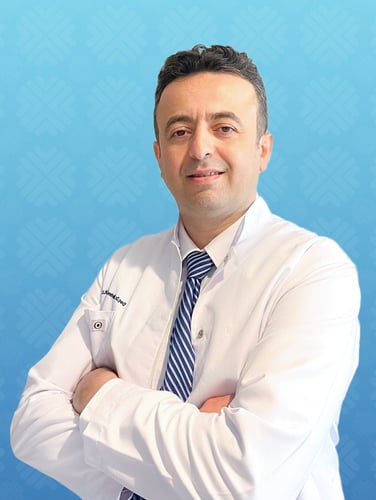
Dr. Mehmet Fatih Akbulut
Consultant
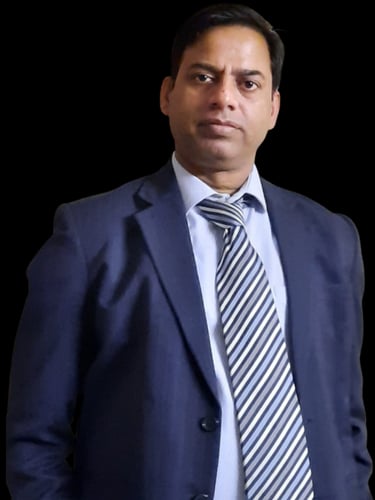
Dr. Ananda Mandal
Consultant
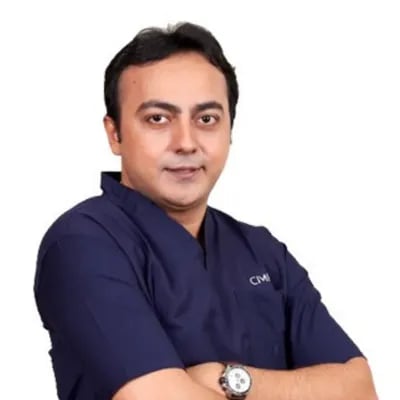
Dr. Indranil Khan
Consultant
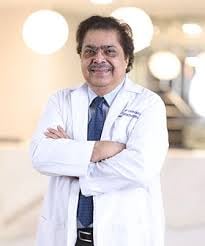
Dr. Pradip Chakrabarti
Head of Department (HOD)
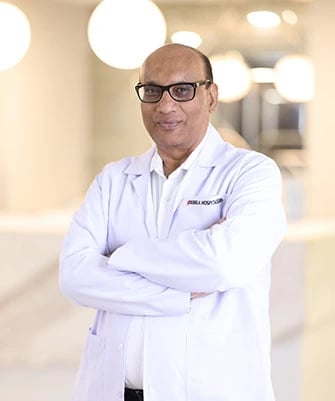
Dr. Rakesh Rajput
Head of Department (HOD)
Dr. Praveen G L
Consultant
Artículos relacionados
Explore más artículos e ideas sobre temas de salud similares.
¿Es segura la cirugía de columna en el extranjero?
Cómo prepararse para un trasplante de órganos en el extranjero: lista de verificación médica, legal y de viaje
Los mejores países para el trasplante de órganos: una guía para 2026 sobre costos, tiempos de espera y requisitos legales
Back Pain or Something More? When Does a Spine Tumor Require Surgery?

¿Cuánto tiempo se puede vivir después de un trasplante de órganos?
¿Quién puede recibir un trasplante de órganos en la India? Reglas de elegibilidad explicadas

Autor
Ver todoEl Dr. Deepanshu Siwach es un farmacéutico clínico experimentado con un título de Doctor en Farmacia. Tiene más de 4 años de experiencia y ha trabajado con miles de pacientes. Ha estado asociado con... Leer más
Nuestro sitio web usa cookies. política de privacidad.
