Por qué los pacientes de Uzbekistán buscan tratamiento en la India

7/2/2026, 7:55:22 AM 11 min read Medical Tourism
Por qué los pacientes de Uzbekistán buscan tratamiento en la India
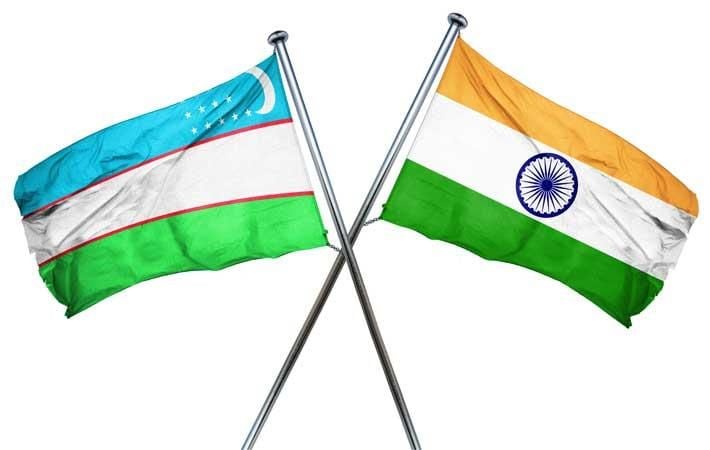
Patients from Uzbekistan increasingly travel abroad for medical treatment as healthcare needs become more complex. According to regional health reports,nearly 25–30% of Uzbek patientswho require advanced or long-term treatment seek care outside the country each year. Medical travel has become common for conditions that need specialized doctors, modern equipment, and faster treatment timelines.


Uzbek has made progress in improving access to healthcare. However, advanced care for cancer, heart disease, organ failure, spine disorders, and complex joint problems remains limited in many regions. Specialist centers are concentrated in a few large cities, which creates access challenges for patients from smaller towns and rural areas.


Non-communicable diseases continue to rise. Cardiovascular disease, diabetes, cancer, and kidney disorders account formore than half of adult health-related deaths in Uzbekistan, based on regional health statistics.

India has emerged as a reliable option for Uzbek patients. The country treats hundreds of thousands of international patients every year, including many from Central Asia. For families in Uzbekistan, traveling to India represents a step toward timely, complete, and dependable medical care during critical health situations.


What Healthcare Challenges Do Patients in Uzbekistan Face?

Patients in Uzbekistan face several healthcare challenges when dealing with complex or long-term medical conditions. These challenges often push families to explore treatment options outside the country.


  • Limited access to highly specialized care:Advanced specialties such as oncology, organ transplant, complex cardiac surgery, and neurosurgery remain concentrated in a small number of centers.
  • Delays in advanced diagnostics:Modern imaging, detailed pathology, and specialized laboratory tests may take time to arrange. Delays in diagnosis affect treatment planning, particularly for cancer and heart disease.
  • Uneven healthcare access across regions:Healthcare quality varies between urban and rural areas. Patients from smaller towns often travel long distances for specialist consultations.
  • High cost of private advanced care:Private hospitals offering advanced procedures can be expensive. Insurance coverage may not fully support complex surgeries or prolonged treatment. Many families begin comparing overseas options to manage costs.
  • Limited exposure to high-volume complex cases:Some advanced procedures require extensive hands-on experience. Lower case volumes in certain specialties affect confidence in outcomes for rare or complicated conditions.
  • Waiting time for planned procedures:Patients may wait weeks for specialist appointments or surgery. For severe conditions, these delays increase anxiety and health risks.

These challenges cause patients from Uzbekistan to seek destinations that offer faster access, broader specialist expertise, and predictable costs. India addresses these needs through organized healthcare systems and experienced multidisciplinary teams.


Why Do Patients from Uzbekistan Prefer India for Medical Care?

Patients from Uzbekistan choose India for medical care because it aligns with their medical needs, travel realities, and financial planning. The preference grows from practical experience rather than promotion.


  • Faster access compared to regional options:Many Uzbek patients compare India with nearby destinations such as Russia, Turkey, or South Korea. In these countries, waiting time for complex surgery or cancer treatment can stretch for weeks. Indian hospitals usually complete evaluation and begin treatment within days, which matters for conditions that cannot wait.
  • Broader experience with complex cases:Indian specialists treat very high numbers of patients every year. This exposure builds strong expertise in cancer care, joint replacement, cardiac surgery, and organ transplant.
  • Clear cost advantage for self-paying patients:Most patients from Uzbekistan pay out of pocket or use partial insurance. India offers advanced treatment at realistic prices for middle-income families.
  • Availability of modern procedures:Some advanced therapies, such as minimally invasive joint replacement, complex spine surgery, and multi-modality cancer therapy, remain limited in Uzbekistan. India offers these procedures routinely with established protocols.
  • Structured treatment planning:Indian hospitals follow organized healthcare pathways. Patients receive clear timelines, treatment plans, and recovery guidance. This structure helps Uzbek families plan travel, stay duration, and finances more confidently.
  • Ease of coordination for international patients:Hospitals in India have experience managing international medical travel. Uzbek patients benefit from smoother coordination for appointments, investigations, and discharge planning.


What Treatments Do Patients from Uzbekistan Commonly Seek in India?

Patients from Uzbekistan travel to India mainly for treatments that require advanced technology, high specialist experience, and coordinated care. These choices reflect gaps in availability, waiting time, or cost at home.


  • Cancer diagnosis and multi-modal cancer treatment:Many Uzbek patients seek cancer care in India for breast, lung, colorectal, blood, and gynecological cancers. Patients value access to complete care in one place, including imaging, biopsy, surgery, chemotherapy, and radiation therapy.
  • Heart surgery and interventional cardiology:Cardiac conditions remain a leading health concern in Uzbekistan. Patients commonly travel for bypass surgery, valve repair or replacement, angioplasty, and complex cardiac evaluation.
  • Orthopedic and joint replacement surgery:Total knee replacement and total hip replacement attract many Uzbek patients, especially older adults with arthritis or joint damage. Patients seek pain relief, improved mobility, and faster recovery through modern surgical techniques and rehabilitation programs.
  • Spine surgery and neurology care:Patients with slipped discs, spinal stenosis, nerve compression, or brain tumors often travel to India. Access to advanced imaging and minimally invasive spine surgery plays a significant role in this decision.
  • Kidney disease treatment and transplant:Chronic kidney disease leads many Uzbek patients to seek dialysis and a kidney transplant in India.


What Is the Cost of Treatment in India for Patients from Uzbekistan?

Treatment costs play a central role for patients from Uzbekistan, as most families plan care using personal savings. India offers advanced treatment at prices that remain practical for middle-income households, without compromising safety or outcomes.


  • Predictable pricing that supports planning:Hospitals in India usually share treatment estimates before admission. These estimates often include doctor fees, surgery, hospital stay, medicines, and routine follow-up. Transparent pricing helps Uzbek families plan travel duration and finances with confidence.
  • Lower costs compared to regional and Western options:Patients from Uzbekistan often compare India with Turkey, South Korea, or Europe. In many cases, India offers the same procedures at much lower cost, allowing patients to proceed with complete treatment rather than delay care.
  • Strong value without quality compromise:Lower cost reflects system efficiency and high case volumes. Hospitals follow international treatment protocols. Doctors use modern equipment and evidence-based practices.


Approximate Treatment Costs in India

Orthopedic procedures


Cardiac procedures


Organ transplant procedures


Cancer treatment


For patients from Uzbekistan, affordable treatment in India removes financial barriers to timely care. Early access improves outcomes and reduces long-term health risks.


How Does Treatment Cost in India Compare with Other Countries for Patients from Uzbekistan?

Patients from Uzbekistan usually compare India withRussia, Turkey, South Korea, and Europebefore deciding where to seek treatment. Cost differences between these destinations strongly shape the final decision, especially for families paying from personal savings.


  • Comparison with Russia:Russia remains a nearby option for some Uzbek patients. However, advanced cancer care, complex cardiac surgery, and organ transplants often involve long waiting times or limited availability. Private treatment costs can rise quickly, especially in major cities. Many patients find India more affordable with faster access.
  • Comparison with Turkey:Turkey attracts Uzbek patients for specific procedures, but prices for joint replacement, cardiac surgery, and cancer treatment are often much higher than in India. Accommodation and living costs also increase the total expense during extended treatment stays.
  • Comparison with South Korea:South Korea offers advanced technology, but treatment costs remain high for international patients. Language barriers and longer treatment planning timelines also affect comfort and clarity. For many Uzbek families, India offers similar outcomes at a much lower cost.
  • Comparison with Europe:European countries provide high-quality care, but costs for surgery, hospital stay, and follow-up remain the highest. Insurance coverage rarely applies to Uzbek patients. Travel and living expenses add further burden.


Approximate Cost Comparison

Treatment Type

Russia / Turkey (USD)

South Korea / Europe (USD)

India (USD)

Total Knee Replacement15,000 – 25,00030,000 – 45,0004,000 – 5,500
Total Hip Replacement18,000 – 30,00035,000 – 50,0004,500 – 6,000
Heart Valve Replacement25,000 – 45,00060,000 – 90,0006,000 – 9,000
Kidney Transplant60,000 – 100,000150,000 – 200,00013,000 – 15,000
Liver Transplant100,000 – 160,000200,000+35,000 – 45,000
Cancer Treatment (full cycle)25,000 – 50,00050,000 – 100,0008,000 – 12,000

Why does this comparison matter for Uzbek families?


For patients from Uzbekistan, India offers a balance of affordability, speed, and advanced medical care. Lower cost allows patients to start treatment earlier and complete the full care plan. Families avoid heavy debt and repeated travel. Savings also help cover accommodation and recovery needs.


What Patient Support Services Are Available for Patients from Uzbekistan in India?

Patient support plays a significant role for Uzbek families traveling long distances for medical care. Many patients stay in India for several weeks. Organized support services help them manage treatment smoothly and focus on recovery.


  • Dedicated international patient coordination:Hospitals assign coordinators to international patients. These coordinators manage appointments, investigations, and treatment schedules.
  • Clear communication in English with simple explanations:Doctors and care teams explain diagnosis and treatment steps in clear, simple English. Patients receive written summaries and discharge instructions that help families understand care plans and next steps.
  • Assistance with accommodation near hospitals:Hospitals help patients find hotels or guesthouses near treatment centers. Staying nearby reduces daily travel and physical strain, which matters during recovery.
  • Support with local travel and daily logistics:Many hospitals provide airport pickup and guidance on local transport. This support helps patients feel safe and confident in an unfamiliar city.
  • Family-friendly treatment environment:Hospitals allow attendants to stay involved during consultations and recovery planning. This involvement supports emotional comfort and decision-making.
  • Post-treatment planning and follow-up guidance:Care teams provide clear follow-up schedules, medication plans, and recovery advice. Patients return home with documents that support continued care in Uzbekistan.


How Easy Is Travel from Uzbekistan to India for Medical Treatment?

Travel ease matters greatly for patients from Uzbekistan, especially when illness limits energy and mobility. India offers practical and well-connected travel options that support medical journeys.


  • Flight connectivity between Uzbekistan and India:Flights connect Uzbekistan to major Indian cities through hubs such as Dubai, Istanbul, Doha, or Almaty. Some routes also offer direct or one-stop options. Total travel time usually ranges from6 to 10 hours, depending on the route and connection times.
  • Access to major international airports in India:India operates multiple international airports with strong global connectivity. These airports manage international medical travelers daily.
  • Arrival coordination and hospital assistance:Many hospitals arrange airport pickup and direct transfer to accommodation or the hospital. This assistance reduces stress after long flights and helps patients settle quickly.
  • Pre-travel planning and guidance:Patients often receive guidance on flight timing, transit requirements, and arrival schedules. Clear planning helps avoid delays and unnecessary fatigue.

Overall, travel from Uzbekistan to India remains manageable and organized. Reliable routes and on-ground support allow patients to focus on treatment rather than travel challenges.


What Is the Success Rate of Medical Treatment in India for Patients from Uzbekistan?

Success rates matter greatly to patients from Uzbekistan when choosing treatment abroad. Families want reassurance that outcomes justify travel and cost. India reports strong results across major procedures because of experienced specialists, modern technology, and structured follow-up care.


  • Total Knee Replacement (TKR) success rate:Most Uzbek patients experience long-term pain relief and improved mobility. Reported success rates usually range between95% and 98%when patients complete rehabilitation as advised.
  • Total Hip Replacement (THR) success rate:Hip replacement provides durable outcomes and improved quality of life. Long-term success rates typically range from95% to 98%, even among older patients.
  • Heart surgery success rate:Bypass surgery and valve replacement deliver consistent outcomes in high-volume centers. Success rates typically range between94% and 97%, depending on age, heart function, and overall health.
  • Kidney transplant success rate:One-year graft survival rates generally range between90% and 95%. Long-term success improves with regular follow-up and strict medication adherence, which Indian teams emphasize before discharge.
  • Liver transplant success rate:Short-term success rates typically range from85% to 90%. Early referral and structured post-transplant care improve recovery and long-term survival.
  • Cancer treatment outcomes:Outcomes vary by cancer type and stage. Early-stage cancers show high control and remission rates. Combined treatment approaches improve outcomes for advanced cases.

For patients from Uzbekistan, strong outcomes, affordability, and organized support make India a dependable choice for complex medical treatment.


How Can Patients from Uzbekistan Get an Indian Medical Visa for Treatment?

Patients from Uzbekistan usually plan medical travel carefully because treatment often involves family savings and extended stays. India offers a clear, structured medical visa process that meets the needs of Uzbek patients.


  • Indian Medical Visa (MED Visa) for Uzbek citizens:Patients from Uzbekistan travel to India on a MED Visa issued specifically for treatment. This visa allows patients to stay in India for diagnosis, treatment, and recovery. It also supports multiple entries when follow-up visits are required.
  • Medical visa validity and stay duration:Medical visas for Uzbek patients are generally issued for up toone year, depending on treatment requirements. This duration allows enough time for surgery, recovery, and initial follow-up without pressure to exit early.
  • Medical attendant visa for family members:Most patients from Uzbekistan travel with a close family member, usually a spouse or adult child. India issues Medical Attendant Visas for accompanying relatives.
  • Medical visa processing timeline for Uzbek applicants:Once documents are complete, visa processing usually takes2 to 3 days. Hospitals in India provide official treatment or invitation letters, which help avoid delays. Patients can plan travel with better certainty.


Documents required for an Indian medical visa from Uzbekistan

  • Valid Uzbek passport with sufficient remaining validity
  • Recent passport-size photographs
  • Medical reports from a hospital or doctor in Uzbekistan
  • Treatment or invitation letter from an Indian hospital
  • Proof of funds to cover treatment and stay
  • Completed medical visa application form


Final Thoughts

Patients from Uzbekistan choose India for advanced medical care that remains affordable and accessible. Treatment starts quickly, specialists bring deep experience, and outcomes remain strong. Precise planning, family support, and predictable costs reduce stress. This balance makes India a reliable destination for serious medical treatment.

Hospitales relacionados

Descubra hospitales y centros médicos relacionados con este tema para los servicios de salud de calidad.
Parque médico del hospital Bahcelievler
PLATINUM
Ver detalles

Parque médico del hospital Bahcelievler

Estanbul, Pavo

El Hospital Medical Park Bahcelievler es un hospital de 242 camas acreditado por la JCI en Estambul, establecido en 2007. Distribuido en 33.000 metros...

Multi-specialty
Establecido 2007
242 camas
Acreditaciones
Joint Commission International (JCI)
Instalaciones
+13
Hospital de súper especialidades BLK-Max, Nueva Delhi
PLATINUM
Ver detalles

Hospital de súper especialidades BLK-Max, Nueva Delhi

Nueva Delhi, India

El BLK-Max Super Specialty Hospital de Nueva Delhi es una de las principales instituciones sanitarias de la India y ofrece 650 camas, 22 quirófanos av...

Multi-specialty
Establecido 1959
650 camas
Acreditaciones
Joint Commission International (JCI)
National Accreditation Board for Hospitals & Healthcare Providers (NABH)
Instalaciones
+13
Instituto de Investigación Fortis Memorial (FMRI), Gurgaon
PLATINUM
Ver detalles

Instituto de Investigación Fortis Memorial (FMRI), Gurgaon

Gurgaon, India

Fortis Memorial Research Institute (FMRI), Gurgaon, es un hospital de múltiples especialidades de clase mundial establecido en 2013. El hospital ofrec...

Multi-specialty
Establecido 2013
330 camas
Acreditaciones
Joint Commission International (JCI)
National Accreditation Board for Hospitals & Healthcare Providers (NABH)
Instalaciones
+13
Hospital Artemisa, Gurgaon
PLATINUM
Ver detalles

Hospital Artemisa, Gurgaon

Gurgaon, India

Artemis Hospital, Gurgaon, es un hospital multiespecializado acreditado por la JCI que se estableció en 2007. Ofrece más de 750 camas e infraestructur...

Multi-specialty
Establecido 2007
750 camas
Acreditaciones
Joint Commission International (JCI)
National Accreditation Board for Hospitals & Healthcare Providers (NABH)
International Organization for Standardization (ISO)
Instalaciones
+13
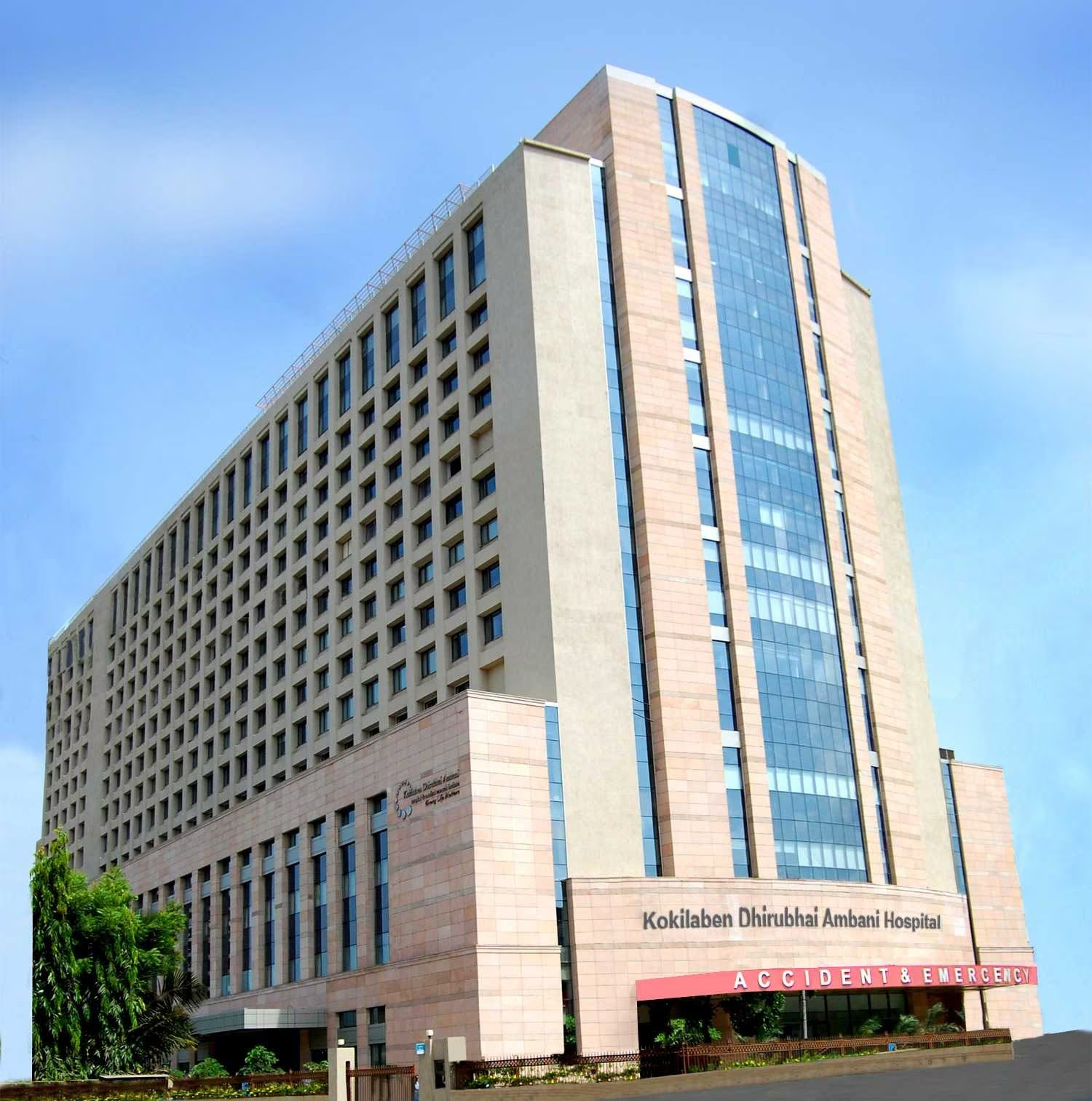
Hospital Kokilaben Dhirubhai Ambani, Bombay
PLATINUM
Ver detalles

Hospital Kokilaben Dhirubhai Ambani, Bombay

Bombay, India

El Hospital Kokilaben Dhirubhai Ambani, Mumbai, es un hospital de atención cuaternaria acreditado por JCI, NABH, NABL y CAP establecido en 2009. Con 7...

Multi-specialty
Establecido 2009
750 camas
Acreditaciones
Joint Commission International (JCI)
National Accreditation Board for Hospitals & Healthcare Providers (NABH)
International Organization for Standardization (ISO)
Instalaciones
+13
Hospitales Medicover, ciudad de Hitech, Hyderabad
PLATINUM
Ver detalles

Hospitales Medicover, ciudad de Hitech, Hyderabad

Hyderabad, India

Medicover Hospitals, Hitech City, Hyderabad, es un hospital de súper especialidades acreditado por NABH con 400 camas y establecido en 2011. Es parte ...

Multi-specialty
Establecido 2011
400 camas
Acreditaciones
National Accreditation Board for Hospitals & Healthcare Providers (NABH)
Joint Commission International (JCI)
Instalaciones
+13

Doctores relacionados

Conéctese con médicos y especialistas médicos experimentados en este campo.
Dr. Ananda Mandal

Dr. Ananda Mandal

Consultant

27 Años de experiencia
Ver detalles
Dr. Indranil Khan

Dr. Indranil Khan

Consultant

8 Años de experiencia
Ver detalles
Dr. Pradip Chakrabarti

Dr. Pradip Chakrabarti

Head of Department (HOD)
45 Años de experiencia
Ver detalles
Dr. Rakesh Rajput

Dr. Rakesh Rajput

Head of Department (HOD)
30 Años de experiencia
Ver detalles
Dr. Praveen G L

Dr. Praveen G L

Consultant

10 Años de experiencia
Ver detalles
Dr. Chandramohan K.

Dr. Chandramohan K.

Senior Consultant

27 Años de experiencia
Ver detalles

Artículos relacionados

Explore más artículos e ideas sobre temas de salud similares.
¿Es segura la cirugía de columna en el extranjero?
Medical Tourism

¿Es segura la cirugía de columna en el extranjero?

2/4/2026, 1:32:33 PM
8 min read
Los trastornos de la columna afectan a millones de pacientes en todo el mundo. Condiciones como hernia discal, estenosis espinal y enfermedad degenera...
Leer más
Cómo prepararse para un trasplante de órganos en el extranjero: lista de verificación médica, legal y de viaje
Medical Tourism

Cómo prepararse para un trasplante de órganos en el extranjero: lista de verificación médica, legal y de viaje

2/4/2026, 1:03:37 PM
7 min read
Trasplante de órganosrequiere una planificación cuidadosa en cada etapa. Cuando los pacientes viajan al extranjero para someterse a una cirugía de tra...
Leer más
Los mejores países para el trasplante de órganos: una guía para 2026 sobre costos, tiempos de espera y requisitos legales
Medical Tourism

Los mejores países para el trasplante de órganos: una guía para 2026 sobre costos, tiempos de espera y requisitos legales

2/4/2026, 9:05:33 AM
7 min read
La demanda mundial decirugia de trasplante de organossigue aumentando cada año. Millones de pacientes viven con insuficiencia orgánica terminal, pero ...
Leer más
Back Pain or Something More? When Does a Spine Tumor Require Surgery?
Medical Tourism

Back Pain or Something More? When Does a Spine Tumor Require Surgery?

1/3/2026, 12:51:20 PM
9 min read
Cuando un diagnóstico afecta a la columna, la primera pregunta casi siempre es:'¿Todavía podré caminar?'En 2026, la atención de los tumores de columna...
Leer más
¿Cuánto tiempo se puede vivir después de un trasplante de órganos?
Medical Tourism

¿Cuánto tiempo se puede vivir después de un trasplante de órganos?

1/3/2026, 12:19:15 PM
7 min read
Cuando te dicen que necesitas untrasplante, la primera pregunta que te surge suele ser la más difícil de formular:¿Cuánto tiempo me dará esto?   Las...
Leer más
¿Quién puede recibir un trasplante de órganos en la India? Reglas de elegibilidad explicadas

Medical Tourism

¿Quién puede recibir un trasplante de órganos en la India? Reglas de elegibilidad explicadas

1/3/2026, 12:00:36 PM
7 min read
La insuficiencia orgánica sigue siendo un desafío de salud mundial creciente. La enfermedad renal crónica afecta a millones de personas en todo el mun...
Leer más
Dr. Deepanshu Siwach

Redactor médico sénior

Sr. Medical Content Writer Qonaq Health and Wellness
Doctor of Pharmacy

El Dr. Deepanshu Siwach es un farmacéutico clínico experimentado con un título de Doctor en Farmacia. Tiene más de 4 años de experiencia y ha trabajado con miles de pacientes. Ha estado asociado con... Leer más

Nuestro sitio web usa cookies. política de privacidad.