Desde Zimbabwe hasta la India: una opción confiable para tratamiento médico avanzado

4/2/2026, 8:10:19 AM 11 min read Medical Tourism
Desde Zimbabwe hasta la India: una opción confiable para tratamiento médico avanzado

Every year, a growing number of patients from Zimbabwe seek medical treatment outside the country. Health system reports and regional estimates show thatthousands of Zimbabwean patients travel abroad annually, mainly for complex and long-term conditions. Cancer, heart disease, kidney failure, and orthopedic problems remain among the leading causes.


Economic challenges and limited access to advanced medical services affect timely care. Many Zimbabwean patients face delays in diagnosis and treatment, especially for conditions that require specialist doctors or modern technology. When time becomes critical, families begin exploring treatment options beyond national borders.


India has emerged as a favourable MVT destination for Zimbabwean patients. India treatsover one million international patients each yearand offers advanced medical care at costs far lower than in many other countries. Faster access to treatment also plays a significant role in this choice.


For patients from Zimbabwe, medical travel is often a necessity rather than a preference. The search for reliable outcomes, specialist expertise, and affordable care continues to guide families toward India.


What Healthcare Challenges Do Patients in Zimbabwe Face?

Patients in Zimbabwe face several healthcare challenges that affect timely diagnosis, continuity of care, and access to advanced treatment. These gaps often push families to seek medical care abroad.


  • Impact of economic constraints on healthcare services:Limited funding affects hospital infrastructure, staffing, and the availability of modern equipment. Many facilities struggle to maintain consistent services, which disrupts planned treatment and follow-up care.
  • Limited access to specialist doctors:Specialties such as oncology, cardiology, neurosurgery, transplant medicine, and advanced orthopedics remain scarce. Patients with complex or life-threatening conditions often cannot access the required expertise locally.
  • Shortage of medicines and modern medical equipment:Hospitals frequently face shortages of essential drugs, consumables, and diagnostic tools. Advanced imaging, precision radiation therapy, and specialized surgical systems remain limited or unavailable in many centers.
  • Delays in diagnosis and treatment:Patients often wait long periods for diagnostic tests or specialist consultations. These delays increase risk for conditions like cancer, heart disease, and kidney failure, where early treatment improves outcomes.
  • Unequal access across regions:Advanced healthcare services are concentrated in a few urban centers. Patients in rural areas of Zimbabwe must travel long distances for care, which increases costs and leads to missed appointments during long treatment cycles.
  • Financial pressure on families:Private healthcare options for advanced treatment remain expensive. Insurance coverage stays limited, and many families cannot manage prolonged treatment or repeated hospital visits.


Why Do Patients from Zimbabwe Prefer India for Medical Treatment?

Patients from Zimbabwe choose India because it solves several problems at once. India offers speed, specialist care, and affordability within a single healthcare system.


  • Faster access to diagnosis and treatment:Indian hospitals provide quick appointments for consultations, tests, and surgery. Short waiting times help patients begin treatment early, which improves outcomes in cancer, heart disease, and kidney failure.
  • Availability of experienced specialist doctors:India has a large number of specialists in oncology, cardiology, neurology, orthopedics, and transplant medicine. Doctors manage high volumes of complex cases each year, which strengthens expertise and confidence in care.
  • Affordable medical treatment costs:Treatment in India costs significantly less than in Europe, the United States, or many regional destinations. Lower procedure costs and affordable medicines reduce financial pressure on families.
  • Access to modern hospitals and advanced technology:Indian hospitals use robotic surgery, precision radiation therapy, advanced imaging, and modern intensive care units. These technologies support safer procedures and faster recovery.
  • Comprehensive care under one system:Diagnosis, treatment, surgery, and follow-up care take place within the same hospital network. Patients avoid repeated referrals and unnecessary delays.
  • Comfort and familiarity for international patients:India has extensive experience treating patients from Africa. Clear communication in English and dedicated international patient services help families feel supported throughout care.

These factors explain why India continues to attract patients from Zimbabwe. The combination of timely care, specialist expertise, and affordable treatment makes India a trusted destination.


What Medical Treatments Do Patients from Zimbabwe Commonly Seek in India?

Patients from Zimbabwe usually travel for treatments that need advanced expertise, modern technology, and timely care. These conditions often affect survival, long-term health, or daily functioning.


  • Cancer treatment and oncology care: Cancer care remains one of the most common reasons for medical travel. Patients seek chemotherapy, advanced radiation therapy, targeted therapy, immunotherapy, and bone marrow transplants. Indian cancer centers offer multidisciplinary care that helps patients begin treatment quickly and continue without interruption.
  • Heart treatment and cardiac surgery:Heart disease drives many patients to seek care abroad. Standard procedures include bypass surgery, valve repair or replacement, angioplasty, and pediatric heart surgery.
  • Kidney care and dialysis services:Chronic kidney disease affects many patients in Zimbabwe. Patients travel for long-term dialysis programs and kidney transplant evaluation. Integrated nephrology services manage assessment, surgery, and follow-up within one system.
  • Orthopedic and spine surgery:Joint damage, arthritis, and spinal disorders affect mobility and independence. Patients commonly seek knee replacement, hip replacement, and spine surgery to support faster recovery.
  • Neurology and neurosurgery:Patients seek treatment for brain tumors, stroke, epilepsy, and nerve-related spine conditions. Advanced imaging and precise surgical planning improve accuracy and outcomes.
  • Organ transplant services:Kidney and liver transplant programs attract patients who require coordinated care and experienced surgical teams. Structured transplant pathways support evaluation, surgery, and early recovery.

These treatments explain the steady flow of patients from Zimbabwe to India. Access to specialists, advanced technology, and organized healthcare pathways makes India a dependable destination for complex medical treatment.


What Are the Latest Medical Technologies Available in India for Patients from Zimbabwe?

Advanced medical technology improves accuracy, safety, and recovery. Many patients from Zimbabwe choose India because hospitals invest in modern systems that support complex and high-risk care.


  • Robotic and minimally invasive surgery:Indian hospitals widely use robotic platforms for cancer surgery, urology, gynecology, and orthopedics. Smaller incisions reduce pain and blood loss. Faster recovery shortens hospital stay and improves comfort.
  • Precision cancer radiation therapy:Cancer centers use IMRT, IGRT, VMAT, and proton therapy to target tumors accurately. These techniques protect healthy tissue and reduce side effects. Patients tolerate treatment better and maintain their quality of life.
  • High-end imaging and diagnostics:PET-CT scans, 3T MRI, advanced CT, and molecular diagnostics detect disease earlier. Accurate staging guides treatment plans in cancer, neurology, and cardiac care.
  • Modern organ transplant technology:Transplant programs use advanced organ preservation techniques, specialized surgical tools, and real-time monitoring. These systems improve graft survival and reduce postoperative complications.
  • Digital health and telemedicine:Hospitals offer teleconsultations, digital report sharing, and remote follow-up. Patients can plan treatment before travel and continue care after returning home.

These technologies explain why India delivers reliable outcomes. For patients from Zimbabwe, access to modern systems means safer procedures, clearer planning, and quicker recovery.


What Is the Cost of Medical Treatment in India for Patients from Zimbabwe?

Treatment cost plays a significant role for patients from Zimbabwe when planning care abroad. India offers advanced medical treatment at transparent, manageable prices across primary specialties.


Most hospitals provide detailed cost estimates before treatment begins. These estimates often include consultation, surgery, hospital stay, nursing care, and medicines during admission. Transparent pricing helps families plan treatment without unexpected expenses.


For patients from Zimbabwe, India offers a strong balance of affordability and quality. Advanced care remains accessible without long-term financial strain.


How Affordable Is India Compared to Other Countries for Patients from Zimbabwe?

When patients from Zimbabwe compare treatment options abroad, India consistently emerges as the most cost-effective choice. The difference becomes clear when looking at both procedure costs and overall expenses during recovery.


Treatment in theUnited StatesandEuropeoften costs several times more than in India. High hospital charges, along with expensive medicines and living costs, combine to make healthcare costs high. Insurance coverage for international patients remains limited, increasing out-of-pocket spending.


Some regional destinations may offer shorter travel times, but advanced procedures often come with higher prices or limited availability. In many cases, patients still need referrals to another country, which adds further cost and delay.


India reduces expenses at every level. Surgical costs remain lower, diagnostic tests and medicines cost less, and accommodation during recovery stays affordable. This combined advantage often leads to60–80% overall savingscompared to Western countries.


Average Treatment Cost Comparison (USD)

Procedure

India

United States

United Kingdom

Germany

South Africa

Heart Bypass Surgery (CABG)4,000–8,00070,000–100,00045,000–60,00050,000–65,00018,000–25,000
Knee Replacement4,000–6,50035,000–50,00025,000–30,00028,000–35,00014,000–18,000
Kidney Transplant12,000–15,000180,000–250,00090,000–120,000100,000–130,00022,000–30,000
Liver Transplant35,000–45,000150,000–200,000120,000–160,000130,000–170,00065,000–85,000
Cancer Treatment (Full Cycle)8,000–15,00060,000–120,00050,000–90,00055,000–100,00028,000–45,000
Spine Surgery5,000–9,00050,000–80,00035,000–55,00040,000–60,00016,000–22,000

These comparisons highlight why India remains a practical destination for patients from Zimbabwe. Advanced treatment, modern technology, and experienced specialists come at a fraction of the cost seen in many other countries.


What Is the Success Rate of Treatment in India for Patients from Zimbabwe?

Patients from Zimbabwe often ask about outcomes before choosing treatment abroad. India reports strong and consistent success rates across major procedures, supported by experienced specialists, modern technology, and standardized care pathways.


  • Heart surgery and cardiac procedures:Bypass surgery, valve repair or replacement, and angioplasty in India show success rates of95–98%in stable patients.
  • Cancer treatment outcomes:Cancer success rates depend on cancer type and stage. Early-stage cancers commonly show70–90%success with timely surgery, radiation, and systemic therapy.
  • Kidney and liver transplant success:Kidney transplant procedures report first-year success rates of90–95%. Liver transplant success rates typically reach85–90%at experienced centers.
  • Joint replacement surgery:Knee and hip replacements achieve success rates of95–99%, with most patients regaining mobility and experiencing long-term pain relief after rehabilitation.
  • Spine and neurosurgery:Spine surgery and neurosurgical procedures show success rates of85–95%, depending on complexity. Minimally invasive techniques reduce complications and speed recovery.


What Patient Support Services Help Patients from Zimbabwe Feel Comfortable in India?

Medical travel becomes easier when patients receive clear guidance and emotional support. India offers structured services that help patients from Zimbabwe manage treatment smoothly.


  • Dedicated international patient assistance:Hospitals assign international patient teams to coordinate appointments, investigations, and treatment schedules. This support keeps timelines clear and reduces confusion during complex care.
  • Clear communication and language support:Doctors explain diagnoses, treatment options, and recovery plans in simple English. Care teams focus on clarity so patients and families understand each decision with confidence.
  • Support for family members:Many patients travel with a family member. Hospitals assist with nearby accommodation and daily logistics. Staying close to family supports emotional well-being during treatment and recovery.
  • Comfort during long treatment stays:Affordable accommodation options, flexible meal choices, and access to familiar food help patients feel settled during extended care periods.
  • Compassionate and personalized care:Care teams listen carefully and adjust plans when needed. Patients feel respected and supported as individuals, not just as medical cases.

These support services reduce stress and improve the overall experience. For patients from Zimbabwe, organized care in India allows complete focus on healing and recovery.


How Easy Is Travel from Zimbabwe to India for Medical Treatment?

Travel planning plays a vital role for patients seeking care abroad. India offers reliable and manageable travel options for patients from Zimbabwe.


  • Regular international flight connectivity:Patients travel fromHarareto major Indian cities through established international routes, usually with one transit. Airlines operate consistent year-round schedules, which help families plan treatment dates with flexibility.
  • Reasonable travel duration:Total travel time generally ranges between10 and 14 hours, depending on the connection. With proper assistance, this duration remains manageable for medical travelers, including elderly patients.
  • Flexible travel options for patients and companions:Patients often travel with a family member. Airlines offer flexible booking options that help patients and companions travel together comfortably.
  • Arrival support and local assistance in India:Many hospitals arrange airport pickup and guided transfers. This support helps patients reach accommodations or hospitals smoothly after long flights.

For patients from Zimbabwe, travel to India with reliable flights and on-ground support reduces travel stress and supports timely access to medical treatment.


How Can Patients from Zimbabwe Get an Indian Medical Visa for Treatment?

Patients from Zimbabwe need an Indian medical visa to receive treatment in India. The process is structured to support timely care and reduce administrative stress during medical travel.


What is an Indian Medical Visa (MED Visa)

India issues a dedicated Medical Visa (MED visa) for patients seeking treatment. This visa covers cancer care, heart surgery, organ transplants, neurology treatment, orthopedic surgery, and other advanced procedures. It allows patients to remain in India throughout the treatment and recovery.


Indian medical visa requirements for Zimbabwean patients

Applicants usually submit a valid passport, recent passport-size photographs, medical reports from Zimbabwe, and a visa invitation letter (VIL) from a recognized hospital in India. These documents confirm the need for treatment and help expedite approval.


Processing time for an Indian medical visa

Medical visas are often processed within a few working days once all documents are complete. Urgent medical cases may receive priority consideration, which helps patients begin treatment without delay.


Medical attendant visa for family members

India also provides a Medical Attendant Visa. One or two family members can accompany the patient for the same duration as the medical visa. Family presence supports emotional comfort and practical care during treatment.


Multiple entry and visa extension options

Many medical visas allow multiple entries. Patients can return home between treatment phases and come back for follow-up care. Visa extensions may be granted if treatment continues longer than expected, based on medical advice.


Key Takeaway

Patients from Zimbabwe often face limits in accessing advanced and timely medical care at home. Severe health conditions require specialist expertise, modern technology, and predictable treatment timelines. India meets these needs through well-equipped hospitals, experienced doctors, and organized healthcare systems.


Affordable treatment costs, strong success rates, and comprehensive patient support make medical travel manageable. Clear communication, structured travel assistance, and a straightforward medical visa process further reduce stress for patients and families.


For patients from Zimbabwe, India stands out as a reliable destination for advanced medical treatment, offering clarity, confidence, and a practical path toward better health.

Hospitales relacionados

Descubra hospitales y centros médicos relacionados con este tema para los servicios de salud de calidad.
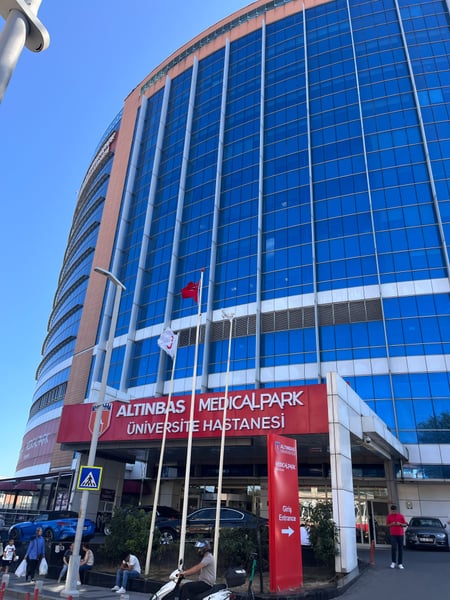
Parque médico del hospital Bahcelievler
PLATINUM
Ver detalles

Parque médico del hospital Bahcelievler

Estanbul, Pavo

El Hospital Medical Park Bahcelievler es un hospital de 242 camas acreditado por la JCI en Estambul, establecido en 2007. Distribuido en 33.000 metros...

Multi-specialty
Establecido 2007
242 camas
Acreditaciones
Joint Commission International (JCI)
Instalaciones
+13
Hospital de súper especialidades BLK-Max, Nueva Delhi
PLATINUM
Ver detalles

Hospital de súper especialidades BLK-Max, Nueva Delhi

Nueva Delhi, India

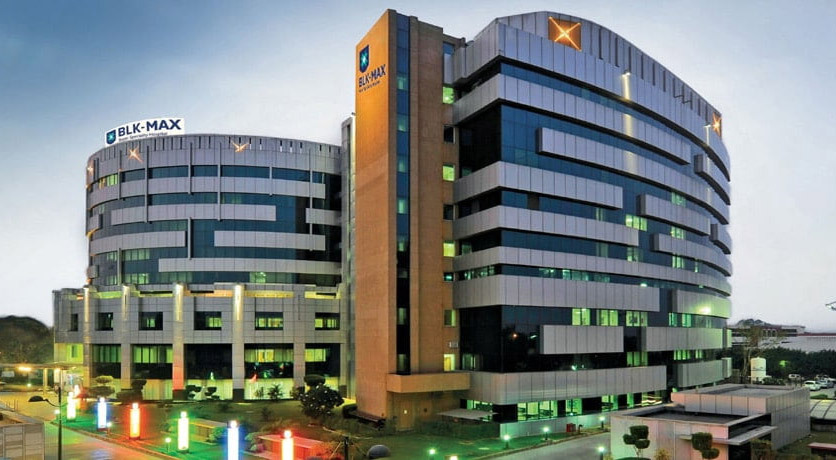
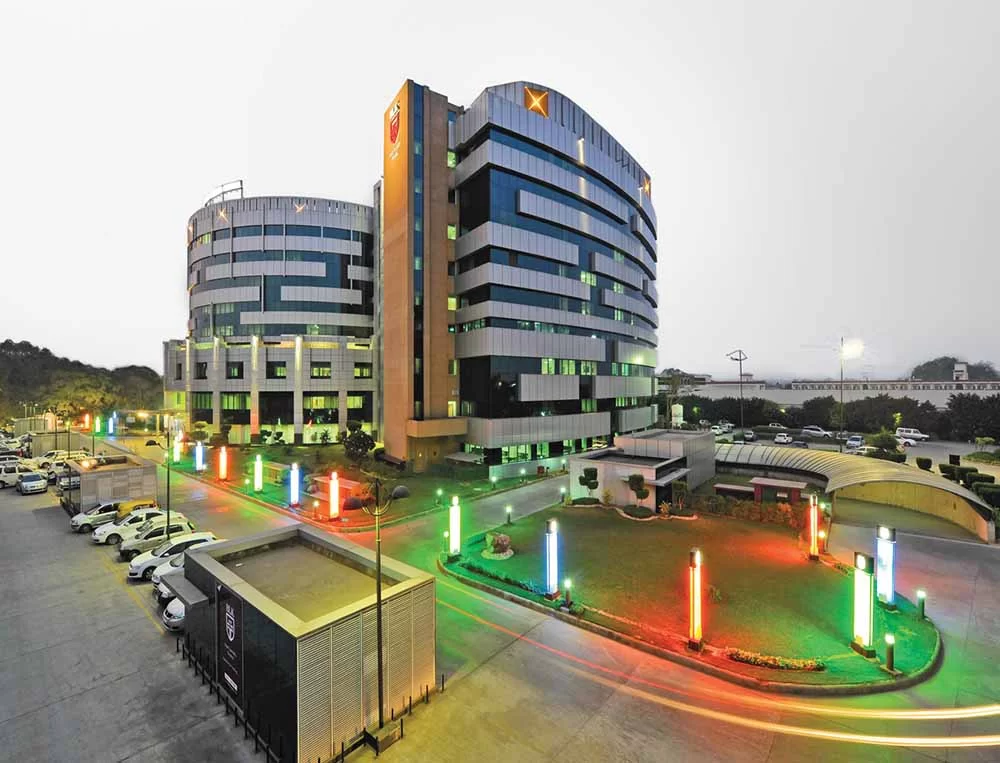
El BLK-Max Super Specialty Hospital de Nueva Delhi es una de las principales instituciones sanitarias de la India y ofrece 650 camas, 22 quirófanos av...

Multi-specialty
Establecido 1959
650 camas
Acreditaciones
Joint Commission International (JCI)
National Accreditation Board for Hospitals & Healthcare Providers (NABH)
Instalaciones
+13
Instituto de Investigación Fortis Memorial (FMRI), Gurgaon
PLATINUM
Ver detalles

Instituto de Investigación Fortis Memorial (FMRI), Gurgaon

Gurgaon, India

Fortis Memorial Research Institute (FMRI), Gurgaon, es un hospital de múltiples especialidades de clase mundial establecido en 2013. El hospital ofrec...

Multi-specialty
Establecido 2013
330 camas
Acreditaciones
Joint Commission International (JCI)
National Accreditation Board for Hospitals & Healthcare Providers (NABH)
Instalaciones
+13
Hospital Artemisa, Gurgaon
PLATINUM
Ver detalles

Hospital Artemisa, Gurgaon

Gurgaon, India

Artemis Hospital, Gurgaon, es un hospital multiespecializado acreditado por la JCI que se estableció en 2007. Ofrece más de 750 camas e infraestructur...

Multi-specialty
Establecido 2007
750 camas
Acreditaciones
Joint Commission International (JCI)
National Accreditation Board for Hospitals & Healthcare Providers (NABH)
International Organization for Standardization (ISO)
Instalaciones
+13
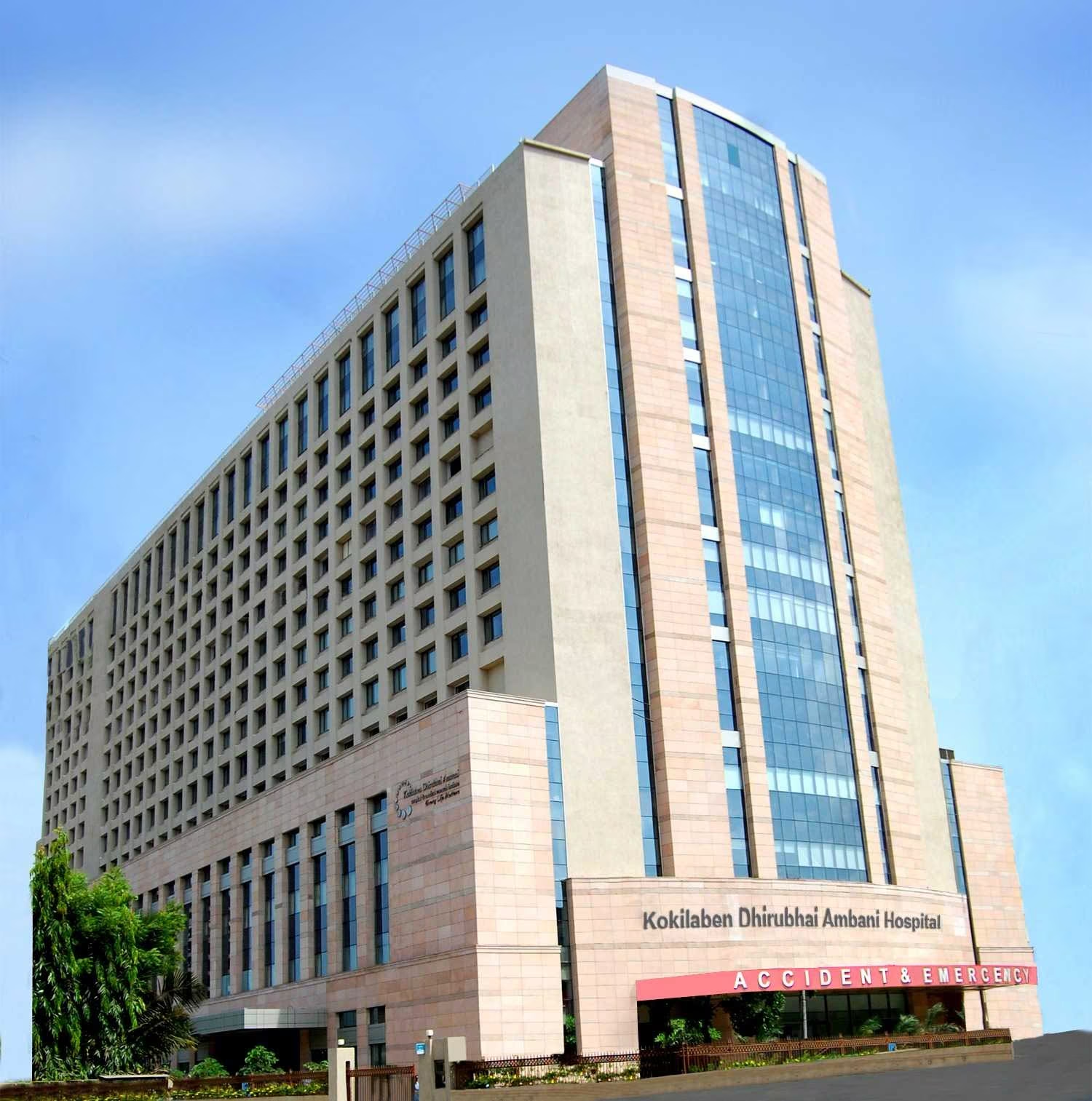
Hospital Kokilaben Dhirubhai Ambani, Bombay
PLATINUM
Ver detalles

Hospital Kokilaben Dhirubhai Ambani, Bombay

Bombay, India

El Hospital Kokilaben Dhirubhai Ambani, Mumbai, es un hospital de atención cuaternaria acreditado por JCI, NABH, NABL y CAP establecido en 2009. Con 7...

Multi-specialty
Establecido 2009
750 camas
Acreditaciones
Joint Commission International (JCI)
National Accreditation Board for Hospitals & Healthcare Providers (NABH)
International Organization for Standardization (ISO)
Instalaciones
+13
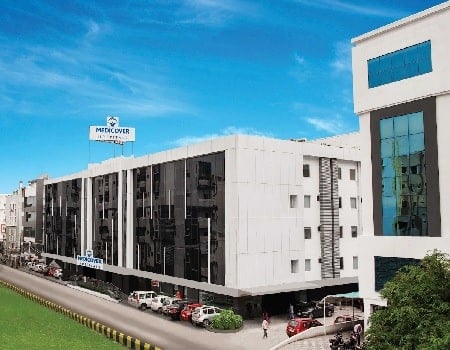
Hospitales Medicover, ciudad de Hitech, Hyderabad
PLATINUM
Ver detalles

Hospitales Medicover, ciudad de Hitech, Hyderabad

Hyderabad, India

Medicover Hospitals, Hitech City, Hyderabad, es un hospital de súper especialidades acreditado por NABH con 400 camas y establecido en 2011. Es parte ...

Multi-specialty
Establecido 2011
400 camas
Acreditaciones
National Accreditation Board for Hospitals & Healthcare Providers (NABH)
Joint Commission International (JCI)
Instalaciones
+13

Doctores relacionados

Conéctese con médicos y especialistas médicos experimentados en este campo.

Dr. Ananda Mandal

Dr. Ananda Mandal

Consultant

27 Años de experiencia
Ver detalles
Dr. Debashish Mukherjee

Dr. Debashish Mukherjee

Senior Consultant
32 Años de experiencia
Ver detalles
Dr. Indranil Khan

Dr. Indranil Khan

Consultant

8 Años de experiencia
Ver detalles
Dr. Pradip Chakrabarti

Dr. Pradip Chakrabarti

Head of Department (HOD)

45 Años de experiencia
Ver detalles
Dr. Rakesh Rajput

Dr. Rakesh Rajput

Head of Department (HOD)
30 Años de experiencia
Ver detalles
Dr. Chandramohan K.

Dr. Chandramohan K.

Senior Consultant

27 Años de experiencia
Ver detalles

Artículos relacionados

Explore más artículos e ideas sobre temas de salud similares.
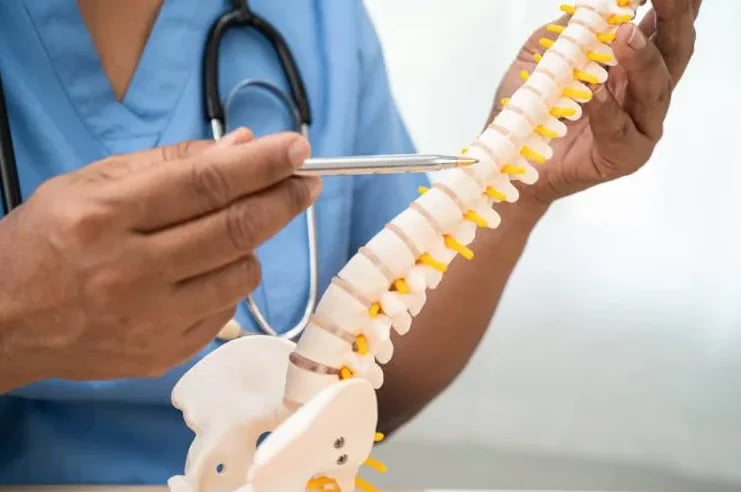
¿Es segura la cirugía de columna en el extranjero?
Medical Tourism

¿Es segura la cirugía de columna en el extranjero?

2/4/2026, 1:32:33 PM
8 min read
Los trastornos de la columna afectan a millones de pacientes en todo el mundo. Condiciones como hernia discal, estenosis espinal y enfermedad degenera...
Leer más
Cómo prepararse para un trasplante de órganos en el extranjero: lista de verificación médica, legal y de viaje
Medical Tourism

Cómo prepararse para un trasplante de órganos en el extranjero: lista de verificación médica, legal y de viaje

2/4/2026, 1:03:37 PM
7 min read
Trasplante de órganosrequiere una planificación cuidadosa en cada etapa. Cuando los pacientes viajan al extranjero para someterse a una cirugía de tra...
Leer más
Los mejores países para el trasplante de órganos: una guía para 2026 sobre costos, tiempos de espera y requisitos legales
Medical Tourism

Los mejores países para el trasplante de órganos: una guía para 2026 sobre costos, tiempos de espera y requisitos legales

2/4/2026, 9:05:33 AM
7 min read
La demanda mundial decirugia de trasplante de organossigue aumentando cada año. Millones de pacientes viven con insuficiencia orgánica terminal, pero ...
Leer más
Back Pain or Something More? When Does a Spine Tumor Require Surgery?

Medical Tourism

Back Pain or Something More? When Does a Spine Tumor Require Surgery?

1/3/2026, 12:51:20 PM
9 min read
Cuando un diagnóstico afecta a la columna, la primera pregunta casi siempre es:'¿Todavía podré caminar?'En 2026, la atención de los tumores de columna...
Leer más
¿Cuánto tiempo se puede vivir después de un trasplante de órganos?
Medical Tourism

¿Cuánto tiempo se puede vivir después de un trasplante de órganos?

1/3/2026, 12:19:15 PM
7 min read
Cuando te dicen que necesitas untrasplante, la primera pregunta que te surge suele ser la más difícil de formular:¿Cuánto tiempo me dará esto?   Las...
Leer más
¿Quién puede recibir un trasplante de órganos en la India? Reglas de elegibilidad explicadas

Medical Tourism

¿Quién puede recibir un trasplante de órganos en la India? Reglas de elegibilidad explicadas

1/3/2026, 12:00:36 PM
7 min read
La insuficiencia orgánica sigue siendo un desafío de salud mundial creciente. La enfermedad renal crónica afecta a millones de personas en todo el mun...
Leer más
Dr. Deepanshu Siwach

Redactor médico sénior

Sr. Medical Content Writer Qonaq Health and Wellness
Doctor of Pharmacy

El Dr. Deepanshu Siwach es un farmacéutico clínico experimentado con un título de Doctor en Farmacia. Tiene más de 4 años de experiencia y ha trabajado con miles de pacientes. Ha estado asociado con... Leer más

Nuestro sitio web usa cookies. política de privacidad.