
Behandling av livmoderhalscancer Kostnad i Indien
Om Behandling av livmoderhalscancer
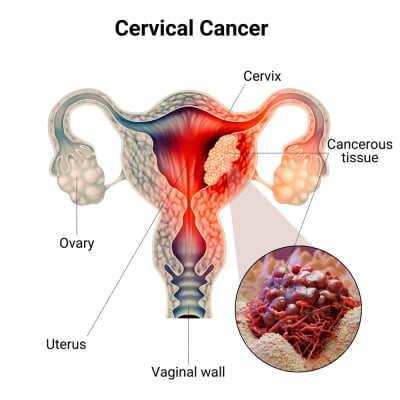
Livmoderhalscancer utvecklas när onormala celler växer i livmoderhalsen, den nedre delen av livmodern. Denna sjukdom drabbar hundratusentals kvinnor runt om i världen varje år och är fortfarande en av de mest förebyggbara cancerformerna.
mer än600 000 kvinnorfå en livmoderhalscancerdiagnos årligen och över85% av fallenförekommer i låg- och medelinkomstländer. Tidig upptäckt genom regelbunden screening räddar liv, men många kvinnor når fortfarande behandlingscentra med sjukdom i framskridet stadium eftersom de missar tidiga varningssignaler.
Vad är livmoderhalscancer?
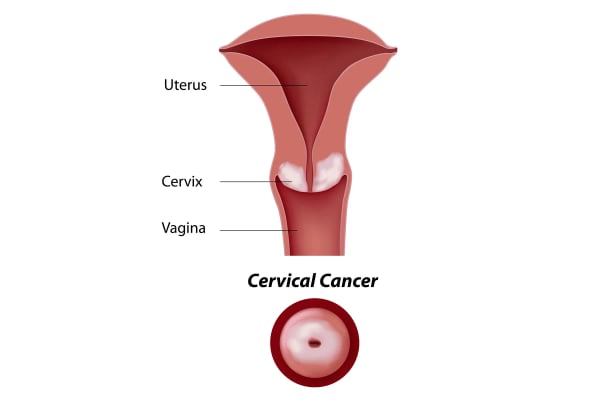
Livmoderhalscancer är ett kroniskt tillstånd som börjar när celler i livmoderhalsen börjar växa på ett okontrollerat sätt. Livmoderhalsen sitter i den nedre änden av livmodern och ansluter den till slidan. När dessa celler förändras eller muterar kan de bilda en tumör som växer långsamt till en början och sedan sprider sig om den inte behandlas i tid.
De flesta fall av livmoderhalscancer utvecklas på grund av en infektion medHumant papillomvirus (HPV). Detta virus sprider sig genom hud-mot-hud-kontakt under sexuell aktivitet. Många kvinnor bär på HPV någon gång i livet, men bara en liten andel utvecklar cancer. Regelbunden screening hjälper läkare att upptäcka tidiga cellförändringar långt innan de blir farliga.
Läkare kategoriserar livmoderhalscancer i två huvudtyper.
- skivepitelcancerVäxer på den yttre ytan av livmoderhalsen och uppträder i de flesta fall.
- adenokarcinombörjar vanligtvis djupare i livmoderhalsen, i körtelcellerna, och uppvisar ett något annorlunda beteende.
Dessa cancerformer utvecklas ofta långsamt under flera år, vilket ger kvinnor tillräckligt med tid att hitta avvikelser genom screening och behandla dem tidigt med stor framgång.
Vilka är symtomen på livmoderhalscancer?
Livmoderhalscancer utvecklas ofta långsamt, och många kvinnor märker inte symtom i de tidiga stadierna. Tidig screening är fortfarande det mest effektiva sättet att upptäcka sjukdomen innan den blir allvarlig.
Kvinnor kan uppleva ett eller flera av följande tecken:
- Ovanlig vaginal blödning, särskilt efter samlag eller mellan mens
- Blödning efter klimakteriet
- vaginal flytning som ser vattnig eller illaluktande ut
- Bäckensmärta eller obehag
- Smärta under samlag
Dessa symtom betyder inte alltid cancer, men de kräver medicinsk utvärdering.
Hur diagnostiserar läkare livmoderhalscancer?
Läkare använder flera enkla och effektiva tester för att upptäcka cellförändringar och bekräfta förekomsten av cancer.
- Pap-test:Läkaren samlar in ett litet prov av celler från livmoderhalsen och kontrollerar dem för eventuella avvikelser.
- HPV-test:Detta test identifierar högrisk-HPV-typer som ökar oddsen för att utveckla livmoderhalscancer.
- Kolposkopi:Läkaren undersöker livmoderhalsen noggrant med hjälp av en speciell förstoringsanordning när PAP- eller HPV-testresultaten visar avvikelser.
- Biopsi:Onkologen tar bort en liten bit livmoderhalsvävnad och studerar den i mikroskop för att bekräfta cancer.
- Avbildningstester:Tester som ultraljud, CT-skanning, MRI eller PET-CT hjälper läkare att förstå sjukdomsstadiet och planera behandling.
Dessa diagnostiska steg gör det möjligt för läkare att fastställa typen, stadiet och spridningen av livmoderhalscancer, vilket hjälper dem att välja den mest effektiva behandlingsmetoden.
Vilka är de senaste behandlingsalternativen för livmoderhalscancer?
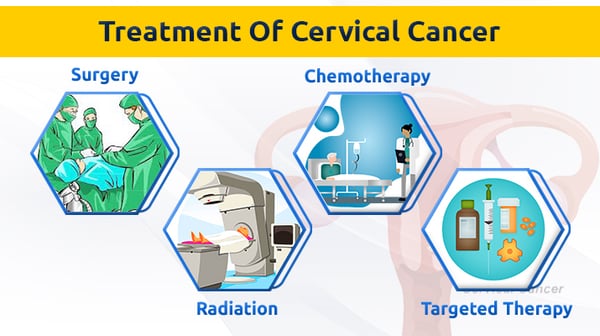
Läkare väljer behandlingsplanen för livmoderhalscancer baserat på cancerstadiet, tumörstorleken och kvinnans allmänna hälsa. Modern onkologi erbjuder flera effektiva alternativ som behandlar sjukdomen och hjälper kvinnor att återvända till vardagen så snart som möjligt.
operationssal
Läkare använder kirurgi när cancern förblir begränsad till livmoderhalsen eller närliggande områden. Standardkirurgiska alternativ inkluderar:
- Konisation:Läkaren tar bort en liten konformad del av onormal vävnad.
- Hysterektomi:Kirurgen tar bort både livmodern och livmoderhalsen. Det kan vara enkelt eller radikalt, beroende på omfattningen av cancerspridningen.
- Trakelektomi:Läkaren tar bort livmoderhalsen men bevarar livmodern för unga kvinnor som vill ha fertilitetsbevarande.
strålbehandling
Strålning använder intensiva energistrålar för att förstöra cancerceller. Läkare levererar det som:
- Extern strålbehandling (EBRT)
- brachyterapi, där läkaren placerar en strålkälla nära tumören
Läkare kombinerar ofta strålning med kemoterapi för bättre kontroll.
kemoterapi
Kemoterapi använder läkemedel mot cancer som cirkulerar genom kroppen. Läkare använder det för att:
- Förstärk effekten av strålning.
- behandla avancerad eller metastaserad cancer.
- Krympa tumörer före andra terapier.
keramikation
Denna metod kombinerar kemoterapi och strålning på samma gång. Det fungerar som en standardbehandling för lokalt avancerad livmoderhalscancer eftersom båda behandlingarna stödjer varandra.
Riktad terapi och immunterapi
Läkare använder avancerade terapier för kvinnor med återkommande sjukdom eller sent stadium. Dessa läkemedel riktar sig mot specifika cancervägar eller förbättrar immunsystemets förmåga att bekämpa cancerceller mer effektivt.
När rekommenderas varje behandling?
Läkare väljer behandlingsmetoden baserat på cancerstadiet, tumörstorlek, patientens ålder, fertilitetspreferenser och det allmänna hälsotillståndet. Varje metod spelar en specifik roll i olika stadier av livmoderhalscancer.
- livmoderhalscancer i tidigt skede (stadium I):Läkare rekommenderar vanligtvis operation när cancern förblir liten och begränsad till livmoderhalsen. Standardalternativ inkluderar konisering, trakelektomi eller hysterektomi. Unga kvinnor som vill bevara fertiliteten kan välja trakelektomi.
- Lokalt avancerad livmoderhalscancer (stadium II–III):I detta skede sprider sig cancern bortom livmoderhalsen men når inte avlägsna organ. Läkare föredrar vanligtvis kemoradiation eftersom kombinationen fungerar mer effektivt än endera terapin ensam.
- Avancerad eller metastaserad livmoderhalscancer (stadium IV):Läkare fokuserar på att kontrollera sjukdomen, lindra symtom och förbättra livskvaliteten. De rekommenderar vanligtvis kemoterapi, riktad terapi, immunterapi eller en kombination av dessa behandlingar.
- Återkommande livmoderhalscancer:Om cancern kommer tillbaka efter initial behandling använder läkare det mest lämpliga alternativet baserat på den tidigare behandlingen och den nuvarande spridningen. De kan rekommendera kirurgi, strålning, riktade läkemedel eller immunterapi.
- När operation inte är möjlig:Läkare väljer strålning eller kemoradiation om operation inte säkert kan ta bort tumören eller om patienten har medicinska tillstånd som inte stöder anestesi eller större operation.
Få en gratis behandlingsplan
Om Behandling av livmoderhalscancer i Indien
How Much Does Cervical Cancer Treatment Cost in India?
The cost of cervical cancer treatment in India usually ranges between $2,500 and $7,500 (approximately ₹2 lakh to ₹6.2 lakh). The final estimate depends on the cancer stage, treatment method, hospital category, and the number of therapy sessions required.
Doctors design each treatment plan individually, so the cost varies from one patient to another. Early-stage cancer often requires surgery, while advanced stages may involve chemoradiation, targeted therapy, or immunotherapy. These differences influence the total expenditure.
Below is a general breakdown of treatment costs to help patients understand the approximate budget.
Treatment Type | Average Cost (USD) | Approx. Cost (INR) |
| Conization / LEEP | $800 – $1,500 | ₹65,000 – ₹1.2 lakh |
| Hysterectomy (Simple) | $1,800 – $2,500 | ₹1.5 – ₹2.1 lakh |
| Radical Hysterectomy | $2,500 – $4,000 | ₹2.1 – ₹3.3 lakh |
| Chemotherapy (per cycle) | $180 – $330 | ₹15,000 – ₹28,000 |
| External Radiation Therapy (full course) | $1,800 – $3,000 | ₹1.5 – ₹2.5 lakh |
| Brachytherapy | $800 – $1,500 | ₹65,000 – ₹1.2 lakh |
| Targeted Therapy (per month) | $1,000 – $2,000 | ₹85,000 – ₹1.7 lakh |
| Immunotherapy (per cycle) | $1,800 – $3,000 | ₹1.5 – ₹2.5 lakh |
- Early-stage cases often cost less because they require shorter treatment.
- Advanced cervical cancer requires multiple therapies, which raises total costs.
- Hospital category, doctor expertise, and diagnostic needs also affect pricing.
What Does the Cost Include and Exclude?
Cervical cancer treatment involves several steps, and the total cost depends on what the hospital includes in the treatment package. Understanding these details helps patients plan their medical travel and avoid unexpected expenses.
What the Cost Includes
- Doctor consultations and treatment planning
- Surgery charges or radiation therapy delivery
- Nursing care and hospital stay during treatment
- Routine blood tests and basic imaging
- Medicines used during hospitalization
- Follow-up consultations during the same admission period
What the Cost Excludes
- Advanced imaging such as MRI, PET-CT, or CT scans
- Biopsy, HPV testing, and other diagnostic procedures before admission
- Targeted therapy and immunotherapy medicines
- Extra hospital stay due to complications
- Travel, visa, airport transfers, and accommodation
- Follow-up visits after the patient returns home
Tip for International Patients: Request a detailed cost estimate before finalizing treatment. It helps you compare packages across hospitals and plan your stay without confusion.
What Is the Cost of Cervical Cancer Treatment in Different Indian Cities?
The cost of cervical cancer treatment varies from one Indian city to another. Hospitals in metro cities may charge more because they use advanced technology and offer specialized oncology services.
The table below gives a general idea of the average cost range across major cities.
City | Average Cost (USD) | Approx. Cost (INR) |
| New Delhi | $2,800 – $7,000 | ₹2.3 – ₹5.8 lakh |
| Mumbai | $3,000 – $7,500 | ₹2.5 – ₹6.2 lakh |
| Bangalore | $2,700 – $6,800 | ₹2.2 – ₹5.6 lakh |
| Chennai | $2,600 – $6,500 | ₹2.1 – ₹5.4 lakh |
| Hyderabad | $2,700 – $6,700 | ₹2.2 – ₹5.5 lakh |
- Delhi and Mumbai have advanced cancer centers and broader access to targeted therapy options.
- Chennai and Hyderabad offer competitive pricing with strong radiation oncology programs.
- Bangalore attracts many international patients because of its modern infrastructure and efficient treatment coordination.
What Factors Affect the Cost of Cervical Cancer Treatment in India?
Several medical and non-medical factors influence the total cost of cervical cancer treatment in India. Each patient receives a personalized plan, allowing the budget to adjust according to the stage of cancer and the therapies required.
- Stage of Cancer: Early-stage cancer usually needs surgery or limited therapy, while advanced cancer requires chemoradiation or targeted drugs, which increases the cost.
- Type of Treatment: The cost varies depending on whether patients receive surgery, radiation, chemotherapy, or a combination of these treatments. Targeted therapy and immunotherapy are more expensive because they utilize advanced medicines.
- Number of Therapy Sessions: Chemotherapy cycles, radiation sessions, and brachytherapy insertions add to the total expense. More sessions mean a higher overall cost.
- Hospital Category: Premium and internationally accredited hospitals charge more because they use modern technology, advanced radiation systems, and specialized oncology teams.
- Doctor's Expertise: Gynecologic oncologists and radiation specialists with years of experience may charge higher fees, but their expertise helps improve treatment outcomes.
- Diagnostic Requirements: PET-CT scans, MRI studies, biopsies, and molecular tests contribute to the cost, especially in advanced cases.
- Additional Medical Needs: Patients who require blood transfusions, intensive care, or prolonged hospital stays may incur additional costs during treatment.
How Does the Cost in India Compare With Other Countries?
Cervical cancer treatment costs in India remain far more affordable than in many Western and Middle Eastern countries. Hospitals in India offer modern oncology services at a fraction of the global price, utilizing advanced equipment and internationally accepted treatment protocols.
Below is a simple comparison of average treatment costs across popular medical destinations:
Country | Average Cost (USD) |
| United States | $18,000 – $28,000 |
| United Kingdom | $15,000 – $25,000 |
| UAE | $10,000 – $18,000 |
| Singapore | $12,000 – $20,000 |
| India | $2,500 – $7,500 |
Patients save 60% to 80% when they choose India for cervical cancer treatment, without compromising on medical technology or specialist expertise.
Why Should You Choose India for Cervical Cancer Treatment?
India offers a potent combination of advanced oncology care, skilled specialists, and affordable treatment options. Women from many countries travel to India because they receive modern cancer treatment without long waiting times or high medical expenses.
- Advanced Oncology Infrastructure: Indian hospitals use modern diagnostic tools, high-precision radiation equipment, and updated surgical techniques. It gives patients access to accurate staging and effective treatment planning.
- Experienced Gynecologic Oncologists: India has specialists who treat cervical cancer regularly and follow global guidelines. Many doctors train at international centers and handle complex cases with confidence.
- Affordable Treatment Packages: India offers high-quality cancer care at significantly lower costs compared to Western and Middle Eastern countries. Patients receive modern therapies while paying a fraction of the global price.
- Internationally Accredited Hospitals: Many cancer centers in India hold NABH or JCI accreditation. These hospitals adhere to strict safety protocols, maintain clean facilities, and provide reliable treatment standards.
- Access to Radiation, Chemoradiation, and Targeted Therapy: India offers a comprehensive range of cervical cancer treatments, including external beam radiation, brachytherapy, chemotherapy, and advanced targeted therapies when needed.
- Short Waiting Times: Patients can start treatment quickly. It matters for cervical cancer because early treatment improves outcomes and prevents disease progression.
- Support for International Patients: Hospitals assist with medical visa letters, airport pickup, translation services, and guidance on accommodations. This support makes the treatment journey smooth and stress-free.
What Is the Recovery and Success Rate After Cervical Cancer Treatment?
Recovery from cervical cancer treatment depends on the stage of the disease and the type of therapy the patient receives. Doctors aim to remove or control the cancer while helping women return to daily life as soon as they feel comfortable.
- Recovery After Surgery: Women usually stay in the hospital for a few days after a hysterectomy or trachelectomy. Most women return to their routine in 4 to 6 weeks. Energy levels improve steadily, and light activities can start earlier, as advised by the doctor.
- Recovery After Radiation and Chemoradiation: Radiation and chemoradiation treatments typically span several weeks. Women may experience fatigue, mild skin changes, or pelvic discomfort during therapy. Most women begin to feel stronger within 2 to 4 weeks after completing treatment.
- Recovery After Chemotherapy: Chemotherapy affects the entire body, so recovery time depends on the number of chemotherapy cycles. Many women experience fatigue for a few days after each cycle and recover gradually between cycles. Doctors monitor blood counts and overall health to support smooth recovery.
Success Rate of Cervical Cancer Treatment
Cervical cancer responds well to treatment, especially when doctors detect it early.
- Early-Stage Cervical Cancer: Success rates often range from 85% to 95% because surgery or chemoradiation removes the disease effectively.
- Locally Advanced Cancer: Combined chemoradiation offers strong control, with success rates ranging from 65% to 75%.
- Advanced or Metastatic Cancer: Targeted therapy, immunotherapy, and palliative chemotherapy help manage symptoms and improve survival, with success depending on response to treatment.
Key Factors That Improve Outcomes
- Early diagnosis through regular Pap tests and HPV screening
- Timely treatment at a specialized cancer center
- Personalized treatment plans
- Close follow-up after therapy
Most women who receive appropriate treatment at the right time recover well and enjoy a good quality of life.
Behandling av livmoderhalscancer Kostnadsjämförelse per land
Jämför Behandling av livmoderhalscancer kostnader mellan olika länder för att fatta ett välgrundat beslut om din medicinska behandling.
| Land | Kostnadsintervall (USD) | Potentiella besparingar | Handling |
|---|---|---|---|
IndienNuvarandeBästa värde | $2,500 - $7,500 | — | Få offert |
Notera: Kostnaderna kan variera beroende på sjukhusval, rumstyp, tilläggstjänster och individuella medicinska krav.
Ledande sjukhus för Behandling av livmoderhalscancer i Indien

Medical Park Bahcelievler Hospital
Medical Park Bahcelievler Hospital är ett JCI-ackrediterat sjukhus med 242 bäddar i Istanbul, etablerat 2007. Den är spridd över 33 000 kvadratmeter o...
Ackrediteringar

Faciliteter

Hisar Intercontinental Hospital, Istanbul
Hisar Intercontinental Hospital i Istanbul är ett JCI-ackrediterat, 212-bädds multispecialty sjukhus som sträcker sig över 35 000 kvadratmeter och med...
Ackrediteringar
Faciliteter

Medipol Bahçelievler sjukhus
Medipol Bahçelievler Hospital är ett privatsjukhus med 441 bäddar i Istanbul som startade sin verksamhet i maj 2022. Sjukhuset täcker 60 000 kvadratme...
Ackrediteringar
Faciliteter
Liknande förfaranden
Galleri
FAQ


Vår webbplats använder cookies. Sekretesspolicy.