Bone Marrow Transplant Myths and Facts: What Patients and Donors Should Know

29/5/2026, 4:36:46 AM 9 min read Medical Tourism
Bone Marrow Transplant Myths and Facts: What Patients and Donors Should Know

Bone marrow transplant carries more myths than almost any other medical procedure. Patients delay treatment because of them. Potential donors walk away because of them. Families make the wrong decisions because of them.

So let us set the record straight.


The most common myths about bone marrow transplant include beliefs like it is always painful, only young patients qualify, you need a perfect donor match, and donors risk their own health. None of these is fully true. Modern transplant medicine has changed nearly everything people assume about this procedure, for both patients and donors.


This article breaks down each myth clearly, with the clinical facts behind it.


Myth 1: Is Bone Marrow Donation an Extremely Painful Process?

The Myth: Bone marrow donation involves drilling into the spine and causes unbearable pain.


The Fact: This is one of the most persistent and damaging myths in transplant medicine. There are actually two ways to donate bone marrow today:


  • Peripheral Blood Stem Cell (PBSC) Donation: The donor receives daily filgrastim injections for 5 days. It moves stem cells from the marrow into the bloodstream. Blood gets drawn from one arm, stem cells get collected through a machine, and blood returns through the other arm. No surgery. No needles in the spine.
  • Bone Marrow Aspiration: Cells are collected from the back of the pelvic bone, not the spine. The donor receives general anesthesia, so there is zero pain during the procedure. Some donors feel soreness in the back or hips for a few days afterward. Most return to normal activity within one week.

Neither method involves the spine at all. The spine myth likely comes from old medical dramas and outdated internet content.


Myth 2: Are Only Young Patients Eligible for a Bone Marrow Transplant?

The Myth: Bone marrow transplant is only for children and young adults.


The Fact: There is no strict age cutoff for a bone marrow transplant.


Disorders like acute myeloid leukemia (AML) and myelodysplastic syndrome (MDS) most commonly affect patients in their 60s and 70s. Clinical trials at leading centers like Moffitt Cancer Center confirm that allogeneic transplants benefit patients up to age 75, and sometimes older.


What the medical team evaluates is not age alone. They look at:


  • Overall organ function (heart, lungs, kidneys, liver)
  • Current disease status
  • Performance status and daily functioning ability
  • Availability of a suitable donor

A fit 70-year-old can be a better transplant candidate than an unhealthy 45-year-old. Age is just one variable in a much bigger clinical picture.


Reduced-intensity conditioning regimens have also made transplant more accessible to older patients. These lower-dose approaches reduce early toxicity while still allowing the donor immune cells to do their job.


Myth 3: Do You Need a Perfect Donor Match for a Transplant to Work?

The Myth: Without a 100% matched donor, a transplant cannot succeed.


The Fact: Waiting for a perfect match can actually cost patients valuable time, and it may not even be necessary.


Modern transplant techniques now allow half-matched (haploidentical) donors to achieve results comparable to those of fully matched donors. A haploidentical donor can be a parent, child, or sibling, meaning nearly every patient has a potential donor within their own family.


Approximately 20-30% of transplants at major cancer centers now use haploidentical donors. Outcomes are consistently strong.


Matching works through HLA (Human Leukocyte Antigen) typing, not blood type. HLA markers are complex genetic proteins that help the immune system recognize its own cells. Two people do not need identical blood types to be a match. In fact, a recipient's blood type often changes to match the donor's after transplant.


Delaying a transplant while searching for a perfect match is risky. The disease can progress. A worse disease status at the time of transplant significantly reduces success rates.


Myth 4: Is Bone Marrow Transplant Only for Blood Cancers?

The Myth: Transplants only treat leukemia and lymphoma.


The Fact: Bone marrow transplant treats a wide range of conditions, both cancerous and non-cancerous. Conditions where transplant plays a curative or essential role include:


  • Acute myeloid leukemia (AML)
  • Acute lymphoblastic leukemia (ALL)
  • Myelodysplastic syndrome (MDS)
  • Multiple myeloma
  • Hodgkin and non-Hodgkin lymphoma
  • Aplastic anemia
  • Sickle cell disease
  • Beta thalassemia major
  • Severe combined immunodeficiency (SCID)
  • Certain inherited metabolic disorders

For sickle cell disease and thalassemia major, transplant is not just a treatment option. It is the only currently available cure. For aplastic anemia, it offers cure rates no medication can match.


The procedure works for any condition where the root problem lies in the blood-making system, regardless of whether cancer caused it.


Myth 5: Does Donating Bone Marrow Harm the Donor's Health?

The Myth: Donating bone marrow permanently weakens the donor.


The Fact: Bone marrow donation carries very few risks, none of which are life-threatening for healthy donors.


The body replenishes donated stem cells within four to six weeks. Donors typically return to school, work, or normal activities within 1 to 7 days after a PBSC donation. Marrow aspiration donors may need a few extra days of rest.

Short-term side effects for PBSC donors include:


  • Headache and muscle aches from filgrastim injections
  • Mild fatigue during the injection period
  • Temporary soreness after a blood draw

For marrow aspiration donors, post-anesthesia fatigue and mild hip or back pain are the most common effects. Both resolve quickly.


There are no documented long-term health consequences from donation. Donor screening is thorough precisely to protect both the donor and the patient. Only 1 to 5 percent of a donor's total bone marrow is collected, and the body fully replaces it.


Myth 6: Is It True That Family Members Are Always a Match?

The Myth: A sibling or close family member will almost certainly be a match.


The Fact: Matching is far more complex than most families realize.


HLA matching does not follow simple inheritance patterns. Unlike blood type or eye color, HLA markers are inherited in combinations from both parents. Even a full sibling only has a 25% chance of being a perfect HLA match. Non-sibling relatives are rarely a match at all.


Only around 30% of patients find a suitable matched donor within their own family. The remaining 70% must search unrelated donor registries like NMDP and DKMS.


Finding a match through registries can also vary significantly by ethnicity. Western European patients have the highest match rates, ranging from 79% to 93%. Patients from South Asian, East Asian, Black African, and mixed heritage backgrounds face considerably lower odds because of underrepresentation in donor databases.


Myth 7: Does AML Remission Mean You Can Skip the Transplant?

The Myth: If the leukemia goes into remission after chemotherapy, a transplant is no longer needed.


The Fact: Remission is not a reason to skip the transplant, especially for high-risk AML.


Chemotherapy brings the disease to a point where cancer cells are no longer visible in the bone marrow. But that does not mean the disease is gone. Residual leukemia cells too small to detect remain in many patients, and these carry a very high relapse risk.


For intermediate and high-risk AML, allogeneic transplant in first complete remission significantly improves long-term disease-free survival. The donor immune cells continue providing a graft-versus-leukemia effect long after transplant. No chemotherapy drug provides this ongoing protection.

Choosing to skip the transplant after remission, in high-risk cases, often means facing relapse later with far fewer options available.


Myth 8: Will Bone Marrow Transplant Patients Need Immunosuppressant Drugs for Life?

The Myth: Transplant recipients must take immunosuppressant medications forever.


The Fact: Most patients taper off immunosuppressant medications within one to two years after transplant.

Immunosuppressants get prescribed after an allogeneic transplant to prevent graft-versus-host disease (GVHD), where donor immune cells attack the recipient's tissues. These medications are critical in the early post-transplant period.


However, as the immune system stabilizes and GVHD risk decreases, the transplant team gradually reduces and eventually stops these medications—most patients with no ongoing GVHD stop immunosuppressants within 12 to 24 months.


Patients who develop chronic GVHD may need longer-term medication management. But this is the exception, not the rule. The goal of every transplant team is to safely discontinue immunosuppression as early as clinically appropriate.


Myth 9: Is Bone Marrow Transplant a Surgical Procedure Performed in an Operating Theatre?

The Myth: A bone marrow transplant involves major surgery under general anesthesia.


The Fact: The transplant itself is not a surgical procedure at all.


From the patient's perspective, receiving a transplant looks and feels similar to a blood transfusion. Stem cells get infused through an intravenous line over a few hours. The patient lies in a hospital bed. No operating room. No incisions. No surgical recovery.


What makes the transplant complex is not the infusion itself. It is the preparation before it (conditioning chemotherapy and sometimes radiation) and the close monitoring that follows during engraftment. Those phases require intensive medical management and hospital support.


The infusion day, called Day Zero, is often described by patients as surprisingly undramatic compared to everything else they went through to get there.


Myth 10: Is It True That Bone Marrow Transplant Rarely Succeeds?

The Myth: Bone marrow transplant is a last-resort procedure with poor outcomes.


The Fact: Outcomes for bone marrow transplant have improved dramatically over the past two decades.


Research consistently shows that around 50% to 60% of patients undergoing allogeneic transplant for certain conditions survive beyond five years. For autologous transplants in conditions like multiple myeloma and lymphoma, early survival rates are often higher.


Success rates depend heavily on:


  • The specific disease being treated
  • The stage and risk classification at the time of transplant
  • The patient's overall health and organ function
  • The quality of the donor match
  • The experience and volume of the transplant center

Patients transplanted in first complete remission do better than those transplanted with active disease. Patients treated at high-volume transplant centers consistently show better outcomes than those at lower-volume facilities.

The procedure is not a guarantee. But describing it as a last resort with poor odds misrepresents what modern transplant medicine actually delivers.


Myth 11: Does Bone Marrow Transplant Abroad Mean Lower Quality Care?

The Myth: Getting a transplant outside your home country means compromising on safety or outcomes.


The Fact: Several countries report transplant outcomes that match or exceed those of Western European and North American countries.


India, Germany, South Korea, and Turkey all have internationally accredited transplant centers with high annual volumes, experienced teams, and partnerships with global donor registries like NMDP and DKMS. These partnerships give international patients access to the same global pool of unrelated donors.


JCI-accredited transplant centers abroad follow the same international protocols and safety standards that govern transplant care worldwide.


What matters is not the country. It is the center's specific transplant volume, the team's experience with your diagnosis type, the quality of international patient coordination, and the robustness of post-discharge follow-up support.


Many patients who travel abroad for transplant do so not because they cannot access care at home, but because waiting times are shorter, costs are more manageable, or access to specific donor registries is faster.


To Conclude

Myths about bone marrow transplant cost lives. They delay decisions. They keep potential donors off registries. They push patients toward inferior options out of misplaced fear.


The facts are far more encouraging than the myths suggest. Modern transplant medicine has made this procedure safer, more accessible, and more successful than ever.


If a bone marrow transplant is on the table for you or someone you love, base the decision on clinical evidence and conversations with experienced transplant specialists, not on fear, outdated information, or things someone half-remembered from a TV show.


Want to understand your bone marrow transplant options across the world's leading centers? Fill out this form, and our specialist medical coordinator will help you with all your needs.

Related Hospitals

Discover hospitals and medical centers related to this topic for quality healthcare services.
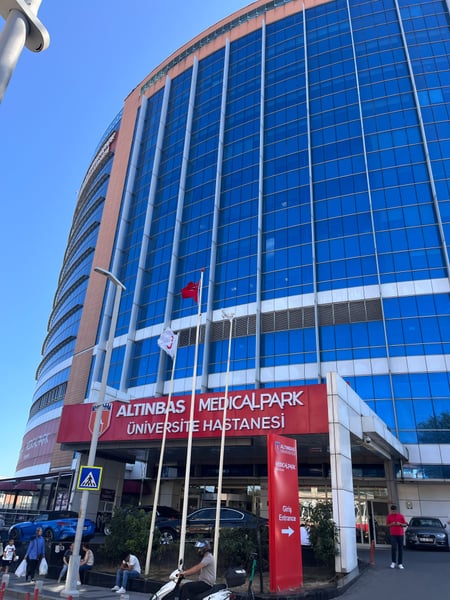
Medical Park Bahcelievler Hospital
Platinum
View Details

Medical Park Bahcelievler Hospital

Istanbul, Turkey

Medical Park Bahcelievler Hospital is a 242-bed JCI-accredited hospital in Istanbul, established in 2007. Spread across 33,000 square meters and 19 fl...

Multi-specialty
Established 2007
242 beds
Accreditations
Joint Commission International (JCI)
Facilities
+13
BLK-Max Super Speciality Hospital, New Delhi
Platinum
View Details

BLK-Max Super Speciality Hospital, New Delhi

New Delhi, India

BLK-Max Super Speciality Hospital in New Delhi is one of India's premier healthcare institutions, offering 650 beds, 22 advanced operation theatres, a...

Multi-specialty
Established 1959
650 beds
Accreditations
Joint Commission International (JCI)
National Accreditation Board for Hospitals & Healthcare Providers (NABH)
Facilities
+13
Fortis Memorial Research Institute (FMRI), Gurgaon
Platinum
View Details

Fortis Memorial Research Institute (FMRI), Gurgaon

Gurgaon, India

Fortis Memorial Research Institute (FMRI), Gurgaon, is a world-class multi-specialty hospital established in 2013. The hospital offers 330 beds, 15 op...

Multi-specialty
Established 2013
330 beds
Accreditations
Joint Commission International (JCI)
National Accreditation Board for Hospitals & Healthcare Providers (NABH)
Facilities
+13
Artemis Hospital, Gurgaon
Platinum
View Details

Artemis Hospital, Gurgaon

Gurgaon, India

Artemis Hospital, Gurgaon, is a JCI accredited multispecialty hospital that was established in 2007. It offers 750+ beds and world -class infrastructu...

Multi-specialty
Established 2007
750 beds
Accreditations
Joint Commission International (JCI)
National Accreditation Board for Hospitals & Healthcare Providers (NABH)
International Organization for Standardization (ISO)
Facilities
+13
Kokilaben Dhirubhai Ambani Hospital, Mumbai
Platinum
View Details

Kokilaben Dhirubhai Ambani Hospital, Mumbai

Mumbai, India

Kokilaben Dhirubhai Ambani Hospital, Mumbai, is a JCI, NABH, NABL, and CAP-accredited quaternary care hospital established in 2009. With 750 beds, 180...

Multi-specialty
Established 2009
750 beds
Accreditations
Joint Commission International (JCI)
National Accreditation Board for Hospitals & Healthcare Providers (NABH)
International Organization for Standardization (ISO)
Facilities
+13
Medicover Hospitals, Hitech City, Hyderabad
Platinum
View Details

Medicover Hospitals, Hitech City, Hyderabad

Hyderabad, India

Medicover Hospitals, Hitech City, Hyderabad, is a 400-bed NABH-accredited super-specialty hospital established in 2011. It is part of Medicover, a glo...

Multi-specialty
Established 2011
400 beds
Accreditations
National Accreditation Board for Hospitals & Healthcare Providers (NABH)
Joint Commission International (JCI)
Facilities
+13

Related Doctors

Connect with experienced doctors and medical specialists in this field.
Dr. Wichit Arpornwirat

Dr. Wichit Arpornwirat

Consultant

30 years of experience
View Details
Dr. Prasan Kachonrattanadet

Dr. Prasan Kachonrattanadet

Consultant

31 years of experience
View Details
Dr. Suporn Chuncharunee

Dr. Suporn Chuncharunee

Associate Professor
37 years of experience
View Details
Dr. Ekaphop Sirachainan

Dr. Ekaphop Sirachainan

Associate Professor
30 years of experience
View Details
Dr. Ajai Sasidhar

Dr. Ajai Sasidhar

Consultant

9 years of experience
View Details
Dr. Sabarinath C

Dr. Sabarinath C

Consultant

8 years of experience
View Details

Related Articles

Explore more articles and insights on similar health topics.

How Multidisciplinary Teams Improve Patient Outcomes

Medical Tourism

How Multidisciplinary Teams Improve Patient Outcomes

30/5/2026, 2:09:19 PM
10 min read
When a patient receives a cancer diagnosis, a transplant recommendation, or faces a complex neurological condition, the quality of the decision made i...
Why Hospital Accreditation Matters in Medical Tourism
Medical Tourism

Why Hospital Accreditation Matters in Medical Tourism

30/5/2026, 1:18:43 PM
10 min read
When patients travel abroad for treatment, they make dozens of decisions. Which country. Which city. Which hospital. Which surgeon. And somewhere in t...
Is Brain Tumour Surgery Risky? What Patients Need to Know Before Making a Decision
Medical Tourism

Is Brain Tumour Surgery Risky? What Patients Need to Know Before Making a Decision
30/5/2026, 12:03:07 PM
10 min read
Brain tumour surgery is one of those topics where fear and facts have a complicated relationship. The fear is understandable. The brain controls every...
Managing Pain After Spine Surgery
Medical Tourism

Managing Pain After Spine Surgery

29/5/2026, 8:21:36 AM
12 min read
Pain after major spine surgery is not a side effect to push through quietly. It is a clinical priority that directly affects how well a patient recove...
How Long Does Recovery Take After Spine Surgery?
Medical Tourism

How Long Does Recovery Take After Spine Surgery?

29/5/2026, 5:23:53 AM
13 min read
Spine surgery recovery is one of the most searched and least honestly answered questions in orthopaedic medicine. Most patients get a number from thei...
Post-Transplant Care for International Patients

Medical Tourism

Post-Transplant Care for International Patients

29/5/2026, 5:05:59 AM
14 min read
The surgery is behind you. The new organ is working. And at some point in those first weeks, the conversation shifts from recovery to departure, from ...
Nadeem Malik

Medical Writer

Medical Representative Shield Healthcare Pvt. Ltd
B-Pharm

Nadeem Malik is a dedicated medical writer with a strong academic background in pharmacy. He holds a Bachelor of Pharmacy (B.Pharm) degree from Teerthanker Mahaveer University, Moradabad, and has over... Read More

Our website uses cookies. By clicking on accept you give your consent to the use of cookies as per our Privacy Policy.