How Multidisciplinary Teams Improve Patient Outcomes

30/5/2026, 2:09:19 PM 10 min read Medical Tourism
How Multidisciplinary Teams Improve Patient Outcomes

When a patient receives a cancer diagnosis, a transplant recommendation, or faces a complex neurological condition, the quality of the decision made in the first clinical meeting can shape everything that follows. Whether the right surgeon is involved. Whether radiation is offered before or after surgery. Whether an aggressive treatment is appropriate or whether a more conservative approach would serve the patient better.


That first decision is too important for one specialist to make alone.


A multidisciplinary team, or MDT, brings together specialists from different medical disciplines to collectively review a patient's case, discuss the clinical evidence, and reach a treatment decision that no single physician working in isolation could arrive at with the same confidence or completeness. In complex treatments, this is not a courtesy. It is a structural clinical necessity.


Research consistently bears this out. Studies across oncology, transplantation, neurosurgery, and chronic disease management show that MDT-reviewed cases produce better treatment adherence, fewer diagnostic errors, stronger alignment with clinical guidelines, and measurably improved patient outcomes compared to single-specialist decisions.


What Is a Multidisciplinary Team in Medicine?

A multidisciplinary team is a structured group of healthcare professionals from different specialities who collectively assess and plan the treatment of patients with complex medical conditions. The defining feature is that decisions are made collectively, based on each specialist's expert input, rather than one physician directing others or sequentially passing the patient from one department to the next.


The composition of an MDT varies depending on the condition being treated, but in cancer care, a typical MDT meeting, often called a tumour board, brings together:


  • A surgical oncologist with expertise relevant to the tumour type
  • A medical oncologist managing systemic treatments like chemotherapy and immunotherapy
  • A radiation oncologist responsible for planning and delivering radiotherapy
  • A radiologist who interprets imaging and identifies disease extent
  • A pathologist who analyses tissue samples and confirms the diagnosis at the cellular level
  • A specialist nurse coordinator who manages the patient's care pathway
  • Additional specialists, depending on the case, including geneticists, palliative care physicians, clinical psychologists, and clinical trial coordinators

In transplant medicine, the MDT includes hepatologists, transplant surgeons, anaesthetists, infectious disease specialists, and transplant coordinators. In spine and neurosurgery, it brings together neurosurgeons, spinal specialists, neuroradiologists, neurologists, and rehabilitation physicians. Cardiac care involves cardiologists, cardiac surgeons, electrophysiologists, and imaging specialists.


The structure varies by setting, but the principle remains the same: no single specialist, however experienced, has the full picture that a collective expert review provides.


How Does MDT Decision-Making Actually Differ From Single-Specialist Care?

This is worth exploring specifically because the difference is not just philosophical. It is measurable and clinical.


When a single specialist reviews a complex case, they do so through the lens of their own discipline and clinical experience. An oncologist looking at a liver tumour sees it through the framework of systemic treatment. A surgeon sees it through the framework of resectability. A radiologist sees it through the framework of imaging characteristics. Each perspective is valid and informed. None of them is complete on its own.


In an MDT meeting, all of these perspectives are applied simultaneously to the same patient, the same images, the same pathology report, and the same clinical history. The radiologist identifies a finding in the imaging that changes the staging. The pathologist clarifies a molecular marker that determines eligibility for targeted therapy. The medical oncologist notes a systemic treatment that would shrink the tumour enough to make it surgically resectable. The surgeon describes the technical approach required and the associated risks. The radiation oncologist offers a stereotactic option that the surgeon had not considered as primary treatment.


That conversation, whether in the same room or on the same video conference, produces a treatment recommendation that integrates all those dimensions. The patient benefits from the collective knowledge of eight or ten specialists rather than the knowledge of a single specialist.


What Does a Tumour Board Meeting Look Like in Practice?

For patients who have never been through the cancer care system, understanding what a tumour board meeting entails helps make the whole process less opaque.


A tumour board typically convenes weekly at major cancer centres, though higher-volume institutions may run condition-specific boards more frequently. Individual patient cases are presented to the full group, usually by the physician who first assessed the patient. The presentation includes the patient's clinical history, symptoms and performance status, imaging results reviewed by the radiologist in real time, pathology findings reviewed by the pathologist, and any relevant molecular or genetic testing results.


The assembled team then discusses the case. This discussion is not a rubber-stamp exercise. It is a genuine clinical debate in which specialists with different expertise examine the evidence, raise questions, identify gaps in the diagnostic workup, and consider the range of available treatment options. The goal is to reach a consensus recommendation that reflects the best available evidence in this patient's individual clinical situation.


The outcome of the meeting is a formal treatment recommendation that becomes part of the patient's medical record. The treating physician then discusses this recommendation with the patient, explaining the options that were considered and the rationale for the team's recommendation.


Why Do MDTs Reduce Diagnostic Errors in Complex Cases?

Diagnostic error is more common in complex medical cases than most patients realise, and MDT review is one of the most effective structural interventions for catching it before treatment begins.


In oncology, pathological diagnoses that appear straightforward in initial review sometimes reveal unexpected complexity when examined by a specialist pathologist in the context of a full clinical and imaging picture. Tumour staging determined by imaging alone can be revised when a radiologist with oncological subspecialty experience reviews the scans alongside clinical input from the rest of the team. A genetic marker identified by the molecular pathologist may entirely reclassify a tumour's diagnosis, pointing toward a different treatment pathway than the original histological review suggested.


In neurosurgery and spine care, MDT review plays a similar role. A case that appears to be a straightforward surgical indication to one surgeon may be reconsidered when a neurologist notes a clinical feature better addressed by non-surgical management, or when a neuroradiologist identifies imaging characteristics suggesting a diagnosis that changes the entire treatment approach.


The WHO has noted that effective interprofessional collaboration, the foundation of MDT practice, significantly reduces preventable harm by improving information exchange and fostering collective accountability for patient safety outcomes. Communication failures remain a leading cause of adverse events in clinical care, and MDT structures directly address this by creating a formal, documented forum for multi-perspective review before high-stakes treatment decisions are made.


In Which Complex Treatments Is MDT Involvement Most Critical?

MDT involvement is relevant across many areas of medicine, but it is most critical in conditions where treatment decisions are high-stakes, where multiple modalities interact, or where individual speciality knowledge alone cannot provide a complete clinical picture.


Cancer Treatment

Oncology was the discipline in which MDT practice was formalised earliest, and it remains the field with the deepest and most extensive evidence base for MDT's benefits. Every major international cancer guideline, from NCCN to ESMO, recommends MDT review for complex, multistage cancer cases as standard of care rather than an optional enhancement.


For cancers requiring multimodal treatment, in which surgery, chemotherapy, radiation, immunotherapy, and targeted therapy may play sequential or concurrent roles, MDT coordination determines which modalities are used in which sequence and how the transitions between them are managed. No single specialist can optimise that interaction from within their own discipline alone.


The tumour board's role is also critical in identifying clinical trial eligibility. When a patient's molecular profile or disease presentation makes them potentially eligible for a trial investigating a new agent or approach, it is the MDT, and specifically the medical oncologist and trial coordinator working within it, who recognises that eligibility and facilitates enrolment. Patients treated outside MDT structures are systematically less likely to be enrolled in trials and less likely to access cutting-edge treatment options.


Organ Transplant

Transplant medicine is another domain where MDT practice is essential rather than supplementary. The decision to list a patient for transplant, to prioritise a particular candidate, to accept a marginal donor organ, or to proceed with a living donor procedure involves surgical, medical, anaesthetic, immunological, infectious disease, and psychosocial dimensions that must be integrated simultaneously.


In liver transplant for hepatocellular carcinoma, for example, the MDT must weigh oncological criteria (tumour size, number of lesions, vascular invasion), surgical considerations (technical resectability, donor organ quality), medical factors (the patient's underlying liver disease severity and overall fitness), and the realistic probability of post-transplant recurrence. That assessment requires the genuine input of a hepatologist, a transplant surgeon, a hepatic oncologist, a radiologist, and a transplant coordinator at a minimum. A decision made by any one of these specialists in isolation would be incomplete.


The MDT also manages post-transplant care, where the interplay among immunosuppression, infection risk, rejection monitoring, and comorbidity management requires ongoing coordination among transplant physicians, infectious disease specialists, and, in some cases, oncologists when secondary malignancies develop.
 

Brain and Spine Surgery

In neurosurgery and spine care, MDT practice has become increasingly standard at high-volume specialist centres, particularly for brain tumours and complex spinal conditions.


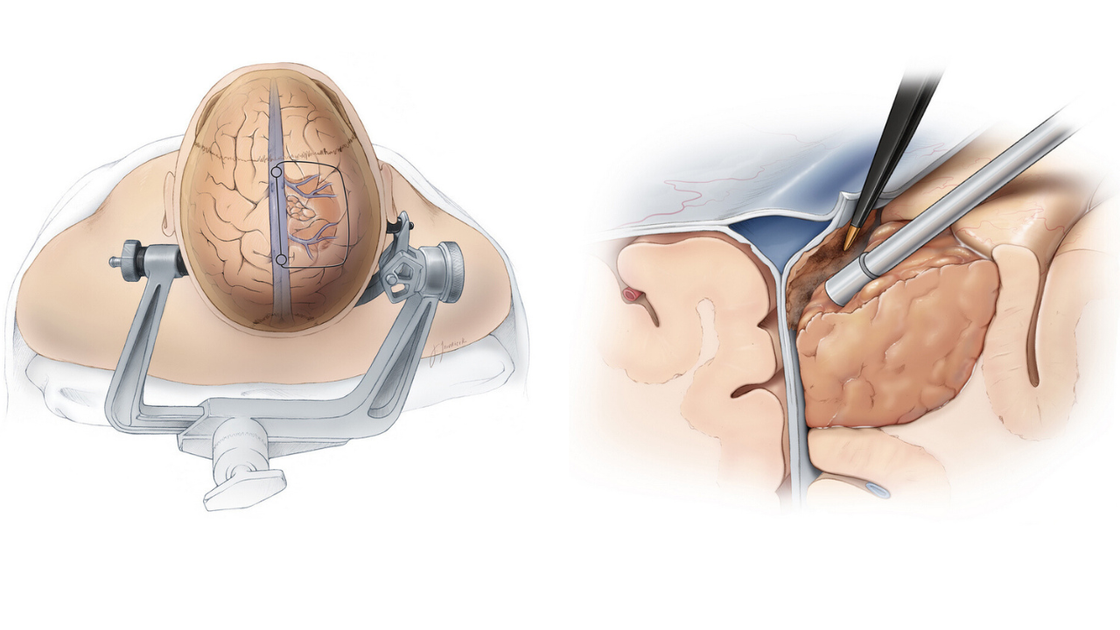
For brain tumours specifically, the neuro-oncology MDT brings together neurosurgeons, radiation oncologists, neuro-oncologists, neuroradiologists, neuropathologists, and clinical nurse specialists. Their collective review determines whether surgery is the initial intervention or whether a period of radiotherapy or chemotherapy precedes it. For eloquent-region tumours, the MDT considers whether an awake craniotomy is appropriate, which intraoperative mapping technologies to deploy, and the realistic surgical goal, whether gross total resection, maximal safe debulking, or biopsy alone.


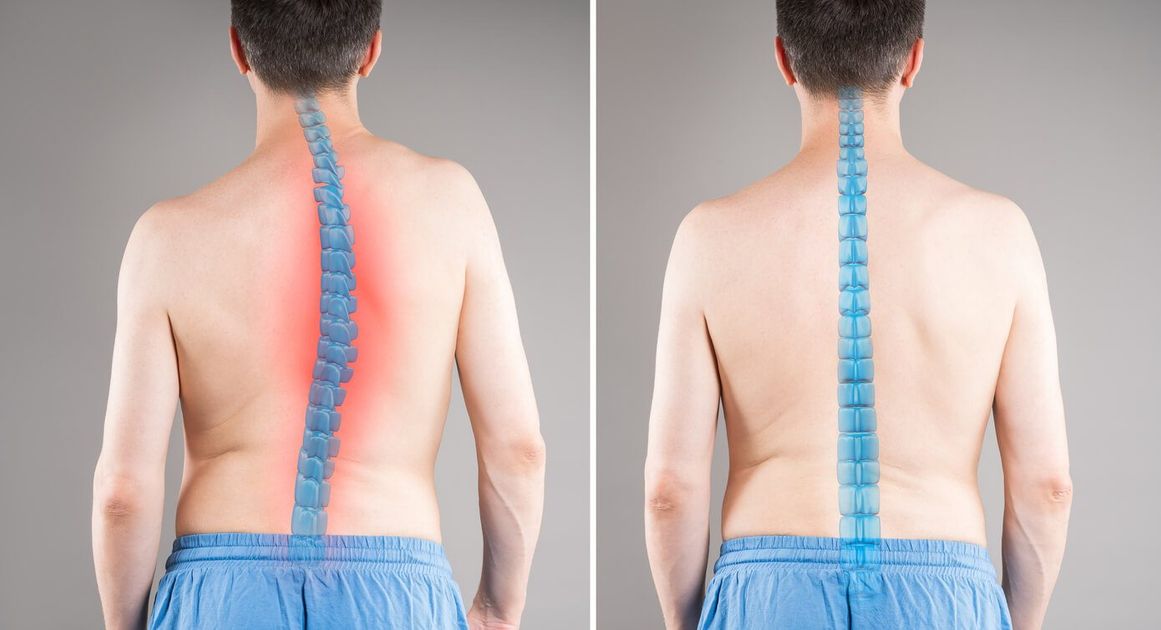
For complex spinal conditions where surgical and non-surgical options both have merit and significant risks, the MDT prevents the known tendency of single-speciality referral patterns to bias toward intervention. A neurosurgeon who sees only surgical candidates will recommend more surgery than a pain physician who sees a broader spectrum of the same population. The MDT provides a counterbalancing structure that reduces this inherent bias.


Bone Marrow Transplant and Haematology

Haematology is another discipline where MDT practice is deeply embedded in complex case management. For patients with acute leukaemia, myelodysplastic syndrome, aplastic anaemia, or haematological malignancies requiring transplant consideration, the decision-making process involves haematologists, transplant physicians, infectious disease specialists, molecular geneticists, and clinical nurse specialists working as a formal team.


The MDT determines whether a bone marrow transplant is indicated, what conditioning regimen is appropriate, whether an allogeneic or autologous transplant is the right approach, and how the timing interacts with the patient's current disease status and response to prior treatment. For patients who might benefit from CAR-T cell therapy as an alternative or adjunct to transplant, the MDT provides the forum in which that option can be properly evaluated against the transplant pathway.


How Should Patients Evaluate MDT Practice When Choosing a Hospital?

For patients choosing a hospital for complex treatment, whether at home or abroad, the presence and quality of MDT structures are among the most important questions to ask explicitly.


Not all hospitals that use the term MDT are running genuinely collaborative, clinically rigorous team meetings. In some institutions, the MDT is a weekly administrative exercise in which a coordinator presents cases, and the surgeon or oncologist decides as they would have without the meeting. The form of MDT exists without its function.

Patients can assess the quality of MDT practice by asking the following questions directly of the hospital or treating team:


  • Does this hospital run a formal, weekly tumour board or MDT meeting for my specific condition and cancer type?
  • Who attends those meetings? Are all relevant specialities represented in the room, including pathology and radiology, not just surgery and oncology?
  • Will my case be presented at an MDT meeting before or after treatment begins?
  • Can I receive the written outcome of the MDT discussion before I agree to a treatment plan?
  • Does the MDT include a clinical trial coordinator who can assess my eligibility for relevant trials?

A hospital that answers these questions with specificity and confidence, naming which specialists attend, how frequently meetings convene, and how the recommendation reaches the patient, is operating MDT practice in line with the evidence. A hospital that gives vague or defensive answers to these questions may be using the terminology without the substance.


The Bottom Line

Complex medical treatments are too consequential to be evaluated from a single physician's perspective, no matter how experienced that physician is.


The multidisciplinary team model exists because medicine recognised this long before the research base confirmed it. Tumour boards in oncology, transplant teams in organ and bone marrow transplant, neuro-oncology panels in brain and spine surgery, all of these structures reflect the same fundamental clinical insight: that the integration of multiple expert perspectives produces better decisions than any single expert perspective can alone.


For patients choosing where to receive complex treatment, the quality of MDT practice is one of the most meaningful differentiators between hospitals. Not because accreditation, technology, or surgical volume do not matter, but because it is the MDT that determines whether all of those resources are applied to the right diagnosis, in the right sequence, for the right patient.


Ask whether your hospital has one. Ask who is in the room. And ask to see what it recommends before you agree to anything.


Looking for hospitals with robust multidisciplinary team structures for a complex diagnosis? Connect with our specialist medical coordinator to review your case for your specific condition.

Related Hospitals

Discover hospitals and medical centers related to this topic for quality healthcare services.
Medical Park Bahcelievler Hospital
Platinum
View Details

Medical Park Bahcelievler Hospital

Istanbul, Turkey

Medical Park Bahcelievler Hospital is a 242-bed JCI-accredited hospital in Istanbul, established in 2007. Spread across 33,000 square meters and 19 fl...

Multi-specialty
Established 2007
242 beds
Accreditations
Joint Commission International (JCI)
Facilities
+13
BLK-Max Super Speciality Hospital, New Delhi
Platinum
View Details

BLK-Max Super Speciality Hospital, New Delhi

New Delhi, India

BLK-Max Super Speciality Hospital in New Delhi is one of India's premier healthcare institutions, offering 650 beds, 22 advanced operation theatres, a...

Multi-specialty
Established 1959
650 beds
Accreditations
Joint Commission International (JCI)
National Accreditation Board for Hospitals & Healthcare Providers (NABH)
Facilities
+13
Fortis Memorial Research Institute (FMRI), Gurgaon
Platinum
View Details

Fortis Memorial Research Institute (FMRI), Gurgaon

Gurgaon, India

Fortis Memorial Research Institute (FMRI), Gurgaon, is a world-class multi-specialty hospital established in 2013. The hospital offers 330 beds, 15 op...

Multi-specialty
Established 2013
330 beds
Accreditations
Joint Commission International (JCI)
National Accreditation Board for Hospitals & Healthcare Providers (NABH)
Facilities
+13
Artemis Hospital, Gurgaon
Platinum
View Details

Artemis Hospital, Gurgaon

Gurgaon, India

Artemis Hospital, Gurgaon, is a JCI accredited multispecialty hospital that was established in 2007. It offers 750+ beds and world -class infrastructu...

Multi-specialty
Established 2007
750 beds
Accreditations
Joint Commission International (JCI)
National Accreditation Board for Hospitals & Healthcare Providers (NABH)
International Organization for Standardization (ISO)
Facilities
+13
Kokilaben Dhirubhai Ambani Hospital, Mumbai
Platinum
View Details

Kokilaben Dhirubhai Ambani Hospital, Mumbai

Mumbai, India

Kokilaben Dhirubhai Ambani Hospital, Mumbai, is a JCI, NABH, NABL, and CAP-accredited quaternary care hospital established in 2009. With 750 beds, 180...

Multi-specialty
Established 2009
750 beds
Accreditations
Joint Commission International (JCI)
National Accreditation Board for Hospitals & Healthcare Providers (NABH)
International Organization for Standardization (ISO)
Facilities
+13
Medicover Hospitals, Hitech City, Hyderabad
Platinum
View Details

Medicover Hospitals, Hitech City, Hyderabad

Hyderabad, India

Medicover Hospitals, Hitech City, Hyderabad, is a 400-bed NABH-accredited super-specialty hospital established in 2011. It is part of Medicover, a glo...

Multi-specialty
Established 2011
400 beds
Accreditations
National Accreditation Board for Hospitals & Healthcare Providers (NABH)
Joint Commission International (JCI)
Facilities
+13

Related Doctors

Connect with experienced doctors and medical specialists in this field.

Dr. Thanainit Chotanaphuti

Dr. Thanainit Chotanaphuti

Professor

39 years of experience
View Details
Dr. Thouantosaporn Suwanjutah

Dr. Thouantosaporn Suwanjutah

Consultant

31 years of experience
View Details
Dr. Thanaphum Phongkitphisan

Dr. Thanaphum Phongkitphisan

Consultant

15 years of experience
View Details
Dr. Suchat Sricholwattana

Dr. Suchat Sricholwattana

Consultant

10 years of experience
View Details
Dr. Wichit Arpornwirat

Dr. Wichit Arpornwirat

Consultant

30 years of experience
View Details
Dr. Prasan Kachonrattanadet

Dr. Prasan Kachonrattanadet

Consultant

31 years of experience
View Details

Related Articles

Explore more articles and insights on similar health topics.

Why Hospital Accreditation Matters in Medical Tourism
Medical Tourism

Why Hospital Accreditation Matters in Medical Tourism

30/5/2026, 1:18:43 PM
10 min read
When patients travel abroad for treatment, they make dozens of decisions. Which country. Which city. Which hospital. Which surgeon. And somewhere in t...
Is Brain Tumour Surgery Risky? What Patients Need to Know Before Making a Decision
Medical Tourism

Is Brain Tumour Surgery Risky? What Patients Need to Know Before Making a Decision
30/5/2026, 12:03:07 PM
10 min read
Brain tumour surgery is one of those topics where fear and facts have a complicated relationship. The fear is understandable. The brain controls every...
Managing Pain After Spine Surgery
Medical Tourism

Managing Pain After Spine Surgery

29/5/2026, 8:21:36 AM
12 min read
Pain after major spine surgery is not a side effect to push through quietly. It is a clinical priority that directly affects how well a patient recove...
How Long Does Recovery Take After Spine Surgery?

Medical Tourism

How Long Does Recovery Take After Spine Surgery?

29/5/2026, 5:23:53 AM
13 min read
Spine surgery recovery is one of the most searched and least honestly answered questions in orthopaedic medicine. Most patients get a number from thei...
Post-Transplant Care for International Patients

Medical Tourism

Post-Transplant Care for International Patients

29/5/2026, 5:05:59 AM
14 min read
The surgery is behind you. The new organ is working. And at some point in those first weeks, the conversation shifts from recovery to departure, from ...
Organ Transplant Surgery: Risks, Benefits, and Long-Term Survival

Medical Tourism

Organ Transplant Surgery: Risks, Benefits, and Long-Term Survival

29/5/2026, 4:48:52 AM
12 min read
Most people facing end-stage organ failure reach a point where the conversation shifts from managing the disease to replacing the damaged organ entire...
Dr. Deepanshu Siwach

Sr. Medical Writer

Sr. Medical Content Writer Qonaq Health and Wellness
Doctor of Pharmacy

Dr. Deepanshu Siwach is an experienced clinical pharmacist with a Doctor of Pharmacy degree. He has over 4 years of experience and has worked with thousands of patients. He has been associated with ... Read More

Our website uses cookies. By clicking on accept you give your consent to the use of cookies as per our Privacy Policy.