
Managing Pain After Spine Surgery

29/5/2026, 8:21:36 AM 12 min read Medical Tourism
Managing Pain After Spine Surgery
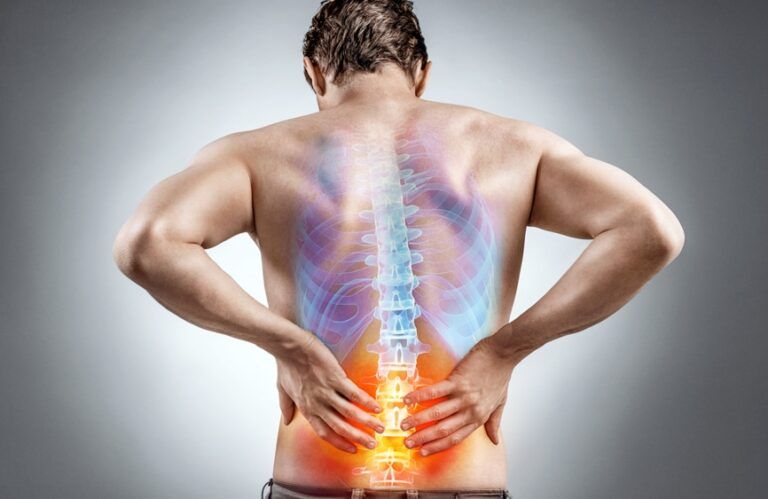
Pain after major spine surgery is not a side effect to push through quietly. It is a clinical priority that directly affects how well a patient recovers, how quickly they mobilise, and whether they end up dependent on medications they were never meant to need long-term.


The honest answer to how pain is managed is this: the best spine surgery centres no longer rely on opioids alone. Modern postoperative pain management after spine surgery uses a multimodal approach, combining several medications and techniques that target different pain pathways simultaneously, reducing the total amount of any single drug needed while achieving better pain control than any one agent could provide on its own.


This is not just good clinical practice. A 2025 review published in Neurological International found that poorly controlled pain affects up to 50% of spine surgery patients and contributes directly to delayed mobilisation, prolonged hospitalisation, and the development of chronic post-surgical pain. Getting this right from the start changes outcomes measurably.


Why Is Pain After Major Spine Surgery So Difficult to Control?

Spine surgery pain is not the same as pain from a standard orthopaedic procedure, and patients who have had previous surgeries often say nothing quite prepared them for how multi-dimensional it is.


Part of the reason is the surgery itself. Major spinal procedures involve significant muscle retraction, bone removal, and, in fusion cases, the placement of instrumentation that the body treats as a foreign stimulus for some time afterwards. The surgical trauma is real and extensive.


But there is another layer that makes spine surgery pain particularly complex. Many patients arrive at surgery having already lived with chronic back pain for months or years. Chronic pain changes the nervous system. It creates a state called central sensitisation, where the spinal cord and brain become supersensitive to pain signals, amplifying them beyond what the underlying tissue damage would normally produce. A patient who is already centrally sensitised before surgery often experiences more intense postoperative pain than the surgical trauma alone would predict, because the nervous system has essentially learned to be on high alert.


This is why pain management after spine surgery must begin before the first incision, not after the procedure.


What Is Pre-emptive Analgesia and Why Does It Matter?

Pre-emptive analgesia is the practice of administering pain-relieving medications before surgery begins, with the specific goal of preventing the nervous system from becoming sensitised to the incoming surgical trauma.


Research has consistently supported this approach. Administration of gabapentin (600 to 1200mg) or pregabalin (100 to 150mg) several hours before spine surgery has been shown to reduce postoperative pain scores and decrease opioid requirements on the first day after surgery. Paracetamol given one to two grams pre-operatively also reduces the amount of morphine needed for postoperative pain control. Celecoxib, a COX-2 inhibitor anti-inflammatory medication, is another component used in pre-emptive regimens at many centres.


The logic is straightforward. If the nervous system receives analgesic preparation before the surgical stimulus arrives, its pain response is dampened from the outset. This means less severe immediate postoperative pain, lower opioid requirements, and importantly, a reduced risk of sensitisation that could otherwise contribute to long-term chronic pain after surgery.


The difference between a surgical centre that uses structured pre-emptive analgesia and one that only addresses pain after it appears can be significant in how a patient experiences the first 24 to 72 hours.


What Happens to Pain Management During Surgery?

Intraoperative pain management during spine surgery goes well beyond general anaesthesia. Modern protocols incorporate several additional strategies that reduce the pain signal reaching the brain and spinal cord during the procedure, thereby reducing postoperative pain severity.


  • Intravenous infusions of medications such as ketamine, lidocaine, and dexmedetomidine are used during spine surgery at many centres with evidence-based anaesthetic protocols. Ketamine, a glutamate receptor antagonist, is particularly effective at blocking central sensitisation during the surgical period and reducing postoperative opioid requirements. Intraoperative lidocaine infusion has shown benefits in reducing postoperative pain scores, improving bowel function, and reducing the length of hospital stay.
  • Local anaesthetic infiltration at the surgical site is another intraoperative technique. Surgeons inject long-acting local anaesthetic agents, including increasingly liposomal bupivacaine, directly into the muscles and tissues around the operated vertebral levels. Liposomal bupivacaine is a formulation that releases its active drug over an extended period rather than all at once.
  • Fascial plane nerve blocks have emerged as an important intraoperative and postoperative tool in spine surgery pain management. The erector spinae plane (ESP) block involves injecting local anaesthetic into a space between the back muscles, from which it spreads to block multiple spinal nerve levels in the surgical area.


How Is Pain Managed in the Immediate Postoperative Period?

The first 24 to 72 hours after major spine surgery represent the peak pain-intensity phase, and this is when structured multimodal analgesia delivers its greatest value.


Patients in this phase are typically managed with a combination of:


  • Intravenous paracetamol is given on a scheduled basis rather than only when pain is reported. Scheduled dosing maintains a consistent analgesic level in the bloodstream rather than playing catch-up with pain that has already escalated.
  • NSAIDs or COX-2 inhibitors provide anti-inflammatory analgesia that addresses one of the primary drivers of postoperative pain. Their use after spinal fusion surgery requires discussion with the surgical team because some evidence suggests NSAIDs may influence bone healing. It is a nuanced decision that varies by patient, surgical approach, and clinical context.
  • Gabapentinoids, including gabapentin and pregabalin, continue from the pre-operative period into the postoperative phase. They target neuropathic pain components, which are particularly relevant in spine surgery patients who have pre-existing nerve compression. They also reduce opioid requirements and limit the central sensitisation that can develop in the early postoperative period.
  • Opioids remain part of the immediate postoperative toolkit for major spine surgery, and there is no point pretending otherwise. The surgical trauma involved in major spine procedures produces pain that most patients cannot manage adequately on non-opioid medications alone in the first 24 to 48 hours. 
  • Patient-controlled analgesia (PCA) systems, where the patient presses a button to self-administer a controlled intravenous opioid dose within pre-set safety limits, are commonly used in the immediate postoperative phase at major spine surgery centres. They give patients a sense of control over their pain while preventing the under- or over-dosing that can occur with scheduled nursing-administered doses.


What Does Pain Management Look Like Once Patients Leave the ICU or High Dependency Unit?

Once patients transition from intensive or high dependency monitoring to the general ward, the pain management approach shifts toward oral medications and progressive reduction of the most potent agents.
 

The typical ward-phase regimen at centres following evidence-based protocols includes:


  • Regular paracetamol, typically 1g every six hours
  • A scheduled NSAID or COX-2 inhibitor at appropriate doses if approved by the surgical team
  • A gabapentinoid continued at adjusted doses for neuropathic pain management
  • A muscle relaxant such as cyclobenzaprine to address the significant muscle spasm that commonly accompanies major spine surgery, particularly in the thoracolumbar region
  • An oral opioid for breakthrough pain, prescribed at the lowest effective dose, limited to short-acting formulations

The critical principle at this stage is active de-escalation of opioids as soon as pain allows, rather than maintaining them at their peak dose until the patient goes home and then stopping abruptly. Opioid prescribing should be limited to breakthrough pain and integrated into structured tapering strategies, because opioids prescribed without a clear tapering plan are among the most common routes to persistent postoperative opioid use.


What Is the ERAS Protocol and How Does It Change Pain Management?

Enhanced Recovery After Surgery (ERAS) is an evidence-based perioperative care pathway developed to reduce physiological and psychological stress around surgery, shorten recovery, and minimise complications. It has been well established in colorectal and joint replacement surgery for some years, and its application to spine surgery has grown substantially over the past decade.


The ERAS Society guidelines provide a comprehensive framework covering pre-operative patient education and optimisation, multimodal pre-emptive analgesia, intraoperative fluid management and anaesthetic technique, early postoperative mobilisation, prompt oral nutrition, and structured opioid de-escalation.


The pain management elements of ERAS for spine surgery are not different in concept from those described above, but ERAS formalises them into an audited protocol with consistent implementation across the whole surgical team. When used consistently, ERAS protocols in spine surgery demonstrate reduced opioid consumption, improved pain scores, earlier ambulation, and reduced length of stay compared to traditional surgical care approaches.


The ERAS Society currently has formal recommendations for lumbar spine surgery, with ongoing research on thoracic and cervical procedures. For international patients choosing a spine surgery centre, asking whether the centre uses a formal ERAS protocol is a useful proxy question for the maturity of their postoperative care systems.


How Is Pain Managed After Discharge From The Hospital?

Transitioning from hospital-managed pain control to self-managing at home is one of the phases where things most commonly go wrong, and it is the phase where the least clinical attention is sometimes paid.


At discharge, patients should leave with:


  • A written medication plan specifying what to take, at what dose, and on what schedule
  • A clear tapering plan for opioids, if any are prescribed for home use, including explicit instructions on how to reduce the dose over time
  • Understanding of which medications are scheduled (taken on a timed basis regardless of pain level) and which are for breakthrough pain only
  • A plan for contacting the surgical team or a pain management team if medications are not controlling pain adequately, or if concerns about medication use arise

The scheduled non-opioid medications, paracetamol, anti-inflammatories where appropriate, and gabapentinoids, should continue for several weeks after discharge rather than being stopped abruptly. Abrupt cessation of these agents can cause a rebound in pain severity that patients interpret as surgical failure when it is actually a pharmacological effect.


Ice and heat therapy continue to be useful at home for managing localised surgical-site discomfort and muscle spasms. Ice is typically more effective in the first two to three weeks for reducing inflammation. Heat can help with muscle tightness and spasm as recovery progresses.


What Role Does Physical Therapy Play in Managing Postoperative Pain?

Physical therapy after major spine surgery is not just about rebuilding strength and mobility. It directly manages pain by reducing muscle guarding, improving circulation to healing tissues, and progressively restoring the movement patterns that give patients control over their bodies again.


Research confirms that starting a structured rehabilitation programme four to six weeks after surgery produces psignificantly better outcomes for pain and disability compared to no formal rehabilitation. Higher-intensity protocols, once the healing phase permits them, produce faster improvements than low-intensity ones.


In the early weeks, even gentle walking is genuinely therapeutic. Short, regular walks stimulate blood flow to healing tissues, reduce the risk of venous thromboembolism, and prevent deconditioning that can prolong pain and disability. Physical therapy that begins with walking and gently introduces specific exercises focused on posture, core activation, and safe movement mechanics provides a foundation that pain medication alone cannot build.


As recovery progresses, physical therapy shifts toward the strengthening, flexibility, and functional movement work that eventually returns patients to the activities that matter to their lives, whether that means returning to a desk job, getting back to recreational sport, or simply being able to walk to the shops without pain.


The relationship between adequate pain management and effective physical therapy runs in both directions. A patient whose pain is poorly controlled cannot engage meaningfully with rehabilitation. A patient who engages fully with rehabilitation needs progressively less medication as functional recovery proceeds.


What Happens When Pain Does Not Improve as Expected?

For most patients, pain gradually and consistently improves over the weeks and months after major spine surgery. For some, it does not. Understanding why matters for both patients and their treating teams.


  • Failed back surgery syndrome or post-laminectomy syndrome describes persistent or recurrent pain after technically successful spine surgery. It is more common than many patients are told before surgery, and it does not always indicate surgical failure in any straightforward sense. It may reflect inadequate preoperative patient selection, incomplete correction of the pain generator, adjacent segment pathology, or, in cases where central sensitisation was present preoperatively, a nervous system that continues to generate pain signals even after the structural problem has been corrected.
  • Persistent opioid use is one of the most important complications of postoperative pain management to identify early. Patients still taking opioids at three months after spine surgery are at significantly elevated risk of becoming long-term users. When this pattern is emerging, early involvement of a pain medicine specialist and, where appropriate, a clinical psychologist with pain management experience, produces substantially better outcomes than continued escalation of opioid prescribing.
  • Neuromodulation techniques, including spinal cord stimulation, offer an option for carefully selected patients with refractory post-surgical pain that has not responded adequately to other interventions. Spinal cord stimulation delivers low-level electrical signals to the spinal cord, modulating pain signals before they reach the brain. Research supports its benefit in specific post-spinal-surgery pain presentations, and it remains an area of active development.
  • Cognitive behavioural therapy (CBT) for pain is supported by strong evidence and is a component of best-practice pain management in major spine centres. CBT helps patients develop coping strategies, challenge unhelpful pain beliefs, improve sleep, reduce catastrophising, and gradually re-engage with activities that pain and fear of pain have taken away. It is not an alternative to medical management. It is an essential complement to it.


What Should Patients Ask Their Surgical Team About Pain Management Before Spine Surgery?

Being informed before surgery produces better outcomes than being surprised by the reality of postoperative pain. These questions help patients prepare:


  • Does this centre use a formal ERAS protocol for spine surgery?
  • What is the pre-operative analgesia protocol before my surgery?
  • Will intraoperative regional blocks or local anaesthetic techniques be used?
  • What is the expected pain management plan for my first 24 to 72 hours after surgery?
  • What is the plan for reducing opioids, and what timeline is realistic for weaning off them?
  • What do I do if my pain is not adequately controlled after I go home?
  • When does physical therapy start, and who coordinates that?
  • What are the signs that my pain management is not following a normal trajectory?

A surgical team that answers these questions in detail and without impatience is one that has thought carefully about the full arc of recovery, not just the procedure itself.


To Summarise

Pain after major spine surgery is real, significant, and manageable. The days of sending patients home with a bottle of opioids and hoping for the best are behind the best surgical centres, even if they are not yet behind all of them.


Modern multimodal pain management, built on pre-emptive analgesia, layered pharmacological strategies, regional anaesthetic techniques, structured opioid de-escalation, and physical therapy integrated from the earliest possible point, produces outcomes that patients and families consistently describe as better than they expected.


The key is that this approach works best when it is consistent, when it starts before surgery and continues well into the recovery period, and when the patient understands what to expect at each stage rather than being surprised by pain that feels like something going wrong.

Related Hospitals

Discover hospitals and medical centers related to this topic for quality healthcare services.
Medical Park Bahcelievler Hospital
Platinum
View Details

Medical Park Bahcelievler Hospital

Istanbul, Turkey

Medical Park Bahcelievler Hospital is a 242-bed JCI-accredited hospital in Istanbul, established in 2007. Spread across 33,000 square meters and 19 fl...

Multi-specialty
Established 2007
242 beds
Accreditations
Joint Commission International (JCI)
Facilities
+13
BLK-Max Super Speciality Hospital, New Delhi
Platinum
View Details

BLK-Max Super Speciality Hospital, New Delhi

New Delhi, India

BLK-Max Super Speciality Hospital in New Delhi is one of India's premier healthcare institutions, offering 650 beds, 22 advanced operation theatres, a...

Multi-specialty
Established 1959
650 beds
Accreditations
Joint Commission International (JCI)
National Accreditation Board for Hospitals & Healthcare Providers (NABH)
Facilities
+13
Fortis Memorial Research Institute (FMRI), Gurgaon
Platinum
View Details

Fortis Memorial Research Institute (FMRI), Gurgaon

Gurgaon, India

Fortis Memorial Research Institute (FMRI), Gurgaon, is a world-class multi-specialty hospital established in 2013. The hospital offers 330 beds, 15 op...

Multi-specialty
Established 2013
330 beds
Accreditations
Joint Commission International (JCI)
National Accreditation Board for Hospitals & Healthcare Providers (NABH)
Facilities
+13
Artemis Hospital, Gurgaon
Platinum
View Details

Artemis Hospital, Gurgaon

Gurgaon, India

Artemis Hospital, Gurgaon, is a JCI accredited multispecialty hospital that was established in 2007. It offers 750+ beds and world -class infrastructu...

Multi-specialty
Established 2007
750 beds
Accreditations
Joint Commission International (JCI)
National Accreditation Board for Hospitals & Healthcare Providers (NABH)
International Organization for Standardization (ISO)
Facilities
+13
Kokilaben Dhirubhai Ambani Hospital, Mumbai
Platinum
View Details

Kokilaben Dhirubhai Ambani Hospital, Mumbai

Mumbai, India

Kokilaben Dhirubhai Ambani Hospital, Mumbai, is a JCI, NABH, NABL, and CAP-accredited quaternary care hospital established in 2009. With 750 beds, 180...

Multi-specialty
Established 2009
750 beds
Accreditations
Joint Commission International (JCI)
National Accreditation Board for Hospitals & Healthcare Providers (NABH)
International Organization for Standardization (ISO)
Facilities
+13
Medicover Hospitals, Hitech City, Hyderabad
Platinum
View Details

Medicover Hospitals, Hitech City, Hyderabad

Hyderabad, India

Medicover Hospitals, Hitech City, Hyderabad, is a 400-bed NABH-accredited super-specialty hospital established in 2011. It is part of Medicover, a glo...

Multi-specialty
Established 2011
400 beds
Accreditations
National Accreditation Board for Hospitals & Healthcare Providers (NABH)
Joint Commission International (JCI)
Facilities
+13

Related Doctors

Connect with experienced doctors and medical specialists in this field.

Dr. Thanainit Chotanaphuti

Dr. Thanainit Chotanaphuti

Professor

39 years of experience
View Details
Dr. Ittichai Sakarunchai

Dr. Ittichai Sakarunchai

Associate Professor

17 years of experience
View Details
Dr. Sombat Muengtaweepongsa

Dr. Sombat Muengtaweepongsa

Associate Professor
32 years of experience
View Details
Dr. Rathijit Mitra

Dr. Rathijit Mitra

Consultant

23 years of experience
View Details
 Dr. Tapas Chatterjee

Dr. Tapas Chatterjee

Consultant

31 years of experience
View Details
Dr. Chandrasekhar Dhar

Dr. Chandrasekhar Dhar

Senior Consultant

44 years of experience
View Details

Related Articles

Explore more articles and insights on similar health topics.

How Multidisciplinary Teams Improve Patient Outcomes

Medical Tourism

How Multidisciplinary Teams Improve Patient Outcomes

30/5/2026, 2:09:19 PM
10 min read
When a patient receives a cancer diagnosis, a transplant recommendation, or faces a complex neurological condition, the quality of the decision made i...
Why Hospital Accreditation Matters in Medical Tourism
Medical Tourism

Why Hospital Accreditation Matters in Medical Tourism

30/5/2026, 1:18:43 PM
10 min read
When patients travel abroad for treatment, they make dozens of decisions. Which country. Which city. Which hospital. Which surgeon. And somewhere in t...
Is Brain Tumour Surgery Risky? What Patients Need to Know Before Making a Decision
Medical Tourism

Is Brain Tumour Surgery Risky? What Patients Need to Know Before Making a Decision
30/5/2026, 12:03:07 PM
10 min read
Brain tumour surgery is one of those topics where fear and facts have a complicated relationship. The fear is understandable. The brain controls every...
How Long Does Recovery Take After Spine Surgery?
Medical Tourism

How Long Does Recovery Take After Spine Surgery?

29/5/2026, 5:23:53 AM
13 min read
Spine surgery recovery is one of the most searched and least honestly answered questions in orthopaedic medicine. Most patients get a number from thei...
Post-Transplant Care for International Patients
Medical Tourism

Post-Transplant Care for International Patients

29/5/2026, 5:05:59 AM
14 min read
The surgery is behind you. The new organ is working. And at some point in those first weeks, the conversation shifts from recovery to departure, from ...
Organ Transplant Surgery: Risks, Benefits, and Long-Term Survival

Medical Tourism

Organ Transplant Surgery: Risks, Benefits, and Long-Term Survival

29/5/2026, 4:48:52 AM
12 min read
Most people facing end-stage organ failure reach a point where the conversation shifts from managing the disease to replacing the damaged organ entire...
Dr. Deepanshu Siwach

Sr. Medical Writer

Sr. Medical Content Writer Qonaq Health and Wellness
Doctor of Pharmacy

Dr. Deepanshu Siwach is an experienced clinical pharmacist with a Doctor of Pharmacy degree. He has over 4 years of experience and has worked with thousands of patients. He has been associated with ... Read More

Our website uses cookies. By clicking on accept you give your consent to the use of cookies as per our Privacy Policy.