Is Brain Tumour Surgery Risky? What Patients Need to Know Before Making a Decision
Brain tumour surgery is one of those topics where fear and facts have a complicated relationship. The fear is understandable. The brain controls everything that makes you who you are, and the idea of a surgeon operating within it is genuinely difficult to sit with. But fear, when it is not grounded in accurate information, can push patients away from treatments that would genuinely help them.
So the direct answer to the question is this: yes, brain tumour surgery carries real and specific risks, including neurological deficits, bleeding, infection, and stroke. But the risk profile varies enormously depending on the tumour type, its location, the surgical technique used, and the neurosurgeon's experience. For many patients, the risk of not operating is significantly greater than the risk of surgery itself.
What Are the Real Risks of Brain Tumour Surgery?
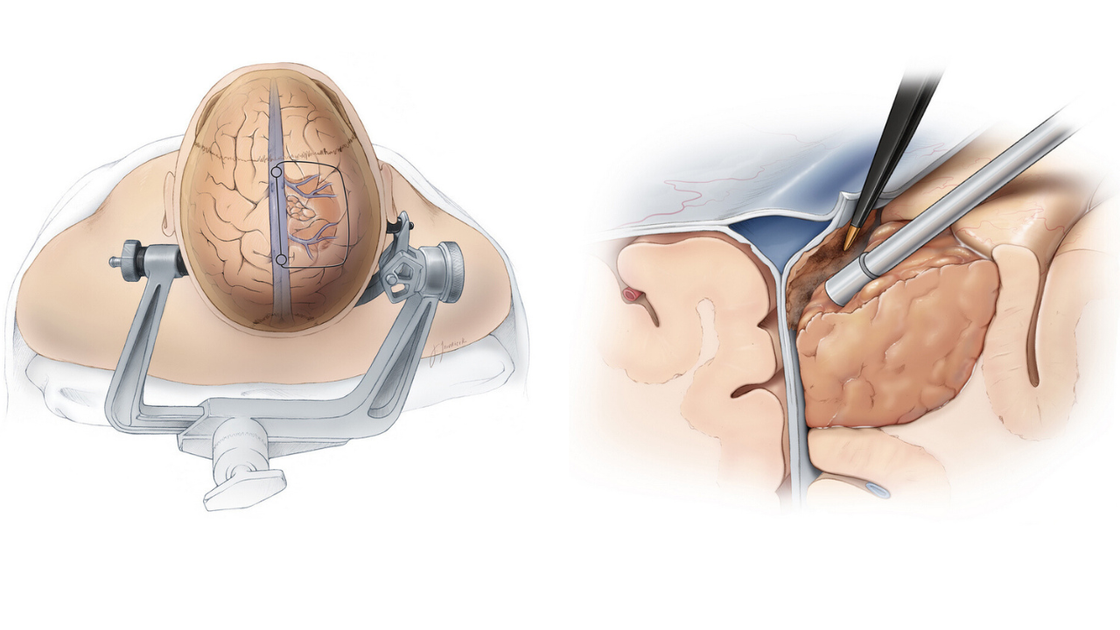
Brain tumour surgery involves opening the skull (a procedure called craniotomy) and removing or reducing the tumour while preserving as much healthy brain tissue as possible. The risks associated with this procedure are specific and, at experienced centres, more manageable than most patients initially assume.
A national cohort study examining postoperative complications in brain tumour patients found a 30-day complication rate of approximately 11 per cent and a 30-day mortality rate of 2.3 per cent. In patients who developed complications, 30-day mortality rose to 6.5 per cent compared to 1.8 per cent in those without complications. These figures cover a diverse patient population across tumour types and surgical complexities.
The main surgical risks include the following.
- Neurological deficits are the most significant concern specific to brain surgery. Depending on where the tumour sits in relation to areas controlling movement, language, vision, memory, or personality, surgery carries the risk of damaging those functions. These deficits can be temporary, resolving over weeks to months as the brain adapts, or permanent. The risk is highest for tumours in or adjacent to eloquent cortex, the regions of the brain responsible for critical functions that cannot be compensated for by other areas.
- Bleeding and haematoma can occur during surgery or in the immediate postoperative period. Intracranial bleeding is among the most serious potential complications and may require emergency reoperation.
- Iatrogenic stroke occurs when the blood supply to an area of the brain is interrupted during surgery. A large analysis of malignant brain tumour surgeries found a 3.4 per cent overall rate of serious surgical complications, with iatrogenic stroke identified as an independent risk factor for inpatient mortality.
- Infections, including meningitis and surgical site infections, affect a proportion of patients and require antibiotic treatment. Meningitis following brain surgery, while uncommon, is a serious complication demanding prompt recognition and treatment.
- Brain swelling around the surgical site is expected in the immediate postoperative period and is managed with corticosteroids. Significant swelling that does not respond to medication can increase intracranial pressure and affect neurological function.
- Seizures are a recognised risk both during and after brain tumour surgery. Prophylactic antiepileptic medication is standard in most postoperative protocols.
Does the Type of Brain Tumour Change How Risky Surgery Is?
Substantially, yes. The biology and behaviour of the tumour shape both the surgical risk and the realistic benefit from operating.
Are Benign Brain Tumours Less Risky to Remove?
Benign brain tumours, including meningiomas, pituitary adenomas, acoustic neuromas, and craniopharyngiomas, are not cancerous and do not invade surrounding brain tissue in the same way malignant tumours do. It makes them more amenable to clean surgical removal in many cases.
Meningiomas arise from the membranes surrounding the brain rather than from brain tissue itself, which makes complete resection more achievable in accessible locations. Benign tumours have been reported to have successful removal rates of 90% to 95% in appropriate cases.
However, benign does not mean risk-free. A meningioma pressing on the optic nerve or wrapping around a major blood vessel presents a very different surgical risk profile than one sitting on the brain's surface in a non-eloquent area. Acoustic neuromas carry specific risks to facial nerve function and hearing preservation. Pituitary tumours adjacent to the optic chiasm require a precise technique to avoid vision loss.
Are Malignant Brain Tumours More Dangerous to Remove?
Malignant brain tumours, primarily high-grade gliomas including glioblastoma multiforme, carry higher surgical risks for several reasons.
They do not have clean borders. Unlike many benign tumours that push against surrounding tissue without infiltrating it, malignant gliomas invade the brain. This makes the boundary between tumour and healthy tissue genuinely difficult to define, and attempts at complete removal carry a higher risk of collateral damage.
They are more commonly located in, or grow into, eloquent brain regions, requiring more technically demanding resection strategies. They also tend to grow faster, meaning patients often present with significant preoperative neurological compromise, which further complicates both surgical risk and recovery.
Surgery for malignant brain tumours remains an important part of treatment despite these challenges. Maximal safe resection consistently extends survival and improves response to subsequent radiotherapy and chemotherapy. For glioblastoma, a tumour with a median survival of 14 to 16 months with treatment, the difference between gross total resection and subtotal resection is clinically meaningful even when cure is not achievable.
How Does Tumour Location Affect the Risk of Brain Surgery?
Location is one of the most determinative factors in brain tumour surgery risk, often more important than tumour size or biology.
- Tumours in non-eloquent regions, areas of the brain that do not control critical specific functions, can generally be removed with lower neurological risk because the surrounding tissue tolerates some degree of manipulation without catastrophic consequence.
- Tumours in or adjacent to eloquent areas present a fundamentally different challenge. The eloquent cortex includes the motor cortex controlling voluntary movement, Broca's and Wernicke's areas governing speech and language comprehension, the visual cortex, and the deep white matter tracts connecting these regions. Surgery near any of these structures risks precisely the functions that define a patient's independence and quality of life.
- Deep-seated tumours in structures such as the thalamus, basal ganglia, or brainstem pose the highest surgical risk. The brainstem controls breathing, heart rate, and consciousness. Operations in this region are among the most technically demanding in neurosurgery and require surgeons with specialist expertise in deep-tumour resection.
- Posterior fossa tumours involving the cerebellum and brainstem carry specific risks, including disruption of balance, coordination, and the cranial nerves governing swallowing and facial movement.
Johns Hopkins Medicine notes that some tumours are labelled inoperable because of unclear borders, dangerous location, or anticipated significant functional loss. But it also notes that some tumours given this label can be removed by neurosurgeons with specialised expertise. The gap between what is considered inoperable at one centre and what is routinely achievable at a specialist high-volume centre can be significant.
What Is Awake Craniotomy and Does It Reduce Risk?
Awake craniotomy is a surgical technique where the patient remains conscious during the tumour removal phase while being sedated and comfortable for skull opening and closure.
The purpose is to allow the surgeon to test brain function in real time. The patient performs tasks such as speaking, naming objects, or moving limbs while the surgeon maps the tumour's relationship to functional areas and adjusts the resection accordingly. If responses indicate proximity to a critical zone, the resection stops at that boundary.
Research comparing awake craniotomy with surgery under general anaesthesia consistently demonstrates reduced permanent neurological deficits and increased extent of tumour resection with awake techniques. One prospective comparison including 575 patients found better neurological outcomes and higher rates of complete resection in the awake craniotomy group. Separate research found permanent postoperative neurological deficits in 4.6 per cent of awake craniotomy patients compared to 16 per cent in those operated under general anaesthesia for eloquent-region tumours.
What Technologies Are Making Brain Tumour Surgery Safer?
Modern brain tumour surgery looks very different from what it did even fifteen years ago, and several technologies have fundamentally shifted the risk calculus for many patients.
- Intraoperative MRI and CT provide real-time imaging during the procedure, allowing the surgeon to verify the extent of resection and identify remaining tumour tissue before closing. It consistently yields higher rates of complete resection than conventional image-guided surgery.
- Neuronavigation systems use preoperative MRI and CT data to create a three-dimensional brain map that the surgeon navigates during the operation, reducing the risk of inadvertently entering critical structures.
- Intraoperative neurophysiological monitoring (IONM) continuously tracks brain and spinal cord function throughout the procedure. If monitoring detects changes in motor or sensory signals, the surgical team adjusts their approach immediately to prevent permanent damage.
- Fluorescence-guided surgery uses agents such as 5-aminolevulinic acid (5-ALA), which causes malignant tumour cells to fluoresce under specific wavelengths of light. It helps surgeons distinguish tumour from healthy brain tissue in real time, enabling more complete and precise resection.
- Navigated transcranial magnetic stimulation (nTMS) maps eloquent areas of the brain before surgery, allowing the surgical plan to account for where language and motor functions actually sit in that individual patient's brain. It matters because tumour growth can cause functional reorganisation, shifting these areas from their textbook locations.
Research published in PMC found that awake craniotomy combined with intraoperative mapping produced a better extent of resection, lower postoperative neurological deficits, and shorter hospital stays compared to surgery without these technologies.
What Patient Factors Make Brain Tumour Surgery Riskier?
Beyond tumour type and location, several patient-specific variables shape the individual risk profile.
- Age influences both surgical risk and recovery capacity. Research on elderly patients undergoing brain tumour surgery found that 29.4 per cent experienced neurological worsening at discharge, with a persistent worsening rate of 20.3 per cent at three months. Older patients with multiple comorbidities require carefully tailored surgical planning to balance potential benefit against elevated risk.
- Preoperative neurological status matters significantly. Patients who already have substantial deficits before surgery face a different risk-benefit calculation than those who are neurologically intact.
- Tumour size affects both surgical complexity and the risk of postoperative swelling. Larger tumours generally require more extensive surgery and carry a higher risk of disrupting surrounding tissues.
- Surgeon and centre experience is perhaps the most actionable variable. The volume-outcome relationship in neurosurgery is well documented. High-volume specialist brain tumour centres produce lower complication rates, higher extent-of-resection rates, and better overall outcomes than lower-volume general hospitals. For brain tumour surgery specifically, the difference between a specialist neuro-oncological centre performing hundreds of these procedures annually and a general neurosurgical unit performing dozens can be clinically significant and genuinely life-altering.
The practical implication is direct: seeking surgery at a high-volume specialist centre, even if it requires travelling domestically or internationally, is one of the most evidence-supported decisions a brain tumour patient can make.
When Is Brain Tumour Surgery Not the Right Choice?
There are situations where surgery is genuinely not appropriate, and patients deserve honest information about these rather than false hope or unnecessary despair.
Surgery is typically not appropriate when:
- The tumour sits in a location where any resection would cause unacceptable neurological damage, such as certain brainstem tumours.
- The patient's overall health makes anaesthetic and surgical risk prohibitive.
- The tumour type responds better to radiation or chemotherapy as primary treatment, as is the case with certain lymphomas and some paediatric tumours.
- The tumour's infiltrative nature is so widespread that debulking would not provide meaningful clinical benefit.
Even in these situations, the label of inoperable is not always permanent. Tumours described this way at one centre are sometimes successfully operated on at specialist centres with greater experience in complex resection and more advanced technology. Seeking a second opinion from a high-volume neurosurgeon specialising in complex brain tumour cases is always reasonable when surgery has been ruled out.
For patients who are not surgical candidates, alternative strategies include stereotactic radiosurgery (e.g., Gamma Knife or CyberKnife), conventional radiotherapy, chemotherapy, immunotherapy, and enrollment in clinical trials investigating newer treatment approaches.
What Questions Should Patients Ask Before Brain Tumour Surgery?
The quality of the preoperative conversation shapes both the decision and the outcome. These questions ensure the conversation is genuinely informative:
- How many brain tumour surgeries of this specific type have you performed?
- What is the realistic goal: complete removal, debulking, biopsy, or another objective?
- What are the specific neurological risks given my tumour's exact location?
- Would awake craniotomy be appropriate, and do you routinely perform it?
- What intraoperative technologies will you use to maximise safety and extent of resection?
- What is the realistic neurological outcome, and how long might temporary deficits take to resolve?
- Should I consider a second opinion at a specialist brain tumour centre before proceeding?
- What happens clinically if I choose not to have surgery?
A neurosurgeon who answers these questions specifically and honestly, without dismissing the concerns behind them, is a neurosurgeon worth trusting with the procedure.
The Bottom Line
Brain tumour surgery is risky. It operates on the most complex and irreplaceable organ in the human body, and the potential consequences of complications are serious. None of that should be minimised or glossed over.
But the question is never risk in isolation. It is always riskier than the alternative. For most patients with surgically accessible brain tumours, the risks of surgery are real and quantifiable. The risks of not operating, including ongoing tumour growth, escalating neurological damage, and lost treatment opportunity, are often considerably greater.
The answer to "Is it risky?" is yes. The better question is whether the risk is worth taking for this patient, with this tumour, at this centre, performed by this surgeon. When all those variables align well, brain tumour surgery is not just a risky procedure. It is also one of the most powerful tools neuromedicine has to offer.
Related Hospitals
Discover hospitals and medical centers related to this topic for quality healthcare services.
Medical Park Bahcelievler Hospital
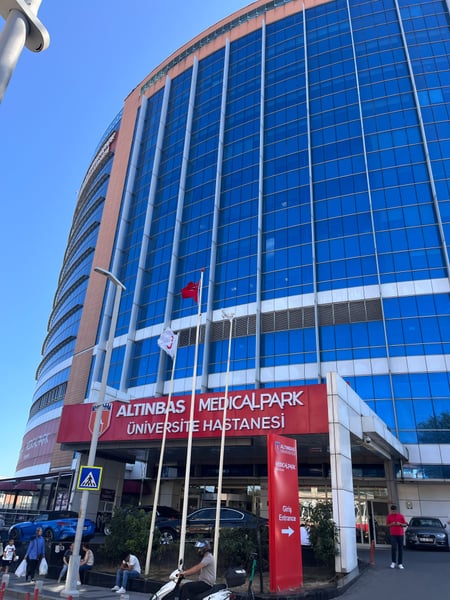
Medical Park Bahcelievler Hospital is a 242-bed JCI-accredited hospital in Istanbul, established in 2007. Spread across 33,000 square meters and 19 fl...
Accreditations

Facilities
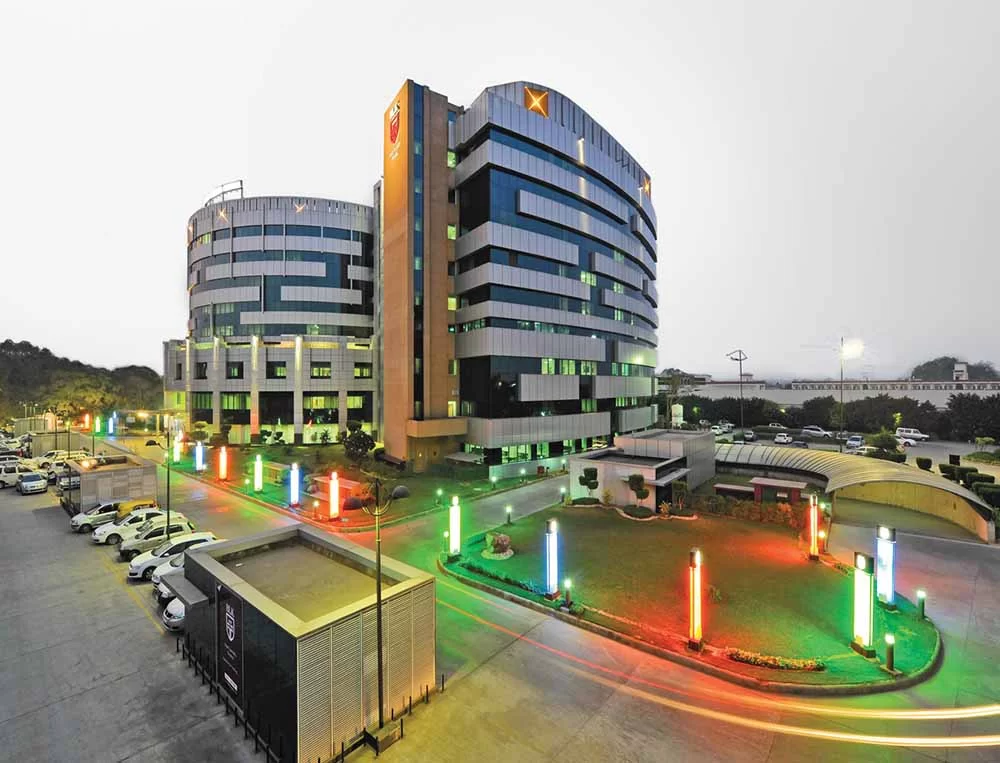
BLK-Max Super Speciality Hospital, New Delhi
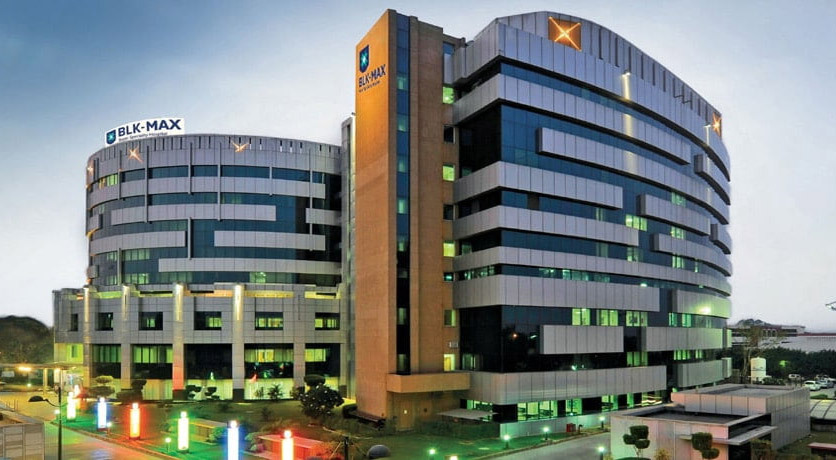
BLK-Max Super Speciality Hospital in New Delhi is one of India's premier healthcare institutions, offering 650 beds, 22 advanced operation theatres, a...
Accreditations

Facilities
Fortis Memorial Research Institute (FMRI), Gurgaon
Fortis Memorial Research Institute (FMRI), Gurgaon, is a world-class multi-specialty hospital established in 2013. The hospital offers 330 beds, 15 op...
Accreditations


Facilities
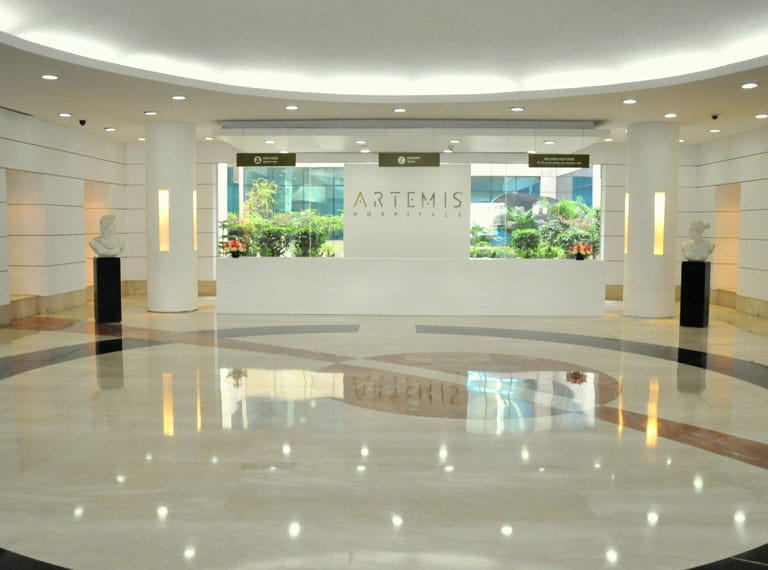
Artemis Hospital, Gurgaon
Artemis Hospital, Gurgaon, is a JCI accredited multispecialty hospital that was established in 2007. It offers 750+ beds and world -class infrastructu...
Accreditations



Facilities
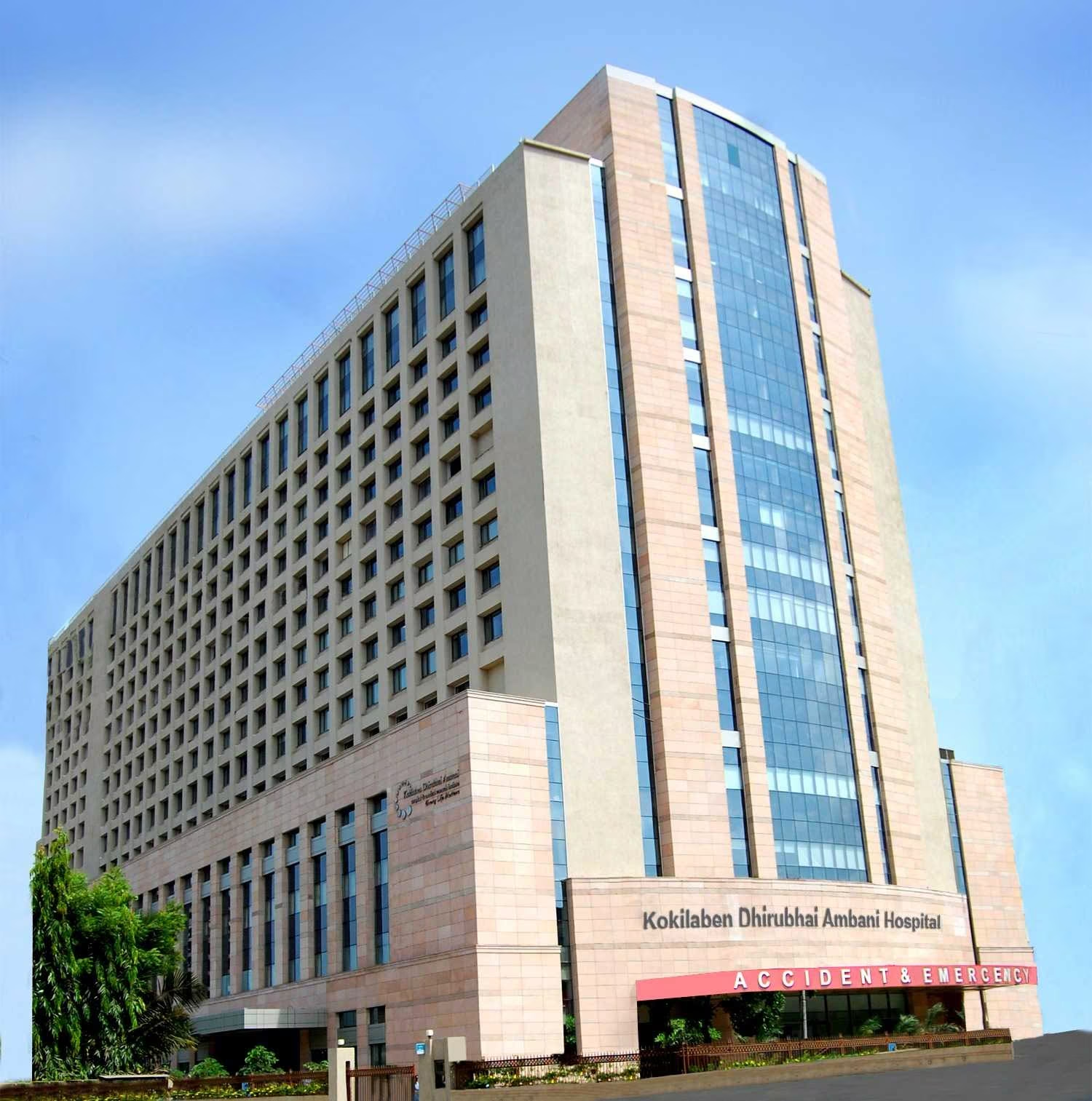
Kokilaben Dhirubhai Ambani Hospital, Mumbai
Kokilaben Dhirubhai Ambani Hospital, Mumbai, is a JCI, NABH, NABL, and CAP-accredited quaternary care hospital established in 2009. With 750 beds, 180...
Accreditations


Facilities
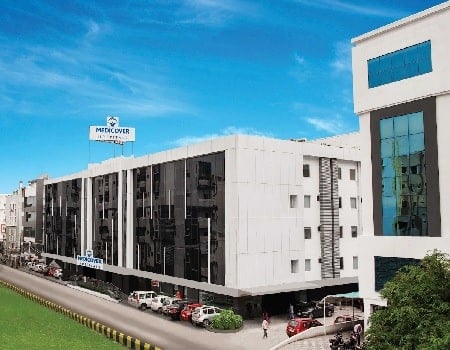
Medicover Hospitals, Hitech City, Hyderabad
Medicover Hospitals, Hitech City, Hyderabad, is a 400-bed NABH-accredited super-specialty hospital established in 2011. It is part of Medicover, a glo...
Accreditations


Facilities
Related Doctors
Connect with experienced doctors and medical specialists in this field.
Dr. Wichit Arpornwirat
Consultant
Dr. Prasan Kachonrattanadet
Consultant

Dr. Suporn Chuncharunee
Associate Professor

Dr. Ekaphop Sirachainan
Associate Professor
Dr. Ittichai Sakarunchai
Associate Professor
Dr. Sombat Muengtaweepongsa
Associate Professor
Related Articles
Explore more articles and insights on similar health topics.

How Multidisciplinary Teams Improve Patient Outcomes

Why Hospital Accreditation Matters in Medical Tourism
Managing Pain After Spine Surgery
How Long Does Recovery Take After Spine Surgery?
Post-Transplant Care for International Patients
Organ Transplant Surgery: Risks, Benefits, and Long-Term Survival

Our website uses cookies. By clicking on accept you give your consent to the use of cookies as per our Privacy Policy.
