Post-Transplant Care for International Patients

29/5/2026, 5:05:59 AM 14 min read Medical Tourism
Post-Transplant Care for International Patients
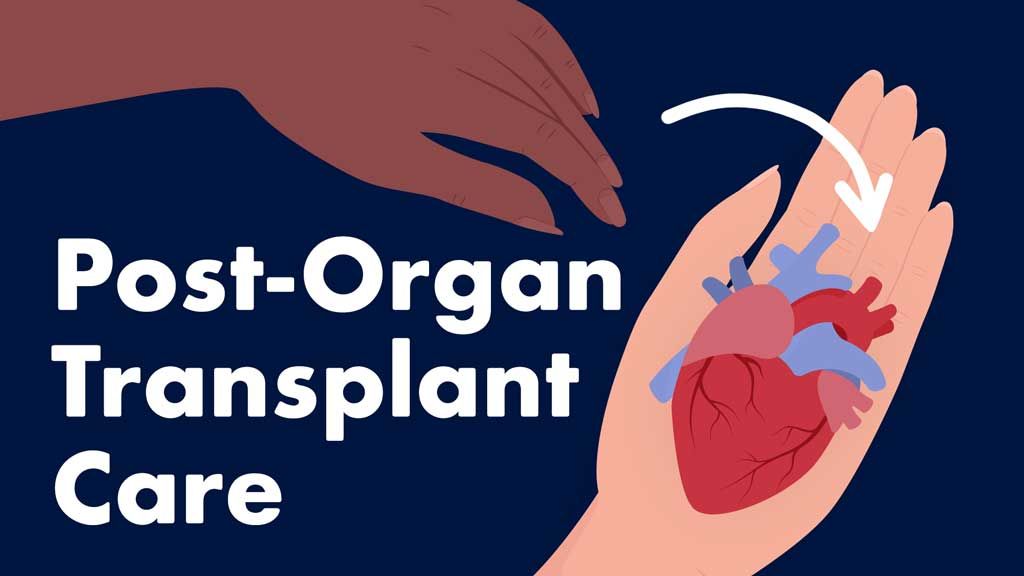
The surgery is behind you. The new organ is working. And at some point in those first weeks, the conversation shifts from recovery to departure, from hospital to home, from the transplant team who performed the procedure to the doctors waiting for you in your own country.


It is the part of the journey that international transplant patients are least prepared for. Not because transplant centres withhold information, but because the complexity of transitioning post-transplant care across international borders does not get nearly enough attention before patients make the trip.


Post-transplant care for international patients covers everything that happens after you leave the transplant hospital, managing immunosuppression medications daily, coordinating follow-up blood tests and clinic visits, recognising early signs of rejection or infection, transitioning care to local physicians back home, and maintaining the long-term monitoring that keeps a transplanted organ functioning for years. When this transition is handled well, outcomes are excellent. When it is fragmented or poorly planned, the consequences for graft survival and patient health can be serious.


Why Is Post-Transplant Care More Complex for International Patients?

For patients who receive a transplant in their home country, the treating centre and the follow-up system are part of the same healthcare infrastructure. Test results flow between the same electronic records systems. Phone calls happen in the same language. Urgent concerns can be escalated through known pathways.


International patients have none of these built-in advantages. Their transplant records live in a foreign hospital system, often in a different language. Their immunosuppressive drug brands may not have direct equivalents in their home country's formulary. Their local physicians may have limited experience with post-transplant management. And the transplant team, which knows their case intimately, is now many time zones away.


Research from the Declaration of Istanbul Custodian Group, which convened an international workshop specifically to address this challenge, concluded that the core principles of transparency, traceability, and continuity of care that apply to domestic transplant patients must equally apply to patients who receive organs abroad. In practice, achieving this requires deliberate planning on both sides of the care handover.


The risks of poorly managed post-transplant care for international patients are not theoretical. Fragmented follow-up, inadequate immunosuppression monitoring, and gaps in medication supply have each contributed to preventable rejection episodes and poor long-term outcomes in patients who returned home without adequate care transition planning.


How Long Should International Patients Stay Near the Transplant Centre After Surgery?

This is one of the most practically important questions families ask, and the answer varies by organ type.


  • For kidney transplant recipients, most experienced centres recommend staying within a reasonable distance of the treating hospital for at least four to six weeks after discharge. This period covers the highest-risk window for acute rejection and surgical complications, allowing the team to manage any early issues without the patient being in another country when they arise.
  • Liver transplant patients generally need to remain accessible to the transplant centre for six to eight weeks post-discharge, given the greater complexity of the surgery and the additional risk of biliary and vascular complications that can develop weeks after the operation.
  • Heart transplant recipients typically need to stay near the centre for at least six to eight weeks as well, because the heart tolerates rejection poorly and any acute episode requires rapid clinical response. Some centres insist on three months of proximity for heart transplant patients before clearing them for long-haul travel home.
  • Lung transplant recipients face the longest recommended proximity period, often two to three months, given the elevated infection risk, the complexity of bronchial healing, and the higher rate of early complications that require intervention.

These are general guidelines. The transplant team's specific recommendation for each patient, based on their recovery progress and organ function, always takes precedence over any general benchmark.


What Does the Immunosuppression Regimen Look Like After Transplant?

Understanding the medication regimen is non-negotiable for international patients, because medication errors and supply interruptions are among the leading preventable causes of graft loss.


Immunosuppressive therapy after a solid organ transplant typically moves through three phases.


  • Induction occurs at the time of transplant and immediately thereafter, using high-intensity immunosuppression to protect the new organ during its most vulnerable period. This phase often involves medications given intravenously in the hospital.
  • Early maintenance, running from discharge through approximately the first year, uses a combination of oral immunosuppressants, most commonly a calcineurin inhibitor such as tacrolimus or cyclosporin combined with an antiproliferative agent and, initially, a corticosteroid. Doses are higher in this phase and are adjusted based on regular blood level monitoring.
  • Long-term maintenance involves the same agents at lower, tailored doses as the risk of rejection gradually decreases over time. Some patients are eventually weaned off corticosteroids if they remain stable, reducing one source of long-term side effects.

Calcineurin inhibitors have a narrow therapeutic window, meaning the difference between too little (rejection risk) and too much (toxicity, kidney damage, infection risk) is clinically significant. Tacrolimus requires 12-hour or 24-hour trough-level monitoring, depending on the formulation, and target levels vary based on the transplanted organ, time since transplant, and the patient's individual history.


For international patients, two specific challenges emerge around immunosuppression.


  • The first is drug brand equivalence. The specific brand of tacrolimus or cyclosporin used at the transplant centre may not be available in the patient's home country. Generic formulations of these drugs are not always bioequivalent to their branded counterparts, and switching formulations without careful monitoring and dose adjustment has been associated with rejection episodes. Before leaving the transplant centre, international patients must confirm with their pharmacist whether their exact drug and formulation are available at home, or whether a pharmacist-supervised switch with transplant team guidance is needed.
  • The second is supply continuity. Running out of immunosuppressants is not a minor inconvenience. Missed doses, even for a day or two, can trigger acute rejection. International patients should leave the transplant centre with enough medication to cover at least four to six weeks at home, alongside a clear prescription that allows local physicians to continue the regimen without gaps.


What Blood Tests and Monitoring Are Required After Transplant?

Post-transplant monitoring is intensive in the first year and continues, though less frequently, permanently for the life of the graft. International patients need to understand exactly what needs to be monitored, how often, and who will interpret the results.


  • In the first month after discharge, most patients require blood tests at least twice weekly, sometimes more frequently. These tests track creatinine and eGFR for kidney function, liver enzymes and bilirubin for liver transplant recipients, and drug trough levels for all patients on calcineurin inhibitors.
  • From months one to three, testing typically moves to weekly, monitoring the same parameters alongside complete blood counts, electrolytes, and markers of infection.
  • From months three to twelve, stable patients transition to fortnightly and then monthly blood testing.
  • Beyond the first year, annual comprehensive reviews remain standard, with organ function, drug levels, metabolic parameters, bone density, and cancer screening all included.

For international patients returning to their home country, the critical question is who will order these tests, interpret the results, and adjust medication doses in response. Leaving the transplant centre without a named physician at home who has explicitly agreed to take on this responsibility is one of the most dangerous gaps in post-transplant care planning.


The transplant centre's responsibility is to provide a detailed, structured handover document that includes: the full operative and post-operative summary, the current medication regime with exact drug names, formulations, and doses, target drug level ranges, the frequency and type of monitoring required at each time interval, a list of warning signs that require urgent medical attention, and direct contact information for the transplant team for clinical queries.


The patient's responsibility is to deliver this document to their local physician before symptoms arise, not after.


How Should International Patients Set Up Care With Local Doctors Before Returning Home?

The care handover from the transplant centre to local physicians cannot be left to chance or handled retroactively. It needs to happen before the patient leaves the transplant country, ideally weeks before discharge. Several practical steps make this process work.


  • Identify the local physician before departure. Ideally, this is a nephrologist for kidney transplant, a hepatologist for liver transplant, a cardiologist experienced in heart transplant follow-up, or a transplant physician if one is accessible in the patient's home region. Contact this physician at the transplant centre in the patient's country and ensure they have agreed to take on post-transplant follow-up before the patient boards the flight home.
  • Arrange a formal clinical handover. Many experienced international transplant centres now provide structured handover documentation specifically designed for the receiving physician, covering not just the discharge summary but the transplant-specific management protocols the local team will need to continue. Ask explicitly whether the transplant team offers this, and push for it if it is not offered automatically.
  • Set up a teleconsultation relationship with the transplant team. Most reputable international transplant centres provide access to ongoing teleconsultation for the first year after transplant. This means the local physician managing the patient at home can consult the transplant team directly when blood results are outside expected ranges or clinical concerns arise. This single structural element makes a significant difference to long-term outcomes for international patients.
  • Confirm medication availability before leaving. Work with the transplant centre pharmacist and a pharmacist in the home country to establish exactly which drugs are available locally under which names and formulations. Document any necessary substitutions in writing with the transplant team's guidance.
  • Carry all documentation personally. Relying on the electronic transmission of medical records between countries is, in practice, unreliable. International patients should carry physical copies of all key documents: operative notes, discharge summary, medication plan, laboratory results, and contact details for the transplant team. A digital backup on a phone or in the cloud provides redundancy.


What Are the Signs of Rejection International Patients Must Recognise?

One of the most important things international patients take home with them is knowledge of rejection symptoms, because back in their home country, they may be the first to notice that something is wrong.

Rejection does not always announce itself dramatically. Some episodes are detected only by routine blood tests that show declining organ function before any symptoms appear. This is why the blood monitoring schedule is not negotiable.


But when symptoms do appear, they vary by organ:


  • Kidney transplant rejection often presents as reduced urine output, swelling in the legs or ankles, rising blood pressure, tenderness over the transplant site in the lower abdomen, fever, and general fatigue.
  • Liver transplant rejection may cause jaundice, abdominal discomfort over the transplant site, fever, general malaise, and rising liver enzymes on blood tests.
  • Heart transplant rejection can present as unexplained shortness of breath, reduced exercise tolerance, leg swelling, dizziness, or palpitations. Because the heart tolerates rejection poorly, any of these symptoms warrants urgent medical attention rather than watchful waiting.
  • Lung transplant rejection commonly presents as progressive breathlessness, reduced oxygen saturation, dry cough, and declining lung function tests. These symptoms overlap significantly with those of infection, which is why distinguishing between the two requires input from a transplant-experienced physician.

Any of these symptoms should prompt immediate contact with the local physician and a simultaneous message to the transplant team. The two-track approach matters because the local physician may not yet have the transplant-specific context to act quickly without input from the team that performed the surgery.


What Lifestyle and Dietary Rules Apply After Transplant for All International Patients?

The lifestyle requirements after transplant are largely consistent across organ types, though some specifics vary depending on which organ was transplanted.


  • Medication adherence is the single most important daily practice. Missing doses of immunosuppressants is the most common preventable cause of late acute rejection. Every dose, every day, at the same time, is the standard that protects the transplanted organ in the long term. International patients sometimes struggle with this consistency amid disruptions to international travel, time zone changes, or the transition to a home routine. Having a system, whether a physical pill organiser, a phone alarm, or a caregiver reminder, significantly reduces the risk of inadvertent missed doses.
  • Diet requires ongoing care in the first months. Raw or undercooked foods, unpasteurised dairy, unwashed produce, and certain other items that carry a risk of bacterial or fungal contamination remain restricted for the first three to six months while immune suppression is at its highest. Most transplant centres provide specific dietary guidance at discharge. International patients should clarify the local food safety equivalents in their home region, as the specific foods on the restriction list may differ.
  • Sun protection is non-negotiable and permanent. Transplant recipients have a significantly elevated risk of skin cancers, particularly squamous cell carcinoma, for the rest of their lives. High-SPF sunscreen, protective clothing, and regular dermatological screening are standard recommendations from transplant centres across all organ types.
  • Alcohol should be minimised significantly, particularly in the first year. It slows recovery, interacts with several immunosuppressive medications, stresses the liver, and contributes to cardiovascular and metabolic risk factors that already run higher in transplant recipients.
  • Smoking cessation is compulsory. Smoking after any organ transplant compounds virtually every long-term risk category, from cardiovascular disease to secondary cancer to medication toxicity. There is no safe level of smoking post-transplant.
  • Physical activity should resume gradually from the earliest appropriate point. Starting with short walks and progressively building stamina supports cardiovascular recovery, bone density, mental health, and overall quality of life. The transplant team's discharge instructions should guide the pace of return to physical activity.


What Vaccinations Do International Transplant Patients Need After Going Home?

Vaccinations after transplant are both important and technically complex, because the same immune suppression that protects the graft from rejection also changes how the body responds to vaccines.


  • Live vaccines, including MMR, yellow fever, and varicella, are contraindicated in patients with significant immunosuppression. Receiving them too early carries the risk of vaccine-strain infection in an immunocompromised recipient.
  • Inactivated vaccines are safe but may produce lower antibody responses in immunosuppressed recipients. The transplant team will outline a re-vaccination schedule appropriate to each patient's specific drug regimen and timeline. For most patients, this process begins around six months post-transplant for autologous procedures and around twelve months for allogeneic transplants. However, solid organ transplant protocols differ from stem cell transplant protocols in important ways.
  • International patients face an additional consideration: the vaccination schedule recommended by the transplant centre may need to be administered through local healthcare services in their home country. Before leaving, patients should ensure their transplant team provides a written vaccination plan that any physician can implement, specifying which vaccines, when, and at what intervals.

Annual influenza vaccination is recommended for all transplant recipients indefinitely. Pneumococcal vaccination and COVID-19 boosters are also standard in most post-transplant protocols.


How Should International Patients Handle Medical Emergencies After Returning Home?

Emergencies after transplant are uncommon for stable, well-monitored patients. Still, they do happen, and international patients who return to countries with different healthcare systems need a specific emergency plan before they leave the transplant centre.


The plan should include:


  • The name and direct contact number for the local physician managing post-transplant follow-up
  • The name and contact details for a local hospital with transplant or specialist experience where the patient would attend in an emergency
  • The emergency contact line for the transplant team abroad
  • A summary document that the patient carries at all times, describing their transplant history, current medications, and drug allergies, formatted clearly enough that any emergency physician unfamiliar with their case can understand it immediately

Some transplant centres provide a patient summary card specifically designed for emergency use. If the treating centre does not offer this, ask for it or request help creating one from the international patient coordination team.


The clearer the emergency pathway is before the patient travels home, the less dangerous any emergency that arises becomes. Uncertainty in an emergency is what causes delays, and delays in managing acute rejection or serious infection after transplant carry real consequences.


What Should International Patients Look for in a Transplant Centre Before Committing?

Given how much the post-transplant care experience depends on what the treating centre puts in place before discharge, this consideration should factor into centre selection, not just clinical quality and cost.


Questions worth asking explicitly before choosing a centre:


  • What structured handover documentation do you provide for international patients and their receiving physicians?
  • Do you offer teleconsultation access for international patients during the first year after transplant?
  • How do you manage medication prescription continuity for patients returning to countries where drug brands may differ?
  • Do you have relationships with physicians or transplant networks in the patient's home country?
  • What is the protocol when an international patient contacts you with an urgent clinical concern from abroad?

A transplant centre that answers these questions with clear, practised responses has genuinely thought through the international patient experience. A centre that gives vague or dismissive answers to these questions may be strong clinically, but leave international patients exposed at the precise moment when care coordination matters most.


Conclusion

The transplant surgery is one chapter. The post-transplant care journey is much more than that. For international patients, navigating that journey across borders, health systems, languages, and medication formularies requires preparation that starts before the operation, not after.


The patients who do best after receiving a transplant abroad are not necessarily the ones who went to the most famous centre. They are the ones who planned the full arc of care from day one, understood what the post-discharge period would require, and set up support structures at home before they were needed.

That kind of preparation is not complicated. But it does require asking the right questions early, before the anxiety of post-operative recovery makes everything harder to navigate.


Planning a transplant abroad and need help mapping the full care pathway from surgery to long-term follow-up in your home country? Let our specialist international patient coordinator connect the two sides of your care before any problem arises.

Related Hospitals

Discover hospitals and medical centers related to this topic for quality healthcare services.
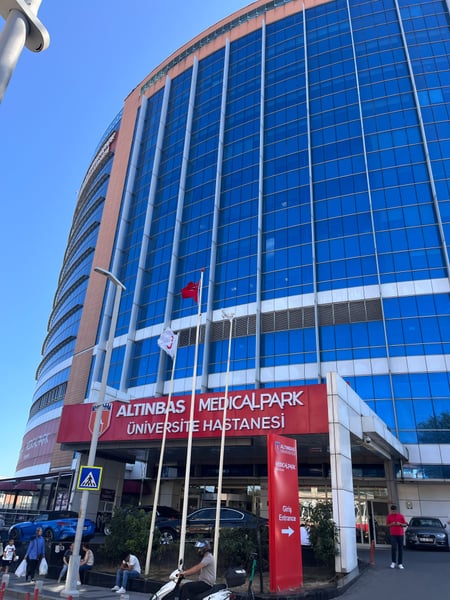
Medical Park Bahcelievler Hospital
Platinum
View Details

Medical Park Bahcelievler Hospital

Istanbul, Turkey

Medical Park Bahcelievler Hospital is a 242-bed JCI-accredited hospital in Istanbul, established in 2007. Spread across 33,000 square meters and 19 fl...

Multi-specialty
Established 2007
242 beds
Accreditations
Joint Commission International (JCI)
Facilities
+13
BLK-Max Super Speciality Hospital, New Delhi
Platinum
View Details

BLK-Max Super Speciality Hospital, New Delhi

New Delhi, India

BLK-Max Super Speciality Hospital in New Delhi is one of India's premier healthcare institutions, offering 650 beds, 22 advanced operation theatres, a...

Multi-specialty
Established 1959
650 beds
Accreditations
Joint Commission International (JCI)
National Accreditation Board for Hospitals & Healthcare Providers (NABH)
Facilities
+13
Fortis Memorial Research Institute (FMRI), Gurgaon
Platinum
View Details

Fortis Memorial Research Institute (FMRI), Gurgaon

Gurgaon, India

Fortis Memorial Research Institute (FMRI), Gurgaon, is a world-class multi-specialty hospital established in 2013. The hospital offers 330 beds, 15 op...

Multi-specialty
Established 2013
330 beds
Accreditations
Joint Commission International (JCI)
National Accreditation Board for Hospitals & Healthcare Providers (NABH)
Facilities
+13
Artemis Hospital, Gurgaon
Platinum
View Details

Artemis Hospital, Gurgaon

Gurgaon, India

Artemis Hospital, Gurgaon, is a JCI accredited multispecialty hospital that was established in 2007. It offers 750+ beds and world -class infrastructu...

Multi-specialty
Established 2007
750 beds
Accreditations
Joint Commission International (JCI)
National Accreditation Board for Hospitals & Healthcare Providers (NABH)
International Organization for Standardization (ISO)
Facilities
+13
Kokilaben Dhirubhai Ambani Hospital, Mumbai
Platinum
View Details

Kokilaben Dhirubhai Ambani Hospital, Mumbai

Mumbai, India

Kokilaben Dhirubhai Ambani Hospital, Mumbai, is a JCI, NABH, NABL, and CAP-accredited quaternary care hospital established in 2009. With 750 beds, 180...

Multi-specialty
Established 2009
750 beds
Accreditations
Joint Commission International (JCI)
National Accreditation Board for Hospitals & Healthcare Providers (NABH)
International Organization for Standardization (ISO)
Facilities
+13
Medicover Hospitals, Hitech City, Hyderabad
Platinum
View Details

Medicover Hospitals, Hitech City, Hyderabad

Hyderabad, India

Medicover Hospitals, Hitech City, Hyderabad, is a 400-bed NABH-accredited super-specialty hospital established in 2011. It is part of Medicover, a glo...

Multi-specialty
Established 2011
400 beds
Accreditations
National Accreditation Board for Hospitals & Healthcare Providers (NABH)
Joint Commission International (JCI)
Facilities
+13

Related Doctors

Connect with experienced doctors and medical specialists in this field.

Dr. Sabarinath C

Dr. Sabarinath C

Consultant

8 years of experience
View Details
Dr. Pradip Chakrabarti

Dr. Pradip Chakrabarti

Head of Department (HOD)

45 years of experience
View Details
Dr. Mukul Rastogi

Dr. Mukul Rastogi

Director

23 years of experience
View Details
Dr. Amit Rastogi

Dr. Amit Rastogi

Chairman

25 years of experience
View Details
Dr. Sushant Srivastava

Dr. Sushant Srivastava

Senior Consultant

30 years of experience
View Details
Dr. Satyendra Katewa

Dr. Satyendra Katewa

Head of Department (HOD)

20 years of experience
View Details

Related Articles

Explore more articles and insights on similar health topics.

How Multidisciplinary Teams Improve Patient Outcomes

Medical Tourism

How Multidisciplinary Teams Improve Patient Outcomes

30/5/2026, 2:09:19 PM
10 min read
When a patient receives a cancer diagnosis, a transplant recommendation, or faces a complex neurological condition, the quality of the decision made i...
Why Hospital Accreditation Matters in Medical Tourism
Medical Tourism

Why Hospital Accreditation Matters in Medical Tourism

30/5/2026, 1:18:43 PM
10 min read
When patients travel abroad for treatment, they make dozens of decisions. Which country. Which city. Which hospital. Which surgeon. And somewhere in t...
Is Brain Tumour Surgery Risky? What Patients Need to Know Before Making a Decision
Medical Tourism

Is Brain Tumour Surgery Risky? What Patients Need to Know Before Making a Decision

30/5/2026, 12:03:07 PM
10 min read
Brain tumour surgery is one of those topics where fear and facts have a complicated relationship. The fear is understandable. The brain controls every...
Managing Pain After Spine Surgery
Medical Tourism

Managing Pain After Spine Surgery

29/5/2026, 8:21:36 AM
12 min read
Pain after major spine surgery is not a side effect to push through quietly. It is a clinical priority that directly affects how well a patient recove...
How Long Does Recovery Take After Spine Surgery?
Medical Tourism

How Long Does Recovery Take After Spine Surgery?

29/5/2026, 5:23:53 AM
13 min read
Spine surgery recovery is one of the most searched and least honestly answered questions in orthopaedic medicine. Most patients get a number from thei...
Organ Transplant Surgery: Risks, Benefits, and Long-Term Survival

Medical Tourism

Organ Transplant Surgery: Risks, Benefits, and Long-Term Survival

29/5/2026, 4:48:52 AM
12 min read
Most people facing end-stage organ failure reach a point where the conversation shifts from managing the disease to replacing the damaged organ entire...
Dr. Riya Shree

Head - International Patient Services

Head - International Patient Services Qonaq Health and Wellness
Clinical Physiotherapist

Dr. Riya Shree is a clinical physiotherapist who completed her internship at Mata Chanan Devi Hospital, New Delhi, gaining hands-on experience in patient care and rehabilitation. She served on the fr... Read More

Our website uses cookies. By clicking on accept you give your consent to the use of cookies as per our Privacy Policy.