
How Long Does Recovery Take After Spine Surgery?
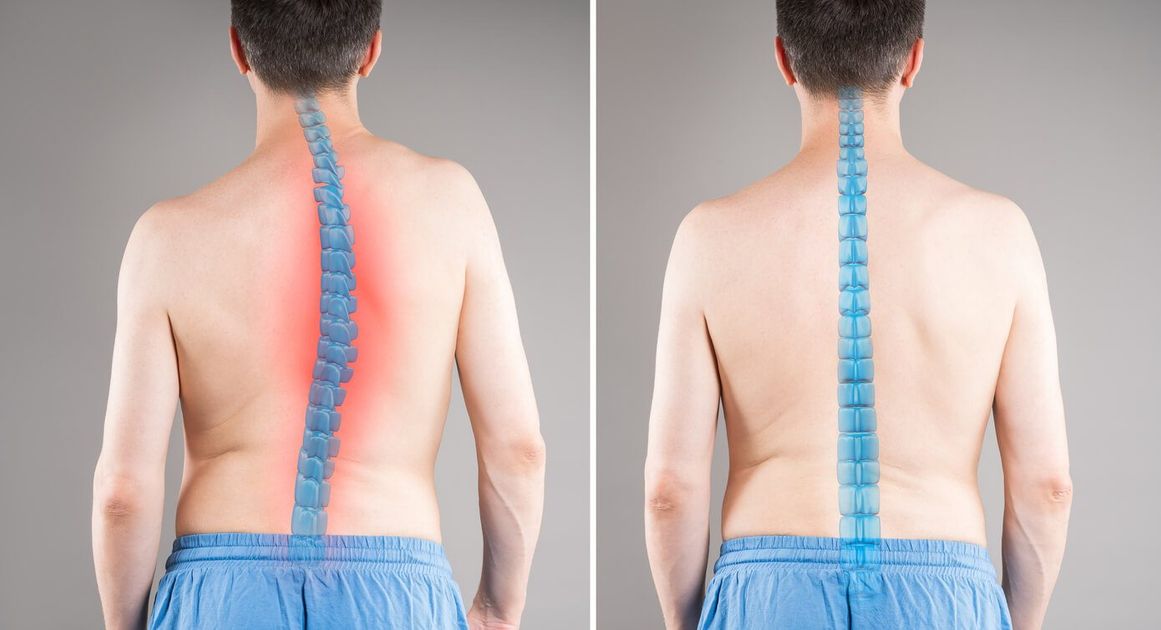
Spine surgery recovery is one of the most searched and least honestly answered questions in orthopaedic medicine. Most patients get a number from their surgeon before the procedure, then spend the following months wondering why that number feels less and less accurate.
The direct answer is this: recovery after spine surgery depends almost entirely on what type of surgery you had. A microdiscectomy for a herniated disc typically allows patients to return to light activity within two to four weeks, with full recovery around six to twelve weeks. Spinal fusion is a fundamentally different commitment, with basic recovery taking three to six months and full bone healing often not complete until twelve months. A laminectomy falls between the two, with most patients returning to desk work within four to six weeks and full recovery running three to six months.
Those numbers are starting points, not guarantees. Age, pre-operative health, surgical complexity, and the quality of rehabilitation all shape how each individual actually moves through this timeline.
This guide breaks down recovery by surgery type, phase, and the factors that genuinely influence how fast or slow the process goes.
Why Does Recovery Time Vary So Much Between Patients?
Before getting into the timelines, it is worth understanding why two patients who had the same operation at the same hospital can have such different recovery experiences.
- Surgery type is the biggest variable. Minimally invasive procedures that remove a small amount of tissue and leave the surrounding structures largely intact heal very differently from open surgeries that involve significant muscle dissection, bone removal, or the placement of hardware to fuse vertebrae together. The more the surgery disrupts the surrounding tissue, the longer the body needs to repair it.
- Pre-operative condition matters significantly. Patients who arrive at surgery in reasonable physical condition, without years of severe nerve compression, significant muscle weakness, or chronic pain central sensitisation, tend to recover faster. A compressed nerve that has been damaged for years may not recover fully even after the structural cause is surgically corrected.
- Age influences recovery pace. Research from University Hospitals Cleveland Medical Centre found that patients older than 60 years took significantly longer to recover from cervical decompression surgery than younger patients, particularly for numbness resolution, with an average of 99 days compared to 60 days in the under-60 group.
- Smoking is a documented recovery inhibitor. The same research found that smoking status was significantly associated with persistent moderate to severe pain within the six-month post-operative period. Nicotine impairs bone healing, reduces blood flow to spinal tissues, and compounds inflammation. For spinal fusion patients in particular, smoking is associated with a higher rate of failed fusion.
- Adherence to rehabilitation determines long-term outcomes. The surgery addresses the structural problem. Physical therapy and rehabilitation are what restore function. Patients who engage fully with their post-operative rehabilitation programme consistently outperform those who do not, regardless of surgical quality.
How Long Does Recovery Take After Microdiscectomy?
Microdiscectomy is one of the most commonly performed spine surgeries, typically used to treat a herniated disc that presses on a nerve root, causing leg or arm pain, numbness, or weakness.
It is a minimally invasive procedure. The surgeon makes a small incision, removes the portion of the disc that is compressing the nerve, and leaves the surrounding structures intact. Hospital stays are usually one to two days, sometimes shorter.
The recovery timeline breaks down as follows:
- Weeks one to two: Most patients experience significant pain relief in the first few days after surgery, which can feel almost startling after months or years of nerve pain. Surgical soreness around the incision and some residual back discomfort are normal. Short walks are encouraged from day one. Sitting for prolonged periods is discouraged because it places significant pressure on the healing disc space.
- Weeks two to four: Mobility improves noticeably. Most patients are managing daily activities independently, including light household tasks. Pain medication requirements have reduced. Many patients return to desk work during this period with appropriate seating support.
- Weeks four to twelve: This phase marks the transition to more structured rehabilitation. Physical therapy typically begins around week four to six, focusing on core strengthening, posture mechanics, and progressive return to physical activity. Most patients reach full recovery within this window for activities of daily life.
Driving is generally permitted two to four weeks after surgery when the patient no longer requires narcotic pain medication and can react quickly in an emergency.
Returning to physically demanding work, including jobs involving heavy lifting, sustained bending, or prolonged standing, typically requires three to six months and is guided by the surgeon's and physiotherapist's assessments of readiness.
One important nuance: nerve recovery after microdiscectomy follows its own timeline, separate from surgical wound healing. Numbness and tingling that were present before surgery may take weeks to months to resolve, and in cases of prolonged nerve compression, some residual symptoms may persist permanently.
How Long Does Recovery Take After Spinal Fusion?
Spinal fusion is a fundamentally different category of spine surgery, and patients who approach it with the same expectations as a discectomy consistently find the recovery harder than anticipated.
Fusion involves permanently joining two or more vertebrae using bone graft material, sometimes supplemented with metal rods, screws, or cages to stabilise the construct while the bone heals. The body must grow new bone across the fusion site, a biological process that cannot be rushed.
- Hospital stay after spinal fusion runs three to five days for most patients, longer for more complex multi-level fusions or cases with significant pre-operative disability.
- The first six weeks focus primarily on wound healing and managing the significant discomfort that comes with major spinal surgery. A back brace is often worn during this period to protect the fusion site from forces that could disrupt early bone growth. Short walks are encouraged early, but bending, twisting, and lifting are strictly restricted. Most patients manage pain with a combination of oral medications, ice therapy, and careful positioning.
- Six weeks to three months brings gradual improvement in mobility and function. Physical therapy begins in earnest during this phase, initially focusing on gentle range-of-motion exercises and core activation. Many patients transition off strong pain medications during this window. Return to sedentary desk work is realistic for most patients at six to eight weeks, provided the commute and work environment can be managed without prolonged sitting.
- Three to six months is when the recovery starts to feel more meaningful. Bone fusion is typically progressing well by this point, with radiological evidence of fusion often visible at the 3- to 4-month mark. Physical activity levels increase, rehabilitation advances to strengthening and functional movement, and most patients who engage in moderate physical work can begin considering a phased return.
- Six to twelve months represents the tail end of full recovery. Bone fusion solidifies during this period, and the body completes its adaptation to the altered spinal mechanics. A 2025 systematic review found that adjacent segment degeneration, in which the vertebra above or below the fusion site experiences accelerated wear, occurs in 36% of patients within 2 to 7 years post-operation. Understanding this risk underlines why post-fusion rehabilitation and long-term spine health management are not optional extras.
A 2025 ten-year study found that while 80% to 85% of spinal fusion patients felt improved in the first two years, this declined to 68% still feeling improved at ten years. It does not make fusion the wrong decision for the right patient, but it does make informed expectations essential before surgery.
How Long Does Recovery Take After a Laminectomy?
A laminectomy removes part of the vertebral bone (the lamina) to relieve pressure on the spinal cord or nerve roots, most commonly for spinal stenosis. It is a more involved procedure than a discectomy but generally less complex than fusion, and recovery sits between the two.
Hospital stays typically run two to three days for a straightforward single-level laminectomy.
- The first two weeks involve wound healing, mobility limitations, and pain management similar to other spine surgeries. Patients are encouraged to walk from day one, but should avoid bending, twisting, and heavy lifting, as these restrictions apply across all spinal surgeries in the early post-operative period.
- Weeks two to six bring meaningful improvement. Pain levels decrease progressively, and most patients find they are moving more freely and relying less on pain medication by the end of this phase. Light daily activities are typically manageable by week four to six.
- Six weeks to three months mark the formal rehabilitation phase for most laminectomy patients. Physical therapy focuses on core stability, postural retraining, and progressive strengthening of the muscles that support the operated spinal segment. Return to work depends on job type: desk workers often manage a phased return at four to six weeks, while those in physically demanding roles typically need closer to three to six months.
Full recovery, meaning reaching the maximum improvement the surgery can provide, generally takes three to six months. Some patients with significant nerve compression before surgery find that neurological symptoms such as leg weakness or bladder control changes improve slowly over a longer period.
How Long Does Recovery Take After Cervical Spine Surgery?
Cervical spine surgery addresses problems in the neck, and the recovery experience differs significantly from that of lumbar (lower back) surgery in a few important ways.
The most common cervical procedures include anterior cervical discectomy and fusion (ACDF), posterior cervical decompression, and cervical laminoplasty. ACDF, where a disc is removed through the front of the neck and the adjacent vertebrae are fused, is the most frequently performed.
- Hospital stay is typically one to two days for straightforward cases.
- The first two to four weeks involve the most significant restrictions. A cervical collar may be prescribed for support during the early healing period. Swallowing discomfort and a sore throat are common after anterior approaches and typically resolve within two weeks. Patients should avoid driving until they can safely turn their head and react quickly, which usually takes two to four weeks.
- Four to twelve weeks is when most cervical surgery patients return to light work and notice meaningful neurological improvement. Research published in PMC found that formal spine rehabilitation should begin at two to three months post-operatively for most cervical surgery patients, with cognitive-behavioural physical therapy beginning immediately after surgery, providing significant benefit.
- Three to six months are required for bone fusion in ACDF patients and for the full expression of neurological recovery. Arm and hand symptoms that resulted from nerve compression may take this long or longer to resolve fully, particularly if the compression was long-standing before surgery.
Return to work research on cervical procedures generally mirrors lumbar fusion data. Office-based roles are typically feasible at two to four weeks post-operatively. Light physical work at six to twelve weeks. Heavy manual labour for three to six months or more, depending on surgical complexity and individual recovery progress.
What Role Does Physical Therapy Play in Spine Surgery Recovery?
Physical therapy is not supplementary to spine surgery recovery. For most patients, it is what separates good outcomes from excellent ones, and where the work of actually restoring function occurs.
Research published in PMC confirms that starting a structured rehabilitation programme four to six weeks after surgery significantly improves disability scores, pain levels, and physical function compared to no rehabilitation, and that higher-intensity exercise protocols produce faster improvements than low-intensity programmes once the healing phase permits.
The typical structure of post-spine surgery physical therapy follows three phases.
- Phase one (weeks one to six) focuses on pain management, gentle range-of-motion exercises, learning proper body mechanics for daily activities, and establishing a walking programme. The goal at this stage is not performance but protection of the healing structure, combined with enough movement to prevent muscle atrophy and stiffness.
- Phase two (weeks six to twelve) introduces progressive core strengthening, flexibility training, and the specific movements patients need to manage their daily lives safely. This is where posture correction, lifting mechanics, and sitting and standing habits get actively retrained.
- Phase three (three to six months) covers advanced strengthening, functional movement specific to the patient's work and lifestyle demands, and strategies to protect adjacent spinal segments from the accelerated stress that the operated level no longer absorbs.
Patients who skip or minimise physical therapy consistently show worse outcomes at one and two-year follow-up compared to those who complete their programme. This finding holds across surgery types, age groups, and levels of surgical complexity.
When Can Patients Return to Work After Spine Surgery?
Return to work after spine surgery is one of the most practically important milestones for most patients, and it is also one of the areas where expectations most frequently diverge from reality.
A 2025 prospective cohort study published in Acta Orthopaedica found that 75% of working-age patients undergoing lumbar fusion returned to work within 2 years of surgery, with a median time to return of 3 months. However, only 60% of patients with predominantly leg pain returned to physically demanding work in the first year, and work absenteeism was significantly higher in physically demanding occupations.
The general guidance by job type is:
- Office and sedentary work: Four to six weeks after minimally invasive surgery, six to eight weeks after fusion, sometimes earlier if the workplace can accommodate restrictions.
- Light physical work: Six to twelve weeks after minimally invasive surgery, three to four months after fusion.
- Heavy manual labour, construction, and physically demanding roles: Three to six months minimum after minimally invasive surgery, six to twelve months after fusion.
These are realistic population averages, not guarantees. An individual who has excellent surgical outcomes, diligently completes rehabilitation, and has an employer that supports a phased return may achieve these milestones faster. A patient with complications, significant pre-operative deconditioning, or a role that is genuinely incompatible with post-surgical restrictions will take longer.
The surgeon and the physiotherapist, working together with the patient's occupational context, are the right people to make individual return-to-work determinations.
What Factors Can Slow Down Recovery After Spine Surgery?
Several variables consistently extend recovery timelines beyond the baseline expectations.
- Complications such as infection at the wound site, dural tear during surgery causing cerebrospinal fluid leak, hardware complications in fusion patients, or the development of adjacent segment disease all require additional treatment and significantly delay return to normal function.
- Failed spinal fusion occurs when the bone graft does not successfully bridge the vertebral gap. It affects an estimated 5% to 20% of fusion cases, depending on the level, technique, and patient factors. Smoking, osteoporosis, diabetes, and multi-level fusions all increase the risk. Failed fusion often requires revision surgery.
- Central sensitisation describes a state in which the nervous system becomes chronically hypersensitive to pain signals, often developing after years of chronic spinal pain before surgery. Patients with central sensitisation frequently experience pain that persists beyond what the structural healing timeline would predict, because the problem is now partly neurological rather than purely structural. Addressing this requires specific pain management strategies alongside surgical recovery.
- Poor rehabilitation engagement is the most common preventable cause of suboptimal outcomes. Patients who do not complete their physical therapy programme, who return to sedentary habits once acute pain resolves, or who return to physically demanding activities before the spine is structurally ready, consistently show worse long-term results.
- Psychological factors, including depression, anxiety, and catastrophic pain thinking, have well-documented associations with prolonged recovery and higher disability ratings after spine surgery. Addressing these alongside physical rehabilitation, rather than treating them as separate concerns, produces significantly better overall outcomes.
What Does Full Recovery After Spine Surgery Actually Mean?
It is a question worth asking honestly, because many patients carry an expectation that full recovery means returning to exactly how they were before the problem developed. That expectation is sometimes accurate and sometimes not.
For patients with acute disc herniations causing nerve pain and no significant pre-operative nerve damage, outcomes after microdiscectomy are generally excellent. Most return to full previous function with no residual limitations.
For patients undergoing fusion for degenerative disc disease, the more realistic goal is a meaningful, sustained reduction in pain and improvement in function compared to the pre-operative baseline, not necessarily a complete return to the physical demands of younger years. The 2025 ten-year data showing 68% of patients still feeling improved at a decade out reflects a strong result for a patient population with chronic, progressive spinal degeneration.
Full recovery is better understood as reaching the maximum benefit the surgery can provide for your specific condition, then maintaining that benefit through long-term spine health practices: regular core strengthening, healthy weight management, avoiding prolonged static postures, not smoking, and continuing with the movement habits established in rehabilitation.
Summary
Recovery after spine surgery is as individual as the person going through it. The surgery type sets the framework. The patient's health, age, and commitment to rehabilitation determine how fully that framework gets built out.
The patients who do best are not always the ones with the least complex surgeries. They are the ones who understand what the recovery process involves before it begins, set realistic expectations for each phase, engage fully with rehabilitation, and give the spine the time it genuinely needs rather than the time they wish it needed.
That combination of patience and active participation is what separates a good surgical outcome from a genuinely transformative one.
Related Hospitals
Discover hospitals and medical centers related to this topic for quality healthcare services.
Medical Park Bahcelievler Hospital
Medical Park Bahcelievler Hospital is a 242-bed JCI-accredited hospital in Istanbul, established in 2007. Spread across 33,000 square meters and 19 fl...
Accreditations

Facilities
BLK-Max Super Speciality Hospital, New Delhi
BLK-Max Super Speciality Hospital in New Delhi is one of India's premier healthcare institutions, offering 650 beds, 22 advanced operation theatres, a...
Accreditations


Facilities
Fortis Memorial Research Institute (FMRI), Gurgaon
Fortis Memorial Research Institute (FMRI), Gurgaon, is a world-class multi-specialty hospital established in 2013. The hospital offers 330 beds, 15 op...
Accreditations


Facilities

Artemis Hospital, Gurgaon
Artemis Hospital, Gurgaon, is a JCI accredited multispecialty hospital that was established in 2007. It offers 750+ beds and world -class infrastructu...
Accreditations



Facilities
Kokilaben Dhirubhai Ambani Hospital, Mumbai
Kokilaben Dhirubhai Ambani Hospital, Mumbai, is a JCI, NABH, NABL, and CAP-accredited quaternary care hospital established in 2009. With 750 beds, 180...
Accreditations


Facilities
Medicover Hospitals, Hitech City, Hyderabad
Medicover Hospitals, Hitech City, Hyderabad, is a 400-bed NABH-accredited super-specialty hospital established in 2011. It is part of Medicover, a glo...
Accreditations


Facilities
Related Doctors
Connect with experienced doctors and medical specialists in this field.

Dr. Thanainit Chotanaphuti
Professor

Dr. Ittichai Sakarunchai
Associate Professor

Dr. Sombat Muengtaweepongsa
Associate Professor

Dr. Rathijit Mitra
Consultant

Dr. Tapas Chatterjee
Consultant

Dr. Chandrasekhar Dhar
Senior Consultant
Related Articles
Explore more articles and insights on similar health topics.

How Multidisciplinary Teams Improve Patient Outcomes

Why Hospital Accreditation Matters in Medical Tourism
Is Brain Tumour Surgery Risky? What Patients Need to Know Before Making a Decision
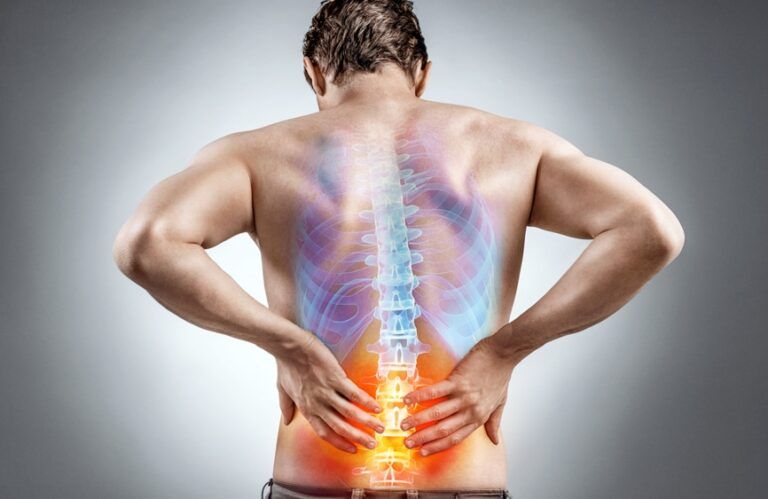
Managing Pain After Spine Surgery

Post-Transplant Care for International Patients

Organ Transplant Surgery: Risks, Benefits, and Long-Term Survival

Our website uses cookies. By clicking on accept you give your consent to the use of cookies as per our Privacy Policy.
