Organ Transplant Surgery: Risks, Benefits, and Long-Term Survival

29/5/2026, 4:48:52 AM 12 min read Medical Tourism
Organ Transplant Surgery: Risks, Benefits, and Long-Term Survival
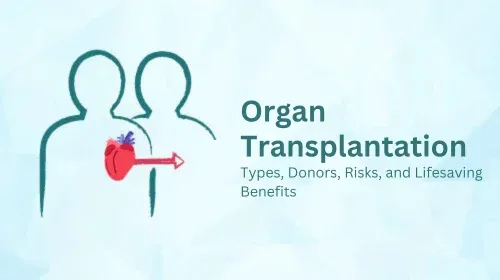
Most people facing end-stage organ failure reach a point where the conversation shifts from managing the disease to replacing the damaged organ entirely. That is when organ transplant surgery enters the picture, and with it, a set of questions that feel almost too big to answer.


Is the surgery worth it? What are the real risks? What does life actually look like on the other side?


Here are all the answers you need. Organ transplant surgery carries meaningful benefits, including significantly extended life, freedom from dependency on machines or medications that only delay the inevitable, and a quality of life that most patients thought they had permanently lost. It also carries real risks, including organ rejection, serious infections, and long-term complications from the medications needed to keep the transplanted organ functioning.


Benefits of Organ Transplant Surgery

Does Organ Transplant Surgery Actually Extend Life?

The survival data behind organ transplantation is striking, and it has been getting better every decade.

A landmark study published in JAMA Surgery found that solid organ transplants saved more than two million life-years in the United States over 25 years. More recent data from nearly 814,000 patients listed for kidney, liver, heart, and lung transplants confirms that intent-to-treat survival has continued to climb steadily across all major organ types.


The numbers by organ tell a clear story:


  • Kidney transplant patients see around 95% one-year survival. Living-donor kidneys perform better than deceased-donor kidneys at every point in the long-term timeline.
  • Liver transplant recipients at experienced centers achieve one-year survival rates above 90%, with five-year survival rates sitting around 75%.
  • Heart transplant patients now have a median survival exceeding 13 years after transplant, a figure that would have been unthinkable two decades ago.
  • Lung transplant offers one-year survival of around 80 to 85%, with long-term outcomes improving as chronic rejection management advances.

Without a transplant, the trajectory for end-stage organ failure points in one direction. These numbers show what transplant makes possible instead.


How Significantly Does Transplant Improve Quality of Life?

Survival statistics tell one part of the story. What patients experience in daily life tells another, and it is arguably the more powerful form of evidence.


  • Kidney transplant recipients stop dialysis. That single change frees up 12 or more hours every week that were previously spent connected to a machine. Energy levels improve. Dietary restrictions that governed every meal eased considerably. Travel, spontaneous plans, and physical activity all become possible again in ways that dialysis does not permit.
  • Heart transplant recipients often describe the contrast as difficult to put into words. Many arrive at surgery barely able to walk to the bathroom without stopping to rest. Within 6 to 12 months post-transplant, a significant proportion return to work, exercise regularly, and describe their daily lives as essentially normal.
  • Liver transplant patients recover from the full burden of end-stage liver disease: the chronic exhaustion, the jaundice, the fluid retention, the hepatic encephalopathy that fogs thinking and affects personality. Most describe their pre-transplant state as one of progressive deterioration. The post-transplant experience, for those who recover well, is genuinely transformative.

A 2024 University of Groningen study confirmed these lived experiences with data, showing that kidney transplantation significantly improves health-related quality of life across physical, emotional, and social functioning domains, including among older recipients, where quality-of-life gains had previously been less well understood.


What Does the Long-Term Financial Picture of Transplant Look Like?

This dimension of the decision rarely gets the attention it deserves, but for many families it matters enormously.

Kidney dialysis in the United States costs between $70,000 and $100,000 per patient per year. A kidney transplant costs more upfront, but within two to four years, the cumulative cost crosses over, and from that point forward, the transplant is both clinically superior and financially more rational.


The same logic applies to other organ types. Long-term management of end-stage heart failure, cirrhosis, or chronic respiratory failure is expensive, medically intensive, and offers diminishing returns over time. Transplant replaces that trajectory with a one-time intervention that restores meaningful function, provided the patient receives appropriate ongoing care.


For patients considering transplant abroad, the financial equation shifts even further. High-quality, internationally accredited transplant programs in countries such as India, Turkey, Germany, and South Korea deliver outcomes that are fully comparable to those of Western centers, at substantially lower costs. This is not a compromise. It is a different economic context producing equivalent clinical results.


Real Risks of Organ Transplant Surgery

What Is Organ Rejection and How Does It Happen?

Organ rejection is the immune system doing exactly what it evolved to do: identifying foreign material and eliminating it. The problem is that the transplanted organ, despite being lifesaving, reads as foreign to the recipient's immune system. Preventing that attack is the central challenge that transplant medicine has been working on since the first successful kidney transplant in 1954.


Rejection falls into three categories, and understanding them matters because the implications of each are very different.


  • Hyperacute rejection occurs within minutes to hours of the transplanted organ receiving blood flow. It results from preformed antibodies in the recipient attacking the donor organ immediately. Meticulous pre-operative cross-matching and blood group compatibility testing have made this extremely rare in modern transplant practice.
  • Acute rejection typically appears within the first year, most commonly in the first three months. The immune system mounts an active attack on the graft. Symptoms vary by organ but can include fever, tenderness over the transplant site, and declining organ function. The critical point is that acute rejection, when caught early, responds well to treatment in the majority of cases. This is why post-transplant monitoring is so intensive in the first year: the goal is to detect and treat rejection before it becomes irreversible.
  • Chronic rejection is a slower, more insidious process. It damages the transplanted organ gradually over months or years through a combination of immune-mediated injury and fibrosis. It remains one of the primary causes of long-term graft failure and is significantly harder to treat than acute rejection. Managing it requires sustained immunosuppression, regular biopsies, and close collaboration between the patient and the transplant team.


What Risks Do Immunosuppressant Medications Carry?

Immunosuppressants are not optional after an allogeneic organ transplant. Without them, the immune system would destroy the donated organ within days. But keeping the immune system suppressed long-term is a balancing act with serious consequences.


A 2025 nationwide analysis published in the Journal of Clinical Medicine, examining transplant recipients across kidney, liver, heart, pancreas, and lung categories, identified a consistent pattern of complications associated with long-term immunosuppressive therapy.


  • Infection is the most immediate and ongoing concern. By deliberately lowering the immune system's defensive capacity, recipients become vulnerable to bacterial, viral, fungal, and parasitic infections that a healthy immune system would ordinarily handle with ease. Opportunistic infections, including cytomegalovirus (CMV), Pneumocystis pneumonia, and Aspergillus fungal infections, require specific prophylactic medications during the highest-risk period after transplant.
  • Kidney damage affects non-kidney transplant recipients significantly. Calcineurin inhibitors, particularly tacrolimus and cyclosporin, which form the backbone of most immunosuppression regimens, are nephrotoxic over time. Studies show that around 10% to 15% of non-renal transplant recipients develop end-stage kidney disease within ten years of transplant, largely attributable to this effect.
  • Cardiovascular risk increases meaningfully with long-term immunosuppression. High BP, elevated cholesterol, and weight gain all worsen under sustained steroid and calcineurin inhibitor use. Cardiovascular disease is among the primary causes of late death among kidney and liver transplant recipients who have successfully cleared the early post-transplant hurdles.
  • New-onset diabetes after transplant (NODAT) affects a significant proportion of recipients, driven primarily by corticosteroid use and, in liver transplant recipients, particularly by tacrolimus. Careful drug selection and dose management reduce but do not eliminate this risk.
  • Secondary cancers are a genuine long-term concern. Sustained immune suppression raises the risk of skin cancers substantially, with squamous cell carcinoma occurring at rates many times higher in transplant recipients than in the general population. Post-transplant lymphoproliferative disorder (PTLD), a serious B-cell condition linked to Epstein-Barr virus reactivation, is rarer but potentially life-threatening and requires prompt identification and treatment.
  • Bone loss compounds over years of corticosteroid use, increasing the risk of osteoporosis and fracture, particularly in older recipients. Calcium and vitamin D supplementation, along with bone density monitoring, are standard components of long-term transplant care.

None of these risks makes transplant the wrong decision for the right patient. They make lifelong monitoring, medication management, and active engagement with the transplant team non-negotiable parts of the transplant commitment.


What Surgical Complications Are Specific to Organ Transplant?

Beyond the general risks that come with any major operation, organ transplant surgery involves specific procedural risks that patients need to understand before going into the operating theatre.


  • Primary non-function means the transplanted organ never begins working after surgery. It is uncommon at experienced centers but represents a serious outcome requiring immediate clinical management and, in some cases, urgent re-listing for another organ.
  • Vascular complications, including arterial or venous thrombosis at the points where the donor organ connects to the recipient's blood supply, can threaten the graft and require emergency reoperation. These are most critical in the first 72 hours after transplant.
  • Bile duct complications are specific to liver transplant and include leaks or strictures at the biliary anastomosis. They can develop days to weeks after surgery and may require endoscopic or surgical intervention to resolve.
  • Urological complications in kidney transplant, including urinary leaks or ureteric strictures, are managed similarly with intervention when detected early.
  • Bleeding carries an elevated risk in transplant patients because of both the surgical complexity and the effect of immunosuppression on healing.

The consistent thread across all of these is that surgical complication rates are meaningfully lower at high-volume transplant centers with experienced, specialized teams. This is not a minor variable. It is one of the most evidence-supported reasons to choose a center carefully, whether at home or abroad.


What Is the Infection Risk After Organ Transplant Surgery?

Infection is one of the leading causes of morbidity after transplant, and the risk profile changes depending on how far the patient is from their transplant date.


  • In the first month, hospital-acquired bacterial infections and surgical site infections represent the primary threat. These are managed with prophylactic antibiotics and rigorous surgical technique.
  • From months one to six, the immunosuppression load is typically at its highest, and opportunistic infections dominate the risk profile. CMV reactivation is particularly common and can affect multiple organ systems. Pneumocystis jirovecii pneumonia (PCP) and invasive fungal infections also peak during this window. Prophylactic medications target each of these specifically, and regular blood monitoring detects reactivation early.
  • After six months, stable recipients who have successfully tapered their immunosuppression gradually transition toward a risk profile more similar to the general community, though it never fully normalizes. Upper RTIs, sinusitis, and urinary tract infections occur more frequently than in the non-immunosuppressed population, and any fever requires prompt medical evaluation rather than watchful waiting.

Patients play a genuinely active role in managing infection risk through hand hygiene, avoiding contact with unwell individuals during high-risk periods, staying up to date with appropriate vaccinations, and reporting symptoms promptly rather than managing them at home.


How Do Risks and Benefits Differ by Organ Type?

Kidney Transplant

The case for a kidney transplant is among the strongest in transplant medicine. Recipients gain freedom from dialysis, which most describe as the single most life-altering change. Survival on transplant consistently outperforms survival on long-term dialysis across age groups.


The main long-term risks are calcineurin inhibitor nephrotoxicity affecting the transplanted kidney over time, a high incidence of hypertension requiring medication, and elevated urinary tract infection rates. Living donor kidneys outperform deceased donor kidneys on virtually every outcome measure, and paired exchange programs have expanded access to living donors for patients without a compatible direct donor.


Liver Transplant

Liver transplant is the only curative option for end-stage liver disease and selected liver cancers meeting specific criteria. One-year survival exceeds 90% at experienced centers. The clinical transformation for patients with severe cirrhosis is among the most dramatic in all of medicine.


Key risks include bile duct complications, a high rate of new-onset diabetes, and the potential for recurrence of the original liver disease, particularly alcoholic liver disease, non-alcoholic steatohepatitis, and viral hepatitis. Managing these long-term requires a consistent lifestyle commitment alongside medical management.


Heart Transplant

Heart transplant offers the only definitive treatment for end-stage heart failure unresponsive to medical therapy or device support. Median survival now exceeds 13 years, and functional recovery is often profound.


The defining long-term risk is cardiac allograft vasculopathy (CAV), a form of chronic rejection that affects the coronary arteries and develops in a significant proportion of long-term recipients. Annual coronary angiography is standard follow-up care for this reason. Because the heart tolerates rejection poorly, immunosuppression requirements are higher than for kidney and liver transplants, which compounds infection and long-term medication side effect risks.


Lung Transplant

Lung transplant offers patients with end-stage respiratory failure, from conditions including COPD, pulmonary fibrosis, and cystic fibrosis, a return to meaningful breathing and daily activity that their disease had taken from them


The honest challenge with lung transplant is that long-term outcomes remain more limited than with other organ types. Chronic lung allograft dysfunction (CLAD) and bronchiolitis obliterans syndrome affect a high proportion of long-term recipients and drive ongoing research in the field. Infection rates are higher after a lung transplant than after any other solid organ transplant. Patients and families should enter this conversation with a clear understanding of both what transplant offers and where the current frontier of outcomes lies.


What Factors Make Organ Transplant Outcomes Better or Worse?

Outcomes in transplant medicine are not random. Several variables consistently shape whether a recipient does well, and many of them are modifiable.


  • Transplant center volume and experience are the most consistently documented predictors across all organ types. Higher-volume centers produce lower complication rates, better rejection management, and superior long-term survival. This holds across international settings, which is why center selection, not country selection, should drive the decision for patients exploring treatment abroad.
  • Disease severity at the time of transplant matters significantly. Patients transplanted in a more stable clinical condition experience fewer post-operative complications and recover faster than those who arrive critically ill. This is part of why transplant teams push to proceed before deterioration becomes severe.
  • Medication adherence is one of the most underappreciated drivers of long-term outcomes. Late acute rejection, the kind that occurs a year or more after transplant when patients may have relaxed their vigilance, is disproportionately associated with missed immunosuppressant doses. Transplant education programs invest heavily in this area precisely because the consequences of non-adherence are so well documented.
  • Lifestyle choices post-transplant significantly influence the long-term complication profile. Stopping smoking, managing blood pressure and blood glucose, maintaining a healthy weight, and practicing rigorous sun protection all reduce the risk of cardiovascular disease, secondary cancers, and other late effects that carry real mortality implications.


Key Takeaway

Organ transplant surgery is a decision that changes everything. The risks are real, the recovery is long, and the commitment to lifelong management is genuine. Understanding all of that clearly, before making the decision, is the only way to make it on solid ground.


But so is this: for the right patient, at the right time, with the right team, organ transplant surgery delivers what nothing else can. It gives back a life. Not just more of it, but a version of it that actually feels worth living.


That is what the data shows. It is also what transplant recipients say, again and again, when they look back on the moment they made the decision.

Related Hospitals

Discover hospitals and medical centers related to this topic for quality healthcare services.
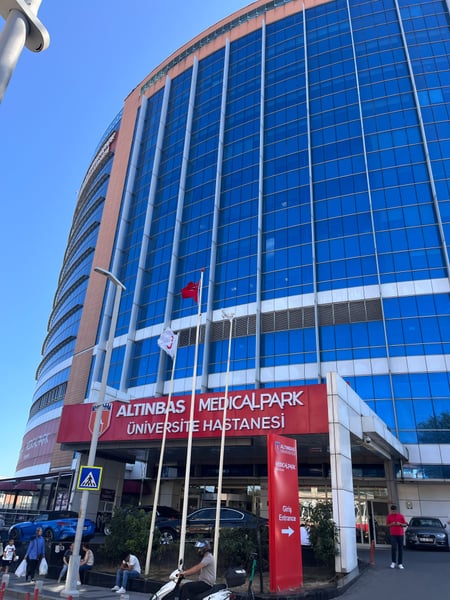
Medical Park Bahcelievler Hospital
Platinum
View Details

Medical Park Bahcelievler Hospital

Istanbul, Turkey

Medical Park Bahcelievler Hospital is a 242-bed JCI-accredited hospital in Istanbul, established in 2007. Spread across 33,000 square meters and 19 fl...

Multi-specialty
Established 2007
242 beds
Accreditations
Joint Commission International (JCI)
Facilities
+13
BLK-Max Super Speciality Hospital, New Delhi
Platinum
View Details

BLK-Max Super Speciality Hospital, New Delhi

New Delhi, India

BLK-Max Super Speciality Hospital in New Delhi is one of India's premier healthcare institutions, offering 650 beds, 22 advanced operation theatres, a...

Multi-specialty
Established 1959
650 beds
Accreditations
Joint Commission International (JCI)
National Accreditation Board for Hospitals & Healthcare Providers (NABH)
Facilities
+13
Fortis Memorial Research Institute (FMRI), Gurgaon
Platinum
View Details

Fortis Memorial Research Institute (FMRI), Gurgaon

Gurgaon, India

Fortis Memorial Research Institute (FMRI), Gurgaon, is a world-class multi-specialty hospital established in 2013. The hospital offers 330 beds, 15 op...

Multi-specialty
Established 2013
330 beds
Accreditations
Joint Commission International (JCI)
National Accreditation Board for Hospitals & Healthcare Providers (NABH)
Facilities
+13
Artemis Hospital, Gurgaon
Platinum
View Details

Artemis Hospital, Gurgaon

Gurgaon, India

Artemis Hospital, Gurgaon, is a JCI accredited multispecialty hospital that was established in 2007. It offers 750+ beds and world -class infrastructu...

Multi-specialty
Established 2007
750 beds
Accreditations
Joint Commission International (JCI)
National Accreditation Board for Hospitals & Healthcare Providers (NABH)
International Organization for Standardization (ISO)
Facilities
+13
Kokilaben Dhirubhai Ambani Hospital, Mumbai
Platinum
View Details

Kokilaben Dhirubhai Ambani Hospital, Mumbai

Mumbai, India

Kokilaben Dhirubhai Ambani Hospital, Mumbai, is a JCI, NABH, NABL, and CAP-accredited quaternary care hospital established in 2009. With 750 beds, 180...

Multi-specialty
Established 2009
750 beds
Accreditations
Joint Commission International (JCI)
National Accreditation Board for Hospitals & Healthcare Providers (NABH)
International Organization for Standardization (ISO)
Facilities
+13
Medicover Hospitals, Hitech City, Hyderabad
Platinum
View Details

Medicover Hospitals, Hitech City, Hyderabad

Hyderabad, India

Medicover Hospitals, Hitech City, Hyderabad, is a 400-bed NABH-accredited super-specialty hospital established in 2011. It is part of Medicover, a glo...

Multi-specialty
Established 2011
400 beds
Accreditations
National Accreditation Board for Hospitals & Healthcare Providers (NABH)
Joint Commission International (JCI)
Facilities
+13

Related Doctors

Connect with experienced doctors and medical specialists in this field.
Dr. Wichit Arpornwirat

Dr. Wichit Arpornwirat

Consultant

30 years of experience
View Details
Dr. Prasan Kachonrattanadet

Dr. Prasan Kachonrattanadet

Consultant

31 years of experience
View Details
Dr. Sabarinath C

Dr. Sabarinath C

Consultant

8 years of experience
View Details
Dr. Pradip Chakrabarti

Dr. Pradip Chakrabarti

Head of Department (HOD)

45 years of experience
View Details
Dr. Suraj Chiraniya

Dr. Suraj Chiraniya

Senior Consultant

16 years of experience
View Details
Dr. Shishir Shetty

Dr. Shishir Shetty

Head of Department (HOD)

14 years of experience
View Details

Related Articles

Explore more articles and insights on similar health topics.

How Multidisciplinary Teams Improve Patient Outcomes

Medical Tourism

How Multidisciplinary Teams Improve Patient Outcomes

30/5/2026, 2:09:19 PM
10 min read
When a patient receives a cancer diagnosis, a transplant recommendation, or faces a complex neurological condition, the quality of the decision made i...
Why Hospital Accreditation Matters in Medical Tourism
Medical Tourism

Why Hospital Accreditation Matters in Medical Tourism

30/5/2026, 1:18:43 PM
10 min read
When patients travel abroad for treatment, they make dozens of decisions. Which country. Which city. Which hospital. Which surgeon. And somewhere in t...
Is Brain Tumour Surgery Risky? What Patients Need to Know Before Making a Decision
Medical Tourism

Is Brain Tumour Surgery Risky? What Patients Need to Know Before Making a Decision
30/5/2026, 12:03:07 PM
10 min read
Brain tumour surgery is one of those topics where fear and facts have a complicated relationship. The fear is understandable. The brain controls every...
Managing Pain After Spine Surgery
Medical Tourism

Managing Pain After Spine Surgery

29/5/2026, 8:21:36 AM
12 min read
Pain after major spine surgery is not a side effect to push through quietly. It is a clinical priority that directly affects how well a patient recove...
How Long Does Recovery Take After Spine Surgery?
Medical Tourism

How Long Does Recovery Take After Spine Surgery?

29/5/2026, 5:23:53 AM
13 min read
Spine surgery recovery is one of the most searched and least honestly answered questions in orthopaedic medicine. Most patients get a number from thei...
Post-Transplant Care for International Patients

Medical Tourism

Post-Transplant Care for International Patients

29/5/2026, 5:05:59 AM
14 min read
The surgery is behind you. The new organ is working. And at some point in those first weeks, the conversation shifts from recovery to departure, from ...
Dr. Deepanshu Siwach

Sr. Medical Writer

Sr. Medical Content Writer Qonaq Health and Wellness
Doctor of Pharmacy

Dr. Deepanshu Siwach is an experienced clinical pharmacist with a Doctor of Pharmacy degree. He has over 4 years of experience and has worked with thousands of patients. He has been associated with ... Read More

Our website uses cookies. By clicking on accept you give your consent to the use of cookies as per our Privacy Policy.