
Colorectal Cancer Treatment Cost in India
About Colorectal Cancer Treatment
Colorectal cancer is one of the most common cancers worldwide. Yet, also one of the most preventable and highly treatable when detected early. According to the World Health Organization (WHO), it ranks among the top three cancers globally, with over 1.9 million new cases reported each year. Despite these numbers, survival rates continue to improve thanks to advances in early screening, minimally invasive surgery, and personalized therapies.
This disease often starts quietly, with few or no symptoms in its early stages. Over time, it can interfere with digestion, nutrition, and overall health. Today, cutting-edge medical care focuses not only on removing tumors but also on preserving normal bowel function, preventing recurrence, and ensuring the patient's quality of life during and after treatment.
What Is Colorectal Cancer and Its Types?
Colorectal cancer begins in the lining of the large intestine, which includes the colon and rectum. The colon absorbs water and nutrients from the ingested food, while the rectum stores waste before elimination. Cancer develops when cells grow uncontrollably in these areas, forming tumors that can spread to nearby tissues or distant organs.
Most colon cancer starts as tiny growths called polyps. These polyps are initially benign, but over time, certain types may become cancerous. Detecting and removing them early, often through a routine colonoscopy, can prevent the disease altogether.
Doctors classify colorectal cancer into several main types, based on where it starts and how the cells behave:
- Adenocarcinoma: This is the most common type, accounting for nearly 95% of all colorectal cancers. It starts from the glandular cells lining the colon and rectum, which produce mucus.
- Mucinous Adenocarcinoma: This subtype produces excessive mucus, which can make the colon cancer more aggressive and harder to detect. It represents about 10–15% of all colorectal tumors.
- Signet Ring Cell Carcinoma: A rare but aggressive form, it spreads quickly and often affects younger individuals. It accounts for less than 1% of all cases but requires specialized management.
- Squamous Cell Carcinoma and Other Rare Forms: These cancers develop from the flat surface cells of the rectum or from other rare tissue types. Though uncommon, they may require combined treatment approaches, including radiation and chemotherapy.
Colon cancer can affect anyone, but the risk increases after age 50, particularly in people with a family history, inflammatory bowel disease, or diets high in red and processed meat. Regular screening remains the most effective tool for prevention and early detection.
What Are the Symptoms of Colorectal Cancer?
Colon cancer often develops silently. In its early stages, it may cause few or no symptoms, which is why many people are diagnosed only after a routine screening. As the colorectal cancer progresses, symptoms become more noticeable and may affect digestion, bowel habits, and overall energy levels.
Common Symptoms Include:
- Changes in bowel habits, such as constant diarrhea, constipation, or alternating between the two.
- Blood in the stool or dark, tarry stools indicate bleeding in the colon or rectum.
- Abdominal discomfort, bloating, or cramping that does not go away.
- A feeling of incomplete bowel emptying, even after passing stool.
- Unexplained weight loss or loss of appetite over a short period.
- Persistent fatigue or weakness, often due to internal blood loss and anemia.
Less Common but Concerning Signs
- Narrow or ribbon-shaped stools
- Unexplained nausea or vomiting
- Pain in the lower back or pelvic region
- Jaundice, if cancer spreads to the liver
These symptoms do not always indicate cancer. Conditions such as hemorrhoids, infections, or irritable bowel syndrome can cause similar problems. However, when these issues persist beyond a few weeks, it is essential to consult a gastroenterologist or oncologist for evaluation.
How Is Colon Cancer Diagnosed?
Early and accurate diagnosis is the foundation of successful colon cancer treatment. Oncologists use a combination of physical examinations, imaging tests, and laboratory investigations to detect the disease, determine its stage, and plan the most effective treatment strategy.
Medical History and Physical Examination
The doctor begins by discussing your symptoms, lifestyle habits, and family history of cancer. A detailed physical examination helps identify visible or palpable abnormalities, especially if tumors are located in the rectal area.
Screening and Diagnostic Tests
- Colonoscopy: A colonoscopy remains the standard for detecting colorectal cancer. During this test, the doctor uses a flexible tube with a camera to examine the colon and rectum. Suspicious growths or polyps can be removed or biopsied during the same procedure.
- Sigmoidoscopy: This test focuses on the lower part of the colon and rectum. It is often used when symptoms are localized or when a complete colonoscopy is not required.
- Stool-Based Tests: These tests detect hidden blood or abnormal DNA in stool samples. Options include the Fecal Occult Blood Test (FOBT), Fecal Immunochemical Test (FIT), and stool DNA tests such as Cologuard®.
- Imaging Tests: CT scans, MRI, and PET-CT help doctors visualize the tumor, assess whether it has spread to other organs, and plan surgery or radiation accurately. CT Colonography (Virtual Colonoscopy) offers a non-invasive alternative for patients unable to undergo traditional colonoscopy.
- Biopsy: A biopsy provides the most definitive diagnosis. The pathologist examines a small tissue sample under a microscope and confirms whether the cells are cancerous.
Blood Tests and Genetic Analysis
Doctors may order tests to check for tumor markers, such as CEA (Carcinoembryonic Antigen), which help monitor disease progression. Genetic and molecular tests identify specific mutations (such as KRAS or BRAF) that guide targeted therapy decisions.
What Are the Treatment Options for Colon Cancer?
Colon cancer treatment depends on the cancer stage, the tumor location, and the patient's overall health. The main goal is to destroy cancer cells, prevent recurrence, and restore normal bowel function.
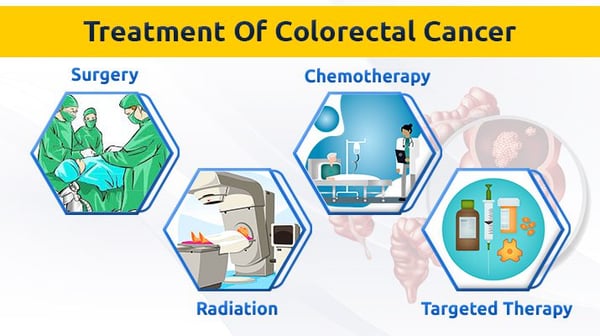
Surgery
Surgery remains the cornerstone of colorectal cancer treatment. It offers the highest chance of cure, especially when cancer is detected early. The oncosurgeon removes the tumor along with a margin of healthy colon tissue and nearby lymph nodes to reduce the risk of recurrence.
Types of Surgery:
- Polypectomy and Local Excision: Used for very early cancers confined to small polyps. The surgeon removes them during a colonoscopy without major incisions.
- Colectomy: The procedure involves removing part or all of the colon that contains the tumor. Surgeons may perform it through traditional open surgery or minimally invasive laparoscopic or robotic-assisted techniques, which allow faster recovery.
- Colostomy or Ileostomy: In a few cases, a temporary opening is created in the abdomen to allow waste to pass if the bowel needs rest after surgery.
- Transanal Surgery: For early-stage rectal cancers, surgeons can remove tumors directly through the anus without abdominal incisions.
Advances in surgical techniques now allow for nerve-sparing and sphincter-preserving procedures, helping patients maintain normal bowel control and quality of life after recovery.
Chemotherapy
Chemotherapy uses drugs that destroy rapidly dividing cancer cells. Chemo can be given before surgery (neoadjuvant therapy) to shrink the tumor, or after surgery (adjuvant therapy) to eliminate any remaining cancer cells.
Commonly Used Drugs:
- 5-Fluorouracil (5-FU)
- Oxaliplatin
- Irinotecan
- Capecitabine (Xeloda)
Combination regimens such as FOLFOX or FOLFIRI are standard treatments for advanced or metastatic disease. Modern chemotherapy protocols are far more tolerable today, with effective medications to control side effects like nausea or fatigue.
Radiation Therapy
Radiotherapy uses high-energy beams to kill cancer cells or stop them from multiplying. It is most commonly used for rectal cancer to shrink the tumor before surgery or to reduce recurrence after surgery.
Advanced technologies like Intensity-Modulated Radiation Therapy (IMRT) and Image-Guided Radiation Therapy (IGRT) deliver radiation precisely to the tumor while sparing healthy tissues.
Targeted Therapy
Targeted drugs attack specific molecules that help cancer cells grow. These therapies do not harm normal cells, making them more precise than standard chemotherapy.
Common Targeted Drugs Include:
- Bevacizumab (Avastin): Blocks the formation of blood vessels that feed tumors.
- Cetuximab (Erbitux) and Panitumumab (Vectibix): Block EGFR receptors on cancer cells.
Targeted therapy is beneficial for metastatic colorectal cancer and is often combined with chemotherapy for better control.
Immunotherapy
Immunotherapy helps the body's immune system recognize and attack cancer cells. It is mainly used for patients with microsatellite instability-high (MSI-H) or mismatch repair-deficient (dMMR) colorectal cancers.
Drugs such as Pembrolizumab (Keytruda) and Nivolumab (Opdivo) have shown promising results, especially in advanced or recurrent cases.
Palliative and Supportive Care
For advanced stages, doctors focus on improving quality of life through symptom relief, pain management, and nutritional support. Palliative care works alongside medical treatment to maintain comfort, dignity, and emotional well-being.
Get a Free Treatment Plan
About Colorectal Cancer Treatment in India
What Is the Cost of Colon Cancer Treatment in India?
Colon cancer treatment costs in India vary depending on the stage of the disease, the type of treatment required, and the hospital or oncology center chosen. On average, the cost ranges between ₹2,50,000 and ₹9,00,000 (approximately $3,000 to $10,800) for complete treatment, including surgery, chemotherapy, and radiation.
Average Cost of Colorectal Cancer Treatment in India
Treatment Type | Average Cost (INR) | Average Cost (USD) |
| Diagnostic Tests and Biopsy | ₹15,000 – ₹40,000 | $180 – $480 |
| Surgery (Colectomy / Rectal Resection) | ₹2,50,000 – ₹5,00,000 | $3,000 – $6,000 |
| Chemotherapy (Per Cycle) | ₹35,000 – ₹80,000 | $420 – $960 |
| Full Chemotherapy Course (6–12 cycles) | ₹2,00,000 – ₹6,00,000 | $2,400 – $7,200 |
| Radiation Therapy (IMRT / IGRT) | ₹1,50,000 – ₹3,00,000 | $1,800 – $3,600 |
| Targeted Therapy | ₹1,80,000 – ₹4,00,000 | $2,150 – $4,800 |
| Immunotherapy (Per Dose) | ₹2,50,000 – ₹4,50,000 | $3,000 – $5,400 |
| Total Comprehensive Treatment (Estimated) | ₹2,50,000 – ₹9,00,000+ | $3,000 – $10,800+ |
- Early-stage cancers requiring only surgery or limited chemotherapy are less expensive.
- Advanced or metastatic cancers that involve multiple treatment modalities, such as targeted or immunotherapy, can increase costs.
- Minimally invasive or robotic surgeries may have a higher upfront cost but provide faster recovery and fewer hospital days.
Even at the upper range, colorectal cancer treatment in India costs significantly less than in most Western countries, while maintaining the same medical standards, technologies, and success rates.
Hospitals and cancer centers usually offer all-inclusive treatment plans that cover medical, surgical, and inpatient services. However, certain costs may vary depending on individual requirements and treatment duration.
Inclusions:
A comprehensive colorectal cancer treatment package generally covers the following:
- Oncologist and surgeon consultation fees
- Pre-operative evaluation and investigations (blood tests, imaging, colonoscopy, biopsy)
- Hospitalization and operation theatre charges
- Anesthesia and surgery fees
- Chemotherapy or radiation therapy sessions as prescribed in the treatment plan
- Post-operative medications and in-hospital nursing care
- Routine follow-up visits during the treatment period
- Patient support services, including diet planning and physiotherapy, if required
These inclusions ensure that the medical aspects of diagnosis, treatment, and immediate recovery are covered transparently without hidden costs.
Exclusions:
Some expenses may fall outside the standard cost package and are billed separately, such as:
- High-cost targeted or immunotherapy drugs are not included in basic packages
- An additional hospital stay beyond the recommended duration
- Advanced molecular or genetic tests for personalized therapy decisions
- Post-discharge medications and at-home care supplies
- Travel, visa, and accommodation for international patients and attendants
- Management of unrelated medical conditions identified during treatment
Hospitals typically provide a detailed cost estimate before starting treatment, outlining all potential inclusions and exclusions.
City-Wise Colorectal Cancer Treatment Cost in India
The cost of colorectal cancer treatment varies across major Indian cities depending on hospital infrastructure, technology, oncologist expertise, and overall living costs. While top-tier hospitals in metro cities may charge slightly more, the level of expertise, advanced equipment, and comprehensive care justify the investment.
City | Average Treatment Cost (INR) | Average Treatment Cost (USD) |
| Delhi NCR | ₹3,00,000 – ₹9,00,000 | $3,600 – $10,800 |
| Mumbai | ₹3,50,000 – ₹9,50,000 | $4,200 – $11,400 |
| Bangalore | ₹2,80,000 – ₹8,50,000 | $3,350 – $10,200 |
| Chennai | ₹2,70,000 – ₹8,00,000 | $3,250 – $9,600 |
| Hyderabad | ₹2,50,000 – ₹7,50,000 | $3,000 – $9,000 |
| Pune | ₹2,60,000 – ₹7,80,000 | $3,100 – $9,350 |
| Kolkata | ₹2,40,000 – ₹7,00,000 | $2,900 – $8,400 |
How Does the Cost in India Compare to Other Countries?
Colorectal cancer treatment in India offers the same level of medical expertise, advanced technology, and surgical precision as leading global cancer centers, but at a much lower cost. The primary difference lies not in the quality of care but in the lower infrastructure, operational, and medication expenses, which make treatment in India significantly more affordable for international patients.
Country | Average Total Cost (USD) | Approximate Cost (INR) |
| India | $3,000 – $10,800 | ₹2,50,000 – ₹9,00,000 |
| United States | $40,000 – $80,000 | ₹33,00,000 – ₹66,00,000 |
| United Kingdom | $30,000 – $60,000 | ₹24,00,000 – ₹49,50,000 |
| Singapore | $25,000 – $50,000 | ₹20,50,000 – ₹41,00,000 |
| Thailand | $15,000 – $25,000 | ₹12,00,000 – ₹20,50,000 |
| UAE / Dubai | $20,000 – $40,000 | ₹16,50,000 – ₹33,00,000 |
What Factors Affect the Cost of Colorectal Cancer Treatment in India?
Colorectal cancer treatment costs can differ from one patient to another. The total expense depends on several personal and medical factors, including the stage of cancer, the type of treatment needed, and the hospital where treatment is provided.
Here are the main factors that influence the overall cost:
- Stage of Cancer: Early-stage cancer usually needs surgery and limited therapy, making it less expensive. Advanced stages require multiple treatments, such as chemotherapy, radiation, or immunotherapy, which increases the total cost.
- Type of Treatment: The combination of therapies plays a significant role. Surgery, chemotherapy, radiation, targeted therapy, and immunotherapy each add differently to the overall cost depending on what your doctor recommends.
- Hospital and Facilities: Hospitals with modern technology, robotic surgery systems, and advanced cancer care units charge higher fees than smaller centers. The quality of infrastructure and patient comfort also affect the price.
- Doctor's Experience: Senior oncologists and surgeons with specialized training may charge more, but their experience improves accuracy, safety, and success rates.
- Diagnostic and Imaging Tests: Tests such as colonoscopy, biopsy, CT, MRI, or PET-CT are essential for diagnosis and follow-up. Each test adds a smaller portion to the total cost.
- Length of Hospital Stay: Most patients stay in the hospital for about 5–10 days after surgery. Extended stays, especially for complex or advanced cases, can increase the final bill.
- Medications Used: Standard chemotherapy drugs are relatively affordable. However, newer treatments such as targeted drugs or immunotherapy are more expensive because of their advanced technology and import costs.
What Is the Recovery Time and Success Rate After Colorectal Cancer Treatment?
Recovery after colorectal cancer treatment depends on the type of surgery, stage of the disease, and overall health of the patient. With modern surgical techniques and improved post-operative care, recovery is faster, and long-term outcomes are excellent.
Recovery Timeline
- Hospital Stay: Most colon cancer patients stay in the hospital for 5–10 days after surgery.
- Initial Recovery Phase: The first two weeks focus on wound care, pain control, and regaining bowel function.
- Return to Routine: Light activity resumes within 4–6 weeks, while complete recovery usually takes about 2–3 months.
- Combined Therapy Recovery: Patients who receive chemotherapy or radiation may experience temporary fatigue, which improves gradually with supportive care.
- Diet and Lifestyle: Doctors recommend a light, nutritious diet and gentle physical activity to promote bowel health and overall strength.
Success Rate
Colorectal cancer has one of the highest survival rates among major cancers when treated early.
- Early-stage (Stage I–II) cancers show 90–95% long-term survival after surgery and adjuvant therapy.
- Stage III cases have a 70–80% success rate with combined treatment.
- Even advanced or metastatic cancers benefit from targeted and immunotherapy drugs, improving survival and maintaining a good quality of life.
Today, with advanced surgical precision, effective drug therapies, and comprehensive post-care, many patients recover fully and return to normal, active lives after colorectal cancer treatment.
Why Choose India for Colon Cancer Treatment?
India has become a leading destination for advanced cancer care, offering a rare combination of world-class medical expertise, modern infrastructure, and affordable pricing.
- Experienced Oncologists: India is home to highly qualified cancer specialists trained in leading global institutions. Many oncologists specialize specifically in colorectal and gastrointestinal cancers.
- Advanced Technology: Hospitals use the latest tools, including robotic-assisted surgery, IMRT/IGRT radiation therapy, PET-CT imaging, and targeted or immunotherapy protocols that meet international standards.
- Comprehensive Cancer Centers: Major hospitals offer a multidisciplinary approach, combining surgical, medical, and radiation oncology under one roof for comprehensive care.
- Affordable Costs: Treatment in India costs up to 70% less than in Western countries, even though the same advanced technology and protocols are used.
- High Success Rates: Indian centers report excellent survival outcomes, especially for early-stage cancers, supported by strong follow-up and rehabilitation programs.
Comprehensive Support for International Patients
Hospitals in India provide dedicated services to make medical travel smooth and stress-free for international patients.
- Pre-Arrival Assistance: Medical coordinators review case details, arrange doctor consultations, and share transparent treatment cost estimates before travel.
- Travel and Visa Help: Hospitals issue visa invitation letters and assist with travel planning and accommodation.
- Arrival Coordination: Airport pickup, hospital transfers, and dedicated patient relations officers ensure a seamless experience from arrival to discharge.
- Language and Cultural Support: Multilingual staff and translators help patients communicate easily with doctors and nurses.
- Post-Treatment Follow-Up: After returning home, patients continue to receive online consultations and medical advice to monitor recovery and long-term health.
Colorectal Cancer Treatment Cost Comparison by Country
Compare Colorectal Cancer Treatment costs across different countries to make an informed decision about your medical treatment.
| Country | Cost Range (USD) | Potential Savings | Action |
|---|---|---|---|
IndiaCurrentBest Value | $3,000 - $10,800 | — | Get Quote |
Note: Costs may vary based on hospital choice, room type, additional services, and individual medical requirements. Contact us for a personalized quote.
Leading Hospitals for Colorectal Cancer Treatment in India
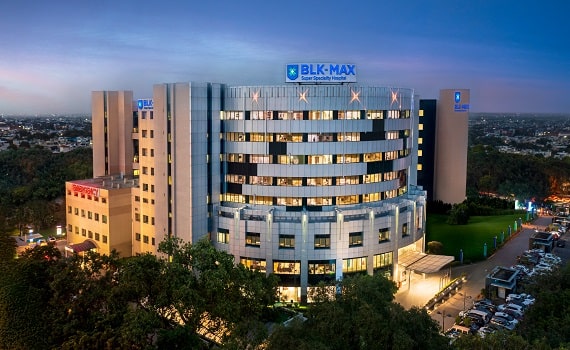
BLK-Max Super Speciality Hospital, New Delhi
BLK-Max Super Speciality Hospital in New Delhi is one of India's premier healthcare institutions, offering 650 beds, 22 advanced operation theatres, a...
Accreditations

Facilities

Max Smart Super Speciality Hospital, Saket, New Delhi
Max Smart Super Speciality Hospital, Saket, is a 250-bed tertiary care hospital in South Delhi. It offers advanced medical and surgical care across 22...
Accreditations
Facilities
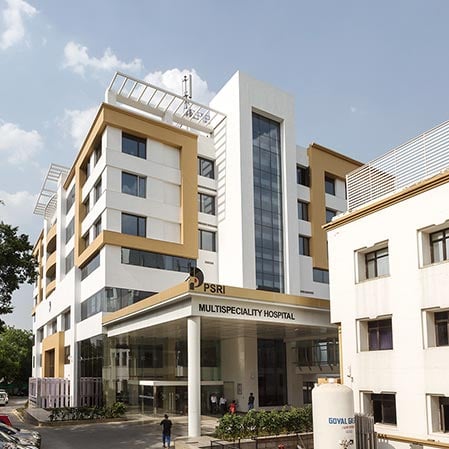
PSRI Hospital, Delhi
Pushpawati Singhania Research Institute (PSRI Hospital), New Delhi, is a leading multi-specialty tertiary care hospital established in 1996 by the JK ...
Accreditations
Facilities
Similar Procedures
Gallery
FAQ


Our website uses cookies. By clicking on accept you give your consent to the use of cookies as per our Privacy Policy.