
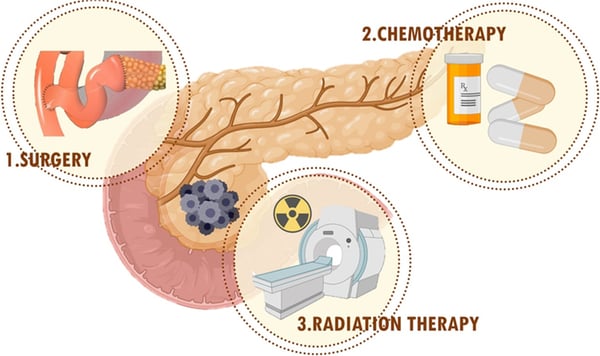
Pancreatic Cancer Treatment Cost in India
About Pancreatic Cancer Treatment
Every year, over 510,000 people worldwide are diagnosed with pancreatic cancer, one of the most challenging cancers to detect and treat early. Yet, thanks to major medical advancements in the last decade, survival rates have improved significantly through early diagnosis, minimally invasive surgery, targeted therapies, and advanced imaging techniques.
What Is Pancreatic Cancer?
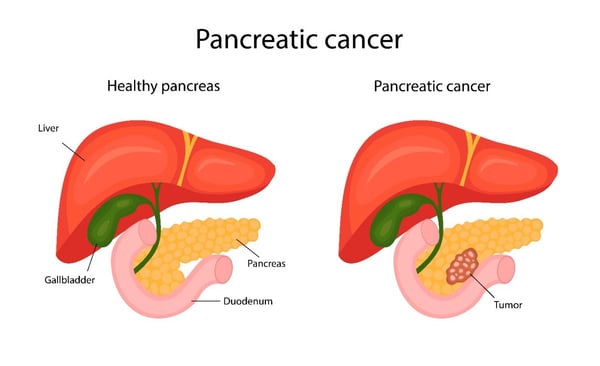
Pancreatic cancer begins when abnormal cells grow uncontrollably in the pancreas. It is a vital organ located behind the stomach that plays a crucial role in digesting food and regulating blood sugar levels. Because the pancreas is positioned deep within the abdomen, the disease often develops silently and is usually detected at later stages.
This cancer can affect two main parts of the pancreas:
- Exocrine glands, which produce digestive enzymes (the most common type).
- Endocrine glands, which make hormones such as insulin and glucagon.
Pancreatic cancer is known for its aggressive nature, but early diagnosis and combination therapy can significantly improve outcomes. With advanced imaging, robotic surgery, and targeted drug therapy, treatment has become far more precise and effective in recent years.
What Are the Types and Stages of Pancreatic Cancer?
Oncologists classify pancreatic cancer based on the type of cells involved and how far the disease has spread. Understanding these distinctions helps doctors plan the most effective treatment for each patient.
Types of Pancreatic Cancer
- Exocrine Pancreatic Cancer: This is the most common form, accounting for over 90% of cases. It develops in the ducts that carry digestive enzymes and is often referred to as pancreatic ductal adenocarcinoma (PDAC).
- Endocrine Pancreatic Cancer (Neuroendocrine Tumors): This rarer type forms in hormone-producing cells of the pancreas. It grows more slowly and may release excess hormones, such as insulin or gastrin, leading to distinct symptoms.
Stages of Pancreatic Cancer
Pancreatic cancer is divided into four major stages depending on tumor size and spread.
- Stage I – Localized: Cancer is confined within the pancreas and may be entirely removed through surgery.
- Stage II – Locally Advanced: The tumor may involve nearby lymph nodes or tissues but remains surgically treatable in some cases.
- Stage III – Regional Spread: Cancer extends to nearby blood vessels or major arteries, often requiring combined therapy instead of surgery.
- Stage IV – Metastatic: Cancer has spread to faraway organs such as the breast, liver, lungs, or peritoneum. Treatment focuses on control, symptom relief, and life extension.
Doctors use imaging tests (such as CT, MRI, and PET-CT) and biopsy results to determine both the type and stage of the disease, ensuring each patient receives a personalized, stage-specific treatment plan.
How is Pancreatic Cancer Treated in India?
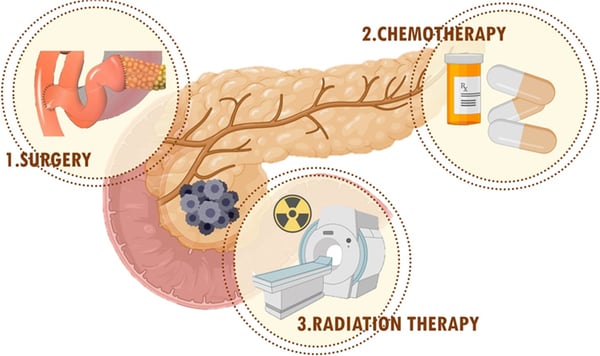
Treatment for pancreatic cancer in India is personalized, depending on the stage, tumor location, and the patient's overall health. Most hospitals employ a multidisciplinary approach, where surgeons, oncologists, and radiologists collaborate to develop the most effective treatment plan.
Surgery
Surgery is the best chance of cure for early-stage pancreatic cancer. Procedures may include:
- Whipple Procedure: Removes the head of the pancreas, part of the small intestine, and nearby tissues.
- Distal Pancreatectomy: Removes the body or tail of the pancreas, often with the spleen.
- Total Pancreatectomy: Performed when cancer has spread throughout the pancreas.
Robotic and laparoscopic surgeries are now widely available in India, offering faster recovery and reduced complications.
Chemotherapy
Medical oncologists use chemotherapy before surgery to shrink tumors or after surgery to destroy remaining cells. It's also the primary treatment for advanced or metastatic cases. Common drugs include Gemcitabine, FOLFIRINOX, and Nab-paclitaxel, often combined for stronger results.
Radiation Therapy
Radiation oncologists use high-energy radiation beams to target and destroy cancer cells. Advanced technologies, such as IMRT, IGRT, and SBRT, are available in major Indian cancer centers, enabling accurate targeting of radiation to the tumor while sparing healthy tissues.
Targeted Therapy
This approach blocks specific genetic mutations or pathways that fuel tumor growth. Drugs such as Erlotinib or PARP inhibitors are used in selected patients after genetic testing confirms their eligibility.
Immunotherapy
In certain pancreatic cancers with specific molecular markers, immunotherapy drugs (checkpoint inhibitors) are used to strengthen the immune system's response against tumor cells.
Get a Free Treatment Plan
About Pancreatic Cancer Treatment in India
What Is the Cost of Pancreatic Cancer Treatment in India?
The average cost of pancreatic cancer treatment in India ranges from ₹4,50,000 to ₹15,00,000 ($5,400 – $18,000), depending on the stage of the disease, the type of treatment, and the hospital. The cost varies widely because treatment often involves a combination of surgery, chemotherapy, and radiation.
Treatment Type | Estimated Cost (INR) | Approx. USD Cost | Remarks |
| Diagnostic Tests (CT, MRI, PET-CT, Biopsy) | ₹40,000 – ₹1,00,000 | $480 – $1,200 | Initial evaluation & staging |
| Whipple Surgery | ₹5,00,000 – ₹9,00,000 | $6,000 – $10,800 | For resectable pancreatic cancer |
| Chemotherapy (6–8 cycles) | ₹1,50,000 – ₹4,00,000 | $1,800 – $4,800 | Based on drugs and cycles |
| Radiation Therapy (IMRT/IGRT) | ₹2,50,000 – ₹6,00,000 | $3,000 – $7,200 | For local tumor control |
| Targeted Therapy | ₹1,50,000 – ₹3,50,000 | $1,800 – $4,200 | For eligible genetic types |
| Immunotherapy | ₹2,00,000 – ₹5,00,000 per cycle | $2,400 – $6,000 | For advanced-stage cases |
Average Total Cost by Cancer Stage
Stage of Cancer | Average Cost (INR) | Approx. USD Cost |
| Stage I (Localized) | ₹5,00,000 – ₹8,00,000 | $6,000 – $9,600 |
| Stage II (Operable, Local Spread) | ₹7,00,000 – ₹10,00,000 | $8,400 – $12,000 |
| Stage III (Locally Advanced) | ₹9,00,000 – ₹12,00,000 | $10,800 – $14,400 |
| Stage IV (Metastatic) | ₹10,00,000 – ₹15,00,000 | $12,000 – $18,000 |
Key Cost Insights
- The Whipple procedure is the single largest cost component for surgical cases.
- Chemotherapy and radiation are the main expenses for inoperable cases.
- Genetic and biomarker tests may add ₹25,000–₹50,000 ($300–$600).
- Most hospitals offer customized treatment packages for international patients, which include all procedures and follow-up care.
Cost Includes
- Doctor Consultations and Oncologist Fees: Covers consultations with surgical, medical, and radiation oncologists throughout treatment.
- Hospital Stay and Nursing Charges: Room rent, nursing care, and ICU stay (if required) are included in most packages.
- Surgery and Operating Theatre Costs: Charges for Whipple or other pancreatic surgeries, including anesthesia and post-operative care.
- Chemotherapy or Radiation Sessions: Full cycle costs, including drugs, infusion charges, and day-care facilities.
- Routine Lab Tests and Monitoring: Includes complete blood counts, liver/kidney function tests, and periodic health assessments.
- Medications During Hospitalization: All medicines and consumables used during surgery or therapy.
- Post-Treatment Follow-Up Visits: Typically covers one or two follow-up appointments after discharge or completion of treatment.
Cost Excludes
- Advanced Imaging and Genetic Tests: PET-CT, molecular profiling, or PD-L1 testing are billed separately if not included in the package.
- High-Cost Targeted or Immunotherapy Drugs: Imported medicines, such as Keytruda or Olaparib, may be more expensive, depending on brand.
- Long-Term Medications and Home Care: Maintenance drugs, supplements, or palliative home services.
- Travel, Visa, and Accommodation: International travel and hotel stay for family or caregivers are not included.
- Emergency Complications: Rare but may require additional procedures, such as re-admission or an ICU stay, beyond the standard package.
Leading Indian cancer centers ensure transparent pricing and provide detailed written estimates before treatment begins, ensuring that patients face no hidden or unexpected costs.
City-Wise Pancreatic Cancer Treatment Cost in India
The cost of pancreatic cancer treatment in India varies depending on the city, hospital infrastructure, the oncologist's expertise, and the complexity of the treatment. Metropolitan cities such as Delhi, Mumbai, and Bangalore have advanced oncology setups, while cities like Chennai, Hyderabad, and Kochi offer high-quality care at moderate prices.
Here's a city-wise cost comparison to help international patients plan their treatment budget:
City | Average Cost (INR) | Approx. Cost (USD) |
| New Delhi | ₹6,00,000 – ₹14,00,000 | $7,200 – $16,800 |
| Mumbai | ₹6,50,000 – ₹15,00,000 | $7,800 – $18,000 |
| Bangalore | ₹5,50,000 – ₹13,00,000 | $6,600 – $15,600 |
| Chennai | ₹5,00,000 – ₹12,00,000 | $6,000 – $14,400 |
| Hyderabad | ₹5,00,000 – ₹11,00,000 | $6,000 – $13,200 |
| Pune | ₹4,50,000 – ₹10,00,000 | $5,400 – $12,000 |
| Gurgaon | ₹6,00,000 – ₹14,00,000 | $7,200 – $16,800 |
| Kochi | ₹4,50,000 – ₹9,00,000 | $5,400 – $10,800 |
What Factors Affect the Cost of Pancreatic Cancer Treatment in India?
The cost of pancreatic cancer treatment in India varies depending on the medical complexity, treatment duration, and hospital standards. Each patient's plan is unique, as it combines multiple therapies based on the stage and spread of the disease.
- Stage and Extent of Cancer: Early-stage pancreatic cancer is treated primarily with surgery and limited chemotherapy, making it less costly. Advanced or metastatic stages significantly increase total expenses.
- Type of Treatment Approach: Surgery-based cases are initially more expensive due to the need for hospital stays and recovery. Non-surgical or palliative cases involve longer durations of chemotherapy, radiation, or targeted therapy, leading to cumulative expenses over months.
- Hospital Infrastructure and Technology: Premium hospitals equipped with robotic surgery systems, IMRT/IGRT machines, and PET-CT imaging charge higher rates.
- Oncologist's Expertise and Team Composition: Treatment led by senior multidisciplinary teams (surgical, medical, and radiation oncologists) may incur slightly higher costs.
- Drug Selection and Therapy Duration: The costs of chemotherapy or targeted therapy depend on the specific drug brands and the number of treatment cycles. Imported or branded drugs like FOLFIRINOX or PARP inhibitors can raise costs compared to generic options.
- Diagnostic and Molecular Testing: Advanced imaging (PET-CT, MRI) and genetic biomarker testing for personalized medicine add to the total cost but improve accuracy and response rates.
- Post-Treatment Rehabilitation and Follow-Up: Patients often need follow-up imaging, diet plans, and physiotherapy after surgery or chemo. These services are usually billed separately as part of recovery support.
How Does the Cost in India Compare with Other Countries?
Pancreatic cancer treatment in India offers world-class medical outcomes at one of the most affordable rates globally. Patients receive care from internationally trained oncologists, modern surgical systems, and advanced drug protocols (the same standards followed in the US, UK, or Singapore), but at 60–75% lower cost.
India's hospitals also offer multidisciplinary cancer care, combining surgery, chemotherapy, and targeted therapy under a single, coordinated program, thereby reducing both costs and treatment time.
Country | Average Cost (USD) | Savings Compared to India |
| India | $5,400 – $18,000 | — |
| United States | $55,000 – $100,000 | 70–75% lower |
| United Kingdom | $45,000 – $80,000 | 65–70% lower |
| United Arab Emirates | $35,000 – $60,000 | 60–65% lower |
| Singapore | $30,000 – $55,000 | 55–60% lower |
| Thailand | $20,000 – $35,000 | 40–50% lower |
Why India Offers Exceptional Value
- Same global standards: Hospitals use FDA- and CE-approved technology and drug protocols.
- Highly experienced oncologists: Thousands of successful Whipple and complex cancer surgeries annually.
- Affordable multidisciplinary care: Surgery, chemotherapy, and radiation are all offered under one plan.
- Internationally accredited hospitals: NABH and JCI-certified institutions ensure global safety and quality.
What Is the Success Rate of Pancreatic Cancer Treatment in India?
The success rate of pancreatic cancer treatment in India ranges between 25% and 55%, depending on the cancer stage at diagnosis and the chosen treatment combination. For early-stage cases where surgery is feasible, the five-year survival rate can exceed 45%, aligning with global benchmarks.
In advanced or inoperable cancers, Indian oncologists achieve strong results through precision chemotherapy, targeted therapy, and advanced radiation, improving both survival and quality of life.
Stage-Wise Treatment Outcomes
Stage | Average Survival Rate | Treatment Approach |
| Stage I | 40% – 55% | Whipple surgery + adjuvant chemotherapy |
| Stage II | 30% – 40% | Surgery (if resectable) + chemoradiation |
| Stage III | 15% – 20% | Chemotherapy + targeted or radiation therapy |
| Stage IV | 2% – 9% | Palliative chemotherapy and immunotherapy |
Advancements Driving Success in India
- Early Detection and Precision Imaging: Advanced diagnostic imaging (PET-CT, MRI, EUS) helps identify tumors early and define surgical feasibility accurately.
- Robotic and Laparoscopic Surgery: Minimally invasive Whipple and distal pancreatectomy improve recovery time, reduce complications, and enhance long-term outcomes.
- Modern Chemotherapy and Targeted Drugs: Combinations such as FOLFIRINOX and Gemcitabine-Nab-Paclitaxel increase tumor response and survival, even in advanced cases.
- Advanced Radiation Techniques: Use of IMRT, IGRT, and SBRT ensures precise radiation delivery while protecting healthy tissues.
- Comprehensive Supportive Care: Nutrition, pain control, and rehabilitation programs enhance patient comfort and treatment adherence, improving overall well-being.
Pancreatic Cancer Treatment Cost Comparison by Country
Compare Pancreatic Cancer Treatment costs across different countries to make an informed decision about your medical treatment.
| Country | Cost Range (USD) | Potential Savings | Action |
|---|---|---|---|
IndiaCurrentBest Value | $5,400 - $18,000 | — | Get Quote |
Note: Costs may vary based on hospital choice, room type, additional services, and individual medical requirements. Contact us for a personalized quote.
Leading Hospitals for Pancreatic Cancer Treatment in India
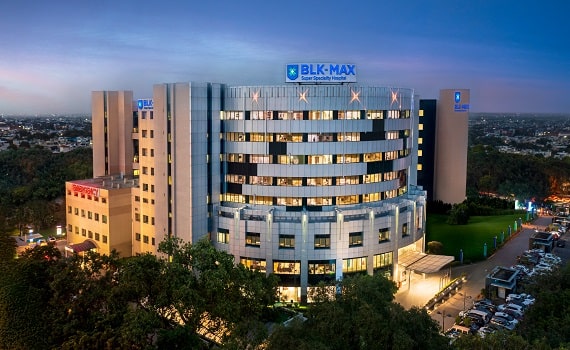
BLK-Max Super Speciality Hospital, New Delhi
BLK-Max Super Speciality Hospital in New Delhi is one of India's premier healthcare institutions, offering 650 beds, 22 advanced operation theatres, a...
Accreditations
Facilities

Max Smart Super Speciality Hospital, Saket, New Delhi
Max Smart Super Speciality Hospital, Saket, is a 250-bed tertiary care hospital in South Delhi. It offers advanced medical and surgical care across 22...
Accreditations
Facilities
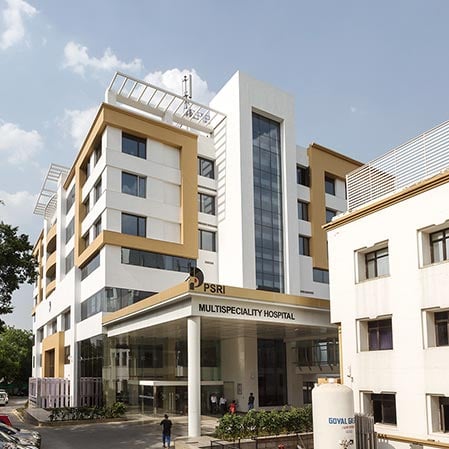
PSRI Hospital, Delhi
Pushpawati Singhania Research Institute (PSRI Hospital), New Delhi, is a leading multi-specialty tertiary care hospital established in 1996 by the JK ...
Accreditations
Facilities
Similar Procedures
Gallery
FAQ


Our website uses cookies. By clicking on accept you give your consent to the use of cookies as per our Privacy Policy.