
Kasai Procedure Cost in India
About Kasai Procedure
The Kasai procedure plays a vital role in treating biliary atresia, a rare but serious condition that affects newborns worldwide. Without early intervention, bile cannot drain from the liver, leading to rapid liver damage. Global pediatric liver health reports show that biliary atresia remains one of the leading causes of childhood liver failure, making timely surgery essential for survival and long-term health.
As medical awareness grows, more infants now receive faster diagnosis and immediate surgical care. The Kasai procedure helps restore bile flow, protect liver function, and delay or even prevent the need for an early liver transplant. For many families, it becomes a life-changing operation that gives their child a healthier future.
What Is the Kasai Procedure?
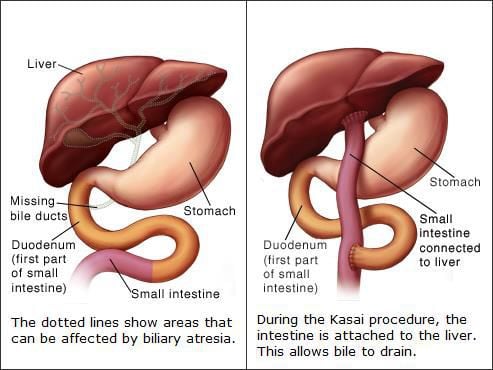
The Kasai procedure is a specialized surgery performed in infants diagnosed with biliary atresia, a condition where the bile ducts fail to develop or become blocked. Without treatment, bile builds up inside the liver and causes rapid damage.
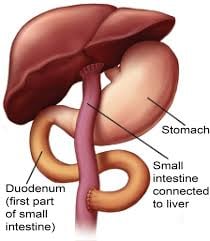
During the Kasai procedure, the surgeon removes the damaged bile ducts outside the liver and creates a new pathway that allows bile to drain directly into the intestine. This restored flow helps protect the liver, improves digestion, and supports healthy growth during early childhood.
When Is the Kasai Procedure Needed?
Doctors recommend the Kasai procedure when an infant shows signs of biliary atresia, a condition that prevents bile from leaving the liver. Early diagnosis and quick treatment give the best chance for long-term liver health.
- Persistent Jaundice: If jaundice lasts beyond two weeks after birth, especially when combined with poor weight gain, biliary atresia becomes a significant concern.
- Pale Stools and Dark Urine: The absence of bile in the intestine leads to pale or clay-colored stools, while excess bilirubin causes darker urine.
- Enlarged Liver: A firm or swollen liver is often detected on physical exam or ultrasound, indicating blocked bile flow.
- Failure of Bile Ducts to Develop Properly: In biliary atresia, bile ducts may be absent or severely damaged. Surgery becomes necessary to create a new drainage pathway.
- Abnormal Liver Function Tests: Elevated liver enzymes, poor bilirubin clearance, and abnormal ultrasound findings point toward the need for early surgical intervention.
The Kasai procedure offers the best outcome when performed within the first two to three months of life.
Who Is the Right Candidate for the Kasai Procedure?
The Kasai procedure is most successful when performed early in life. Doctors evaluate the infant's age, liver condition, and overall health before deciding on surgery.
- Infants Diagnosed Early: Newborns diagnosed within the first 60–90 days respond best to the Kasai procedure, as their liver still has strong regenerative capacity.
- Babies With Persistent Jaundice: Infants who show prolonged jaundice combined with pale stools, dark urine, or enlarged liver often qualify for early surgical correction.
- Children Without Advanced Liver Damage: The procedure works best when fibrosis or cirrhosis has not progressed significantly.
- Medically Fit Infants: Surgeons assess heart function, nutrition levels, and infection status to ensure the baby can safely undergo anesthesia and surgery.
- Families Ready for Long-Term Follow-Up: Parents who are prepared for regular monitoring, medications, and nutritional guidance support better long-term outcomes.
Infants who meet these criteria have a stronger chance of maintaining bile flow and delaying the need for liver transplantation.
How Is the Kasai Procedure Performed?
The Kasai procedure is a delicate surgery that aims to restore bile drainage and protect the infant's liver. Surgeons follow a step-by-step approach using refined pediatric surgical techniques.
- Anesthesia and Surgical Preparation: The operation begins under general anesthesia. The surgical team prepares the abdomen carefully to ensure a safe and sterile environment for the surgery.
- Removal of Damaged Bile Ducts: The surgeon identifies the blocked or underdeveloped bile ducts outside the liver and removes them. This step clears the path for a new drainage route.
- Creation of a New Bile Pathway: A loop of the infant's small intestine is brought up to the liver surface. This loop serves as the new channel that carries bile out of the liver.
- Connection to the Intestine: The surgeon attaches the intestinal loop directly to the liver, allowing bile to drain into the digestive system. This connection helps reduce liver inflammation and improve digestion.
- Closure and Immediate Post-Op Care: After placing the new pathway, the surgeon closes the incisions and shifts the infant to the recovery area. Close monitoring begins immediately to ensure stable breathing, good bile flow, and infection prevention.
Get a Free Treatment Plan
About Kasai Procedure in India
What Is the Cost of the Kasai Procedure in India?
The average cost of the Kasai procedure in India ranges from $5,500 to $11,000, which is approximately ₹4.5 lakh to ₹9 lakh. Infants who require extended monitoring, stronger antibiotics, or additional imaging may fall toward the higher end of this range.
In comparison, the same surgery can cost $30,000 to $70,000 in the United States or $20,000 to $40,000 in the United Kingdom. India offers 50–80% lower costs while maintaining advanced surgical expertise and high-quality neonatal care.
Estimated Cost Breakdown
- Surgery and Surgeon Fee: ₹2,00,000 – ₹3,50,000
- Pediatric ICU/NICU Stay: ₹1,50,000 – ₹3,00,000
- Anesthesia and Monitoring Charges: ₹40,000 – ₹80,000
- Medications and Antibiotics: ₹30,000 – ₹70,000
- Investigations & Imaging: ₹20,000 – ₹50,000
- Hospital Stay (7–14 Days): Usually included in package
- Pre-Surgery Evaluation: ₹10,000 – ₹20,000
What the Cost Includes
Most treatment packages include the essential components needed for safe surgery and early recovery:
- Surgeon and pediatric anesthesiologist fees
- Operating theatre and equipment charges
- NICU or pediatric ICU stay, usually for 5–10 days
- Standard medications and antibiotics
- Routine investigations, such as blood tests and liver function monitoring
- Ultrasound and basic imaging during hospitalization
- Nursing care and round-the-clock monitoring
- Nutritional support and feeding guidance after surgery
These elements ensure stable postoperative progress and close observation.
What the Cost Excludes
Some expenses vary across patients and may not be part of standard packages:
- Pre-operative evaluations, including advanced imaging or specialist consultations
- An extended NICU stay, if the infant needs prolonged observation
- Advanced imaging, such as MRI abdomen or contrast scans
- Post-discharge medicines, including long-term antibiotics and supplements
- Follow-up hospital visits and additional blood tests
- Management of complications, such as infections or cholangitis
- Travel, visa, and accommodation for families coming from abroad
Hospitals share a detailed estimate before treatment to ensure complete cost transparency.
What Is the City-Wise Cost of the Kasai Procedure in India?
The cost of the Kasai procedure varies across major Indian cities based on pediatric liver surgery expertise, NICU standards, and hospital infrastructure. The following comparison helps families plan their treatment budget effectively.
City | Average Cost (USD) | Approx. Cost (INR) |
| New Delhi | $6,000 – $11,000 | ₹5,00,000 – ₹9,00,000 |
| Mumbai | $6,500 – $11,500 | ₹5,30,000 – ₹9,40,000 |
| Chennai | $5,500 – $10,000 | ₹4,50,000 – ₹8,20,000 |
| Bangalore | $5,800 – $10,500 | ₹4,70,000 – ₹8,60,000 |
| Hyderabad | $5,600 – $10,200 | ₹4,60,000 – ₹8,50,000 |
- New Delhi and Mumbai: These metros offer advanced pediatric liver surgery centers with strong NICU support, resulting in slightly higher costs.
- Chennai and Hyderabad: Known for experienced pediatric gastroenterology teams and affordable packages, these cities are popular among international families.
- Bangalore: Bangalore combines modern hospital facilities with excellent pediatric surgical care, offering balanced pricing and strong clinical outcomes.
What Factors Affect the Cost of the Kasai Procedure in India?
The total cost of the Kasai procedure depends on several clinical and hospital-related factors. Each infant's condition is unique, so treatment plans vary to ensure the best possible outcome.
- Age at the Time of Surgery: Younger infants tend to have better outcomes. Early surgery also reduces extended NICU stays and overall costs. Late diagnosis often increases expenses due to complications.
- Degree of Liver Damage: Infants with advanced fibrosis or early cirrhosis require more intensive monitoring, longer hospitalization, and stronger medications.
- NICU Stay Duration: NICU care accounts for a significant portion of the total cost. The length of stay depends on the infant's stability, nutritional needs, and postoperative recovery.
- Surgeon and Hospital Expertise: Specialized pediatric hepatobiliary surgeons and hospitals with advanced neonatal ICUs may charge more due to greater expertise and better outcomes.
- Need for Additional Investigations: Ultrasound, liver elastography, MRI, or advanced lab tests can increase the cost depending on the infant's condition.
- Postoperative Complications: If the infant develops cholangitis, infection, or bile leakage, the need for additional treatment increases the total expense.
- Nutrition and Medication Requirements: Certain infants may require specialized formulas, antibiotics, or long-term supplements, which may increase ongoing medical costs.
How Does the Cost of the Kasai Procedure in India Compare With Other Countries?
India offers advanced pediatric liver surgery at a significantly lower cost than many Western and Middle Eastern countries. Families receive high-quality care, skilled pediatric surgeons, and strong NICU support while paying only a fraction of international prices.
Country | Average Cost (USD) |
| India | $5,500 – $11,000 |
| United States | $30,000 – $70,000 |
| United Kingdom | $20,000 – $40,000 |
| Thailand | $12,000 – $20,000 |
| UAE | $15,000 – $30,000 |
India offers 50–80% lower costs while maintaining modern neonatal ICUs, pediatric surgical expertise, and advanced liver care protocols. Families benefit from shorter waiting times, well-equipped hospitals, and comprehensive post-surgery monitoring. This amalgam of affordability and quality makes India a preferred destination for biliary atresia treatment.
What Is the Recovery Rate After the Kasai Procedure?
Recovery after the Kasai procedure progresses gradually and requires close monitoring. Early healing focuses on stabilizing bile flow, preventing infections, and supporting nutrition to help the infant grow well.
- Immediate Recovery Period: Infants usually stay in the NICU or pediatric ICU for 5–10 days. Doctors monitor bile drainage, liver function, feeding tolerance, and signs of infection. Antibiotics and supportive care help protect the liver during this phase.
- 1–3 Months After Surgery: Bile flow continues to improve, and jaundice begins to reduce if the procedure is successful. Regular follow-up visits track liver enzymes, weight gain, and stool color. Parents receive guidance on feeding, supplements, and medications.
- Long-Term Recovery: Infants require regular checkups for the first year. Good nutrition, early treatment of infections, and close observation help maintain liver function. Some children need long-term medication to support bile flow and reduce inflammation.
What Is the Success Rate of the Kasai Procedure?
The success of the Kasai procedure depends strongly on the infant's age at the time of surgery and the degree of liver damage:
- Best outcomes occur when surgery is performed before 60 days of age.
- 40–60% of infants maintain good bile flow for several years after a successful Kasai.
- 50% may eventually need a liver transplant, but the Kasai procedure delays this by preserving liver health during early childhood.
- Early diagnosis significantly improves outcomes, reducing complications such as cholangitis and fibrosis.
These results show that early surgical correction remains the most effective first-line treatment for biliary atresia.
What Are the Benefits and Risks of the Kasai Procedure?
The Kasai procedure provides crucial relief for infants with biliary atresia by restoring bile flow and protecting the liver. Like all major surgeries, it carries certain risks, but its benefits can significantly improve long-term outcomes.
Benefits of the Kasai Procedure
- Restores Bile Drainage: The new connection allows bile to flow from the liver into the intestine, reducing liver inflammation and preventing rapid damage.
- Delays or Prevents Early Liver Transplantation: A successful Kasai helps many infants maintain good liver function for years, reducing the urgency for transplantation.
- Improves Jaundice and Digestion: Better bile flow enhances stool color, supports nutrient absorption, and improves growth in early childhood.
- Protects the Liver During Critical Development Stages: By slowing disease progression, the surgery gives infants a stronger start in life, allowing time for growth and development.
Risks of the Kasai Procedure
- Cholangitis (Bile Duct Infection): The most common complication, which requires prompt medical attention and antibiotics.
- Scarring or Blockage of the New Pathway: Scar tissue can slow bile flow over time, affecting long-term success.
- Liver Fibrosis or Cirrhosis: Some infants continue to develop liver scarring despite surgery, depending on the severity of their condition.
- Nutritional Challenges: Infants may need supplements or special feeding plans to maintain weight and growth.
- Potential Need for Future Transplant: Even with a successful Kasai, some children eventually require a liver transplant during childhood or adolescence.
Why Choose India for the Kasai Procedure?
India has become a trusted destination for the Kasai procedure because hospitals combine advanced pediatric liver surgery expertise with high-quality neonatal care. Families receive comprehensive support before, during, and after surgery, making the treatment journey smoother and safer.
- Experienced Pediatric Surgeons: India has highly trained pediatric hepatobiliary surgeons who regularly perform the Kasai procedure. Their experience with complex neonatal surgeries ensures precise and careful treatment.
- Advanced NICU and Pediatric ICU Facilities: Hospitals offer modern newborn intensive care units equipped with advanced monitoring systems, ventilators, and infection-control protocols essential for fragile infants.
- Strong Postoperative Monitoring: Infants receive continuous monitoring of liver function, nutrition, and bile flow, which is crucial for long-term success after the Kasai procedure.
- Multidisciplinary Care Teams: Specialists in pediatric gastroenterology, anesthesia, nutrition, and physiotherapy work together to support each infant's recovery.
- Family-Centered Approach: Hospitals guide parents through feeding plans, medication schedules, and home-care practices that help the child thrive after surgery.
What International Patient Support Services Are Available?
India provides a well-organized support system for international families seeking pediatric liver surgery. Hospitals offer structured guidance from the moment families make their first inquiry through the child's completion of treatment and follow-up care.
- Medical Visa Assistance: Hospitals supply visa invitation letters, cost estimates, and medical documentation to help families secure medical visas without delays.
- Airport Pickup and Drop: Most centers arrange safe, comfortable transportation for families upon arrival and departure, easing travel stress with a newborn.
- Support With Accommodation: Dedicated coordinators help families find nearby hotels, serviced apartments, or guest houses suited to their budget and length of stay.
- Translation and Language Support: Hospitals provide translators for Arabic, French, Russian, African, and Southeast Asian languages to ensure smooth communication during consultations and daily updates.
- Priority Appointments and Fast-Track Scheduling: International patients receive early diagnostic scheduling, quick surgical planning, and priority access to NICU facilities.
- Billing Transparency and Payment Assistance: Financial counselors clearly explain all costs, guide families through payment options, and maintain transparency for every medical service.
- Post-Treatment Follow-Up: After discharge, families receive comprehensive medical reports, medication instructions, and access to teleconsultations to monitor ongoing recovery.
Kasai Procedure Cost Comparison by Country
Compare Kasai Procedure costs across different countries to make an informed decision about your medical treatment.
| Country | Cost Range (USD) | Potential Savings | Action |
|---|---|---|---|
IndiaCurrentBest Value | $5,500 - $11,000 | — | Get Quote |
Note: Costs may vary based on hospital choice, room type, additional services, and individual medical requirements. Contact us for a personalized quote.
Leading Hospitals for Kasai Procedure in India
Medical Park Bahcelievler Hospital
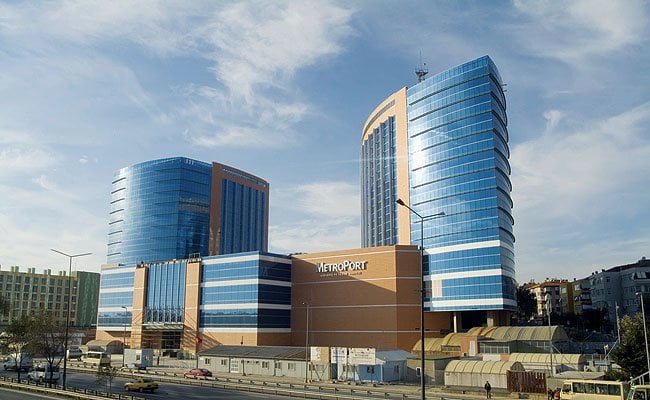
Medical Park Bahcelievler Hospital is a 242-bed JCI-accredited hospital in Istanbul, established in 2007. Spread across 33,000 square meters and 19 fl...
Accreditations
Facilities

Hisar Intercontinental Hospital, Istanbul
Hisar Intercontinental Hospital in Istanbul is a JCI-accredited, 212-bed multispecialty hospital spanning 35,000 square meters and featuring 53 medica...
Accreditations
Facilities

Medipol Bahçelievler Hospital
Medipol Bahçelievler Hospital is a 441-bed private hospital in Istanbul that began operations in May 2022. Covering 60,000 square meters across 15 flo...
Accreditations
Facilities
Similar Procedures
Gallery
FAQ


Our website uses cookies. By clicking on accept you give your consent to the use of cookies as per our Privacy Policy.