Varför patienter från Kirgizistan vänder sig till Indien

7/2/2026, 12:40:22 PM 11 min read Medical Tourism
Varför patienter från Kirgizistan vänder sig till Indien

Each year, an increasing number of patients from Kyrgyzstan seek medical care abroad. Regional health reports indicate thattens of thousands of Kyrgyz patients travel abroad annuallyfor advanced treatment. The most common reasons include cancer care, heart disease, kidney failure, and complex orthopedic conditions.


Specialized treatment options remain limited within Kyrgyzstan. Patients often face delays for advanced diagnostics and surgery. For serious illnesses, time plays a critical role in recovery and survival.


India has emerged as a preferred destination because it combines fast access to care with affordable costs. India treatsover one million international patients each yearand offers advanced medical services at significantly lower prices than many other countries.


For patients from Kyrgyzstan, medical travel is driven by urgency and outcomes. The need for timely, reliable, and advanced treatment encourages families to look beyond borders. India meets this need through experience, scale, and structured healthcare systems.


What Healthcare Challenges Do Patients in Kyrgyzstan Face?

Patients in Kyrgyzstan face several healthcare challenges that hinder timely diagnosis and access to advanced treatment. These gaps prompt many families to seek care abroad.


  • Limited access to advanced specialist care:Specialties such as oncology, cardiology, neurosurgery, transplant medicine, and complex orthopedics remain limited. Patients with severe conditions often struggle to find experienced specialists for advanced procedures.
  • Shortage of modern medical technology:Many hospitals lack advanced imaging, precision radiation therapy, and specialized surgical systems. Limited access to PET-CT, high-end MRI, and modern cath labs delays accurate diagnosis and treatment planning.
  • Uneven healthcare access across regions:Advanced healthcare facilities concentrate mainly in major cities. Patients from rural and mountainous areas must travel long distances for care, increasing costs and disrupting treatment continuity.
  • Limited capacity for complex procedures:Organ transplants, advanced cancer therapies, and high-risk surgeries remain available in only a few centers or not at all. Patients often require referral abroad for these treatments.
  • Financial strain on families:Private healthcare options for complex treatment remain costly, while insurance coverage stays limited. Prolonged treatment and repeated hospital visits create economic pressure for many households.

These challenges make overseas treatment a practical step for many patients from Kyrgyzstan. Families look for destinations that offer advanced technology, specialist expertise, and predictable costs. India addresses these needs through organized care systems and wide treatment availability.


Why Do Patients from Kyrgyzstan Prefer India for Medical Treatment?

Patients from Kyrgyzstan choose India because it offers reliable outcomes, faster access to care, and affordable treatment under one healthcare system. These factors directly address the challenges patients face at home.


  • Faster access to diagnosis and treatment:Indian hospitals provide quick appointments for specialist consultations, diagnostic tests, and surgery. Shorter waiting times help patients begin treatment early, which improves outcomes in cancer, heart disease, and neurological conditions.
  • Wide availability of experienced specialists:India has a large number of specialists in oncology, cardiology, neurology, orthopedics, and transplant medicine. Doctors handle high volumes of complex cases every year, which strengthens clinical expertise and treatment consistency.
  • Affordable treatment costs:Medical treatment in India costs significantly less than in Europe or other international destinations. Lower procedure costs, affordable medicines, and reasonable living expenses reduce the financial burden on families.
  • Advanced hospitals and modern technology:Indian hospitals use robotic surgery, precision radiation therapy, advanced imaging, and modern intensive care units. Patients gain access to treatments that remain limited or unavailable in Kyrgyzstan.
  • Comprehensive care in one location:Diagnosis, treatment, surgery, and follow-up care are delivered within a coordinated system. Patients avoid repeated referrals and unnecessary delays, which simplifies the treatment journey.
  • Comfort and familiarity for international patients:India has long experience in treating international patients. Support services, clear English communication, and patient-focused care help families feel comfortable during treatment.

These reasons explain why India continues to attract patients from Kyrgyzstan. The combination of speed, expertise, affordability, and organized care makes India a trusted destination for advanced medical treatment.


What Medical Treatments Do Patients from Kyrgyzstan Commonly Seek in India?

Patients from Kyrgyzstan usually travel for treatments that need advanced expertise, modern technology, and timely intervention. These conditions often affect survival, long-term health, or daily mobility.


  • Cancer treatment and oncology care:Many patients seek chemotherapy, advanced radiation therapy, targeted therapy, immunotherapy, and bone marrow transplants. Multidisciplinary cancer teams in India help patients start treatment quickly and continue care without interruption.
  • Heart treatment and cardiac surgery:Cardiac care remains a significant reason for travel. Patients undergo bypass surgery, valve repair or replacement, angioplasty, and pediatric heart procedures. Advanced cardiac ICUs and structured rehabilitation support recovery.
  • Kidney care and dialysis services:Chronic kidney disease drives demand for long-term dialysis and kidney transplant evaluation. Integrated nephrology services manage assessment, surgery, and follow-up within one system.
  • Orthopedic and spine surgery:Joint damage, arthritis, and spinal disorders affect mobility and quality of life. Patients commonly seek knee replacement, hip replacement, and spine surgery that support faster recovery and durable outcomes.
  • Neurology and neurosurgery:Patients travel for treatment of brain tumors, stroke, epilepsy, and nerve-related spine conditions. Advanced imaging and precise surgical planning improve accuracy and outcomes.
  • Organ transplant services:Kidney and liver transplant programs attract patients who require coordinated care and experienced surgical teams. Structured transplant pathways support evaluation, surgery, and early recovery.


What Are the Latest Medical Technologies Available in India for Patients from Kyrgyzstan?

Advanced medical technology plays a major role in treatment accuracy and recovery. Many patients from Kyrgyzstan choose India because hospitals invest in modern systems that support complex and high-risk care.


  • Robotic and minimally invasive surgery:Indian hospitals widely use robotic systems for cancer surgery, urology, gynecology, and orthopedics. These techniques allow precise movements through small incisions. Patients experience less pain, lower blood loss, and quicker recovery.
  • Advanced cancer radiation therapy:Cancer centers in India use IMRT, IGRT, VMAT, and proton therapy. These technologies target tumors accurately while protecting healthy tissue. Reduced side effects help patients tolerate treatment better.
  • High-end imaging and diagnostics:PET-CT scans, 3T MRI, advanced CT scans, and molecular testing help detect disease early. Accurate diagnosis improves treatment planning in cancer, neurology, and cardiac care.
  • Modern organ transplant technology: Transplant programs use advanced organ preservation systems, surgical tools, and real-time monitoring. These technologies improve graft survival and reduce post-surgery complications.
  • Digital health and telemedicine support:Hospitals provide teleconsultations, digital report sharing, and remote follow-up. Patients from Kyrgyzstan can plan treatment before travel and continue care after returning home.

What Is the Cost of Medical Treatment in India for Patients from Kyrgyzstan?

Treatment cost remains a key factor for patients from Kyrgyzstan when choosing care abroad. India offers advanced medical treatment at transparent, manageable pricing across primary specialties.


Hospitals in India provide detailed cost estimates before treatment begins. These estimates often include consultation, surgery, hospital stay, nursing care, and medicines during admission. Transparent pricing helps families plan treatment without unexpected expenses.


How Affordable Is India Compared to Other Countries for Patients from Kyrgyzstan?

When patients from Kyrgyzstan compare treatment options abroad, cost differences become clear very quickly. India consistently provides advanced medical care at a much lower overall cost than most global destinations.


Treatment inEuropeand theUnited Statesoften costs several times more than in India. High hospital charges, expensive medicines, and costly recovery stays increase the total expense. Insurance coverage for international patients also remains limited, which raises out-of-pocket costs.


Some regional destinations may seem closer, but advanced procedures often remain expensive or unavailable. In many cases, patients still need referral to another country, which adds travel and treatment costs.


India reduces expenses at every stage. Procedure costs remain lower. Diagnostic tests and medicines cost less. Living expenses during recovery stay affordable. This combined advantage often results in60–80% overall savingscompared to Western countries.


Average Treatment Cost Comparison (USD)

Procedure

India

Germany

United Kingdom

United States

Turkey

Heart Bypass Surgery (CABG)4,000–8,00050,000–65,00045,000–60,00070,000–100,00015,000–20,000
Knee Replacement4,000–6,50028,000–35,00025,000–30,00035,000–50,00012,000–15,000
Kidney Transplant12,000–15,000100,000–130,00090,000–120,000180,000–250,00022,000–28,000
Liver Transplant35,000–45,000130,000–170,000120,000–160,000150,000–200,00060,000–80,000
Cancer Treatment (Full Cycle)8,000–15,00055,000–100,00050,000–90,00060,000–120,00025,000–40,000
Spine Surgery5,000–9,00040,000–60,00035,000–55,00050,000–80,00015,000–22,000

These comparisons show why India remains a practical choice. Patients from Kyrgyzstan receive high-quality treatment, modern technology, and experienced specialists while keeping total costs under control.


What Is the Success Rate of Treatment in India for Patients from Kyrgyzstan?

Patients from Kyrgyzstan often ask about treatment outcomes before deciding to travel. India reports strong and consistent success rates across major medical procedures. These outcomes reflect the expertise of experienced specialists, advanced technology, and structured care protocols.


  • Success rates of heart surgery and cardiac procedures:Heart bypass surgery, valve replacement, and angioplasty in India are95–98%in stable patients. High surgical volumes and modern cardiac intensive care units support safe recovery.
  • Success rate of cancer treatment:Cancer outcomes depend on cancer type and stage. Early-stage cancers treated in India show success rates of70–90%. Advanced cancers often achieve good disease control and improved survival due to multidisciplinary care and precision therapy.
  • Success rate of kidney and liver transplant:Kidney transplant procedures in India report first-year success rates of90–95%. Liver transplant success rates commonly range between85–90%in experienced centers. Strict transplant protocols and close monitoring support these outcomes.
  • Success rate of joint replacement surgery:Knee and hip replacement surgeries in India achieve success rates of95–99%. Most patients regain mobility and experience long-term pain relief after rehabilitation.
  • Success rate of spine and neurosurgery:Spine surgery and neurosurgical procedures report success rates of85–95%, depending on the complexity of the condition. Minimally invasive techniques help reduce complications and speed recovery.

These results remain consistent across major hospitals due to standardized treatment pathways and experienced teams. For patients from Kyrgyzstan, India offers not only affordable care but also reliable outcomes and long-term health improvement.


What Patient Support Services Help Patients from Kyrgyzstan Feel Comfortable in India?

Medical travel works best when care feels organized and supportive. India provides structured services that help patients from Kyrgyzstan focus on treatment and recovery.


  • Dedicated international patient coordination:Hospitals assign teams to manage appointments, investigations, and treatment schedules. Clear coordination keeps timelines predictable and reduces stress during complex care.
  • Clear communication and language assistance:Doctors explain diagnoses and treatment plans in simple English. Interpreting support remains available when needed, which helps families understand decisions with confidence.
  • Support for family companions:Patients often travel with a relative. Hospitals assist with nearby accommodation and daily logistics. Staying close to family supports emotional strength during recovery.
  • Comfort during extended treatment stays:Affordable accommodation options, flexible meal choices, and access to familiar food help patients settle during more extended treatment periods.
  • Personalized and compassionate care:Care teams listen to concerns and adjust plans when required. Patients feel respected and supported as individuals, not just as cases.

These services reduce uncertainty and improve the overall experience. For patients from Kyrgyzstan, organized support in India makes treatment abroad manageable and reassuring.


How Easy Is Travel from Kyrgyzstan to India for Medical Treatment?

Travel convenience matters when patients plan treatment abroad. India offers practical and reliable travel options for patients from Kyrgyzstan.


  • Regular international flight connections:Patients travel fromBishkekto major Indian medical hubs through well-established routes, usually with one transit. Airlines operate consistent schedules year-round, which helps families confidently plan treatment dates.
  • Reasonable travel duration:Total travel time typically ranges between8 and 12 hours, depending on the connection. This duration remains manageable for medical travelers, including elderly patients, with proper assistance.
  • Organized arrival assistance in India:Many hospitals arrange airport pickup and guided transfers. This support helps patients reach accommodation or hospitals smoothly after long journeys.

For patients from Kyrgyzstan, travel to India remains structured and manageable. Consistent flight options and on-ground assistance reduce travel stress and support timely access to medical care.


How Can Patients from Kyrgyzstan Get an Indian Medical Visa for Treatment?

Patients from Kyrgyzstan need an Indian medical visa to receive treatment in India. The process stays clear, structured, and designed to support timely medical care.


What is an Indian Medical Visa (MED Visa)?

India issues a dedicated Medical Visa, also called a MED visa, for patients seeking treatment. This visa applies to cancer care, heart surgery, organ transplants, neurology treatment, orthopedic surgery, and other advanced procedures. It allows Kyrgyz patients to stay in India for the full treatment and recovery period.


Indian medical visa requirements for Kyrgyz patients

Patients usually submit a valid passport, recent photographs, medical reports from Kyrgyzstan, and a medical invitation letter from a recognized hospital in India. These documents confirm the medical need and support faster approval.


Processing time for an Indian medical visa

Medical visas are often processed within a few working days once the documents are complete. Urgent medical cases may receive priority review, allowing patients to begin treatment without delay.


Medical attendant visa for family members

India also provides a Medical Attendant Visa. One or two family members can accompany the patient for the same duration. Family presence supports emotional comfort and practical care during treatment.


Multiple entry and visa extension options

Many medical visas allow multiple entries. Patients can return home between treatment phases and come back for follow-up care. Extensions may be granted if treatment continues beyond the planned duration, provided medical evidence supports it.


In Summary

Patients from Kyrgyzstan often face limits in accessing advanced medical care at home. Severe health conditions require timely diagnosis, specialist expertise, and reliable treatment pathways. India provides these essentials through modern hospitals, experienced doctors, and well-organized healthcare systems.
 

Affordable treatment costs, strong success rates, and access to advanced medical technology make India a practical choice. Patient support services, clear communication, and structured travel and visa processes further reduce stress for patients and families.


For patients from Kyrgyzstan, India stands out as a trusted destination for quality medical treatment abroad, offering dependable care, clear outcomes, and a realistic path toward better health.

Relaterade sjukhus

Upptäck sjukhus och vårdcentraler med anknytning till detta ämne för kvalitetssjukvård.
Medical Park Bahcelievler sjukhus
PLATINUM
Visa detaljer

Medical Park Bahcelievler sjukhus

Istanbul, Turkiet

Medical Park Bahcelievler Hospital är ett JCI-ackrediterat sjukhus med 242 bäddar i Istanbul, etablerat 2007. Utspridda på 33 000 kvadratmeter och 19 ...

Multi-specialty
Etablerad 2007
242 sängar
Ackrediteringar
Joint Commission International (JCI)
Faciliteter
+13
BLK-Max Super Specialty Hospital, New Delhi
PLATINUM
Visa detaljer

BLK-Max Super Specialty Hospital, New Delhi

New Delhi, Indien

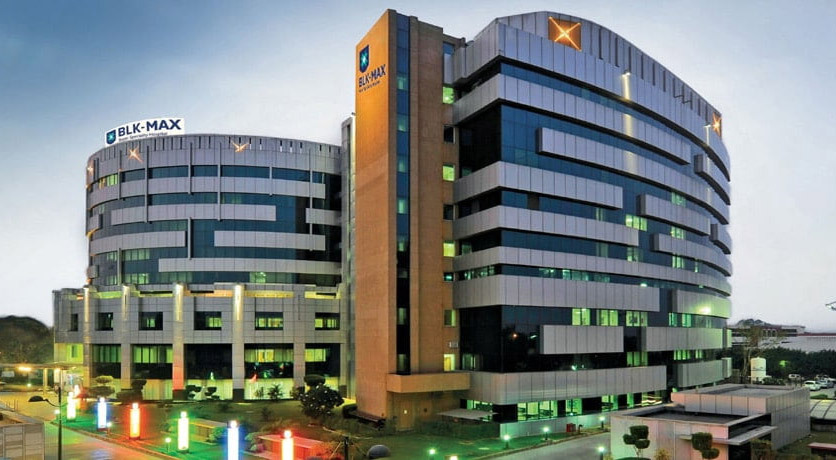
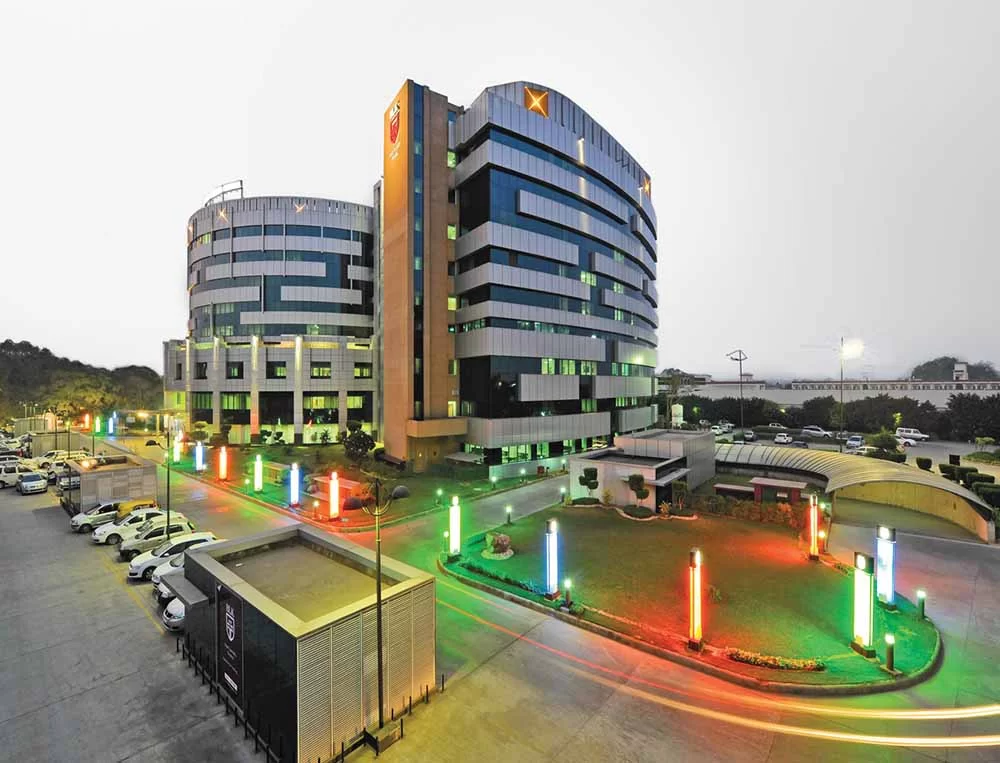
BLK-Max Super Specialty Hospital i New Delhi är en av Indiens främsta vårdinstitutioner, som erbjuder 650 bäddar, 22 avancerade operationssalar och 13...

Multi-specialty
Etablerad 1959
650 sängar
Ackrediteringar
Joint Commission International (JCI)
National Accreditation Board for Hospitals & Healthcare Providers (NABH)
Faciliteter
+13
Fortis Memorial Research Institute (FMRI), Gurgaon
PLATINUM
Visa detaljer

Fortis Memorial Research Institute (FMRI), Gurgaon

Gurgaon, Indien

Fortis Memorial Research Institute (FMRI), Gurgaon, är ett multispecialitetssjukhus i världsklass som etablerades 2013. Sjukhuset erbjuder 330 bäddar,...

Multi-specialty
Etablerad 2013
330 sängar
Ackrediteringar
Joint Commission International (JCI)
National Accreditation Board for Hospitals & Healthcare Providers (NABH)
Faciliteter
+13
Artemis Hospital, Gurgaon
PLATINUM
Visa detaljer

Artemis Hospital, Gurgaon

Gurgaon, Indien

Artemis Hospital, Gurgaon, is a JCI accredited multispecialty hospital that was established in 2007. It offers 750+ beds and world -class infrastructu...

Multi-specialty
Etablerad 2007
750 sängar
Ackrediteringar
Joint Commission International (JCI)
National Accreditation Board for Hospitals & Healthcare Providers (NABH)
International Organization for Standardization (ISO)
Faciliteter
+13
Kokilaben Dhirubhai Ambani Hospital, Mumbai
PLATINUM
Visa detaljer

Kokilaben Dhirubhai Ambani Hospital, Mumbai

Mumbai, Indien

Kokilaben Dhirubhai Ambani Hospital, Mumbai, är ett JCI-, NABH-, NABL- och CAP-ackrediterat sjukhus för kvartärvård etablerat 2009. Med 750 bäddar, 18...

Multi-specialty
Etablerad 2009
750 sängar
Ackrediteringar
Joint Commission International (JCI)
National Accreditation Board for Hospitals & Healthcare Providers (NABH)
International Organization for Standardization (ISO)
Faciliteter
+13
Medicover sjukhus, Hitech City, Hyderabad
PLATINUM
Visa detaljer

Medicover sjukhus, Hitech City, Hyderabad

Hyderabad, Indien

Medicover Hospitals, Hitech City, Hyderabad, är ett NABH-ackrediterat superspecialitetssjukhus med 400 bäddar som grundades 2011. Det är en del av Med...

Multi-specialty
Etablerad 2011
400 sängar
Ackrediteringar
National Accreditation Board for Hospitals & Healthcare Providers (NABH)
Joint Commission International (JCI)
Faciliteter
+13

Besläktade läkare

Ta kontakt med erfarna läkare och medicinska specialister inom detta område.

Dr Ananda Mandal

Dr Ananda Mandal

Consultant

27 års erfarenhet
Visa detaljer
Dr Indranil Khan

Dr Indranil Khan

Consultant

8 års erfarenhet
Visa detaljer
Dr Pradip Chakrabarti

Dr Pradip Chakrabarti

Head of Department (HOD)

45 års erfarenhet
Visa detaljer
Dr Rakesh Rajput

Dr Rakesh Rajput

Head of Department (HOD)
30 års erfarenhet
Visa detaljer
Dr Praveen G L

Dr Praveen G L

Consultant

10 års erfarenhet
Visa detaljer
Dr Chandramohan K

Dr Chandramohan K

Senior Consultant

27 års erfarenhet
Visa detaljer

Relaterade artiklar

Utforska fler artiklar och insikter om liknande hälsoämnen.

Är ryggkirurgi utomlands säker?

Medical Tourism

Är ryggkirurgi utomlands säker?

2/4/2026, 1:32:33 PM
8 min read
Ryggstörningar påverkar miljontals patienter över hela världen. Tillstånd som diskbråck, spinal stenos och degenerativ ryggradssjukdom leder ofta till...
Hur man förbereder sig för organtransplantation utomlands: Checklista för medicinsk, juridisk och resor

Medical Tourism

Hur man förbereder sig för organtransplantation utomlands: Checklista för medicinsk, juridisk och resor

2/4/2026, 1:03:37 PM
7 min read
Organtransplantationkräver noggrann planering i varje skede. När patienter reser utomlands för transplantationsoperationer blir förberedelserna än mer...
Bästa länderna för organtransplantation: En 2026 guide till kostnader, väntetider och juridiska krav
Medical Tourism

Bästa länderna för organtransplantation: En 2026 guide till kostnader, väntetider och juridiska krav

2/4/2026, 9:05:33 AM
7 min read
Den globala efterfrågan påorgantransplantationskirurgifortsätter att öka varje år. Miljontals patienter lever med organsvikt i slutstadiet, men tillgå...
Back Pain or Something More? When Does a Spine Tumor Require Surgery?

Medical Tourism

Back Pain or Something More? When Does a Spine Tumor Require Surgery?

1/3/2026, 12:51:20 PM
9 min read
När en diagnos involverar ryggraden är den första frågan nästan alltid:"Kommer jag fortfarande att kunna gå?"År 2026 har tumörvården i ryggraden förän...
Hur länge kan man leva efter en organtransplantation?

Medical Tourism

Hur länge kan man leva efter en organtransplantation?

1/3/2026, 12:19:15 PM
7 min read
När du får veta att du behöver entransplantation, den första frågan som slår dig är ofta den svåraste att ställa:Hur mycket tid kommer detta att köpa ...
Vem kan få en organtransplantation i Indien? Behörighetsregler förklaras

Medical Tourism

Vem kan få en organtransplantation i Indien? Behörighetsregler förklaras

1/3/2026, 12:00:36 PM
7 min read
Organsvikt är fortfarande en växande global hälsoutmaning. Kronisk njursjukdom drabbar miljoner världen över, och tusentals patienter utvecklar lever-...

Författare

Visa alla
Dr Deepanshu Siwach

Sr. Medicinsk författare

Sr. Medical Content Writer Qonaq Health and Wellness
Doctor of Pharmacy

Dr. Deepanshu Siwach är en erfaren klinisk farmaceut med en doktorsexamen. Han har över 4 års erfarenhet och har arbetat med tusentals patienter. Han har varit knuten till några av de bästa sjukhuse... Läs mer

Vår webbplats använder cookies. Sekretesspolicy.