How Long Does Bone Marrow Transplant Treatment Take?

25/5/2026, 4:12:51 AM 12 min read Medical Tourism
How Long Does Bone Marrow Transplant Treatment Take?
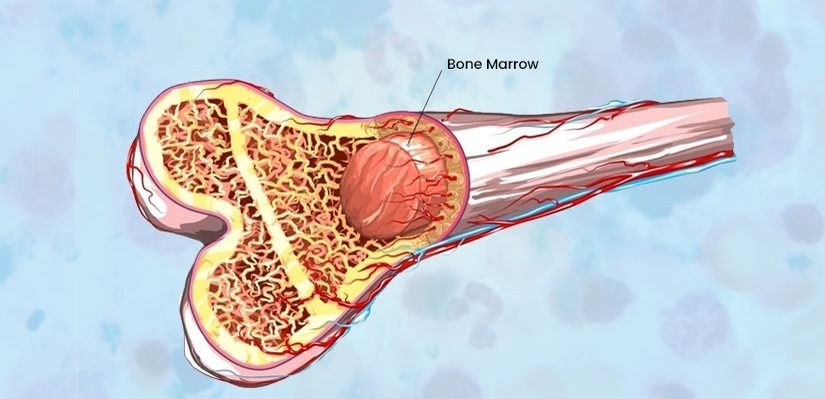
One of the first questions patients ask after a transplant is recommended is a simple one: how long is this going to take?


It is a fair question. Life does not pause when a diagnosis arrives. People have jobs, families, responsibilities, and a very human need to understand what they are walking into before they commit.


The short answer is that a bone marrow transplant is not a single event. It is a process that unfolds over several months, sometimes closer to a year or two, depending on the type of transplant, the condition being treated, and how well the body responds along the way.


The longer answer is what this article covers, phase by phase.


What Is the Total Timeline From Start to Full Recovery?

From the moment a transplant is formally planned to the point where a patient has rebuilt meaningful immune function and returned to normal daily life, the realistic window is 12 to 24 months.


That range exists because no two transplants are identical. The type of transplant matters. An autologous transplant (using the patient's own stem cells) generally involves a shorter, less complicated recovery compared to an allogeneic transplant (using a donor's stem cells). The underlying disease matters. The patient's age and overall health matter. Whether complications like graft-versus-host disease arise matters.


What families can count on is that this is a marathon, not a sprint. Understanding the phases helps make the long road feel navigable.


Phase 1: How Long Does Pre-Transplant Evaluation Take?

Before a transplant can be scheduled, the medical team needs to confirm that the patient is a suitable candidate and that everything is in place to proceed safely. This phase typically takes 1 to 2 months, though it can stretch longer depending on complexity.


During this time, the transplant team conducts a thorough medical workup. It includes blood tests, bone marrow biopsies, imaging scans, heart function tests, lung function tests, and evaluations of the liver and kidneys. The goal is to understand the patient's current health status and rule out any conditions that would make the procedure too risky.


For allogeneic transplants, an additional step is HLA typing. It is a blood test that identifies the patient's tissue type, which is used to find a compatible donor. If a matched sibling donor is available, the search is straightforward. If an unrelated donor is needed, the search is conducted through international registries like NMDP and DKMS, and it is important to understand that this process can take weeks to several months.


HLA test results alone can take up to 3 weeks to process, and donor availability varies considerably by patient genetic background.


Patients undergoing autologous transplants skip the donor search, which is one reason their overall timeline tends to be shorter.


During this phase, patients often continue disease-specific treatment to keep their condition in remission or achieve remission before the transplant proceeds.


Phase 2: How Long Does the Conditioning Regimen Take?

Once the workup is complete and the transplant is scheduled, the patient moves into the conditioning phase. It is the treatment administered immediately before the transplant. It typically lasts 1 to 2 weeks, though the exact duration depends on the protocol prescribed by the treating team.


Conditioning serves two purposes. First, it destroys diseased or malfunctioning bone marrow cells to make room for new stem cells. Second, it suppresses the immune system, preventing the body from rejecting the incoming cells.


For most patients, conditioning involves high-dose chemotherapy, sometimes combined with radiation therapy. The specific drugs and doses used vary based on the diagnosis, the type of transplant, and the patient's overall health.


Some patients, particularly older adults or those with existing health conditions, receive reduced-intensity conditioning. It is a lower-dose approach that carries less short-term toxicity while still preparing the body for engraftment. The trade-off is that it relies more heavily on donor immune cells to eliminate residual disease.


Conditioning is the phase in which patients begin to feel the physical burden of the process. Fatigue, nausea, mouth sores, and vulnerability to infection are common during this period. The medical team monitors patients closely throughout.


Phase 3: What Happens on Transplant Day Itself?

After everything the patient has gone through to reach this point, transplant day can feel surprisingly undramatic by comparison.


The actual stem cell infusion typically takes a few hours, sometimes less. The cells arrive in blood bags through an intravenous line, similar to a blood transfusion. Patients are monitored closely before, during, and after the infusion for any reactions, but the procedure itself is not surgical and does not require an operating room.


In the transplant calendar, this day is called Day Zero. All the days of conditioning before it are counted as negative numbers (Day -7, Day -3, and so on), and all the days of recovery afterward are counted forward from this point.

The infused stem cells travel through the bloodstream and find their way to the bone marrow, where they begin the process of settling in and preparing to produce new blood cells.


Phase 4: How Long Does Engraftment Take After Transplant?

Engraftment is when the transplanted stem cells begin to grow and produce new, healthy blood cells in the bone marrow. It is one of the most important milestones in the transplant journey, and the waiting period for it is one of the most anxious.


Engraftment typically happens between Day 10 and Day 30 after transplant, though this varies by patient and transplant type.The transplant team tracks engraftment primarily by monitoring the patient's absolute neutrophil count (ANC), which is a measure of infection-fighting white blood cells. When the ANC begins to rise and sustain itself, it signals that the new stem cells have taken hold.


During this window, patients remain in the hospital or visit the treatment center daily. The immune system is at its lowest point, and the risk of serious infection is high. Patients are kept in carefully controlled environments, given prophylactic antibiotics and antifungal medications, and monitored around the clock.


This period, roughly the first 30 days, is the most physically and emotionally intense stretch of the entire process.


Phase 5: What Happens in the First 100 Days After Transplant?

The first 100 days after transplant are considered a critical window in the recovery process, and for good reason. During Days 30 to 100, the immediate engraftment crisis typically passes, but the immune system remains fragile and far from fully functional. The medical team continues watching closely for two main complications.


  • Infection remains a serious risk throughout this entire period. The immune system is essentially being rebuilt from scratch and cannot yet defend the body as a healthy immune system would. Patients are advised to avoid crowds, maintain rigorous hygiene, stay away from anyone who is sick, and limit contact with potential sources of bacterial or fungal contamination, including soil and certain foods.
  • Graft-versus-host disease (GVHD) is a complication specific to allogeneic transplants. It occurs when donor immune cells, after successfully engrafting, begin treating the patient's own tissues as foreign and attacking them. Acute GVHD typically appears within the first 100 days. It can affect the skin, the gut, and the liver, ranging from mild rashes to serious digestive symptoms. Managing GVHD requires a careful balance of immunosuppressive medications.

Most patients who received an allogeneic transplant are required to stay within a reasonable distance of the transplant center for the full 100-day period, even if they are not admitted to the hospital the entire time. Daily or several-times-weekly outpatient visits are common during the first months post-discharge.


For autologous transplant patients, this phase tends to be less complicated since there is no donor immune system involved and no risk of GVHD. Many autologous transplant patients require about 30 days of close proximity to the center after discharge.


Phase 6: What Does Recovery Look Like from Month 3 to Month 12?

Once the first 100-day milestone is reached, the intensity of medical monitoring gradually eases, and patients begin to rebuild strength and return to aspects of normal life.


Between months 3 and 6, energy levels typically begin improving. Outpatient appointments become less frequent. Patients begin re-engaging in daily activities, though fatigue remains a common companion for many during this period.


The immune system continues to rebuild throughout this period. The risk of infection remains meaningfully elevated, and patients continue to take prophylactic medications and follow hygiene precautions during this window.

Chronic GVHD can emerge during this phase in allogeneic transplant recipients. Unlike acute GVHD, which tends to appear early and involve specific organ systems, chronic GVHD can be more widespread and longer-lasting. It may affect the skin, eyes, mouth, lungs, joints, and other areas. Some patients manage mild chronic GVHD with medication and continue leading relatively normal lives. In more severe cases, it requires ongoing treatment and significantly affects quality of life.


By months 6 to 12, many patients see considerable improvement across the board. Those who have not developed significant chronic GVHD often report returning to work or study within this window. Vaccinations are restarted during this period, as the immune system is usually strong enough by now to begin rebuilding protective responses.


How Long Does Full Recovery Actually Take?

Full recovery is harder to define than most patients expect, because it depends on what "full" means in a given context.For autologous transplant recipients without major complications, a return to meaningful normalcy typically happens within 6 to 12 months.


For allogeneic transplant recipients, particularly those who develop chronic GVHD or other complications, full immune reconstitution can take up to 2 years. Some patients remain on immunosuppressive medications for a year or more. A small proportion have ongoing complications that require long-term management.


What is consistent across almost all bone marrow transplant patients is that the immune system takes at least a full year to rebuild to a point where infection risk is comparable to that of the general population. The University of Kansas Cancer Center notes plainly that the risk for infection remains high until the immune system fully recovers, and that this process can take up to a year after transplant.


Full immunity restoration also means re-vaccination. Because the immune system is essentially rebuilt from scratch, most of the antibody protection from childhood vaccinations is lost. Patients typically go through a re-vaccination schedule, usually starting around 6 to 12 months post-transplant and continuing over the following year.


Does the Type of Transplant Change the Timeline?

Yes, significantly.


  • Autologous transplants are generally shorter in total duration. Because the patient's own cells are used, there is no donor search, no risk of graft-versus-host disease, and typically a faster recovery curve. The total process from conditioning to meaningful recovery often falls within 6 to 12 months.
  • Allogeneic transplants are longer and more complex. The donor search alone can add weeks to months before the transplant even begins. The post-transplant period is more medically demanding because of GVHD risk and the longer time needed for the donor immune system to establish itself fully. Total recovery timelines of 1 to 2 years are realistic for many allogeneic transplant recipients.
  • Reduced-intensity conditioning transplants, used for older or less medically robust patients, do not dramatically shorten the overall timeline compared to standard allogeneic transplants. They reduce early toxicity, but the engraftment and immune recovery phases still take the same amount of time.


What Factors Make the Timeline Longer or Shorter?

Several variables affect how quickly a patient moves through the process.


  • Donor availability is one of the most significant variables in allogeneic transplants. A well-matched sibling donor can typically be confirmed and prepared within a few weeks. Finding a matched unrelated donor through a registry can take considerably longer, particularly for patients from ethnic backgrounds that are underrepresented in donor databases.
  • Disease status at the time of transplant affects recovery. Patients who go into the transplant in full remission tend to recover better and with fewer complications than those transplanted with active disease.
  • Age and baseline health play a real role. Younger patients with no significant comorbidities typically recover faster and experience fewer serious complications. Older patients or those with pre-existing conditions may progress more slowly through each phase.
  • Complications are the biggest wild card. A patient who sails through engraftment without infection or GVHD may return to normal life considerably faster than the median. A patient who develops severe acute GVHD or a serious infection in the first 100 days may face a significantly extended and more difficult recovery.


What Should Families Plan For During the Treatment Period?

Understanding the timeline helps families make practical decisions before the process begins.

For the first 30 to 60 days after transplant, patients need someone with them full-time. This is not the period for independence. Fatigue, medication complexity, and the risk of sudden complications mean that having a reliable caregiver is genuinely important.


For the first 100 days after an allogeneic transplant, patients are generally required to live within a reasonable distance of the transplant center. Families planning treatment abroad need to explicitly account for this, understanding that the stay in the destination country will not end on discharge day.


The return-to-work question is one most families think about. The honest answer is that most patients are not ready to return to full-time work within the first 6 months. Many return to part-time or modified duties somewhere between months 6 and 12. Some, particularly those who develop chronic GVHD, take longer or require permanent adjustments.


Fatigue is consistently the most underestimated aspect of recovery. Patients who feel physically recovered in other ways are often still managing significant tiredness well into the first year. Planning for this, rather than being surprised by it, helps families set realistic expectations and provide appropriate support.


What Does the Long-Term Follow-Up Period Look Like?

The formal transplant treatment process ends, but medical follow-up does not. Most transplant centers schedule patients for regular review appointments throughout the first year, starting as frequently as weekly in the early months and gradually spacing out. After the first year, annual check-ins typically continue indefinitely.


These long-term appointments serve several purposes. They monitor for late-onset complications, track immune reconstitution, manage any ongoing GVHD, and screen for secondary conditions that can sometimes occur in the years following high-dose chemotherapy and transplant.


It is not a reason to approach the process with dread. Millions of people have gone through bone marrow transplants and returned to full, rich lives. But it is a reason to plan, to understand what is involved at each stage, and to choose a transplant center that takes continuity of care seriously, not just through Day 100 but well beyond it.


The Bottom Line

A bone marrow transplant is a process that asks a great deal of patients and their families. The timeline is long, the recovery is gradual, and patience is required in a situation where patience does not come easily.


But each phase has a purpose. The conditioning prepares the ground. The transplant plants the seed. Engraftment is the first sign of growth. And the months that follow are the slow, meaningful work of rebuilding.


Most patients who reach the other side describe it as one of the hardest things they have ever done. Most also say it was worth it.


Planning a bone marrow transplant abroad and need to understand how to coordinate care across the full treatment timeline? Speak with our medical coordinator who specializes in hematology case management.

Related Hospitals

Discover hospitals and medical centers related to this topic for quality healthcare services.
Medical Park Bahcelievler Hospital
Platinum
View Details

Medical Park Bahcelievler Hospital

Istanbul, Turkey

Medical Park Bahcelievler Hospital is a 242-bed JCI-accredited hospital in Istanbul, established in 2007. Spread across 33,000 square meters and 19 fl...

Multi-specialty
Established 2007
242 beds
Accreditations
Joint Commission International (JCI)
Facilities
+13
BLK-Max Super Speciality Hospital, New Delhi
Platinum
View Details

BLK-Max Super Speciality Hospital, New Delhi

New Delhi, India

BLK-Max Super Speciality Hospital in New Delhi is one of India's premier healthcare institutions, offering 650 beds, 22 advanced operation theatres, a...

Multi-specialty
Established 1959
650 beds
Accreditations
Joint Commission International (JCI)
National Accreditation Board for Hospitals & Healthcare Providers (NABH)
Facilities
+13
Fortis Memorial Research Institute (FMRI), Gurgaon
Platinum
View Details

Fortis Memorial Research Institute (FMRI), Gurgaon

Gurgaon, India

Fortis Memorial Research Institute (FMRI), Gurgaon, is a world-class multi-specialty hospital established in 2013. The hospital offers 330 beds, 15 op...

Multi-specialty
Established 2013
330 beds
Accreditations
Joint Commission International (JCI)
National Accreditation Board for Hospitals & Healthcare Providers (NABH)
Facilities
+13
Artemis Hospital, Gurgaon
Platinum
View Details

Artemis Hospital, Gurgaon

Gurgaon, India

Artemis Hospital, Gurgaon, is a JCI accredited multispecialty hospital that was established in 2007. It offers 750+ beds and world -class infrastructu...

Multi-specialty
Established 2007
750 beds
Accreditations
Joint Commission International (JCI)
National Accreditation Board for Hospitals & Healthcare Providers (NABH)
International Organization for Standardization (ISO)
Facilities
+13
Kokilaben Dhirubhai Ambani Hospital, Mumbai
Platinum
View Details

Kokilaben Dhirubhai Ambani Hospital, Mumbai

Mumbai, India

Kokilaben Dhirubhai Ambani Hospital, Mumbai, is a JCI, NABH, NABL, and CAP-accredited quaternary care hospital established in 2009. With 750 beds, 180...

Multi-specialty
Established 2009
750 beds
Accreditations
Joint Commission International (JCI)
National Accreditation Board for Hospitals & Healthcare Providers (NABH)
International Organization for Standardization (ISO)
Facilities
+13
Medicover Hospitals, Hitech City, Hyderabad
Platinum
View Details

Medicover Hospitals, Hitech City, Hyderabad

Hyderabad, India

Medicover Hospitals, Hitech City, Hyderabad, is a 400-bed NABH-accredited super-specialty hospital established in 2011. It is part of Medicover, a glo...

Multi-specialty
Established 2011
400 beds
Accreditations
National Accreditation Board for Hospitals & Healthcare Providers (NABH)
Joint Commission International (JCI)
Facilities
+13

Related Doctors

Connect with experienced doctors and medical specialists in this field.
Dr. Wichit Arpornwirat

Dr. Wichit Arpornwirat

Consultant

30 years of experience
View Details
Dr. Prasan Kachonrattanadet

Dr. Prasan Kachonrattanadet

Consultant
31 years of experience
View Details
Dr. Sabarinath C

Dr. Sabarinath C

Consultant

8 years of experience
View Details
Dr. Pradip Chakrabarti

Dr. Pradip Chakrabarti

Head of Department (HOD)

45 years of experience
View Details
Dr. Suraj Chiraniya

Dr. Suraj Chiraniya

Senior Consultant

16 years of experience
View Details
Dr. Shishir Shetty

Dr. Shishir Shetty

Head of Department (HOD)

14 years of experience
View Details

Related Articles

Explore more articles and insights on similar health topics.

How Multidisciplinary Teams Improve Patient Outcomes

Medical Tourism

How Multidisciplinary Teams Improve Patient Outcomes

30/5/2026, 2:09:19 PM
10 min read
When a patient receives a cancer diagnosis, a transplant recommendation, or faces a complex neurological condition, the quality of the decision made i...
Why Hospital Accreditation Matters in Medical Tourism
Medical Tourism

Why Hospital Accreditation Matters in Medical Tourism

30/5/2026, 1:18:43 PM
10 min read
When patients travel abroad for treatment, they make dozens of decisions. Which country. Which city. Which hospital. Which surgeon. And somewhere in t...
Is Brain Tumour Surgery Risky? What Patients Need to Know Before Making a Decision
Medical Tourism

Is Brain Tumour Surgery Risky? What Patients Need to Know Before Making a Decision

30/5/2026, 12:03:07 PM
10 min read
Brain tumour surgery is one of those topics where fear and facts have a complicated relationship. The fear is understandable. The brain controls every...
Managing Pain After Spine Surgery
Medical Tourism

Managing Pain After Spine Surgery

29/5/2026, 8:21:36 AM
12 min read
Pain after major spine surgery is not a side effect to push through quietly. It is a clinical priority that directly affects how well a patient recove...
How Long Does Recovery Take After Spine Surgery?
Medical Tourism

How Long Does Recovery Take After Spine Surgery?

29/5/2026, 5:23:53 AM
13 min read
Spine surgery recovery is one of the most searched and least honestly answered questions in orthopaedic medicine. Most patients get a number from thei...
Post-Transplant Care for International Patients

Medical Tourism

Post-Transplant Care for International Patients

29/5/2026, 5:05:59 AM
14 min read
The surgery is behind you. The new organ is working. And at some point in those first weeks, the conversation shifts from recovery to departure, from ...
Dr. Riya Shree

Head - International Patient Services

Head - International Patient Services Qonaq Health and Wellness
Clinical Physiotherapist

Dr. Riya Shree is a clinical physiotherapist who completed her internship at Mata Chanan Devi Hospital, New Delhi, gaining hands-on experience in patient care and rehabilitation. She served on the fr... Read More

Our website uses cookies. By clicking on accept you give your consent to the use of cookies as per our Privacy Policy.