Life After Bone Marrow Transplant: Recovery, GVHD, Fatigue, and Long-Term Effects

25/5/2026, 4:39:28 AM 14 min read Medical Tourism
Life After Bone Marrow Transplant: Recovery, GVHD, Fatigue, and Long-Term Effects
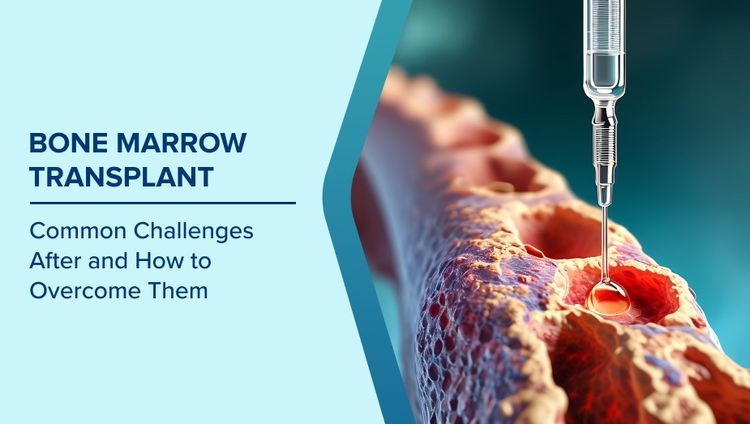
There is a strange moment that almost every bone marrow transplant survivor describes at some point. You have made it through the conditioning. You have made it through engraftment. You have crossed the 100-day mark. The medical team is pleased with your progress. And someone, with genuine warmth and good intentions, tells you that you can now start getting back to normal.


And you stand there thinking: what's normal? The life before diagnosis? The person before treatment? The body that existed before all of this?


Because here is what the medical world does not always communicate clearly enough: surviving a bone marrow transplant is not a return to a previous state. It is the beginning of a different one. That different state can be, for most people, a genuinely good one. But it takes time to find its shape. And it asks more of patients and families than most of the clinical literature suggests.


This article is about that part of the journey. Not the transplant itself, but everything that comes after it.


What Does Physical Recovery Actually Feel Like in the First Year?

The first year after a bone marrow transplant is one of the most physically demanding periods most survivors will ever experience, and it is often the one that catches people most off guard.


The reason is simple. By the time patients leave the hospital, they have spent weeks or months in an environment where they were closely monitored, supported, and cared for around the clock. Coming home feels like a milestone. And it is. But it also means managing a complex set of ongoing physical challenges with far less immediate support around you.


  • Fatigue is the most consistent complaint. Not tiredness in the ordinary sense, but a bone-deep exhaustion that does not necessarily improve with rest and can arrive without warning in the middle of an otherwise manageable day. Most patients describe it as the hardest thing to explain to people who have not been through it. You look fine. You are home. And yet getting dressed can feel like a significant effort.
  • Infection risk remains elevated for months. Most transplant centres advise patients that the infection risk remains significantly higher than normal for at least the first three months after discharge and remains a concern throughout the first year. During this window, patients continue taking prophylactic antibiotics and antifungal medications. They avoid large crowds, stay away from unwell people, and follow strict food safety practices.
  • The neutropenic diet, which restricts raw or unwashed produce, undercooked proteins, unpasteurized dairy, and certain other foods, is typically recommended for approximately three to six months after transplant. Most patients find the dietary restrictions one of the more socially isolating aspects of early recovery. Eating is social, and not being able to share a meal freely is a quiet but real loss during this period.
  • Changes in appetite and taste are common and frustrating. Chemotherapy and radiation frequently alter how food tastes. Some patients find that foods they previously enjoyed now taste metallic, bland, or unpleasant. These changes typically improve over months but can persist for some time. Working with a dietitian who has experience with transplants significantly helps during this phase.
  • Physical strength takes longer to return than most people expect. Muscle mass and cardiovascular fitness decline during hospitalization. Light walking and gentle activity are encouraged early in recovery, but it takes many months of gradual rebuilding before patients feel physically capable as they were before treatment. Pushing too hard, too early often backfires. The pace of physical rebuilding needs to be patient-led and medically supervised.


What Is Chronic GVHD and How Does It Affect Daily Life?

For patients who received an allogeneic transplant, graft-versus-host disease is one of the most significant long-term factors shaping life after transplant.


  • Acute GVHD typically appears in the first 100 days and involves the skin, gut, and liver in its most common forms. Many cases of acute GVHD are manageable and resolve with treatment. But chronic GVHD is a different kind of challenge.
  • Chronic GVHD can occur at any time after the first 3 months, sometimes much later, and its effects can be widespread. It may affect the skin, mouth, eyes, lungs, liver, joints, and gastrointestinal tract. In milder forms, patients manage it with medication while living relatively full lives. In more severe cases, it significantly limits a person's ability to function and requires ongoing treatment.

Some of the most commonly reported effects of chronic GVHD include dry eyes and mouth, skin tightening or scarring, joint stiffness and reduced mobility, digestive issues, and fatigue that compounds what is already present from the transplant itself.


What makes chronic GVHD particularly difficult to navigate emotionally is its unpredictability. Some patients experience it intensely and then see it gradually resolve over time with treatment. Others manage a lower-level, fluctuating version of it for years. A smaller number deal with severe chronic GVHD that permanently alters what is possible in daily life.


The most important thing to understand is that chronic GVHD is manageable, and treatment continues to improve. Working consistently with a transplant team that has expertise in its management makes a real difference in both the medical and quality-of-life outcomes.


What Late Effects Should Bone Marrow Transplant Survivors Watch For?

The term "late effects" refers to health problems that arise not immediately after transplant but months to years afterwards, as a result of the high-dose chemotherapy, radiation, or the transplant process itself.


Research on long-term transplant survivors shows that the cumulative incidence of serious chronic health conditions can be significant over the years following transplant. Being aware of these possibilities is not cause for alarm. It is a cause for consistent monitoring.


  • Bone health is one area that requires ongoing attention. Long-term use of corticosteroids (commonly prescribed for GVHD) can reduce bone density, increasing the risk of osteoporosis and fractures. Regular bone density monitoring, appropriate calcium and vitamin D intake, and weight-bearing exercise all help protect bone health over time.
  • Heart and circulatory health deserve long-term attention, as some chemotherapy agents and total body irradiation can affect the heart and blood vessels over time. Transplant survivors benefit from the same cardiovascular health practices recommended for everyone, including regular exercise, a heart-healthy diet, not smoking, and maintaining healthy blood pressure and cholesterol levels.
  • Lung function can be affected by prior infections, GVHD, or conditioning treatment. Some patients develop a condition called bronchiolitis obliterans, which affects the small airways of the lungs. Pulmonary function testing during follow-up appointments helps detect early changes.
  • Hormone and fertility effects are significant for many survivors, particularly those who received treatment at a younger age. High-dose chemotherapy and radiation frequently cause hormonal disruptions. In women, this can lead to early menopause and its associated effects on bone density, heart health, and quality of life. Hormone replacement therapy is appropriate for many women in this situation and should be discussed with a specialist. Infertility is common after transplant conditioning. 
  • Secondary cancers represent a real but relatively rare late effect. The high-dose treatments used before transplant, particularly total body irradiation, can slightly increase the risk of secondary malignancies over the long term. It is one reason why annual follow-up appointments are not optional for transplant survivors. They exist specifically to monitor for such late effects.
  • Cognitive effects, sometimes called "chemo brain," affect a meaningful proportion of transplant survivors. It can present as difficulty concentrating, short-term memory lapses, slower processing speed, or a general sense that mental sharpness is not quite what it used to be. Research in this area is growing. The good news is that most cognitive changes improve gradually over the first couple of years. Cognitive rehabilitation, structured mental activity, and addressing related factors like sleep quality and anxiety can all help.


How Does Mental Health Change After a Bone Marrow Transplant?

The psychological dimension of life after transplant is one of the least discussed and most genuinely important parts of the survivorship experience.


Research consistently shows that depression occurs in a significant proportion of transplant survivors, with estimates ranging from around 12-30%. Post-traumatic stress responses are also common. So is anxiety, particularly around medical appointments, physical symptoms, and the fear that the disease may return.


What is important to understand is that these are not character weaknesses or failures to be grateful enough. They are normal human responses to an abnormal experience.


Surviving a bone marrow transplant means having lived through something that most people around you cannot fully comprehend. It means spending months in hospitals, being isolated, being dependent, facing your own mortality in a very direct way, and then being expected to re-enter ordinary life and function normally within it. The emotional processing that follows all of that takes time, and it does not follow a neat schedule.


  • Fear of relapse is perhaps the most universal psychological challenge among cancer survivors. After everything it took to reach this point, the idea that the disease might come back is terrifying. For most people, this fear does not disappear. What changes over time, with support and experience, is the ability to carry it without being paralyzed by it. Many survivors describe a gradual shift from the fear dominating their thinking to it becoming something they are aware of but no longer controlled by.
  • Identity shifts are also real and often surprising. Many transplant survivors describe feeling fundamentally different after the experience. Some feel that they have a clearer sense of what matters. Some find that relationships have shifted. Some struggle with feeling like a different person in a body that carries the evidence of what they went through. None of these responses is wrong. They are part of a profound experience being metabolized over time.
  • Caregiver relationships often change after a transplant. The person who was a partner, parent, or sibling throughout the treatment process may have taken on a caregiver role, which can change the dynamic between you. Re-establishing the original relationship, or finding a new version of it that works, takes intentional effort and honest communication from both sides.

Professional psychological support, whether through individual therapy, group support, or both, makes a meaningful difference for many transplant survivors. Transplant-specific support groups, either in person or online, offer something that therapy alone sometimes cannot: the understanding of people who have genuinely been through the same experience.


When Can Bone Marrow Transplant Survivors Return to Work?

It is one of the most practical questions on most survivors' minds, and the honest answer is: it depends, and probably later than you are hoping.


UCSF Health advises patients not to expect to return to work for the full first year after transplant, though a part-time return in a low-risk environment may be possible earlier for some patients.


The type of work matters significantly. Desk-based remote work carries much lower infection and fatigue risk than a customer-facing role, a physically demanding job, or a role that involves travel. Some patients can return to low-risk work settings part-time within six months. Others need the full year or more.


The most important thing is not to let social pressure or financial anxiety rush this decision in a way that compromises recovery. Returning to work too early and then needing to stop again is harder on everyone than taking the time needed in the first place.


Many employers, once properly informed, are willing to accommodate phased returns, reduced hours, or modified duties. A letter from the treating transplant team outlining recovery requirements and restrictions can be enormously helpful in these conversations.


What Dietary and Lifestyle Changes Last Beyond the First Year?

The strict dietary rules of the first few months post-transplant do gradually ease for most patients. But the experience of transplant tends to change the relationship most survivors have with their health, their diet, and their bodies, often in lasting ways.


  • As the immune system recovers and the medical team gives the green light to resume normal eating, most patients are encouraged to follow a balanced, varied diet rich in fruits and vegetables, lean proteins, whole grains, and healthy fats. It is not dramatically different from general healthy eating guidance, but it comes with a new level of meaning and motivation after what the body has been through.
  • Alcohol warrants a specific conversation with the treating team. It can slow bone marrow recovery, interact with medications, and affect liver function, which may already be under some degree of strain post-transplant. Most transplant teams advise keeping alcohol consumption minimal or absent for at least the first year, and some patients choose to continue limiting it indefinitely.
  • Smoking cessation is strongly advised for all transplant survivors and is not negotiable from a medical perspective. Smoking compounds virtually every late-effect risk category, including cardiovascular disease, lung function, and secondary cancer risk.
  • Sun protection is something transplant survivors need to take seriously long-term, particularly those who have had or are at risk of chronic GVHD. Some GVHD medications increase skin sensitivity to UV radiation. City of Hope recommends that transplant patients avoid direct sun for at least one year after transplant, and continue using high-SPF sunscreen when outdoors in the future.
  • Exercise is one of the most consistently beneficial things a survivor can do for their long-term health. It supports cardiovascular health, bone density, mood, energy levels, and cognitive function. The key is to start slowly, progress gradually, and always work within what the medical team considers safe at each stage of recovery. Walking is the most universally appropriate starting point. As strength returns, patients typically progress to more structured activity over time.


What Does Re-vaccination Involve After a Bone Marrow Transplant?

One of the less well-known aspects of life after transplant is that virtually all the immune protection built up through a lifetime of vaccinations is lost during the process.


The new immune system, whether rebuilt from the patient's own cells or from a donor's, starts essentially from scratch. The antibodies that are used to protect against measles, tetanus, polio, hepatitis, and other vaccine-preventable diseases are no longer reliably present.


Re-vaccination is therefore a standard and important part of post-transplant care. The timing varies. Autologous transplant patients typically begin receiving inactivated vaccines around six months after transplant, with live vaccines delayed until around 24 monthsAllogeneic transplant patients usually begin re-vaccination at around 12 months.


The transplant team typically coordinates the re-vaccination schedule and involves multiple rounds of vaccines over one to two years. It is not optional and not a minor administrative detail. It is a meaningful part of restoring the body's ability to defend itself.


How Do Transplant Survivors Navigate Long-Term Medical Follow-Up?

The end of the acute treatment phase does not mean the end of the medical relationship. For bone marrow transplant survivors, long-term follow-up is a permanent part of life.


In the first year, appointments are frequent, sometimes weekly in the earliest months, gradually spacing out to monthly and then quarterly. After the first year, most patients move to annual reviews, though those managing chronic GVHD or other ongoing conditions will be seen more regularly.


These appointments serve real purposes. They monitor blood counts and organ function, track the immune reconstitution process, manage any ongoing GVHD, screen for late effects including secondary malignancies, and give survivors a space to raise concerns before they become serious problems.


The partnership between the transplant survivor and their medical team is genuinely long-term, and the quality of that relationship matters. Patients who feel they can bring any concern to their team, without worrying about being dismissed or seeming anxious, navigate survivorship better than those who feel they have to manage alone between appointments.


What Does Life Really Look Like Years After a Bone Marrow Transplant?

The picture that emerges from long-term survivor studies is more complex and more positive than most patients at the start of their journey would dare to hope.


Research shows that more than 70% of those who survive the first two years after transplant go on to become long-term survivors. Many return to full-time work or study within two years. Many resume active social lives, travel, exercise regularly, and describe their health as good or very good.


The transplant experience tends to recalibrate priorities. Many survivors report a heightened appreciation for ordinary pleasures. Relationships that matter tend to deepen. Things that previously caused significant stress often lose their grip. There is a quality of having been on the other side of something serious that changes how life is held.

At the same time, it is important not to romanticize the experience or set an expectation that survivorship must feel like a gift. Some survivors carry significant ongoing challenges, physical and psychological. Some live with chronic conditions that require permanent management. The range of outcomes is genuinely wide, and wherever a particular survivor sits within that range, their experience is valid.


The most useful frame for most people is probably not "getting back to normal" but rather building a new normal. One that incorporates what the body has been through, acknowledges what may have changed, and moves forward from an honest foundation rather than an impossible standard.


The Bottom Line

Life after a bone marrow transplant asks a lot of survivors. It asks patience with a body that recovers on its own schedule. It asks for honesty about the emotional weight of the experience. It asks for consistent engagement with long-term medical care. And it takes courage to build a life shaped by survival rather than defined by it.

Most people who have been through it would not describe the journey as easy. Most of them would also tell you that it was worth it.


If you are navigating life after a bone marrow transplant and seeking guidance on long-term follow-up, survivorship support, or coordinating care across multiple countries, our specialist medical coordinator can help you build a plan that covers all stages of your journey. First consultations are always free.

Related Hospitals

Discover hospitals and medical centers related to this topic for quality healthcare services.
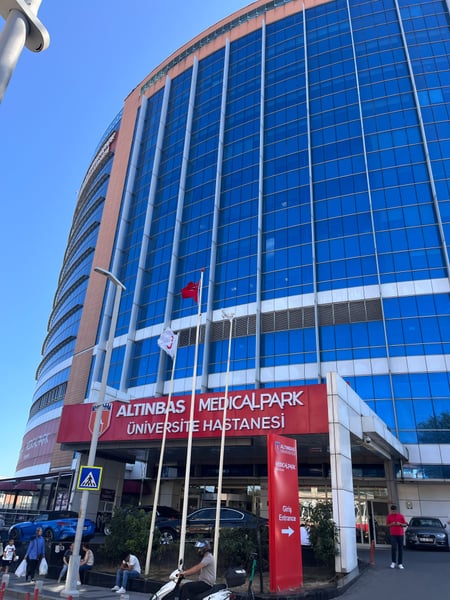
Medical Park Bahcelievler Hospital
Platinum
View Details

Medical Park Bahcelievler Hospital

Istanbul, Turkey

Medical Park Bahcelievler Hospital is a 242-bed JCI-accredited hospital in Istanbul, established in 2007. Spread across 33,000 square meters and 19 fl...

Multi-specialty
Established 2007
242 beds
Accreditations
Joint Commission International (JCI)
Facilities
+13
BLK-Max Super Speciality Hospital, New Delhi
Platinum
View Details

BLK-Max Super Speciality Hospital, New Delhi

New Delhi, India

BLK-Max Super Speciality Hospital in New Delhi is one of India's premier healthcare institutions, offering 650 beds, 22 advanced operation theatres, a...

Multi-specialty
Established 1959
650 beds
Accreditations
Joint Commission International (JCI)
National Accreditation Board for Hospitals & Healthcare Providers (NABH)
Facilities
+13
Fortis Memorial Research Institute (FMRI), Gurgaon
Platinum
View Details

Fortis Memorial Research Institute (FMRI), Gurgaon

Gurgaon, India

Fortis Memorial Research Institute (FMRI), Gurgaon, is a world-class multi-specialty hospital established in 2013. The hospital offers 330 beds, 15 op...

Multi-specialty
Established 2013
330 beds
Accreditations
Joint Commission International (JCI)
National Accreditation Board for Hospitals & Healthcare Providers (NABH)
Facilities
+13
Artemis Hospital, Gurgaon
Platinum
View Details

Artemis Hospital, Gurgaon

Gurgaon, India

Artemis Hospital, Gurgaon, is a JCI accredited multispecialty hospital that was established in 2007. It offers 750+ beds and world -class infrastructu...

Multi-specialty
Established 2007
750 beds
Accreditations
Joint Commission International (JCI)
National Accreditation Board for Hospitals & Healthcare Providers (NABH)
International Organization for Standardization (ISO)
Facilities
+13
Kokilaben Dhirubhai Ambani Hospital, Mumbai
Platinum
View Details

Kokilaben Dhirubhai Ambani Hospital, Mumbai

Mumbai, India

Kokilaben Dhirubhai Ambani Hospital, Mumbai, is a JCI, NABH, NABL, and CAP-accredited quaternary care hospital established in 2009. With 750 beds, 180...

Multi-specialty
Established 2009
750 beds
Accreditations
Joint Commission International (JCI)
National Accreditation Board for Hospitals & Healthcare Providers (NABH)
International Organization for Standardization (ISO)
Facilities
+13
Medicover Hospitals, Hitech City, Hyderabad
Platinum
View Details

Medicover Hospitals, Hitech City, Hyderabad

Hyderabad, India

Medicover Hospitals, Hitech City, Hyderabad, is a 400-bed NABH-accredited super-specialty hospital established in 2011. It is part of Medicover, a glo...

Multi-specialty
Established 2011
400 beds
Accreditations
National Accreditation Board for Hospitals & Healthcare Providers (NABH)
Joint Commission International (JCI)
Facilities
+13

Related Doctors

Connect with experienced doctors and medical specialists in this field.
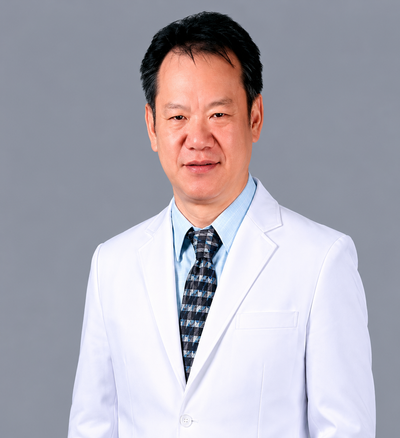
Dr. Wichit Arpornwirat

Dr. Wichit Arpornwirat

Consultant

30 years of experience
View Details
Dr. Prasan Kachonrattanadet

Dr. Prasan Kachonrattanadet

Consultant
31 years of experience
View Details
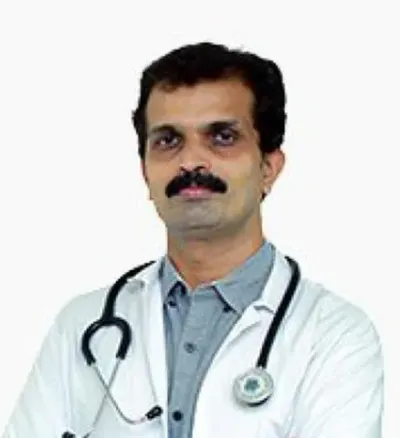
Dr. Sabarinath C

Dr. Sabarinath C

Consultant

8 years of experience
View Details
Dr. Pradip Chakrabarti

Dr. Pradip Chakrabarti

Head of Department (HOD)
45 years of experience
View Details
Dr. Suraj Chiraniya

Dr. Suraj Chiraniya

Senior Consultant
16 years of experience
View Details
Dr. Shishir Shetty

Dr. Shishir Shetty

Head of Department (HOD)

14 years of experience
View Details

Related Articles

Explore more articles and insights on similar health topics.

How Multidisciplinary Teams Improve Patient Outcomes

Medical Tourism

How Multidisciplinary Teams Improve Patient Outcomes

30/5/2026, 2:09:19 PM
10 min read
When a patient receives a cancer diagnosis, a transplant recommendation, or faces a complex neurological condition, the quality of the decision made i...
Why Hospital Accreditation Matters in Medical Tourism
Medical Tourism

Why Hospital Accreditation Matters in Medical Tourism

30/5/2026, 1:18:43 PM
10 min read
When patients travel abroad for treatment, they make dozens of decisions. Which country. Which city. Which hospital. Which surgeon. And somewhere in t...
Is Brain Tumour Surgery Risky? What Patients Need to Know Before Making a Decision
Medical Tourism

Is Brain Tumour Surgery Risky? What Patients Need to Know Before Making a Decision
30/5/2026, 12:03:07 PM
10 min read
Brain tumour surgery is one of those topics where fear and facts have a complicated relationship. The fear is understandable. The brain controls every...
Managing Pain After Spine Surgery
Medical Tourism

Managing Pain After Spine Surgery

29/5/2026, 8:21:36 AM
12 min read
Pain after major spine surgery is not a side effect to push through quietly. It is a clinical priority that directly affects how well a patient recove...
How Long Does Recovery Take After Spine Surgery?
Medical Tourism

How Long Does Recovery Take After Spine Surgery?

29/5/2026, 5:23:53 AM
13 min read
Spine surgery recovery is one of the most searched and least honestly answered questions in orthopaedic medicine. Most patients get a number from thei...
Post-Transplant Care for International Patients

Medical Tourism

Post-Transplant Care for International Patients

29/5/2026, 5:05:59 AM
14 min read
The surgery is behind you. The new organ is working. And at some point in those first weeks, the conversation shifts from recovery to departure, from ...
Nadeem Malik

Medical Writer

Medical Representative Shield Healthcare Pvt. Ltd
B-Pharm

Nadeem Malik is a dedicated medical writer with a strong academic background in pharmacy. He holds a Bachelor of Pharmacy (B.Pharm) degree from Teerthanker Mahaveer University, Moradabad, and has over... Read More

Our website uses cookies. By clicking on accept you give your consent to the use of cookies as per our Privacy Policy.