Medical Travel from Vanuatu to India: Key Reasons Explained

7/2/2026, 1:24:10 PM 10 min read Medical Tourism
Medical Travel from Vanuatu to India: Key Reasons Explained
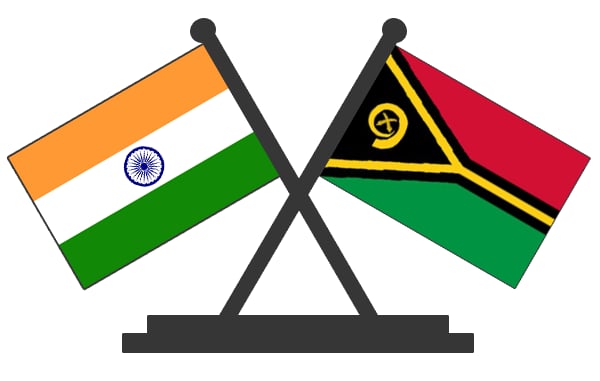
Patients from Vanuatu increasingly look beyond national borders for medical treatment. Severe health conditions often need advanced care, quick diagnosis, and specialist support. Local healthcare services handle routine care well, but complex treatment needs can exceed available resources.


Cancer, heart disease, kidney failure, spine problems, and infertility require specialized doctors and advanced equipment. These services remain limited within small island healthcare systems. Patients may face long waiting times or referrals to other countries for treatment.


Distance and geography also affect access to care. Patients from outer islands often travel long distances even for basic investigations. This challenge grows when treatment requires repeated visits or extended hospital stays.


Families make difficult decisions during illness. They search for care that offers safety, clarity, and real outcomes. Many look for a destination that combines advanced treatment with reasonable cost and organized care.


India has emerged as a trusted option for patients from Vanuatu. The country offers modern hospitals, experienced specialists, and structured treatment pathways. Patients receive timely care without the extreme financial pressure seen in many Western countries.


For families in Vanuatu, medical travel to India represents a practical response to serious health needs. This decision reflects the need for better access to treatment, faster care, and improved recovery outcomes.


What Healthcare Challenges Do Patients in Vanuatu Face?

Healthcare services in Vanuatu focus on primary care and emergency needs. Doctors and nurses provide essential treatment with dedication. However, severe and complex medical conditions place pressure on the system.


  • Limited access to specialist care affects many patients. Fields such as oncology, advanced cardiology, neurosurgery, organ transplant, and fertility treatment remain restricted. Patients often need referral abroad for these services.
  • Diagnostic limitations create delays. Advanced imaging, detailed pathology, and specialized tests may not be available locally. Patients sometimes wait weeks for confirmation of diagnosis, which affects timely treatment decisions.
  • Geographic challenges increase the burden. Vanuatu comprises many islands spread across a wide area. Patients often travel by boat or small aircraft to reach the main hospitals. Repeated visits become difficult for long-term treatment.
  • Waiting time for advanced care adds stress. When a referral is necessary, patients face delays in arranging overseas treatment. These delays matter greatly for conditions such as cancer, heart disease, and kidney failure.
  • Cost pressure on families also plays a role. Overseas treatment options in nearby countries often carry high medical and living expenses. Insurance coverage remains limited, which increases financial strain.

These challenges push patients from Vanuatu to seek care in destinations that offer advanced care, shorter treatment timelines, and predictable costs. India meets these needs through organized healthcare systems and accessible specialist services.


What Cultural and Practical Factors Connect Vanuatu with India?

Cultural comfort and practical ease influence medical travel decisions. Patients from Vanuatu often prefer destinations where communication feels simple and daily life feels manageable during treatment. India offers this balance.


  • English communication across healthcare settings supports clarity. Doctors, nurses, and support teams explain diagnosis and treatment plans in simple English. Clear communication reduces confusion and builds confidence during medical decisions.
  • Respect for family involvement in care aligns with social values in Vanuatu. Patients usually travel with relatives. Indian hospitals welcome family participation in discussions and recovery planning. This approach supports emotional stability during long treatment periods.
  • Familiar food and lifestyle flexibility improve comfort. Indian cities offer a wide range of food options and dietary flexibility. Patients can adjust meals to personal preferences and medical needs during recovery.
  • Cultural sensitivity and hospitality shape patient experience. Healthcare teams understand the emotional stress of medical travel. Staff members often show warmth and patience, which helps patients feel supported rather than rushed.
  • Practical living arrangements near hospitals reduce daily stress. Accommodation options near treatment centers allow patients and families to stay close. Short travel distances support rest and timely follow-up visits.

These cultural and practical factors help patients from Vanuatu feel at ease while receiving care in India. Comfort and understanding strengthen trust, which remains essential during serious medical treatment.


Why Do Patients from Vanuatu Prefer India for Medical Care?

Patients from Vanuatu prefer India because healthcare decisions demand speed, clarity, and affordability. Serious illness leaves little room for delay or uncertainty. India offers practical advantages that meet these needs.


  • Affordable medical treatment for complex conditions: Treatment costs in India remain far lower than in Australia, New Zealand, or Western countries. Families can plan care without overwhelming financial pressure. Lower cost helps patients start treatment earlier.
  • Access to advanced medical technology: Indian hospitals use modern imaging, precision surgery tools, and advanced cancer treatment systems. Technology supports accurate diagnosis and effective care planning.
  • Experienced specialists across major disciplines: Doctors in India manage complex cases every day. High patient volumes build strong clinical experience. This expertise improves decision-making for complex conditions.
  • Short waiting time for diagnosis and surgery: Patients can schedule tests and procedures within days. Faster care matters for cancer, heart disease, and organ failure. Early treatment improves recovery chances.
  • Comprehensive care under one system: Patients receive diagnosis, treatment, rehabilitation, and follow-up in a coordinated manner. This structure reduces confusion and unnecessary travel between facilities.
  • Clear communication and patient guidance: Doctors explain medical conditions and treatment steps in simple language. Patients and families understand options and risks without confusion.

These advantages explain why patients from Vanuatu consistently choose India. The decision reflects a need for reliable care rather than convenience alone.


What Treatments Do Patients from Vanuatu Commonly Seek in India?

Patients from Vanuatu travel to India for treatments that need advanced skills, modern equipment, and coordinated care. These conditions often require long-term planning and specialist teams. India offers structured treatment pathways for each of these needs.


  • Cancer treatment and bone marrow transplant: Patients seek chemotherapy, radiation therapy, targeted therapy, and immunotherapy. Some travel for a bone marrow transplant in blood-related cancers. Indian centers provide complete cancer care with clear treatment plans and close monitoring.
  • Heart surgery and advanced cardiac care: Many patients travel for bypass surgery, valve repair or replacement, angioplasty, and pediatric heart procedures. Cardiac teams in India perform high volumes of surgeries, which improves precision and recovery outcomes.
  • Kidney disease treatment and transplant: Chronic kidney disease affects quality of life and finances. Patients come to India for dialysis programs and kidney transplants. Nephrology teams guide patients through evaluation, surgery, and post-treatment care.
  • Orthopedic and spine treatment: Joint replacement, spine surgery, trauma care, and sports injury treatment attract many patients. Modern techniques help reduce pain and support faster recovery and mobility.
  • Neurology and neurosurgery: Patients seek care for brain tumors, stroke, epilepsy, and spinal disorders. Advanced imaging and precise surgical tools support safe and effective treatment.
  • Fertility treatment and women’s health care: Couples travel for IVF, ICSI, fertility preservation, and gynecological treatment. Affordable cost and organized care plans help couples stay hopeful during treatment.

These treatment options explain why India remains a preferred destination for patients from Vanuatu. Access to multiple specialties under one system simplifies care and improves outcomes.


How Does India Compare with Other Medical Treatment Destinations?

Patients from Vanuatu often compare several countries before choosing where to seek treatment. Common options include Australia, New Zealand, and Western countries. Each destination offers strengths, but practical limits influence final decisions.


  • Australia and New Zealand healthcare options: These countries provide high-quality care. However, treatment costs for international patients remain very high. Long waiting lists delay planned procedures. Living expenses add a significant burden during extended stays.
  • United States and European healthcare systems: Western countries offer advanced technology and specialist care. Costs often exceed the reach of most families in Vanuatu. Insurance coverage rarely applies to international patients. Visa rules and travel distance add further difficulty.
  • Other Asian medical destinations: Some Asian countries offer lower costs than Western nations. However, the availability of advanced procedures varies. Specialist depth and follow-up coordination may remain limited. Language barriers can also affect understanding.
  • India’s balanced healthcare advantage: India combines affordability, advanced technology, and experienced specialists. Hospitals manage complex cases daily. Treatment begins quickly. Communication remains clear. Patient support services remain well-organized.


How Does Treatment Cost in India Compare with Other Countries?

Treatment cost shapes every medical travel decision. Families from Vanuatu must plan for care, travel, stay, and recovery. India offers a clear financial advantage while maintaining modern medical standards.


  • Lower overall treatment cost in India: Medical procedures in India cost much less than in Australia, New Zealand, the United States, or Europe. Families often save 60–80% on major treatments, even after adding travel and accommodation expenses.
  • Predictable and transparent pricing: Hospitals in India usually offer package-based pricing. These packages often include doctor fees, surgery, hospital stay, medicines, and routine follow-up. Transparent pricing helps families avoid unexpected bills.
  • Efficient healthcare systems reduce costs: India benefits from a skilled workforce and high treatment volumes. These factors lower operational costs without affecting safety or outcomes. Savings pass directly to patients.
  • No compromise on quality and safety: Lower cost does not mean lower care standards. Hospitals follow international safety protocols. Doctors use modern equipment and evidence-based treatment plans.


Approximate Cost Comparison

Treatment Type

Australia / USA (USD)

India (USD)

Heart Bypass Surgery70,000 – 90,0003,500 – 6,000
Hip Replacement30,000 – 40,0004,000 – 6,000
Kidney Transplant150,000+13,000 – 15,000
Liver Transplant120,000 – 150,00035,000 – 45,000
Cancer Treatment (full cycle)50,000+8,000 – 12,000

What Patient Support Services Are Available for Patients from Vanuatu in India?

Patient support remains essential during medical travel. Patients from Vanuatu often travel long distances and stay for extended periods. India offers structured support services that reduce stress and improve comfort throughout treatment.


  • Dedicated international patient coordination: Hospitals provide specialized teams for international patients. These teams manage appointments, treatment schedules, and medical documentation. Coordination helps patients avoid delays and confusion.
  • Clear communication in English: Doctors and care teams communicate in clear English. Medical conditions and treatment plans are explained in simple terms. This clarity supports informed decisions and builds trust.
  • Travel and accommodation assistance: Many hospitals assist with airport pickup and local transport. Staff also help patients find accommodation near the hospital. Staying close reduces fatigue and supports timely follow-up visits.
  • Family-friendly care environment: Patients from Vanuatu often travel with relatives. Hospitals support family presence during consultations and recovery. Attendants receive guidance on daily care routines and hospital processes.
  • Dietary flexibility and daily comfort: Indian cities offer a wide range of food options. Patients can adjust meals based on personal preference and medical advice. Comfortable daily routines support emotional well-being.
  • Follow-up and post-treatment guidance: Care teams provide discharge summaries, medication plans, and follow-up instructions. This guidance helps patients continue care safely after returning home.

These support services allow patients from Vanuatu to focus on healing rather than logistics. Organized care and personal attention create a safer and more comfortable treatment journey.


How Easy Is Travel from Vanuatu to India for Medical Treatment?

Travel planning matters greatly during medical treatment abroad. Patients from Vanuatu often worry about long distances and multiple connections. India offers a structured and manageable travel experience for international patients.


  • Flight connectivity from Vanuatu to India: Patients usually travel through major transit hubs such as Australia, Singapore, or Hong Kong. These routes remain reliable and well-connected. Total travel time generally ranges between 15 and 22 hours, depending on connections.
  • International airport facilities in India: Major Indian cities operate modern international airports. These airports handle large volumes of overseas patients every day. Immigration and customs procedures remain organized and predictable.
  • Arrival assistance for medical travelers: Many hospitals arrange airport pickup and direct transfer to accommodation or the hospital. This service reduces physical strain after long flights and helps patients settle quickly.
  • Pre-travel planning support: Patients often receive guidance on flight timing, transit planning, and arrival schedules. Clear preparation reduces delays and prevents last-minute confusion.
  • Family travel support: Patients from Vanuatu usually travel with a family member. India supports medical attendant travel, which allows relatives to stay close during treatment and recovery.

Despite the long journey, travel from Vanuatu to India remains practical and well-supported. Clear routes and on-ground assistance help patients focus on treatment rather than travel challenges.


How Can Patients from Vanuatu Get an Indian Medical Visa for Treatment?

The medical visa process supports timely access to treatment. Patients from Vanuatu often worry about documentation and approval timelines. India offers a clear and patient-friendly medical visa pathway.


  • Indian Medical Visa (MED Visa): Patients traveling for treatment apply for an Indian Medical Visa. This visa supports long-term care and recovery. It also allows multiple entries when follow-up visits are needed.
  • Medical visa validity and entries: Medical visas are usually valid for up to 1 year. Patients can travel in and out of India during this period if treatment plans require return visits.
  • Medical visa processing timeline: Processing typically takes a few working days once documents are complete. Hospitals often provide medical invitation letters promptly, helping expedite approvals in urgent cases.
  • Medical attendant visa for family members: India allows medical attendant visas for accompanying relatives. This option ensures emotional and practical support during treatment and recovery.
  • Ease of approval for patients from Vanuatu: Clear requirements and predictable timelines simplify the process. Hospital assistance further reduces administrative stress.


Documents required for an Indian medical visa

  • Valid passport with sufficient remaining validity
  • Recent passport-size photographs
  • Medical reports from a local healthcare provider
  • Treatment or invitation letter from an Indian hospital
  • Proof of funds for treatment and stay
  • Completed visa application form


Key Takeaway

Patients from Vanuatu choose India for advanced medical care at an affordable cost. Treatment starts quickly, specialists bring deep experience, and patient support remains strong. Clear communication and organized services reduce stress. This balance makes India a trusted destination for serious medical treatment.

Related Hospitals

Discover hospitals and medical centers related to this topic for quality healthcare services.
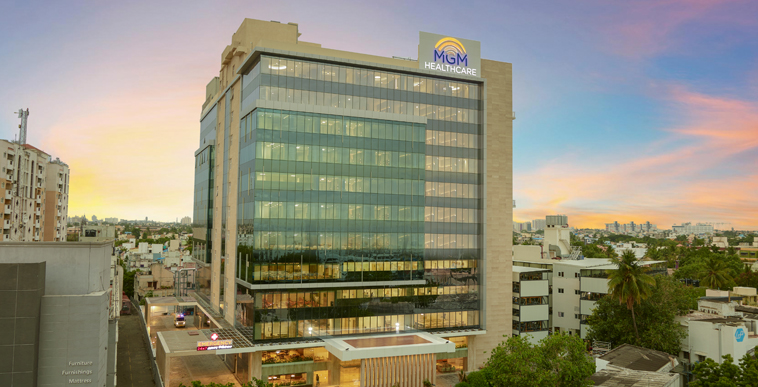
MGM Healthcare, Chennai
PLATINUM
View Details

MGM Healthcare, Chennai

Chennai, India

MGM Healthcare, Chennai, is a 400-bed quaternary-care super-specialty hospital accredited by JCI, NABH, and NABL. The hospital features 100 ICU beds, ...

Multi-specialty
Established 2019
400 beds
Accreditations
National Accreditation Board for Hospitals & Healthcare Providers (NABH)
Joint Commission International (JCI)
Facilities
+13
Paras Hospital, Gurgaon
PLATINUM
View Details

Paras Hospital, Gurgaon

Gurgaon, India

Paras Hospital, Gurgaon, established in 2006, is a 300-bed NABH- and NABL-accredited tertiary care hospital offering over 36 super specialties. The ho...

Multi-specialty
Established 2006
300 beds
Accreditations
National Accreditation Board for Hospitals & Healthcare Providers (NABH)
Facilities
+13
Medanta - The Medicity Hospital, Gurgaon
PLATINUM
View Details

Medanta - The Medicity Hospital, Gurgaon

Gurgaon, India

Medanta – The Medicity in Gurgaon is one of India's largest and most advanced multi-speciality hospitals, founded in 2009 by world-renowned cardiac su...

Multi-specialty
Established 2009
1391 beds
Accreditations
Joint Commission International (JCI)
National Accreditation Board for Hospitals & Healthcare Providers (NABH)
Facilities
+13
BLK-Max Super Speciality Hospital, New Delhi
PLATINUM
View Details

BLK-Max Super Speciality Hospital, New Delhi

New Delhi, India

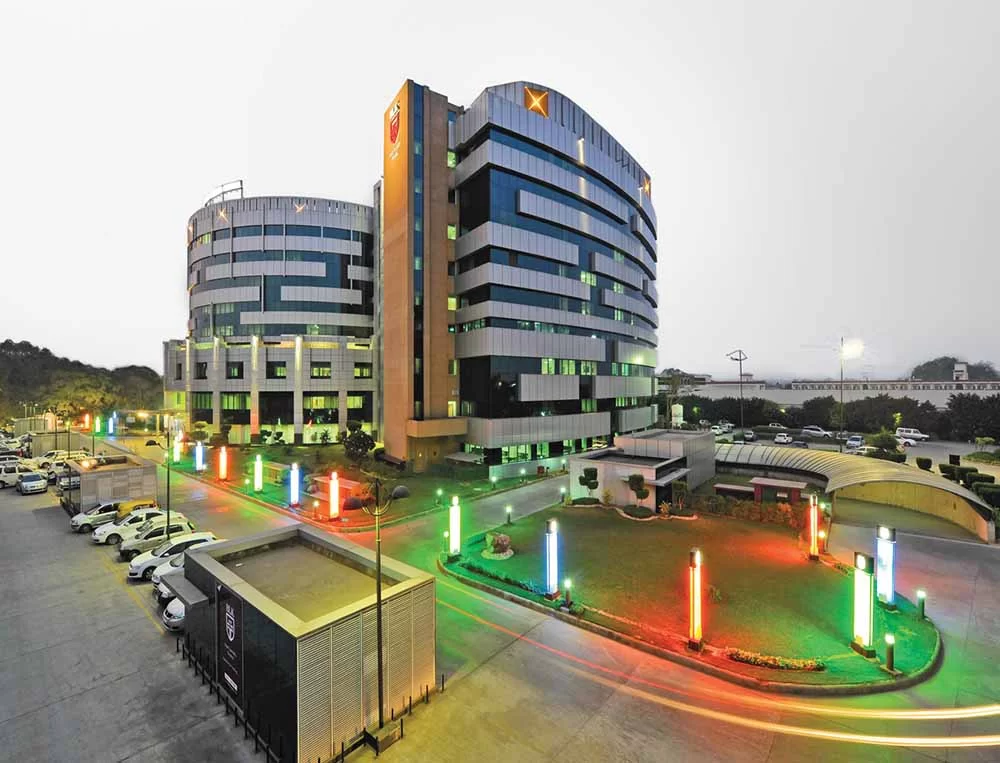
BLK-Max Super Speciality Hospital in New Delhi is one of India's premier healthcare institutions, offering 650 beds, 22 advanced operation theatres, a...

Multi-specialty
Established 1959
650 beds
Accreditations
Joint Commission International (JCI)
National Accreditation Board for Hospitals & Healthcare Providers (NABH)
Facilities
+13
Max Super Speciality Hospital, Saket, Delhi
PLATINUM
View Details

Max Super Speciality Hospital, Saket, Delhi

New Delhi, India

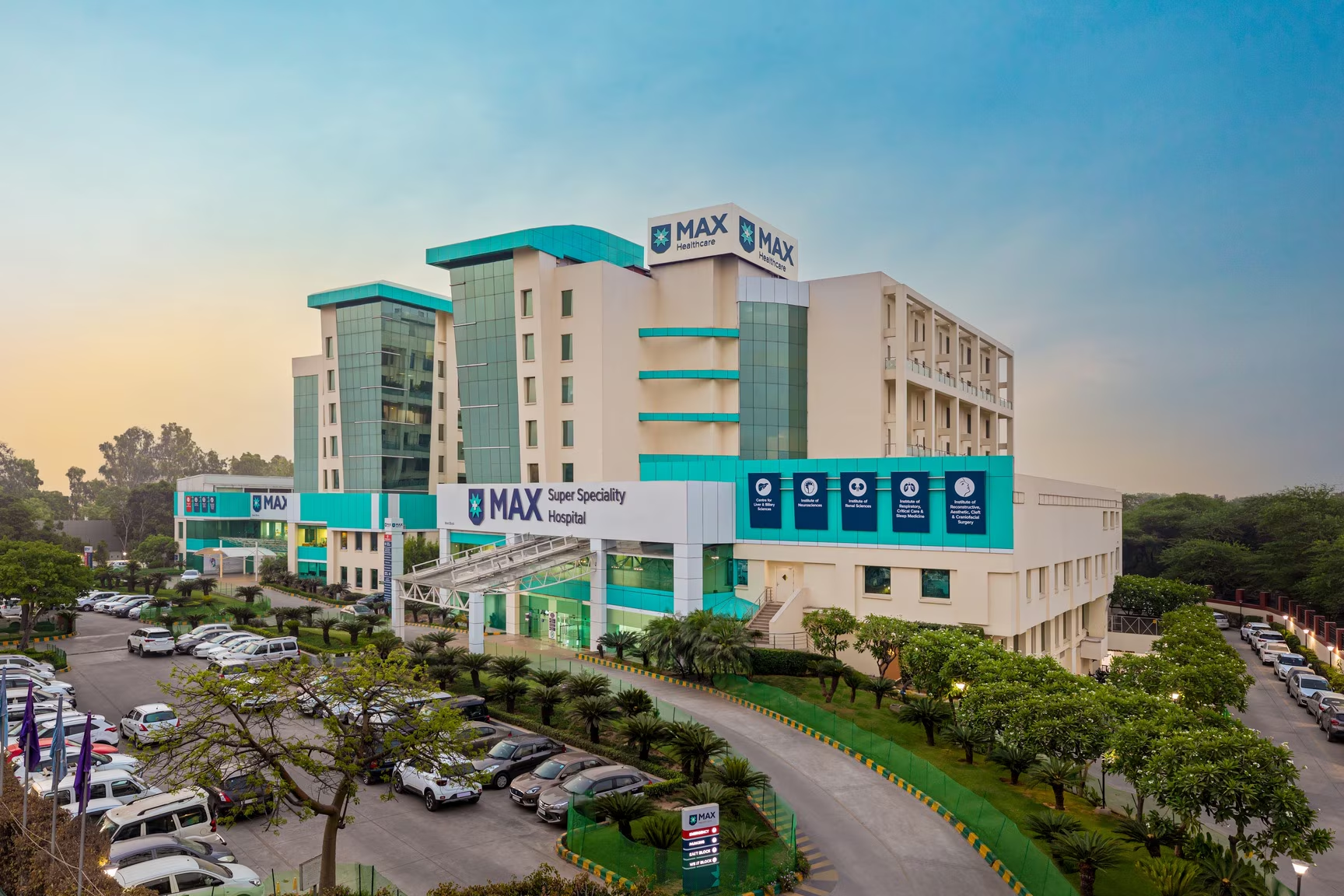
Max Super Speciality Hospital, Saket, New Delhi, is a leading JCI- and NABH-accredited hospital offering advanced medical care across 38+ specialities...

Multi-specialty
Established 2006
539 beds
Accreditations
Joint Commission International (JCI)
National Accreditation Board for Hospitals & Healthcare Providers (NABH)
International Organization for Standardization (ISO)
Facilities
+13
Fortis Memorial Research Institute (FMRI), Gurgaon
PLATINUM
View Details

Fortis Memorial Research Institute (FMRI), Gurgaon

Gurgaon, India

Fortis Memorial Research Institute (FMRI), Gurgaon, is a world-class multi-specialty hospital established in 2013. The hospital offers 330 beds, 15 op...

Multi-specialty
Established 2013
330 beds
Accreditations
Joint Commission International (JCI)
National Accreditation Board for Hospitals & Healthcare Providers (NABH)
Facilities
+13

Related Doctors

Connect with experienced doctors and medical specialists in this field.
 Dr. A.L. Narayanan

Dr. A.L. Narayanan

Senior Consultant

42 years of experience
View Details
 Dr. Hariharan Mohan

Dr. Hariharan Mohan

Consultant

10 years of experience
View Details
Dr. Sathya Vamsi Krishna

Dr. Sathya Vamsi Krishna

Senior Consultant
12 years of experience
View Details
Dr. Anand Chavan

Dr. Anand Chavan

Senior Consultant

30 years of experience
View Details
Dr. Deshpande V Rajakumar

Dr. Deshpande V Rajakumar

Director

30 years of experience
View Details
Dr. Ashok Kumar Singhal

Dr. Ashok Kumar Singhal

Senior Consultant

24 years of experience
View Details

Related Articles

Explore more articles and insights on similar health topics.
Back Pain or Something More? When Does a Spine Tumor Require Surgery?
Medical Tourism

Back Pain or Something More? When Does a Spine Tumor Require Surgery?

1/3/2026, 12:51:20 PM
9 min read
When a diagnosis involves the spine, the first question is almost always: 'Will I still be able to walk?' In 2026, spine tumor care has shifted from '...
How Long Can You Live After an Organ Transplant?
Medical Tourism

How Long Can You Live After an Organ Transplant?

1/3/2026, 12:19:15 PM
7 min read
When you are told you need a transplant, the first question that hits you is often the hardest to ask: How much time will this buy me?   Internet se...
Who Can Get an Organ Transplant in India? Eligibility Rules Explained
Medical Tourism

Who Can Get an Organ Transplant in India? Eligibility Rules Explained

1/3/2026, 12:00:36 PM
7 min read
Organ failure remains a growing global health challenge. Chronic kidney disease affects millions worldwide, and thousands of patients develop end-stag...
Is Organ Transplant Safe for International Patients in India? Laws, Risks, and Success Rates Explained
Medical Tourism

Is Organ Transplant Safe for International Patients in India? Laws, Risks, and Success Rates Explained

28/2/2026, 2:19:46 PM
8 min read
For an international patient, the decision to travel for an organ transplant is often a choice made out of necessity. Long waiting lists at home or th...
Bone Marrow Transplant vs CAR-T Cell Therapy: Which Is Better for Blood Cancer?
Medical Tourism

Bone Marrow Transplant vs CAR-T Cell Therapy: Which Is Better for Blood Cancer?

28/2/2026, 1:48:01 PM
9 min read
If you are fighting a blood cancer like leukemia or lymphoma, you have likely reached a crossroad. On one side is the Bone Marrow Transplant (BMT), a ...
Can You Survive Leukemia Without a Bone Marrow Transplant?

Medical Tourism

Can You Survive Leukemia Without a Bone Marrow Transplant?

28/2/2026, 1:27:24 PM
7 min read
Leukemia treatment often brings one major question. Is a bone marrow transplant always necessary for a cure? Many patients fear transplant because it ...
Dr. Deepanshu Siwach

Sr. Medical Writer

Sr. Medical Content Writer Qonaq Health and Wellness
Doctor of Pharmacy

Dr. Deepanshu Siwach is an experienced clinical pharmacist with a Doctor of Pharmacy degree. He has over 4 years of experience and has worked with thousands of patients. He has been associated with ... Read More

Our website uses cookies. By clicking on accept you give your consent to the use of cookies as per our Privacy Policy.