
Hemodialysis Cost in India
About Hemodialysis
Hemodialysis plays a vital role in supporting people whose kidneys can no longer effectively filter their blood. Around the world, the number of patients requiring dialysis continues to rise due to growing rates of diabetes, hypertension, and chronic kidney disease. Global health data shows that millions rely on regular dialysis sessions to stay healthy and maintain a stable life.
The treatment helps remove toxins, excess fluid, and waste products when the kidneys lose their filtering ability. With timely and consistent sessions, patients can manage symptoms, improve energy levels, and maintain a better quality of life. Advances in dialysis technology now make the process smoother, safer, and more comfortable than ever before.
What Is Hemodialysis?
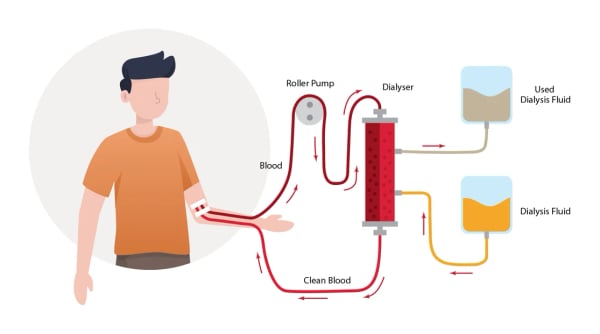
Hemodialysis is a treatment that filters the blood when the kidneys can no longer perform this function on their own. A dialysis machine acts like an artificial kidney, removing waste, excess fluid, and toxins that build up in the body.
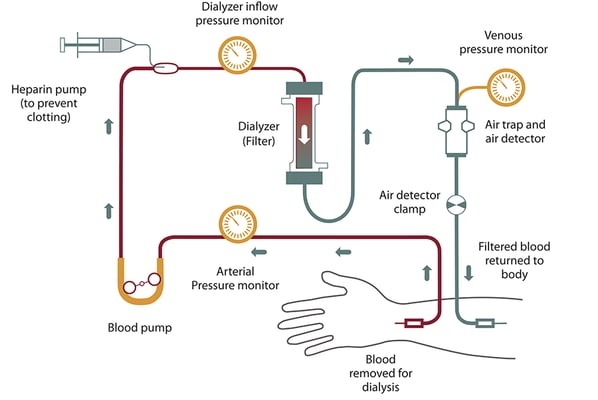
During the process, blood flows from the patient to the machine through a special access point. The machine cleans the blood using a filter called a dialyzer, then returns the purified blood to the body. Most patients need regular sessions to stay healthy and maintain stable organ function.
Why Is Hemodialysis Needed?
Hemodialysis becomes necessary when the kidneys lose their ability to filter blood effectively. This condition can develop gradually due to chronic illness or suddenly after severe injury or infection.
- End-Stage Kidney Disease (ESKD): When kidney function drops to less than 10–15%, dialysis becomes essential to remove toxins and prevent life-threatening complications.
- Chronic Kidney Disease (CKD): Long-term conditions such as diabetes and high blood pressure slowly damage the kidneys, eventually requiring dialysis support.
- Acute Kidney Injury (AKI): In some cases, kidneys stop working temporarily due to infection, dehydration, or medication toxicity. Dialysis helps stabilize the patient until the kidneys recover.
- Severe Fluid Retention: Excess fluid may cause swelling, difficulty breathing, or heart strain. Dialysis helps remove the extra fluid quickly and safely.
- Abnormal Electrolyte Levels: Dangerous potassium or acid buildup in the blood can cause cardiac rhythm problems. Dialysis restores balance and protects vital organs.
Who Is the Right Candidate for Hemodialysis?
Doctors recommend hemodialysis when a patient’s kidneys can no longer keep the blood clean and balanced. The right candidate depends on kidney function, symptoms, and overall health.
- People With Severely Reduced Kidney Function: Patients with an eGFR below 10–15 ml/min usually require dialysis to sustain normal body processes.
- Individuals Unfit for Kidney Transplant: Some patients cannot undergo transplant due to age, heart disease, active infections, or other medical conditions. Dialysis becomes the long-term treatment option.
- Patients With Temporary Kidney Failure: Those with acute kidney injury may need dialysis for a short period until the kidneys recover.
- Elderly Patients With Multiple Health Conditions: Dialysis helps manage symptoms and maintain comfort when a transplant is not possible.
- People With Severe Symptoms: Persistent nausea, fluid overload, high potassium, or confusion due to toxin buildup may require immediate dialysis support.
How Is Hemodialysis Performed?
Hemodialysis follows a structured process that safely removes waste and excess fluid from the blood. Each session takes place in a dialysis unit under the supervision of trained medical staff.
- Vascular Access Creation: Doctors first create an access point that allows blood to flow smoothly to and from the dialysis machine.
- AV Fistula: A vein and artery are joined surgically; this is the strongest and most preferred access.
- AV Graft: A soft tube connects the artery and vein when natural vessels are unsuitable.
- Central Venous Catheter: A temporary tube placed in the neck or chest when immediate dialysis is needed.
- Connecting to the Dialysis Machine: Nurses connect the patient’s access to thin tubes that carry blood to the machine. The blood passes through a sterile dialyzer (artificial kidney) that filters toxins and extra fluid.
- Filtration and Cleaning Process: Inside the dialyzer, waste products are removed from the blood into a special cleansing fluid. The machine continuously cleans the blood and returns it to the body in cycles.
Duration and Frequency of Sessions
Most kidney patients undergo hemodialysis three times a week, with each session lasting ~5 hours. Some may require more frequent sessions based on medical needs.
Get a Free Treatment Plan
About Hemodialysis in India
Hemodialysis in India offers high-quality kidney care at significantly lower prices compared to Western countries. The total expense depends on the number of sessions per month, the type of vascular access, and the hospital’s dialysis infrastructure.
The average cost of hemodialysis in India ranges from $25 to $60 per session, or approximately ₹2,000 to ₹5,000.
Most patients need 12 to 14 sessions per month, which costs $300 to $800 (₹24,000 to ₹65,000). Long-term packages often reduce the per-session price.
Cost Breakdown by Treatment Type
Type of Dialysis Service | Cost (USD) | Cost (INR) |
| Standard Hemodialysis (per session) | $25 – $60 | ₹2,000 – ₹5,000 |
| High-Flux Dialysis (per session) | $40 – $80 | ₹3,300 – ₹6,600 |
| ICU Dialysis (per session) | $70 – $120 | ₹5,800 – ₹10,000 |
| Monthly Package (12–14 sessions) | $300 – $800 | ₹24,000 – ₹65,000 |
| AV Fistula Surgery | $350 – $700 | ₹28,000 – ₹58,000 |
| Dialysis Catheter Insertion | $100 – $200 | ₹8,000 – ₹16,000 |
Cost Breakdown by Duration of Treatment
Duration | Approx. Cost (USD) | Approx. Cost (INR) |
| 1 Month | $300 – $800 | ₹24,000 – ₹65,000 |
| 6 Months | $1,800 – $4,800 | ₹1.4 lakh – ₹4 lakh |
| 1 Year | $3,600 – $9,600 | ₹2.9 lakh – ₹7.8 lakh |
Detailed Cost Components
Cost Component | What It Covers | Approx. Cost (INR) |
| Dialysis Session Fee | Machine use, filtration process | ₹2,000 – ₹5,000 |
| Dialyzer (Filter) | Disposable artificial kidney used during each session | ₹300 – ₹1,200 |
| Blood Tubing Set | Sterile tubes that transport blood to and from the machine | ₹250 – ₹600 |
| Heparin | Medication used to prevent clotting during dialysis | ₹50 – ₹200 |
| Nursing & Monitoring Charges | Blood pressure checks, supervision | Included or ₹200 – ₹500 |
| Consumables | Needles, syringes, cleaning solutions, disinfectants | ₹100 – ₹300 |
| Doctor Consultation (Monthly) | Nephrologist review, prescription adjustments | ₹500 – ₹1,500 |
Additional Procedure Costs
Procedure | Purpose | Approx. Cost (INR) |
| AV Fistula Creation | Permanent access for long-term dialysis | ₹28,000 – ₹58,000 |
| AV Graft | Alternative access when veins are unsuitable | ₹40,000 – ₹80,000 |
| Temporary Dialysis Catheter | Short-term access for urgent dialysis | ₹8,000 – ₹16,000 |
What Does the Cost Include and Exclude?
Hemodialysis involves routine care, specialized equipment, and trained medical support. Hospitals clearly define what is covered in the standard session cost and what may require additional payment.
What the Cost Includes
Most dialysis centers provide the following services within the per-session fee:
- Use of the dialysis machine and dialyzer
- Blood tubing set and essential consumables
- Heparin and other medications used during dialysis
- Nursing care and continuous monitoring
- Blood pressure and weight checks before and after treatment
- Access site cleaning and care
- Medical supervision during the session
These inclusions ensure safe, hygienic, and complete dialysis support.
What the Cost Excludes
Some parts of dialysis care vary from patient to patient and are usually billed separately:
- Pre-dialysis blood tests, such as urea, creatinine, and electrolytes
- Monthly nephrologist consultation fees
- Medications prescribed for anemia, blood pressure, or bone health
- IV iron, erythropoietin injections, or vitamin supplements
- Vascular access creation (AV fistula, graft, or catheter insertion)
- ICU dialysis, if needed in critical situations
- Emergency care for complications
- Travel, accommodation, and meals for international patients
Hospitals share detailed estimates so families can plan long-term treatment comfortably.
What Factors Affect the Cost of Hemodialysis in India?
The cost of hemodialysis in India varies based on medical requirements, treatment frequency, and the quality of facilities available. Each patient’s condition influences the total monthly or yearly expense.
- Hospital Category: Premium hospitals with advanced dialysis units, isolation rooms, and strict infection control usually charge higher fees than standard centers.
- Type of Dialyzer Used: High-flux or high-performance dialyzers cost more than standard ones but offer better filtration for some patients.
- Frequency of Dialysis Sessions: Most patients need three sessions per week, but some may require extra sessions, increasing monthly costs.
- Type of Vascular Access: AV fistula, AV graft, or catheter insertion affects initial costs. Catheter-based dialysis may cost more due to added care and infection risk.
- Patient’s Medical Condition: Patients with heart disease, severe fluid overload, infections, or diabetes may need ICU dialysis, special medications, or additional monitoring.
- Use of Erythropoietin or Iron Therapy: Anemia is common in kidney failure, and medications like EPO injections increase overall treatment costs.
- Single-Use vs. Re-Use Dialyzers: Some hospitals re-use dialyzers for select patients to reduce costs, while others use single-use dialyzers only.
What Is the City-Wise Cost of Hemodialysis in India?
The cost of hemodialysis varies across major Indian cities due to differences in hospital facilities, equipment quality, and availability of nephrology specialists. The table below provides a clear comparison to help patients plan treatment based on location.
City | Cost per Session (USD) | Cost per Session (INR) |
| New Delhi | $25 – $55 | ₹2,000 – ₹4,500 |
| Mumbai | $30 – $60 | ₹2,400 – ₹5,000 |
| Chennai | $22 – $50 | ₹1,800 – ₹4,200 |
| Bangalore | $25 – $55 | ₹2,000 – ₹4,500 |
| Hyderabad | $22 – $50 | ₹1,800 – ₹4,200 |
- New Delhi and Mumbai: These cities have many high-end dialysis centers with advanced water purification systems, dedicated isolation units, and 24/7 nephrology support.
- Chennai and Hyderabad: Both cities offer reliable, affordable dialysis care with strong nephrology departments and well-trained nursing teams.
- Bangalore: Known for modern hospitals and experienced specialists, the city provides balanced pricing while maintaining high-quality care.
How Does the Cost of Hemodialysis in India Compare With Other Countries?
Hemodialysis costs in India are significantly lower than in many Western and Middle Eastern countries. Despite the affordable pricing, patients still receive modern care, advanced equipment, and expert nephrology support.
Country | Cost per Session (USD) |
| India | $25 – $60 |
| United States | $250 – $350 |
| United Kingdom | $150 – $250 |
| UAE | $120 – $200 |
| Thailand | $70 – $120 |
Dialysis costs in India are 70–90% lower than in the US, UK, and UAE. The country maintains international standards of infection control, uses high-quality dialyzers, and provides access to skilled nephrologists.
What Is the Recovery and Life on Hemodialysis Like?
Hemodialysis helps patients live stable, fulfilling lives by performing the essential filtering work that weakened kidneys can no longer manage. The treatment improves energy levels, reduces symptoms, and supports overall well-being when followed regularly.
- Life After Each Dialysis Session: Patients often feel lighter and more energetic once excess fluid and toxins are removed from the body. Some may experience mild fatigue or thirst, which usually settles after rest and proper hydration.
- Daily Life and Activity Level: Most individuals resume their routine tasks, including work and family responsibilities, on non-dialysis days. Regular exercise, such as walking or stretching, supports circulation and muscle strength.
- Diet and Fluid Guidance: Dialysis patients follow specific nutrition plans to protect heart and kidney health. Doctors advise moderate fluid intake, a low-sodium diet, controlled potassium intake, and protein-rich meals.
- Managing Long-Term Treatment: With consistent sessions, patients maintain balanced electrolytes, stable blood pressure, and improved quality of life. Routine blood tests help doctors adjust medications and monitor progress.
What Is the Success Rate of Hemodialysis?
Hemodialysis offers a dependable and effective way to manage kidney failure, helping patients live longer and maintain a stable quality of life. Success depends on treatment consistency, underlying health conditions, and lifestyle habits.
- Long-Term Survival and Stability: Many patients live 10–20 years or more on regular dialysis when they follow their treatment schedule and medical advice. Some live even longer with strong family support and good nutrition.
- Symptom Control: Dialysis effectively reduces swelling, breathlessness, nausea, confusion, and fatigue by clearing toxins and managing excess fluid.
- Impact on Quality of Life: Most patients maintain daily routines, continue working, and participate in travel or family activities with proper planning and regular follow-ups.
- Role of Compliance: The success rate improves significantly when patients attend all scheduled sessions, follow diet guidelines, and stay consistent with medications.
Why Choose India for Hemodialysis?
India has become a trusted destination for long-term dialysis care because of its strong nephrology expertise, modern dialysis facilities, and affordable treatment structure. Patients receive personalized care that meets global safety and infection-control standards.
- Skilled Nephrologists and Dialysis Teams: India has a large pool of experienced kidney specialists who manage complex, chronic cases with precision. Dialysis technicians and nursing staff undergo specialized training to ensure safe dialysis sessions.
- Advanced Dialysis Technology: Hospitals use high-end machines, purified water systems, and high-flux dialyzers to improve treatment accuracy and reduce complications.
- Strict Infection Control Protocols: Dialysis units follow international hygiene standards, including the use of single-use consumables, sterile environments, and dedicated machines for hepatitis patients.
- 24/7 Emergency and ICU Support: Most hospitals offer round-the-clock nephrology and critical care support for patients who need urgent medical attention.
What International Patient Services Are Available?
India offers a well-organized support system for international patients who require long-term treatments like hemodialysis. Hospitals assign dedicated coordinators to guide families through every stage, from travel planning to follow-up care.
- Medical Visa Assistance: Hospitals provide visa invitation letters, treatment summaries, and detailed cost estimates to help patients secure medical visas quickly.
- Airport Pickup and Drop: Many centers arrange safe transportation between the airport, hospital, and the patient’s accommodation, ensuring a smooth arrival experience.
- Accommodation Support: Coordinators help patients find affordable hotels, serviced apartments, or guest houses close to the hospital, based on their budget and length of stay.
- Translation and Language Help: Hospitals offer translators for Arabic, French, Russian, African, and Southeast Asian languages to ensure smooth communication during treatment.
- Priority Scheduling: International patients receive fast-track appointments for nephrologist consultations, dialysis sessions, and any necessary testing.
- Transparent Billing Support: Financial counselors explain all costs clearly and assist with international payments, including wire transfers and credit cards.
- Post-Treatment Communication: Patients receive detailed medical reports, and doctors remain available for teleconsultations to monitor progress from the home country.
Hemodialysis Cost Comparison by Country
Compare Hemodialysis costs across different countries to make an informed decision about your medical treatment.
| Country | Cost Range (USD) | Potential Savings | Action |
|---|---|---|---|
IndiaCurrentBest Value | $25 - $60 | — | Get Quote |
Note: Costs may vary based on hospital choice, room type, additional services, and individual medical requirements. Contact us for a personalized quote.
Leading Hospitals for Hemodialysis in India

Medical Park Bahcelievler Hospital
Medical Park Bahcelievler Hospital is a 242-bed JCI-accredited hospital in Istanbul, established in 2007. Spread across 33,000 square meters and 19 fl...
Accreditations
Facilities

Hisar Intercontinental Hospital, Istanbul
Hisar Intercontinental Hospital in Istanbul is a JCI-accredited, 212-bed multispecialty hospital spanning 35,000 square meters and featuring 53 medica...
Accreditations
Facilities

Medipol Bahçelievler Hospital
Medipol Bahçelievler Hospital is a 441-bed private hospital in Istanbul that began operations in May 2022. Covering 60,000 square meters across 15 flo...
Accreditations
Facilities
Similar Procedures
Lung Trasplant in India
Gallery
FAQ


Our website uses cookies. By clicking on accept you give your consent to the use of cookies as per our Privacy Policy.