
Uterus Transplant Cost in India
About Uterus Transplant
A uterus transplant offers new hope to women who cannot carry a pregnancy due to uterine absence or severe uterine disease. As reproductive science evolves, this procedure has created a path to biological motherhood for individuals who once had no option other than adoption or surrogacy.
Globally, 1 in 5,000 women is born without a uterus, and many more lose it due to medical conditions. For these women, the inability to conceive and carry a child often brings deep emotional challenges. With the arrival of uterus transplantation, many now have an opportunity to experience pregnancy, childbirth, and motherhood in a way previously thought impossible.
The procedure has gained attention worldwide as more successful births occur, demonstrating its growing feasibility and potential.
What Is a Uterus Transplant?
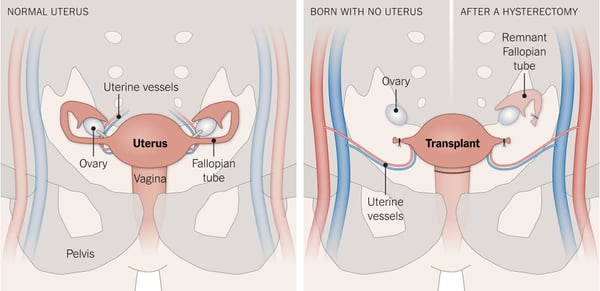
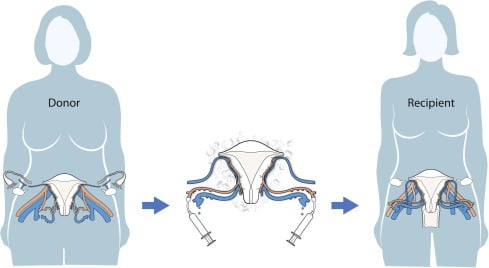
A uterus transplant is a procedure where doctors place a healthy uterus from a donor into a woman who does not have a functioning uterus. The goal is to restore the ability to conceive, carry, and deliver a child.
Unlike organ transplants that support life, a uterus transplant supports the process of creating life. It is usually a temporary transplant, meaning the uterus remains in place only until the recipient completes one or two pregnancies. After childbirth, doctors often remove the transplanted uterus so the patient can stop immunosuppressive medications.
This procedure combines advanced transplant surgery with reproductive medicine, giving women with uterine infertility the chance to experience pregnancy firsthand.
Who Needs a Uterus Transplant?
A uterus transplant is recommended for women who cannot have a successful pregnancy due to the absence or poor function of the uterus. The condition is known as absolute uterine factor infertility (AUFI) and affects women across different age groups and backgrounds.
- Women Born Without a Uterus (MRKH Syndrome): Some women are born with a congenital condition called Mayer-Rokitansky-Küster-Hauser (MRKH) syndrome, where the uterus does not develop.
- Women Who Lost the Uterus: Surgical removal of the uterus due to fibroids, cancer, severe infection, or life-threatening childbirth complications can make natural pregnancy impossible.
- Women with a Non-Functional Uterus: Structural abnormalities, severe scarring, or repeated pregnancy losses may lead to a uterus that cannot support a pregnancy.
- Women Who Cannot Use Surrogacy: For women living in regions where surrogacy is restricted or unavailable, a uterus transplant may become the only way to have a biological child.
Who Is the Right Candidate for a Uterus Transplant?
Doctors evaluate several medical and emotional factors before approving someone for a uterus transplant. Because the procedure is complex and involves long-term follow-up, the ideal candidate must meet specific criteria.
- Women in Good Overall Health: Candidates should not have serious heart, kidney, or liver diseases that could increase surgical risk or interfere with pregnancy.
- Women Between 20 and 40 Years of Age: This age range offers the highest likelihood of a successful pregnancy and a safe childbirth after the transplant.
- Ability to Undergo IVF: Since natural conception is not possible, candidates must be medically fit for ovarian stimulation and embryo freezing before the transplant.
- No Active Infections or Autoimmune Disorders: Conditions that suppress immunity or increase infection risk can complicate both transplant recovery and pregnancy.
- Emotional and Psychological Readiness: The process includes major surgery, immunosuppressive therapy, and a medically supervised pregnancy. Emotional resilience is essential.
- Strong Support System: Candidates benefit from family or partner involvement throughout the treatment, pregnancy, and recovery process.
A detailed evaluation ensures that the patient has the best chance of a safe transplant and successful pregnancy.
How Is a Uterus Transplant Performed?
A uterus transplant involves several carefully planned steps, beginning long before the actual surgery. It combines advanced imaging, IVF preparation, donor coordination, and complex surgical procedures to ensure the best possible outcome.
- Pre-Transplant Evaluation: Doctors perform a complete medical assessment, including blood tests, imaging, fertility evaluation, and psychological screening. IVF is done beforehand, and embryos are frozen for transfer after recovery.
- Donor Selection: The donor may be a living relative, a non-related volunteer, or a deceased donor. Doctors evaluate the donor’s medical history and uterine health to ensure the uterus is suitable for transplantation.
- Surgical Procedure: Surgeons remove the uterus from the donor and transplant it into the recipient by connecting blood vessels and ligaments. The procedure is detailed and may take several hours due to the delicate nature of the structures involved.
- Immunosuppressive Medications: Patients take anti-rejection drugs throughout the period the uterus remains in place. These medicines protect the transplanted organ and support a healthy environment for pregnancy.
- Embryo Transfer and Pregnancy Monitoring: After a few months of stable recovery, doctors transfer one embryo into the transplanted uterus. Pregnancy is closely monitored with regular scans, blood tests, and specialist consultations to ensure the safety of both mother and baby.
Get a Free Treatment Plan
About Uterus Transplant in India
What Is the Cost of a Uterus Transplant in India?
The average cost of a uterus transplant in India ranges from $28,000 to $50,000, which is approximately ₹23 lakh to ₹42 lakh. It includes donor surgery, recipient surgery, IVF cycles, immunosuppressive therapy, and pregnancy monitoring.
In comparison, the same procedure may cost $200,000–300,000 in the United States and $100,000–200,000 in Europe.
Cost Breakdown by Treatment Component
Component | Cost (USD) | Cost (INR) |
| Pre-Transplant Evaluation | $3,000 – $5,000 | ₹2,50,000 – ₹4,10,000 |
| IVF + Embryo Freezing | $3,500 – $7,000 | ₹2,90,000 – ₹5,80,000 |
| Donor Surgery (Living Donor) | $8,000 – $12,000 | ₹6,60,000 – ₹9,80,000 |
| Recipient Transplant Surgery | $10,000 – $15,000 | ₹8,20,000 – ₹12,30,000 |
| Hospital Stay + ICU Care | $2,500 – $5,000 | ₹2,00,000 – ₹4,10,000 |
| Immunosuppressive Medications (6–12 months) | $3,000 – $5,000 | ₹2,50,000 – ₹4,10,000 |
| Embryo Transfer Procedure | $800 – $1,500 | ₹65,000 – ₹1,20,000 |
| Pregnancy Monitoring (9 months) | $2,000 – $4,000 | ₹1,60,000 – ₹3,30,000 |
| Delivery (Cesarean Section) | $1,200 – $2,000 | ₹1,00,000 – ₹1,60,000 |
Cost Variation by Donor Type
Donor Type | Average Cost (USD) | Average Cost (INR) |
| Living Donor | $30,000 – $50,000 | ₹25 lakh – ₹42 lakh |
| Deceased Donor | $25,000 – $40,000 | ₹21 lakh – ₹33 lakh |
Treatment Stage–Wise Cost
Treatment Stage | Estimated Cost (USD) | Estimated Cost (INR) |
| Evaluation + IVF | $6,000 – $10,000 | ₹5 – ₹8 lakh |
| Transplant Surgery (Donor + Recipient) | $18,000 – $27,000 | ₹15 – ₹22 lakh |
| Post-Transplant Care | $4,000 – $7,000 | ₹3.3 – ₹5.8 lakh |
| Pregnancy + Delivery | $3,200 – $6,000 | ₹2.6 – ₹5 lakh |
What Does the Cost of a Uterus Transplant in India Include and Exclude?
A uterus transplant involves multiple medical, surgical, and fertility-related steps. Understanding what is covered in the treatment package helps families plan their journey with clarity and confidence.
What the Cost Includes
Most uterus transplant programs in India include the essential medical and surgical services required to ensure a safe transplant and successful pregnancy:
- Recipient transplant surgery with complete operative and anesthesia charges
- Donor surgery (for living donors) and post-operative care
- IVF cycle, embryo creation, and embryo freezing
- Hospital stay, ICU care, and nursing services
- Immunosuppressive medications for the first several months
- Follow-up tests, including scans, Doppler studies, and routine blood work, during recovery
- Embryo transfer procedure
- Pregnancy monitoring with scheduled scans and consultations
- Planned cesarean delivery
These inclusions cover the core journey from transplant to childbirth.
What the Cost Excludes
Some elements of care vary widely among patients and are usually billed separately:
- Additional IVF cycles if the first attempt does not produce viable embryos
- Extended ICU stay beyond the standard package
- Complications requiring extra medication, procedures, or surgical intervention
- Long-term immunosuppressive therapy beyond the first year
- Emergency hospitalization during pregnancy
- Genetic testing of embryos (PGT)
- Travel, visa, and accommodation for international patients
- Donor compensation, where applicable and as per the legal framework
These exclusions ensure transparency and prepare patients for costs that depend on individual progress and medical needs.
What Factors Affect the Cost of a Uterus Transplant in India?
The overall cost of a uterus transplant varies from one patient to another because multiple medical, surgical, and reproductive factors influence the treatment plan. Each stage (evaluation, transplant surgery, IVF, pregnancy, and delivery) adds specific expenses based on individual needs.
- Type of Donor: A living donor usually increases the cost because it requires separate surgery, screening, and post-operative care for the donor. Deceased donor transplants tend to cost less.
- Number of IVF Cycles Required: Some women produce enough embryos in one cycle, while others may need additional cycles, which significantly increases costs.
- Surgical Complexity: Longer operation time, vascular variations, or prior pelvic surgeries can make the transplant more complex, adding to the surgical cost.
- Hospital Category and Facilities: Premium hospitals with advanced transplant ICUs, robotic systems, and multidisciplinary teams generally charge higher fees.
- Immunosuppressive Medication Needs: The dose and duration of anti-rejection medicines vary. Patients who require higher or prolonged doses incur greater expenses.
- Length of Hospital Stay: Complications during recovery or pregnancy may lead to extended hospitalization, thereby increasing overall costs.
- Pregnancy Monitoring Requirements: Frequent fetal monitoring, additional scans, or high-risk pregnancy care can increase costs during the pregnancy.
- Delivery-Related Factors: Every uterus transplant pregnancy is delivered via planned cesarean section. Complex cases may require extended neonatal or maternal care, increasing the final cost.
What Is the City-Wise Cost of a Uterus Transplant in India?
The cost of a uterus transplant varies across major Indian cities due to differences in hospital infrastructure, transplant expertise, IVF facilities, and post-operative care standards. The following table provides an approximate comparison to help patients plan their treatment more effectively.
City | Average Cost (USD) | Average Cost (INR) |
| New Delhi | $30,000 – $50,000 | ₹25 lakh – ₹42 lakh |
| Mumbai | $32,000 – $52,000 | ₹26 lakh – ₹43 lakh |
| Chennai | $28,000 – $48,000 | ₹23 lakh – ₹40 lakh |
| Bangalore | $30,000 – $50,000 | ₹25 lakh – ₹42 lakh |
| Hyderabad | $28,000 – $47,000 | ₹23 lakh – ₹39 lakh |
- New Delhi and Mumbai: These cities offer some of the most advanced transplant programs, specializing in complex pelvic surgeries and high-risk pregnancy care. Costs are slightly higher due to premium facilities and multidisciplinary teams.
- Chennai and Hyderabad: Both cities are known for strong reproductive medicine programs and well-equipped transplant units, offering competitive pricing without compromising quality.
- Bangalore: Bangalore stands out for its modern hospitals, cutting-edge technology, and experienced teams that deliver precision in both transplant surgery and IVF.
How Does the Cost Compare With Other Countries?
Uterus transplant costs vary dramatically worldwide. While the procedure is still emerging, only a few countries offer it, and the prices depend heavily on surgical expertise, IVF infrastructure, and post-transplant care protocols.
India offers the procedure at a much lower cost without compromising medical quality, making it a preferred destination for many international patients.
Country | Average Cost (USD) |
| India | $28,000 – $50,000 |
| United States | $200,000 – $300,000 |
| Sweden | $100,000 – $200,000 |
| United Kingdom | $150,000 – $250,000 |
| UAE | $80,000 – $150,000 |
| Turkey | $50,000 – $90,000 |
India offers a 60–85% lower cost than the US and Europe, mainly because of:
- Lower hospitalization and surgical expenses
- More cost-efficient IVF treatments
- Access to experienced transplant and reproductive teams at affordable rates
Despite the lower cost, hospitals deliver advanced surgical precision, strong ICU support, and internationally aligned reproductive medicine standards.
What Is the Recovery Timeline After a Uterus Transplant?
Recovery after a uterus transplant happens in several stages, each requiring close monitoring, careful medication, and regular checkups. The timeline varies slightly depending on the patient’s health and the intricacy of the surgery, but the overall structure remains similar for most women.
- Immediate Post-Surgery Recovery (First 1–2 Weeks): Patients stay in the hospital during this period. Doctors monitor uterine blood flow, healing, and vital signs. Immunosuppressive medications begin immediately, and blood tests help ensure the body is adjusting well to the new uterus.
- Early Healing Phase (First 3 Months): Patients attend regular consultations, ultrasounds, and vascular assessments. Doctors adjust immunosuppressive drugs based on progress. Most women resume light daily activities within 4–6 weeks.
- IVF and Embryo Transfer Timeline (3–6 Months After Surgery): Once doctors confirm stable blood flow and no signs of rejection, embryo transfer takes place. Pregnancy can happen anytime between the 6th and 12th month after the transplant, depending on recovery and embryo quality.
- Pregnancy and Monitoring (9 Months): Pregnancy after a uterus transplant requires intensive monitoring. Women undergo frequent ultrasounds, fetal Doppler studies, blood tests, and consultation with high-risk obstetric teams. Any changes in blood flow or pressure should be treated immediately.
- Delivery and Post-Delivery Recovery: All uterus transplant pregnancies are delivered through a planned cesarean section. After childbirth, doctors often remove the transplanted uterus so the mother can safely discontinue immunosuppressive therapy.
- Long-Term Recovery: Once the uterus is removed, patients stop anti-rejection medications and gradually return to everyday life with routine follow-ups for several months.
What Is the Success Rate of a Uterus Transplant?
The success of a uterus transplant is measured in several stages: survival of the transplant, ability to achieve pregnancy, and delivering a healthy baby. Worldwide data over the past decade shows encouraging results as the procedure becomes more refined and widely practiced.
- Transplant Survival Rate: Most transplanted uteri function well after surgery. Global reports show that 70–90% of transplanted uteri remain viable through the recovery period and into the pregnancy phase.
- Pregnancy Success Rate: Once embryo transfer begins, many women go on to conceive. International programs report pregnancy rates of 40–60% per embryo transfer cycle, depending on embryo quality and uterine health.
- Live Birth Rate: The most meaningful measure of success, delivering a healthy baby, shows strong outcomes. Worldwide, more than 80 live births have been reported, with a live birth success rate of around 35–50% per transplant.
What Are the Benefits of a Uterus Transplant?
- Ability to Carry a Biological Pregnancy: Women who previously had no option to experience pregnancy due to uterine absence or disease can now conceive, carry, and deliver a baby.
- Emotional and Psychological Fulfillment: For many women, experiencing pregnancy firsthand brings deep emotional satisfaction and improves overall well-being.
- Alternative When Surrogacy Isn’t Feasible: In countries where surrogacy is limited, expensive, or legally restricted, uterus transplant becomes an important reproductive option.
- Temporary Nature of the Transplant: The uterus is removed after childbirth, allowing the patient to discontinue immunosuppressive medications and return to normal health over time.
What Are the Risks of a Uterus Transplant?
- Rejection of the Transplanted Uterus: The body may attempt to reject the new uterus. Early signs can often be managed with medication, but severe rejection may require removing the uterus.
- Infection and Surgical Complications: Both donor and recipient surgeries carry risks such as bleeding, infection, or injury to nearby organs. Careful monitoring reduces these risks.
- Side Effects of Immunosuppressive Medications: These medicines prevent rejection but may weaken the immune system, increasing susceptibility to infection and affecting long-term health.
- High-Risk Pregnancy: Every pregnancy after a uterus transplant is considered high risk. Patients require frequent monitoring and must deliver via planned cesarean section.
- Emotional and Physical Stress: The process involves multiple procedures, IVF cycles, and intensive follow-up, which can feel overwhelming without strong support.
Why Choose India for a Uterus Transplant?
- Skilled Transplant and Reproductive Teams: India has experienced transplant surgeons, gynecologists, and reproductive medicine specialists who work together to manage the complex requirements of uterus transplantation and IVF.
- Advanced IVF and Embryology Labs: Modern fertility centers offer high-end embryology facilities, ensuring optimal embryo quality and increasing the chances of pregnancy after the transplant.
- Comprehensive Transplant Infrastructure: Leading hospitals have sophisticated ICUs, advanced imaging systems, and dedicated transplant units that can manage both donor and recipient recovery.
- Strong Maternal and Fetal Medicine Support: India has well-established high-risk pregnancy units, ensuring close monitoring during pregnancy and safe delivery through cesarean section.
- English-Speaking Medical Staff: Clear communication helps international patients understand every step of the procedure, follow medication schedules, and make informed decisions.
What International Patient Services Are Available?
India offers a comprehensive support system for international patients undergoing complex treatments like uterus transplantation. Dedicated coordinators assist families throughout the journey, ensuring a smooth, stress-free experience.
- Medical Visa Assistance: Hospitals help patients obtain medical visas by providing invitation letters, cost estimates, and required documentation.
- Airport Pickup and Drop: Patients receive safe, pre-arranged transportation between the airport, hospital, and accommodation, making travel easier and more comfortable.
- Accommodation Support: Hospitals assist in finding suitable housing, including hotels, serviced apartments, or guest houses located close to the treatment center.
- Translation and Language Support: Professional translators are available for Arabic, French, Russian, African, and Southeast Asian languages, ensuring clear communication during consultations and follow-ups.
- Priority Appointments and Fast-Track Scheduling: International patients receive immediate access to transplant assessments, IVF consultations, tests, and surgical planning, reducing waiting times.
- Billing Guidance and Transparent Costs: Financial counselors explain all expenses, available packages, and payment options. Hospitals accept international credit cards, wire transfers, and insurance where applicable.
- Post-Transplant Follow-Up and Teleconsultations: After treatment, patients receive complete medical reports and access to regular online consultations to monitor recovery and pregnancy from their home country.
Uterus Transplant Cost Comparison by Country
Compare Uterus Transplant costs across different countries to make an informed decision about your medical treatment.
| Country | Cost Range (USD) | Potential Savings | Action |
|---|---|---|---|
IndiaCurrentBest Value | $28,000 - $50,000 | — | Get Quote |
Note: Costs may vary based on hospital choice, room type, additional services, and individual medical requirements. Contact us for a personalized quote.
Leading Hospitals for Uterus Transplant in India

Medical Park Bahcelievler Hospital
Medical Park Bahcelievler Hospital is a 242-bed JCI-accredited hospital in Istanbul, established in 2007. Spread across 33,000 square meters and 19 fl...
Accreditations

Facilities

Hisar Intercontinental Hospital, Istanbul
Hisar Intercontinental Hospital in Istanbul is a JCI-accredited, 212-bed multispecialty hospital spanning 35,000 square meters and featuring 53 medica...
Accreditations
Facilities

Medipol Bahçelievler Hospital
Medipol Bahçelievler Hospital is a 441-bed private hospital in Istanbul that began operations in May 2022. Covering 60,000 square meters across 15 flo...
Accreditations
Facilities
Similar Procedures
Pancreas Transplant in India
Gallery

FAQ


Our website uses cookies. By clicking on accept you give your consent to the use of cookies as per our Privacy Policy.