Pourquoi l'Inde continue d'attirer des patients d'Irak pour se faire soigner

5/2/2026, 10:13:14 AM 9 min read Medical Tourism
Pourquoi l'Inde continue d'attirer des patients d'Irak pour se faire soigner
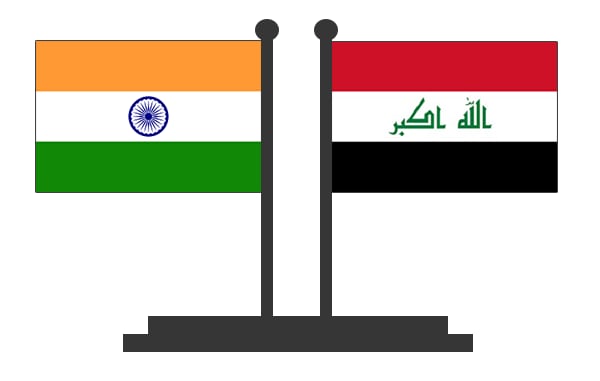
Healthcare decisions in Iraq often involve urgency and limited choices. Years of strain on the healthcare system have reduced access to advanced treatments. Many hospitals focus on emergency and basic care, while complex procedures remain difficult to access in a timely manner.


Cancer rates in Iraq have increased steadily over the past decade. Cardiac disease and kidney failure also continue to rise. These conditions require early diagnosis, advanced technology, and specialized teams.


India has become a common destination for Iraqi patients seeking solutions. Faster treatment access, experienced specialists, and structured care pathways attract families dealing with severe health conditions.


For patients from Iraq, traveling abroad is not a choice of convenience. It is often a necessary step to receive advanced treatment at the right time.


Why Is Healthcare Access a Challenge for Patients in Iraq?

Healthcare access in Iraq remains uneven across regions. Years of conflict and infrastructure damage have reduced the availability of specialized services. Many hospitals focus on emergency and basic care, while advanced diagnostics and complex surgeries remain limited.


  • Specialist shortages affect timely treatment. Oncology, cardiology, neurology, and transplant care often require referrals or long waits. Delays can worsen outcomes for cancer, heart disease, and organ failure.
  • Diagnostic capacity also creates gaps. Advanced imaging, precision radiation, and specialized labs are not widely available. Patients may wait weeks for tests that guide critical decisions.
  • Geographic disparities add pressure. Patients from smaller cities must travel to major centers for care. This travel increases cost and delays, especially for repeated visits.

Because of these challenges, families look abroad for dependable timelines and comprehensive care. Destinations that offer faster access, coordinated treatment, and precise planning become essential choices.


Why Do Patients from Iraq Prefer India for Medical Treatment?

Patients from Iraq look for care that delivers results without delay. India meets this need through a healthcare system built around speed, expertise, and coordination.


  • Faster Access to Advanced Care:Indian hospitals schedule consultations and procedures quickly. Shorter waiting periods help patients start treatment sooner. Early intervention improves outcomes in serious illnesses.
  • Availability of Complex Treatments:India offers advanced cancer care, organ transplants, heart surgery, and neurosurgery under one system. Patients avoid repeated referrals and fragmented care.
  • Experienced Specialists:Doctors in India manage large numbers of complex cases every year. This experience improves accuracy and confidence in treatment decisions. Clear communication helps patients understand every step.
  • Predictable and Lower Costs:Treatment costs remain far lower than in many Western countries. Families receive clear estimates before care begins. Financial clarity reduces stress during treatment planning.
  • Coordinated Care Pathways:Diagnosis, treatment, surgery, and follow-up occur within a single framework. Patients experience a smoother journey from arrival to recovery.


What Medical Treatments Do Patients from Iraq Commonly Seek in India?

Patients from Iraq usually travel for treatments that need advanced expertise, modern technology, and timely care. These conditions often affect survival, mobility, or long-term quality of life.


  • Cancer Treatment: Cancer care remains one of the main reasons for medical travel. Patients seek chemotherapy, advanced radiation, targeted therapy, and bone marrow transplants. Multidisciplinary cancer teams in India help patients start treatment without long delays.
  • Heart Surgery and Cardiac Care: Many Iraqi patients travel for bypass surgery, valve repair, and angioplasty. Pediatric heart surgery also draws families seeking experienced cardiac teams and modern intensive care units.
  • Organ Transplant Services: Kidney and liver disease create urgent treatment needs. Patients come for transplant evaluation, surgery, and structured follow-up care. Integrated transplant programs help manage the entire process in one place.
  • Orthopedic and Spine Treatment: Joint damage, arthritis, and spine disorders affect daily life and independence. Patients seek knee or hip replacement and spine surgery that supports faster recovery and improved mobility.
  • Neurology and Neurosurgery: Care for brain tumors, stroke, epilepsy, and nerve-related spine problems attracts many patients. Advanced imaging and surgical planning improve accuracy and outcomes.


What Are the Latest Medical Technologies Available in India for International Patients from Iraq?

Advanced technology plays a key role in treatment outcomes. Many patients from Iraq choose India because hospitals use modern systems that support accurate diagnosis, safer surgery, and faster recovery.


  • Robotic and Minimally Invasive Surgery:Indian hospitals widely use robotic systems for cancer surgery, urology, gynecology, and orthopedics. These techniques allow smaller incisions, less blood loss, and quicker recovery. Iraqi patients often experience shorter hospital stays and reduced pain.
  • Precision Cancer Treatment: Cancer centers in India use advanced radiation techniques such as IMRT, IGRT, and proton therapy. These technologies target tumors accurately while protecting healthy tissue. Patients benefit from fewer side effects and improved quality of life.
  • Advanced Imaging and Diagnostics:High-resolution MRI, PET-CT, and molecular diagnostics help doctors detect disease early and plan treatment precisely. Accurate diagnosis guides better decision-making, especially in cancer and neurological conditions.
  • Modern Organ Transplant Technology: Transplant programs use advanced organ preservation, surgical tools, and post-transplant monitoring systems. These technologies improve graft survival and long-term outcomes for kidney and liver transplant patients.
  • Digital Health and Telemedicine:Many hospitals offer teleconsultation and digital follow-up services. Patients from Iraq can discuss reports and recovery plans even after returning home. This continuity supports long-term treatment success.


What Is the Cost of Medical Treatment in India for Patients from Iraq?

Patients from Iraq often want a clear idea of treatment costs before planning medical travel. India offers advanced medical procedures at prices that remain far lower than those in many other countries. Below are average cost ranges for major treatments commonly sought by Iraqi patients.


  • Heart bypass surgery in India usually costs between$4,000 and $8,000.Heart valve replacement procedures often range from$5,000 to $9,000, while angioplasty with stent placement generally costs$3,000 to $ 5,000.
  • Joint replacement procedures remain affordable.Knee replacement surgerytypically costs$4,000 to $6,500, andhip replacement surgery usually ranges from$4,500 to $7,000.
  • Spine surgeryin India generally costs between$5,000 and $9,000, depending on the complexity of the condition.Brain tumor surgeryoften ranges from$6,000 to $12,000, supported by advanced imaging and surgical planning.
  • Organ transplant procedures attract many patients from Iraq.Kidney transplant costs usually range from$12,000 to $15,000, while liver transplant procedures typically cost between$35,000 and $45,000, including initial recovery care.
  • Cancer treatment costs vary based on cancer type and stage. Complete treatment cycles often range from$8,000 to $15,000.Bone marrow transplantprocedures generally cost between$18,000 and $30,000.
  • Fertility treatment also remains affordable. Asingle IVF treatmentcyclein India usually costs$2,500 to $4,000, depending on the treatment plan.

Most hospitals provide precise cost estimates before treatment begins. These estimates often include consultation, procedure, hospital stay, nursing care, and medicines during admission. This transparency helps patients from Iraq plan treatment without unexpected financial stress.


How Does the Cost of Treatment in India Compare with Other Countries for Patients from Iraq?

Patients from Iraq often compare treatment costs across multiple countries before making a decision. The comparison below shows average treatment costs and highlights why India remains a more affordable option while offering advanced medical care.

Medical Procedure

India

United States

United Kingdom

Germany

Turkey

Heart Bypass Surgery (CABG)4,000 – 8,00070,000 – 100,00045,000 – 60,00050,000 – 65,00015,000 – 20,000
Knee Replacement Surgery4,000 – 6,50035,000 – 50,00025,000 – 30,00028,000 – 35,00012,000 – 15,000
Kidney Transplant12,000 – 15,000180,000 – 250,00090,000 – 120,000100,000 – 130,00022,000 – 28,000
Liver Transplant35,000 – 45,000150,000 – 200,000120,000 – 160,000130,000 – 170,00060,000 – 80,000
Cancer Treatment (Full Cycle)8,000 – 15,00060,000 – 120,00050,000 – 90,00055,000 – 100,00025,000 – 40,000
Spine Surgery5,000 – 9,00050,000 – 80,00035,000 – 55,00040,000 – 60,00015,000 – 22,000

India offers treatment costs60–80% lowerthan those in the United States and Europe. Even compared with regional options, India remains more affordable for complex, long-term treatments. Lower hospital charges, affordable medicines, and reduced recovery expenses contribute to this difference.


What Patient Support Services Help Patients from Iraq Feel Comfortable in India?

Medical travel involves more than treatment. Comfort, coordination, and reassurance shape the experience. India places strong emphasis on these needs for international patients.


  • Dedicated International Patient Assistance:Hospitals in India have specialized teams that support international patients throughout the treatment journey. These teams help with appointment scheduling, treatment coordination, and hospital processes. This structured support reduces confusion and saves time.
  • Clear Communication and Language Support:Doctors and care teams explain medical conditions and treatment plans in simple English. Clear explanations help patients and families understand every step of care. This transparency builds trust and reduces anxiety.
  • Support for Family Members:Patients from Iraq often travel with a family member. Hospitals assist with accommodation arrangements near treatment centers. Staying close to loved ones supports emotional strength during recovery.
  • Comfort During Treatment and Recovery:Long treatments require stability and comfort. Affordable accommodation, flexible meal options, and access to familiar food help patients feel settled. A comfortable environment supports better healing.
  • Personalized and Compassionate Care:Healthcare teams in India focus on individual needs. Doctors and nurses take time to listen and respond to concerns. Patients feel cared for as people, not just as medical cases.


How Easy Is Travel from Iraq to India for Medical Treatment?

  • Regular Flight Connectivity:Major cities in Iraq are connected to leading Indian cities by regular flights, often with one stop. Travel routes remain reliable throughout the year. This consistency helps patients plan treatment dates with confidence.
  • Manageable Travel Time:Total travel time typically ranges from 7 to 10 hours, depending on the route. This duration suits medical travelers and reduces physical strain, especially for patients with severe conditions.
  • Flexible Options for Patients and Companions:Patients often travel with a family member. Airlines offer flexible schedules and seating options. This flexibility supports comfort during the journey and coordination with hospital appointments.
  • Organized Arrival Support:Many hospitals arrange airport pickup and guided transfers. This assistance helps patients reach accommodation or the hospital without stress, even after long flights.
  • Convenient Follow-Up Visits:Shorter travel routes make return visits practical. Patients can come back for reviews or additional treatment phases without complex planning.


How Can Patients from Iraq Get an Indian Medical Visa for Treatment?

Patients from Iraq who plan medical treatment in India need a dedicated medical visa. This visa allows patients to stay in India for treatment and recovery without the pressure of a time limit. A clear application process and faster approval help patients begin care on schedule.


What Is an Indian Medical Visa (MED Visa)?

The Indianmedical visa (MED visa)is a special visa category for patients who travel for treatment. It supports care such as cancer treatment, heart surgery, organ transplant, fertility treatment, and long-term therapy. The visa allows patients to stay in India for the full treatment and recovery period.


Indian Medical Visa Requirements for Iraqi Patients

The application process follows clear steps. Patients usually submit a valid passport, recent photographs, medical reports from Iraq, and a medical invitation letter from a recognized hospital in India. These documents confirm the medical need and speed up processing.


Processing Time for Indian Medical Visa

Medical visas usually process faster than regular travel visas. In many cases, approval takes only a few working days once documents are complete. Urgent medical cases can receive priority review, which helps patients start treatment on time.


Medical Attendant Visa for Family Members

India issues amedical attendant visafor one or two family members traveling with the patient. This option allows relatives to stay for the same duration as the patient. Family support plays a vital role during treatment and recovery.


Multiple Entry and Visa Extension Options

Many medical visas allow multiple entries. Patients can return home between treatment phases and come back for follow-up care. Visa extensions may also be granted if treatment continues longer than planned, based on medical advice.


To Conclude

For many patients in Iraq, access to timely and advanced medical care remains a challenge. Severe conditions require quick decisions, experienced specialists, and reliable treatment pathways. India offers a practical solution by combining advanced medical technology, skilled doctors, and organized healthcare systems.


Affordable treatment costs, faster access to care, and strong patient support services make the journey manageable. Clear communication and family-friendly policies further improve comfort during treatment and recovery.


For patients from Iraq, India stands out as a trusted destination for quality medical treatment abroad, offering hope, clarity, and a path toward better health.

Hôpitaux connexes

Découvrez les hôpitaux et les centres médicaux liés à ce sujet pour les services de santé de qualité.
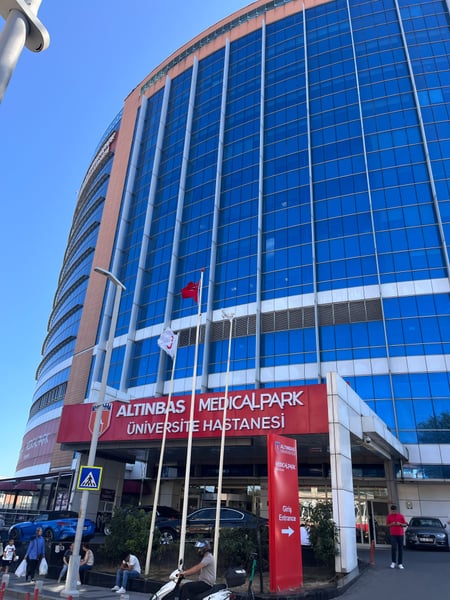
Hôpital Medical Park Bahcelievler
PLATINUM
Afficher les détails

Hôpital Medical Park Bahcelievler

Istanbul, Turquie

L'hôpital Medical Park Bahcelievler est un hôpital accrédité JCI de 242 lits à Istanbul, créé en 2007. Réparti sur 33 000 mètres carrés et 19 étages, ...

Multi-specialty
Établi 2007
242 lits
Accréditations
Joint Commission International (JCI)
Installations
+13
Hôpital super spécialisé BLK-Max, New Delhi
PLATINUM
Afficher les détails

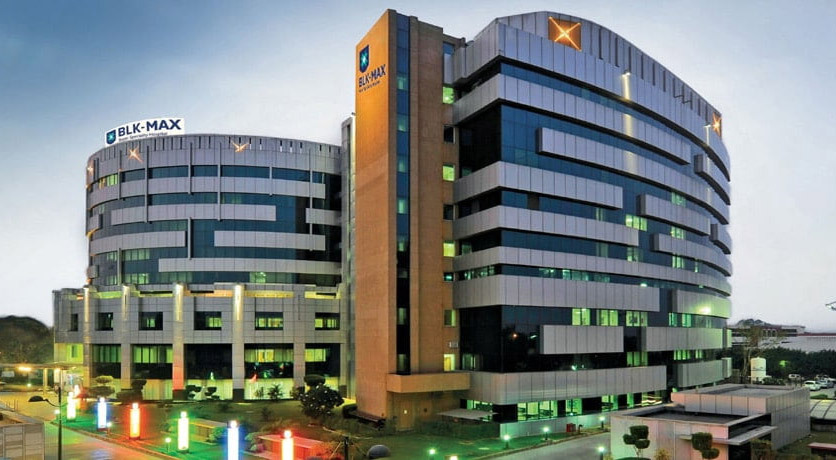
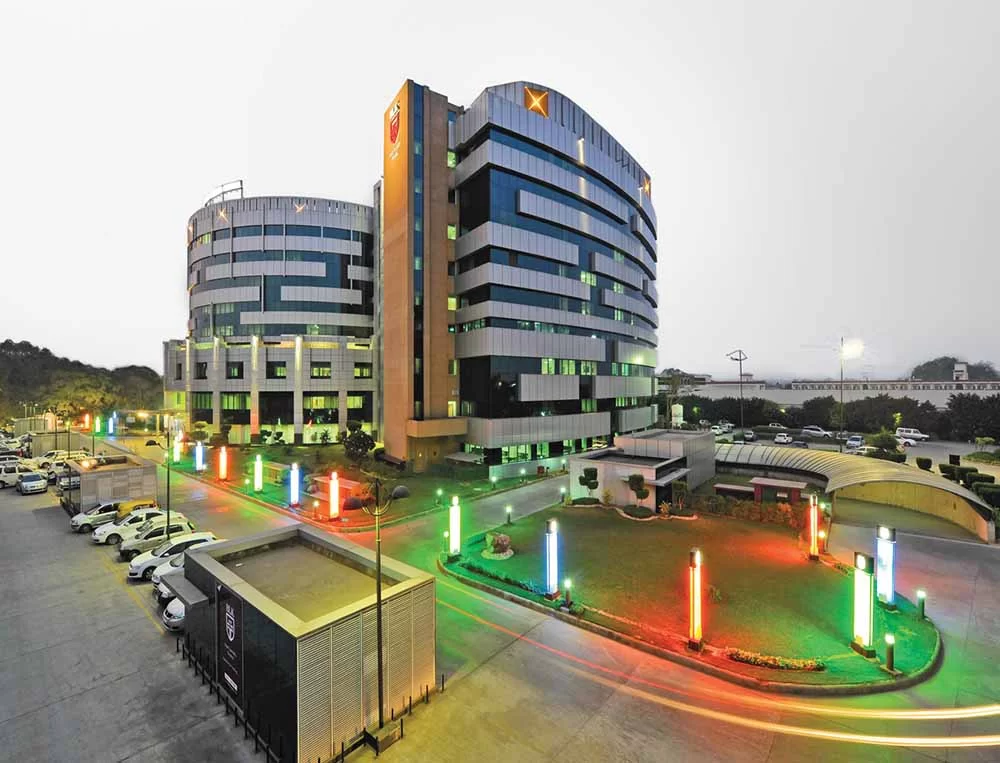
Hôpital super spécialisé BLK-Max, New Delhi

New Delhi, Inde

L'hôpital super spécialisé BLK-Max de New Delhi est l'un des principaux établissements de santé de l'Inde, offrant 650 lits, 22 salles d'opération ava...

Multi-specialty
Établi 1959
650 lits
Accréditations
Joint Commission International (JCI)
National Accreditation Board for Hospitals & Healthcare Providers (NABH)
Installations
+13
Institut de recherche Fortis Memorial (FMRI), Gurgaon
PLATINUM
Afficher les détails

Institut de recherche Fortis Memorial (FMRI), Gurgaon

Gurgaon, Inde

Le Fortis Memorial Research Institute (FMRI), Gurgaon, est un hôpital multi-spécialités de classe mondiale créé en 2013. L'hôpital propose 330 lits, 1...

Multi-specialty
Établi 2013
330 lits
Accréditations
Joint Commission International (JCI)
National Accreditation Board for Hospitals & Healthcare Providers (NABH)
Installations
+13
Hôpital Artémis, Gurgaon
PLATINUM
Afficher les détails

Hôpital Artémis, Gurgaon

Gurgaon, Inde

L'hôpital Artemis de Gurgaon est un hôpital multispécialisé accrédité JCI qui a été créé en 2007. Il offre plus de 750 lits et une infrastructure de c...

Multi-specialty
Établi 2007
750 lits
Accréditations
Joint Commission International (JCI)
National Accreditation Board for Hospitals & Healthcare Providers (NABH)
International Organization for Standardization (ISO)
Installations
+13
Kokilaben Dhirubhai Ambani Hospital, Mumbai
PLATINUM
Afficher les détails

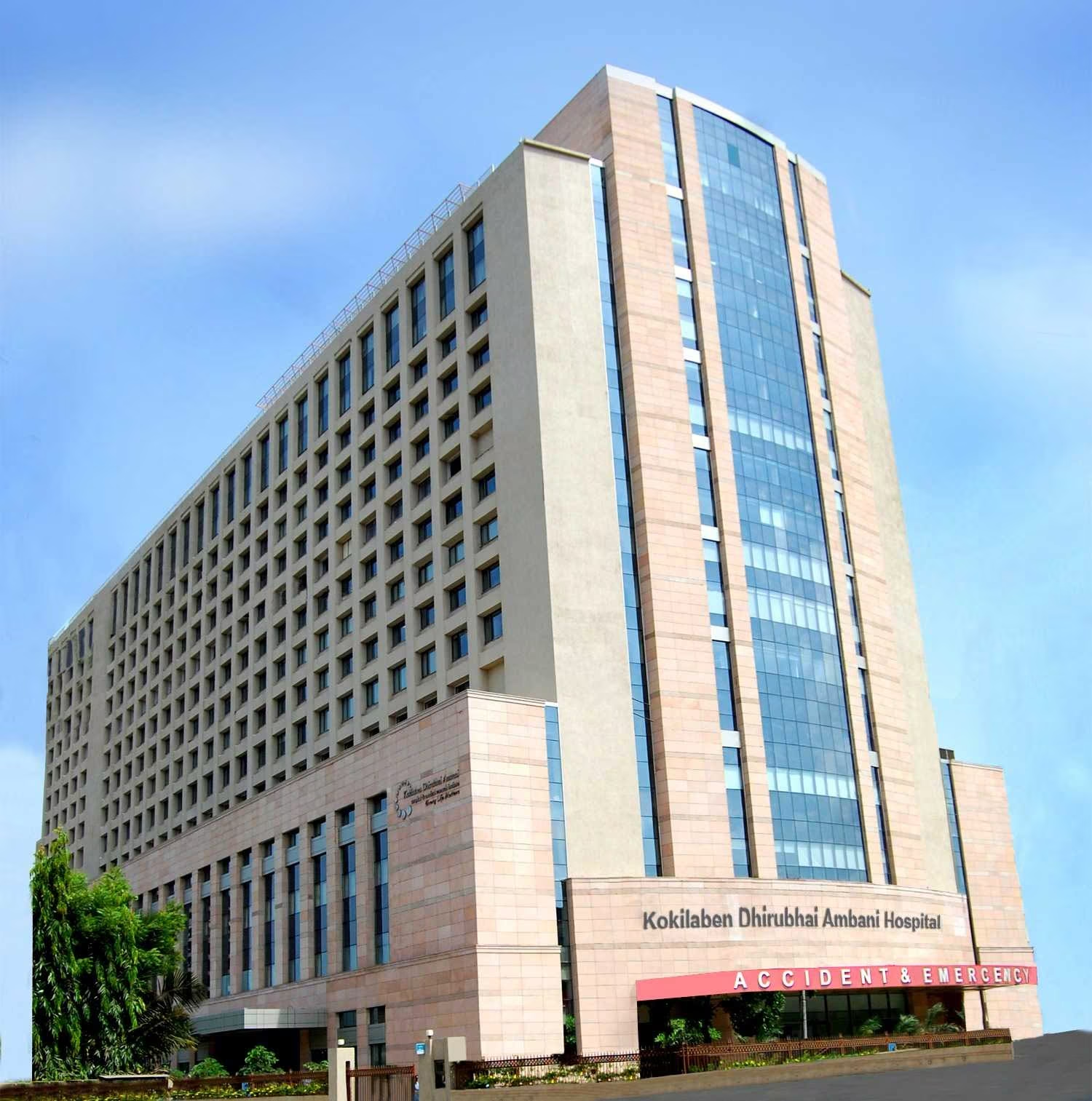
Kokilaben Dhirubhai Ambani Hospital, Mumbai

Bombay, Inde

L'hôpital Kokilaben Dhirubhai Ambani de Mumbai est un hôpital de soins quaternaires accrédité JCI, NABH, NABL et CAP, créé en 2009. Avec 750 lits, 180...

Multi-specialty
Établi 2009
750 lits
Accréditations
Joint Commission International (JCI)
National Accreditation Board for Hospitals & Healthcare Providers (NABH)
International Organization for Standardization (ISO)
Installations
+13
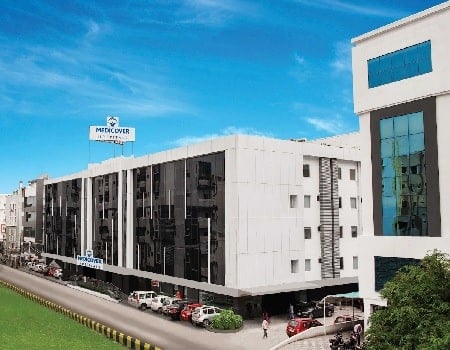
Hôpitaux Medicover, Hitech City, Hyderabad
PLATINUM
Afficher les détails

Hôpitaux Medicover, Hitech City, Hyderabad

Hyderâbâd, Inde

Medicover Hospitals, Hitech City, Hyderabad, est un hôpital superspécialisé de 400 lits accrédité par le NABH, créé en 2011. Il fait partie de Medicov...

Multi-specialty
Établi 2011
400 lits
Accréditations
National Accreditation Board for Hospitals & Healthcare Providers (NABH)
Joint Commission International (JCI)
Installations
+13

Médecins connexes

Connectez-vous avec des médecins expérimentés et des médecins spécialistes dans ce domaine.

Dr Dilek Benk Silfeler

Dr Dilek Benk Silfeler

Consultant

23 années d'expérience
Afficher les détails
Dr Ananda Mandal

Dr Ananda Mandal

Consultant

27 années d'expérience
Afficher les détails
Dr Indranil Khan

Dr Indranil Khan

Consultant

8 années d'expérience
Afficher les détails
Dr Pradip Chakrabarti

Dr Pradip Chakrabarti

Head of Department (HOD)
45 années d'expérience
Afficher les détails
Dr Rakesh Rajput

Dr Rakesh Rajput

Head of Department (HOD)
30 années d'expérience
Afficher les détails
Dr Praveen GL

Dr Praveen GL

Consultant

10 années d'expérience
Afficher les détails

Articles connexes

Explorez plus d'articles et d'informations sur des sujets de santé similaires.
Meilleurs pays pour la transplantation d'organes : guide 2026 sur les coûts, les délais d'attente et les exigences légales
Medical Tourism

Meilleurs pays pour la transplantation d'organes : guide 2026 sur les coûts, les délais d'attente et les exigences légales

2/4/2026, 9:05:33 AM
7 min read
La demande mondiale dechirurgie de transplantation d'organecontinue d’augmenter chaque année. Des millions de patients vivent avec une défaillance d'o...
Back Pain or Something More? When Does a Spine Tumor Require Surgery?

Medical Tourism

Back Pain or Something More? When Does a Spine Tumor Require Surgery?

1/3/2026, 12:51:20 PM
9 min read
Lorsqu’un diagnostic concerne la colonne vertébrale, la première question est presque toujours :« Est-ce que je pourrai encore marcher ?En 2026, les s...
Combien de temps peut-on vivre après une greffe d’organe ?
Medical Tourism

Combien de temps peut-on vivre après une greffe d’organe ?

1/3/2026, 12:19:15 PM
7 min read
Quand on vous dit que vous avez besoin d'untransplanter, la première question qui vient à l’esprit est souvent la plus difficile à poser :Combien de t...
Qui peut bénéficier d’une greffe d’organe en Inde ? Règles d'éligibilité expliquées
Medical Tourism

Qui peut bénéficier d’une greffe d’organe en Inde ? Règles d'éligibilité expliquées

1/3/2026, 12:00:36 PM
7 min read
La défaillance d’un organe reste un défi de santé mondial croissant. L’insuffisance rénale chronique touche des millions de personnes dans le monde et...
La transplantation d'organes est-elle sans danger pour les patients internationaux en Inde ? Lois, risques et taux de réussite expliqués
Medical Tourism

La transplantation d'organes est-elle sans danger pour les patients internationaux en Inde ? Lois, risques et taux de réussite expliqués

28/2/2026, 2:19:46 PM
8 min read
Pour un patient international, la décision de voyager pour une duréegreffe d'organeest souvent un choix fait par nécessité. Les longues listes d'atten...
Greffe de moelle osseuse ou thérapie cellulaire CAR-T : quel est le meilleur traitement pour le cancer du sang ?

Medical Tourism

Greffe de moelle osseuse ou thérapie cellulaire CAR-T : quel est le meilleur traitement pour le cancer du sang ?

28/2/2026, 1:48:01 PM
9 min read
Si vous luttez contre un cancer du sang comme la leucémie ou le lymphome, vous êtes probablement à la croisée des chemins. D’un côté se trouve la gref...
Dr Deepanshu Siwach

Rédacteur médical principal

Sr. Medical Content Writer Qonaq Health and Wellness
Doctor of Pharmacy

Le Dr Deepanshu Siwach est un pharmacien clinicien expérimenté titulaire d'un doctorat en pharmacie. Il a plus de 4 ans d'expérience et a travaillé avec des milliers de patients. Il a été associé à ... En savoir plus

Notre site Web utilise des cookies. politique de confidentialité.