
Cancer Treatment Side Effects and Their Management

When you are diagnosed with cancer, the main goal is to get rid of the disease. But for many patients, the fear of the treatment is almost as strong as the fear of the cancer itself. We have all heard stories about how exhausting and painful treatments like chemotherapy can be.
The good news? The world of oncology has changed drastically. In 2026, doctors don't just focus on killing the cancer; they place heavy emphasis on "Supportive Care." It means protecting your quality of life during treatment is just as important as the treatment itself.
If you or a loved one is preparing for cancer treatment, here is a simple, comforting guide to the most common side effects and exactly how they are managed today.
Why Do Cancer Treatments Cause Side Effects?
Cancer treatments are designed to destroy cancer cells, but they can also affect some healthy cells in the body. It is the main reason why side effects happen.
- Effect on Fast-Growing Cells: Treatments like chemotherapy target fast-growing cells. Cancer cells grow quickly, but so do some normal cells, such as hair follicles, blood cells, and cells in the digestive system. When these healthy cells are affected, side effects appear.
- Immune System Response: Some treatments, especially immunotherapy, activate the immune system. When the immune system becomes highly active, it may also affect normal tissues, leading to symptoms such as inflammation or fatigue.
- Type of Treatment Matters: Different treatments cause different side effects. Chemotherapy, radiation, targeted therapy, and immunotherapy work in different ways, so their effects on the body differ.
- Individual Body Response: Each person reacts differently to treatment. Age, overall health, and type of cancer all influence how the body handles therapy.
Side effects are not a sign that treatment is failing. In many cases, they show that the treatment is working in the body.
What Are the Common Side Effects of Cancer Treatment?
Not everyone gets the same side effects, but some are quite common across different treatments. Knowing about them early helps patients better manage them.
- Fatigue (Extreme Tiredness): This is one of the most common symptoms. Patients often feel low energy even after rest. It can affect daily activities, but usually improves after treatment.
- Nausea and Vomiting: Some treatments can upset the stomach. It may happen during or after therapy, but medicines today help control it effectively.
- Hair Loss: Hair loss is mainly seen with chemotherapy. It can affect the scalp and sometimes other body hair. In most cases, hair grows back after treatment.
- Pain or Discomfort: Pain may come from the treatment itself or from the cancer. Doctors manage this with proper medication and care.
- Loss of Appetite: Patients may not feel like eating or may feel full quickly. It can cause weight loss if not managed properly.
- Changes in Taste or Mouth Sores: Food may taste different, or patients may develop mouth ulcers. It can make eating uncomfortable.
These side effects may seem difficult, but most can be managed with proper support.
How Does Chemotherapy Affect the Body?
Chemotherapy is one of the most commonly used cancer treatments. It works by killing rapidly dividing cells, but it also affects some healthy cells.
- Effect on Blood Cells: Chemotherapy can reduce red blood cell, white blood cell, and platelet counts. It may cause weakness, increased risk of infection, or easy bleeding.
- Hair Loss: Hair follicles are fast-growing cells, so they are affected during treatment. This is why many patients experience hair loss.
- Impact on Digestive System: Cells in the stomach and intestines are also affected. It leads to nausea, vomiting, or changes in appetite.
- Fatigue and Weakness: Because the body is working hard to recover, patients may feel tired most of the time.
- Temporary Nature of Effects: Most of these side effects are temporary. Once treatment is completed, the body gradually begins to recover.
Doctors monitor patients closely during chemotherapy. Supportive care helps manage these effects and keeps treatment on track.
What Are the Side Effects of Radiation Therapy?
Radiation therapy works on a specific area of the body. Because of this, its side effects are usually localized, meaning they affect only the treated part.
- Skin Changes in the Treated Area: The skin may become red, dry, or sensitive, similar to a mild sunburn. In some cases, it may peel slightly. It usually improves after treatment ends.
- Fatigue: Many patients feel tired during radiation therapy. It is a common effect and can build up over time.
- Hair Loss: Hair loss happens only in the area where radiation is given. For example, radiation to the head may cause hair loss on the scalp.
- Difficulty Swallowing or Eating (in some cases): If radiation is given near the throat or chest, patients may feel discomfort while eating.
- Gradual Improvement After Treatment: Most side effects improve gradually after treatment is completed. The body starts healing once treatment stops.
Radiation side effects are usually manageable and limited to specific areas.
What Side Effects Can Occur with Targeted Therapy and Immunotherapy?
Targeted therapy and immunotherapy are more focused treatments. They affect cancer cells more specifically, but they can still cause side effects.
- Skin Problems: Patients may develop rashes, dryness, or itching. It is one of the most common effects of targeted therapy.
- Fatigue: Tiredness can still occur, even with these newer treatments.
- Diarrhea or Digestive Issues: Some patients experience changes in bowel movements or stomach discomfort.
- Immune-Related Reactions (Immunotherapy): Immunotherapy activates the immune system. Sometimes, it may affect normal organs such as the skin, lungs, or thyroid.
- Swelling or Inflammation: Some patients may notice swelling or mild inflammation in certain parts of the body.
- Usually More Controlled Than Chemotherapy: Side effects are often different, not always easier, but more targeted and manageable in many cases.
Doctors monitor patients closely during these treatments. Early reporting of symptoms helps manage side effects effectively.
How Are Side Effects Managed During Treatment?
Today, cancer care is not just about treating the disease. Doctors also focus on managing side effects so patients can continue treatment comfortably.
- Medications for Symptom Control: Doctors give medicines to manage nausea, pain, infections, and other symptoms. For example, anti-nausea drugs are commonly used during chemotherapy.
- Regular Monitoring: Patients are monitored through blood tests and check-ups. It helps doctors detect problems early and adjust treatment if needed.
- Nutrition Support: Eating can become difficult during treatment. Dieticians help patients choose foods that are easier to eat and provide enough nutrition.
- Hydration and Rest: Staying hydrated and getting proper rest helps the body recover faster. Simple changes in routine can make a big difference.
- Managing Infections: When immunity is low, doctors may prescribe antibiotics or preventive care. Patients are also advised to avoid crowded places.
- Emotional and Mental Support: Treatment can be stressful. Counseling and support groups help patients cope better during this time.
Side effects are actively managed throughout treatment. Patients are not expected to handle them on their own.
Can Side Effects Be Prevented or Reduced?
Not all side effects can be avoided, but many can be reduced with proper planning and care.
- Early Planning Before Treatment Starts: Doctors often prepare patients in advance. It may include medications, diet plans, and lifestyle advice.
- Following Medical Advice Closely: Taking medicines on time and following instructions helps reduce complications.
- Maintaining a Healthy Routine: Light activity, balanced food, and proper sleep support the body during treatment.
- Avoiding Triggers: Certain foods, infections, or stress can worsen symptoms. Avoiding these helps keep side effects under control.
- Reporting Symptoms Early: Many problems can be managed easily if reported early. Waiting too long can make them worse.
- Support System Matters: Family support and proper home care help patients better manage side effects.
Side effects cannot always be stopped completely. But with the right care, they can be controlled to a large extent.
When Should Patients Inform Their Doctor?
Some side effects are expected, but certain symptoms need immediate attention. It is always better to inform the doctor early rather than wait.
- High Fever or Signs of Infection: A fever during treatment can be serious, especially when immunity is low. It should be reported immediately.
- Severe or Uncontrolled Pain: Pain that does not respond to medication requires medical attention.
- Persistent Vomiting or Diarrhea: If a patient cannot eat or drink properly, it can cause weakness and dehydration.
- Breathing Difficulty or Chest Pain: These symptoms should never be ignored and require urgent care.
- Sudden Confusion or Unusual Behavior: Changes in mental state can sometimes be linked to treatment effects and need quick evaluation.
- Bleeding or Unusual Bruising: This may indicate low platelets and should be checked by a doctor.
How Long Do Side Effects Last After Treatment?
The duration of side effects of cancer treatment depends on the type of treatment and the patient's body.
- Short-Term Side Effects: Symptoms such as nausea, fatigue, or hair loss usually occur during treatment and improve within weeks after it ends.
- Recovery Phase: The body slowly heals after treatment. Energy levels improve, appetite returns, and the normal routine becomes easier.
- Long-Term Effects (in some cases): Some side effects may last longer, especially after intensive treatments. These are monitored and managed over time.
- Hair Regrowth and Physical Recovery: Hair usually regrows after treatment. Strength and stamina also improve gradually.
- Regular Follow-Up Helps Recovery: Doctors track recovery through follow-ups and guide patients in managing any lasting effects.
Every patient's recovery is different. Most people start feeling better gradually after treatment is complete.
Summary
Side effects are a part of cancer treatment, but they are not something patients have to face alone. With proper care, most adverse effects can be managed and controlled.
Understanding what to expect helps reduce fear and makes the journey easier. The focus is always on completing treatment safely while maintaining comfort as much as possible.
At Qonaq Health, we support patients not just with treatment planning but also with guidance on managing side effects, choosing the right hospitals, and coordinating care throughout the journey.
You can share your reports with us and get a personalized plan that covers treatment, recovery, and complete support before and after your medical travel.
FAQs
What are the most common side effects of cancer treatment?
The most common side effects include fatigue, nausea, vomiting, hair loss, pain, and loss of appetite. These occur because treatment affects both healthy and cancer cells.
Are cancer treatment side effects permanent?
Most side effects are temporary and improve after treatment ends. Some effects may take longer to recover, but doctors monitor and manage them over time.
How are chemotherapy side effects managed?
Doctors use medicines to control nausea, pain, and infections. Patients are also supported with nutrition plans, hydration, and regular monitoring to manage side effects.
When should I worry about side effects?
You should contact your doctor if you have a high fever, severe pain, breathing problems, uncontrolled vomiting, or unusual symptoms. Early reporting helps prevent complications.
Can side effects be reduced during cancer treatment?
Yes, side effects can often be reduced with proper care. Following medical advice, maintaining a healthy routine, and reporting symptoms early can help manage them effectively.
How long do cancer treatment side effects last?
Some side effects last only during treatment, while others may continue for a few weeks after. Recovery time varies from person to person.
Is cancer treatment always painful?
Not always. Some patients experience discomfort, but doctors provide pain management and supportive care to keep patients as comfortable as possible.
Related Hospitals
Discover hospitals and medical centers related to this topic for quality healthcare services.
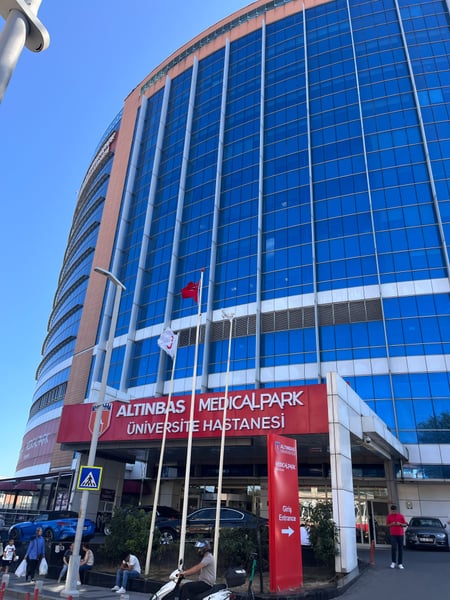
Medical Park Bahcelievler Hospital
Medical Park Bahcelievler Hospital is a 242-bed JCI-accredited hospital in Istanbul, established in 2007. Spread across 33,000 square meters and 19 fl...
Accreditations
Facilities

BLK-Max Super Speciality Hospital, New Delhi
BLK-Max Super Speciality Hospital in New Delhi is one of India's premier healthcare institutions, offering 650 beds, 22 advanced operation theatres, a...
Accreditations


Facilities

Fortis Memorial Research Institute (FMRI), Gurgaon
Fortis Memorial Research Institute (FMRI), Gurgaon, is a world-class multi-specialty hospital established in 2013. The hospital offers 330 beds, 15 op...
Accreditations


Facilities

Artemis Hospital, Gurgaon
Artemis Hospital, Gurgaon, is a JCI accredited multispecialty hospital that was established in 2007. It offers 750+ beds and world -class infrastructu...
Accreditations



Facilities

Kokilaben Dhirubhai Ambani Hospital, Mumbai
Kokilaben Dhirubhai Ambani Hospital, Mumbai, is a JCI, NABH, NABL, and CAP-accredited quaternary care hospital established in 2009. With 750 beds, 180...
Accreditations


Facilities

Medicover Hospitals, Hitech City, Hyderabad
Medicover Hospitals, Hitech City, Hyderabad, is a 400-bed NABH-accredited super-specialty hospital established in 2011. It is part of Medicover, a glo...
Accreditations


Facilities
Related Doctors
Connect with experienced doctors and medical specialists in this field.

Dr. Sainath Bhethanabhotla
Senior Consultant

Dr. Murthy JMK
Senior Consultant

Dr. Prof. Umesh T
Director

Dr. Linkon Biswas
Consultant

Dr. Abha Kumari
Consultant

Dr. Karan Sehgal
Consultant
Related Articles
Explore more articles and insights on similar health topics.

Tummy Tuck Surgery in India: Cost, Recovery, Techniques, and Results
Breast Reconstruction After Breast Cancer Surgery
Rhinoplasty in India: Cost, New Techniques, and Recovery

Why IVF Fails: Common Causes and What to Do Next
IVF vs IUI: Differences, Success Rates, Costs, and Which Treatment Is Right for You

Egg Freezing Abroad: Best Countries, Costs, and What to Expect

Author
View AllDr. Deepanshu Siwach is an experienced clinical pharmacist with a Doctor of Pharmacy degree. He has over 4 years of experience and has worked with thousands of patients. He has been associated with ... Read More
Our website uses cookies. By clicking on accept you give your consent to the use of cookies as per our Privacy Policy.
