
How Long Do Patients Stay in the Hospital After Transplant Surgery?
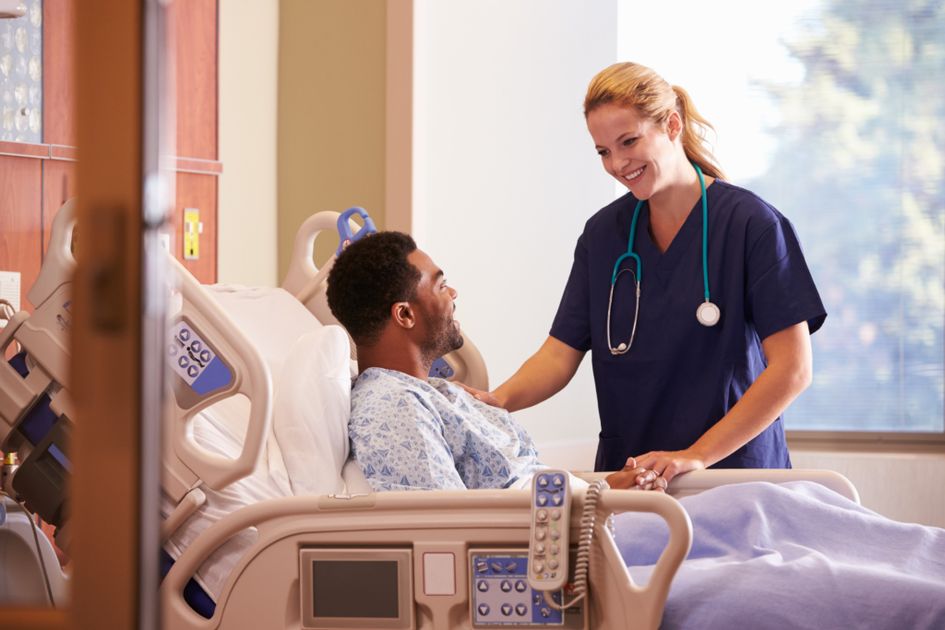
One of the first practical questions patients and families ask when a transplant is recommended is a simple one: how long will we need to be there?
It is a fair question, and it deserves a real answer rather than the vague "it depends" that most people get from early conversations with medical teams.
The honest answer is this: the average hospital stay after a kidney transplant runs around five to seven days for an uncomplicated case. Liver transplant patients typically spend seven to ten days in the hospital, with several of those in the ICU. Heart transplant recipients stay for around seven to ten days. Lung transplant patients generally need the longest stay, between seven and fourteen days at a minimum, sometimes longer. These are the baselines for straightforward cases. Complications, the patient's condition before surgery, and how quickly the new organ begins functioning can significantly extend any of these.
What follows is a thorough, organ-by-organ breakdown of what to expect realistically, what happens during each phase of the hospital stay, what factors can prolong a stay, and what patients need to know about the period immediately after discharge.
What Happens in the Hospital Immediately After Transplant Surgery?
Before getting into organ-specific timelines, it helps to understand the general structure of a post-transplant hospital stay, because the same sequence applies across all organ types, even if the duration differs.
- The recovery room comes first. After surgery, patients spend 2 to 4 hours in the post-anaesthesia care unit (PACU) as the effects of anaesthesia wear off and vital signs stabilise. The surgical team speaks with waiting family members during this period.
- The ICU follows for most patients. Kidney transplant recipients may go directly to a specialised transplant ward rather than the ICU if the surgery was uncomplicated. But liver, heart, and lung transplant recipients almost always spend their first post-operative days in intensive care, where continuous monitoring of the new organ's function, haemodynamic stability, and ventilation happens around the clock.
- The transplant ward follows the ICU. Once the patient moves out of intensive care, they continue recovering in a specialised transplant unit where the nursing staff has specific training in post-transplant care. This is where medication education begins in earnest, wound care continues, mobility rehabilitation starts, and the transplant team's daily rounds assess progress toward discharge.
- Discharge criteria are consistent across organ types. Patients go home when they are alert and oriented, eating and tolerating oral medications, moving around safely, have pain that is controlled on oral rather than intravenous medication, and show stable organ function on blood tests. Most importantly, they and their caregiver must demonstrate understanding of the post-discharge medication regimen, because medication errors in the first weeks after transplant carry serious consequences.
How Long Do Kidney Transplant Patients Stay in the Hospital?
Kidney transplant has the shortest typical hospital stay of any solid organ transplant. Most recipients go home within 5 to 7 days after the procedure, according to Johns Hopkins Medicine. Some centres report average stays of 4 to 6 days for uncomplicated cases, while Temple Health and University Health both cite 3 to 6 days, depending on how quickly the new kidney begins functioning.
There are various reasons kidney transplant patients tend to leave sooner. The surgery itself takes three to four hours rather than the six to twelve hours required for liver and heart procedures. Kidney recipients often do not require ICU admission if the procedure is uncomplicated and the patient is not particularly high-risk. Many can begin getting out of bed the day after surgery.
The critical variable in how quickly a kidney transplant patient goes home is whether the new kidney starts working immediately. This is called immediate graft function, and it is more common with living donor kidneys than with deceased donor kidneys. A kidney from a living donor is transplanted immediately after removal, minimising cold ischemia time. Deceased donor kidneys may have been preserved for many hours, and some experience delayed graft function, where urine output is slow to begin, and dialysis continues for a period post-transplant. Patients with delayed graft function typically stay longer in the hospital while the team monitors whether function will improve on its own.
Living kidney donors who donate one kidney laparoscopically typically stay in the hospital for 1 to 2 days before discharge.
For combined kidney-pancreas transplant recipients, the average stay extends to around fourteen days, reflecting the additional complexity of the pancreas component.
How Long Do Liver Transplant Patients Stay in the Hospital?
Liver transplant involves a surgery that takes anywhere from six to twelve hours, and the post-operative recovery period is correspondingly more intensive than a kidney transplant.
The average hospital stay after a liver transplant is 7 to 10 days, according to data from University Health San Antonio and the Cleveland Clinic. But the ICU component within that stay is significant. Patients spend the first several days in intensive care before moving to the transplant ward, and the timing of that ICU discharge depends on how quickly the new liver demonstrates function, whether bleeding requires management, and how smoothly the transition from mechanical ventilation to independent breathing goes.
Once out of the ICU and on the transplant ward, liver transplant recipients work through a structured recovery process: oral intake resumes, daily blood tests track liver enzyme trends, bile duct function gets assessed, and the team watches carefully for early complications, including bleeding, biliary leaks, and vascular thrombosis at the anastomosis sites.
Cleveland Clinic reports that most people can return to work within 3 months of a liver transplant and resume all other activities within 6 to 12 months.
How Long Do Heart Transplant Patients Stay in the Hospital?
Heart transplant surgery takes approximately six hours, and the post-operative stay typically runs seven to ten days according to Johns Hopkins Medicine, though this baseline assumes no significant complications.
The intensive care component after a heart transplant is critical. The heart has essentially no tolerance for haemodynamic instability in the early post-operative period. Any degree of acute rejection can rapidly become life-threatening, which means the ICU team monitors cardiac function, urine output, chest drain losses, and electrolytes with extraordinary attention in the first 48 to 72 hours.
The transition from the ventilator to independent breathing is a key early milestone. Most uncomplicated heart transplant recipients are extubated within the first day or two. Once off the ventilator and haemodynamically stable, patients move toward the transplant ward and begin the structured rehabilitation process that marks the recovery phase.
What frequently extends the hospital stay after a heart transplant is not the surgery itself but the early post-operative complications. Primary graft dysfunction, where the transplanted heart does not perform as expected in the immediate post-operative period, requires aggressive haemodynamic support and can significantly extend the ICU stay. Patients who arrive at transplant with a very high urgency status and severe pre-operative haemodynamic compromise tend to have longer and more complicated recoveries.
Cardiac rehabilitation begins early, often within the first week, with supervised physical activity that progresses incrementally. By the time most heart transplant patients go home, they can walk reasonable distances and manage their daily medications independently.
How Long Do Lung Transplant Patients Stay in the Hospital?
Lung transplant carries the widest variation in post-operative hospital stay of any solid organ transplant. The baseline range cited by Johns Hopkins Medicine is seven to fourteen days, but in practice, lung transplant recipients frequently stay longer, and readmission rates in the first year after discharge are high.
The complexity begins intraoperatively. Lung transplant surgery is technically demanding, involving the reimplantation of bronchial connections that are prone to dehiscence, anastomotic strictures, and healing complications. Primary graft dysfunction, a form of early lung injury that affects the transplanted lung in the first 72 hours, occurs in a proportion of recipients and can significantly extend the ICU stay. Patients with primary graft dysfunction may require prolonged mechanical ventilation, sometimes days to weeks beyond a typical recovery.
Infection is the most critical post-operative concern for lung transplant recipients, and it is also the main driver of ICU readmission and extended hospital stays. Research published in a retrospective cohort study of lung transplant recipients found that sepsis and pneumonia were the leading causes of ICU readmission during the index hospitalisation, and that patients readmitted to the ICU had dramatically longer total hospital stays compared to those who progressed without setback.
Pulmonary rehabilitation begins as early as possible after lung transplant, often in the ICU itself, because physical reconditioning is both physically and psychologically important for patients who have lived with severe breathing restriction. The pace of rehabilitation significantly influences when patients can go home, because discharge requires not just organ function but the physical capacity to manage safely outside a hospital setting.
What Factors Make Hospital Stays Longer After Any Transplant?
Across all organ types, several variables consistently extend hospital stays beyond baseline estimates.
- Pre-operative disease severity is the strongest predictor. Patients who arrive at transplant already hospitalised, on ventilatory support, requiring vasopressors, or in multi-organ dysfunction have significantly longer post-operative stays because they are starting the recovery process from a much lower baseline.
- Delayed graft function primarily applies to kidney transplants and means the new kidney is slow to begin producing urine and filtering waste. It extends the hospital stay while the team monitors whether the kidney will recover on its own or require interventional support.
- Surgical complications, including bleeding that requires return to the operating theatre, vascular thrombosis at anastomosis sites, biliary leaks in liver transplant, and bronchial dehiscence in lung transplant, all extend the hospital stay significantly and may require additional procedures.
- Acute rejection episodes that occur during the initial hospitalisation require treatment with high-dose steroids or other agents and close monitoring of organ function before the patient is safe to discharge.
- Infection arising during the hospital stay, whether a wound infection, a respiratory infection, or a urinary tract infection, requires treatment and stabilisation before discharge can proceed.
- Patient factors, including older age, pre-existing diabetes, obesity, and reduced pre-operative functional status, all correlate with longer hospital stays and higher complication rates.
How Frequent Are Readmissions After Transplant Discharge?
This is something most transplant teams discuss honestly with patients before discharge, because readmission in the first year after transplant is genuinely common and does not necessarily indicate that something has gone badly wrong.
- For kidney transplant recipients, a PMC study found that more than 80% of live-related renal transplant patients were readmitted at least once within the first six months, with infection the most common medical cause, followed by rejection. The median readmission occurred approximately 66 days post-discharge, with a median length of stay of 4 days.
- For lung transplant recipients, research shows that more than 83% are readmitted within the first year after discharge, with 64% experiencing multiple readmissions. Infection drives the majority of these returns.
- Heart transplant data show that around 57% of recipients require at least one readmission within the first year, again with infection as the leading cause.
These figures sound alarming in isolation. But the context matters: transplant recipients are monitored intensively in the post-discharge period precisely because early detection and treatment of rejection and infection is what preserves the organ and protects the patient. Many readmissions are brief, targeted interventions that result in the patient going home again within a few days.
What Does the Outpatient Follow-Up Period Look Like After Discharge?
Discharge from the hospital does not mean the end of intensive medical oversight. The first months after transplant involve a demanding schedule of outpatient appointments, blood tests, and monitoring that gradually spaces out as the patient stabilises.
For kidney transplant recipients, weekly clinic visits are standard for the first month. Most centres move to fortnightly visits in months two and three, then transition to monthly reviews.
Liver and heart transplant recipients have similarly intensive early follow-up, with frequent blood work monitoring of organ function, drug levels, and markers of rejection or infection.
The post-discharge period is also when patients and families are expected to have genuinely internalised the medication regime, the warning signs of rejection and infection, the dietary and activity guidelines, and when to call the transplant team rather than waiting for the next scheduled appointment.
For patients who received their transplant abroad, this outpatient period requires explicit coordination between the transplant centre and the patient's local physicians. A reputable international transplant centre establishes this care handover protocol before the patient is discharged, sharing detailed records, medication plans, and emergency contact protocols with the receiving medical team.
What Should Patients and Families Plan For Practically?
Understanding the likely timeline helps families make genuinely useful, practical decisions before the transplant happens.
The caregiver commitment in the early weeks is substantial. Most patients need full-time support at home for at least the first 2 to 4 weeks after discharge, including medication management, transportation to clinic appointments, and monitoring for early warning signs.
Accommodation near the transplant centre matters enormously for patients travelling from elsewhere, whether domestically or internationally. The need to attend clinic appointments weekly in the first month makes returning home immediately after discharge impractical for most international patients. Planning for at least four to six weeks of accommodation near the treating centre is a realistic baseline.
Return-to-work timelines vary significantly by organ type. Kidney transplant patients often return part-time within 6 to 8 weeks. Liver transplant patients typically need to wait 3 months before considering part-time work. Heart and lung transplant patients generally need 6 to 12 months before work becomes realistic, depending on the demands of the role.
The Bottom Line
The hospital stay itself is only the beginning of the transplant journey. The average numbers, five to seven days for the kidney, seven to ten for the liver and heart, and seven to fourteen for the lung, represent the best-case baseline for uncomplicated recoveries. What matters more than the number is the quality of care during that stay, the strength of the outpatient follow-up system afterwards, and the practical support the patient has at home when they leave.
Patients who go into this process understanding each phase, rather than just counting down to discharge, tend to navigate the entire post-transplant period with far less anxiety and far better outcomes.
Planning a transplant and need to understand the full care timeline from hospital admission to long-term follow-up? Our specialist medical coordinator can help you map every phase of the journey.
Related Hospitals
Discover hospitals and medical centers related to this topic for quality healthcare services.
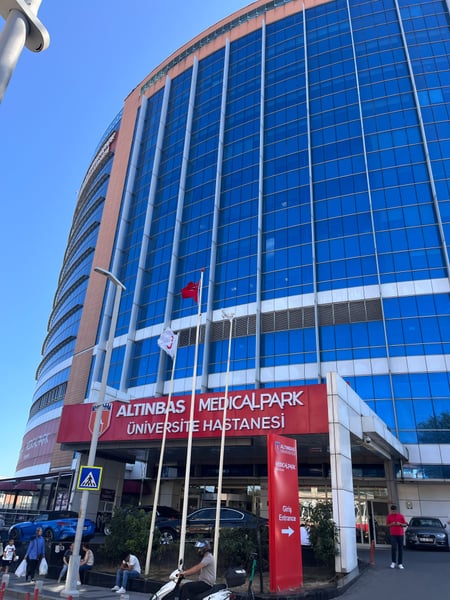
Medical Park Bahcelievler Hospital
Medical Park Bahcelievler Hospital is a 242-bed JCI-accredited hospital in Istanbul, established in 2007. Spread across 33,000 square meters and 19 fl...
Accreditations
Facilities

BLK-Max Super Speciality Hospital, New Delhi
BLK-Max Super Speciality Hospital in New Delhi is one of India's premier healthcare institutions, offering 650 beds, 22 advanced operation theatres, a...
Accreditations


Facilities

Fortis Memorial Research Institute (FMRI), Gurgaon
Fortis Memorial Research Institute (FMRI), Gurgaon, is a world-class multi-specialty hospital established in 2013. The hospital offers 330 beds, 15 op...
Accreditations


Facilities

Artemis Hospital, Gurgaon
Artemis Hospital, Gurgaon, is a JCI accredited multispecialty hospital that was established in 2007. It offers 750+ beds and world -class infrastructu...
Accreditations



Facilities
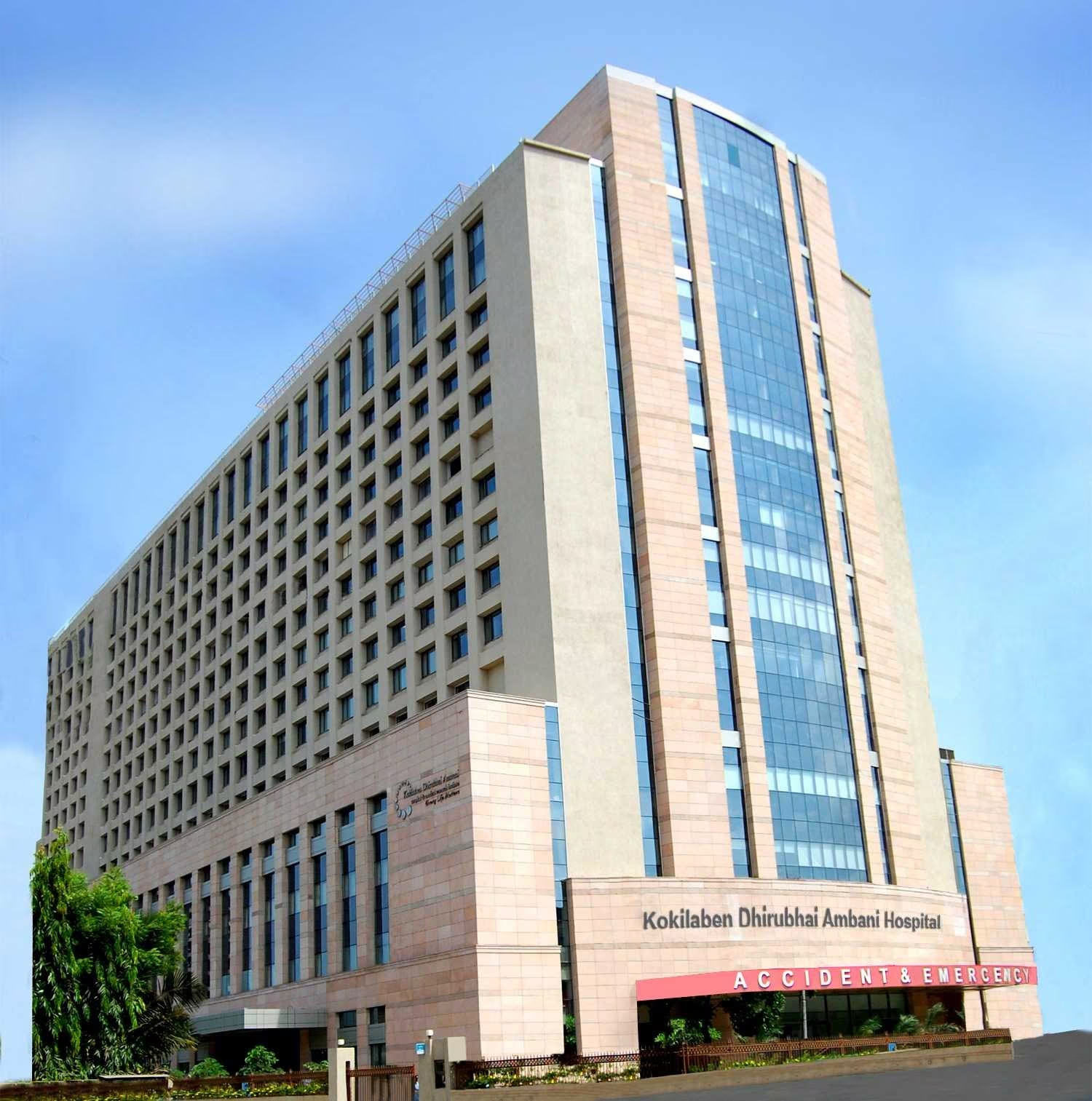
Kokilaben Dhirubhai Ambani Hospital, Mumbai
Kokilaben Dhirubhai Ambani Hospital, Mumbai, is a JCI, NABH, NABL, and CAP-accredited quaternary care hospital established in 2009. With 750 beds, 180...
Accreditations


Facilities

Medicover Hospitals, Hitech City, Hyderabad
Medicover Hospitals, Hitech City, Hyderabad, is a 400-bed NABH-accredited super-specialty hospital established in 2011. It is part of Medicover, a glo...
Accreditations


Facilities
Related Doctors
Connect with experienced doctors and medical specialists in this field.

Dr. Wichit Arpornwirat
Consultant

Dr. Prasan Kachonrattanadet
Consultant

Dr. Sabarinath C
Consultant

Dr. Pradip Chakrabarti
Head of Department (HOD)

Dr. Suraj Chiraniya
Senior Consultant

Dr. Shishir Shetty
Head of Department (HOD)
Related Articles
Explore more articles and insights on similar health topics.

How Multidisciplinary Teams Improve Patient Outcomes

Why Hospital Accreditation Matters in Medical Tourism
Is Brain Tumour Surgery Risky? What Patients Need to Know Before Making a Decision

Managing Pain After Spine Surgery
How Long Does Recovery Take After Spine Surgery?
Post-Transplant Care for International Patients

Our website uses cookies. By clicking on accept you give your consent to the use of cookies as per our Privacy Policy.
